Marine reserves, islands and protected coastal waters.
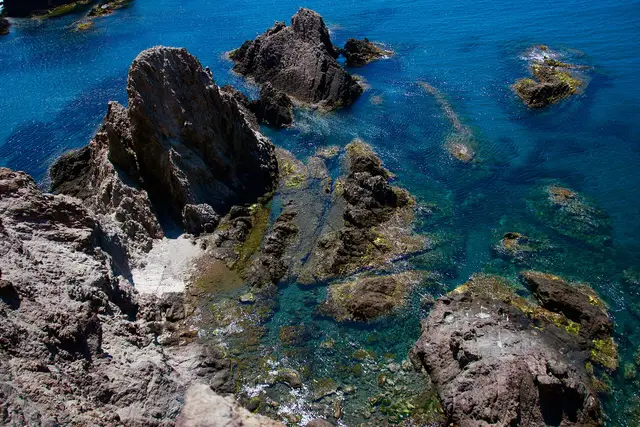
Photo: Edoarrdo · CC BY-SA 4.0 · Wikimedia Commons
Andalusia (Almería / Níjar / Carboneras / San José), [36.75, -2.18]
★★★★★crowding: Moderate
The largest protected marine-terrestrial area of volcanic origin in Mediterranean Europe, featuring lava cliffs, fossil dunes and Posidonia meadows.
Wild coastMarineSteppe and grassland
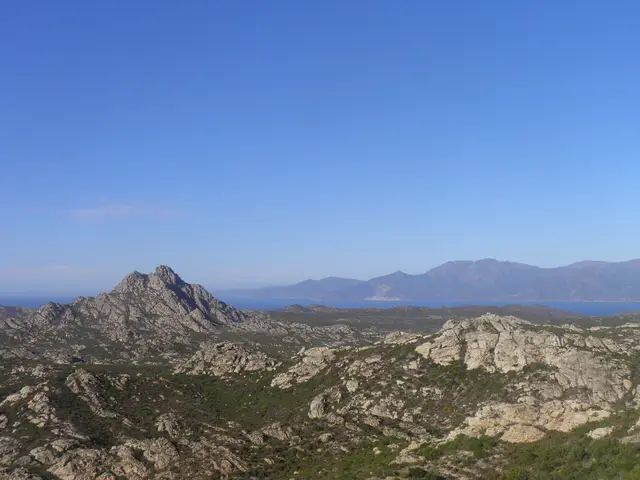
Photo: Gzen92 · CC BY-SA 4.0 · Wikimedia Commons
Corsica (Bastia / Saint-Florent / Centuri)
★★★★★crowding: Low
The largest Marine Natural Park in metropolitan France (6.800 km²), safeguarding the pristine scrubland of the Agriates Desert and the Genoese towers of Cap Corse.
Wild coastMarineSteppe and grassland
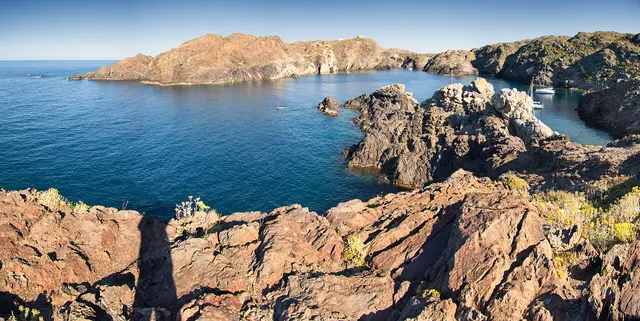
Photo: Mikipons · CC BY-SA 3.0 · Wikimedia Commons
Catalonia (Girona / Cadaqués / El Port de la Selva / Roses)
★★★★★crowding: Moderate
The easternmost point of the Iberian Peninsula, where the Pyrenees plunge into the sea in a labyrinth of metamorphic schists sculpted by the tramontana.
Wild coastMarineSteppe and grassland
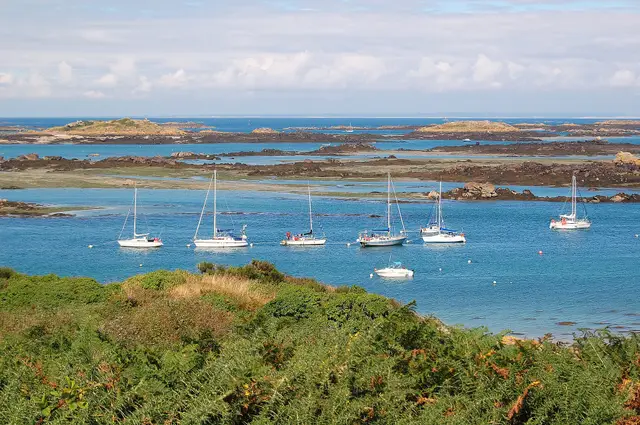
Photo: Pline · CC BY-SA 3.0 · Wikimedia Commons
Normandy (Manche / Granville)
★★★★★crowding: Low
Europe's largest insular archipelago by tidal range (52 islets at high tide expanding to 365 at low tide).
Wild coastMarine
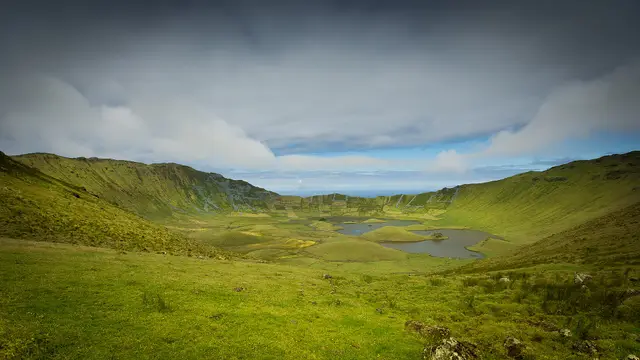
Photo: Paulo Valdivieso from Lisboa, Portugal · CC BY-SA 2.0 · Wikimedia Commons
Autonomous Region of the Azores (Corvo Island / Vila do Corvo)
★★★★★crowding: Very low
The smallest and most remote island of the Azorean archipelago (17 km²), dominated by the Caldeirão (volcanic collapse caldera holding two interior lagoons).
Wild coastMarineLake
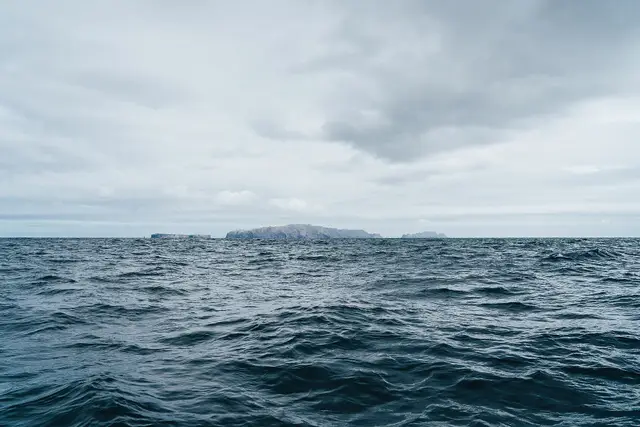
Photo: André Moniz Vieira · CC BY-SA 4.0 · Wikimedia Commons
Autonomous Region of Madeira (Deserta Grande / Bugio / Ilhéu Chão)
★★★★★crowding: None
Uninhabited archipelago of three narrow volcanic islands (Deserta Grande, Bugio, and Chão), a strict sanctuary for the Mediterranean monk seal (Monachus monachus).
Wild coastMarineSteppe and grassland
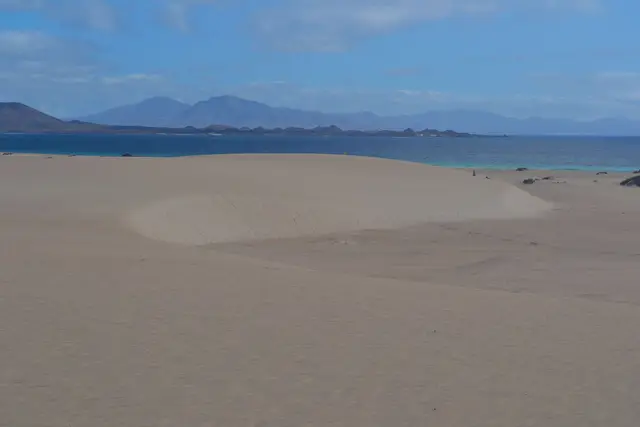
Photo: Iván Hernández Cazorla · CC BY-SA 4.0 · Wikimedia Commons
Canary Islands (Fuerteventura / La Oliva / Corralejo)
★★★★★crowding: Moderate
The largest field of organic fossil sand dunes in the Canary Islands (2,600 ha), contrasting turquoise waters with volcanic desert landscapes.
Wild coastSteppe and grasslandMarine
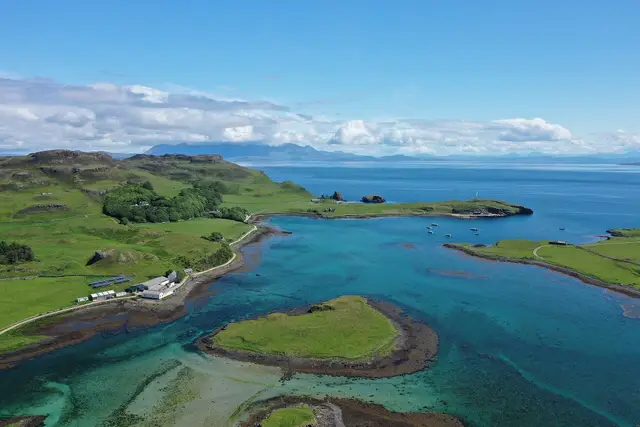
Photo: PaulT (Gunther Tschuch) · CC BY-SA 4.0 · Wikimedia Commons
Scotland (Inner Hebrides / Small Isles)
★★★★★crowding: Very low
Owned by the National Trust for Scotland, famed for Compass Hill, a basalt hill containing magnetite that distorts passing ship compasses.
Wild coastMarine
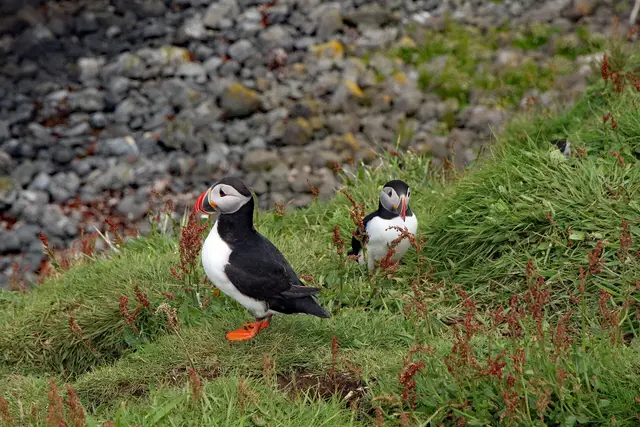
Photo: PaulT (Gunther Tschuch) · CC BY-SA 4.0 · Wikimedia Commons
Scotland (Inner Hebrides / Isle of Mull)
★★★★★crowding: Low
Small basalt islet where puffins nest mere inches from walkers’ boots showing virtually no fear of humans.
Wild coastMarine
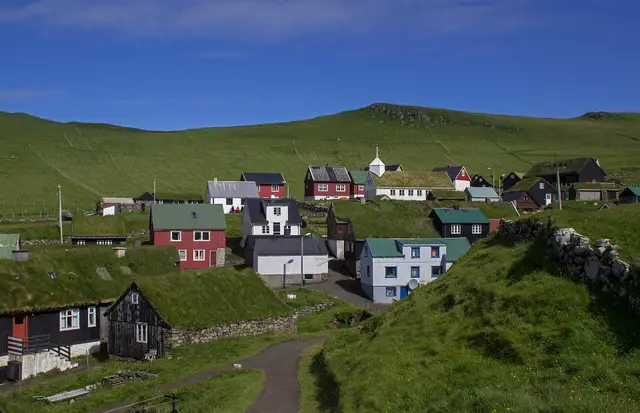
Photo: Stefan Wisselink · CC BY 2.0 · Wikimedia Commons
Faroe Islands (Vágar Region / Mykines)
★★★★★crowding: Moderate
The "Puffin Island", the westernmost outpost of the Faroe Islands, with sheer basalt sea cliffs where hundreds of thousands of Atlantic puffins (Fratercula arctica) nest.
Wild coastMarine
Balearic Islands (Formentera / El Pilar de la Mola)
★★★★★crowding: Low
Independent limestone plateau elevated 200 m above the sea with precipitous desert-like cliffs at the eastern tip of Formentera.
Wild coastKarst and cavesMarine
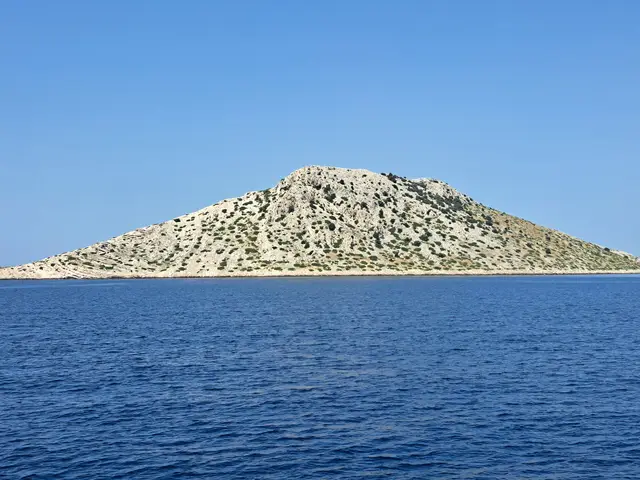
Photo: Ivan25 · CC BY-SA 4.0 · Wikimedia Commons
Šibenik-Knin (Kornati Archipelago — Murter)
★★★★★crowding: Moderate
A labyrinth of nearly ninety barren limestone islands, featuring sheer sea cliffs ("crowns") plunging into the open Adriatic.
MarineWild coastKarst and caves
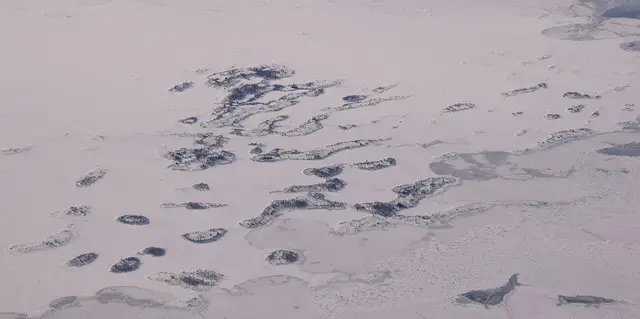
Photo: kallerna · CC BY-SA 4.0 · Wikimedia Commons
Ostrobothnia (Vaasa / Mustasaari / Korsnäs)
★★★★★crowding: Low
The world's premier natural laboratory for post-glacial isostatic rebound (transboundary UNESCO World Heritage site with Sweden's High Coast), where land rises from the Baltic Sea at 1 cm annually.
Wild coastMarineWetland
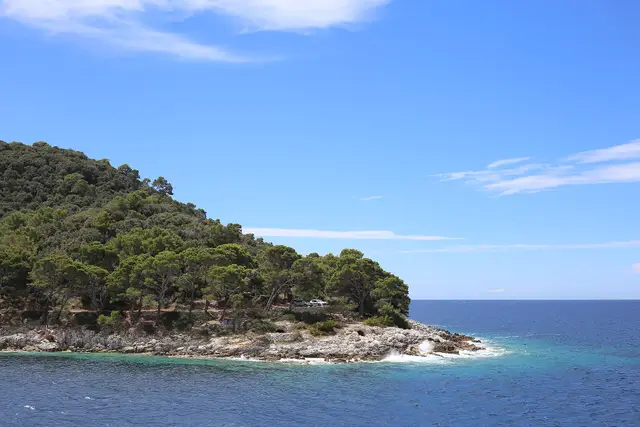
Photo: Adzelalija · CC BY-SA 4.0 · Wikimedia Commons
Dubrovnik-Neretva (Lastovo Island)
★★★★★crowding: Very low
One of Croatia's most remote inhabited islands and dozens of islets, with pristine night skies and largely undisturbed seabed ecosystems.
Wild coastMarineMediterranean forest
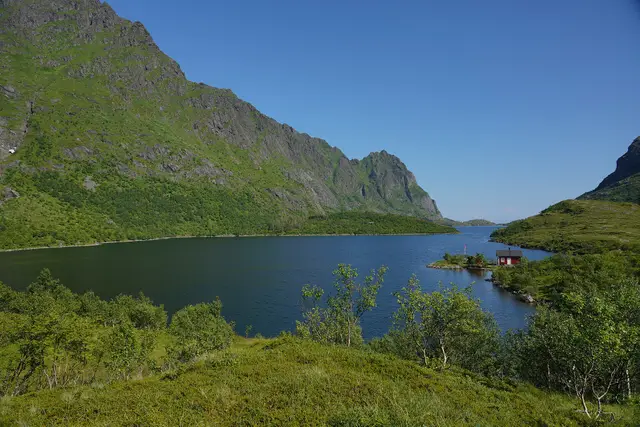
Photo: Lukas Beck · CC BY 4.0 · Wikimedia Commons
Nordland (Lofoten Islands / Moskenes / Flakstad / Reine)
★★★★★crowding: Moderate
The national park at the southern tip of the Lofoten archipelago, black granite pyramids rising straight from the Arctic Ocean and secluded white sand beaches like Kvalvika.
Wild coastMarineHigh mountain
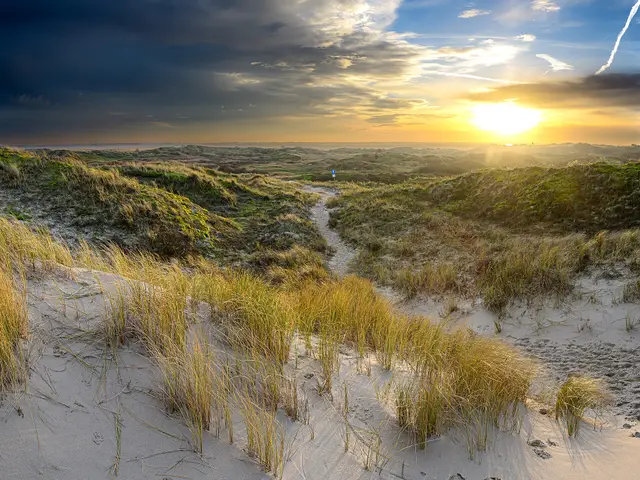
Photo: Stephan Sprinz · CC BY 4.0 · Wikimedia Commons
Lower Saxony (East Frisian Islands / Cuxhaven / Wilhelmshaven)
★★★★★crowding: Moderate
Barrier islands, salt marshes and intertidal mudflats between the Ems and the Elbe, part of the Wadden Sea World Heritage site.
Wild coastMarineWetland
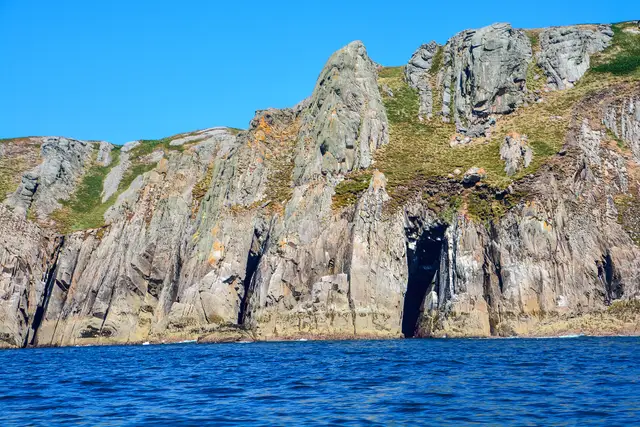
Photo: Lewis Clarke · CC BY-SA 2.0 · Wikimedia Commons
England (Devon / Bristol Channel / Ilfracombe)
★★★★★crowding: Low
Granite plateau 5 km in length in the Bristol Channel, the first designated Marine Conservation Zone in the United Kingdom.
Wild coastMarine
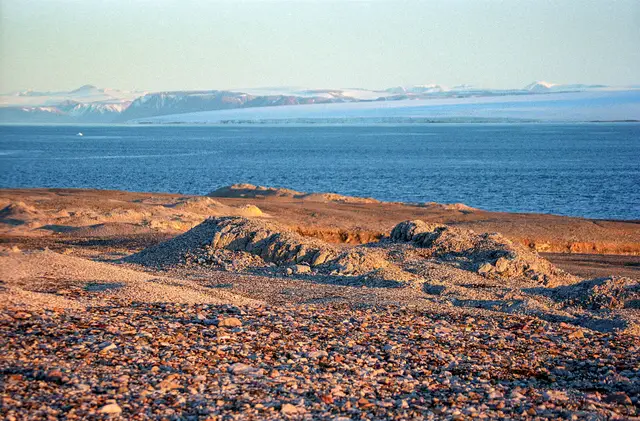
Photo: Jerzy Strzelecki · CC BY-SA 3.0 · Wikimedia Commons
Svalbard Archipelago (Nordaustlandet Island / Kvitøya)
★★★★★crowding: None
Norway's largest strict nature reserve (55.000 km²), dominated by the Austfonna ice cap (Europe's largest ice cap outside Greenland).
Glacial landscapeMarineWild coast
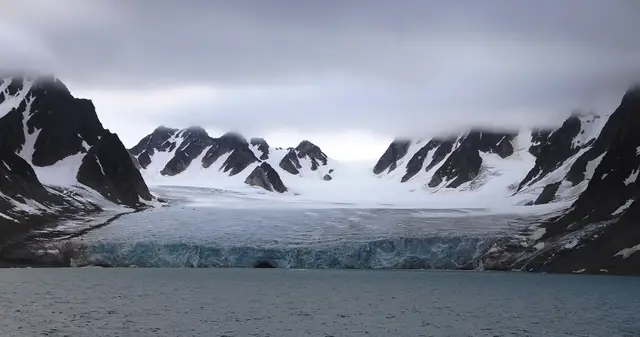
Photo: Bjoertvedt · CC BY-SA 3.0 · Wikimedia Commons
Svalbard Archipelago (Spitsbergen Island / Albert I Land / Haakon VII Land)
★★★★★crowding: Very low
The ultimate spectacle of the European High Arctic (79° N), with colossal tidewater glacier fronts in Magdalena and Kongsfjorden and geothermal springs at Bockfjorden.
Glacial landscapeWild coastMarineHigh mountain
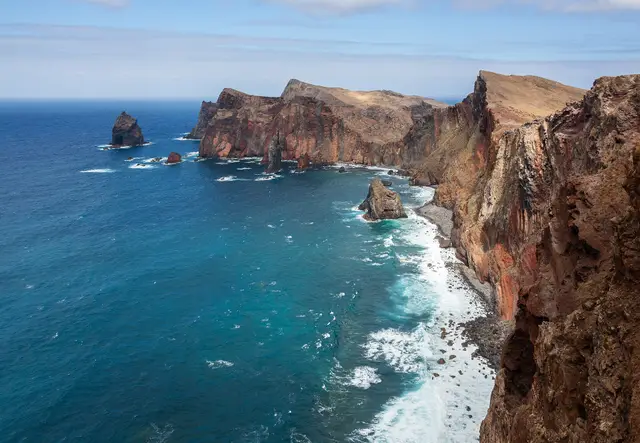
Photo: Diego Delso · CC BY-SA 4.0 · Wikimedia Commons
Autonomous Region of Madeira (Madeira Island / Caniçal / Machico)
★★★★★crowding: Moderate
Narrow, arid volcanic peninsula at the eastern tip of Madeira with red and black tuff cliffs and a haven for the Mediterranean monk seal (Monachus monachus).
Wild coastMarineSteppe and grassland
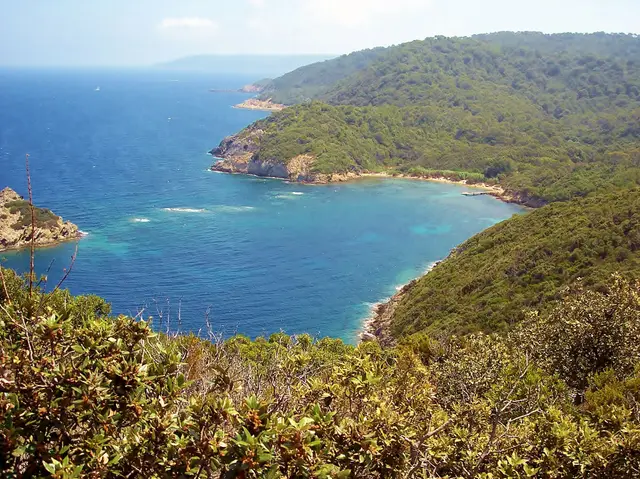
Photo: Espirat · CC BY-SA 4.0 · Wikimedia Commons
Provence-Alpes-Côte d'Azur (Var / Hyères)
★★★★★crowding: Moderate
One of the oldest marine parks in Europe (1963): an island cloaked in Mediterranean forest and posidonia seabed protected for sixty years.
MarineWild coastMediterranean forest
Algarve (Faro / Olhão / Tavira / Vila Real de Santo António)
★★★★★crowding: Moderate
A 60 km coastal lagoon protected by 5 sandy barrier islands (Barreta, Culatra, Armona, Tavira, and Cacela), harbouring Portugal's largest common chameleon colony.
WetlandWild coastMarine
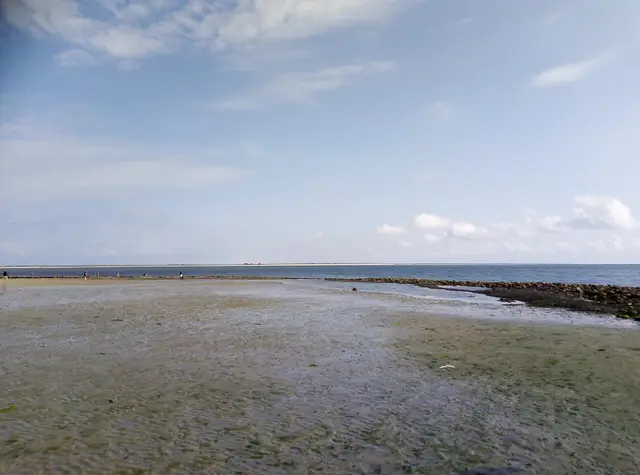
Photo: Wilhelm II. Hohenzollern · CC BY-SA 4.0 · Wikimedia Commons
Schleswig-Holstein (Sylt / Halligen / Husum / Tönning)
★★★★★crowding: Moderate
Central Europe's largest national park: intertidal mudflats, dyked islets (Halligen) and millions of migratory waders on passage.
Wild coastMarineWetland
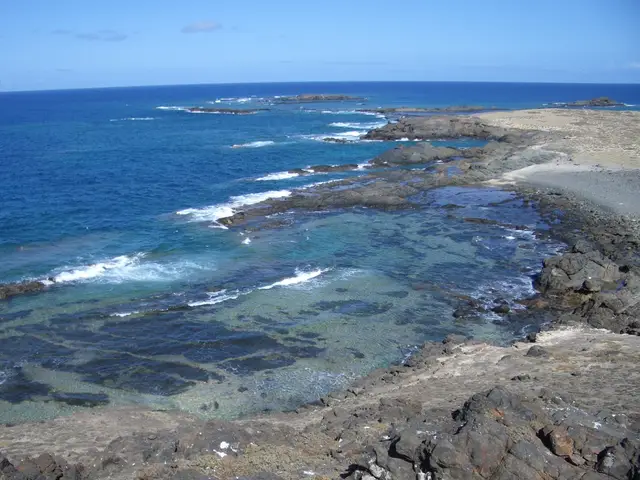
Photo: Coimbra68 · CC BY-SA 3.0 · Wikimedia Commons
Autonomous Region of Madeira (Selvagem Grande / Selvagem Pequena)
★★★★★crowding: None
Portugal's southernmost territory and one of Europe's oldest strict marine reserves (1971), harbouring the world's densest colony of Cory's shearwater (Calonectris diomedea).
Wild coastMarineSteppe and grassland
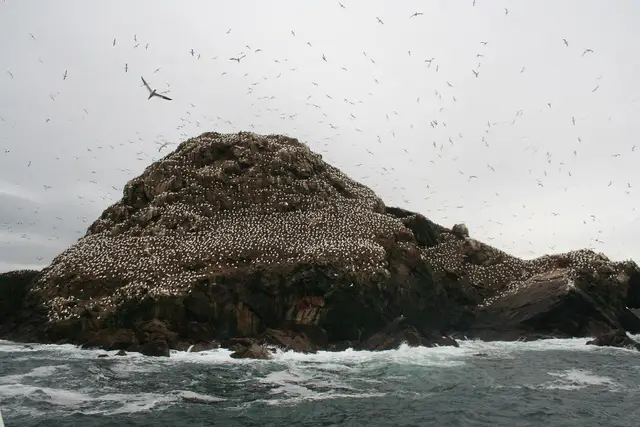
Photo: Mario Modesto Mata · CC BY-SA 3.0 · Wikimedia Commons
Brittany (Côtes-d'Armor — Perros-Guirec)
★★★★★crowding: Low
France's largest colony of northern gannets and the puffin's last refuge on the French coast.
Wild coastMarine
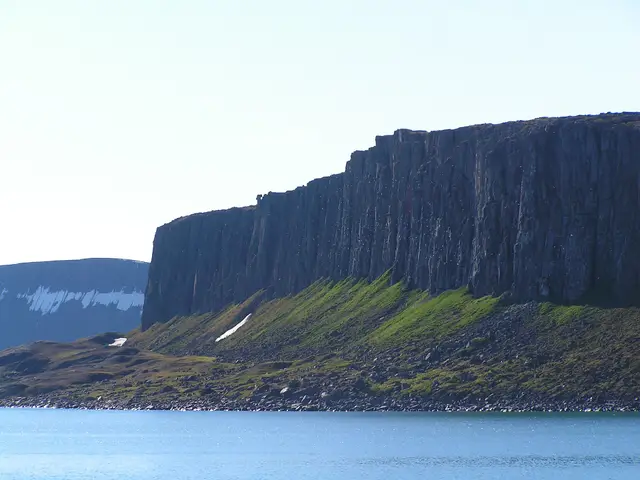
Photo: Hermanhi · CC BY-SA 3.0 · Wikimedia Commons
Svalbard Archipelago (Edgeøya and Barentsøya Islands)
★★★★★crowding: None
The vast desert tundra islands of Edgeøya and Barentsøya (21.800 km²), a premier denning sanctuary for polar bears and massive walrus haul-outs.
Steppe and grasslandWild coastMarineGlacial landscape
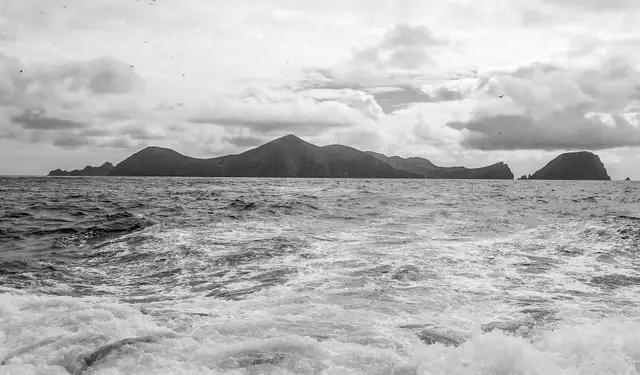
Photo: Kingy64 · CC BY-SA 4.0 · Wikimedia Commons
Scotland (Outer Hebrides / Hirta)
★★★★★crowding: Very low
The only Dual (Cultural and Natural) UNESCO World Heritage Site in the UK, with sheer sea cliffs and sea stacks hosting the world's largest gannet colony (Stac an Armin 196 m).
Wild coastMarineHigh mountain
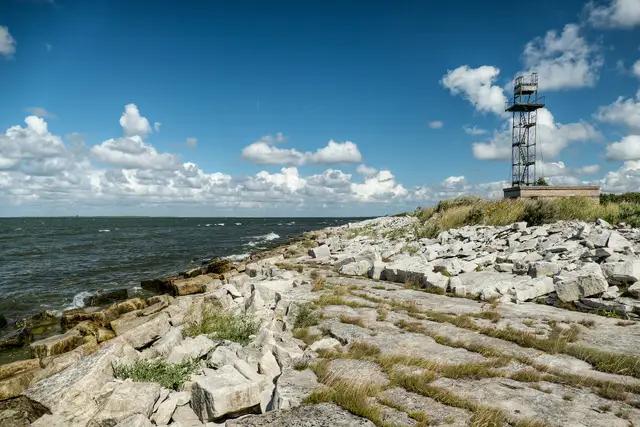
Photo: Amadvr · CC BY-SA 4.0 · Wikimedia Commons
Saare County (Saaremaa Island / Kihelkonna / Tagamõisa)
★★★★★crowding: Very low
The oldest marine bird sanctuary in the Baltic (1910), encompassing some 160 limestone islets and reefs off Saaremaa.
Wild coastMarineWetland
South Jutland (Esbjerg / Fanø / Rømø / Ribe)
★★★★★crowding: Low
The world's largest unbroken system of intertidal sand and mud flats (UNESCO World Heritage), renowned for massive starling murmurations (Sort Sol).
Wild coastWetlandMarine
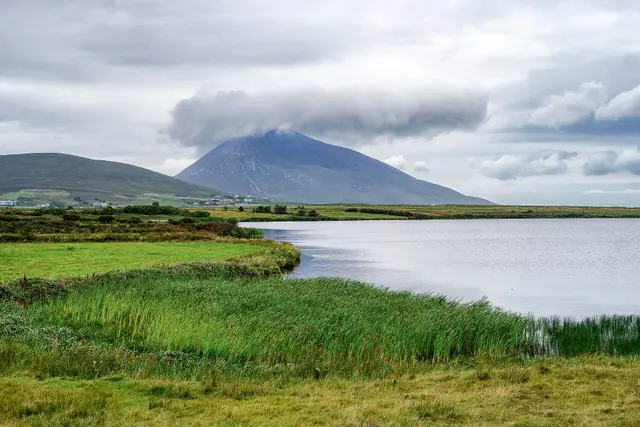
Photo: MickReynolds · CC BY-SA 4.0 · Wikimedia Commons
Ireland (County Mayo / Keel / Keem)
★★★★★crowding: Low
Ireland's largest island (connected by bridge), home to spectacular Keem Bay and Croaghaun Cliffs (688 m, the third highest in Europe).
Wild coastHigh mountainMarine
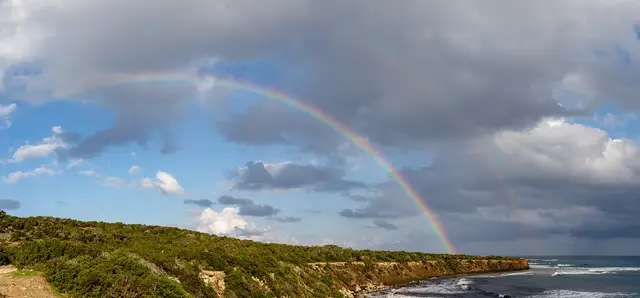
Photo: Michal Klajban · CC BY-SA 4.0 · Wikimedia Commons
Cyprus (Paphos — Polis / Latchi)
★★★★★crowding: Low
Mediterranean scrub and woodland, rugged gorges, and vital nesting beaches for green and loggerhead sea turtles in northwestern Cyprus.
Wild coastMediterranean forestMarine
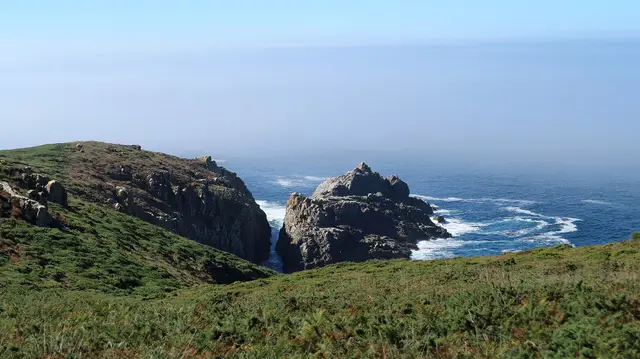
Photo: Miguel Branco · CC BY-SA 4.0 · Wikimedia Commons
Galicia (Cíes / Ons / Sálvora / Cortegada)
★★★★★crowding: High
Four granitic archipelagos guarding the mouth of the Rías Baixas, with seabird nesting cliffs facing west and sheltered sand dunes facing east.
Wild coastMarine
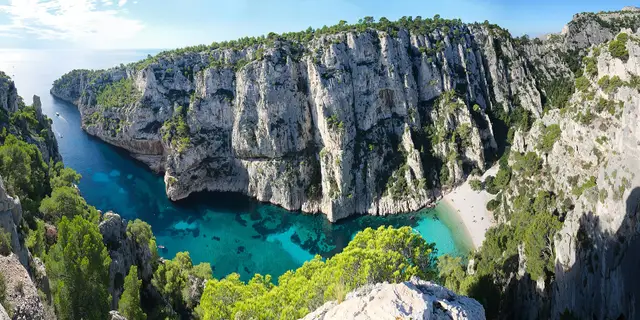
Photo: kallerna · CC BY-SA 4.0 · Wikimedia Commons
Provence-Alpes-Côte d'Azur (Marseille / Cassis / La Ciotat)
★★★★★crowding: High
The first European national park that is at once terrestrial, marine and peri-urban: limestone cliffs and calanques above posidonia meadows at the gates of Marseille.
Wild coastMarineKarst and cavesMediterranean forest
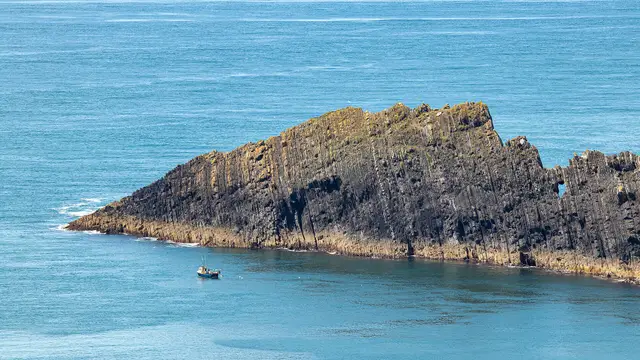
Photo: Superbass · CC BY-SA 4.0 · Wikimedia Commons
County Cork (Southernmost point / Wild Atlantic Way)
★★★★★crowding: Very low
Ireland's southernmost inhabited Atlantic island, home to a legendary bird observatory tracking pelagic migration, cetaceans, and basking sharks.
Wild coastMarine
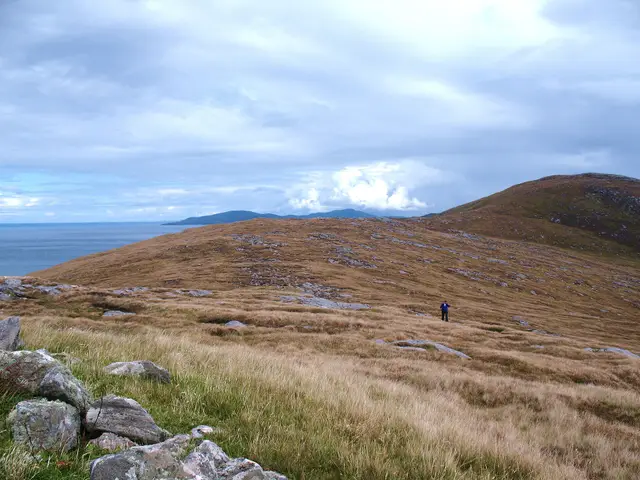
Photo: Gordon Hatton · CC BY-SA 2.0 · Wikimedia Commons
Scotland (Outer Hebrides / Barra)
★★★★★crowding: None
Deserted Outer Hebrides island abandoned in 1912, featuring 200 m sheer granite sea cliffs crowded with thousands of razorbills and guillemots.
Wild coastMarine
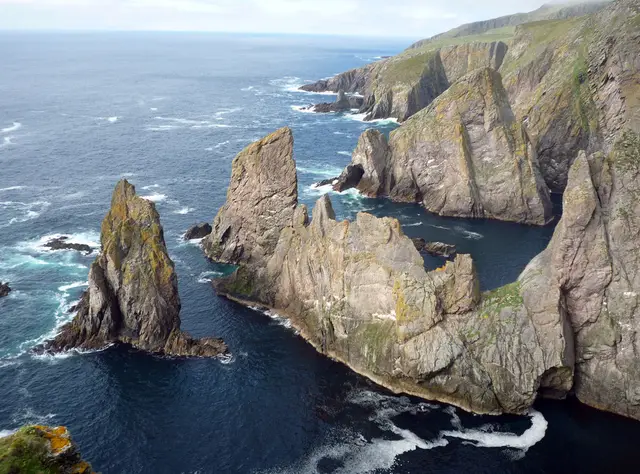
Photo: Julian Paren · CC BY-SA 2.0 · Wikimedia Commons
Scotland (Shetland Islands)
★★★★★crowding: Very low
The isolated island midway between Orkney and Shetland, historic mecca for migratory vagrant birds and traditional knitwear.
Wild coastMarineSteppe and grassland
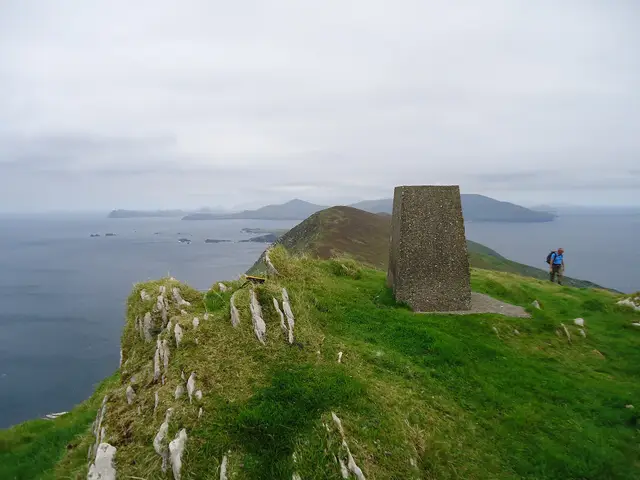
Photo: Michael Earnshaw · CC BY-SA 2.0 · Wikimedia Commons
Ireland (County Kerry / Dingle Peninsula / Dunquin)
★★★★★crowding: Low
The largest of the Blasket archipelago islands (evacuated in 1953), famed for rich Gaelic literature, wild sea cliffs, and beaches with hundreds of grey seals.
Wild coastMarine
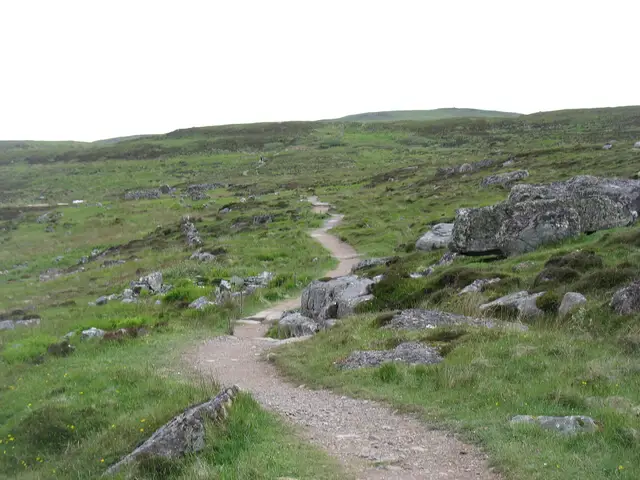
Photo: David Purchase · CC BY-SA 2.0 · Wikimedia Commons
Scotland (Sutherland / Scourie / Tarbet)
★★★★★crowding: Low
Torridonian sandstone Scottish Wildlife Trust island sanctuary with the sheer ramparts of The Stack of Handa sheltering 100,000 seabirds.
Wild coastMarine
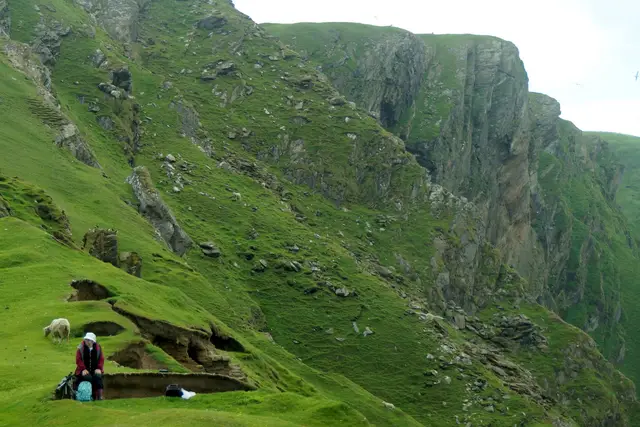
Photo: Mike Pennington · CC BY-SA 2.0 · Wikimedia Commons
Scotland (Shetland Islands / Isle of Unst)
★★★★★crowding: Very low
The northernmost headland of the United Kingdom (facing the Muckle Flugga lighthouse), hosting the world's third largest great skua colony.
Wild coastMarineWetland
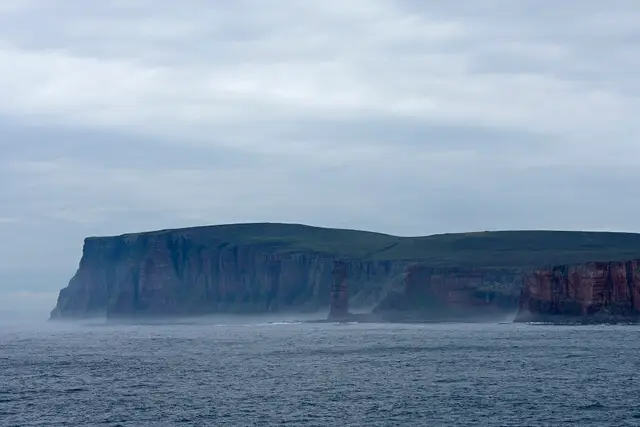
Photo: Ymblanter · CC BY-SA 4.0 · Wikimedia Commons
Scotland (Orkney Islands / Stromness)
★★★★★crowding: Low
The world's most famous sea stack (137 m of red sandstone standing isolated from the sea cliffs) on the wild and dramatic Isle of Hoy.
Wild coastHigh mountainMarine
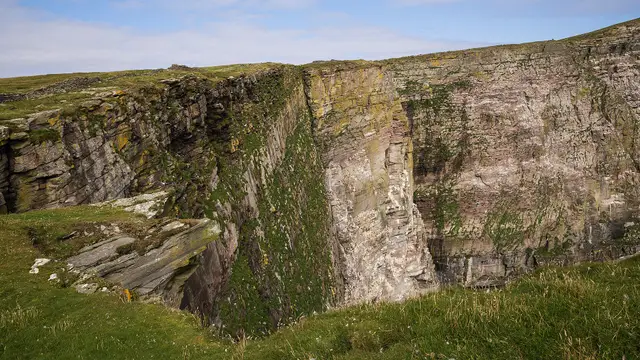
Photo: Unukorno · CC BY 4.0 · Wikimedia Commons
Scotland (Shetland Islands / Bressay)
★★★★★crowding: Very low
Red sandstone sea cliffs rising 180 m at the Noup of Noss, where over 150.000 seabirds nest.
Wild coastMarine
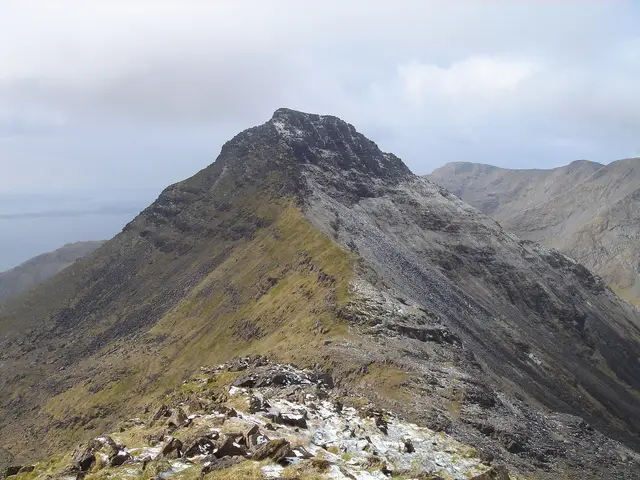
Photo: Michael Earnshaw · CC BY-SA 2.0 · Wikimedia Commons
Scotland (Inner Hebrides / Rum / Kinloch)
★★★★★crowding: Very low
The largest of the Small Isles, a volcanic island reserve where a third of the world's Manx shearwater (Puffinus puffinus) population nests.
High mountainWild coastMarine
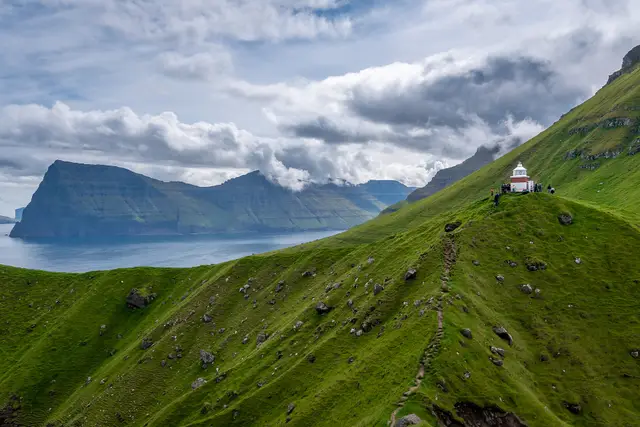
Photo: Ekrem Canli · CC BY-SA 4.0 · Wikimedia Commons
Faroe Islands (Trøllanes / Mikladalur)
★★★★★crowding: Low
Narrow flute-shaped island 18 km long with 13 mountain peaks and the iconic Kallur Lighthouse perched above 200 m sea cliffs.
Wild coastMarineHigh mountain
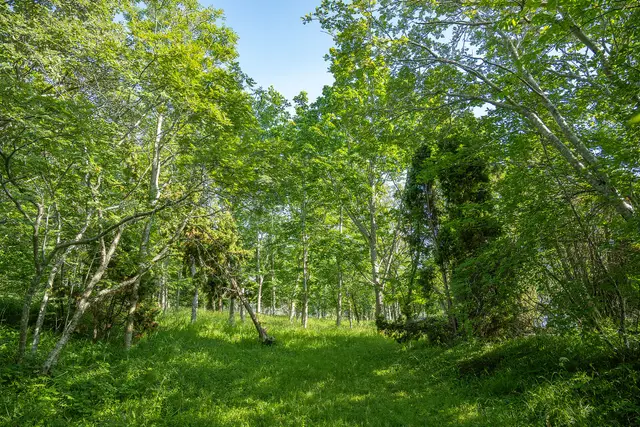
Photo: Håkan Skogsjö · CC BY-SA 4.0 · Wikimedia Commons
Åland — Nåtö and protected islets of Lemland and Mariehamn
★★★★★crowding: No data
Wooded meadows maintained through traditional management, ancient woodlands of Korsö and an old-growth yew forest on Jungfruskär.
Old-growth forestWetlandWild coastMarine
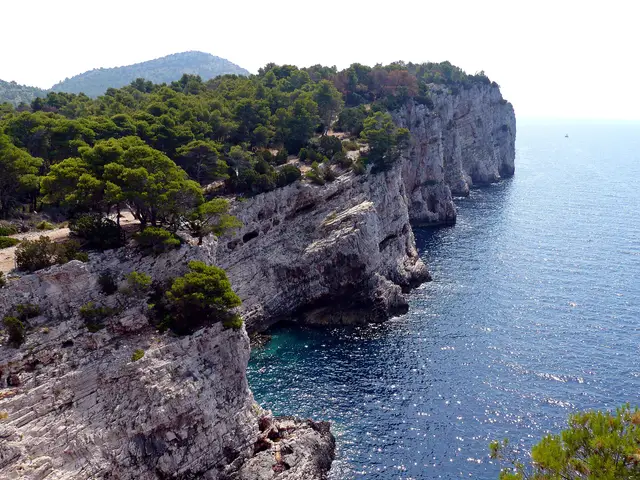
Photo: qwesy qwesy · CC BY 3.0 · Wikimedia Commons
Zadar (Dugi Otok Island)
★★★★★crowding: Moderate
Sea cliffs rising over 150 metres above the open Adriatic and the saltwater Lake Mir, at the southern tip of Dugi Otok.
Wild coastMarineLake