Limestone landscapes: dolines, poljes, sinkholes and caves.
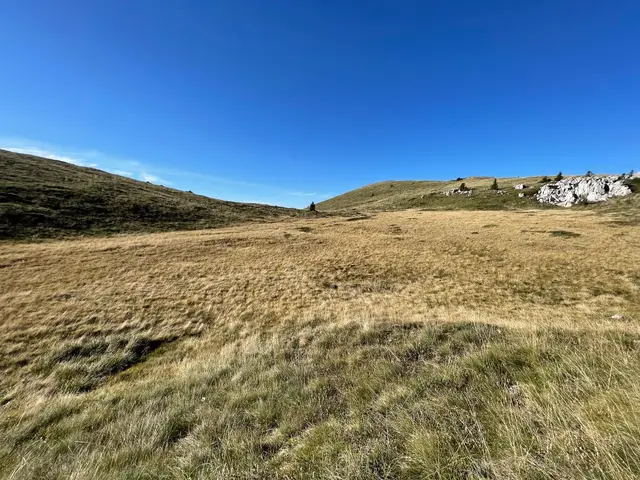
Photo: StarDroid 5000 · CC BY-SA 4.0 · Wikimedia Commons
Lika-Senj County (Sjeverni Velebit)
★★★★★crowding: Very low
Dantesque labyrinth of limestone monoliths and abyssal karst pits such as Lukina Jama (1,431 m deep).
Karst and cavesHigh mountainPrimary forest
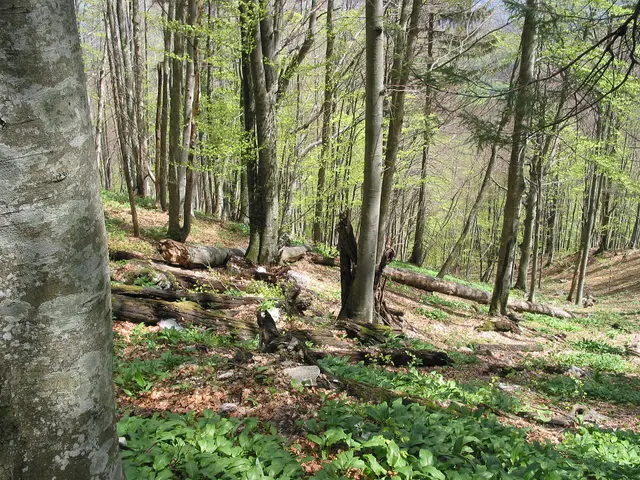
Photo: Ljuba brank · CC BY-SA 3.0 · Wikimedia Commons
Southeast Slovenia (Borovška Gora Mountains / Kočevje Municipality / Kolpa River Basin)
★★★★★crowding: Very low
Primeval beech forest of Kočevsko, inscribed on the UNESCO World Heritage list, observed from the perimeter trail.
Primary forestKarst and cavesGorge and canyon
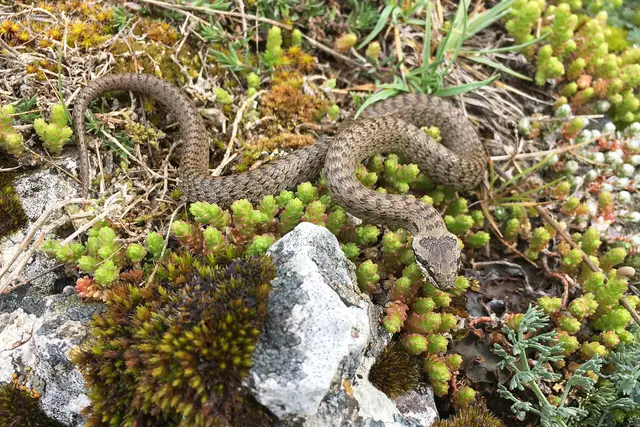
Photo: Bouke ten Cate · CC BY 4.0 · Wikimedia Commons
Abruzzo, Lazio and Molise regions (L'Aquila, Frosinone and Isernia provinces)
★★★★★crowding: Moderate
Sanctuary of the Marsican brown bear and Apennine wolf in primeval beechwoods and high alpine valleys of central Italy.
High mountainPrimary forestKarst and caves
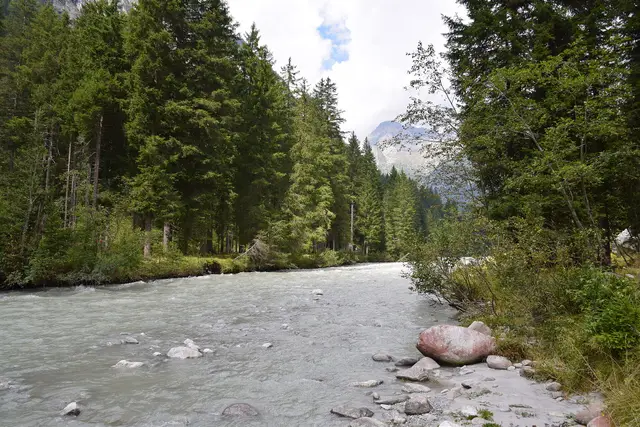
Photo: Elena749 · CC BY-SA 4.0 · Wikimedia Commons
Trentino (Pinzolo / Madonna di Campiglio / Tovel)
★★★★★crowding: Moderate
Two opposing geological worlds facing each other: the limestone spires of the Brenta Dolomites and the glaciated granite massif of the Adamello (home to Trentino's historic brown bear).
High mountainKarst and cavesGlacial landscapeLakeOld-growth forest
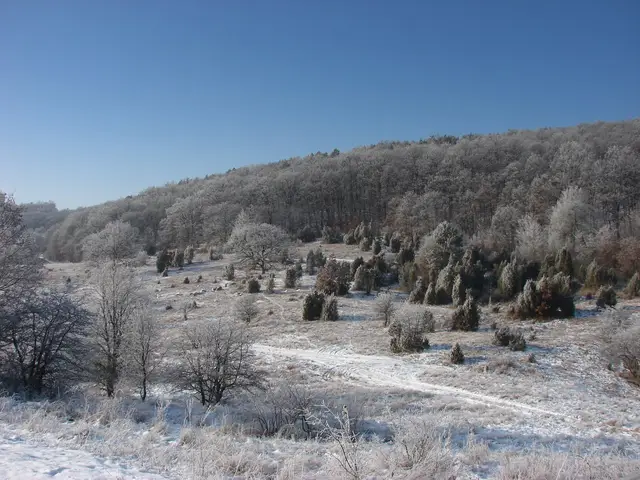
Photo: Kalyob · CC BY-SA 3.0 · Wikimedia Commons
Borsod-Abaúj-Zemplén (Aggtelek / Jósvafő)
★★★★★crowding: Low
Northern Hungary's karst plateau and cave systems, shared with Slovakia, including the Baradla-Domica network.
Karst and cavesOld-growth forestSteppe and grassland
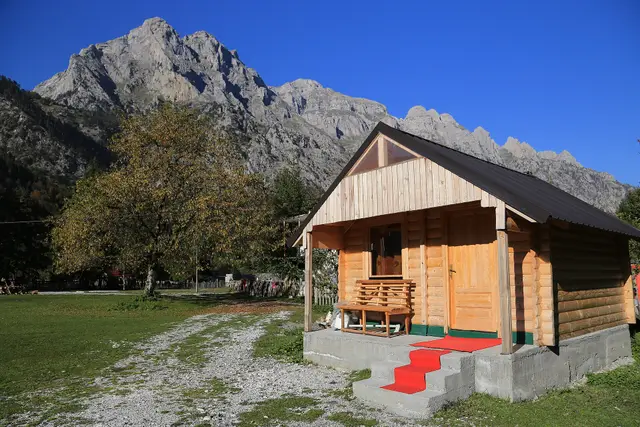
Photo: Tobias Klenze · CC BY 3.0 · Wikimedia Commons
Shkodër / Kukës County (Theth / Valbonë / Tropojë District)
★★★★★crowding: Low
The heart of the Albanian Alps (Prokletije), featuring deep glacial canyons, isolated valleys, and the historic lock-in tower of Theth.
High mountainKarst and cavesGlacial landscapeOld-growth forest
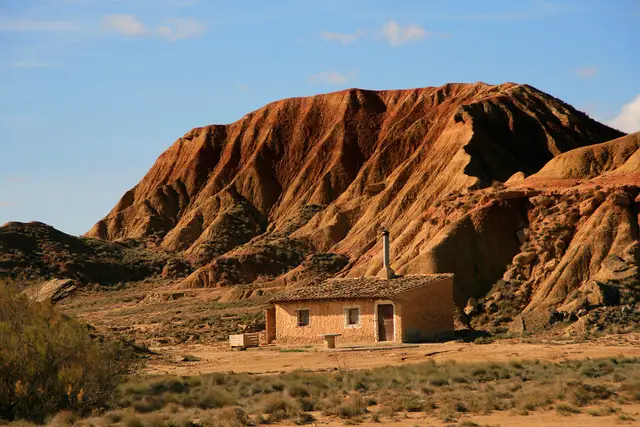
Photo: Miguel Ángel García. from Ólvega., España · CC BY 2.0 · Wikimedia Commons
Navarra (Tudela / Arguedas / Valtierra)
★★★★★crowding: Moderate
Desert and badlands landscape of 42,000 ha carved into clays, gypsum, and sandstones, crowned by iconic isolated buttes like Castildetierra.
Steppe and grasslandKarst and cavesGorge and canyon
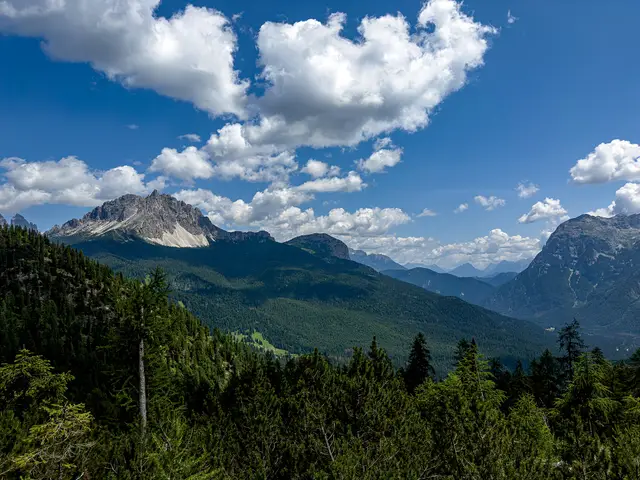
Photo: Turcito11 · CC BY-SA 4.0 · Wikimedia Commons
Veneto (Belluno / Feltre / Agordo)
★★★★★crowding: Very low
The wildest and southernmost sector of the Dolomites (UNESCO World Heritage), carved by deep karst ravines such as the Cadini del Brenton.
High mountainKarst and cavesGorge and canyonOld-growth forest
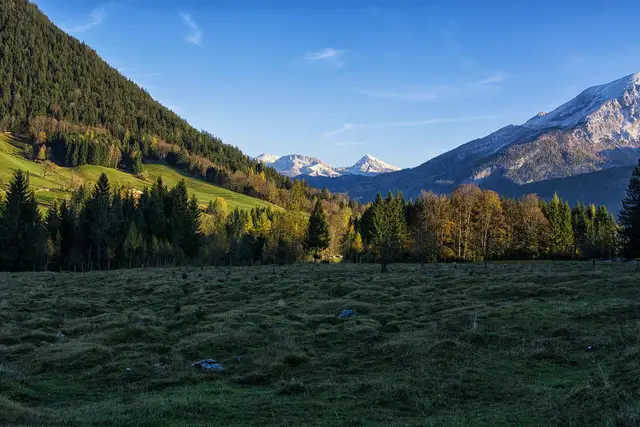
Photo: Andreas Gräwe · CC BY-SA 4.0 · Wikimedia Commons
Bavaria (Berchtesgaden) (DE) / Salzburg (AT)
★★★★★crowding: Moderate
Germany's only high-alpine National Park, dominated by mount Watzmann (2.713 m) and the fjord-like Königssee.
High mountainKarst and cavesLakeGlacial landscape
Dâmbovița, Argeș, and Prahova Counties
★★★★★crowding: Low
Dramatic conglomerate cliffs rising toward the plateau of the Babele and Sphinx wind-sculpted rock formations.
High mountainOld-growth forestKarst and caves
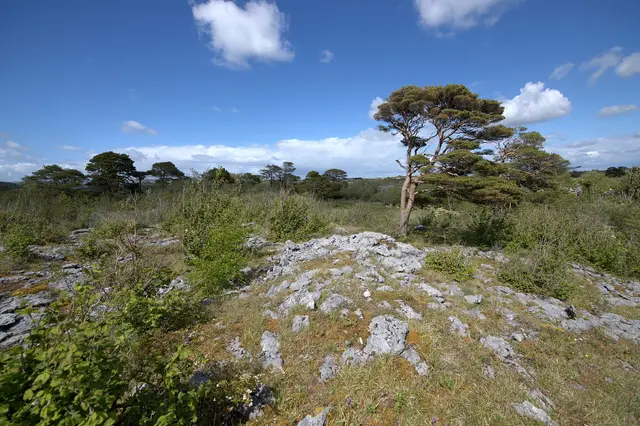
Photo: Limnoporus · CC BY-SA 4.0 · Wikimedia Commons
Clare (Corofin / Mullaghmore)
★★★★★crowding: Low
Limestone pavements where Arctic, alpine, and Mediterranean plants mingle beside ephemeral lakes known as turloughs.
Karst and cavesSteppe and grassland
Tuzi Municipality / Podgorica
★★★★★crowding: Low
Narrow miniature canyon carved into pure limestone on the way to Lake Skadar.
Gorge and canyonKarst and caves
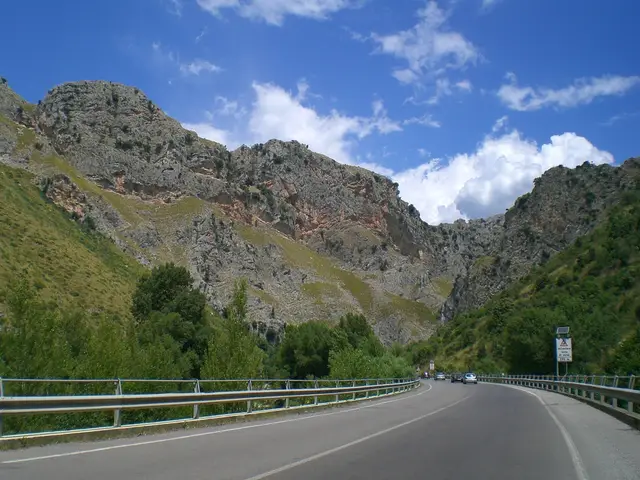
Photo: Geofix · CC BY-SA 3.0 · Wikimedia Commons
Campania (Salerno / Vallo della Lucania / Palinuro / Castellabate)
★★★★★crowding: Low
UNESCO Biosphere Reserve and Global Geopark uniting the karst gorges of the Calore River with the dramatic sea cliffs of Cape Palinuro.
Old-growth forestKarst and cavesWild coastGorge and canyon
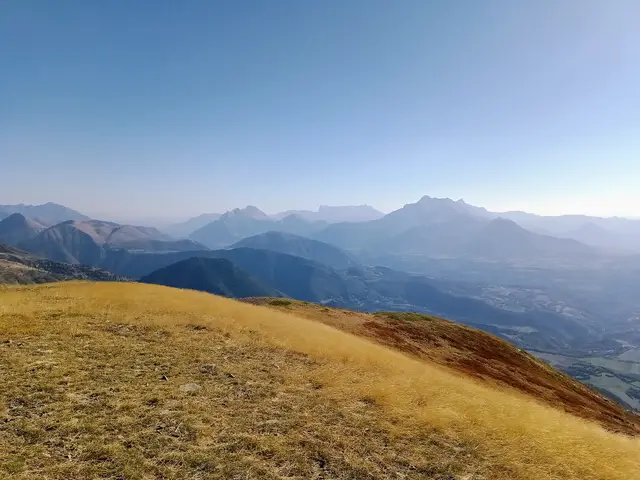
Photo: Rémih · CC BY-SA 4.0 · Wikimedia Commons
Hautes-Alpes (Saint-Étienne-en-Dévoluy)
★★★★★crowding: Very low
Mineral karst fortress rimmed by limestone cliffs and riddled with deep subterranean chasms (chourums).
High mountainKarst and caves
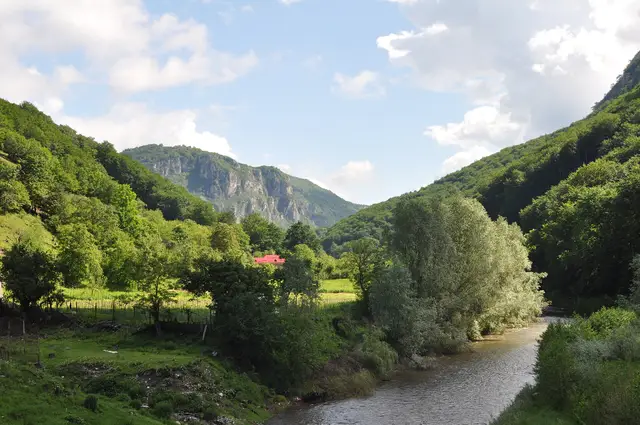
Photo: Flori & Nicu Farcaș · CC BY-SA 4.0 · Wikimedia Commons
Caraș-Severin, Mehedinți, and Gorj Counties
★★★★★crowding: Very low
Deep tectonic canyon flanked by Banat black pine and catchments with virgin montane beech woods.
Primary forestGorge and canyonKarst and cavesHigh mountain
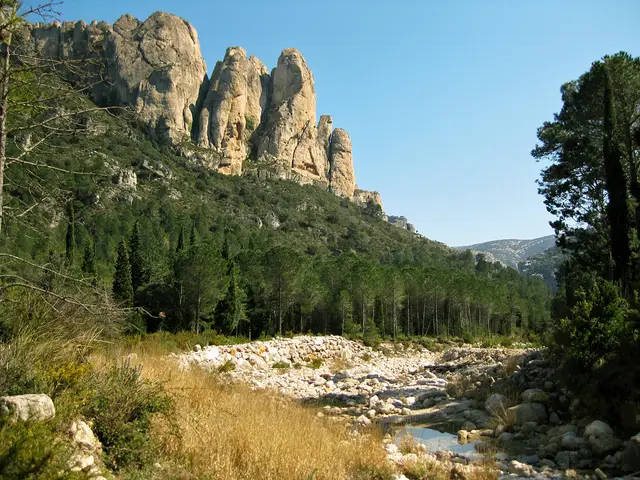
Photo: Espencat · Public domain · Wikimedia Commons
Catalonia / Aragon / Valencian Community (Tarragona / Teruel / Castellón / Roquetes / Tortosa)
★★★★★crowding: Low
A rugged karst massif between Catalonia, Aragon, and the Valencian Community featuring limestone cliffs, southern beech groves, and the Iberian ibex.
High mountainKarst and cavesGorge and canyonOld-growth forest
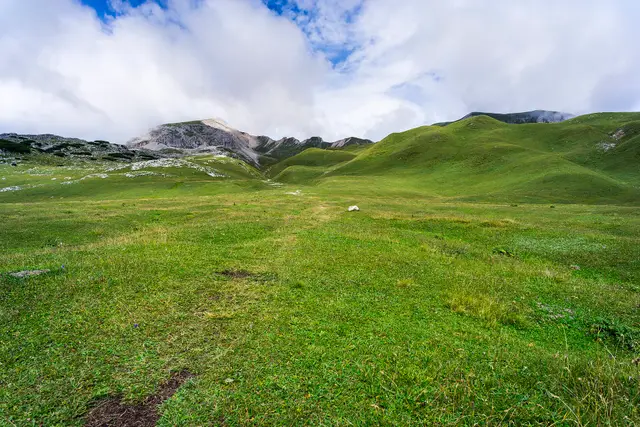
Photo: Alberto Restifo albertorestifo · CC0 · Wikimedia Commons
South Tyrol / Alto Adige (San Vigilio di Marebbe / Val Badia / Lago di Braies)
★★★★★crowding: Moderate
The idyllic turquoise waters of Lago di Braies and the desolate karst plateaus of Fanes and Sennes encircled by dolomitic amphitheatres.
High mountainKarst and cavesLakeOld-growth forest
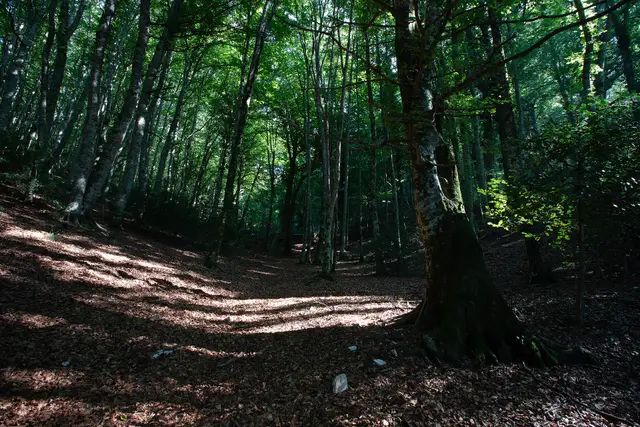
Photo: Pakycassano · CC BY-SA 4.0 · Wikimedia Commons
Puglia (Foggia / Vieste / Monte Sant'Angelo / Vico del Gargano)
★★★★★crowding: Low
Europe's most dazzling low-altitude primeval beech forest in Italy's 'spur of the boot' (UNESCO World Heritage).
Primary forestOld-growth forestKarst and caves
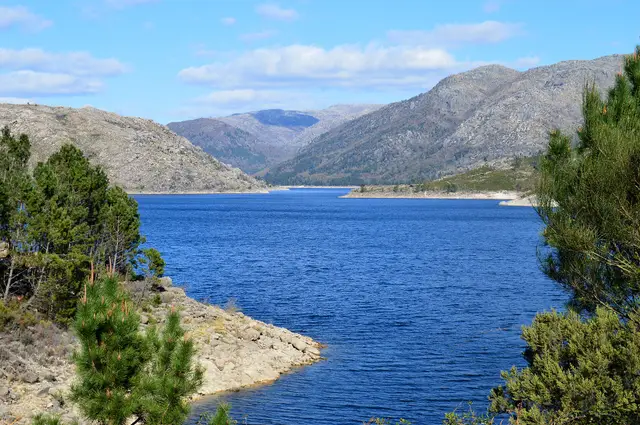
Photo: Beatriznog10 · CC BY-SA 3.0 · Wikimedia Commons
Northern Portugal (Viana do Castelo / Braga / Vila Real) (PT) / Galicia (Ourense / Lobios) (ES)
★★★★★crowding: Low
Portugal's sole National Park joined with Galicia's Serra do Xurés Natural Park, forming a transboundary reserve of granite monoliths and herds of free-roaming Garrano horses.
High mountainOld-growth forestRiver corridorKarst and caves
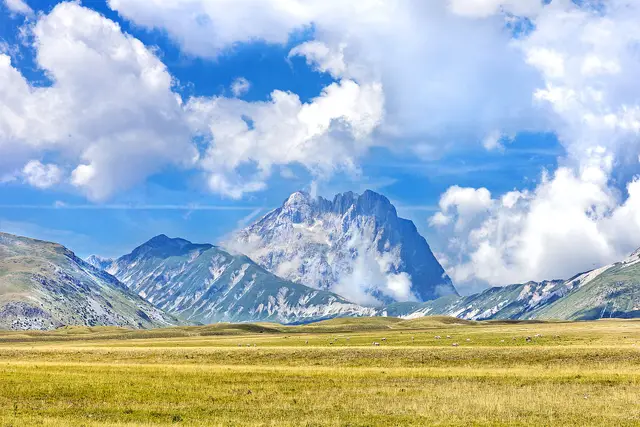
Photo: Alessandro Mangione · CC BY-SA 4.0 · Wikimedia Commons
Abruzzo / Lazio / Marche (L'Aquila / Teramo / Rieti)
★★★★★crowding: Moderate
The Italian 'Little Tibet' (Campo Imperatore) crowned by Corno Grande (2.912 m, the highest peak in the Apennines) and the Calderone glacier.
High mountainKarst and cavesGlacial landscapeOld-growth forest
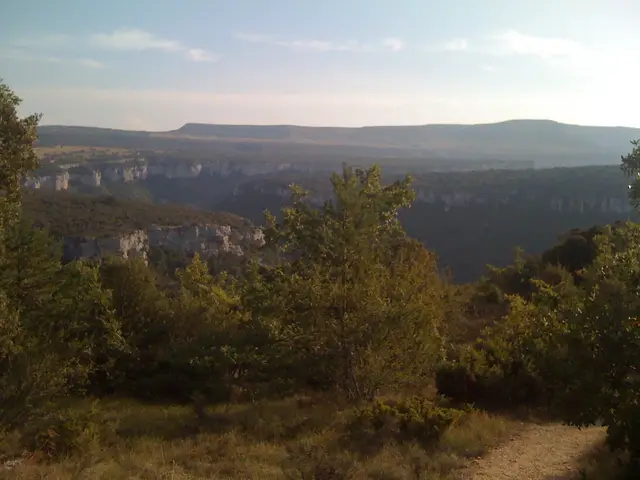
Photo: HolzaugeEN · CC BY-SA 4.0 · Wikimedia Commons
Castile and León (Burgos / Sedano / Orbaneja del Castillo / Valdelateja)
★★★★★crowding: Low
Karst gorges of 200 m carved by the Ebro and Rudrón rivers, featuring the picturesque village of Orbaneja del Castillo and Pozo Azul.
Gorge and canyonKarst and cavesRiver corridorOld-growth forest
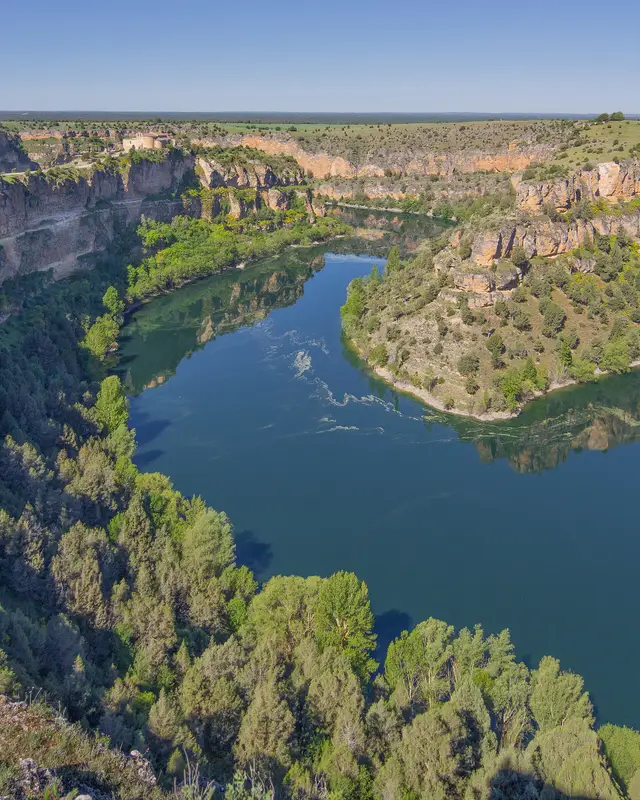
Photo: Carlos Delgado · CC BY-SA 3.0 · Wikimedia Commons
Castile and León (Segovia / Sepúlveda / Sebastopol / San Frutos)
★★★★★crowding: Moderate
Incised meanders 100 m deep carved into red limestone by the Duratón River, featuring the renowned cliffside hermitage of San Frutos.
Gorge and canyonKarst and cavesRiver corridor
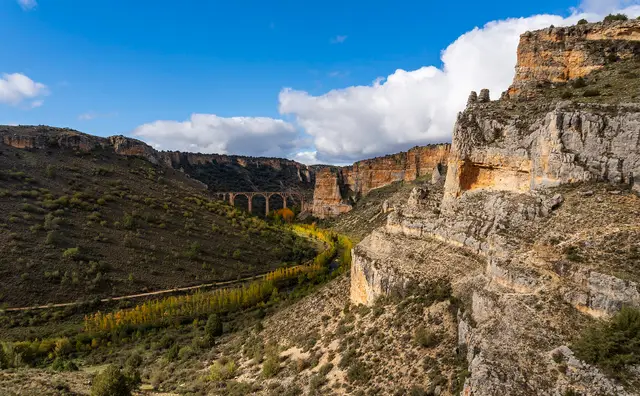
Photo: Pedro José Ponce Asensio · CC BY-SA 4.0 · Wikimedia Commons
Castile and León (Segovia / Maderuelo / Montejo de la Vega)
★★★★★crowding: Very low
Limestone gorge hosting the historic Montejo de la Vega Raptor Refuge founded by Félix Rodríguez de la Fuente in 1975.
Gorge and canyonKarst and cavesRiver corridor
Inner Carniola (Postojna / Cerknica)
★★★★★crowding: Very low
Forested karst plateau without continuous human settlements adjoining the intermittent lake of Cerknica.
Old-growth forestKarst and caves
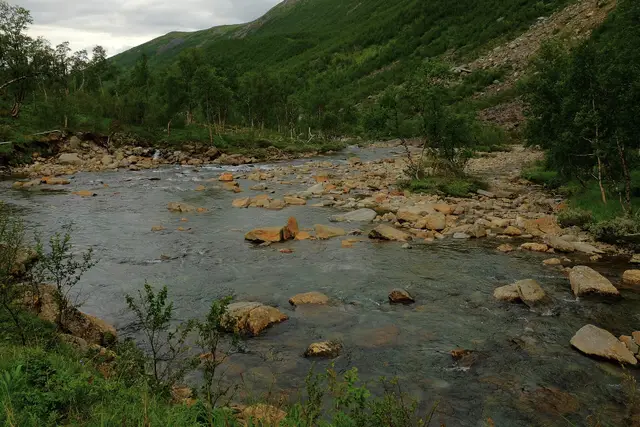
Photo: Frankemann · CC BY-SA 4.0 · Wikimedia Commons
Nordland (Saltdal / Fauske / Junkerdal)
★★★★★crowding: Very low
Renowned internationally for harboring one of the richest arctic-alpine and karst floras in the entire Arctic, thanks to its soft limestone bedrock.
High mountainKarst and cavesAlpine meadow
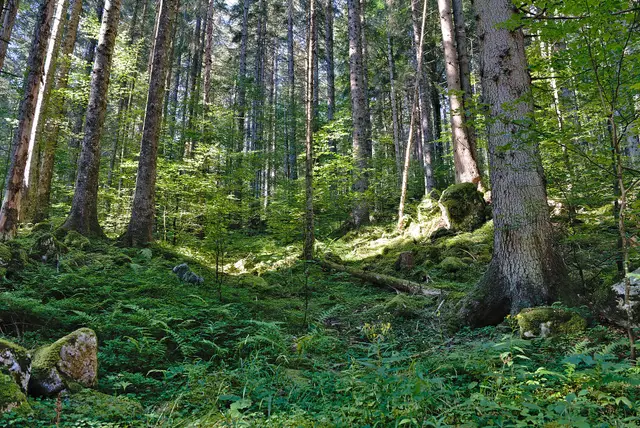
Photo: Leonhard Lenz · CC0 · Wikimedia Commons
Upper Austria (Steyr-Land / Kirchdorf)
★★★★★crowding: Low
Austria's largest contiguous tract of broadleaf forest and the grandest wilderness recovery area in the Northern Limestone Alps.
Old-growth forestHigh mountainPrimary forestKarst and caves
Balearic Islands (Formentera / El Pilar de la Mola)
★★★★★crowding: Low
Independent limestone plateau elevated 200 m above the sea with precipitous desert-like cliffs at the eastern tip of Formentera.
Wild coastKarst and cavesMarine
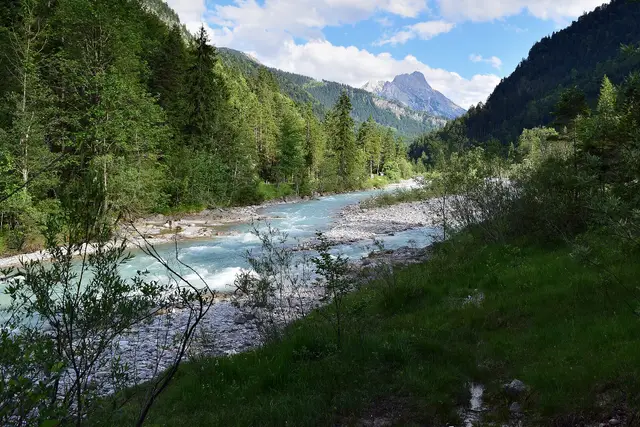
Photo: Haeferl · CC BY-SA 3.0 at · Wikimedia Commons
Tyrol (Innsbruck / Scharnitz) (AT) / Bavaria (Mittenwald) (DE)
★★★★★crowding: Low
Tyrol's largest Nature Park, with 4 parallel limestone ranges plunging sheer into gorges and the famous ancient sycamore-maple wood-pasture Großer Ahornboden.
High mountainKarst and cavesOld-growth forest
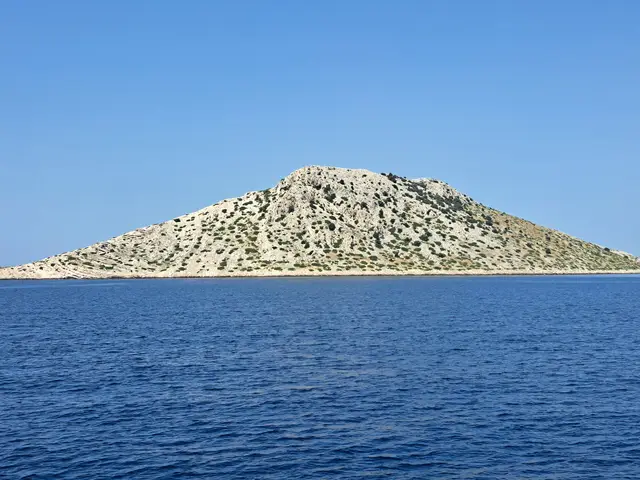
Photo: Ivan25 · CC BY-SA 4.0 · Wikimedia Commons
Šibenik-Knin (Kornati Archipelago — Murter)
★★★★★crowding: Moderate
A labyrinth of nearly ninety barren limestone islands, featuring sheer sea cliffs ("crowns") plunging into the open Adriatic.
MarineWild coastKarst and caves
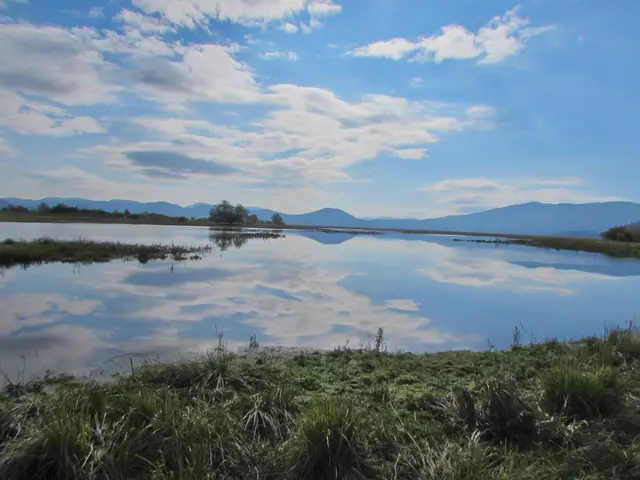
Photo: Ajznponar · CC0 · Wikimedia Commons
Inner Carniola (Cerknica)
★★★★★crowding: Low
Europe's largest intermittent lake, which fills and empties completely through underground karst sinkholes.
LakeKarst and cavesWetland
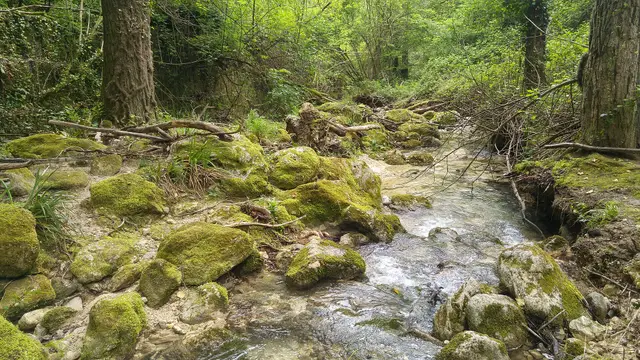
Photo: Diego.vala · CC BY-SA 4.0 · Wikimedia Commons
Abruzzo (Sulmona / Chieti / Pescara)
★★★★★crowding: Low
The 'Mother Mountain' of Abruzzo (Monte Amaro 2.793 m), a UNESCO Global Geopark of colossal karst canyons, wild plateaus, and hanging rock hermitages.
High mountainKarst and cavesGorge and canyonOld-growth forest
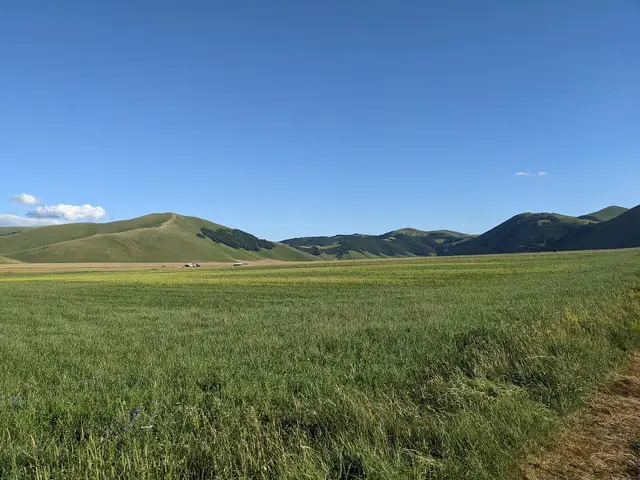
Photo: ValeJappo · CC BY-SA 4.0 · Wikimedia Commons
Marche / Umbria (Visso / Norcia / Castelluccio di Norcia)
★★★★★crowding: Moderate
The legendary Apennine range of Monte Vettore (2.476 m), the Infernaccio Gorge, and the highland plateaus of Castelluccio.
High mountainKarst and cavesGorge and canyonLake
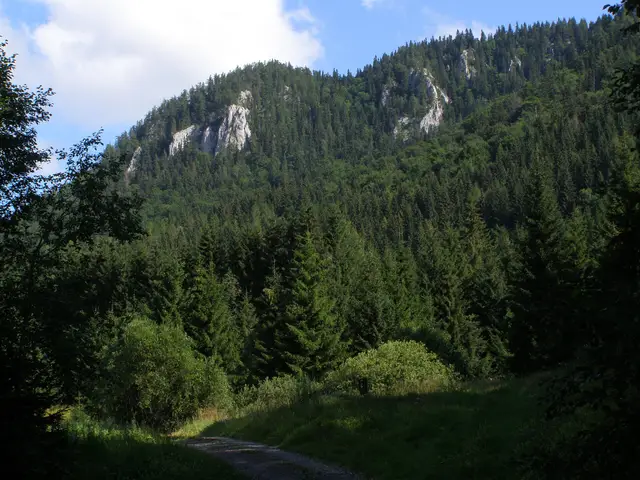
Photo: Daniel Baránek · CC BY-SA 3.0 · Wikimedia Commons
Banská Bystrica Region
★★★★★crowding: Very low
Karst plateau with limestone chasms, primeval beech woods, and meadows grazed by semi-feral mountain horses.
Primary forestKarst and cavesHigh mountain
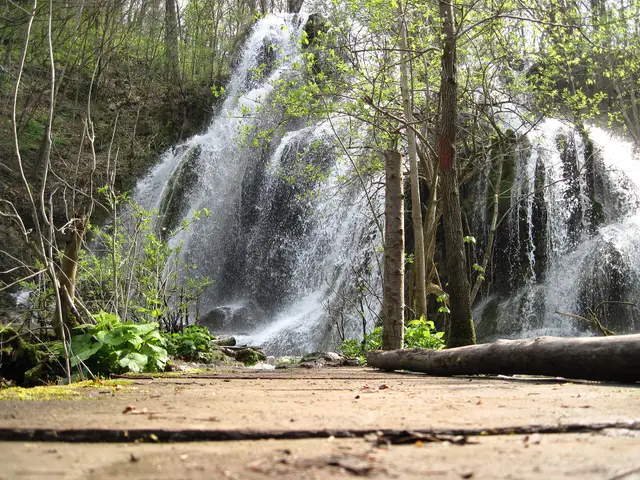
Photo: Mary03101983 · CC BY-SA 3.0 · Wikimedia Commons
Caraș-Severin County
★★★★★crowding: Low
Romania's longest limestone gorges with turquoise karst lakes and virgin sub-Mediterranean woodlands.
Primary forestGorge and canyonKarst and caves
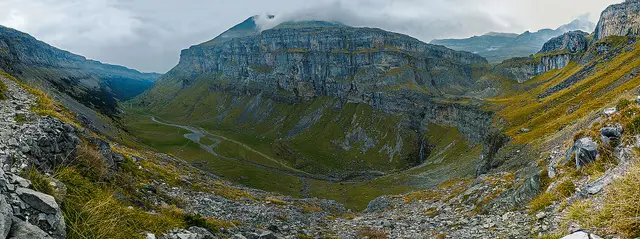
Photo: Nata Mostova · CC BY-SA 4.0 · Wikimedia Commons
Aragon (Huesca / Torla / Broto / Fanlo / Bielsa / Escalona)
★★★★★crowding: Moderate
The 'Grand Canyon of Europe', UNESCO World Heritage Pyrénées-Mont Perdu, crowned by Monte Perdido (3,355 m) with four grand canyons: Ordesa, Añisclo, Escuaín, and Pineta.
High mountainGorge and canyonKarst and cavesGlacial landscapeOld-growth forest
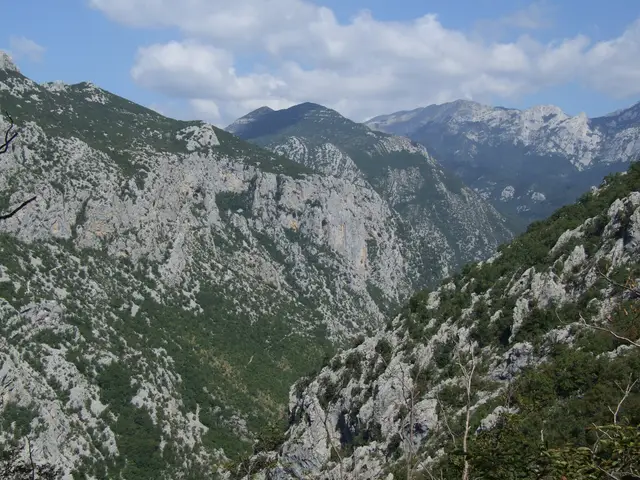
Photo: Pudelek (Marcin Szala) · CC BY-SA 3.0 · Wikimedia Commons
Zadar County (Starigrad-Paklenica)
★★★★★crowding: Low
Vertical incised canyons (Velika and Mala Paklenica) plunging straight towards the Adriatic Sea from the crests of Velebit.
Gorge and canyonKarst and cavesHigh mountainOld-growth forest
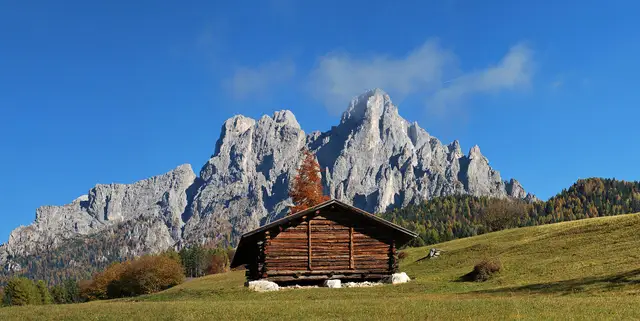
Photo: Carlo Albino Turra · CC BY-SA 4.0 · Wikimedia Commons
Trentino (San Martino di Castrozza / Predazzo / Tonadico)
★★★★★crowding: Low
The 'Forest of the Violins' (resonance spruce harvested by Stradivarius) beneath the spectacular dolomitic spires of the Pale di San Martino.
High mountainKarst and cavesOld-growth forest
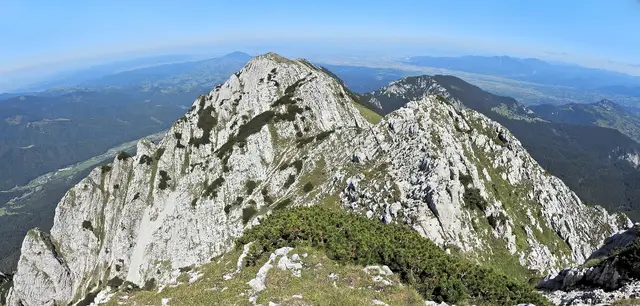
Photo: xulescu_g · CC BY-SA 2.0 · Wikimedia Commons
Brașov and Argeș Counties (Zărnești)
★★★★★crowding: Low
The "Royal Ridge", the sharpest and most spectacular alpine limestone blade in the Carpathians (25 km of unbroken crest).
High mountainKarst and cavesOld-growth forest
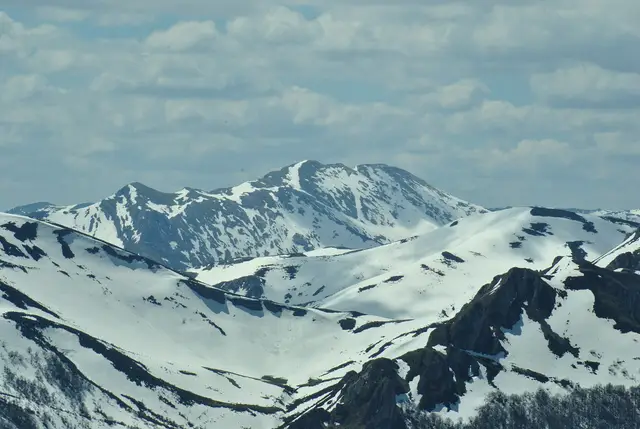
Photo: Jorgeboco · CC BY-SA 3.0 es · Wikimedia Commons
Asturias / Cantabria / León (Cangas de Onís / Arenas de Cabrales / Potes / Posada de Valdeón)
★★★★★crowding: Moderate
Spain's first National Park (1918), three alpine limestone massifs rising to 2,600 m just 15 km from the Cantabrian Sea.
High mountainKarst and cavesGlacial landscapeGorge and canyonOld-growth forest
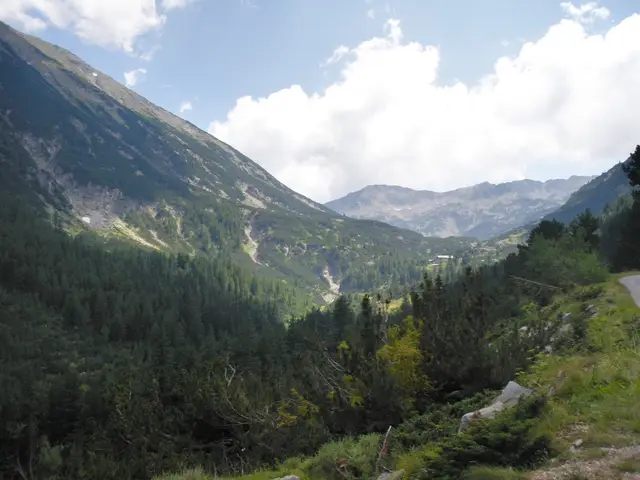
Photo: Mianikolov · CC0 · Wikimedia Commons
Blagoevgrad Province (Bansko / Sandanski)
★★★★★crowding: Low
Dramatic granite and karst peaks sheltering the ancient Baykushev pine (over 1,300 years old).
Old-growth forestHigh mountainKarst and cavesGlacial landscape
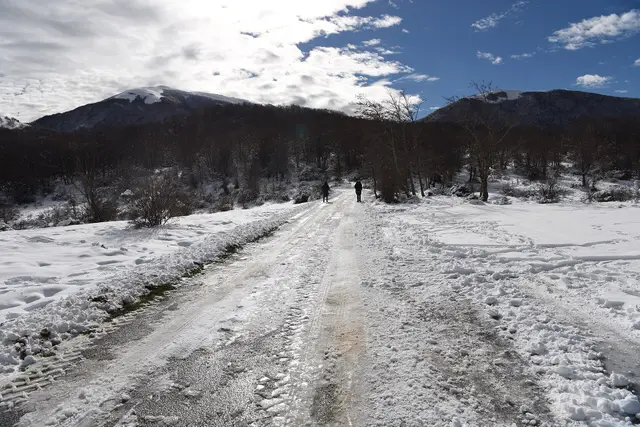
Photo: Diana Cimino Cocco · CC BY-SA 4.0 · Wikimedia Commons
Calabria / Basilicata (Castrovillari / Rotonda / Morano Calabro)
★★★★★crowding: Very low
Italy's largest national park (192.000 ha), exclusive sanctuary of the Bosnian pine (Pinus heldreichii) and a UNESCO Global Geopark.
High mountainKarst and cavesOld-growth forestGorge and canyon
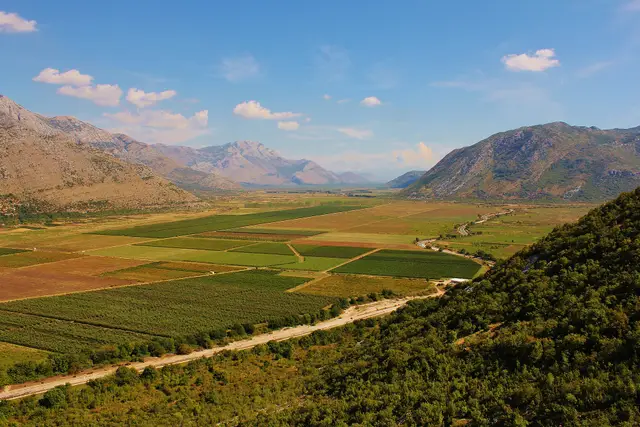
Photo: Igor Trklja · CC BY-SA 3.0 · Wikimedia Commons
Herzegovina (Ravno / Trebinje)
★★★★★crowding: Very low
The cave with the highest subterranean biodiversity in the world (Vjetrenica, UNESCO World Heritage in 2024) and one of the largest floodable poljes in the Balkans.
Karst and cavesSteppe and grasslandWetland
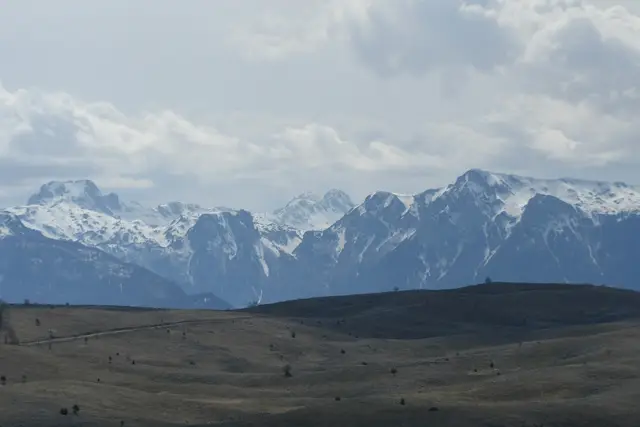
Photo: A81t · CC BY-SA 4.0 · Wikimedia Commons
Herzegovina-Neretva Canton (Konjic / Jablanica)
★★★★★crowding: Very low
The 'Bosnian Himalayas', an ultra-rugged alpine massif of white limestone ridges and glacial cirques.
High mountainKarst and cavesGlacial landscape
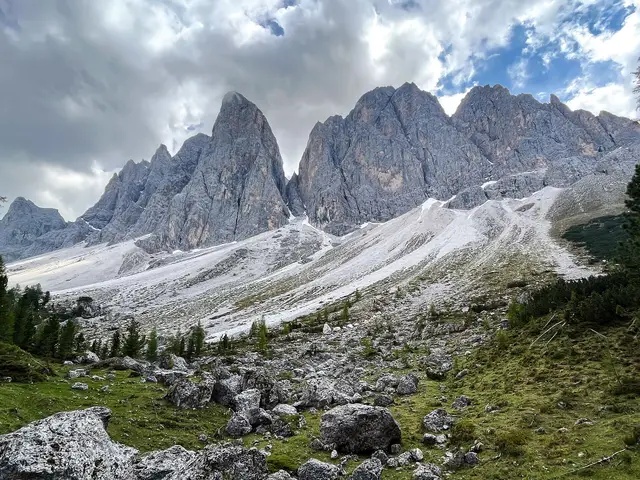
Photo: Bops92 · CC BY-SA 4.0 · Wikimedia Commons
South Tyrol (Val Gardena / Val di Funes / Santa Cristina)
★★★★★crowding: Moderate
The razor-sharp dolomitic spires of the Odle/Geisler towering above the alpine pastures of Val di Funes.
High mountainKarst and cavesOld-growth forest
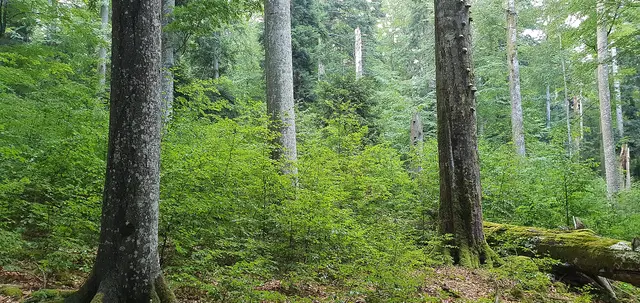
Photo: DuschanR · CC BY-SA 4.0 · Wikimedia Commons
Lower Carniola / Kočevsko (Kočevje / Semič)
★★★★★crowding: None
The strict forest reserve of Kočevsko set aside in 1892 by the Counts of Auersperg, featuring monumental silver firs soaring 50 m high (Queen of Rog).
Primary forestOld-growth forestKarst and caves
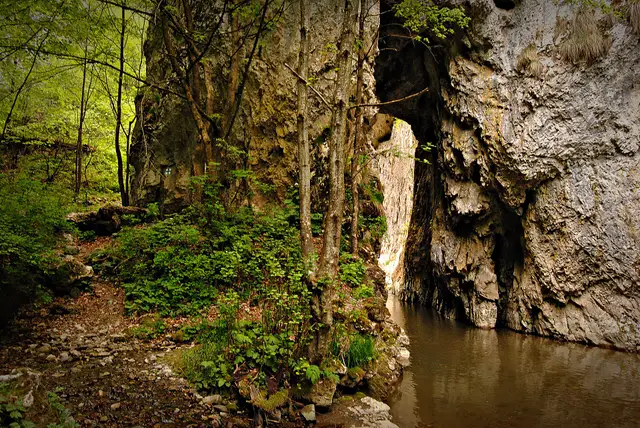
Photo: Rheaxnaidoo · CC BY-SA 3.0 · Wikimedia Commons
Alba County (Trascău Mountains / Teiuș)
★★★★★crowding: Low
Extremely narrow limestone gorge in the Trascău Mountains where the trail runs squeezed between rock walls, crossing the river on foot.
Gorge and canyonKarst and cavesRiver corridor
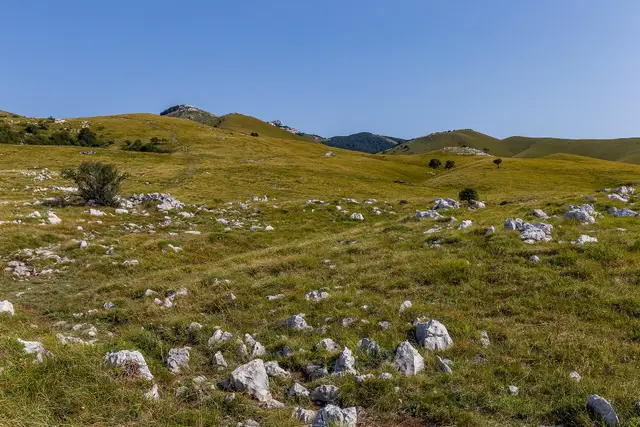
Photo: Michal Klajban · CC BY-SA 4.0 · Wikimedia Commons
Gorski Kotar (Primorje-Gorski Kotar County)
★★★★★crowding: Low
Karst mountain massif blanketed by dense beech and silver fir forests, serving as a prime refuge for the Eurasian lynx.
Old-growth forestHigh mountainKarst and caves
Nordland (Rana / Saltdal / Beiarn / Meløy)
★★★★★crowding: Very low
Gigantic coastal glaciers cascading from the Svartisen ice cap nearly to fjord level, across Saltfjellet alpine plateaus on the Arctic Circle.
Glacial landscapeHigh mountainKarst and cavesRiver corridor
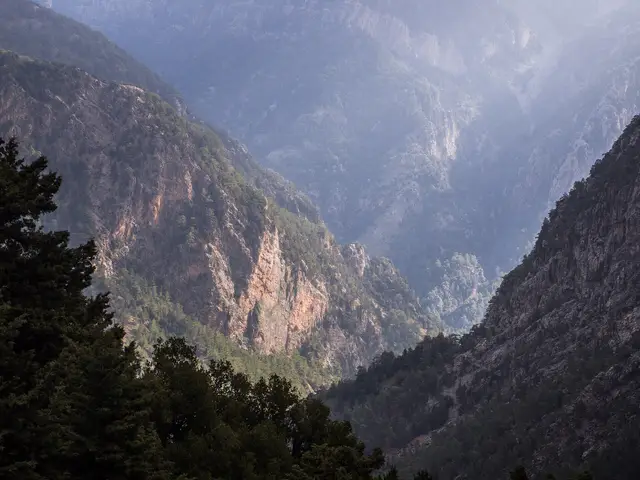
Photo: C messier · CC BY-SA 4.0 · Wikimedia Commons
Crete Island (Chania / White Mountains - Lefka Ori)
★★★★★crowding: Moderate
The queen of Mediterranean gorges (16 km of sheer precipices), exclusive sanctuary of the Cretan wild goat (Kri-Kri).
Gorge and canyonKarst and cavesHigh mountainWild coast
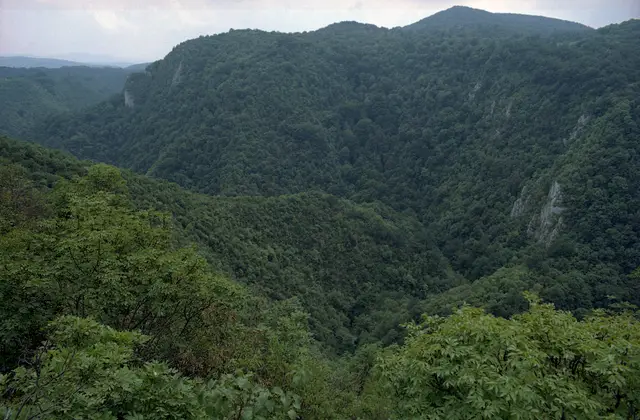
Photo: Petr Vodička · CC BY-SA 4.0 · Wikimedia Commons
Caraș-Severin County (Anina / Carașova)
★★★★★crowding: Very low
One of Romania's longest and wildest limestone gorges alongside relict virgin beech forests (Izvoarele Nerei).
Gorge and canyonKarst and cavesPrimary forest
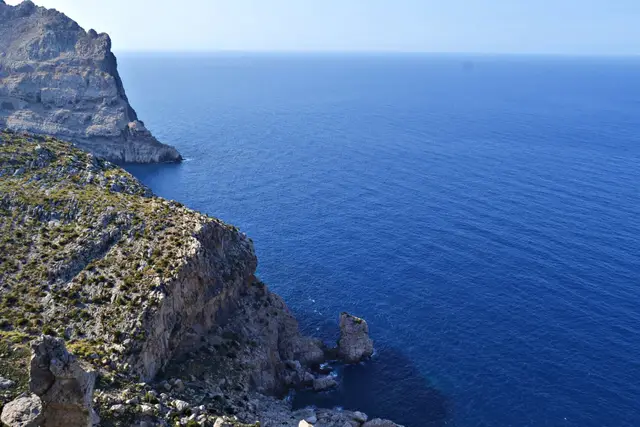
Photo: Lolagt · CC BY-SA 4.0 · Wikimedia Commons
Balearic Islands (Mallorca / Sóller / Valldemossa / Pollença / Deià)
★★★★★crowding: Moderate
Mallorca's limestone backbone (Puig Major 1.445 m), deep gorges like Torrent de Pareis, and the world's only island redoubt for black vultures and the Majorcan midwife toad (Alytes muletensis).
High mountainKarst and cavesGorge and canyonOld-growth forestWild coast
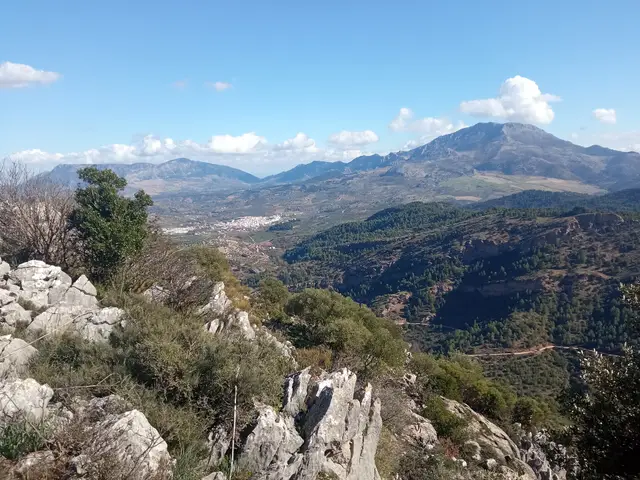
Photo: 80kmh · CC BY 4.0 · Wikimedia Commons
Andalusia (Málaga — Ronda / Tolox / Yunquera)
★★★★★crowding: Low
Spanish fir forests (pinsapares), a relict conifer growing only in these ranges, over deep karst harboring some of the deepest chasms in Spain.
Mediterranean forestKarst and cavesHigh mountain
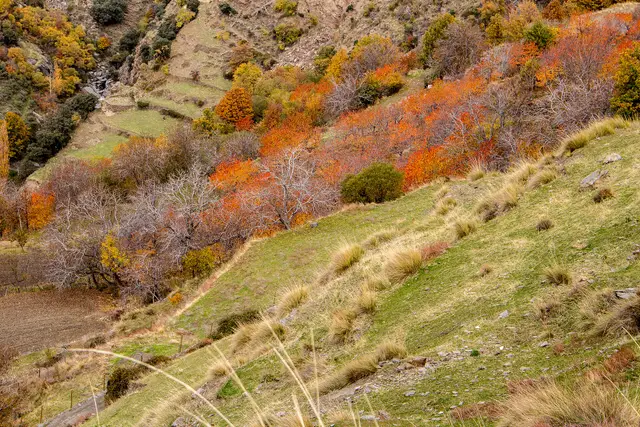
Photo: Jerryviaja.com · CC BY-SA 4.0 · Wikimedia Commons
Andalusia (Granada / Almería / Capileira / Trevélez / Monachil)
★★★★★crowding: Moderate
The roof of the Iberian Peninsula (Mulhacén 3,479 m and Veleta 3,396 m), a Biosphere Reserve with over 80 exclusive endemic plant species.
High mountainGlacial landscapeKarst and cavesOld-growth forest
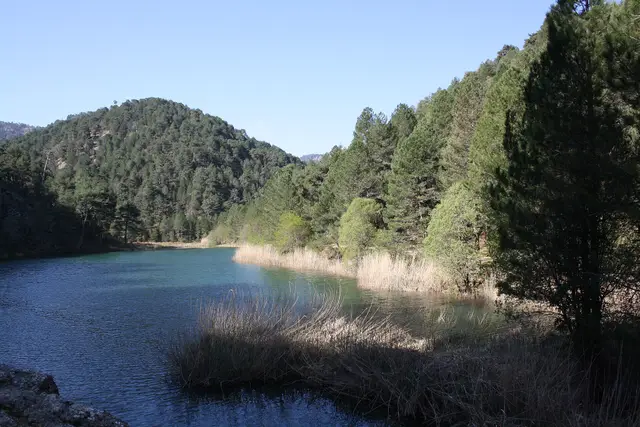
Photo: FrDr · CC BY-SA 4.0 · Wikimedia Commons
Andalusia (Jaén — Cazorla / Segura de la Sierra / Villacarrillo)
★★★★★crowding: Low
Spain's largest protected area: black pine forests, headwaters of the Guadalquivir and the reintroduction of the bearded vulture in Andalusia.
Mediterranean forestOld-growth forestKarst and cavesRiver corridorGorge and canyon
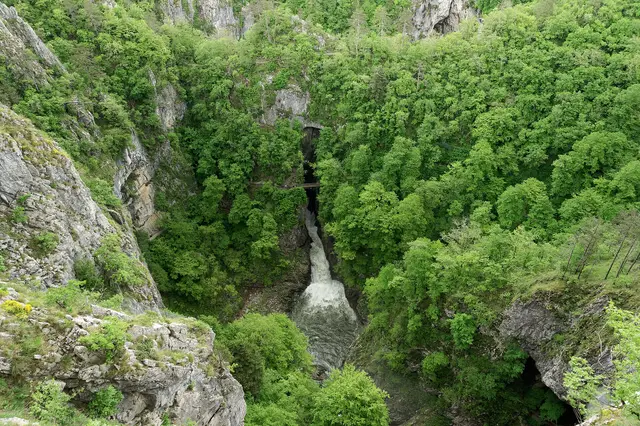
Photo: Jakub Hałun · CC BY 4.0 · Wikimedia Commons
Littoral-Karst (Divača / Matavun)
★★★★★crowding: Moderate
The Reka River vanishes underground into a subterranean canyon over a hundred metres high, among the grandest on Earth.
Karst and cavesGorge and canyonRiver corridor
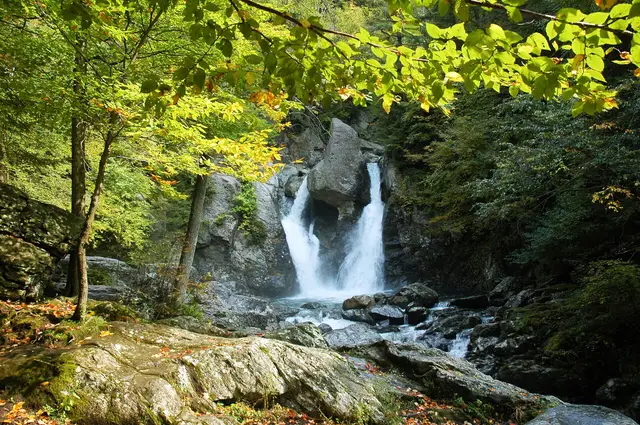
Photo: Zdenek Svoboda from Prague, Czech Republic · CC BY 2.0 · Wikimedia Commons
Eastern Slovakia (Spišská Nová Ves / Hrabušice / Dedinky)
★★★★★crowding: Moderate
Limestone plateaus cut by narrow gorges climbed via ladders and footbridges over waterfalls.
Gorge and canyonKarst and cavesOld-growth forest
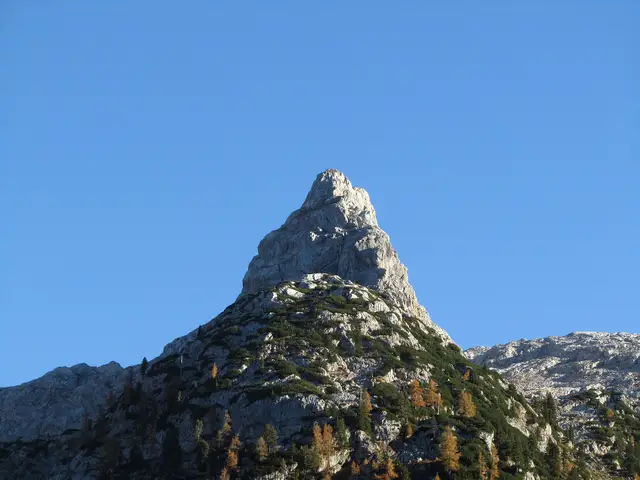
Photo: Jörg Braukmann Milseburg · CC BY-SA 3.0 · Wikimedia Commons
Bavaria (DE) / Salzburg (Saalfelden / Maria Alm) (AT)
★★★★★crowding: Low
The 'Sea of Stone', a vast undulating desert-like limestone plateau suspended at 2.000 m altitude straddling Germany and Austria.
Karst and cavesHigh mountain
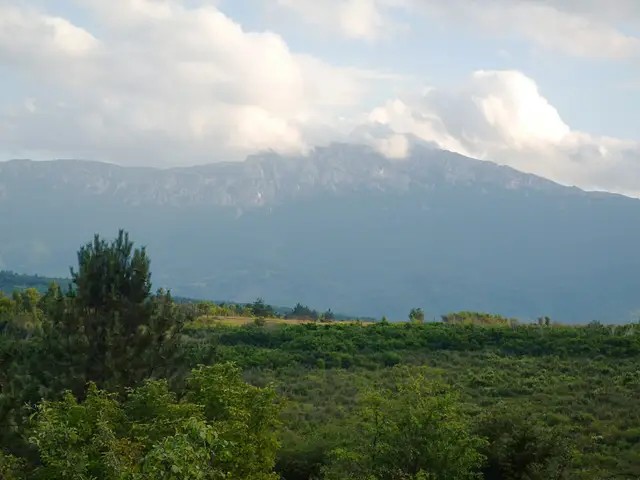
Photo: Dusziv · CC BY-SA 3.0 · Wikimedia Commons
Nišava District (Niška Banja / Bela Palanka)
★★★★★crowding: Very low
The "Dry Mountain", a monumental, razor-sharp limestone ridge extending for 45 km rising dramatically above the Niš basin.
High mountainKarst and caves
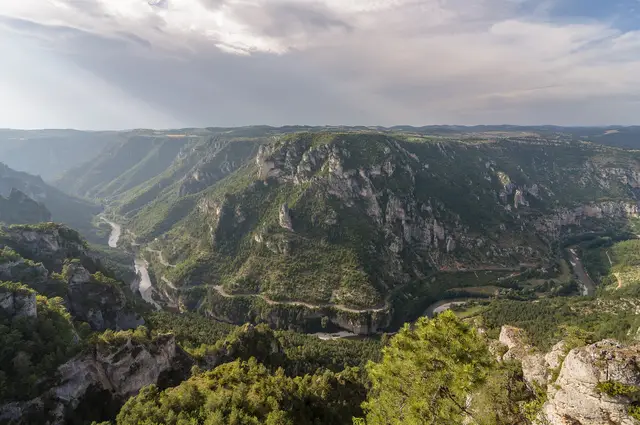
Photo: Myrabella · CC BY-SA 3.0 · Wikimedia Commons
Occitania (Lozère / Aveyron)
★★★★★crowding: Moderate
Spectacular limestone canyon 500 m deep carved by the Tarn between the karstic plateaus of the Causses.
Gorge and canyonKarst and cavesRiver corridor
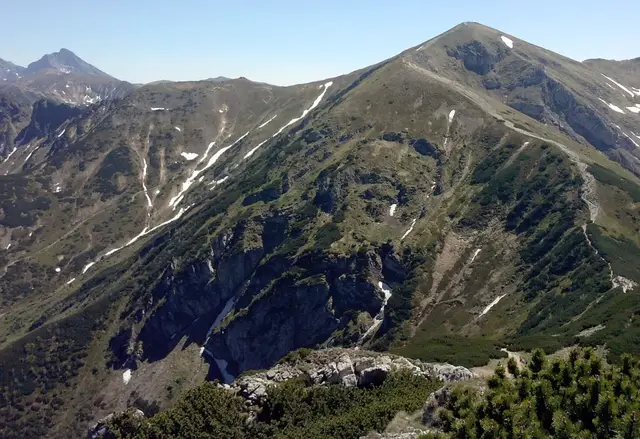
Photo: August kazimierz · CC BY 3.0 · Wikimedia Commons
Lesser Poland (Zakopane)
★★★★★crowding: High
The only alpine-type high-mountain massif in the Carpathians: sharp granite ridges, glacial tarns, Tatra chamois, and brown bear.
High mountainAlpine meadowOld-growth forestGlacial landscapeKarst and caves
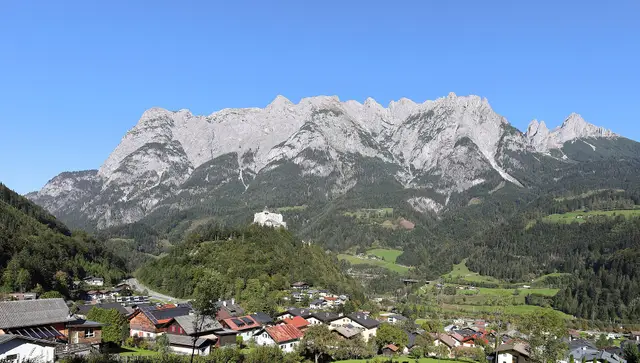
Photo: C.Stadler/Bwag · CC BY-SA 4.0 · Wikimedia Commons
Salzburg (Werfen / Abtenau)
★★★★★crowding: Low
Alpine limestone plateau rimmed by precipitous escarpments housing Eisriesenwelt, the largest explored ice cave on Earth (42 km of surveyed passages).
Karst and cavesHigh mountain
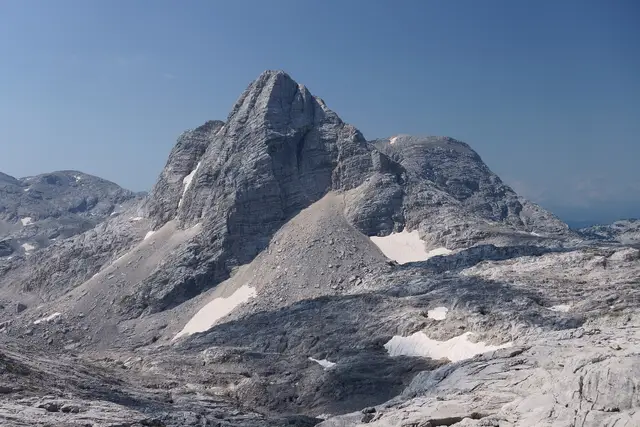
Photo: Tigerente · CC BY-SA 4.0 · Wikimedia Commons
Upper Austria / Styria (Hinterstoder / Bad Aussee)
★★★★★crowding: Low
The 'Dead Mountains', Central Europe's largest high-alpine karst desert plateau (over 200 km² of exposed barren limestone void of surface water).
Karst and cavesHigh mountainLake
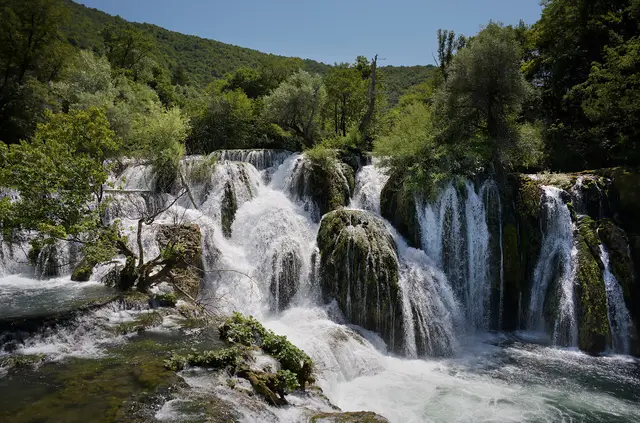
Photo: Miha Peče · CC BY-SA 4.0 · Wikimedia Commons
Una-Sana Canton (Martin Brod / Štrbački buk)
★★★★★crowding: Low
Breathtaking tufa waterfall cascades like Štrbački buk (24 m) incised through rugged karst mountain woodlands.
River corridorGorge and canyonKarst and caves
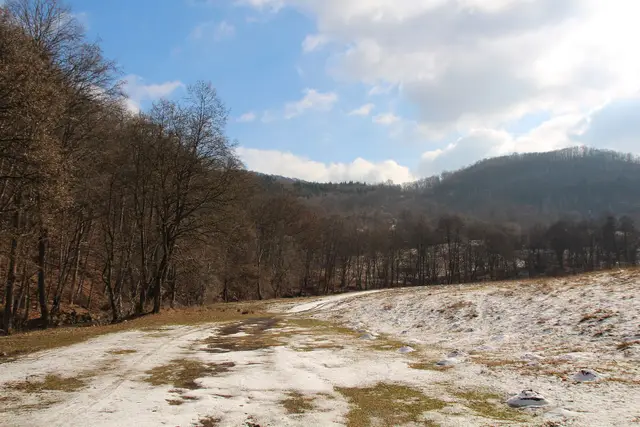
Photo: MARIUS PASCU · CC BY 3.0 · Wikimedia Commons
Harghita and Covasna Counties (Baraolt / Vârghiș)
★★★★★crowding: Low
Limestone gorge reserve with over 120 caves of major chiropterological importance (Peștera Merești).
Gorge and canyonKarst and caves
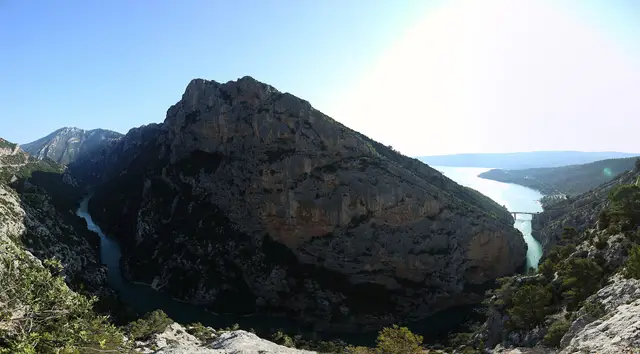
Photo: Tom Chirossel · CC BY-SA 4.0 · Wikimedia Commons
Alpes-de-Haute-Provence / Var (Castellane / Moustiers-Sainte-Marie)
★★★★★crowding: Moderate
The 'Grand Canyon of Europe', sheer limestone cliffs plunging 700 m carved out by the turquoise waters of the Verdon River.
Gorge and canyonKarst and cavesRiver corridor
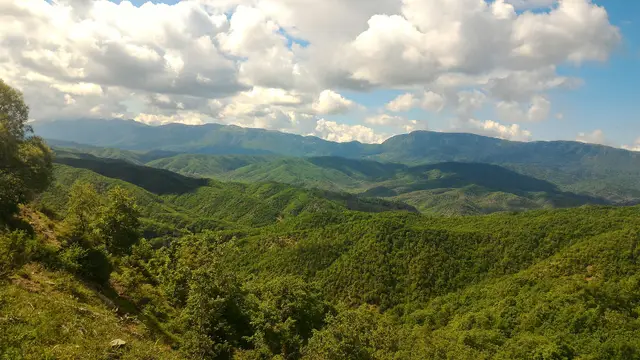
Photo: Johnny1337R · CC BY-SA 4.0 · Wikimedia Commons
Epirus (Ioannina / Zagori / Konitsa)
★★★★★crowding: Low
The Vikos Gorge, recorded by the Guinness Book of Records as the world’s deepest gorge relative to its width (almost 1.000 m of sheer drop).
Gorge and canyonKarst and cavesHigh mountainRiver corridor
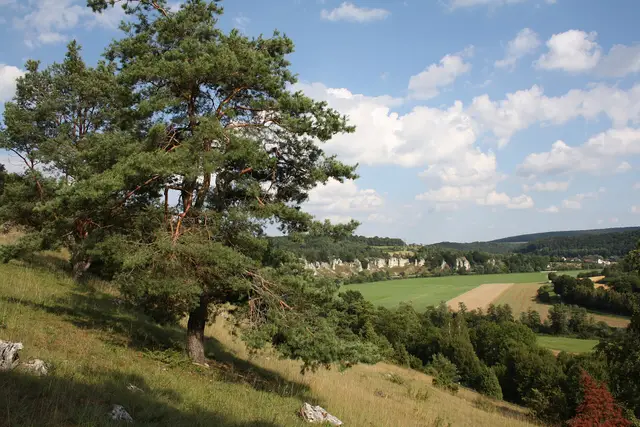
Photo: Cku · CC BY-SA 3.0 · Wikimedia Commons
Bavaria (Eichstätt / Kelheim / Solnhofen)
★★★★★crowding: Low
Meandering limestone valley of the Franconian Jura with the "Zwölf Apostel" (Twelve Apostles) pinnacles and Archaeopteryx fossil quarries.
River corridorKarst and cavesOld-growth forest
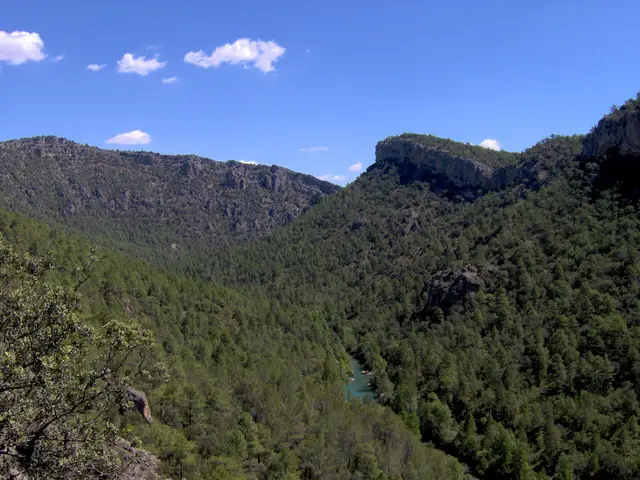
Photo: Pequeño Santi · CC BY-SA 4.0 · Wikimedia Commons
Guadalajara and Cuenca (Castilla-La Mancha, Spain)
★★★★★crowding: No data
Canyons of the Tagus and Hoz Seca rivers among pine forests, riparian woodlands, and highland juniper groves.
Karst and cavesGorge and canyonMediterranean forest
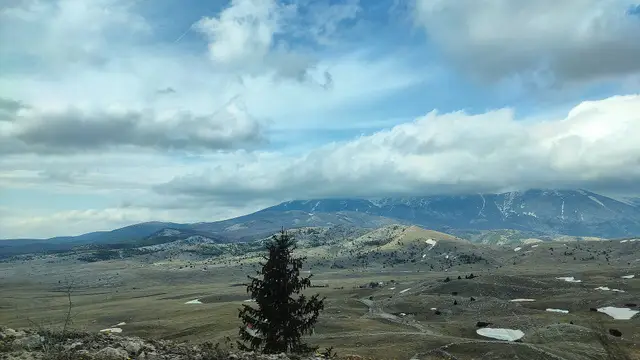
Photo: Irrmam · CC BY-SA 4.0 · Wikimedia Commons
West Herzegovina and Herzegovina-Neretva Cantons (Posušje / Jablanica)
★★★★★crowding: Very low
High karst mountains around the glacial Lake Blidinje featuring the iconic natural rock arch of Hajdučka Vrata.
High mountainKarst and cavesLake
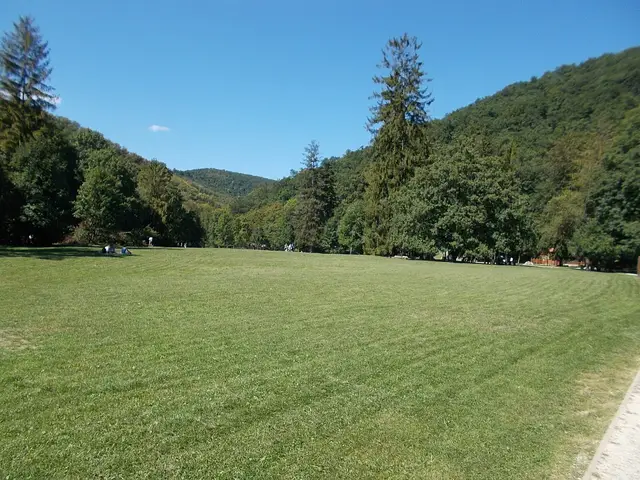
Photo: Globetrotter19 · CC BY-SA 3.0 · Wikimedia Commons
Heves / Borsod-Abaúj-Zemplén (Eger / Miskolc / Szilvásvárad)
★★★★★crowding: Low
Hungary's most extensive karst plateau, clothed in beech forests, featuring prehistoric caves and imperial eagles soaring along its cliff edges.
Old-growth forestKarst and cavesSteppe and grassland
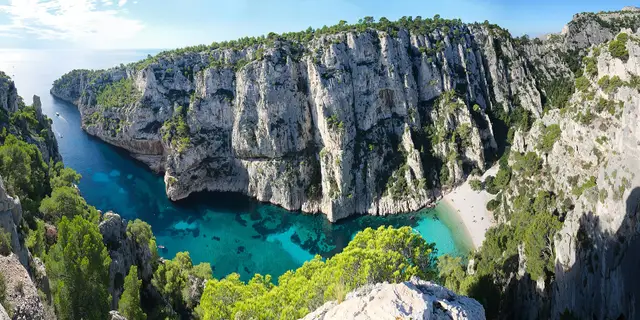
Photo: kallerna · CC BY-SA 4.0 · Wikimedia Commons
Provence-Alpes-Côte d'Azur (Marseille / Cassis / La Ciotat)
★★★★★crowding: High
The first European national park that is at once terrestrial, marine and peri-urban: limestone cliffs and calanques above posidonia meadows at the gates of Marseille.
Wild coastMarineKarst and cavesMediterranean forest
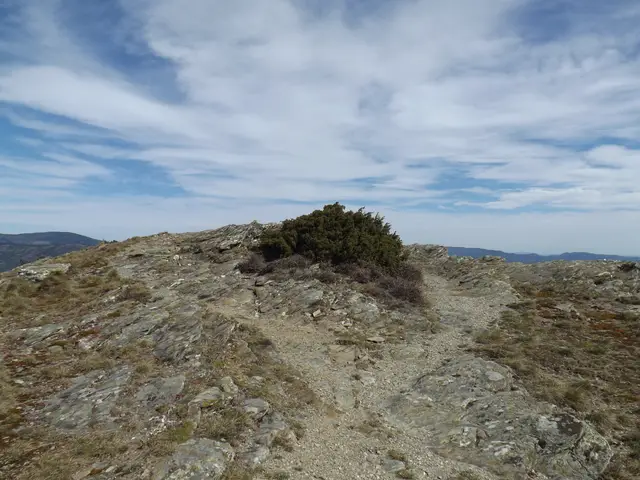
Photo: Fotelise22 · CC BY-SA 4.0 · Wikimedia Commons
Occitania (Lozère / Gard — Florac / Mont Lozère / Mont Aigoual)
★★★★★crowding: Low
Limestone plateaus (causses), granite uplands and chestnut valleys with reintroduced vultures: a pastoral landscape protected as an inhabited national park.
Old-growth forestSteppe and grasslandGorge and canyonKarst and caves
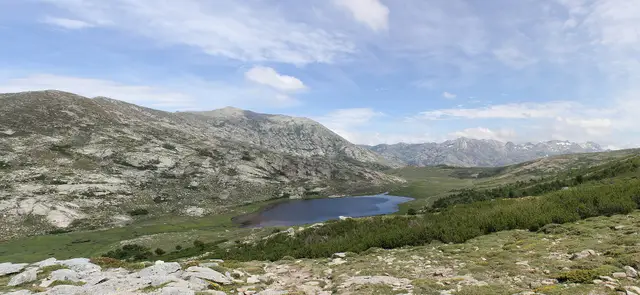
Photo: Arnaud Abadie · CC BY-SA 4.0 · Wikimedia Commons
Corsica (Corte / Ajaccio / Bastia / Porto)
★★★★★crowding: Moderate
Covers more than 40 % of the island of Corsica (375,000 ha), encompassing the backbone of Monte Cinto (2,706 m) and the canyons of the Restonica and Tavignano.
High mountainGorge and canyonOld-growth forestKarst and caves
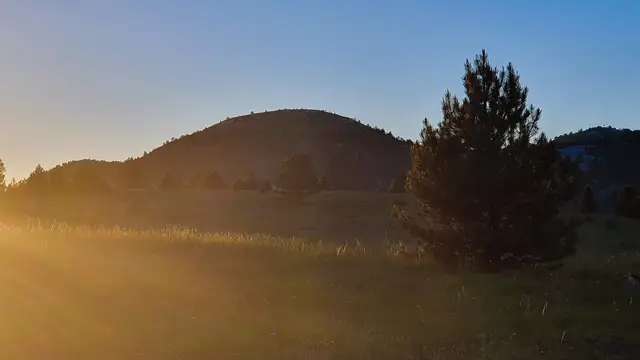
Photo: Ivan Vid · CC BY-SA 4.0 · Wikimedia Commons
Šibenik-Knin and Split-Dalmatia Counties (Knin / Sinj)
★★★★★crowding: Very low
The massif that gives its name to the entire Dinaric Alps and hosts Croatia’s highest peak (Dinara 1,831 m).
High mountainKarst and cavesSteppe and grassland
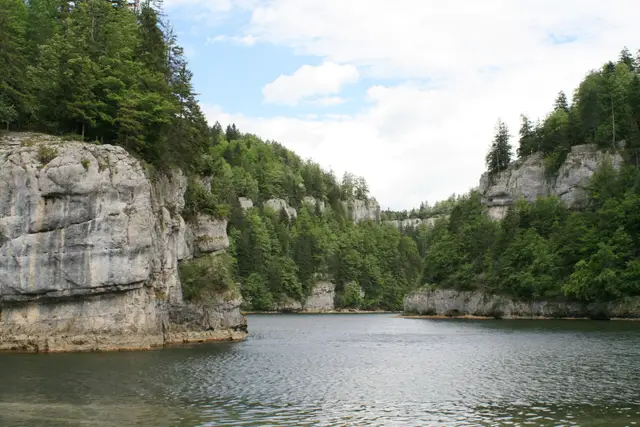
Photo: Wernain Samuel at French Wikipedia · CC BY-SA 3.0 · Wikimedia Commons
Doubs (FR) / Canton of Jura (CH)
★★★★★crowding: Low
A meandering river canyon marking the natural frontier between France and Switzerland with limestone cliffs and cascading falls.
Gorge and canyonRiver corridorKarst and caves
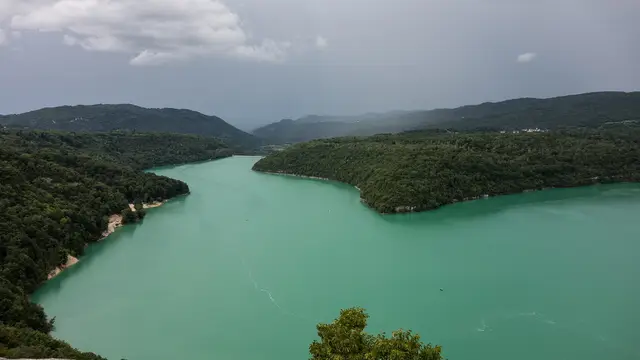
Photo: Annick Monnier · CC BY-SA 4.0 · Wikimedia Commons
Jura / Ain / Doubs (Saint-Claude / Les Rousses)
★★★★★crowding: Low
The highest crests of the Jura Range (Crêt de la Neige 1,720 m) with ancient spruce forests and peat bogs.
High mountainOld-growth forestKarst and caves
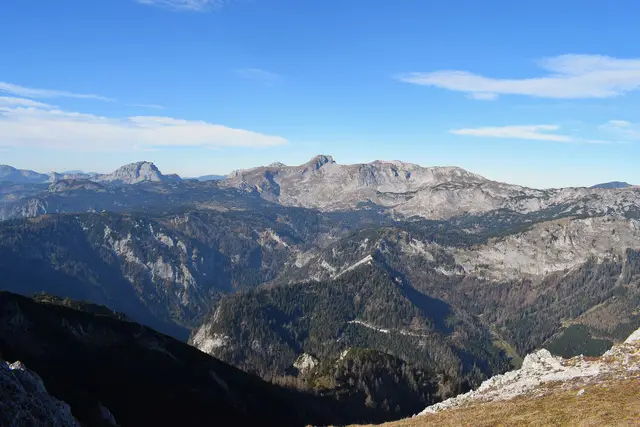
Photo: Schreckgespenst · CC BY-SA 4.0 · Wikimedia Commons
Styria (Aflenz / Mariazell)
★★★★★crowding: Low
Vast, desert-like karst plateau above 2,000 m hosting the largest concentration of chamois in the Alps.
High mountainKarst and caves
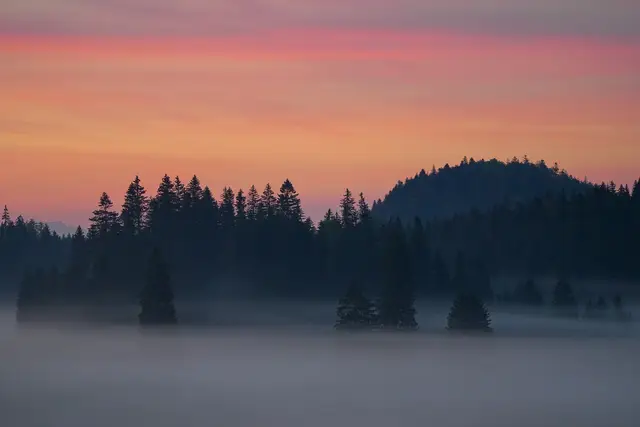
Photo: Giles Laurent · CC BY-SA 4.0 · Wikimedia Commons
Canton of Vaud (Saint-Cergue / Le Marchairuz)
★★★★★crowding: Low
Beech and pine-clad hills across morainic karst terrain overlooking Lake Geneva and the Mont Blanc massif.
High mountainOld-growth forestKarst and caves
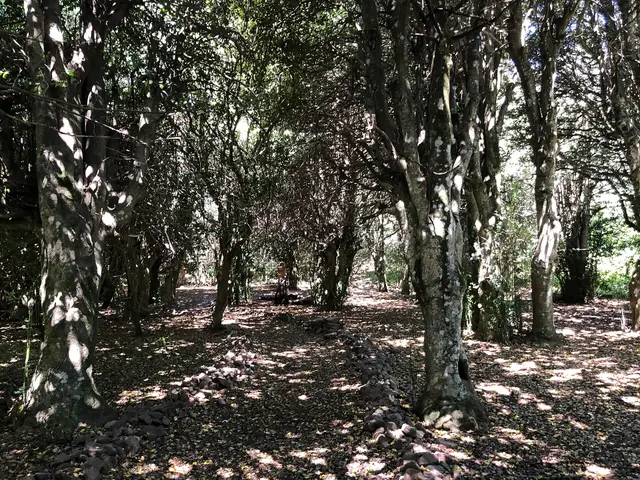
Photo: Davide Mauro · CC BY-SA 4.0 · Wikimedia Commons
Sicily (Palermo / Cefalù / Petralia Sottana / Castelbuono)
★★★★★crowding: Low
A karst massif rising nearly 2,000 m above the Tyrrhenian Sea in Sicily, home to the critically endangered Sicilian fir (Abies nebrodensis).
High mountainKarst and cavesOld-growth forest
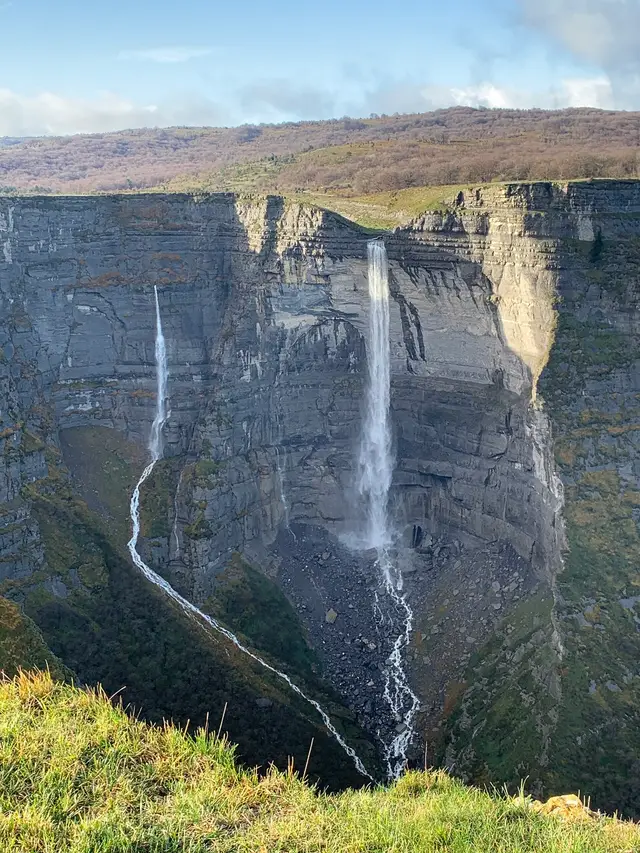
Photo: Centenoyespelta · CC BY-SA 4.0 · Wikimedia Commons
Castile and León / Basque Country (Burgos / Álava / Berberana)
★★★★★crowding: Low
The dramatic karst precipice of the Salto del Nervión (Spain's highest waterfall with a 222 m freefall) and the dense beech forest of Monte Santiago.
Gorge and canyonKarst and cavesOld-growth forest
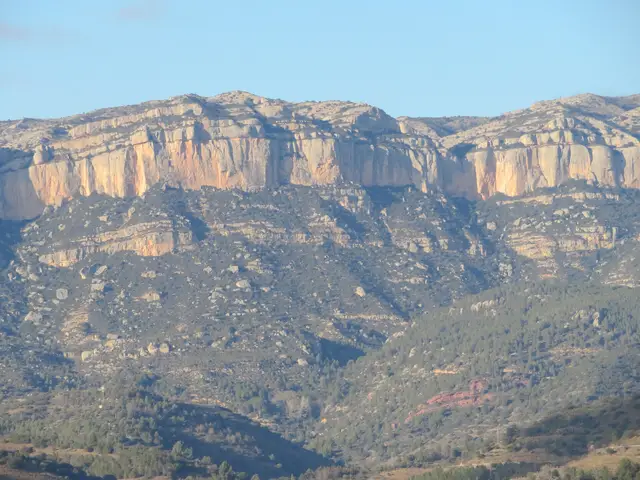
Photo: Juan Emilio Prades Bel · CC BY 4.0 · Wikimedia Commons
Catalonia (Province of Tarragona / Priorat comarca)
★★★★★crowding: Low
A range of limestone-conglomerate ramparts, gorges and Mediterranean forest inhabited by Bonelli's eagle and Iberian ibex.
Karst and cavesGorge and canyonOld-growth forest
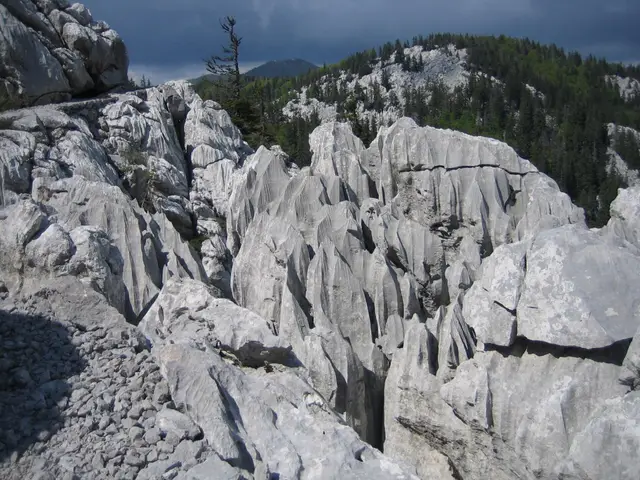
Photo: Rootmaker · CC BY-SA 3.0 · Wikimedia Commons
Lika-Senj (Croatia)
★★★★★crowding: Low
Karst relief, ancient beech forests and mountain pastures in Northern Velebit.
High mountainKarst and cavesOld-growth forest
Republika Srpska / Sarajevo Canton (Pale / Rogatica)
★★★★★crowding: Very low
Deep karst gorge following an abandoned narrow-gauge railway trace sheltering Pećina Govještica (Bosnia's longest cave, nearly 10 km).
Gorge and canyonKarst and cavesRiver corridor
Abruzzo (Anversa degli Abruzzi / Scanno)
★★★★★crowding: Very low
An awe-inspiring karst canyon carved by the Sagittario River between vertical limestone cliffs hundreds of metres high.
Gorge and canyonKarst and cavesRiver corridor
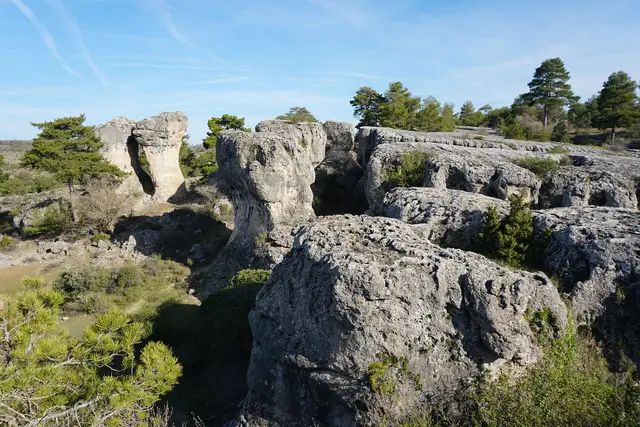
Photo: Tanja Freibott · CC BY-SA 4.0 · Wikimedia Commons
Cuenca (Castilla-La Mancha, Spain)
★★★★★crowding: No data
Pine forests and deep river gorges sculpted through limestone plateaus across the Serranía de Cuenca.
Karst and cavesGorge and canyonMediterranean forest
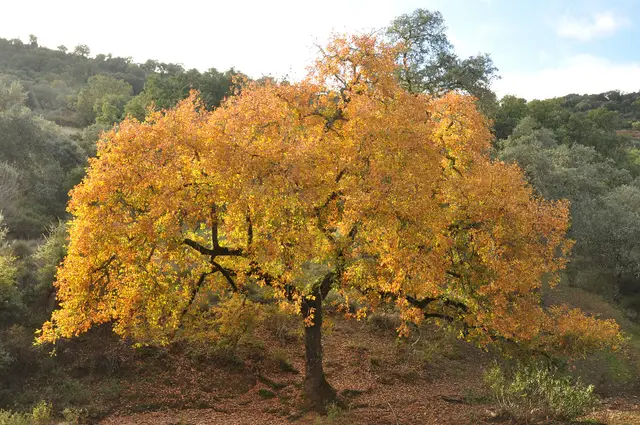
Photo: Ricoleta · CC BY-SA 4.0 · Wikimedia Commons
Andalusia (Huelva / Aracena / Aroche / Cortegana)
★★★★★crowding: Low
Sprawling holm and cork oak dehesas interspersed with centennial chestnut groves in the western reaches of Sierra Morena.
Old-growth forestKarst and caves
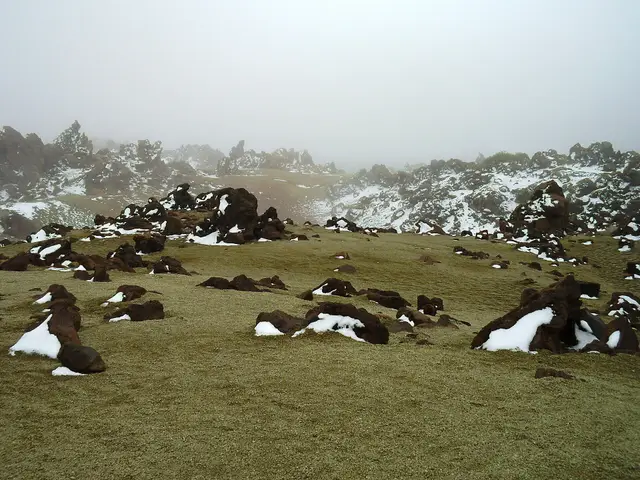
Photo: kallerna · Public domain · Wikimedia Commons
Canary Islands (Tenerife — Las Cañadas)
★★★★★crowding: High
A stratovolcano of 3,715 metres rising above a giant caldera: high-altitude volcanic landscape with endemic Canarian flora.
High mountainKarst and caves
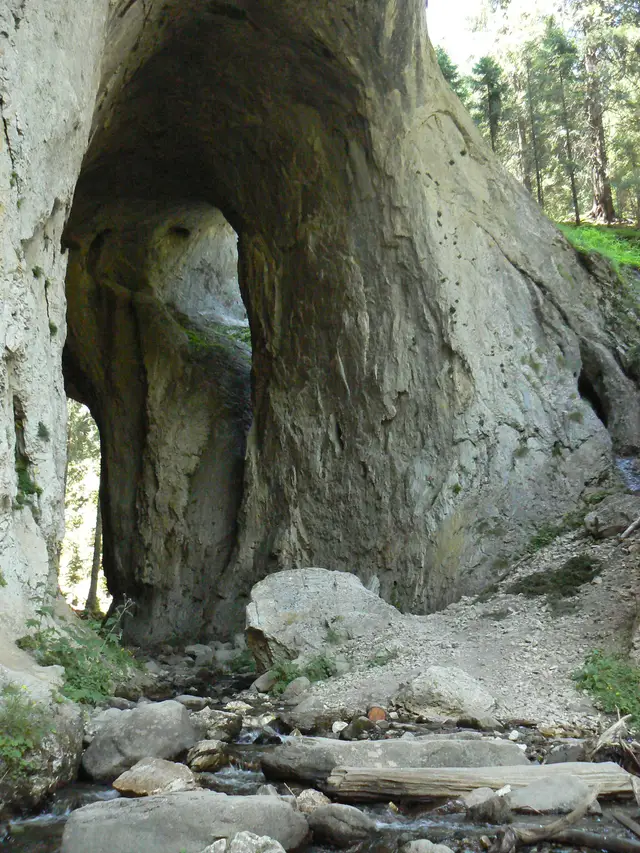
Photo: Vassia Atanassova - Spiritia · Public domain · Wikimedia Commons
Smolyan Province (Zabardo / Chepelare)
★★★★★crowding: Low
Giant karst stone arches over 45 m high created by the collapse of an ancient cave above the Erkyupriya River.
Karst and cavesGorge and canyonOld-growth forest