Massifs, summits and high-mountain cirques.
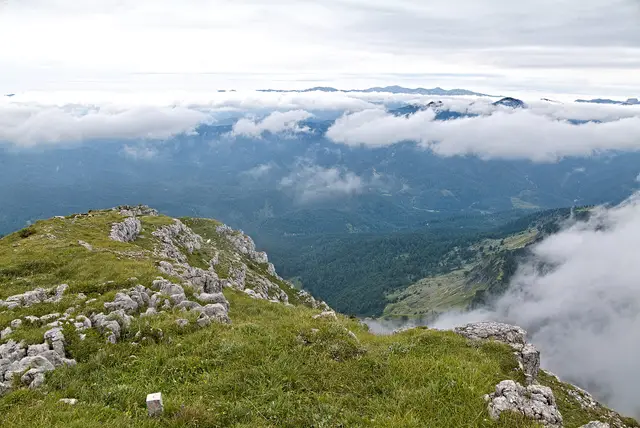
Photo: Leonhard Lenz · CC0 · Wikimedia Commons
Lower Austria (Ybbstal Alps)
★★★★★crowding: Very low
The largest unmanaged primeval forest in the Central Alps (Rothwald), UNESCO World Heritage site.
Primary forestHigh mountain
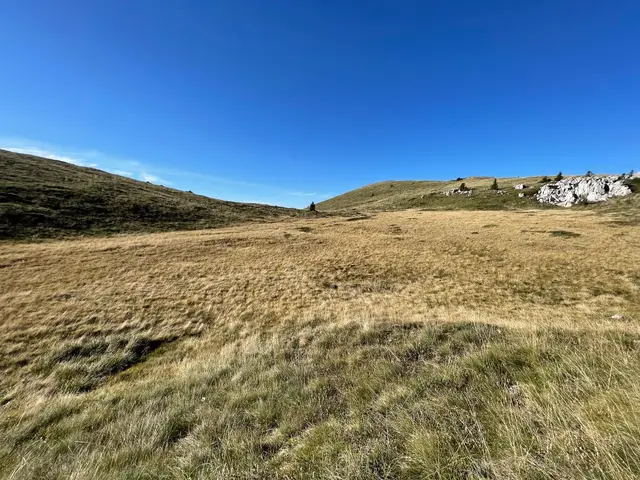
Photo: StarDroid 5000 · CC BY-SA 4.0 · Wikimedia Commons
Lika-Senj County (Sjeverni Velebit)
★★★★★crowding: Very low
Dantesque labyrinth of limestone monoliths and abyssal karst pits such as Lukina Jama (1,431 m deep).
Karst and cavesHigh mountainPrimary forest
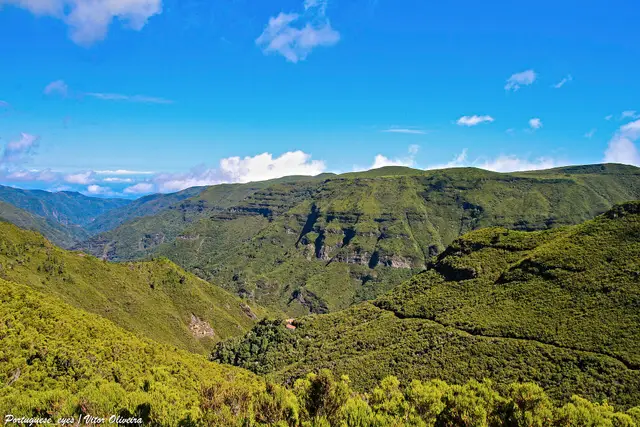
Photo: Vitor Oliveira from Torres Vedras, PORTUGAL · CC BY-SA 2.0 · Wikimedia Commons
Autonomous Region of Madeira (Madeira Island / Ribeiro Frio / Fanal / Porto Moniz)
★★★★★crowding: Low
The largest surviving tract of relict Tertiary subtropical laurel forest in the world (UNESCO World Heritage).
Primary forestOld-growth forestHigh mountain
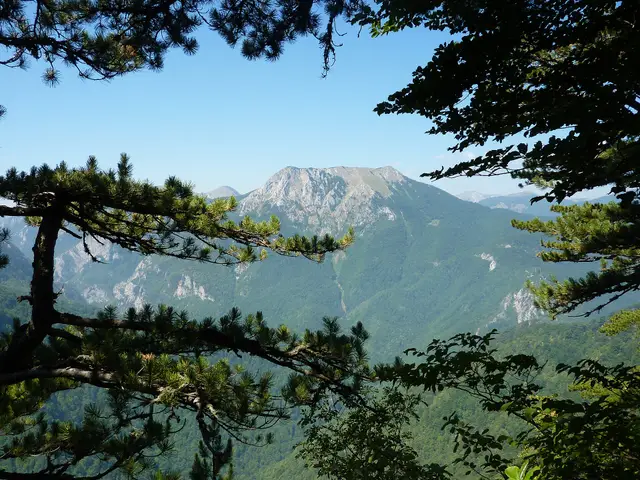
Photo: Erwan Martin from Plouzané, France · CC BY 2.0 · Wikimedia Commons
Republika Srpska (Foča / Maglić)
★★★★★crowding: Very low
The best-preserved beech and fir primeval forest in Southeastern Europe, with trees over 300 years old and the Skakavac waterfall.
Primary forestHigh mountainGorge and canyon
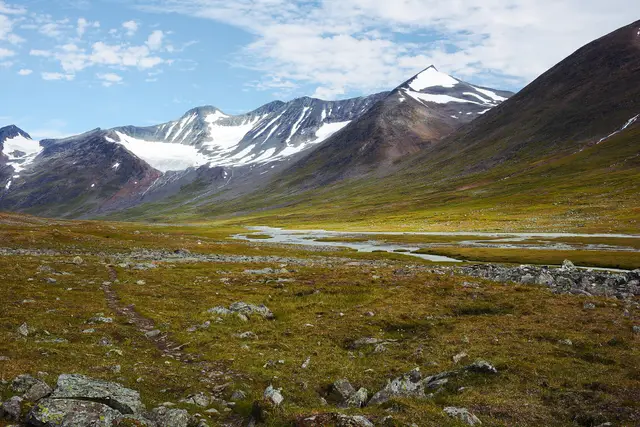
Photo: Bjornvaktaren · CC BY-SA 4.0 · Wikimedia Commons
Swedish Lapland / Norrbotten (Jokkmokk / Kvikkjokk / Ritsem)
★★★★★crowding: Very low
Peaks, glaciers, and the Ráhpavuobme valley in Sarek National Park, part of the Laponia World Heritage site.
High mountainGlacial landscapeRiver corridorGorge and canyon
Suceava County (Rarău Mountains)
★★★★★crowding: Very low
The 'Cathedral of the Firs', one of Romania's oldest mixed primeval forests of silver fir and European beech.
Primary forestHigh mountain
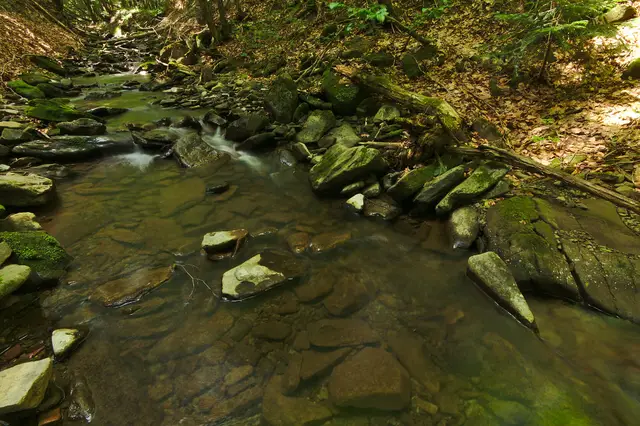
Photo: Jiří Komárek · CC BY-SA 4.0 · Wikimedia Commons
Prešov Region (Slovakia-Poland-Ukraine tripoint)
★★★★★crowding: Very low
Virgin mountain fir and beech forest at the meeting point of three Carpathian frontiers.
Primary forestHigh mountain
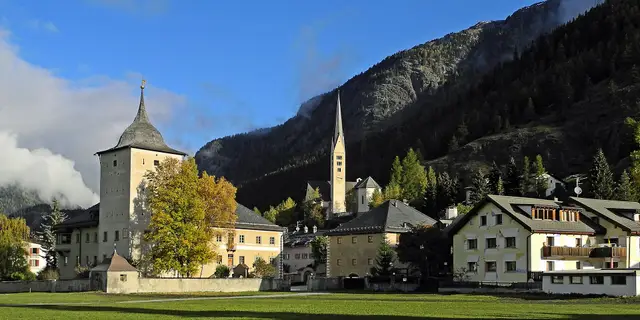
Photo: WillYs Fotowerkstatt · CC BY-SA 3.0 · Wikimedia Commons
Grisons (Zernez / Engadin)
★★★★★crowding: Low
The oldest National Park in the Alps (founded in 1914), a Strict Nature Reserve where all human intervention is forbidden.
High mountainPrimary forestGlacial landscape
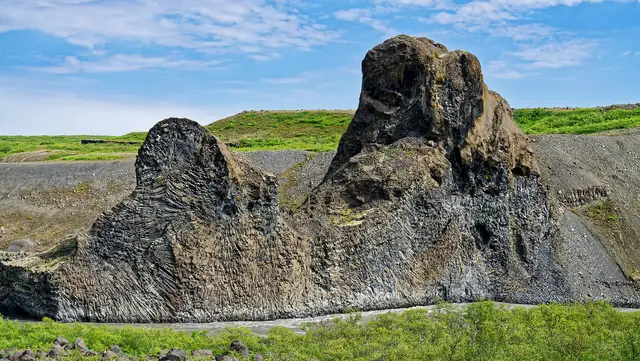
Photo: Holger Uwe Schmitt · CC BY-SA 4.0 · Wikimedia Commons
East and South Iceland (Skaftafell / Jökulsárgljúfur / Askja)
★★★★★crowding: Moderate
Europe's largest ice cap outside the Arctic and the volcanoes smouldering beneath it: fire and ice on a continental scale.
Glacial landscapeHigh mountainGorge and canyonRiver corridor
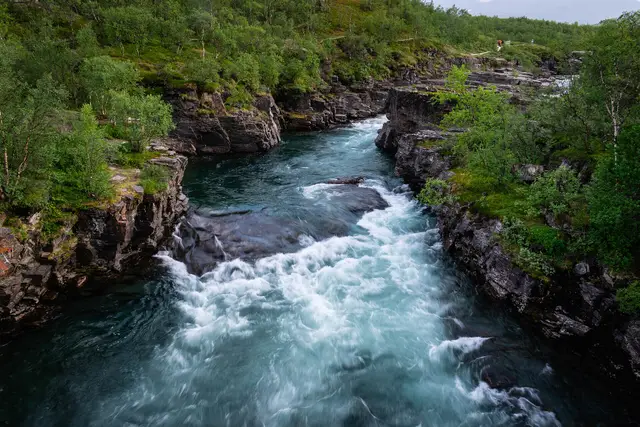
Photo: Ulfnilss · CC BY-SA 4.0 · Wikimedia Commons
Swedish Lapland / Norrbotten (Kiruna / Abisko)
★★★★★crowding: Moderate
The grand canyon of the Abiskojåkka emptying into Lake Torneträsk and the iconic mountain pass of Lapporten (The Gate of Lapland).
High mountainGorge and canyonLakeOld-growth forest
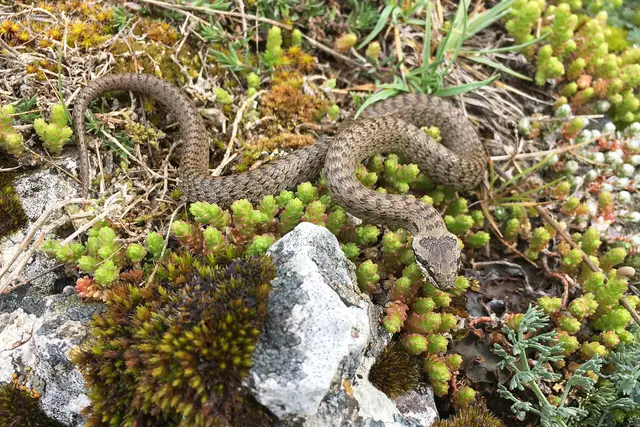
Photo: Bouke ten Cate · CC BY 4.0 · Wikimedia Commons
Abruzzo, Lazio and Molise regions (L'Aquila, Frosinone and Isernia provinces)
★★★★★crowding: Moderate
Sanctuary of the Marsican brown bear and Apennine wolf in primeval beechwoods and high alpine valleys of central Italy.
High mountainPrimary forestKarst and caves
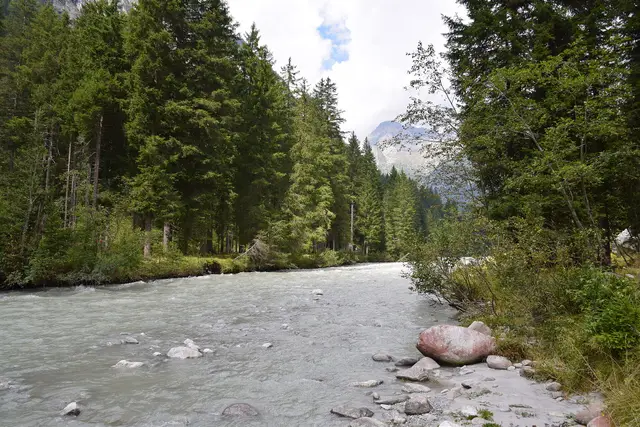
Photo: Elena749 · CC BY-SA 4.0 · Wikimedia Commons
Trentino (Pinzolo / Madonna di Campiglio / Tovel)
★★★★★crowding: Moderate
Two opposing geological worlds facing each other: the limestone spires of the Brenta Dolomites and the glaciated granite massif of the Adamello (home to Trentino's historic brown bear).
High mountainKarst and cavesGlacial landscapeLakeOld-growth forest
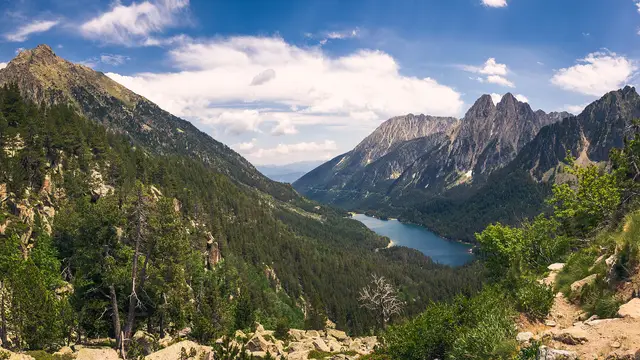
Photo: Jolaus · CC0 · Wikimedia Commons
Catalonia (Lleida)
★★★★★crowding: Moderate
The only National Park in Catalonia, a glacial circus wonderland harboring over 200 tarns (estanys) beneath the iconic twin summits of Els Encantats.
High mountainGlacial landscapeLakeOld-growth forest
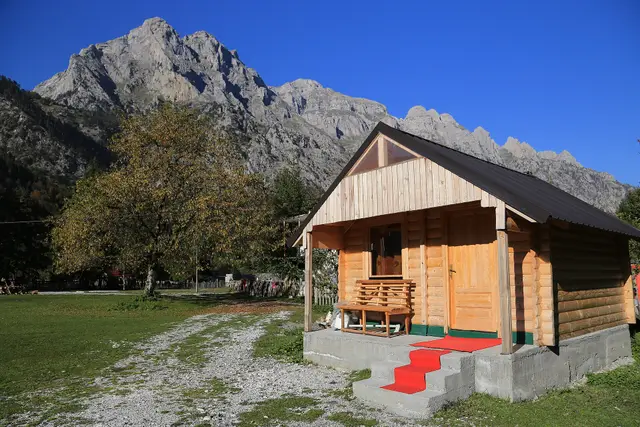
Photo: Tobias Klenze · CC BY 3.0 · Wikimedia Commons
Shkodër / Kukës County (Theth / Valbonë / Tropojë District)
★★★★★crowding: Low
The heart of the Albanian Alps (Prokletije), featuring deep glacial canyons, isolated valleys, and the historic lock-in tower of Theth.
High mountainKarst and cavesGlacial landscapeOld-growth forest
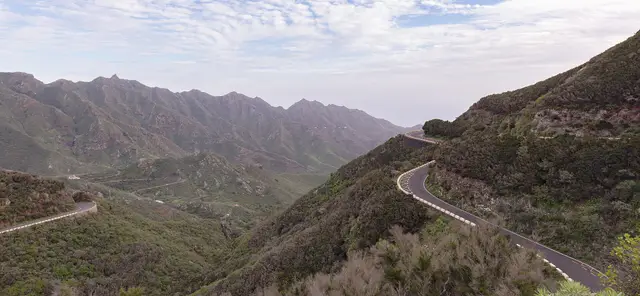
Photo: Diego Delso · CC BY-SA 4.0 · Wikimedia Commons
Canary Islands (Tenerife / Santa Cruz de Tenerife / La Laguna / Taganana)
★★★★★crowding: Low
Volcanic massif anchored 7 to 9 million years ago in north-eastern Tenerife, draped in laurel rainforest, razor-sharp ridges and isolated hamlets.
Primary forestOld-growth forestWild coastHigh mountain
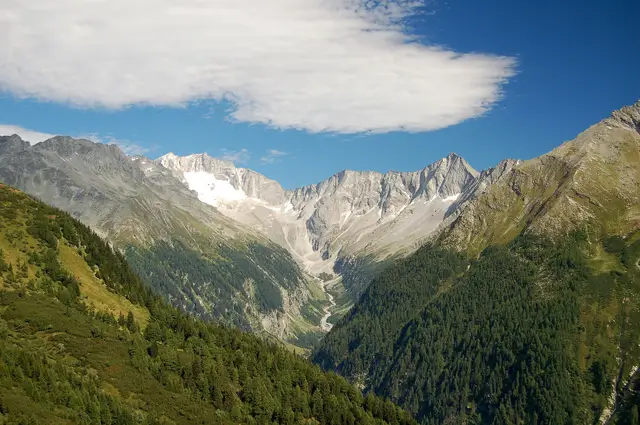
Photo: Herzi Pinki · CC BY-SA 3.0 · Wikimedia Commons
Carinthia / Salzburg (Mallnitz / Bad Gastein)
★★★★★crowding: Low
The 'Gateway to the Tauern', crystalline massif of the Ankogel (3,252 m) with retreating glaciers and pristine alpine alluvial valleys.
High mountainGlacial landscape
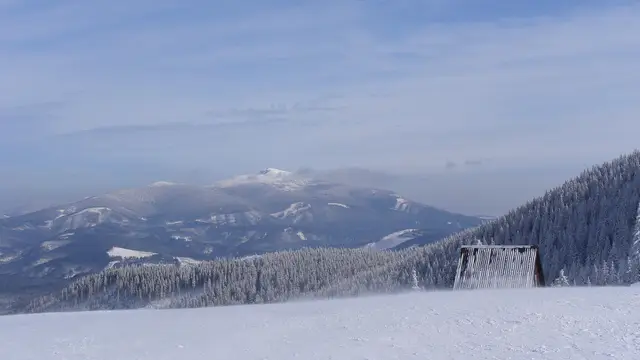
Photo: Pudelek · CC BY-SA 4.0 · Wikimedia Commons
Lesser Poland (Zawoja) (PL) / Žilina (SK)
★★★★★crowding: Low
The 'Queen of the Beskids' (Diablak 1,725 m), an isolated windswept massif exhibiting a complete Carpathian altitudinal vegetation gradient.
High mountainPrimary forest
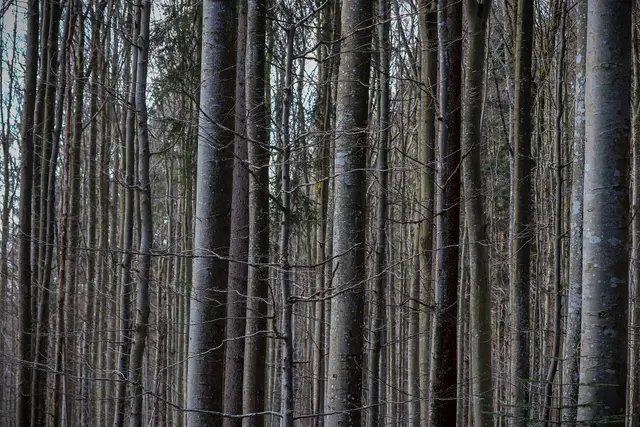
Photo: JakobRei · CC BY-SA 4.0 · Wikimedia Commons
Bavaria (Lower Bavaria / Grafenau)
★★★★★crowding: Low
Germany's first National Park (1970), forming alongside Šumava the largest unbroken forest tract in Central Europe.
Old-growth forestHigh mountainPrimary forest
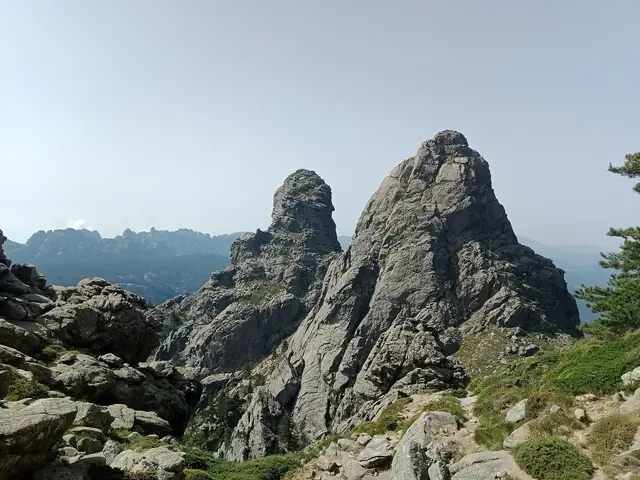
Photo: Rémih · CC BY-SA 4.0 · Wikimedia Commons
Corsica (Zonza / Quenza / Solenzara)
★★★★★crowding: Moderate
A wall of red granite towers and pinnacles weathered into surreal hollow forms (taffoni), framed by Corsican black pine.
High mountainOld-growth forestGorge and canyon
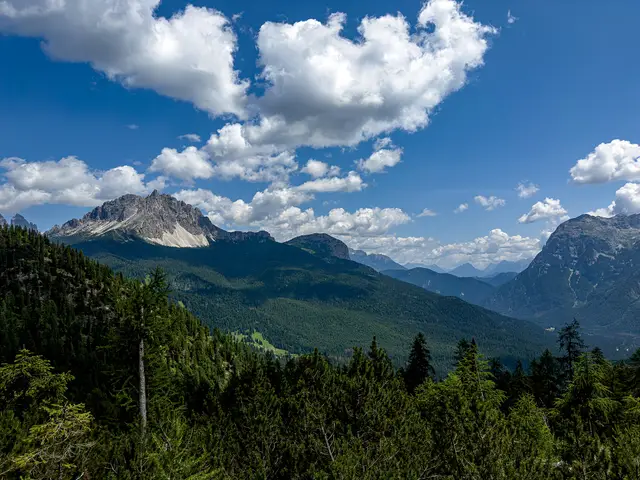
Photo: Turcito11 · CC BY-SA 4.0 · Wikimedia Commons
Veneto (Belluno / Feltre / Agordo)
★★★★★crowding: Very low
The wildest and southernmost sector of the Dolomites (UNESCO World Heritage), carved by deep karst ravines such as the Cadini del Brenton.
High mountainKarst and cavesGorge and canyonOld-growth forest
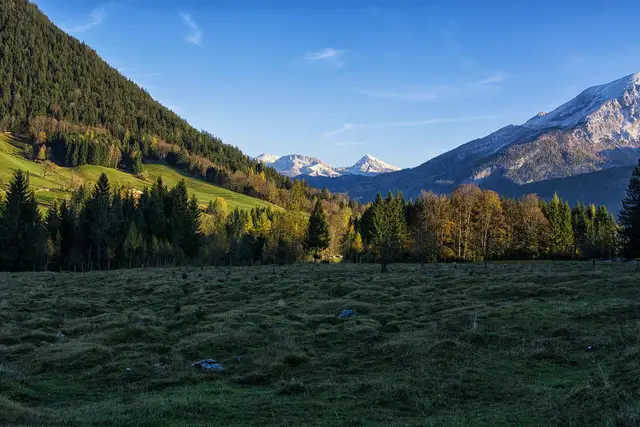
Photo: Andreas Gräwe · CC BY-SA 4.0 · Wikimedia Commons
Bavaria (Berchtesgaden) (DE) / Salzburg (AT)
★★★★★crowding: Moderate
Germany's only high-alpine National Park, dominated by mount Watzmann (2.713 m) and the fjord-like Königssee.
High mountainKarst and cavesLakeGlacial landscape
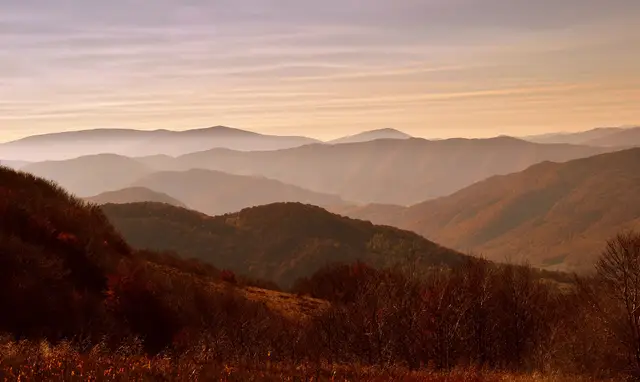
Photo: Stap22 · CC BY 3.0 · Wikimedia Commons
Subcarpathian Voivodeship (Ustrzyki Górne)
★★★★★crowding: Low
Poland’s wildest realm in the Eastern Carpathians, famed for sweeping alpine summit meadows (połoniny) and free-ranging European bison.
Old-growth forestHigh mountain
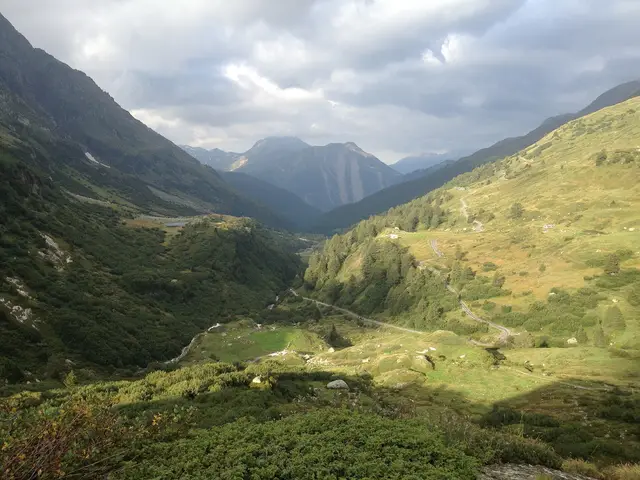
Photo: Tnt66 · CC BY-SA 3.0 · Wikimedia Commons
Valais (Binn / Ernen)
★★★★★crowding: Low
Alpine valley in Valais world-renowned for its extraordinary diversity of rare minerals.
High mountainOld-growth forest
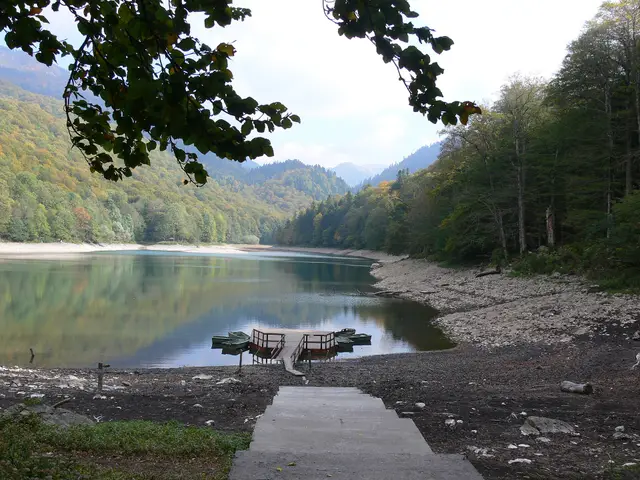
Photo: Wiki surfer bcr · Public domain · Wikimedia Commons
Municipalities of Kolašin, Mojkovac, and Berane
★★★★★crowding: Low
One of the last three primeval temperate rainforests in montane Europe wrapping around a pristine glacial lake.
Primary forestHigh mountainLake
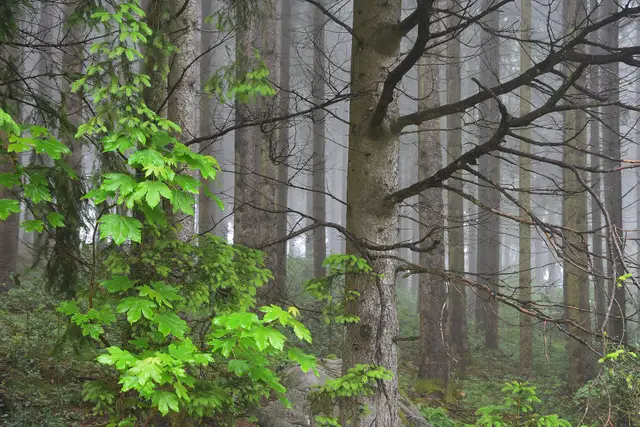
Photo: Josef A. Baumann · CC BY-SA 4.0 · Wikimedia Commons
Baden-Württemberg (Freudenstadt / Baden-Baden)
★★★★★crowding: Low
Baden-Württemberg's first National Park (created in 2014), protecting wild spruce and fir woodlands along red sandstone ridges.
Old-growth forestHigh mountainLake
Trøndelag / Nordland (Hattfjelldal / Røyrvik)
★★★★★crowding: None
One of Scandinavia's purest trail-less wilderness sanctuaries, a core breeding haven for the Arctic fox (Vulpes lagopus).
High mountainWetlandOld-growth forestLake
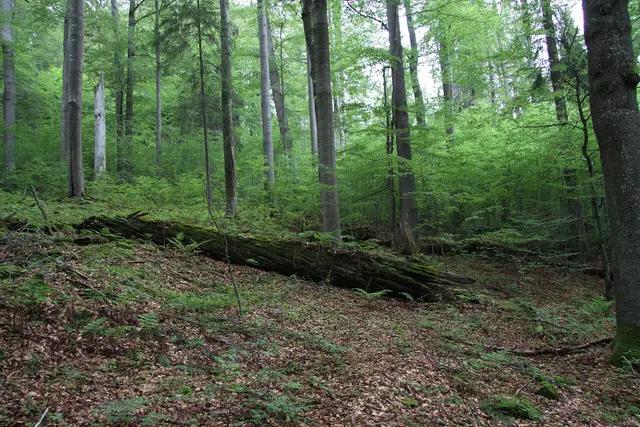
Photo: Chmee2 · CC BY 3.0 · Wikimedia Commons
South Bohemia (Vimperk / Šumava)
★★★★★crowding: Low
A virgin forest reserve designated in 1858 to rescue its 400-year-old firs and beeches from commercial exploitation.
Primary forestHigh mountain
Dâmbovița, Argeș, and Prahova Counties
★★★★★crowding: Low
Dramatic conglomerate cliffs rising toward the plateau of the Babele and Sphinx wind-sculpted rock formations.
High mountainOld-growth forestKarst and caves
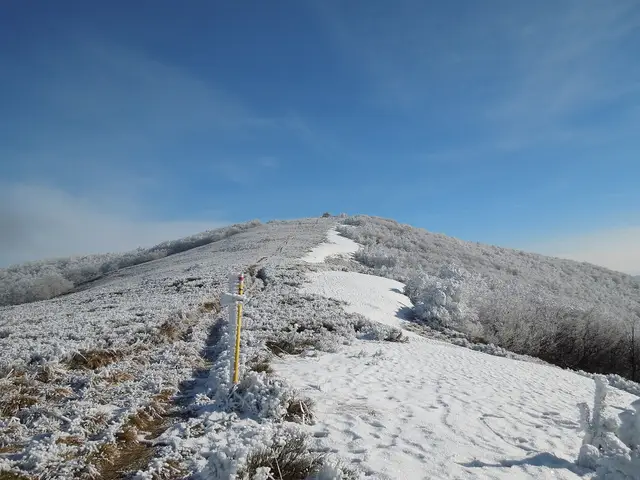
Photo: Milan Bališin · CC BY-SA 4.0 · Wikimedia Commons
Prešov Region (Snina District)
★★★★★crowding: Very low
Slovakia’s largest tract of virgin primeval beech forests contiguous with subalpine ridge meadows (poloniny).
Primary forestHigh mountain
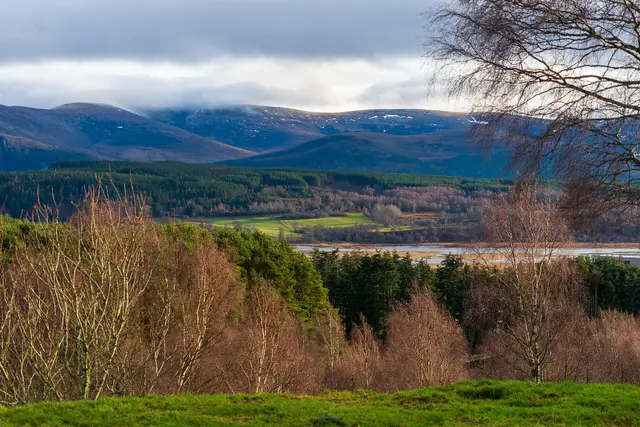
Photo: TXGemGem · CC BY-SA 4.0 · Wikimedia Commons
Scotland (Aviemore / Braemar / Speyside)
★★★★★crowding: Low
Britain's largest national park: subarctic plateau, remnants of the ancient Caledonian pine forest, and capercaillie.
High mountainPrimary forestOld-growth forestWetlandRiver corridor
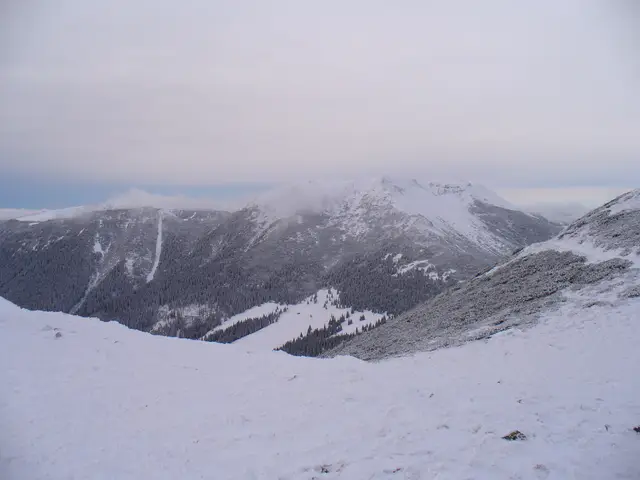
Photo: Original uploader was Utilizator:Kluand at ro.wikipedia · Public domain · Wikimedia Commons
Suceava, Mureș, Bistrița-Năsăud, and Harghita Counties
★★★★★crowding: Very low
The largest extinct volcanic crater in Europe (10 km in diameter) covered with high-mountain fir and spruce forests.
Old-growth forestHigh mountain
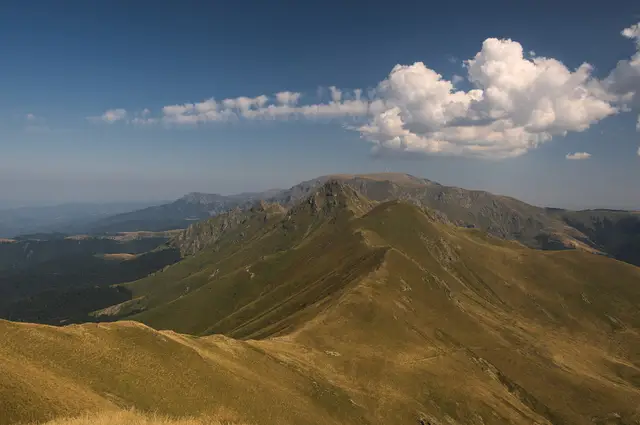
Photo: Derbeth · CC BY 4.0 · Wikimedia Commons
Lovech, Plovdiv, Stara Zagora and Gabrovo Provinces
★★★★★crowding: Very low
Nine strict nature reserves protecting the largest contiguous tract of unmanaged ancient beech forest in the Balkans.
Primary forestHigh mountain
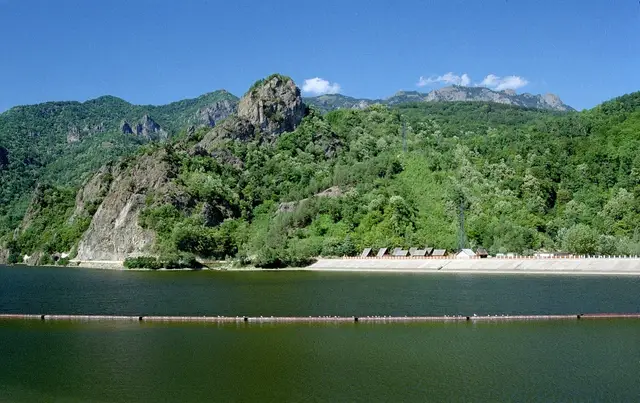
Photo: Petr Vodička · CC BY-SA 4.0 · Wikimedia Commons
Vâlcea County
★★★★★crowding: Low
Limestone crags and the Olt River gorge cloaked in virgin beech forests and high-altitude oak groves.
Primary forestHigh mountainGorge and canyon
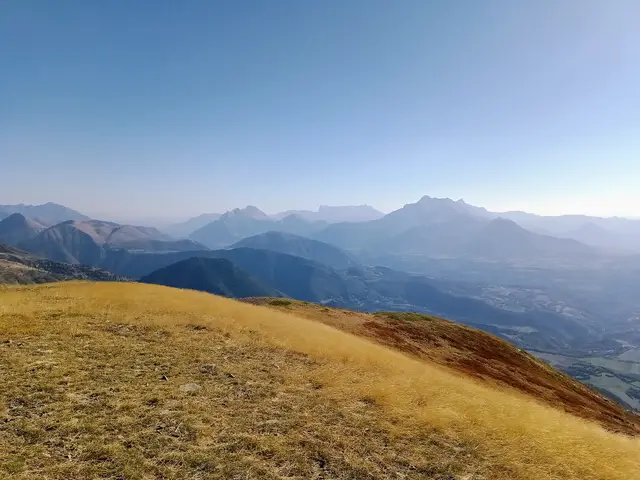
Photo: Rémih · CC BY-SA 4.0 · Wikimedia Commons
Hautes-Alpes (Saint-Étienne-en-Dévoluy)
★★★★★crowding: Very low
Mineral karst fortress rimmed by limestone cliffs and riddled with deep subterranean chasms (chourums).
High mountainKarst and caves
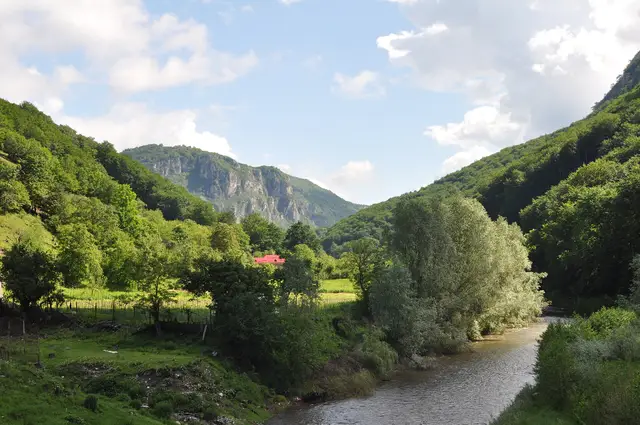
Photo: Flori & Nicu Farcaș · CC BY-SA 4.0 · Wikimedia Commons
Caraș-Severin, Mehedinți, and Gorj Counties
★★★★★crowding: Very low
Deep tectonic canyon flanked by Banat black pine and catchments with virgin montane beech woods.
Primary forestGorge and canyonKarst and cavesHigh mountain
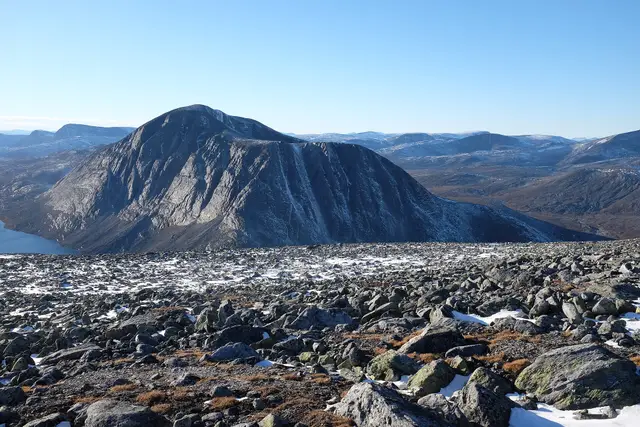
Photo: Frankemann · CC BY-SA 4.0 · Wikimedia Commons
Innlandet / Trøndelag / Møre og Romsdal (Dombås / Oppdal / Sunndalsøra)
★★★★★crowding: Low
The ancestral realm of the muskox (Ovibos moschatus), the only place in continental Europe holding wild herds of this Ice Age giant crowned by Mount Snøhetta (2,286 m).
High mountainGlacial landscapeSteppe and grasslandAlpine meadow
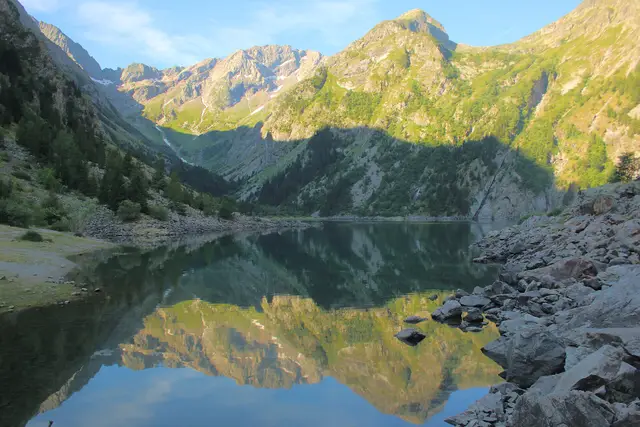
Photo: FrDr · CC BY-SA 4.0 · Wikimedia Commons
Auvergne-Rhône-Alpes / Provence-Alpes-Côte d'Azur (Isère / Hautes-Alpes)
★★★★★crowding: Low
The glaciated core of the French Alps (Barre des Écrins 4.102 m), with deep glacial valleys such as Valgaudemar and Vénéon.
High mountainGlacial landscape
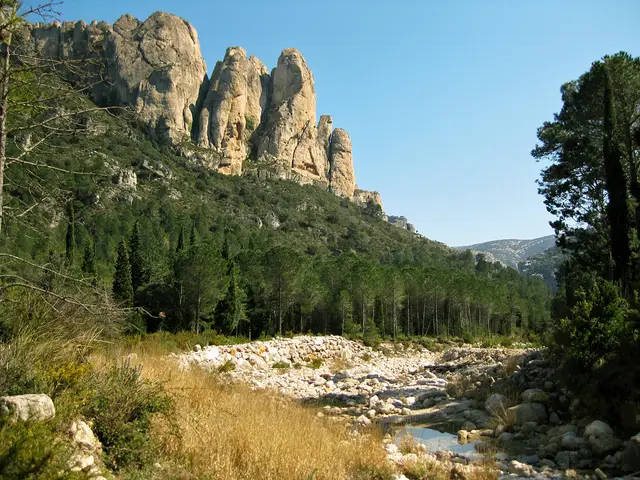
Photo: Espencat · Public domain · Wikimedia Commons
Catalonia / Aragon / Valencian Community (Tarragona / Teruel / Castellón / Roquetes / Tortosa)
★★★★★crowding: Low
A rugged karst massif between Catalonia, Aragon, and the Valencian Community featuring limestone cliffs, southern beech groves, and the Iberian ibex.
High mountainKarst and cavesGorge and canyonOld-growth forest
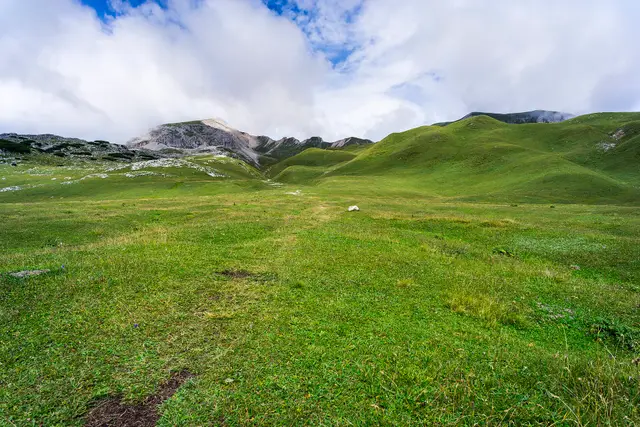
Photo: Alberto Restifo albertorestifo · CC0 · Wikimedia Commons
South Tyrol / Alto Adige (San Vigilio di Marebbe / Val Badia / Lago di Braies)
★★★★★crowding: Moderate
The idyllic turquoise waters of Lago di Braies and the desolate karst plateaus of Fanes and Sennes encircled by dolomitic amphitheatres.
High mountainKarst and cavesLakeOld-growth forest
Autonomous Region of the Azores (Flores Island / Santa Cruz / Lajes das Flores)
★★★★★crowding: Very low
The 'Island of Water and Flowers', a UNESCO Biosphere Reserve on the North American tectonic plate with 7 crater lakes (Sete Lagoas) and the Poço da Ribeira do Ferreiro waterfall.
High mountainLakeWild coastPrimary forest
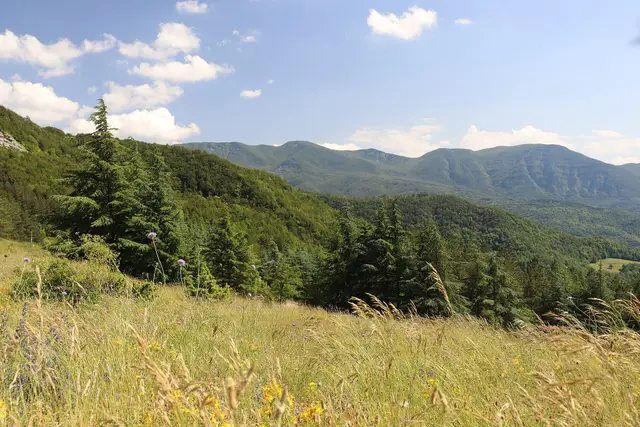
Photo: Vimy19 · CC BY-SA 4.0 · Wikimedia Commons
Tuscany / Emilia-Romagna (Arezzo / Florence / Forlì-Cesena / Pratovecchio)
★★★★★crowding: Low
One of the oldest and best-preserved forest tracts in Europe, cradling the source of the Arno River on Monte Falterona.
Primary forestOld-growth forestHigh mountain
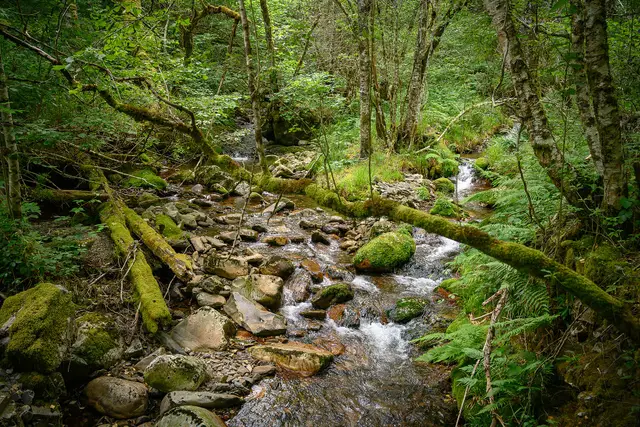
Photo: Teseum · CC BY-SA 4.0 · Wikimedia Commons
Asturias (Cangas del Narcea / Degaña / San Antolín de Ibias)
★★★★★crowding: Very low
The largest sessile oak (Quercus petraea) forest in Spain and one of the best preserved in Europe (Muniellos).
Primary forestOld-growth forestHigh mountain
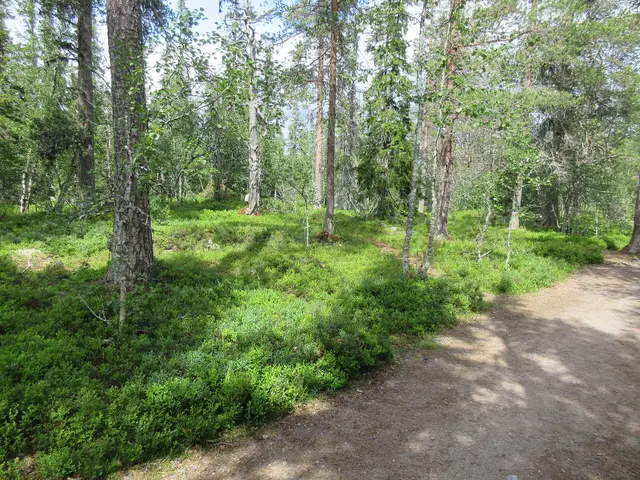
Photo: Bysmon · CC BY-SA 4.0 · Wikimedia Commons
Dalarna (Särna / Älvdalen)
★★★★★crowding: Low
Home to Old Tjikko (the planet's oldest known clonal tree at nearly 9,550 years old) and the Njupeskär waterfall (93 m).
High mountainPrimary forestOld-growth forestGorge and canyon
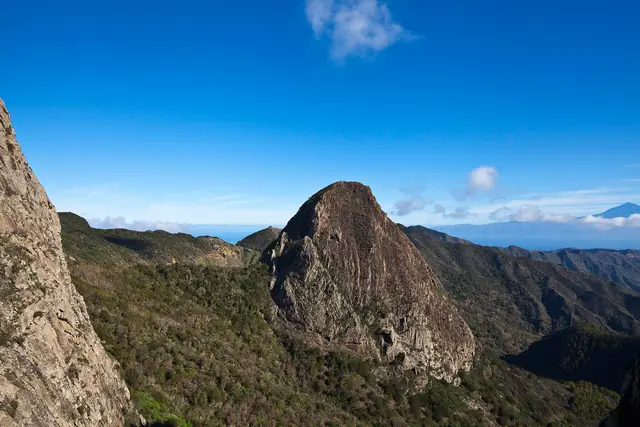
Photo: Diego Delso · CC BY-SA 3.0 · Wikimedia Commons
Canary Islands (La Gomera / Vallehermoso / Agulo / Hermigua)
★★★★★crowding: Low
The best-preserved relic of subtropical fossil laurisilva in Europe (UNESCO World Heritage), a forest continually kept humid by the mist of the trade winds.
Primary forestOld-growth forestHigh mountain
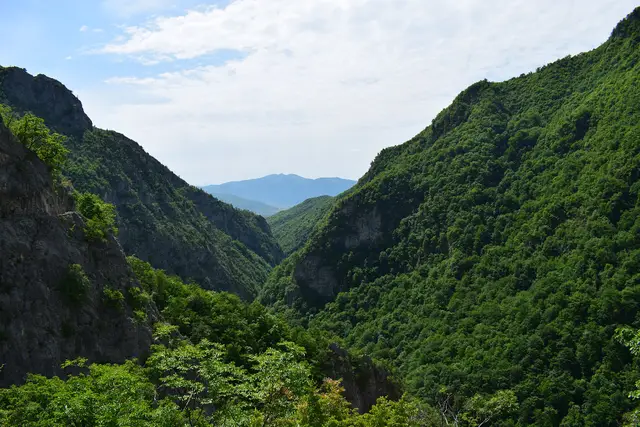
Photo: Mensur Gashi · CC BY-SA 4.0 · Wikimedia Commons
Tropojë District (Albanian Alps / Tropojë)
★★★★★crowding: Very low
Pristine glacial valley and undisturbed primeval beech forest designated a UNESCO World Heritage site in Albania.
Primary forestHigh mountainRiver corridor
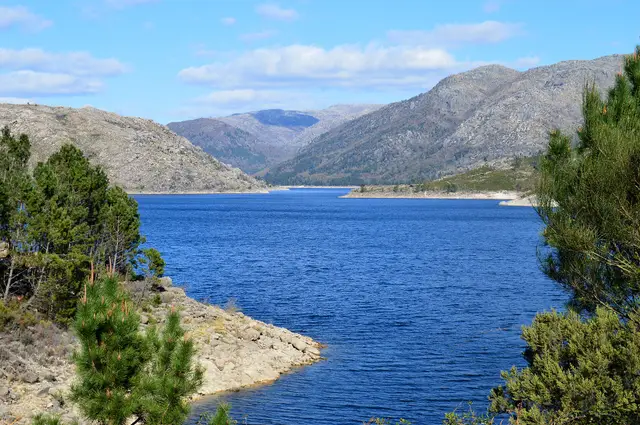
Photo: Beatriznog10 · CC BY-SA 3.0 · Wikimedia Commons
Northern Portugal (Viana do Castelo / Braga / Vila Real) (PT) / Galicia (Ourense / Lobios) (ES)
★★★★★crowding: Low
Portugal's sole National Park joined with Galicia's Serra do Xurés Natural Park, forming a transboundary reserve of granite monoliths and herds of free-roaming Garrano horses.
High mountainOld-growth forestRiver corridorKarst and caves
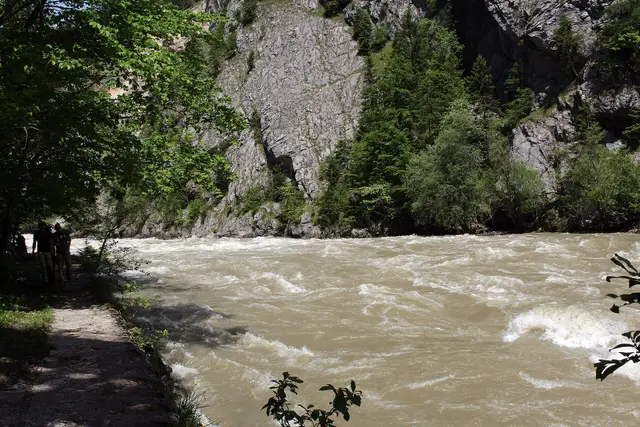
Photo: Haeferl · CC BY-SA 3.0 at · Wikimedia Commons
Styria (Admont / Hieflau)
★★★★★crowding: Low
Vertical limestone precipices towering over 1.000 m above the thundering whitewater of the Enns river.
High mountainGorge and canyonRiver corridorOld-growth forest
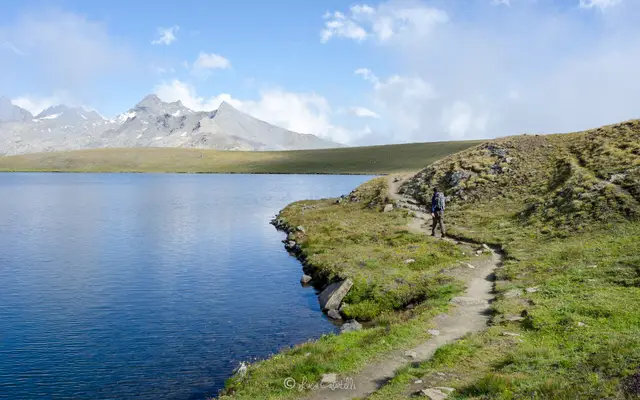
Photo: Luca Casartelli · CC BY-SA 3.0 · Wikimedia Commons
Aosta Valley / Piedmont (Cogne / Valsavarenche / Ceresole Reale)
★★★★★crowding: Moderate
Italy's oldest national park (1922): the last surviving Alpine ibex population held out here and repopulated the entire range.
High mountainGlacial landscapeAlpine meadowOld-growth forest
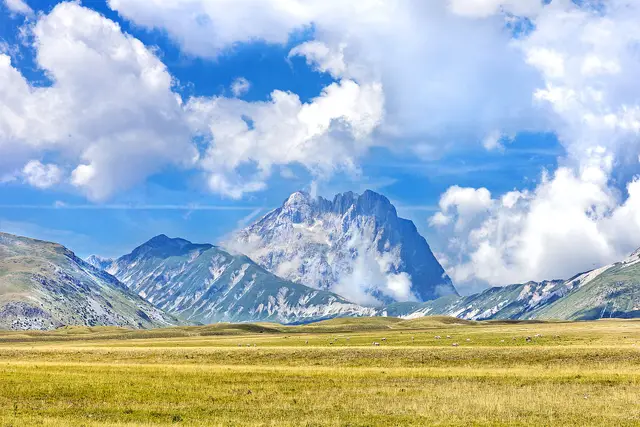
Photo: Alessandro Mangione · CC BY-SA 4.0 · Wikimedia Commons
Abruzzo / Lazio / Marche (L'Aquila / Teramo / Rieti)
★★★★★crowding: Moderate
The Italian 'Little Tibet' (Campo Imperatore) crowned by Corno Grande (2.912 m, the highest peak in the Apennines) and the Calderone glacier.
High mountainKarst and cavesGlacial landscapeOld-growth forest
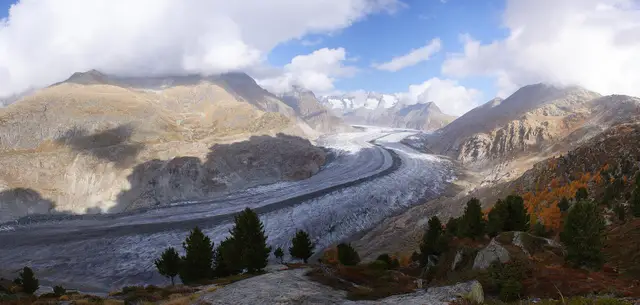
Photo: Gab01 · Public domain · Wikimedia Commons
Valais (Fiesch / Riederalp)
★★★★★crowding: Moderate
The largest glacier in the Alps (20 km long) bordered by ancient stone pine and larch stands in the Aletschwald.
Glacial landscapeHigh mountainPrimary forest
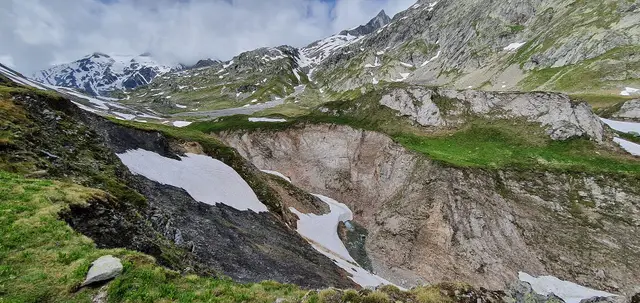
Photo: Oliylkaeng · CC BY-SA 4.0 · Wikimedia Commons
Grisons / Ticino (Vrin / Olivone)
★★★★★crowding: Low
An alpine tundra plateau at 2,200 m without a single building, saved from a reservoir project in 1996.
High mountainWetland
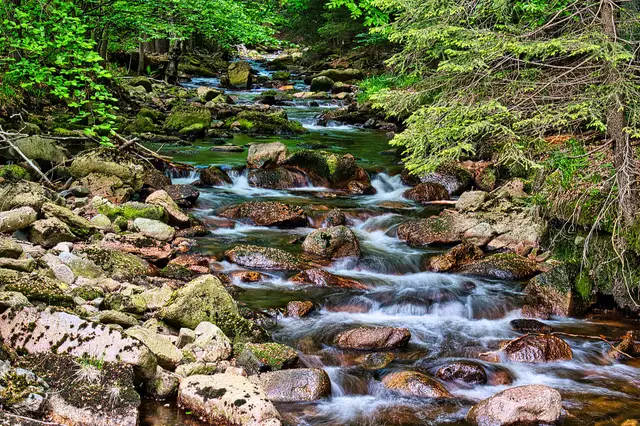
Photo: Matthias Trusheim · CC BY-SA 4.0 · Wikimedia Commons
Lower Saxony / Saxony-Anhalt (Wernigerode / Bad Harzburg)
★★★★★crowding: Moderate
Germany's northernmost mountain range, culminating in the legendary mist-shrouded summit of the Brocken.
High mountainOld-growth forestPrimary forestWetland
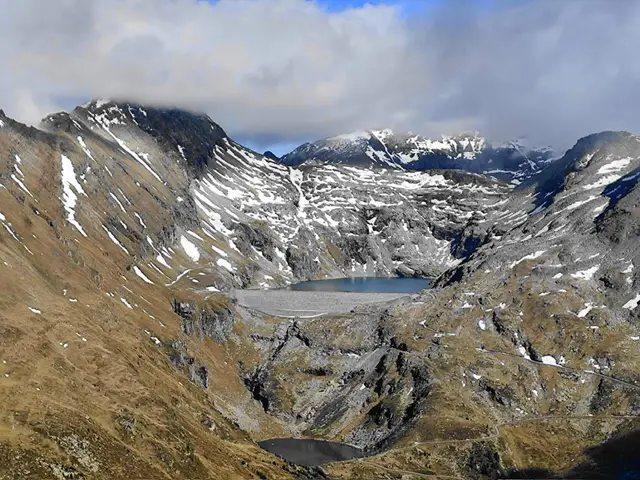
Photo: Naturpuur · CC BY 4.0 · Wikimedia Commons
East Tyrol / Carinthia / Salzburg (Matrei in Osttirol / Prägraten)
★★★★★crowding: Low
The largest National Park in the Alps and Central Europe (1.800 km²), sheltering the Grossglockner (3.798 m) and the wild Isel glacial river.
High mountainGlacial landscapeRiver corridor
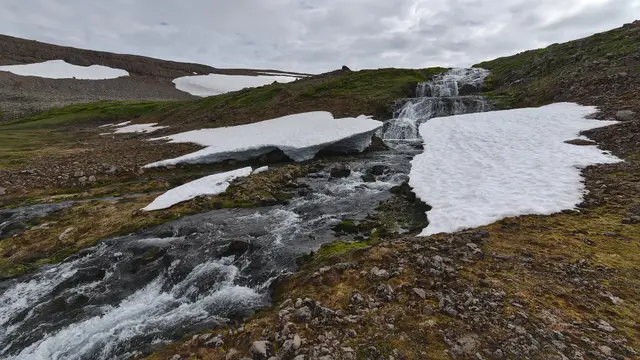
Photo: Rob Oo from NL · CC BY 2.0 · Wikimedia Commons
Westfjords (Ísafjörður)
★★★★★crowding: None
An arctic peninsula abandoned in the fifties, without roads, where the arctic fox lives without hunting and without fear.
Wild coastHigh mountain
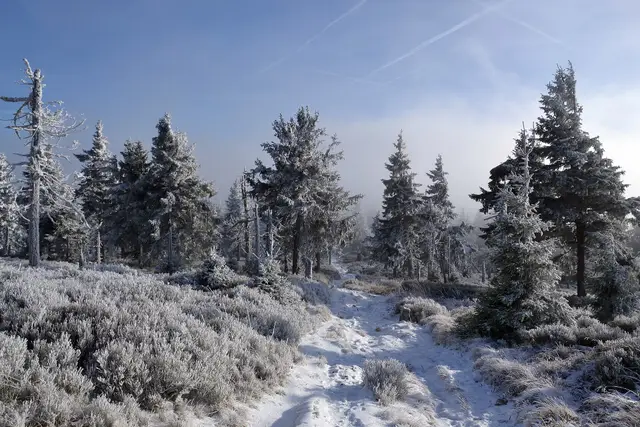
Photo: Pudelek · CC BY-SA 4.0 · Wikimedia Commons
Moravia-Silesia (Praděd / Karlova Studánka)
★★★★★crowding: Low
Moravia's highest mountains, crowned by Praděd and encircled by subalpine meadows and cascading gorge waterfalls.
High mountainOld-growth forestGlacial landscape
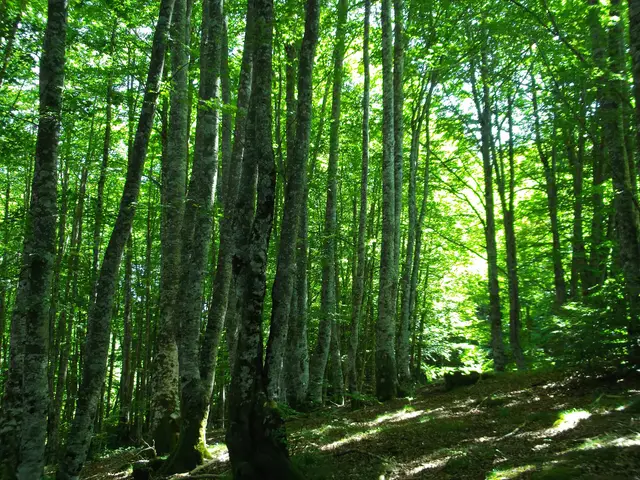
Photo: Thaishs · CC BY-SA 4.0 · Wikimedia Commons
Pyrénées-Atlantiques (FR) / Chartered Community of Navarre (ES)
★★★★★crowding: Moderate
Pyrenean beech and silver fir forests, mountain torrents, and communal summer pastures spanning the Navarrese and French valleys of Irati.
Old-growth forestHigh mountain
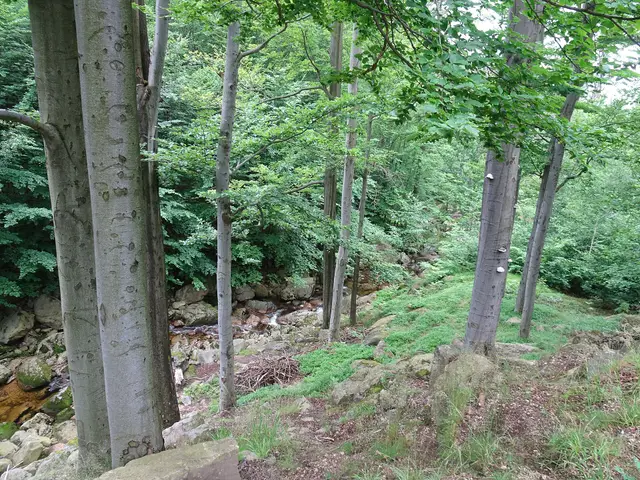
Photo: Palickap · CC BY-SA 4.0 · Wikimedia Commons
Liberec Region (Jizera Mountains)
★★★★★crowding: Low
Spectacular mountain slope clothed in ancient beechwoods with granite outcrops, inscribed by UNESCO.
Primary forestHigh mountain
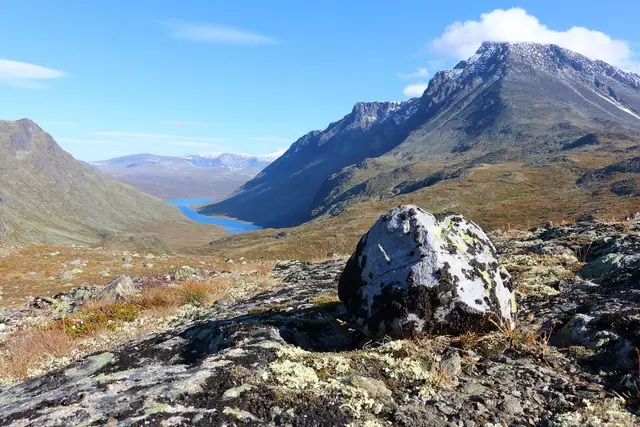
Photo: FrDr · CC BY-SA 4.0 · Wikimedia Commons
Innlandet / Vestland (Lom / Gjendesheim / Øvre Årdal)
★★★★★crowding: Moderate
The 'Home of the Giants' in Norse mythology, harboring Scandinavia's two highest peaks (Galdhøpiggen 2 469 m and Glittertind) and the legendary Besseggen ridge.
High mountainGlacial landscapeLake
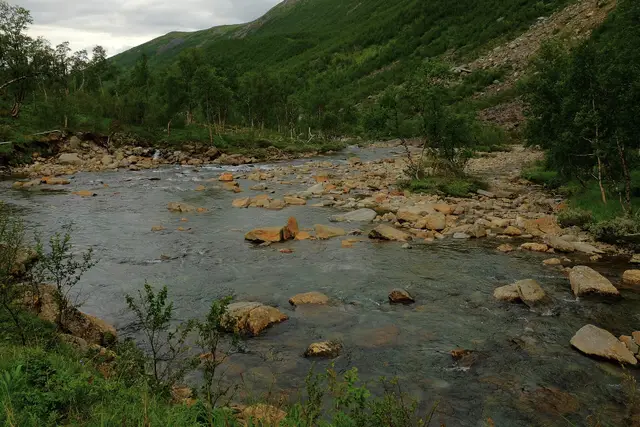
Photo: Frankemann · CC BY-SA 4.0 · Wikimedia Commons
Nordland (Saltdal / Fauske / Junkerdal)
★★★★★crowding: Very low
Renowned internationally for harboring one of the richest arctic-alpine and karst floras in the entire Arctic, thanks to its soft limestone bedrock.
High mountainKarst and cavesAlpine meadow
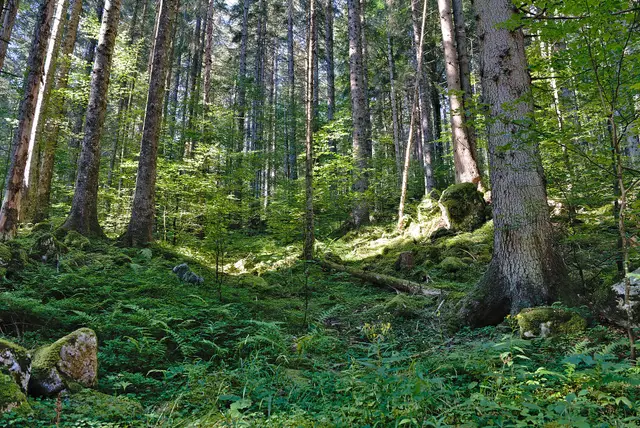
Photo: Leonhard Lenz · CC0 · Wikimedia Commons
Upper Austria (Steyr-Land / Kirchdorf)
★★★★★crowding: Low
Austria's largest contiguous tract of broadleaf forest and the grandest wilderness recovery area in the Northern Limestone Alps.
Old-growth forestHigh mountainPrimary forestKarst and caves
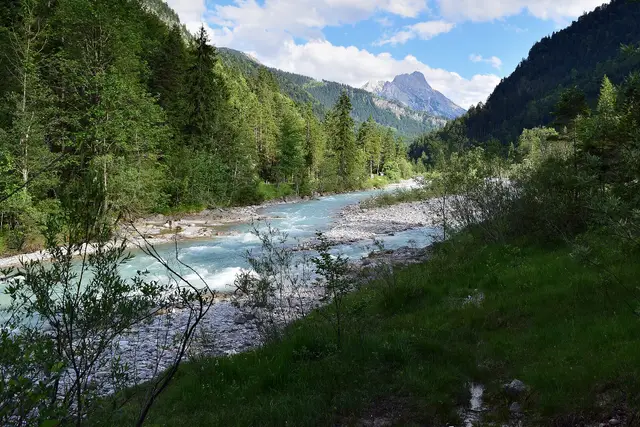
Photo: Haeferl · CC BY-SA 3.0 at · Wikimedia Commons
Tyrol (Innsbruck / Scharnitz) (AT) / Bavaria (Mittenwald) (DE)
★★★★★crowding: Low
Tyrol's largest Nature Park, with 4 parallel limestone ranges plunging sheer into gorges and the famous ancient sycamore-maple wood-pasture Großer Ahornboden.
High mountainKarst and cavesOld-growth forest
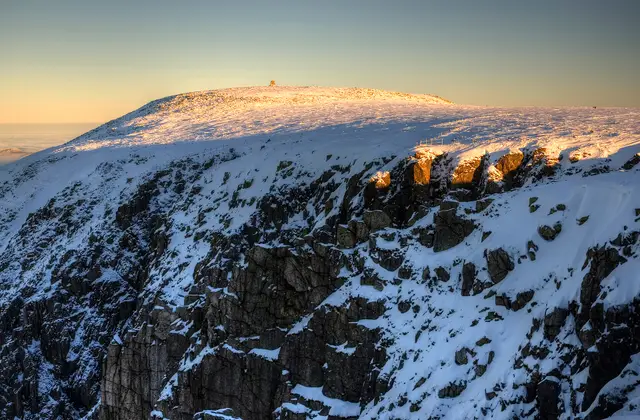
Photo: Petr Vodička · CC BY-SA 4.0 · Wikimedia Commons
Northern Bohemia (CZ) / Silesia (PL) (Sněžka / Špindlerův Mlýn)
★★★★★crowding: Moderate
The 'Giant Mountains', Central Europe's highest range north of the Alps with alpine tundra relict from the Ice Age.
High mountainGlacial landscapeOld-growth forest
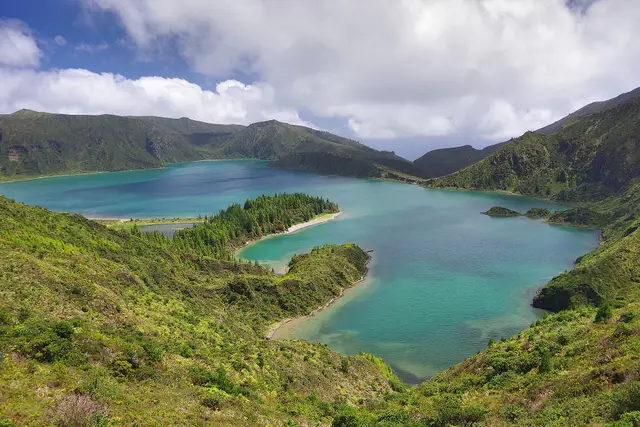
Photo: Jan Helebrant · CC0 · Wikimedia Commons
Autonomous Region of the Azores (São Miguel Island / Ribeira Grande / Lagoa)
★★★★★crowding: Moderate
Collapsed volcanic caldera cradling a turquoise lake ringed by endemic Azorean flora, free from buildings or roads along its shores.
LakeHigh mountainOld-growth forest
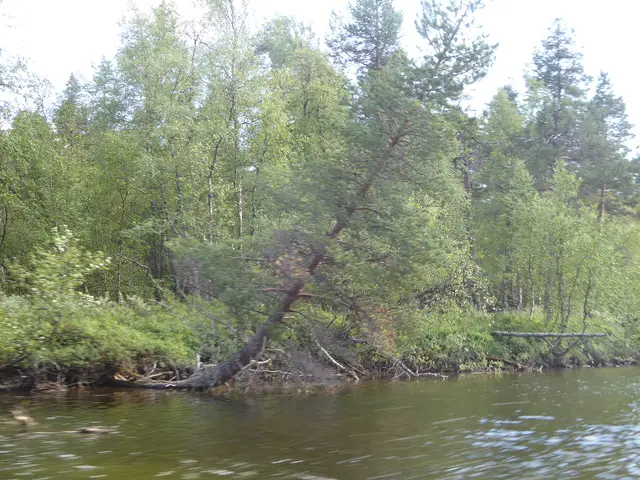
Photo: Nemo bis · CC BY-SA 4.0 · Wikimedia Commons
Finnish Lapland (Inari / Kittilä)
★★★★★crowding: Very low
The largest national park in Finland (2,860 km²), wild river valleys of primeval taiga and the legendary gold-bearing Lemmenjoki river.
Primary forestHigh mountainRiver corridorWetland
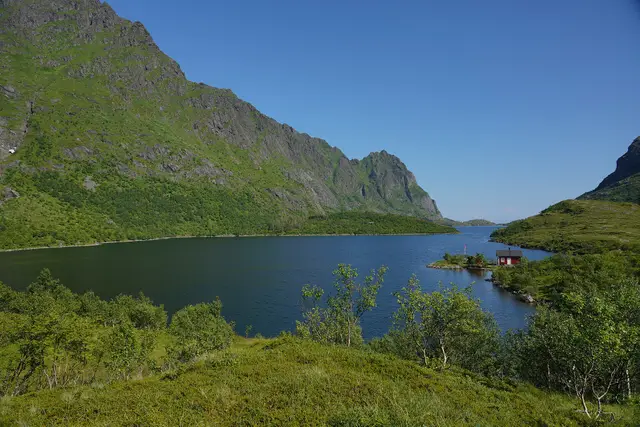
Photo: Lukas Beck · CC BY 4.0 · Wikimedia Commons
Nordland (Lofoten Islands / Moskenes / Flakstad / Reine)
★★★★★crowding: Moderate
The national park at the southern tip of the Lofoten archipelago, black granite pyramids rising straight from the Arctic Ocean and secluded white sand beaches like Kvalvika.
Wild coastMarineHigh mountain
Republika Srpska (Petrovac / Klekovača)
★★★★★crowding: Very low
Beech and fir reserve set upon the deep karstic terrain of Mount Klekovača.
Primary forestHigh mountain
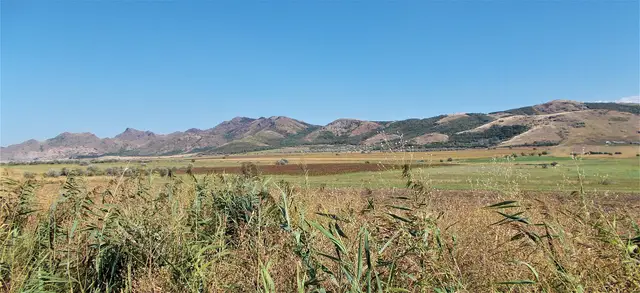
Photo: Nicu Farcaș · CC BY-SA 4.0 · Wikimedia Commons
Tulcea County (Greci / Măcin)
★★★★★crowding: Very low
Europe's oldest mountains (over 300 million years old), with Pontic-Sarmatic steppe, sub-Mediterranean forests, and raptor migration flyways.
Steppe and grasslandHigh mountainOld-growth forest
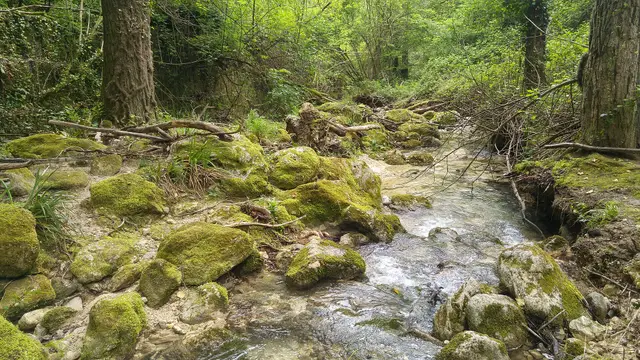
Photo: Diego.vala · CC BY-SA 4.0 · Wikimedia Commons
Abruzzo (Sulmona / Chieti / Pescara)
★★★★★crowding: Low
The 'Mother Mountain' of Abruzzo (Monte Amaro 2.793 m), a UNESCO Global Geopark of colossal karst canyons, wild plateaus, and hanging rock hermitages.
High mountainKarst and cavesGorge and canyonOld-growth forest
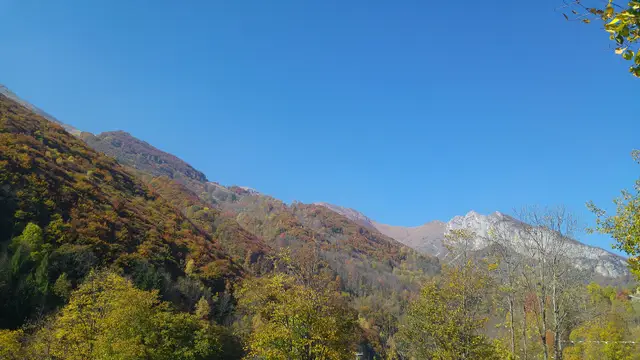
Photo: IlariaBarison · CC BY-SA 4.0 · Wikimedia Commons
Piedmont (Cuneo / Valdieri / Entracque)
★★★★★crowding: Low
United with France's Mercantour National Park, it forms a massive cross-border Alpine-Mediterranean wilderness crowned by Mount Argentera (3.297 m).
High mountainGlacial landscapeOld-growth forest
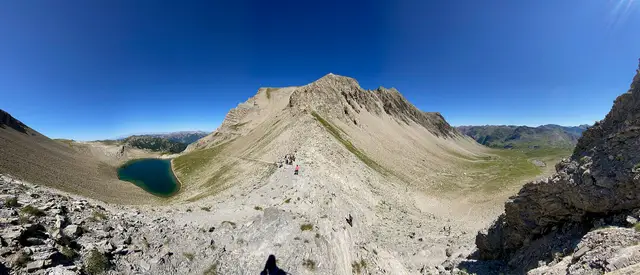
Photo: Lulucmy · CC BY-SA 4.0 · Wikimedia Commons
Alpes-Maritimes / Alpes-de-Haute-Provence (Saint-Martin-Vésubie / Barcelonnette)
★★★★★crowding: Low
Historic site of the natural return of the wolf to France from Italy (1992), spanning from the Alps to the Mediterranean.
High mountainOld-growth forestGlacial landscape
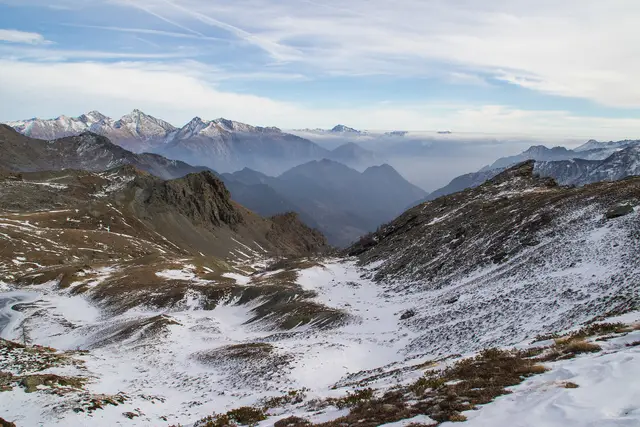
Photo: Marco Soggetto · CC BY-SA 4.0 · Wikimedia Commons
Aosta Valley (Champdepraz / Champorcher)
★★★★★crowding: Very low
The first Natural Park in the Aosta Valley, featuring the region's largest continuous stand of mountain pine (Pinus uncinata) and over 30 glacial cirque tarns.
High mountainLakeOld-growth forest
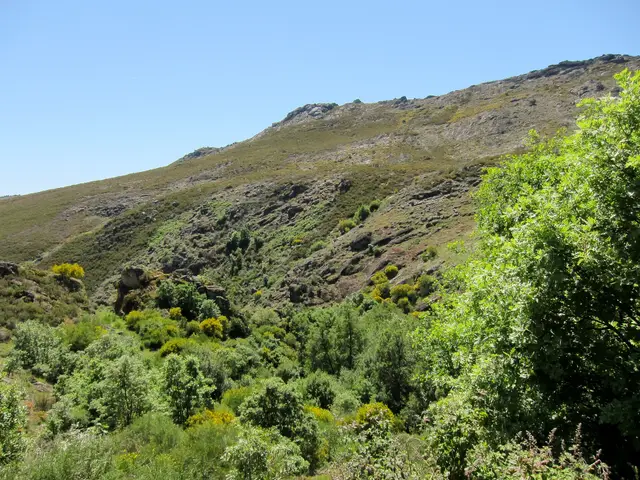
Photo: Miguel Vieira from Redwood City, CA, USA · CC BY 2.0 · Wikimedia Commons
Northern Portugal (Trás-os-Montes / Bragança / Vinhais)
★★★★★crowding: Very low
The Iberian stronghold of the Iberian wolf in Portugal (75,000 ha in Trás-os-Montes), with extensive Pyrenean oakwoods and traditional schist slate architecture.
Old-growth forestHigh mountainRiver corridor
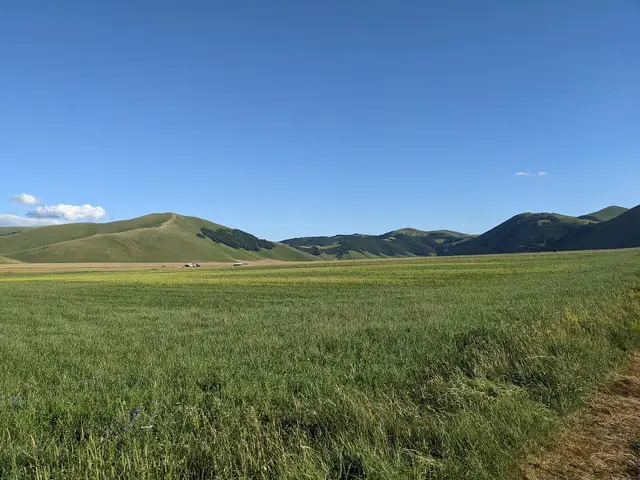
Photo: ValeJappo · CC BY-SA 4.0 · Wikimedia Commons
Marche / Umbria (Visso / Norcia / Castelluccio di Norcia)
★★★★★crowding: Moderate
The legendary Apennine range of Monte Vettore (2.476 m), the Infernaccio Gorge, and the highland plateaus of Castelluccio.
High mountainKarst and cavesGorge and canyonLake
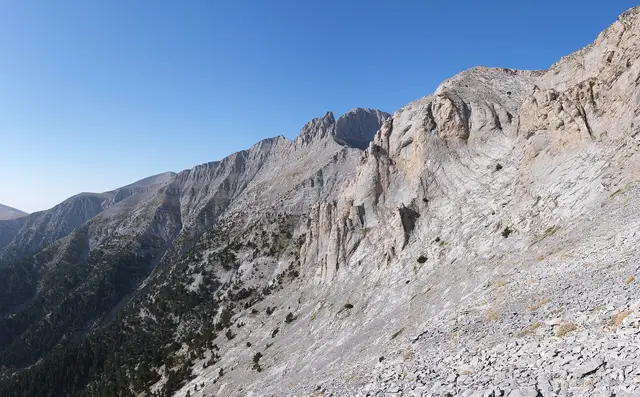
Photo: kallerna · CC BY-SA 4.0 · Wikimedia Commons
Pieria / Larissa (Litochoro)
★★★★★crowding: Moderate
Greece's inaugural national park (1938): the country's highest peak, incised by the Enipeas Gorge and renowned for endemic flora.
High mountainGorge and canyonOld-growth forest
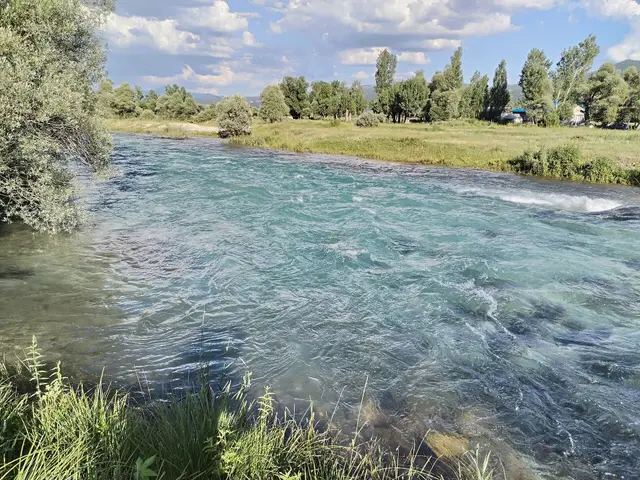
Photo: Zgcnkygsz · CC BY-SA 4.0 · Wikimedia Commons
Eastern Anatolia (Tunceli / Ovacık)
★★★★★crowding: Very low
Turkey's most extensive and biodiverse national park (42,000 ha), featuring deep karst canyons, sacred springs, and herds of wild bezoar ibex.
High mountainRiver corridorGorge and canyon
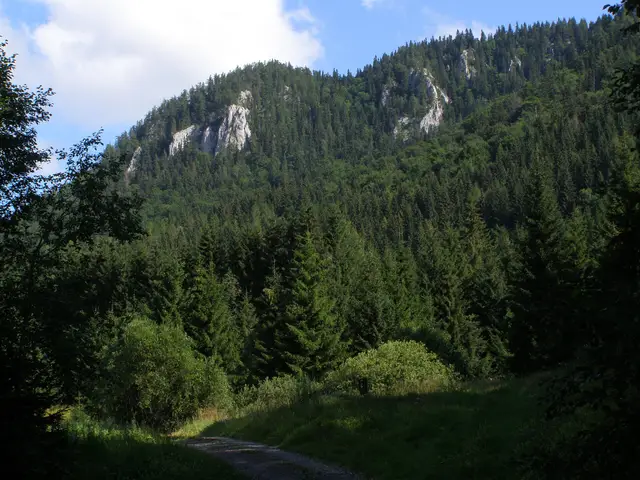
Photo: Daniel Baránek · CC BY-SA 3.0 · Wikimedia Commons
Banská Bystrica Region
★★★★★crowding: Very low
Karst plateau with limestone chasms, primeval beech woods, and meadows grazed by semi-feral mountain horses.
Primary forestKarst and cavesHigh mountain
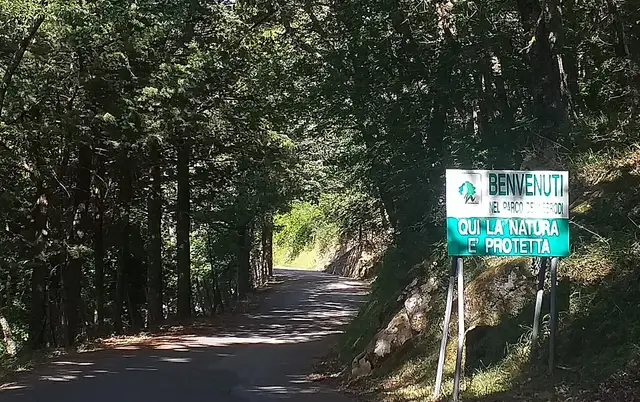
Photo: Cavalloselvatico · CC BY-SA 4.0 · Wikimedia Commons
Sicily (Messina / Enna / Catania / Cesarò / Caronia)
★★★★★crowding: Very low
The largest continuous forest tract in Sicily (86.000 ha), featuring the island's most densely wooded peaks and the spectacular limestone crags of the Rocche del Crasto.
Old-growth forestLakeHigh mountain
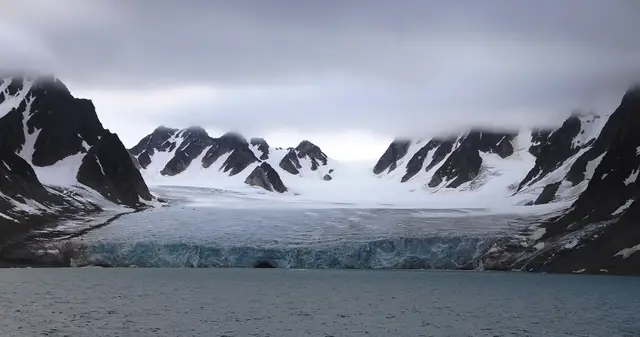
Photo: Bjoertvedt · CC BY-SA 3.0 · Wikimedia Commons
Svalbard Archipelago (Spitsbergen Island / Albert I Land / Haakon VII Land)
★★★★★crowding: Very low
The ultimate spectacle of the European High Arctic (79° N), with colossal tidewater glacier fronts in Magdalena and Kongsfjorden and geothermal springs at Bockfjorden.
Glacial landscapeWild coastMarineHigh mountain
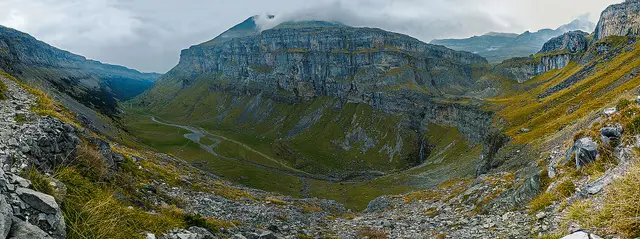
Photo: Nata Mostova · CC BY-SA 4.0 · Wikimedia Commons
Aragon (Huesca / Torla / Broto / Fanlo / Bielsa / Escalona)
★★★★★crowding: Moderate
The 'Grand Canyon of Europe', UNESCO World Heritage Pyrénées-Mont Perdu, crowned by Monte Perdido (3,355 m) with four grand canyons: Ordesa, Añisclo, Escuaín, and Pineta.
High mountainGorge and canyonKarst and cavesGlacial landscapeOld-growth forest
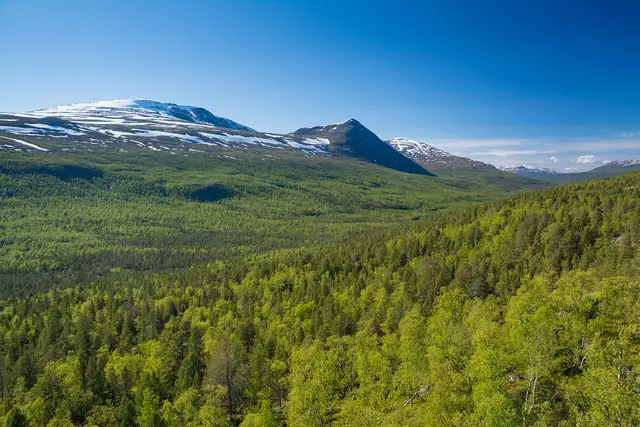
Photo: Kim Grønbæk Skytte · CC BY-SA 3.0 · Wikimedia Commons
Troms (Målselv / Øverbygd)
★★★★★crowding: Very low
One of the few European national parks where all four large Arctic predators stably coexist: brown bear, wolf, lynx, and wolverine.
Primary forestHigh mountainWetland
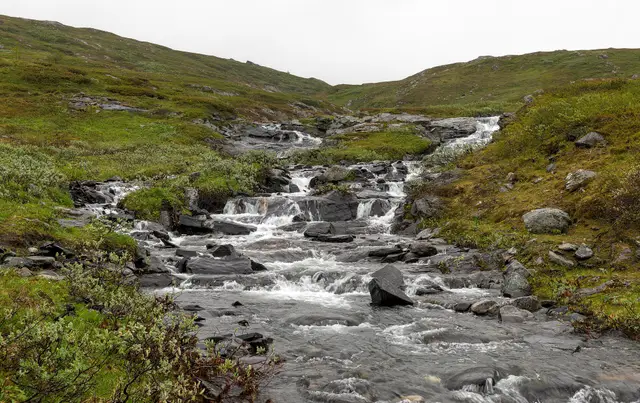
Photo: Trougnouf (Benoit Brummer) · CC BY 4.0 · Wikimedia Commons
Swedish Lapland / Norrbotten (Jokkmokk / Kvikkjokk)
★★★★★crowding: Very low
Sweden's largest national park (198.000 ha), featuring vast alpine lakes Vastenjaure and Virihaure and ancestral Sami grazing lands.
High mountainLakeAlpine meadow
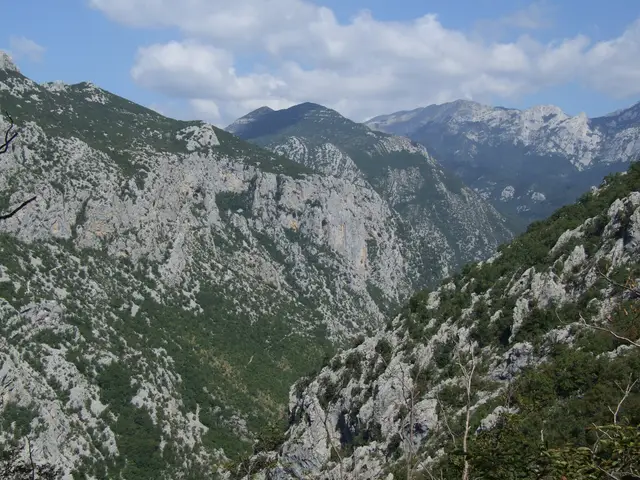
Photo: Pudelek (Marcin Szala) · CC BY-SA 3.0 · Wikimedia Commons
Zadar County (Starigrad-Paklenica)
★★★★★crowding: Low
Vertical incised canyons (Velika and Mala Paklenica) plunging straight towards the Adriatic Sea from the crests of Velebit.
Gorge and canyonKarst and cavesHigh mountainOld-growth forest
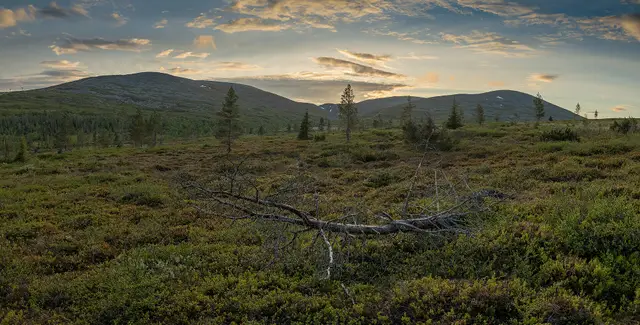
Photo: Ximonic (Simo Räsänen) · CC BY-SA 3.0 · Wikimedia Commons
Finnish Lapland (Enontekiö / Kittilä / Kolari / Muonio)
★★★★★crowding: Moderate
Finland's most visited national park (1.020 km²), a chain of tundra fell hills (tunturi) hosting the cleanest air measuring station on Earth (Sammaltunturi).
High mountainPrimary forestWetland
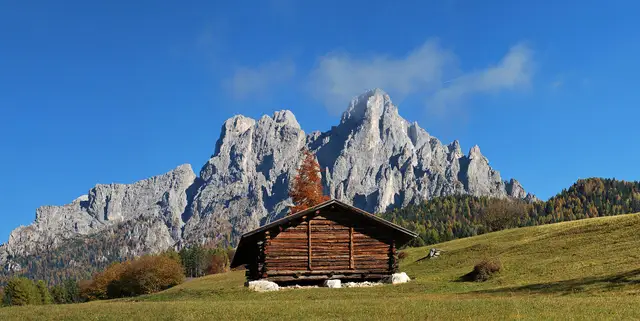
Photo: Carlo Albino Turra · CC BY-SA 4.0 · Wikimedia Commons
Trentino (San Martino di Castrozza / Predazzo / Tonadico)
★★★★★crowding: Low
The 'Forest of the Violins' (resonance spruce harvested by Stradivarius) beneath the spectacular dolomitic spires of the Pale di San Martino.
High mountainKarst and cavesOld-growth forest
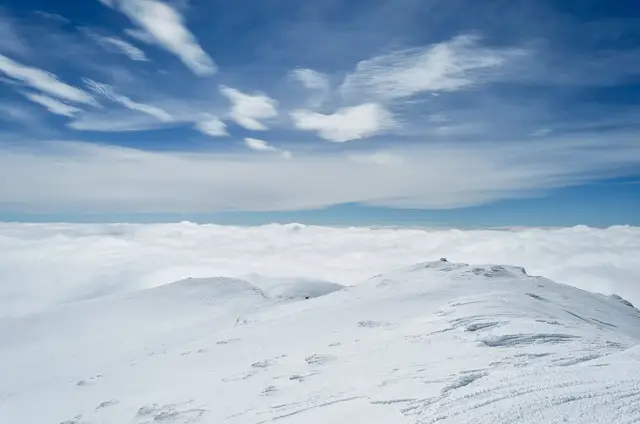
Photo: Шпиц · CC BY-SA 4.0 · Wikimedia Commons
Pelagonia (Bitola / Resen)
★★★★★crowding: Very low
The oldest national park in North Macedonia (1948), established to preserve primeval Macedonian pine (molika) forests.
High mountainPrimary forestGlacial landscape
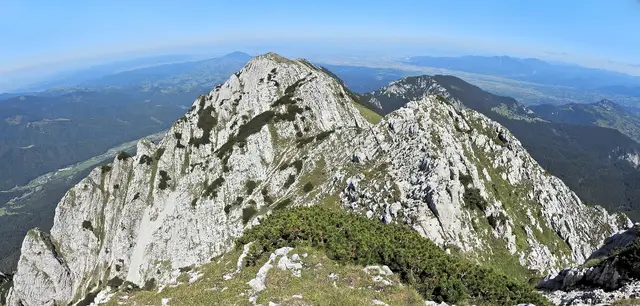
Photo: xulescu_g · CC BY-SA 2.0 · Wikimedia Commons
Brașov and Argeș Counties (Zărnești)
★★★★★crowding: Low
The "Royal Ridge", the sharpest and most spectacular alpine limestone blade in the Carpathians (25 km of unbroken crest).
High mountainKarst and cavesOld-growth forest
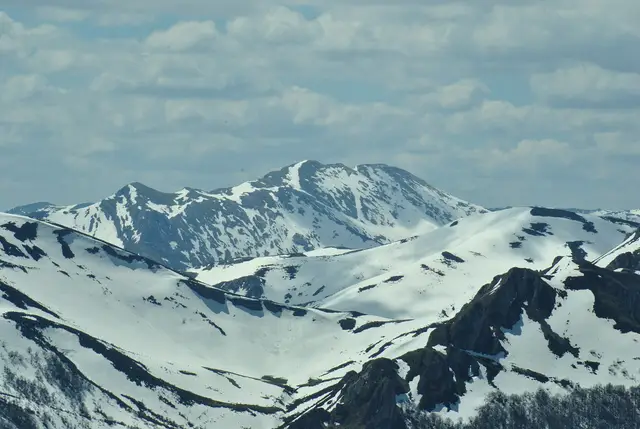
Photo: Jorgeboco · CC BY-SA 3.0 es · Wikimedia Commons
Asturias / Cantabria / León (Cangas de Onís / Arenas de Cabrales / Potes / Posada de Valdeón)
★★★★★crowding: Moderate
Spain's first National Park (1918), three alpine limestone massifs rising to 2,600 m just 15 km from the Cantabrian Sea.
High mountainKarst and cavesGlacial landscapeGorge and canyonOld-growth forest
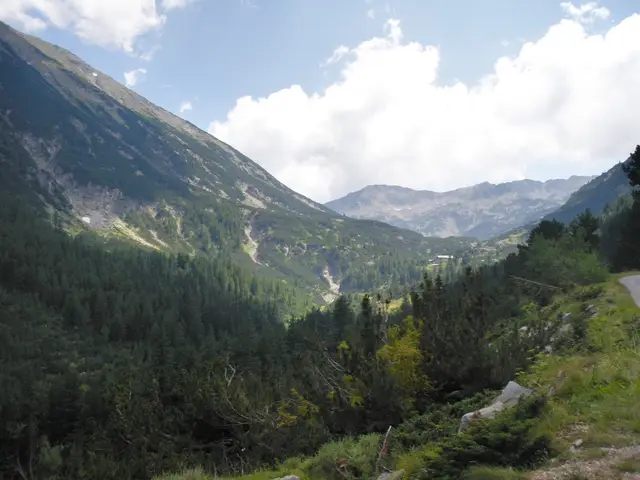
Photo: Mianikolov · CC0 · Wikimedia Commons
Blagoevgrad Province (Bansko / Sandanski)
★★★★★crowding: Low
Dramatic granite and karst peaks sheltering the ancient Baykushev pine (over 1,300 years old).
Old-growth forestHigh mountainKarst and cavesGlacial landscape
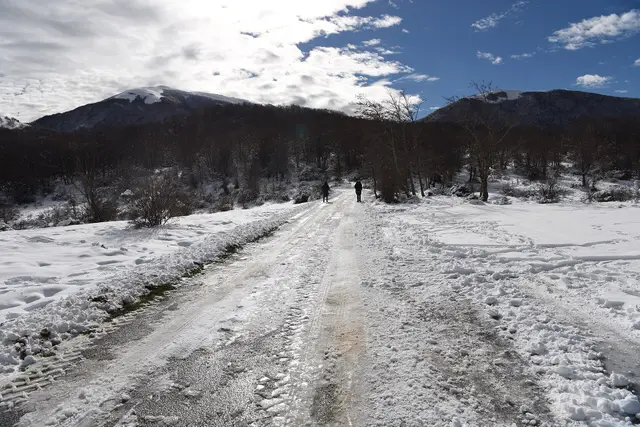
Photo: Diana Cimino Cocco · CC BY-SA 4.0 · Wikimedia Commons
Calabria / Basilicata (Castrovillari / Rotonda / Morano Calabro)
★★★★★crowding: Very low
Italy's largest national park (192.000 ha), exclusive sanctuary of the Bosnian pine (Pinus heldreichii) and a UNESCO Global Geopark.
High mountainKarst and cavesOld-growth forestGorge and canyon
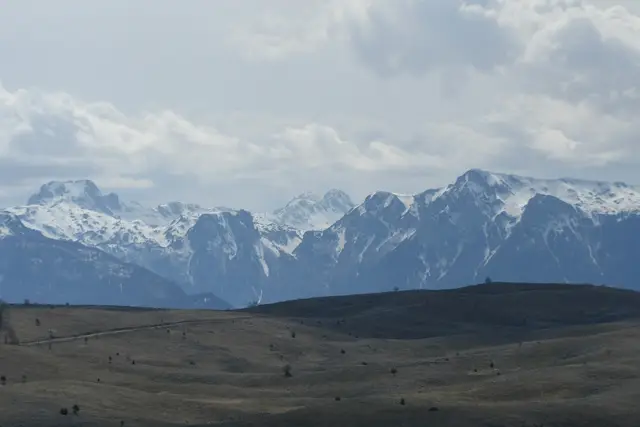
Photo: A81t · CC BY-SA 4.0 · Wikimedia Commons
Herzegovina-Neretva Canton (Konjic / Jablanica)
★★★★★crowding: Very low
The 'Bosnian Himalayas', an ultra-rugged alpine massif of white limestone ridges and glacial cirques.
High mountainKarst and cavesGlacial landscape
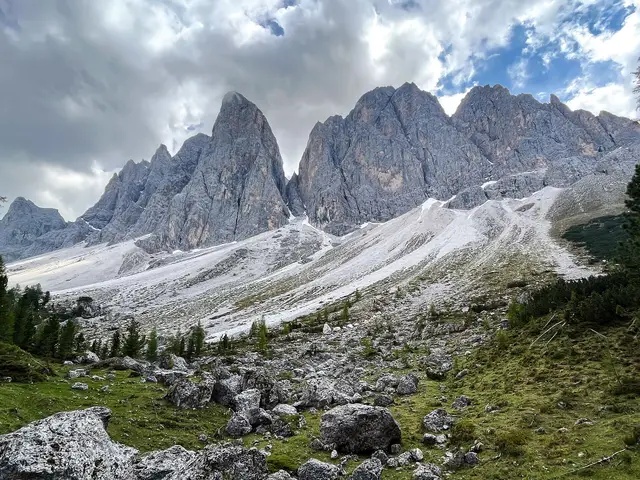
Photo: Bops92 · CC BY-SA 4.0 · Wikimedia Commons
South Tyrol (Val Gardena / Val di Funes / Santa Cristina)
★★★★★crowding: Moderate
The razor-sharp dolomitic spires of the Odle/Geisler towering above the alpine pastures of Val di Funes.
High mountainKarst and cavesOld-growth forest
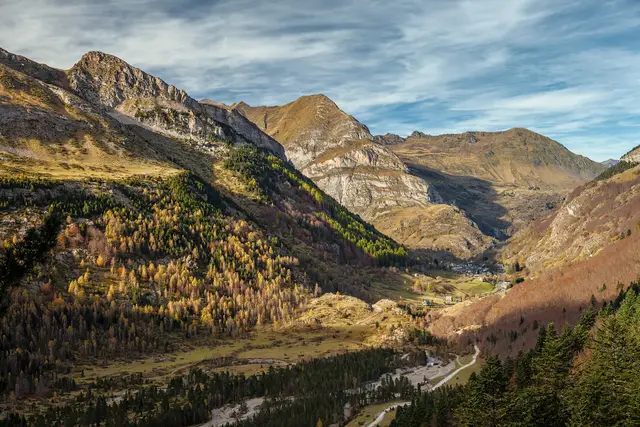
Photo: Moahim · CC BY-SA 4.0 · Wikimedia Commons
Occitanie / Nouvelle-Aquitaine (Hautes-Pyrénées / Pyrénées-Atlantiques)
★★★★★crowding: Moderate
The French slope of the central Pyrenees, twin to Ordesa: glacial cirques, bearded vultures, isards, and Pyrenean desmans.
High mountainGlacial landscapeAlpine meadowOld-growth forestGorge and canyon
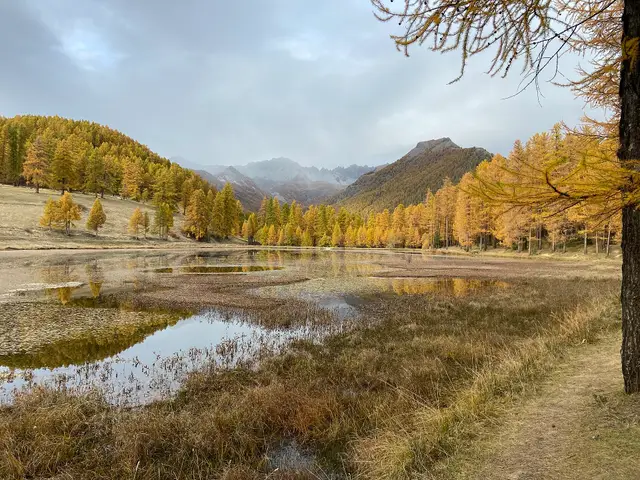
Photo: TouN · CC BY-SA 4.0 · Wikimedia Commons
Hautes-Alpes (Guillestre / Saint-Véran)
★★★★★crowding: Low
A high alpine larch valley dominated by Mount Viso and punctuated by Saint-Véran, the highest inhabited village in Europe.
High mountainOld-growth forest
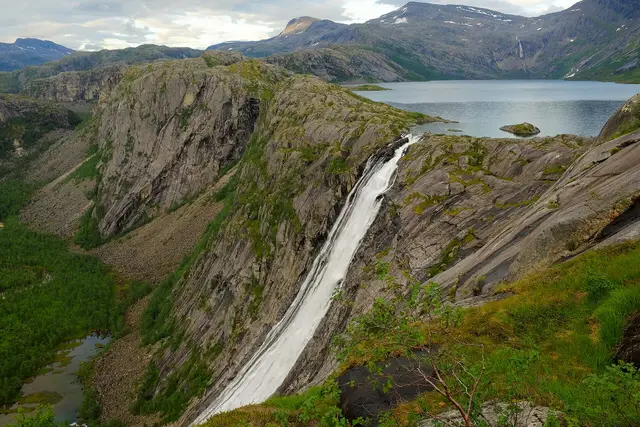
Photo: Frankemann · CC BY-SA 4.0 · Wikimedia Commons
Nordland (Sørfold / Nordfold)
★★★★★crowding: Very low
An extremely dramatic bare-granite alpine canyon adjoining Padjelanta and Sarek in Sweden, forming a wild transboundary complex of 7,400 km².
High mountainGorge and canyonGlacial landscapeLake
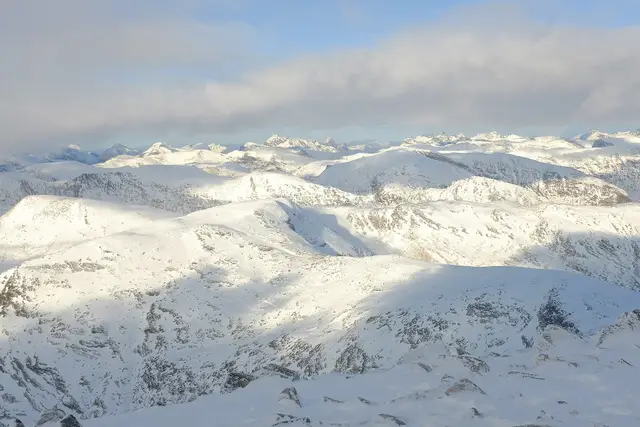
Photo: Frankemann · CC BY-SA 4.0 · Wikimedia Commons
Innlandet / Møre og Romsdal (Åndalsnes / Skjåk / Lesja)
★★★★★crowding: Very low
One of Norway's largest roadless, unelectrified contiguous protected areas, safeguarding the mountains' most ancestral wild reindeer herds.
High mountainGlacial landscapeGorge and canyon
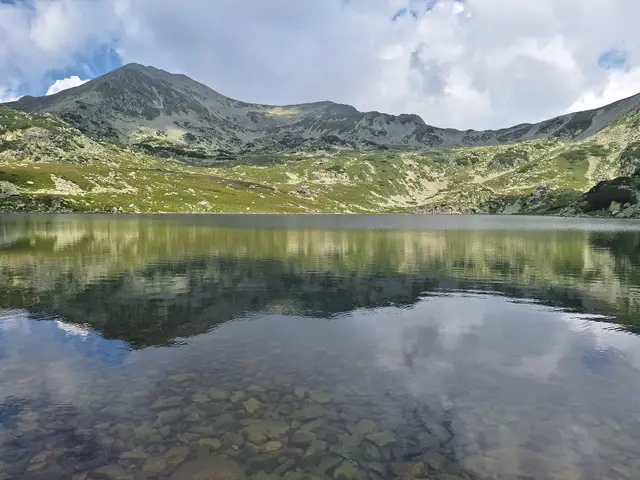
Photo: Gugalcrom123 · CC BY 4.0 · Wikimedia Commons
Hunedoara County (Hațeg)
★★★★★crowding: Low
The realm of the granitic and glacial Retezat, with over 80 crystal tarns and the Gemenele scientific reserve.
High mountainGlacial landscapeOld-growth forest
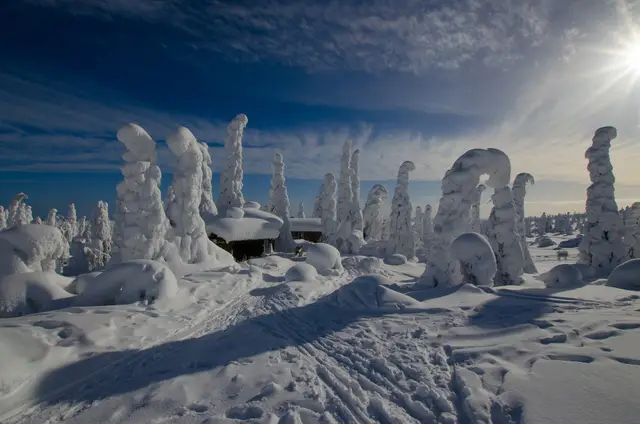
Photo: Tero Laakso from Hyvinkää, Finland · CC BY-SA 2.0 · Wikimedia Commons
Finnish Lapland (Posio / Kuusamo)
★★★★★crowding: Low
World-famous for heavy snow and hard frost formations on boreal spruce trees (tykky) across upland fells.
High mountainPrimary forestWetland
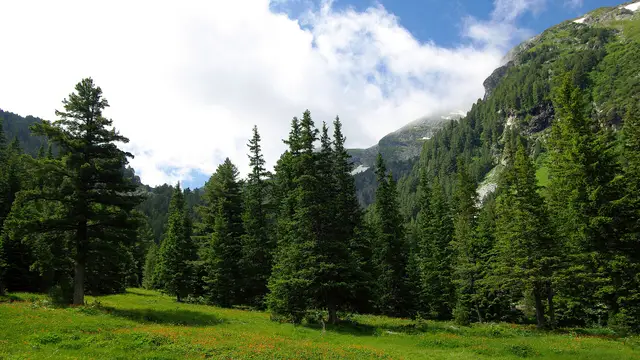
Photo: Martin Danovski · CC0 · Wikimedia Commons
Sofia, Blagoevgrad, Kyustendil and Smolyan Provinces
★★★★★crowding: Moderate
The highest massif in the Balkans (Musala 2.925 m) with relict Macedonian pine forests and glacial lakes.
Old-growth forestHigh mountainGlacial landscape
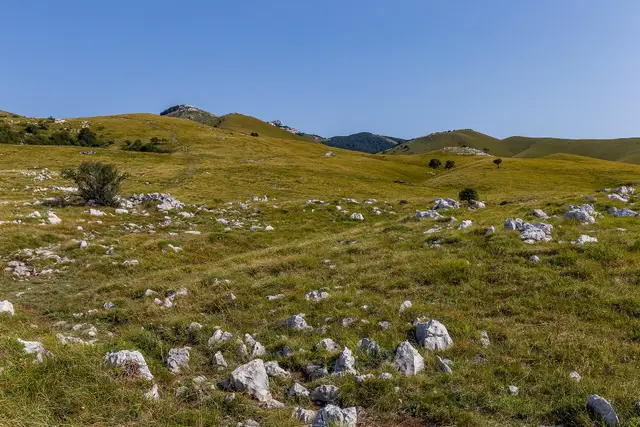
Photo: Michal Klajban · CC BY-SA 4.0 · Wikimedia Commons
Gorski Kotar (Primorje-Gorski Kotar County)
★★★★★crowding: Low
Karst mountain massif blanketed by dense beech and silver fir forests, serving as a prime refuge for the Eurasian lynx.
Old-growth forestHigh mountainKarst and caves
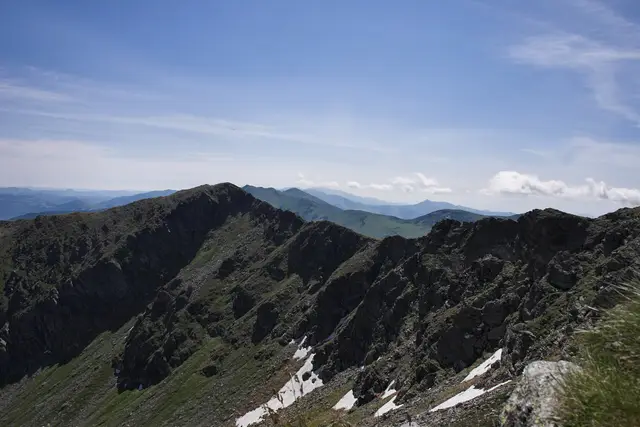
Photo: Martin Kozák · Public domain · Wikimedia Commons
Bistrița-Năsăud and Maramureș Counties (Pietrosu Rodnei)
★★★★★crowding: Low
The highest glacial mountains in the Eastern Carpathians hosting the Pietrosu Rodnei scientific reserve.
High mountainGlacial landscapeOld-growth forest
Nordland (Rana / Saltdal / Beiarn / Meløy)
★★★★★crowding: Very low
Gigantic coastal glaciers cascading from the Svartisen ice cap nearly to fjord level, across Saltfjellet alpine plateaus on the Arctic Circle.
Glacial landscapeHigh mountainKarst and cavesRiver corridor
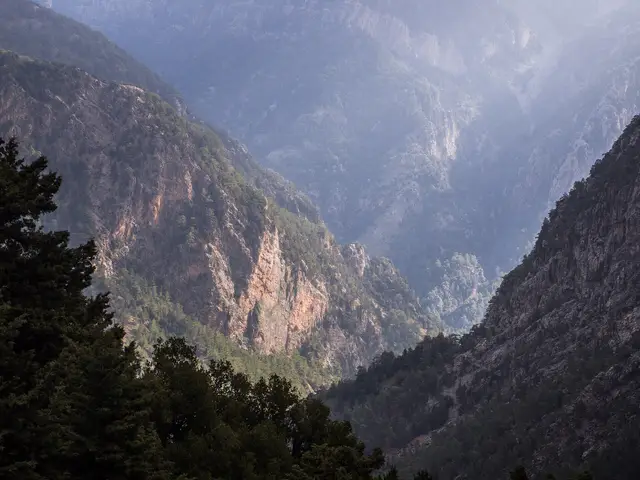
Photo: C messier · CC BY-SA 4.0 · Wikimedia Commons
Crete Island (Chania / White Mountains - Lefka Ori)
★★★★★crowding: Moderate
The queen of Mediterranean gorges (16 km of sheer precipices), exclusive sanctuary of the Cretan wild goat (Kri-Kri).
Gorge and canyonKarst and cavesHigh mountainWild coast
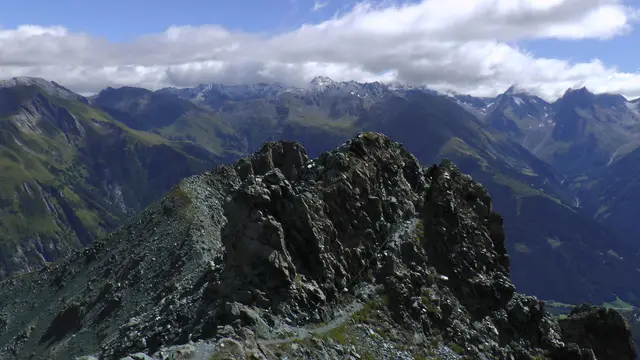
Photo: FkMohr · CC BY-SA 3.0 de · Wikimedia Commons
East Tyrol / Carinthia (Lienz / Debanttal)
★★★★★crowding: Very low
Heart of high alpine rock and silence with 30 summits above 3.000 m and no cable cars in the Eastern Alps.
High mountainGlacial landscape
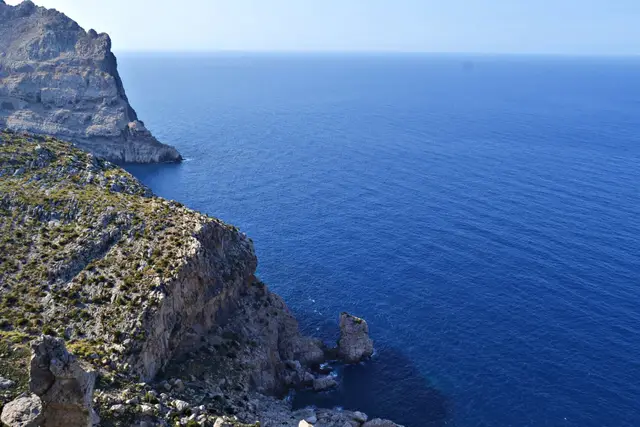
Photo: Lolagt · CC BY-SA 4.0 · Wikimedia Commons
Balearic Islands (Mallorca / Sóller / Valldemossa / Pollença / Deià)
★★★★★crowding: Moderate
Mallorca's limestone backbone (Puig Major 1.445 m), deep gorges like Torrent de Pareis, and the world's only island redoubt for black vultures and the Majorcan midwife toad (Alytes muletensis).
High mountainKarst and cavesGorge and canyonOld-growth forestWild coast
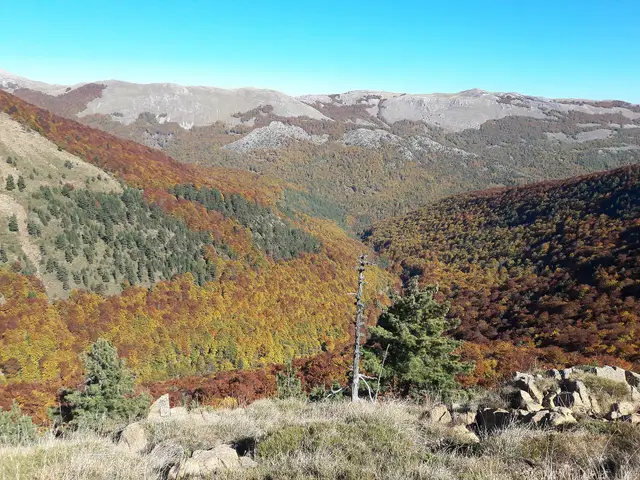
Photo: Albertkaleci · CC BY-SA 4.0 · Wikimedia Commons
Elbasan County (Librazhd)
★★★★★crowding: Very low
Primeval mountain beech forest on the border between Albania and North Macedonia, a UNESCO site.
Primary forestHigh mountain
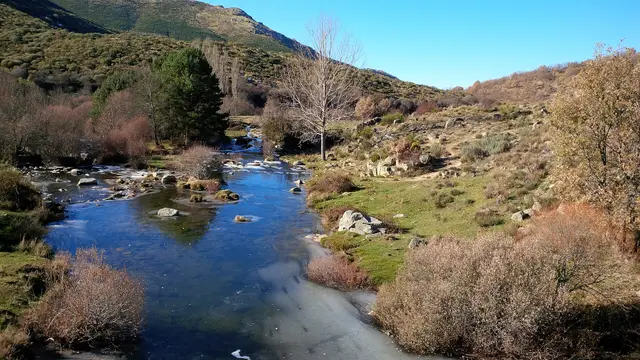
Photo: Lolalatorre · CC BY-SA 4.0 · Wikimedia Commons
Castile and León (Ávila / Hoyos del Espino / El Hornillo / Candeleda)
★★★★★crowding: Moderate
The granite spine of the Central System (Almanzor 2,592 m) featuring glacial cirques, Laguna Grande and the Gredos ibex.
High mountainGlacial landscapeOld-growth forest
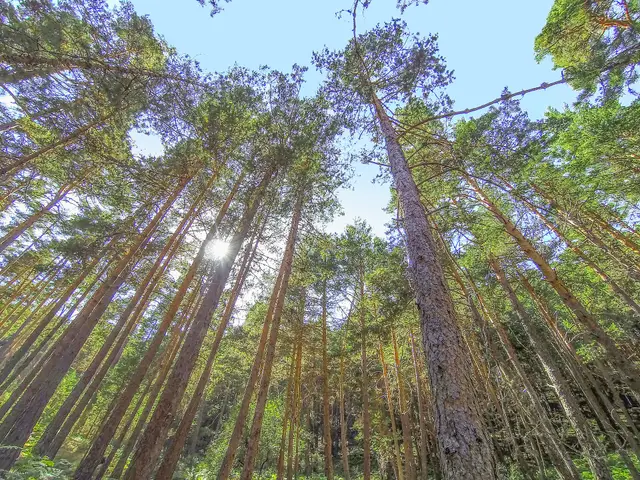
Photo: Alejandro Vallejo Ortega · CC BY-SA 4.0 · Wikimedia Commons
Community of Madrid / Castilla y León (Segovia / Cercedilla / Manzanares el Real / Valsaín)
★★★★★crowding: Moderate
The granitic high mountain crowning the Central System (Peñalara 2,428 m), La Pedriza, and the historic Pine Forest of Valsaín.
High mountainOld-growth forestGlacial landscape
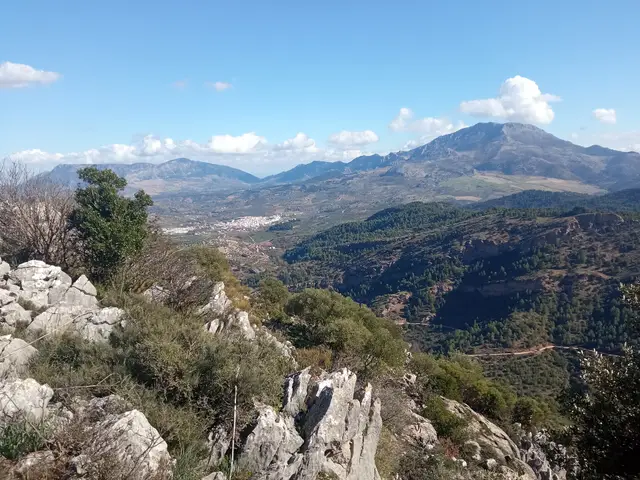
Photo: 80kmh · CC BY 4.0 · Wikimedia Commons
Andalusia (Málaga — Ronda / Tolox / Yunquera)
★★★★★crowding: Low
Spanish fir forests (pinsapares), a relict conifer growing only in these ranges, over deep karst harboring some of the deepest chasms in Spain.
Mediterranean forestKarst and cavesHigh mountain
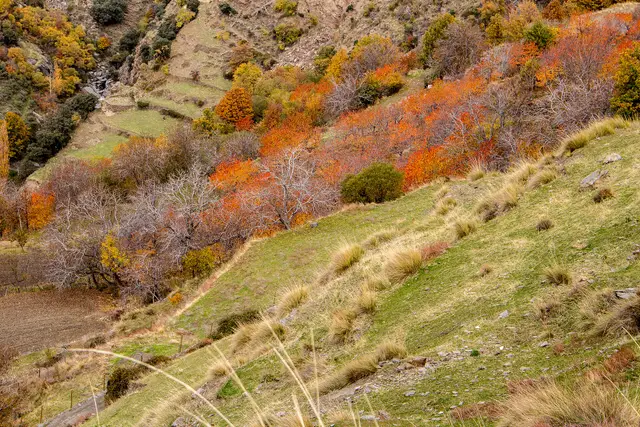
Photo: Jerryviaja.com · CC BY-SA 4.0 · Wikimedia Commons
Andalusia (Granada / Almería / Capileira / Trevélez / Monachil)
★★★★★crowding: Moderate
The roof of the Iberian Peninsula (Mulhacén 3,479 m and Veleta 3,396 m), a Biosphere Reserve with over 80 exclusive endemic plant species.
High mountainGlacial landscapeKarst and cavesOld-growth forest
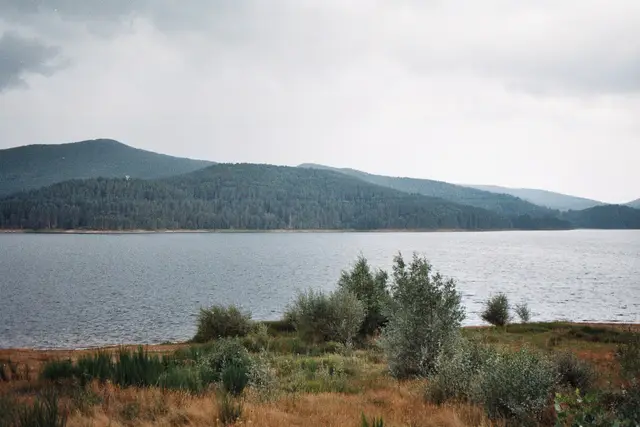
Photo: Ugo Leonetti · CC BY-SA 4.0 · Wikimedia Commons
Calabria (Cosenza / Catanzaro / Crotone / Camigliatello Silano / Lorica)
★★★★★crowding: Low
The 'Great Forest of Italy', a colossal highland plateau of centuries-old Corsican pine (Pinus nigra laricio) and giant inland lakes Cecita and Arvo.
Old-growth forestLakeHigh mountain
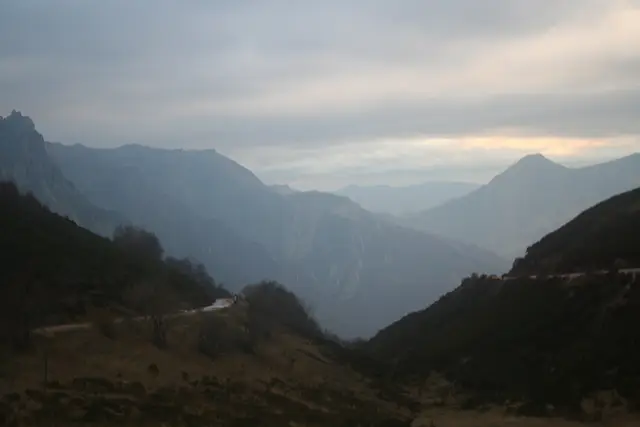
Photo: Ramón from Llanera, España · CC BY-SA 2.0 · Wikimedia Commons
Asturias (Pola de Somiedo / Valle de Lago / Saliencia)
★★★★★crowding: Low
The iconic sanctuary of the Cantabrian brown bear, with deep glacial troughs, the lakes of Saliencia, and traditional thatched teito cabins.
High mountainGlacial landscapeOld-growth forestLake
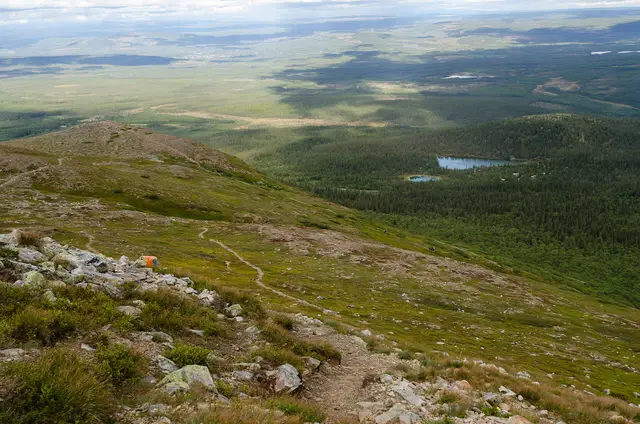
Photo: Arild Vågen · CC BY-SA 4.0 · Wikimedia Commons
Jämtland (Härjedalen / Hede)
★★★★★crowding: Very low
A solitary, isolated mountain in the heart of Sweden, an iconic historic sanctuary with one of the highest densities of brown bear (Ursus arctos) in the country.
High mountainPrimary forestOld-growth forest
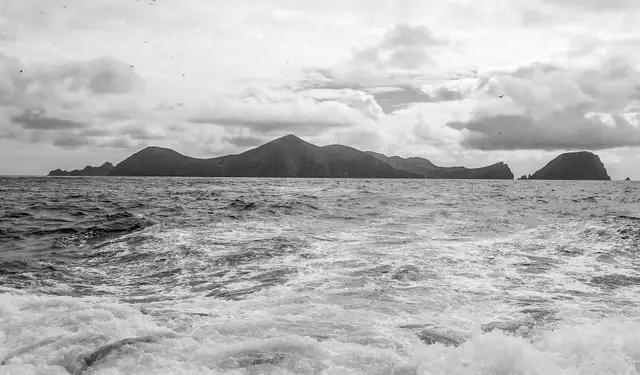
Photo: Kingy64 · CC BY-SA 4.0 · Wikimedia Commons
Scotland (Outer Hebrides / Hirta)
★★★★★crowding: Very low
The only Dual (Cultural and Natural) UNESCO World Heritage Site in the UK, with sheer sea cliffs and sea stacks hosting the world's largest gannet colony (Stac an Armin 196 m).
Wild coastMarineHigh mountain
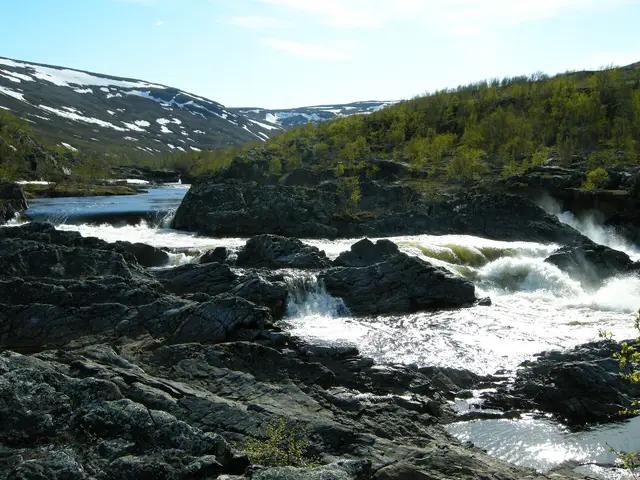
Photo: Arnstein Rønning · CC BY-SA 3.0 · Wikimedia Commons
Finnmark (Porsanger / Lakselv)
★★★★★crowding: Very low
Shelters the northernmost Scots pine forest (Pinus sylvestris) on Earth (Stabbursnes), tucked at 70° N along the shores of Porsangerfjorden.
Primary forestHigh mountainRiver corridor
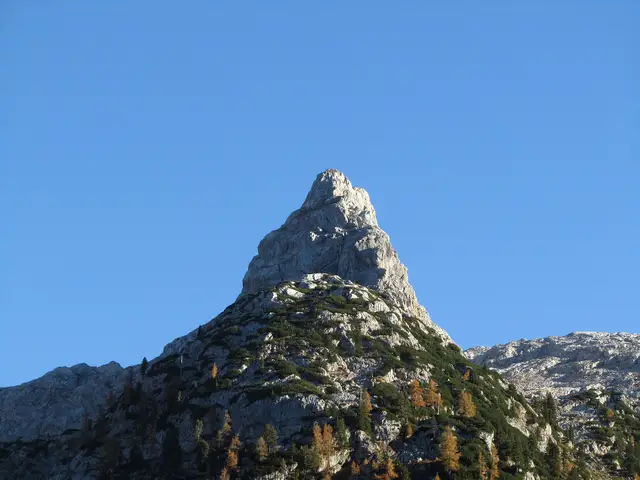
Photo: Jörg Braukmann Milseburg · CC BY-SA 3.0 · Wikimedia Commons
Bavaria (DE) / Salzburg (Saalfelden / Maria Alm) (AT)
★★★★★crowding: Low
The 'Sea of Stone', a vast undulating desert-like limestone plateau suspended at 2.000 m altitude straddling Germany and Austria.
Karst and cavesHigh mountain
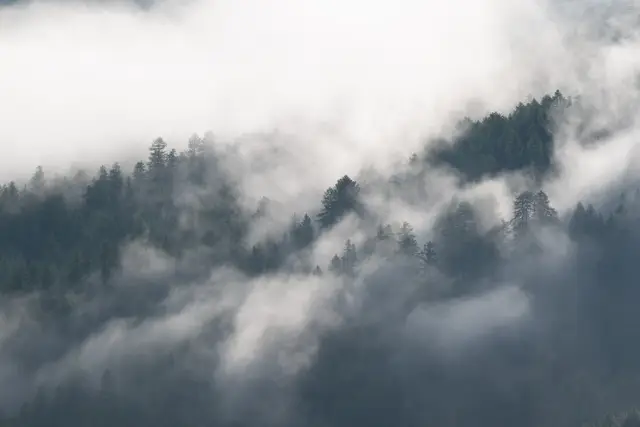
Photo: Cristina.Paveri · CC BY-SA 4.0 · Wikimedia Commons
Lombardy / Trentino-Alto Adige (Bormio / Ortler / Sulden / Val Martello)
★★★★★crowding: Moderate
One of Europe's oldest and most majestic Alpine national parks (Ortles 3,905 m), featuring vast valley glaciers and massive herds of red deer and chamois.
High mountainGlacial landscapeOld-growth forest
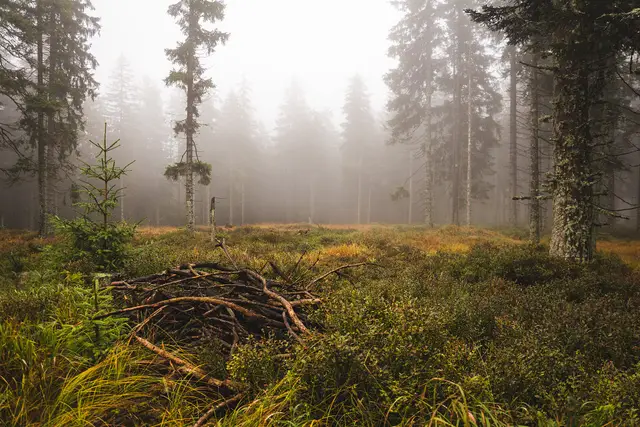
Photo: Martin Vorel · CC0 · Wikimedia Commons
South Bohemian and Plzeň Regions
★★★★★crowding: Low
The "Green Roof of Europe", an immense mountain massif of raised peat bogs, glacial tarns, and montane beechwoods.
Old-growth forestHigh mountainWetlandLake
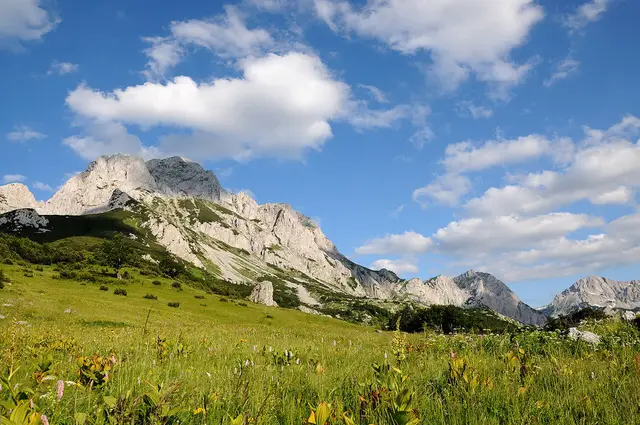
Photo: Darko Gavric · CC BY-SA 3.0 · Wikimedia Commons
Foča (BA) / Plužine (ME)
★★★★★crowding: Low
The highest summit in Bosnia and Herzegovina (Maglić 2.386 m) and the primeval forest reserve of Perućica.
High mountainPrimary forestGlacial landscape
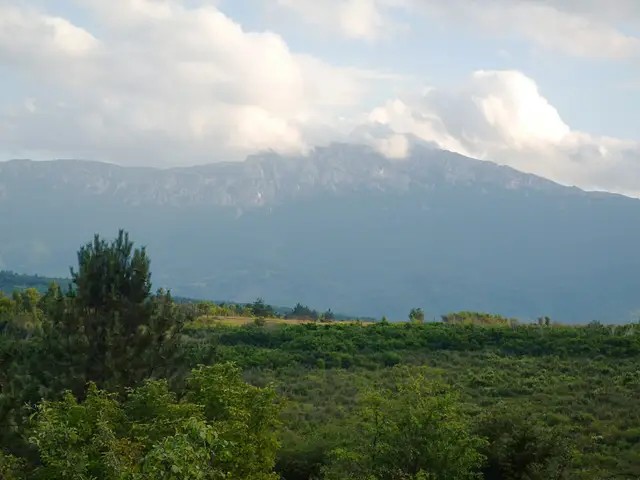
Photo: Dusziv · CC BY-SA 3.0 · Wikimedia Commons
Nišava District (Niška Banja / Bela Palanka)
★★★★★crowding: Very low
The "Dry Mountain", a monumental, razor-sharp limestone ridge extending for 45 km rising dramatically above the Niš basin.
High mountainKarst and caves
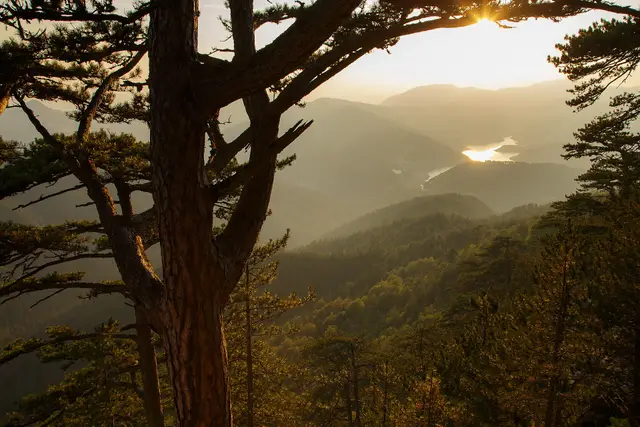
Photo: Thruserbia · CC BY-SA 4.0 · Wikimedia Commons
Zlatibor District (Bajina Bašta)
★★★★★crowding: Low
Mountainous plateau plunging vertically towards the Drina Canyon, harbouring relict Serbian spruce (Picea omorika) forests.
Old-growth forestHigh mountainGorge and canyon
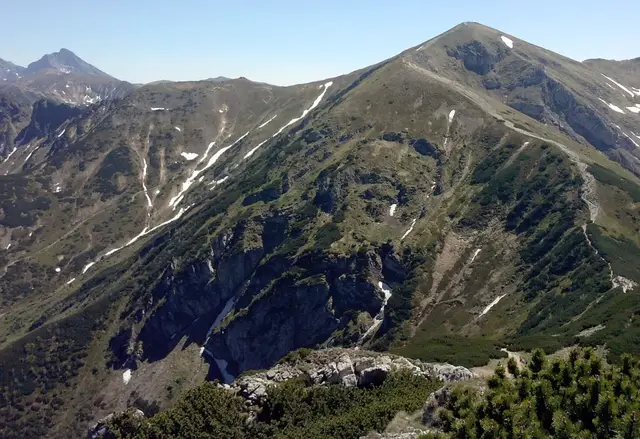
Photo: August kazimierz · CC BY 3.0 · Wikimedia Commons
Lesser Poland (Zakopane)
★★★★★crowding: High
The only alpine-type high-mountain massif in the Carpathians: sharp granite ridges, glacial tarns, Tatra chamois, and brown bear.
High mountainAlpine meadowOld-growth forestGlacial landscapeKarst and caves
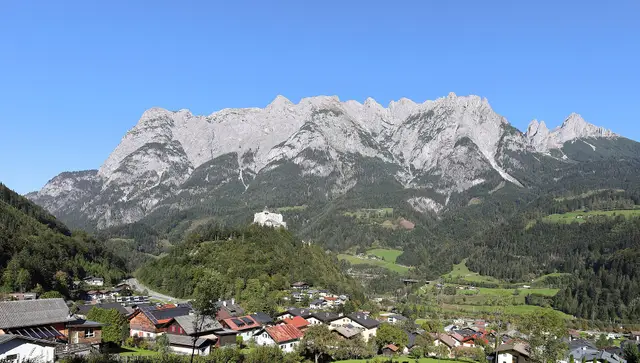
Photo: C.Stadler/Bwag · CC BY-SA 4.0 · Wikimedia Commons
Salzburg (Werfen / Abtenau)
★★★★★crowding: Low
Alpine limestone plateau rimmed by precipitous escarpments housing Eisriesenwelt, the largest explored ice cave on Earth (42 km of surveyed passages).
Karst and cavesHigh mountain
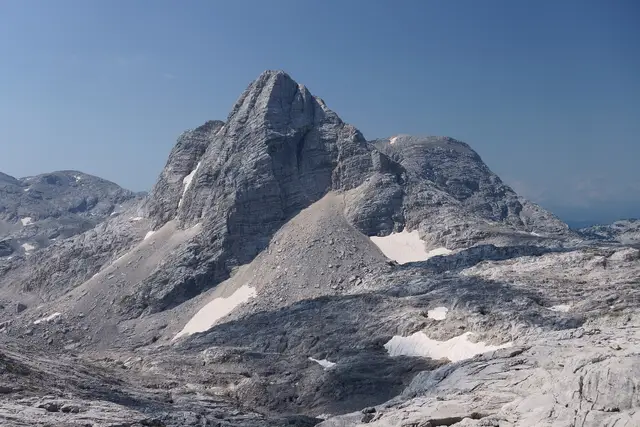
Photo: Tigerente · CC BY-SA 4.0 · Wikimedia Commons
Upper Austria / Styria (Hinterstoder / Bad Aussee)
★★★★★crowding: Low
The 'Dead Mountains', Central Europe's largest high-alpine karst desert plateau (over 200 km² of exposed barren limestone void of surface water).
Karst and cavesHigh mountainLake
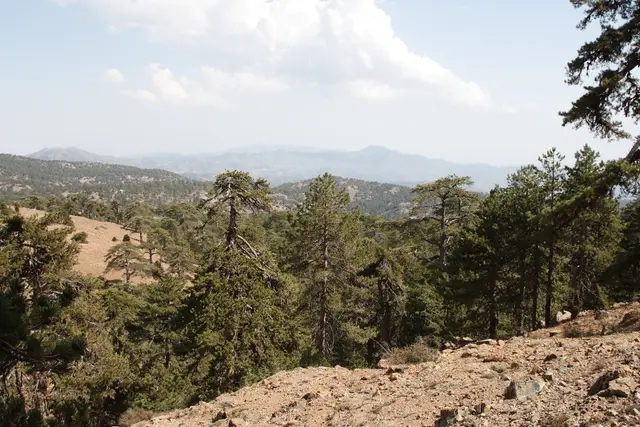
Photo: Dmitry Panov · CC BY 3.0 · Wikimedia Commons
Cyprus (Troodos / Platres)
★★★★★crowding: Low
The pine-cloaked peaks of Cyprus, towering above a complete section of ancient oceanic crust lifted from the Tethys seabed.
Old-growth forestHigh mountain
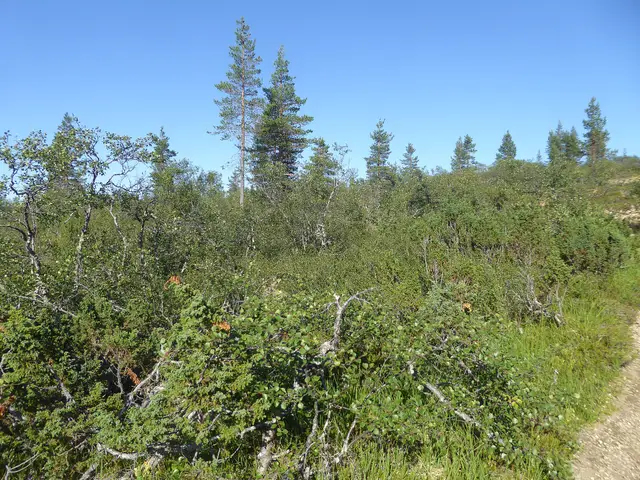
Photo: Nemo bis · CC BY-SA 4.0 · Wikimedia Commons
Finnish Lapland (Saariselkä / Inari / Sodankylä)
★★★★★crowding: Low
Finland’s second largest national park (2.550 km²), rounded arctic tundra fell-tops (tunturi), and wild trekking under the shadow of Sokosti (718 m).
High mountainPrimary forestWetland
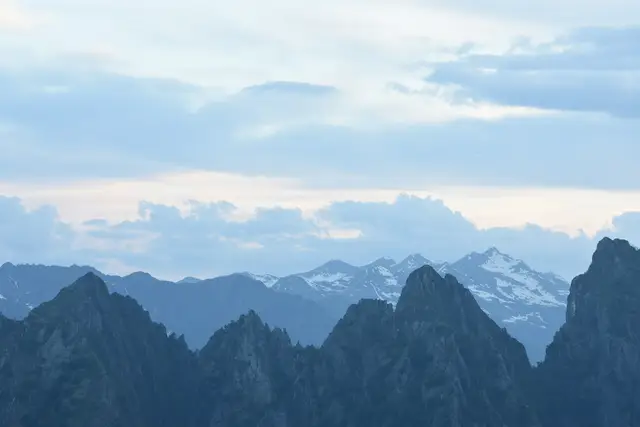
Photo: Mazzaloris95 · CC BY-SA 4.0 · Wikimedia Commons
Piedmont (Verbania / Lake Maggiore / Malesco / Santa Maria Maggiore)
★★★★★crowding: Very low
The largest wilderness area in the Alps and Italy, an impenetrable canyon valley fully reclaimed by wild nature.
Old-growth forestHigh mountainGorge and canyon
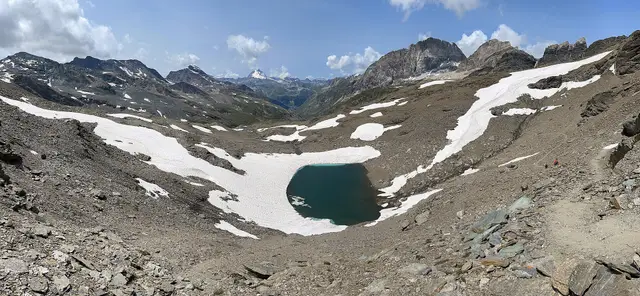
Photo: Tiia Monto · CC BY-SA 4.0 · Wikimedia Commons
Auvergne-Rhône-Alpes (Savoie)
★★★★★crowding: Moderate
France's first national park (1963), created to save the Alpine ibex: glaciers, alpine grasslands, and one of the Alps' greatest ibex populations.
High mountainGlacial landscapeAlpine meadow
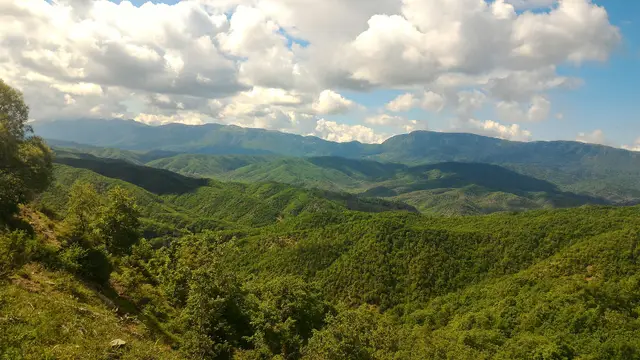
Photo: Johnny1337R · CC BY-SA 4.0 · Wikimedia Commons
Epirus (Ioannina / Zagori / Konitsa)
★★★★★crowding: Low
The Vikos Gorge, recorded by the Guinness Book of Records as the world’s deepest gorge relative to its width (almost 1.000 m of sheer drop).
Gorge and canyonKarst and cavesHigh mountainRiver corridor
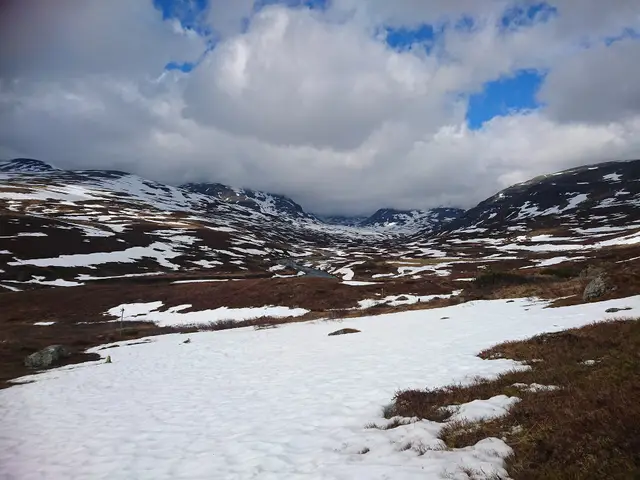
Photo: Emilia · CC BY-SA 4.0 · Wikimedia Commons
Västerbotten (Ammarnäs / Tärnaby)
★★★★★crowding: Very low
One of the largest nature reserves in Europe: high-alpine massifs, birch valleys, and the free-flowing Vindel River running wild to the Baltic.
High mountainRiver corridorWetlandOld-growth forest
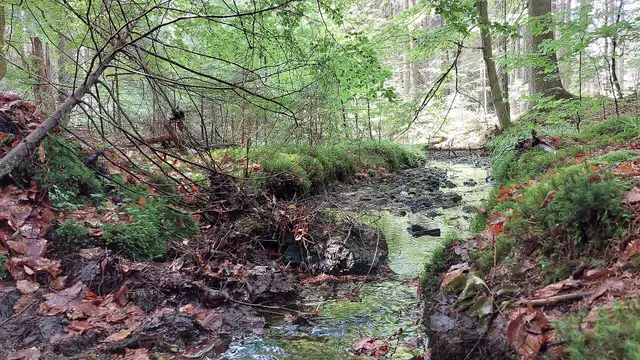
Photo: Chmee2 · CC BY-SA 4.0 · Wikimedia Commons
South Bohemia (Novohradské hory)
★★★★★crowding: None
The oldest strict forest reserve in continental Europe (declared protected in 1838 by Count Buquoy).
Primary forestHigh mountain
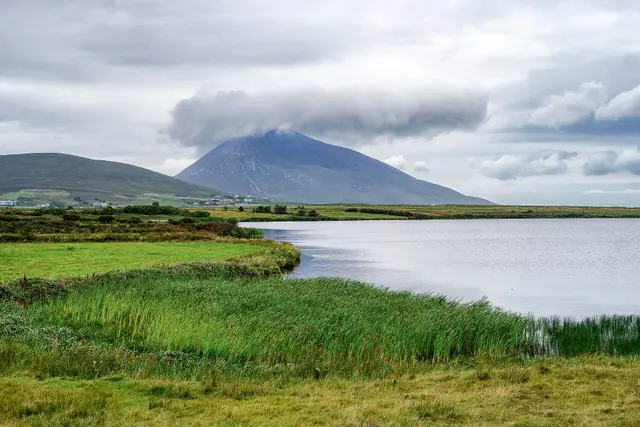
Photo: MickReynolds · CC BY-SA 4.0 · Wikimedia Commons
Ireland (County Mayo / Keel / Keem)
★★★★★crowding: Low
Ireland's largest island (connected by bridge), home to spectacular Keem Bay and Croaghaun Cliffs (688 m, the third highest in Europe).
Wild coastHigh mountainMarine
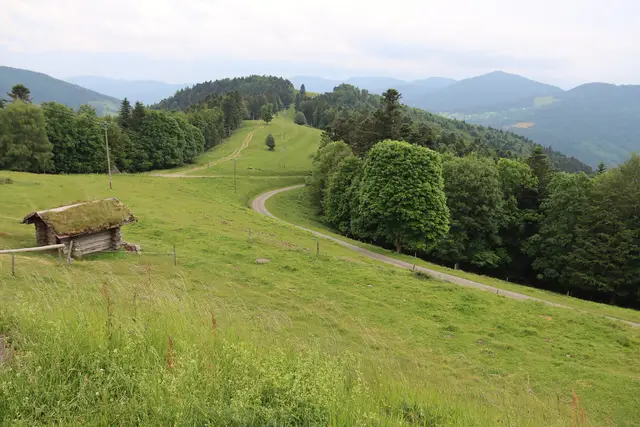
Photo: FrDr · CC BY-SA 4.0 · Wikimedia Commons
Grand Est (Haut-Rhin / Vosges / Belfort)
★★★★★crowding: Low
The high rounded domes (Ballons) of the Vosges with glacial high meadows (chaumes) and beech-fir forests.
High mountainOld-growth forestWetland
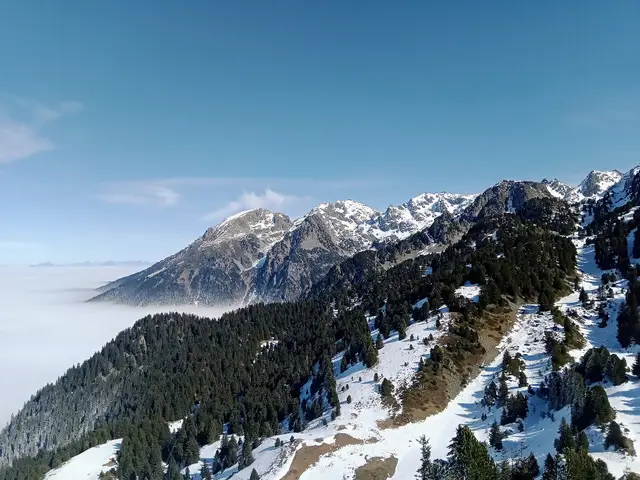
Photo: Rémih · CC BY-SA 4.0 · Wikimedia Commons
Isère / Savoie (Grenoble / Chamrousse)
★★★★★crowding: Low
Imposing crystalline rocky rampart without road passes soaring directly opposite the city of Grenoble.
High mountainGlacial landscapeOld-growth forest
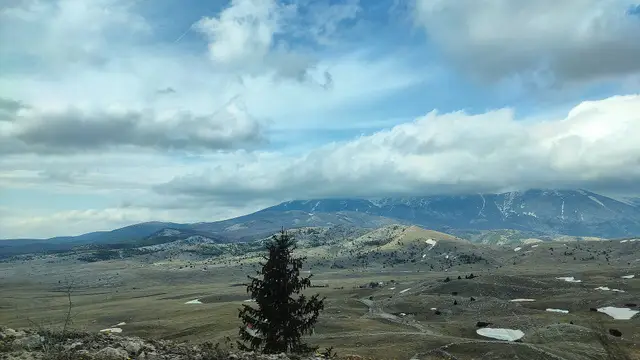
Photo: Irrmam · CC BY-SA 4.0 · Wikimedia Commons
West Herzegovina and Herzegovina-Neretva Cantons (Posušje / Jablanica)
★★★★★crowding: Very low
High karst mountains around the glacial Lake Blidinje featuring the iconic natural rock arch of Hajdučka Vrata.
High mountainKarst and cavesLake
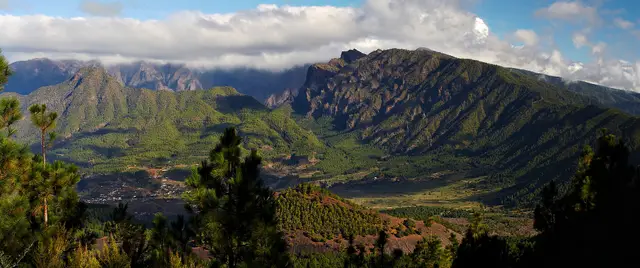
Photo: Michael Apel · CC BY-SA 3.0 · Wikimedia Commons
Canary Islands (La Palma / El Paso / Los Llanos de Aridane)
★★★★★crowding: Low
A colossal volcanic erosion cirque 8 km in diameter and 1,500 m deep, rimmed by precipitous Canary Island pine forests (Pinus canariensis).
High mountainGorge and canyonOld-growth forest
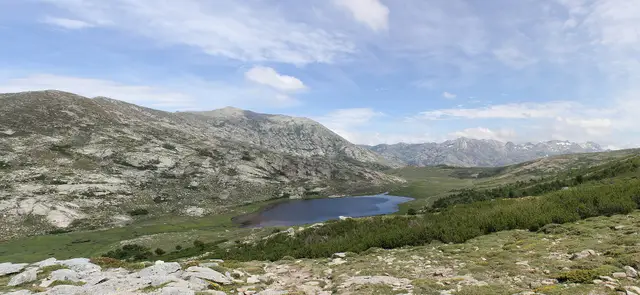
Photo: Arnaud Abadie · CC BY-SA 4.0 · Wikimedia Commons
Corsica (Corte / Ajaccio / Bastia / Porto)
★★★★★crowding: Moderate
Covers more than 40 % of the island of Corsica (375,000 ha), encompassing the backbone of Monte Cinto (2,706 m) and the canyons of the Restonica and Tavignano.
High mountainGorge and canyonOld-growth forestKarst and caves
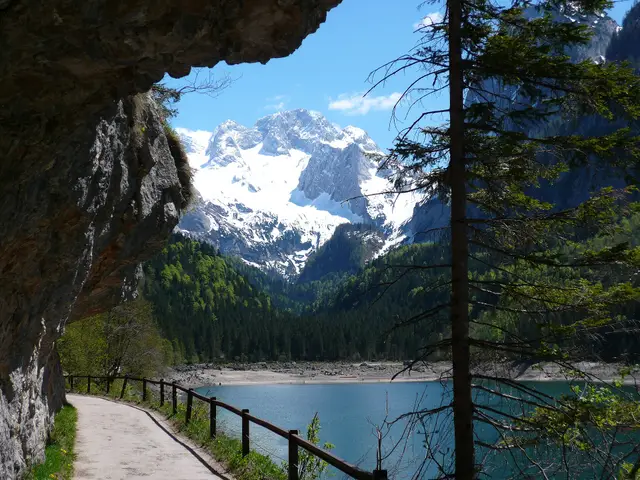
Photo: Pauljaeg · CC BY-SA 4.0 · Wikimedia Commons
Upper Austria — Gmunden; Gosau, Hallstatt and Obertraun
★★★★★crowding: No data
Karst topography, glaciers, alpine meadows and old-growth mountain forests above the Gosau lakes.
High mountainOld-growth forestLake
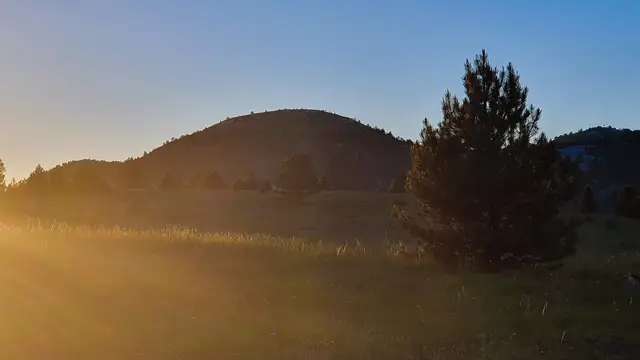
Photo: Ivan Vid · CC BY-SA 4.0 · Wikimedia Commons
Šibenik-Knin and Split-Dalmatia Counties (Knin / Sinj)
★★★★★crowding: Very low
The massif that gives its name to the entire Dinaric Alps and hosts Croatia’s highest peak (Dinara 1,831 m).
High mountainKarst and cavesSteppe and grassland
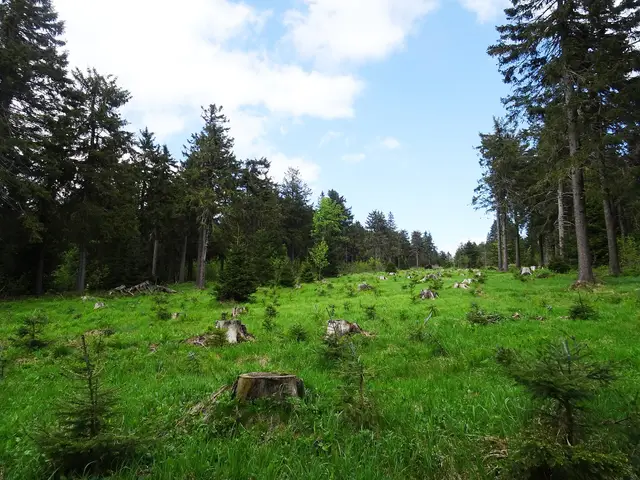
Photo: Palickap · CC BY-SA 4.0 · Wikimedia Commons
East Bohemia (CZ) / Silesia (PL) (Deštné / Zieleniec)
★★★★★crowding: Very low
Gentle forested Sudetes ridge protecting raised bogs on the Czech-Polish border.
High mountainOld-growth forestWetland
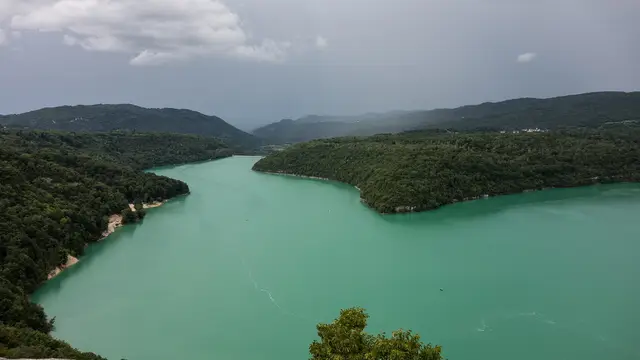
Photo: Annick Monnier · CC BY-SA 4.0 · Wikimedia Commons
Jura / Ain / Doubs (Saint-Claude / Les Rousses)
★★★★★crowding: Low
The highest crests of the Jura Range (Crêt de la Neige 1,720 m) with ancient spruce forests and peat bogs.
High mountainOld-growth forestKarst and caves
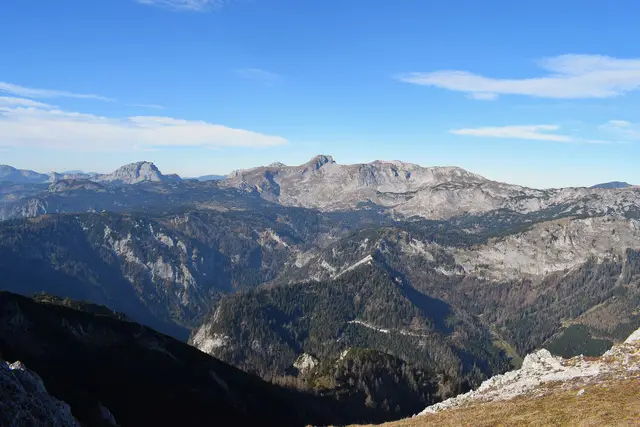
Photo: Schreckgespenst · CC BY-SA 4.0 · Wikimedia Commons
Styria (Aflenz / Mariazell)
★★★★★crowding: Low
Vast, desert-like karst plateau above 2,000 m hosting the largest concentration of chamois in the Alps.
High mountainKarst and caves
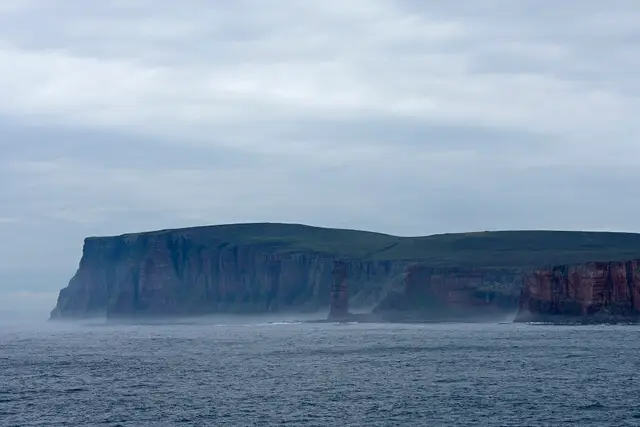
Photo: Ymblanter · CC BY-SA 4.0 · Wikimedia Commons
Scotland (Orkney Islands / Stromness)
★★★★★crowding: Low
The world's most famous sea stack (137 m of red sandstone standing isolated from the sea cliffs) on the wild and dramatic Isle of Hoy.
Wild coastHigh mountainMarine
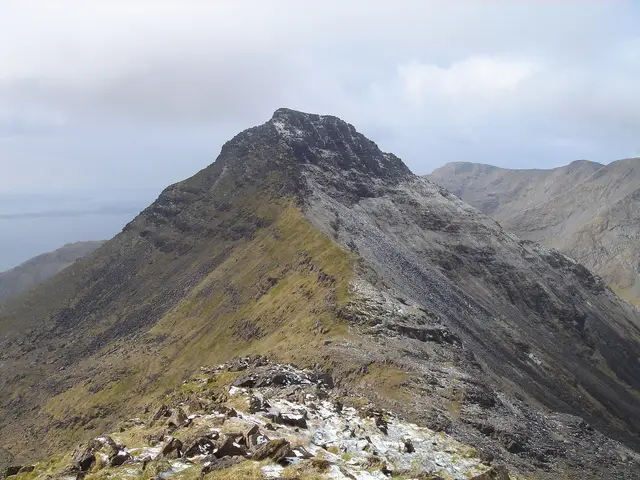
Photo: Michael Earnshaw · CC BY-SA 2.0 · Wikimedia Commons
Scotland (Inner Hebrides / Rum / Kinloch)
★★★★★crowding: Very low
The largest of the Small Isles, a volcanic island reserve where a third of the world's Manx shearwater (Puffinus puffinus) population nests.
High mountainWild coastMarine
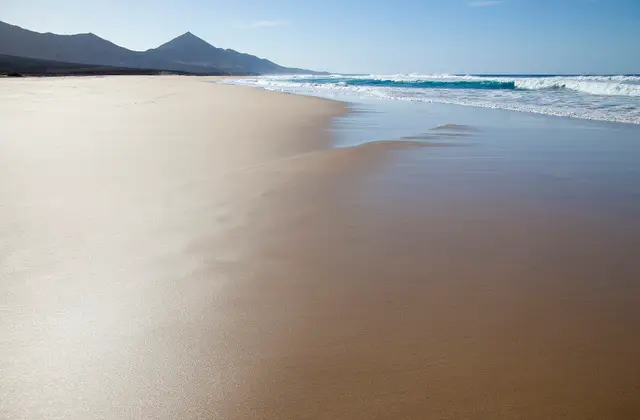
Photo: Tamara k · CC BY-SA 4.0 · Wikimedia Commons
Canary Islands (Fuerteventura / Pájara / Morro Jable / Cofete)
★★★★★crowding: Low
The desert peninsula of southern Fuerteventura where the Pico de la Zarza massif (807 m) plunges toward the 12 km wild volcanic beach of Cofete.
Wild coastSteppe and grasslandHigh mountain
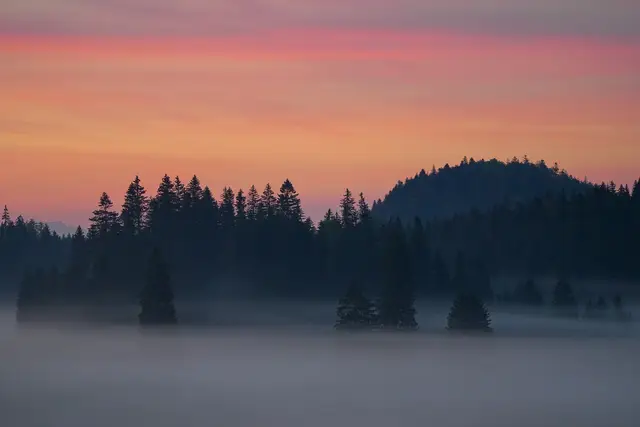
Photo: Giles Laurent · CC BY-SA 4.0 · Wikimedia Commons
Canton of Vaud (Saint-Cergue / Le Marchairuz)
★★★★★crowding: Low
Beech and pine-clad hills across morainic karst terrain overlooking Lake Geneva and the Mont Blanc massif.
High mountainOld-growth forestKarst and caves
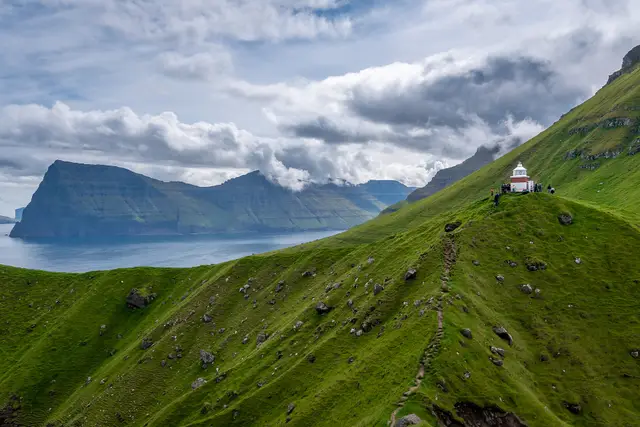
Photo: Ekrem Canli · CC BY-SA 4.0 · Wikimedia Commons
Faroe Islands (Trøllanes / Mikladalur)
★★★★★crowding: Low
Narrow flute-shaped island 18 km long with 13 mountain peaks and the iconic Kallur Lighthouse perched above 200 m sea cliffs.
Wild coastMarineHigh mountain
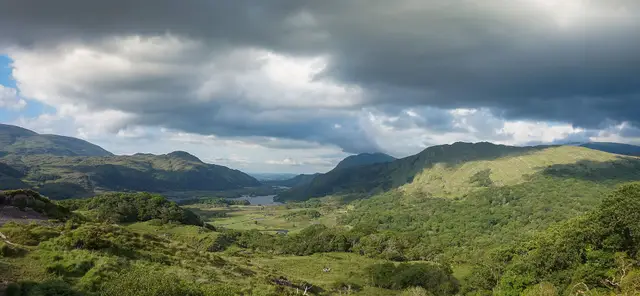
Photo: Marco Ober · CC BY-SA 4.0 · Wikimedia Commons
Kerry (Killarney / Muckross)
★★★★★crowding: Moderate
Ireland's first national park: moss-draped ancient Atlantic oakwoods, lakes, and the island's sole native red deer herd.
Old-growth forestLakeHigh mountain
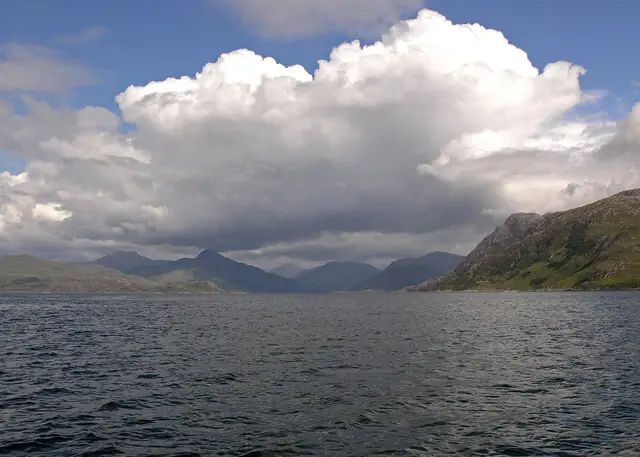
Photo: paddy patterson from glasgow, scotland · CC BY 2.0 · Wikimedia Commons
Scotland (Highlands / Mallaig / Inverie)
★★★★★crowding: Very low
Known as "Britain's last wilderness", a roadless peninsula dominated by Munro peaks and home to the UK's most remote pub, The Old Forge.
High mountainWild coastOld-growth forest
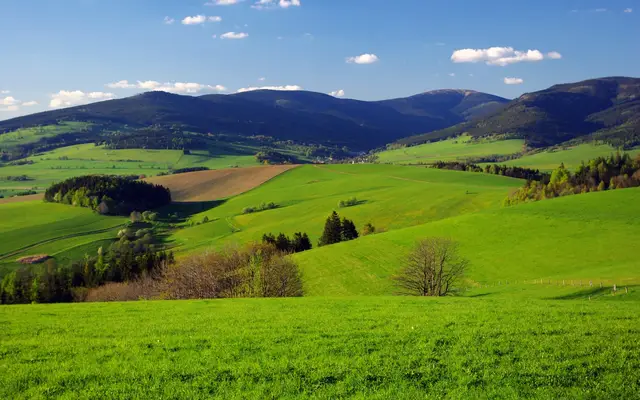
Photo: Marek Stránský · CC BY 3.0 · Wikimedia Commons
Pardubice / Olomouc (CZ) / Lower Silesia (PL) (Dolní Morava / Międzygórze)
★★★★★crowding: Low
Summit of the "Royal Snow" (1.424 m) straddling the triple European hydrological divide of the North, Baltic, and Black Seas.
High mountainRiver corridorOld-growth forest
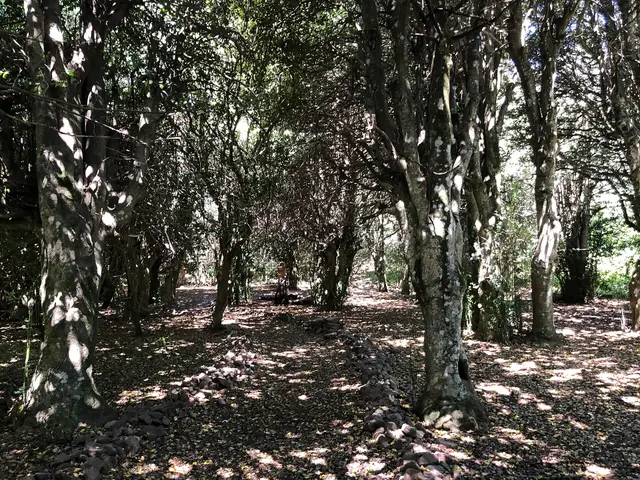
Photo: Davide Mauro · CC BY-SA 4.0 · Wikimedia Commons
Sicily (Palermo / Cefalù / Petralia Sottana / Castelbuono)
★★★★★crowding: Low
A karst massif rising nearly 2,000 m above the Tyrrhenian Sea in Sicily, home to the critically endangered Sicilian fir (Abies nebrodensis).
High mountainKarst and cavesOld-growth forest
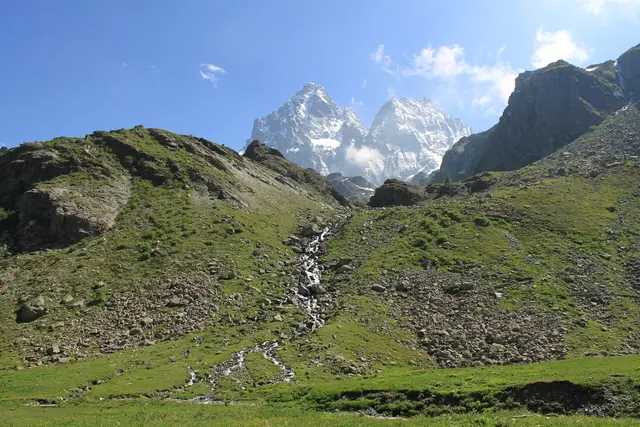
Photo: Yreen · CC BY-SA 4.0 · Wikimedia Commons
Piedmont — Po and Varaita Valleys (Province of Cuneo)
★★★★★crowding: High
Alpine pastures and rocky crags between the Po and Varaita valleys, harbouring the ancient stone pine forest of Alevè.
High mountainOld-growth forestGlacial landscape
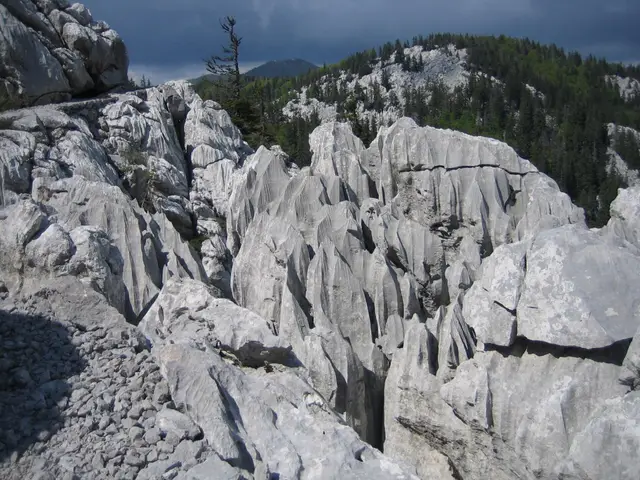
Photo: Rootmaker · CC BY-SA 3.0 · Wikimedia Commons
Lika-Senj (Croatia)
★★★★★crowding: Low
Karst relief, ancient beech forests and mountain pastures in Northern Velebit.
High mountainKarst and cavesOld-growth forest
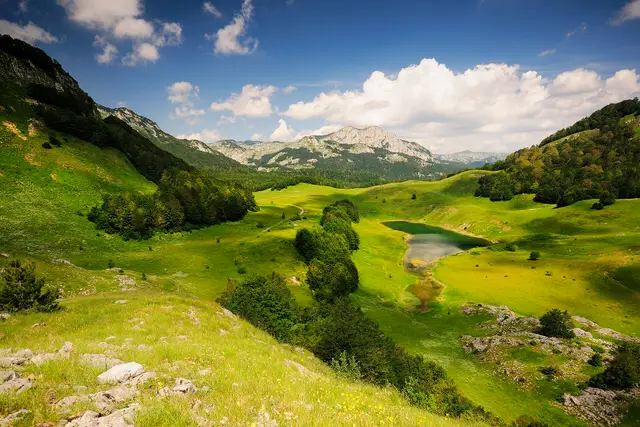
Photo: Petkovic Boris · CC BY-SA 4.0 · Wikimedia Commons
Republika Srpska (Foča / Tjentište)
★★★★★crowding: Very low
The "Green Mountain", a range of forests and alpine meadows dotted by 8 glacial lakes of striking beauty.
High mountainGlacial landscapeOld-growth forestLake
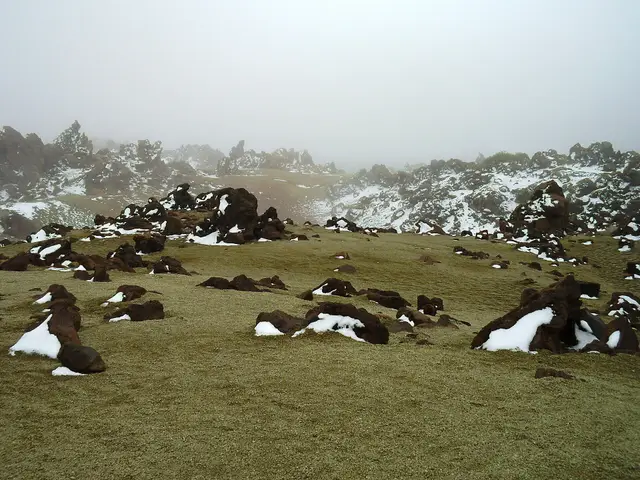
Photo: kallerna · Public domain · Wikimedia Commons
Canary Islands (Tenerife — Las Cañadas)
★★★★★crowding: High
A stratovolcano of 3,715 metres rising above a giant caldera: high-altitude volcanic landscape with endemic Canarian flora.
High mountainKarst and caves
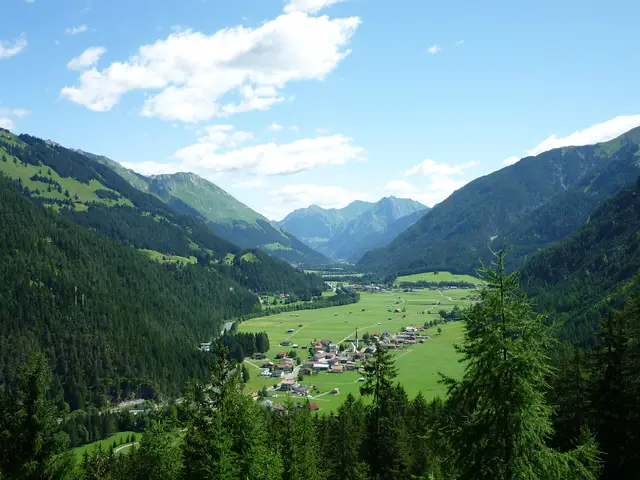
Photo: StevRush · CC BY-SA 3.0 · Wikimedia Commons
Tyrol (Elbigenalp / Reutte)
★★★★★crowding: Low
The last unconstrained, wide braided wild river system of the Northern Limestone Alps.
River corridorHigh mountainOld-growth forest
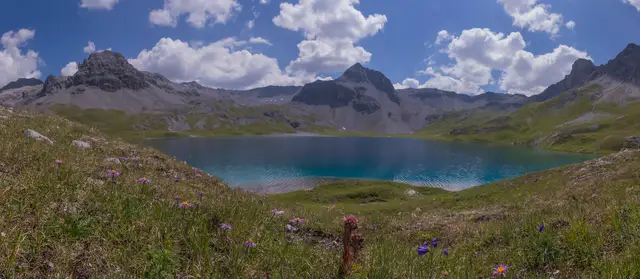
Photo: Ariocarpusandroides · CC BY-SA 4.0 · Wikimedia Commons
Graubünden (Santa Maria Val Müstair)
★★★★★crowding: Very low
Pristine alpine valley bordering the Swiss National Park preserved from heavy transit routes.
High mountainOld-growth forest