Cliffs, dunes, islands and archipelagos.
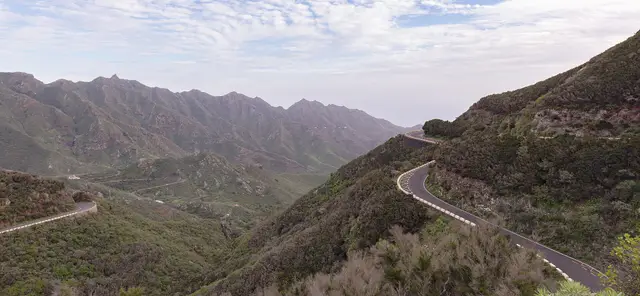
Photo: Diego Delso · CC BY-SA 4.0 · Wikimedia Commons
Canary Islands (Tenerife / Santa Cruz de Tenerife / La Laguna / Taganana)
★★★★★crowding: Low
Volcanic massif anchored 7 to 9 million years ago in north-eastern Tenerife, draped in laurel rainforest, razor-sharp ridges and isolated hamlets.
Primary forestOld-growth forestWild coastHigh mountain
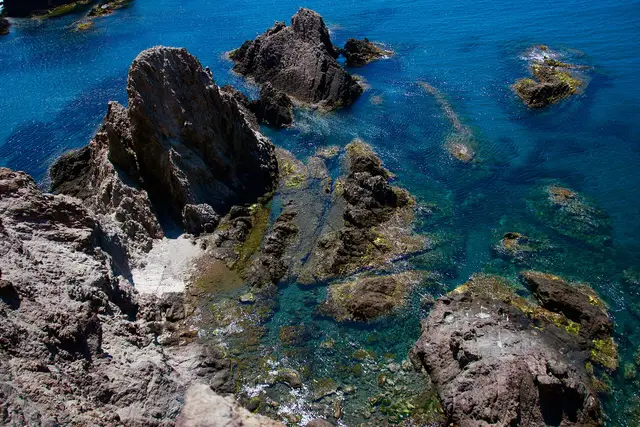
Photo: Edoarrdo · CC BY-SA 4.0 · Wikimedia Commons
Andalusia (Almería / Níjar / Carboneras / San José), [36.75, -2.18]
★★★★★crowding: Moderate
The largest protected marine-terrestrial area of volcanic origin in Mediterranean Europe, featuring lava cliffs, fossil dunes and Posidonia meadows.
Wild coastMarineSteppe and grassland
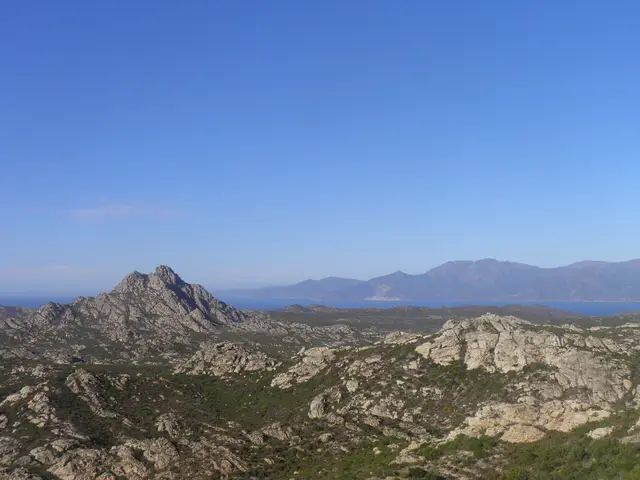
Photo: Gzen92 · CC BY-SA 4.0 · Wikimedia Commons
Corsica (Bastia / Saint-Florent / Centuri)
★★★★★crowding: Low
The largest Marine Natural Park in metropolitan France (6.800 km²), safeguarding the pristine scrubland of the Agriates Desert and the Genoese towers of Cap Corse.
Wild coastMarineSteppe and grassland
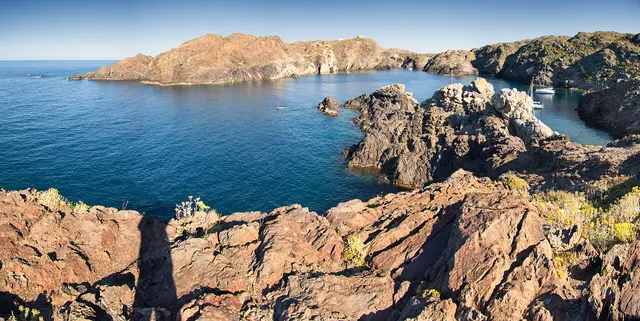
Photo: Mikipons · CC BY-SA 3.0 · Wikimedia Commons
Catalonia (Girona / Cadaqués / El Port de la Selva / Roses)
★★★★★crowding: Moderate
The easternmost point of the Iberian Peninsula, where the Pyrenees plunge into the sea in a labyrinth of metamorphic schists sculpted by the tramontana.
Wild coastMarineSteppe and grassland
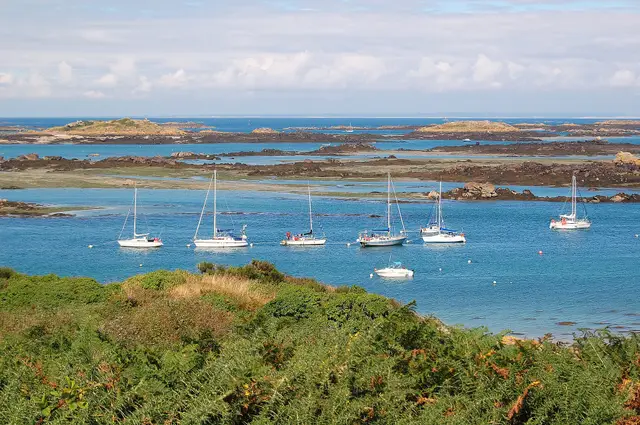
Photo: Pline · CC BY-SA 3.0 · Wikimedia Commons
Normandy (Manche / Granville)
★★★★★crowding: Low
Europe's largest insular archipelago by tidal range (52 islets at high tide expanding to 365 at low tide).
Wild coastMarine
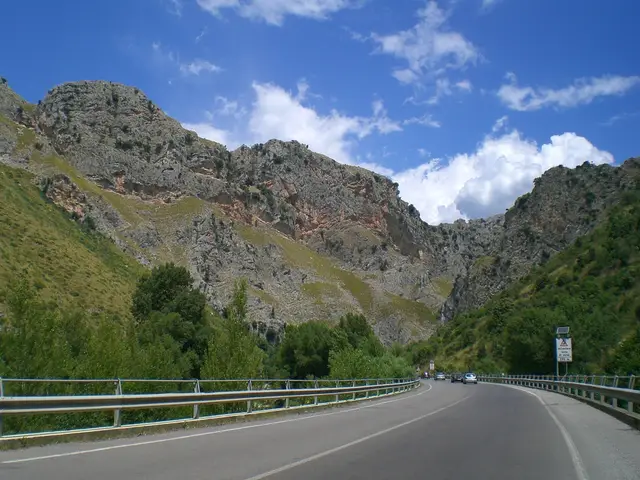
Photo: Geofix · CC BY-SA 3.0 · Wikimedia Commons
Campania (Salerno / Vallo della Lucania / Palinuro / Castellabate)
★★★★★crowding: Low
UNESCO Biosphere Reserve and Global Geopark uniting the karst gorges of the Calore River with the dramatic sea cliffs of Cape Palinuro.
Old-growth forestKarst and cavesWild coastGorge and canyon
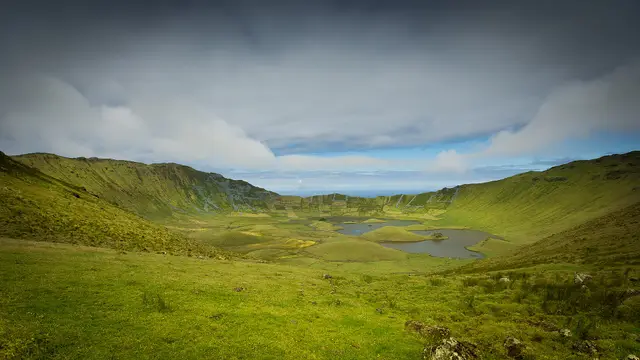
Photo: Paulo Valdivieso from Lisboa, Portugal · CC BY-SA 2.0 · Wikimedia Commons
Autonomous Region of the Azores (Corvo Island / Vila do Corvo)
★★★★★crowding: Very low
The smallest and most remote island of the Azorean archipelago (17 km²), dominated by the Caldeirão (volcanic collapse caldera holding two interior lagoons).
Wild coastMarineLake
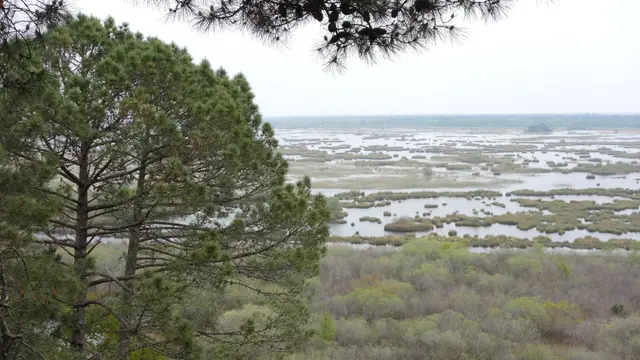
Photo: Zlice · CC BY-SA 4.0 · Wikimedia Commons
Nouvelle-Aquitaine (Gironde / Lacanau)
★★★★★crowding: Very low
Pristine dune pond and protected wooded marshes between the great Médoc lakes and the Atlantic Ocean.
WetlandWild coastOld-growth forest
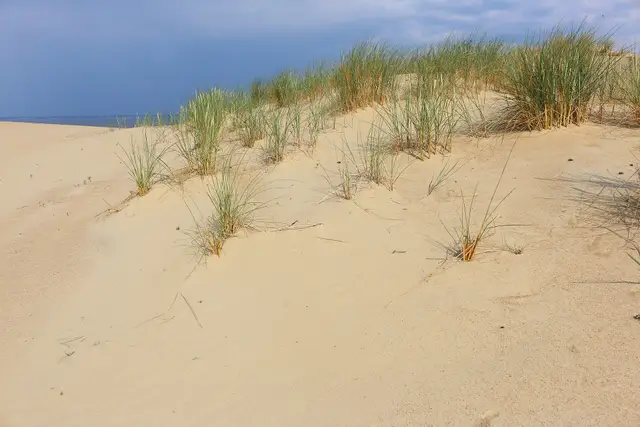
Photo: FrDr · CC BY-SA 4.0 · Wikimedia Commons
Klaipėda (Neringa — Nida / Juodkrantė)
★★★★★crowding: Moderate
A sandy spit nearly a hundred kilometres long between the Baltic and the Curonian Lagoon, boasting some of Europe's highest dunes.
Wild coastOld-growth forestLake
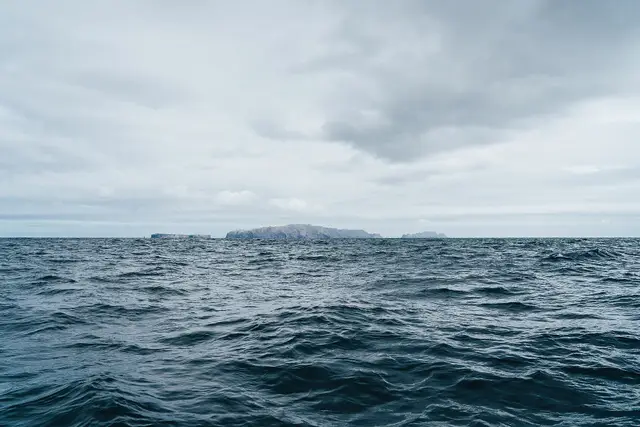
Photo: André Moniz Vieira · CC BY-SA 4.0 · Wikimedia Commons
Autonomous Region of Madeira (Deserta Grande / Bugio / Ilhéu Chão)
★★★★★crowding: None
Uninhabited archipelago of three narrow volcanic islands (Deserta Grande, Bugio, and Chão), a strict sanctuary for the Mediterranean monk seal (Monachus monachus).
Wild coastMarineSteppe and grassland
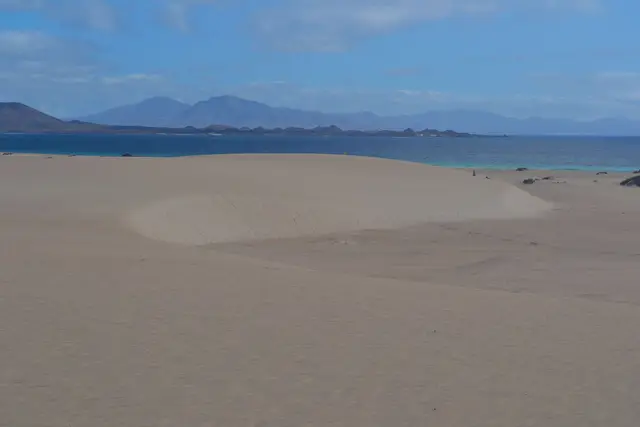
Photo: Iván Hernández Cazorla · CC BY-SA 4.0 · Wikimedia Commons
Canary Islands (Fuerteventura / La Oliva / Corralejo)
★★★★★crowding: Moderate
The largest field of organic fossil sand dunes in the Canary Islands (2,600 ha), contrasting turquoise waters with volcanic desert landscapes.
Wild coastSteppe and grasslandMarine
Photo: L. Vadillo - MaLéPhotoSpain · CC BY-SA 4.0 · Wikimedia Commons
Catalonia (Tarragona / Deltebre / Sant Jaume d'Enveitja / Amposta)
★★★★★crowding: Low
The most important wetland in the Iberian Mediterranean after Doñana (320 km²), featuring reed-fringed lagoons, the Trabucador sandbar, and thousands of flamingos.
WetlandWild coastRiver corridor
Autonomous Region of the Azores (Flores Island / Santa Cruz / Lajes das Flores)
★★★★★crowding: Very low
The 'Island of Water and Flowers', a UNESCO Biosphere Reserve on the North American tectonic plate with 7 crater lakes (Sete Lagoas) and the Poço da Ribeira do Ferreiro waterfall.
High mountainLakeWild coastPrimary forest
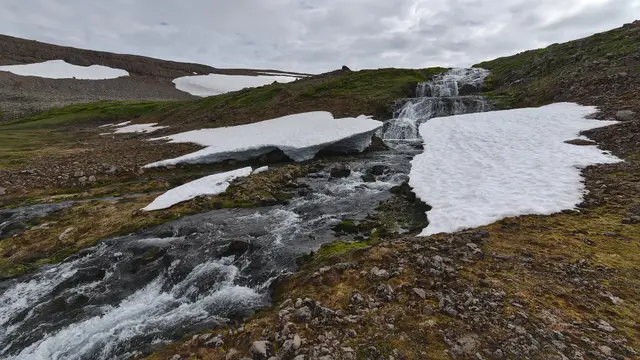
Photo: Rob Oo from NL · CC BY 2.0 · Wikimedia Commons
Westfjords (Ísafjörður)
★★★★★crowding: None
An arctic peninsula abandoned in the fifties, without roads, where the arctic fox lives without hunting and without fear.
Wild coastHigh mountain
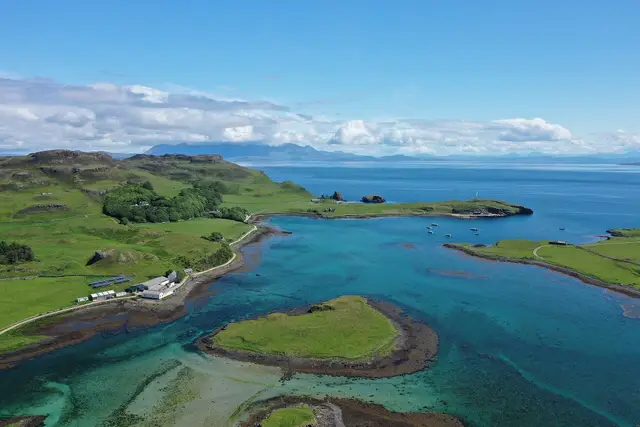
Photo: PaulT (Gunther Tschuch) · CC BY-SA 4.0 · Wikimedia Commons
Scotland (Inner Hebrides / Small Isles)
★★★★★crowding: Very low
Owned by the National Trust for Scotland, famed for Compass Hill, a basalt hill containing magnetite that distorts passing ship compasses.
Wild coastMarine
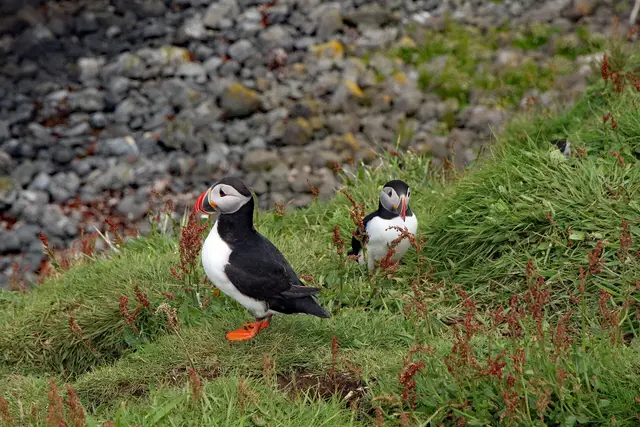
Photo: PaulT (Gunther Tschuch) · CC BY-SA 4.0 · Wikimedia Commons
Scotland (Inner Hebrides / Isle of Mull)
★★★★★crowding: Low
Small basalt islet where puffins nest mere inches from walkers’ boots showing virtually no fear of humans.
Wild coastMarine
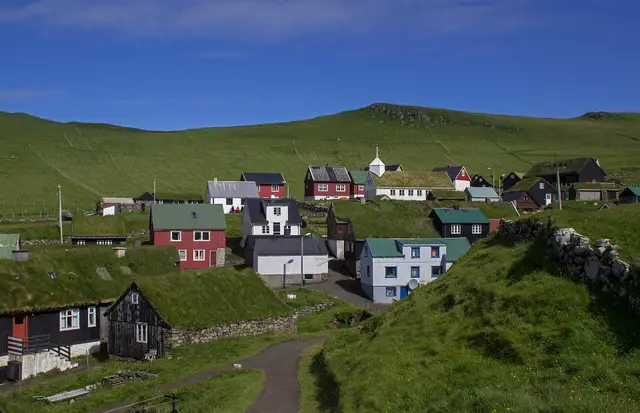
Photo: Stefan Wisselink · CC BY 2.0 · Wikimedia Commons
Faroe Islands (Vágar Region / Mykines)
★★★★★crowding: Moderate
The "Puffin Island", the westernmost outpost of the Faroe Islands, with sheer basalt sea cliffs where hundreds of thousands of Atlantic puffins (Fratercula arctica) nest.
Wild coastMarine
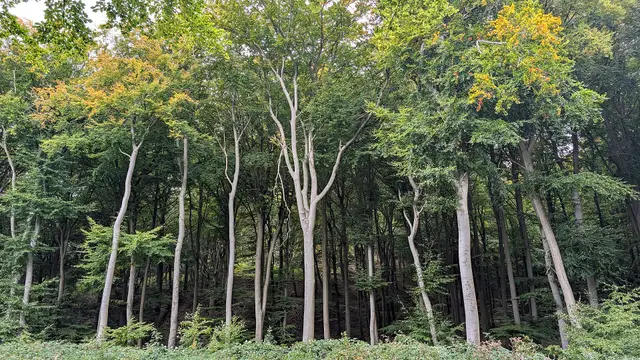
Photo: Siarhei Besarab · CC BY-SA 4.0 · Wikimedia Commons
Mecklenburg-Western Pomerania (Rügen Island)
★★★★★crowding: Moderate
Germany's smallest National Park, famed for gleaming white chalk cliffs plunging into the Baltic beneath ancient beechwoods.
Primary forestWild coastOld-growth forest
Balearic Islands (Formentera / El Pilar de la Mola)
★★★★★crowding: Low
Independent limestone plateau elevated 200 m above the sea with precipitous desert-like cliffs at the eastern tip of Formentera.
Wild coastKarst and cavesMarine
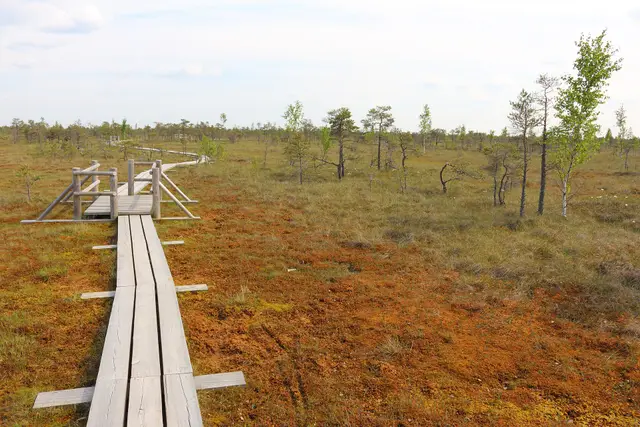
Photo: FrDr · CC BY-SA 4.0 · Wikimedia Commons
Latvia (Jūrmala / Tukums)
★★★★★crowding: Low
Raised bogs, swamp forests and coastal lagoons half an hour from Riga, featuring the Great Ķemeri Bog boardwalk.
WetlandWild coastOld-growth forestLake
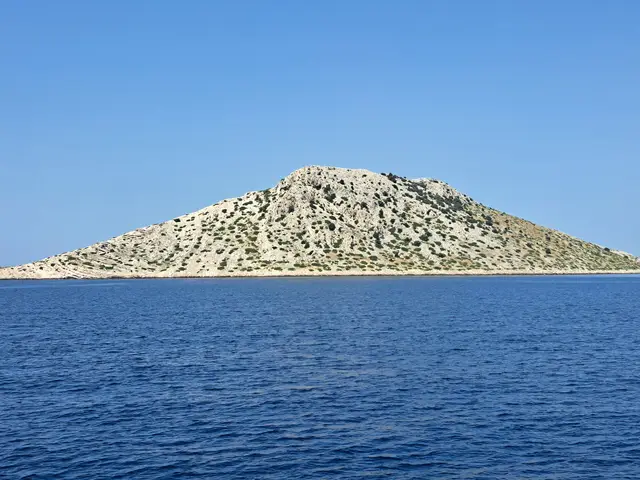
Photo: Ivan25 · CC BY-SA 4.0 · Wikimedia Commons
Šibenik-Knin (Kornati Archipelago — Murter)
★★★★★crowding: Moderate
A labyrinth of nearly ninety barren limestone islands, featuring sheer sea cliffs ("crowns") plunging into the open Adriatic.
MarineWild coastKarst and caves
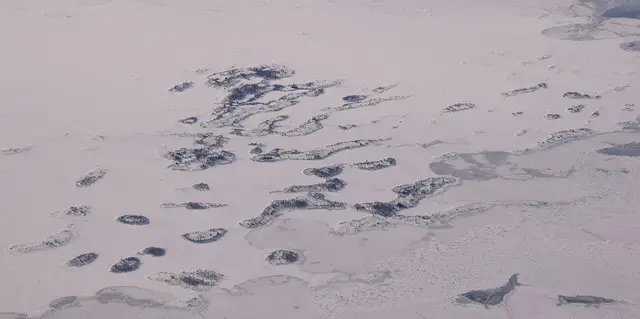
Photo: kallerna · CC BY-SA 4.0 · Wikimedia Commons
Ostrobothnia (Vaasa / Mustasaari / Korsnäs)
★★★★★crowding: Low
The world's premier natural laboratory for post-glacial isostatic rebound (transboundary UNESCO World Heritage site with Sweden's High Coast), where land rises from the Baltic Sea at 1 cm annually.
Wild coastMarineWetland
Tuscany Region (Grosseto Province / Capalbio Municipality / Tuscan Maremma)
★★★★★crowding: Low
Brackish coastal lagoon and Mediterranean dunes preserved by WWF Italy, a key winter refuge for thousands of waterbirds.
Wild coastWetlandOld-growth forest
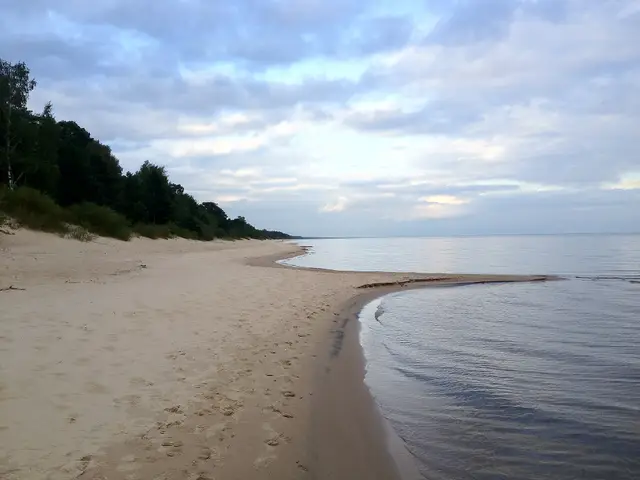
Photo: Ainar Riigov · CC BY 3.0 · Wikimedia Commons
Tartumaa (Kallaste / Varnja / Luunja)
★★★★★crowding: Very low
Europe's fifth-largest lake (3,500 km²) and the vast uninhabited wilderness wetland of the Emajõgi delta.
LakeWetlandWild coast
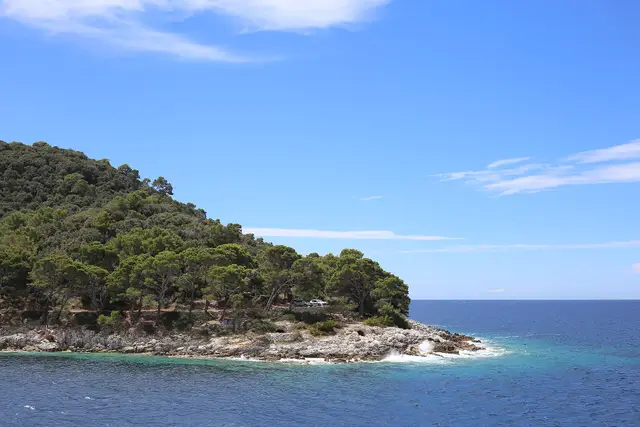
Photo: Adzelalija · CC BY-SA 4.0 · Wikimedia Commons
Dubrovnik-Neretva (Lastovo Island)
★★★★★crowding: Very low
One of Croatia's most remote inhabited islands and dozens of islets, with pristine night skies and largely undisturbed seabed ecosystems.
Wild coastMarineMediterranean forest
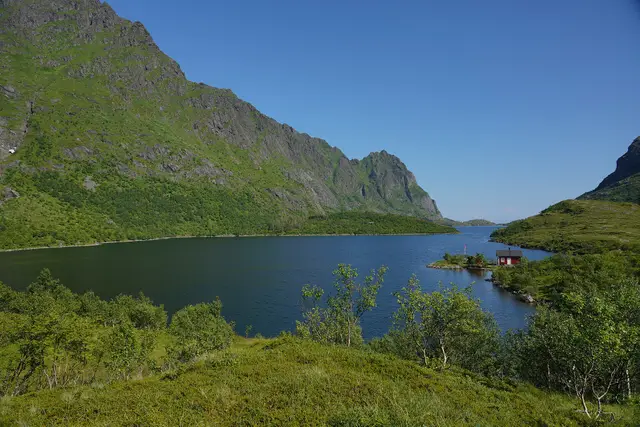
Photo: Lukas Beck · CC BY 4.0 · Wikimedia Commons
Nordland (Lofoten Islands / Moskenes / Flakstad / Reine)
★★★★★crowding: Moderate
The national park at the southern tip of the Lofoten archipelago, black granite pyramids rising straight from the Arctic Ocean and secluded white sand beaches like Kvalvika.
Wild coastMarineHigh mountain
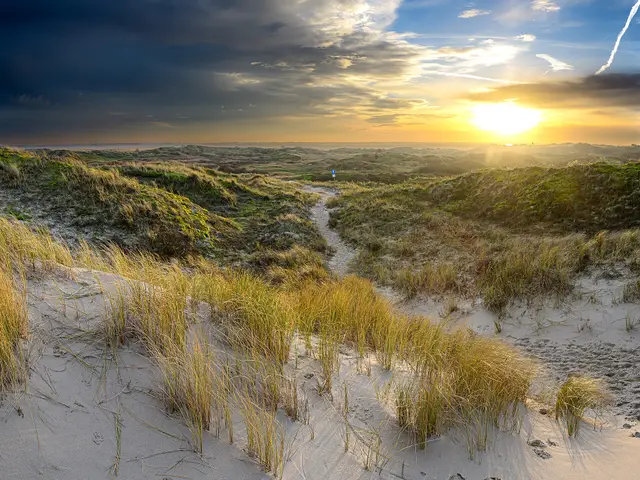
Photo: Stephan Sprinz · CC BY 4.0 · Wikimedia Commons
Lower Saxony (East Frisian Islands / Cuxhaven / Wilhelmshaven)
★★★★★crowding: Moderate
Barrier islands, salt marshes and intertidal mudflats between the Ems and the Elbe, part of the Wadden Sea World Heritage site.
Wild coastMarineWetland
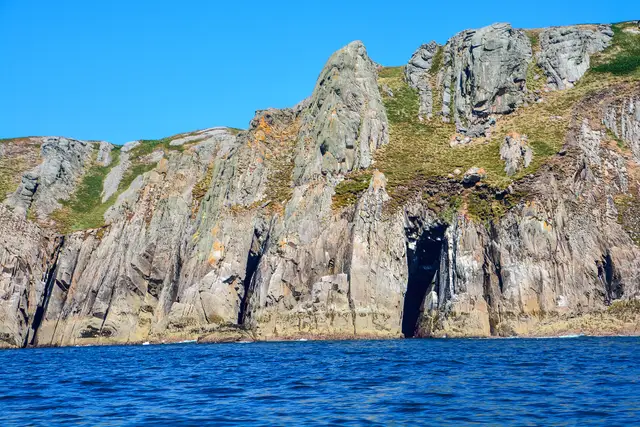
Photo: Lewis Clarke · CC BY-SA 2.0 · Wikimedia Commons
England (Devon / Bristol Channel / Ilfracombe)
★★★★★crowding: Low
Granite plateau 5 km in length in the Bristol Channel, the first designated Marine Conservation Zone in the United Kingdom.
Wild coastMarine
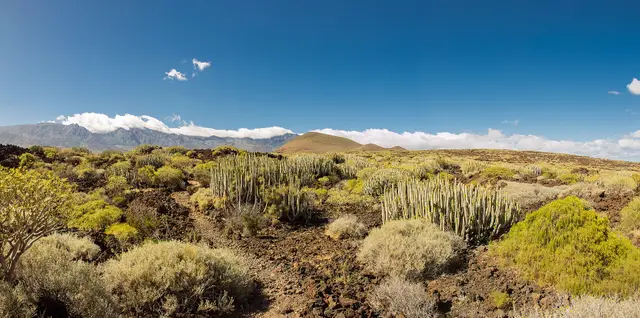
Photo: Yerie2017 · CC BY-SA 4.0 · Wikimedia Commons
Canary Islands (Tenerife / Güímar / Puertito de Güímar)
★★★★★crowding: Very low
Recent volcanic landscape of pahoehoe and aa lavas dominated by the Montaña Grande cone, colonized by endemic spurge communities.
Wild coastSteppe and grassland
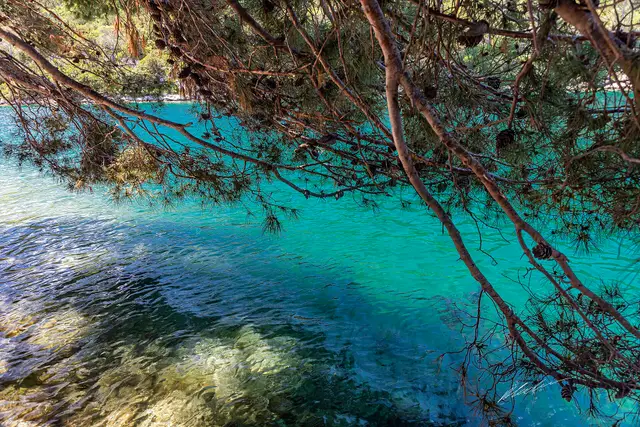
Photo: Andvladimir · CC BY-SA 4.0 · Wikimedia Commons
Dubrovnik-Neretva (Island of Mljet — Pomena / Polače)
★★★★★crowding: Moderate
The western end of the island of Mljet: Mediterranean forests of Aleppo pine and holm oak embracing two saltwater lakes with an island monastery.
Mediterranean forestLakeWild coast
Klaipėda County (Šilutė / Rusnė / Ventė)
★★★★★crowding: Low
Inland delta and floodplain estuary on the Curonian Lagoon, the primary ringing hotspot for migratory birds along the Baltic.
WetlandRiver corridorWild coast
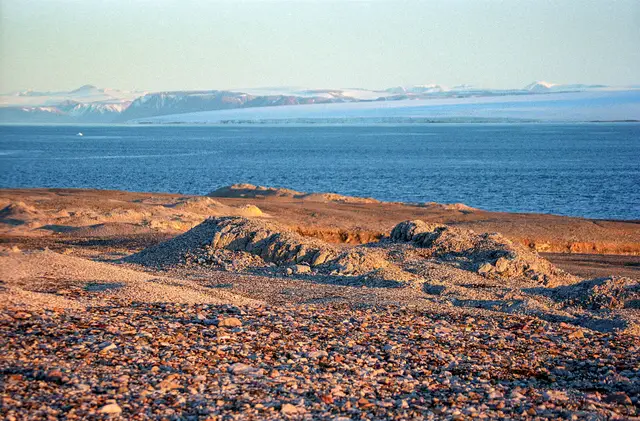
Photo: Jerzy Strzelecki · CC BY-SA 3.0 · Wikimedia Commons
Svalbard Archipelago (Nordaustlandet Island / Kvitøya)
★★★★★crowding: None
Norway's largest strict nature reserve (55.000 km²), dominated by the Austfonna ice cap (Europe's largest ice cap outside Greenland).
Glacial landscapeMarineWild coast
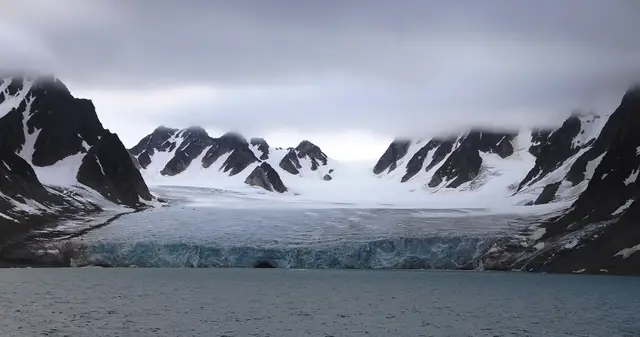
Photo: Bjoertvedt · CC BY-SA 3.0 · Wikimedia Commons
Svalbard Archipelago (Spitsbergen Island / Albert I Land / Haakon VII Land)
★★★★★crowding: Very low
The ultimate spectacle of the European High Arctic (79° N), with colossal tidewater glacier fronts in Magdalena and Kongsfjorden and geothermal springs at Bockfjorden.
Glacial landscapeWild coastMarineHigh mountain
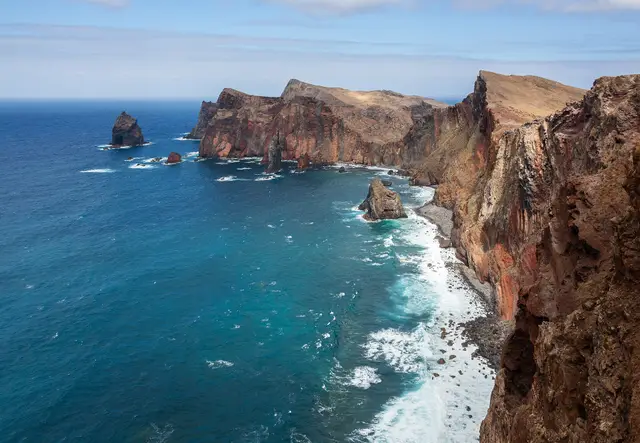
Photo: Diego Delso · CC BY-SA 4.0 · Wikimedia Commons
Autonomous Region of Madeira (Madeira Island / Caniçal / Machico)
★★★★★crowding: Moderate
Narrow, arid volcanic peninsula at the eastern tip of Madeira with red and black tuff cliffs and a haven for the Mediterranean monk seal (Monachus monachus).
Wild coastMarineSteppe and grassland
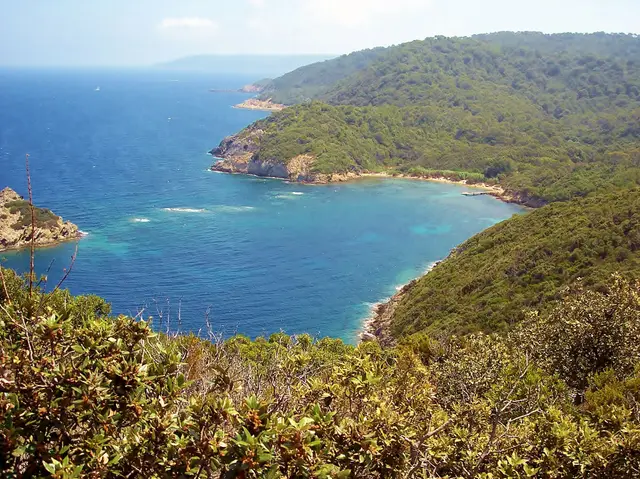
Photo: Espirat · CC BY-SA 4.0 · Wikimedia Commons
Provence-Alpes-Côte d'Azur (Var / Hyères)
★★★★★crowding: Moderate
One of the oldest marine parks in Europe (1963): an island cloaked in Mediterranean forest and posidonia seabed protected for sixty years.
MarineWild coastMediterranean forest
Algarve (Faro / Olhão / Tavira / Vila Real de Santo António)
★★★★★crowding: Moderate
A 60 km coastal lagoon protected by 5 sandy barrier islands (Barreta, Culatra, Armona, Tavira, and Cacela), harbouring Portugal's largest common chameleon colony.
WetlandWild coastMarine
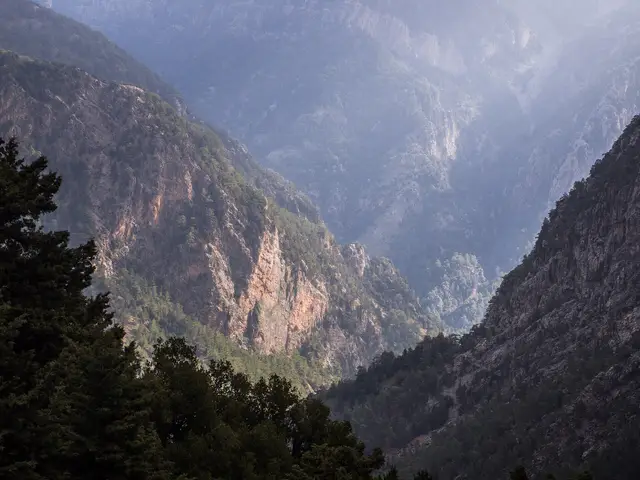
Photo: C messier · CC BY-SA 4.0 · Wikimedia Commons
Crete Island (Chania / White Mountains - Lefka Ori)
★★★★★crowding: Moderate
The queen of Mediterranean gorges (16 km of sheer precipices), exclusive sanctuary of the Cretan wild goat (Kri-Kri).
Gorge and canyonKarst and cavesHigh mountainWild coast
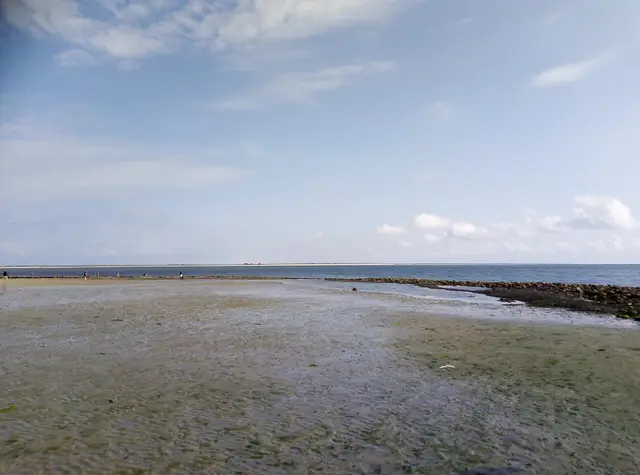
Photo: Wilhelm II. Hohenzollern · CC BY-SA 4.0 · Wikimedia Commons
Schleswig-Holstein (Sylt / Halligen / Husum / Tönning)
★★★★★crowding: Moderate
Central Europe's largest national park: intertidal mudflats, dyked islets (Halligen) and millions of migratory waders on passage.
Wild coastMarineWetland
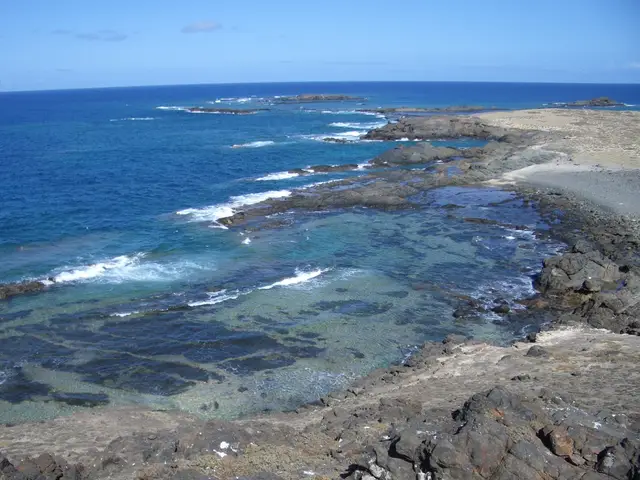
Photo: Coimbra68 · CC BY-SA 3.0 · Wikimedia Commons
Autonomous Region of Madeira (Selvagem Grande / Selvagem Pequena)
★★★★★crowding: None
Portugal's southernmost territory and one of Europe's oldest strict marine reserves (1971), harbouring the world's densest colony of Cory's shearwater (Calonectris diomedea).
Wild coastMarineSteppe and grassland
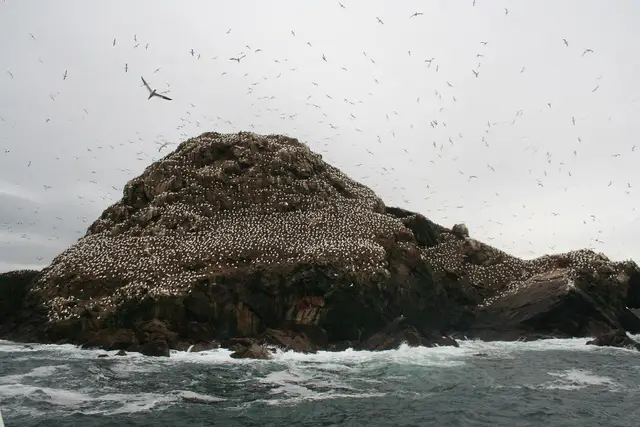
Photo: Mario Modesto Mata · CC BY-SA 3.0 · Wikimedia Commons
Brittany (Côtes-d'Armor — Perros-Guirec)
★★★★★crowding: Low
France's largest colony of northern gannets and the puffin's last refuge on the French coast.
Wild coastMarine
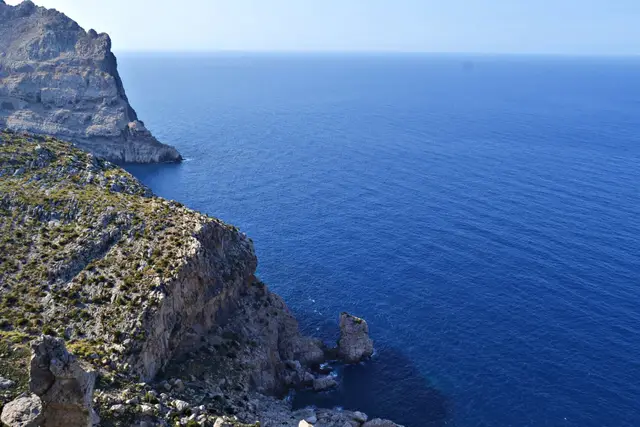
Photo: Lolagt · CC BY-SA 4.0 · Wikimedia Commons
Balearic Islands (Mallorca / Sóller / Valldemossa / Pollença / Deià)
★★★★★crowding: Moderate
Mallorca's limestone backbone (Puig Major 1.445 m), deep gorges like Torrent de Pareis, and the world's only island redoubt for black vultures and the Majorcan midwife toad (Alytes muletensis).
High mountainKarst and cavesGorge and canyonOld-growth forestWild coast
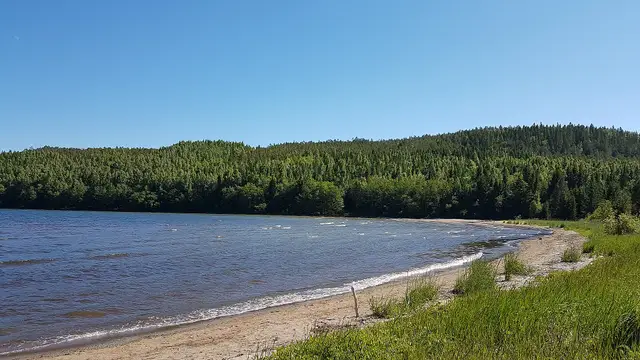
Photo: Jan Ainali · CC BY-SA 4.0 · Wikimedia Commons
Västernorrland (Höga Kusten / Örnsköldsvik / Kramfors)
★★★★★crowding: Low
The heart of Sweden's High Coast (Höga Kusten), the site of the world's greatest post-glacial isostatic rebound (286 m of land uplift after the ice), featuring the Slåttdalssvackan canyon.
Wild coastOld-growth forestGorge and canyon
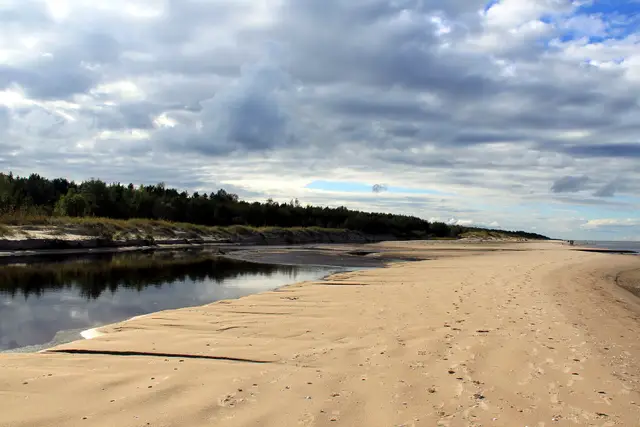
Photo: Sirujs Enobs · CC BY-SA 3.0 · Wikimedia Commons
Courland / Kurzeme (Dundaga / Cape Kolka)
★★★★★crowding: Low
Cape Kolka where the currents of the Baltic Sea and the Gulf of Riga collide, ancient Livonian wooded dunes (Kangari), and clay coastal bluffs.
Wild coastOld-growth forestWetland
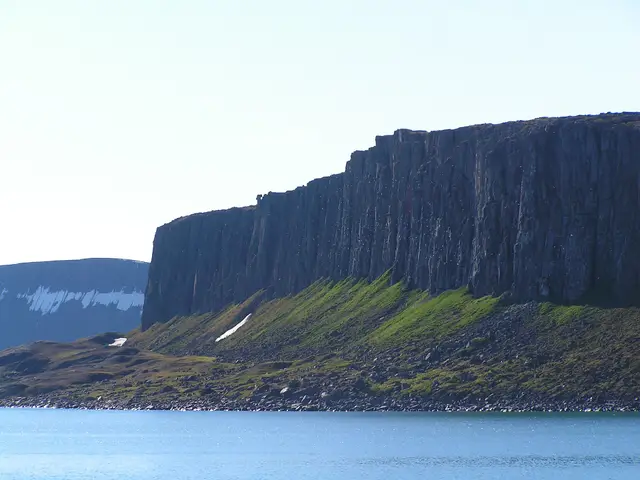
Photo: Hermanhi · CC BY-SA 3.0 · Wikimedia Commons
Svalbard Archipelago (Edgeøya and Barentsøya Islands)
★★★★★crowding: None
The vast desert tundra islands of Edgeøya and Barentsøya (21.800 km²), a premier denning sanctuary for polar bears and massive walrus haul-outs.
Steppe and grasslandWild coastMarineGlacial landscape
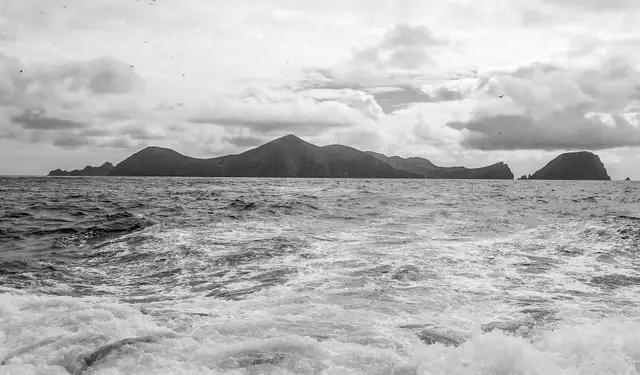
Photo: Kingy64 · CC BY-SA 4.0 · Wikimedia Commons
Scotland (Outer Hebrides / Hirta)
★★★★★crowding: Very low
The only Dual (Cultural and Natural) UNESCO World Heritage Site in the UK, with sheer sea cliffs and sea stacks hosting the world's largest gannet colony (Stac an Armin 196 m).
Wild coastMarineHigh mountain
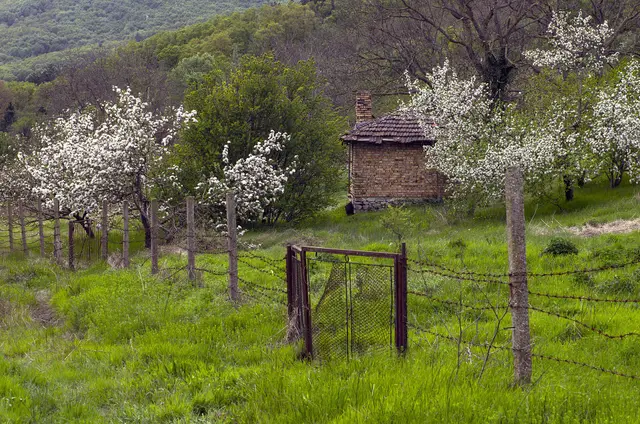
Photo: Denka marinova · CC BY-SA 4.0 · Wikimedia Commons
Burgas (Malko Tarnovo / Sinemorets / Tsarevo)
★★★★★crowding: Very low
The largest protected area in Bulgaria: Pontic-type deciduous forests with an understorey of rhododendron and laurel, unique within the EU.
Old-growth forestWild coastRiver corridor
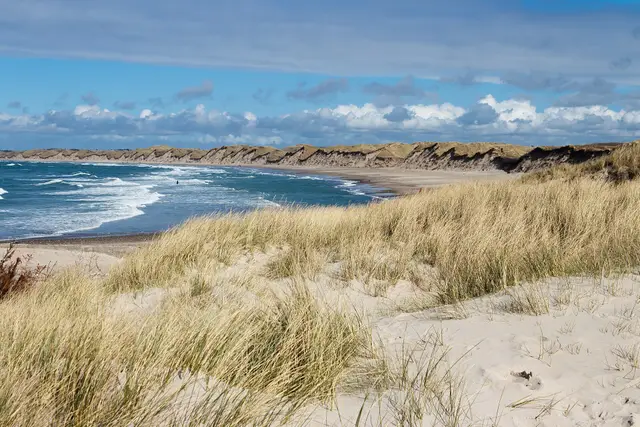
Photo: Kim Hansen · CC BY-SA 4.0 · Wikimedia Commons
North Jutland (Thisted / Hanstholm / Vorupør)
★★★★★crowding: Low
Denmark's first National Park (244 km²), a coastal wilderness of shifting dunes, littoral heathlands, and dune forests lashed by the North Sea.
Wild coastSteppe and grasslandWetland
Finnmark (Vadsø / Vardø / Berlevåg / Båtsfjord)
★★★★★crowding: Very low
Low-elevation Arctic tundra fronting the Barents Sea on Europe’s far northeastern edge, renowned for winter sea-duck roosts of Steller’s and king eiders.
Steppe and grasslandWild coastWetland
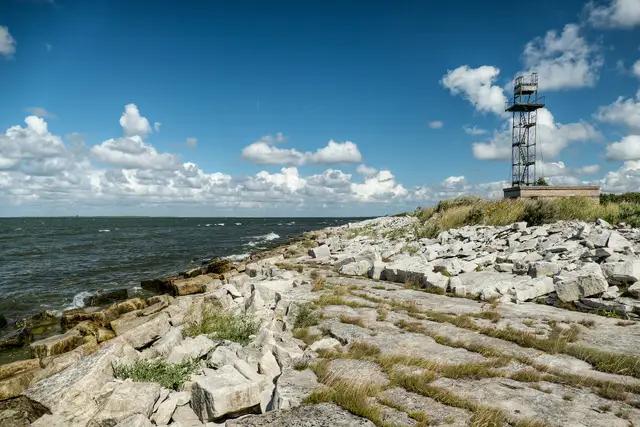
Photo: Amadvr · CC BY-SA 4.0 · Wikimedia Commons
Saare County (Saaremaa Island / Kihelkonna / Tagamõisa)
★★★★★crowding: Very low
The oldest marine bird sanctuary in the Baltic (1910), encompassing some 160 limestone islets and reefs off Saaremaa.
Wild coastMarineWetland
South Jutland (Esbjerg / Fanø / Rømø / Ribe)
★★★★★crowding: Low
The world's largest unbroken system of intertidal sand and mud flats (UNESCO World Heritage), renowned for massive starling murmurations (Sort Sol).
Wild coastWetlandMarine
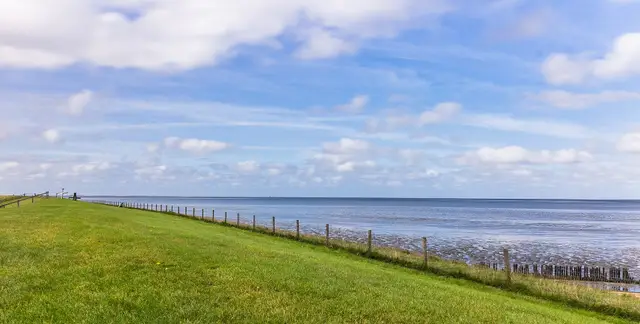
Photo: Famberhorst · CC BY-SA 4.0 · Wikimedia Commons
Provinces of Friesland and Groningen (Islands of Texel, Vlieland, Terschelling, Ameland, Schiermonnikoog, and mainland coast)
★★★★★crowding: Low
Vast intertidal system of mudflats and salt marshes, a vital lifeline for millions of migratory birds along the Atlantic flyway.
WetlandWild coast
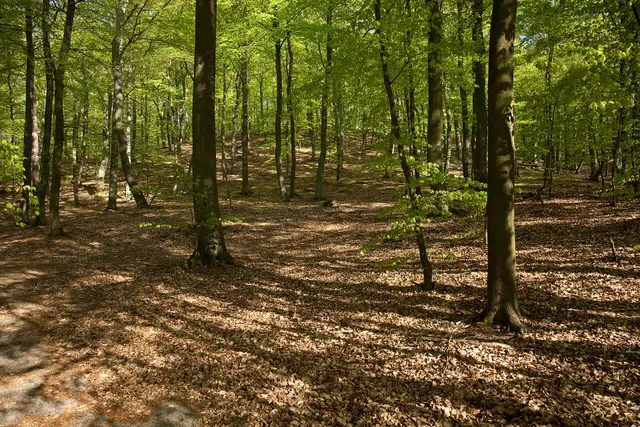
Photo: Wieckowicz · CC BY-SA 3.0 pl · Wikimedia Commons
West Pomerania (Wolin Island / Międzyzdroje / Świnoujście)
★★★★★crowding: Low
Glacial moraine cliffs rising 95 m above the Baltic Sea, coastal beech forests, and Poland's foremost coastal European bison reserve.
Wild coastOld-growth forestWetland
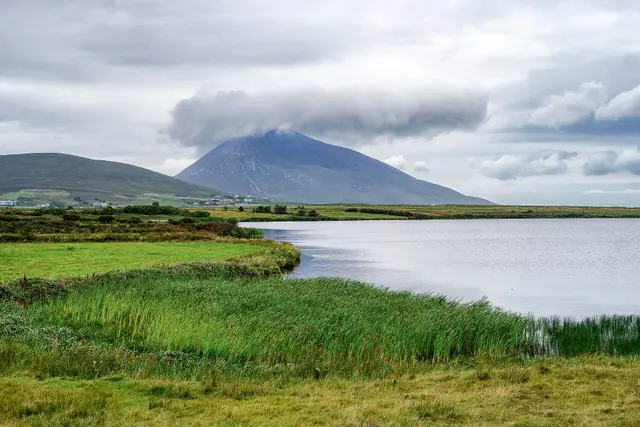
Photo: MickReynolds · CC BY-SA 4.0 · Wikimedia Commons
Ireland (County Mayo / Keel / Keem)
★★★★★crowding: Low
Ireland's largest island (connected by bridge), home to spectacular Keem Bay and Croaghaun Cliffs (688 m, the third highest in Europe).
Wild coastHigh mountainMarine
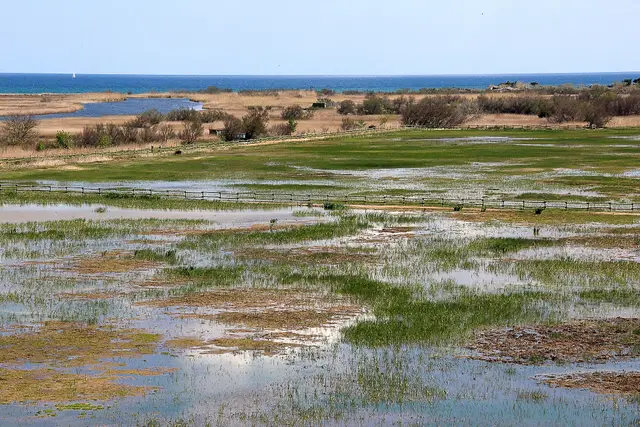
Photo: Maria planas aulet · CC BY-SA 4.0 · Wikimedia Commons
Catalonia (Girona / Castelló d'Empúries / Sant Pere Pescador)
★★★★★crowding: Low
Coastal wetland and fluvial marsh reserve at the mouths of the Muga and Fluvià rivers on the Costa Brava.
WetlandWild coastRiver corridor
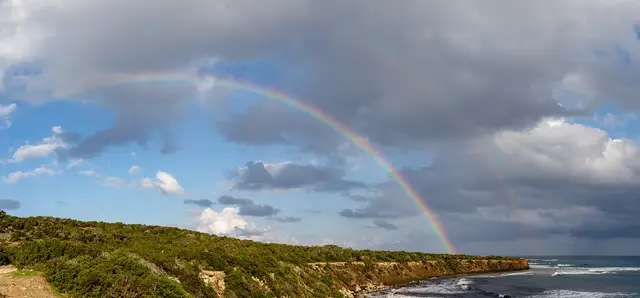
Photo: Michal Klajban · CC BY-SA 4.0 · Wikimedia Commons
Cyprus (Paphos — Polis / Latchi)
★★★★★crowding: Low
Mediterranean scrub and woodland, rugged gorges, and vital nesting beaches for green and loggerhead sea turtles in northwestern Cyprus.
Wild coastMediterranean forestMarine
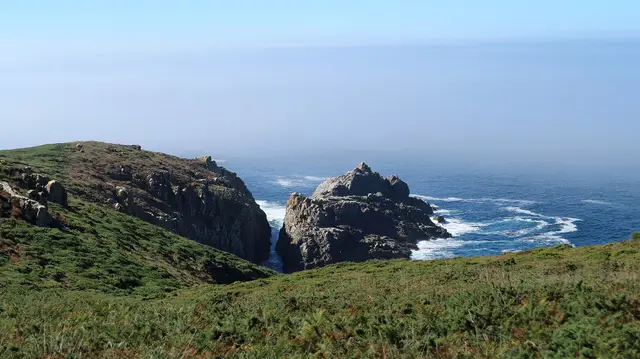
Photo: Miguel Branco · CC BY-SA 4.0 · Wikimedia Commons
Galicia (Cíes / Ons / Sálvora / Cortegada)
★★★★★crowding: High
Four granitic archipelagos guarding the mouth of the Rías Baixas, with seabird nesting cliffs facing west and sheltered sand dunes facing east.
Wild coastMarine
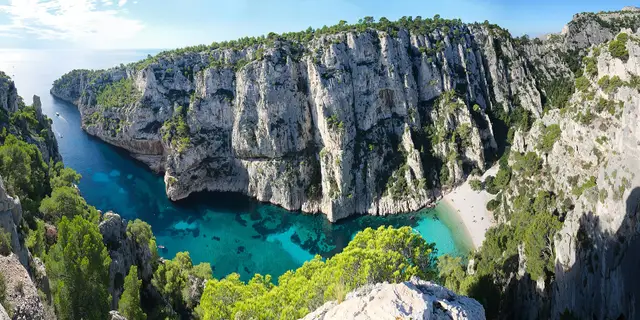
Photo: kallerna · CC BY-SA 4.0 · Wikimedia Commons
Provence-Alpes-Côte d'Azur (Marseille / Cassis / La Ciotat)
★★★★★crowding: High
The first European national park that is at once terrestrial, marine and peri-urban: limestone cliffs and calanques above posidonia meadows at the gates of Marseille.
Wild coastMarineKarst and cavesMediterranean forest
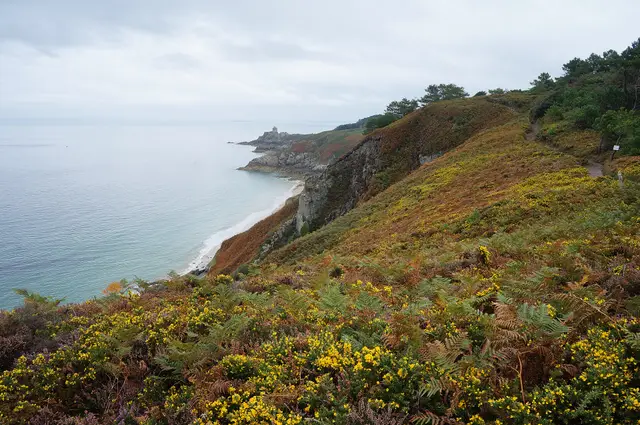
Photo: Pierre André Leclercq · CC BY-SA 4.0 · Wikimedia Commons
Brittany (Côtes-d'Armor — Plévenon)
★★★★★crowding: Moderate
Heather moorlands and pink sandstone cliffs rising over 70 metres sheltering vital seabird breeding colonies.
Wild coastSteppe and grassland
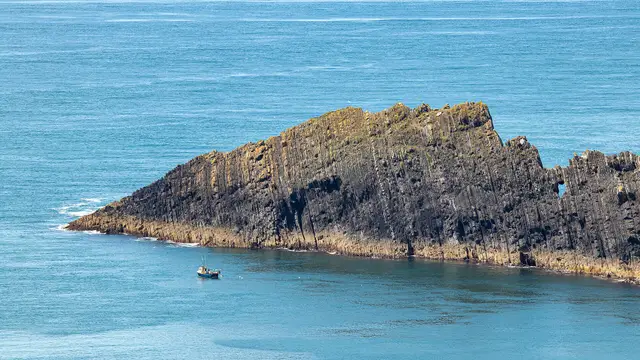
Photo: Superbass · CC BY-SA 4.0 · Wikimedia Commons
County Cork (Southernmost point / Wild Atlantic Way)
★★★★★crowding: Very low
Ireland's southernmost inhabited Atlantic island, home to a legendary bird observatory tracking pelagic migration, cetaceans, and basking sharks.
Wild coastMarine
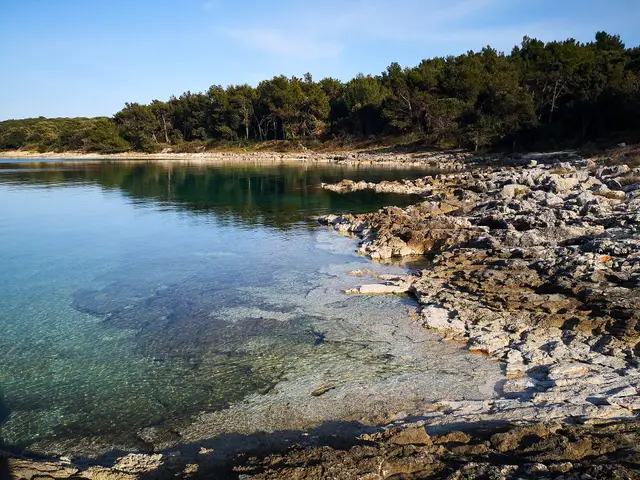
Photo: Anne2be · CC BY-SA 4.0 · Wikimedia Commons
Istria (Premantura)
★★★★★crowding: Moderate
The southern tip of Istria: an undeveloped peninsula of coves, scrubland, and wild orchids.
Wild coastMediterranean forest
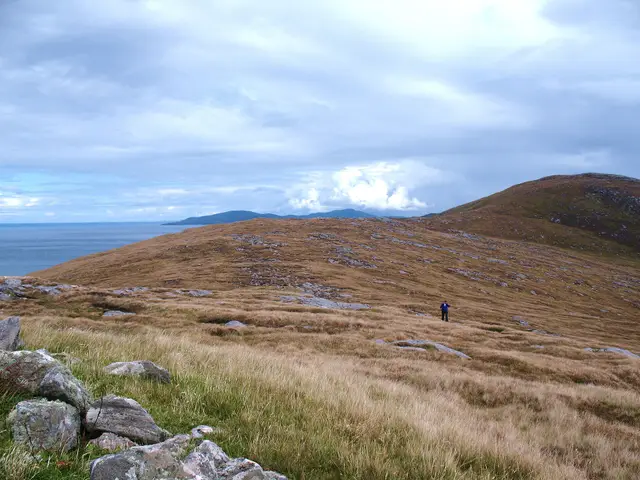
Photo: Gordon Hatton · CC BY-SA 2.0 · Wikimedia Commons
Scotland (Outer Hebrides / Barra)
★★★★★crowding: None
Deserted Outer Hebrides island abandoned in 1912, featuring 200 m sheer granite sea cliffs crowded with thousands of razorbills and guillemots.
Wild coastMarine
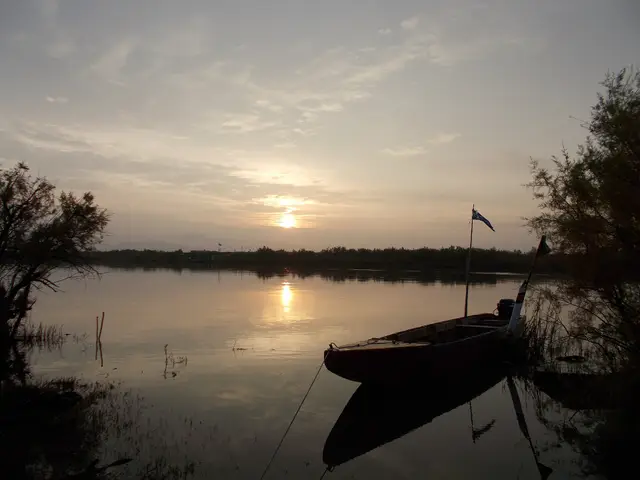
Photo: Evrodelta · CC BY-SA 4.0 · Wikimedia Commons
Thrace (Alexandroupoli / Feres)
★★★★★crowding: None
The great delta on the Greek-Turkish border, one of Greece's foremost wetlands for wintering and migratory birds.
WetlandRiver corridorWild coast
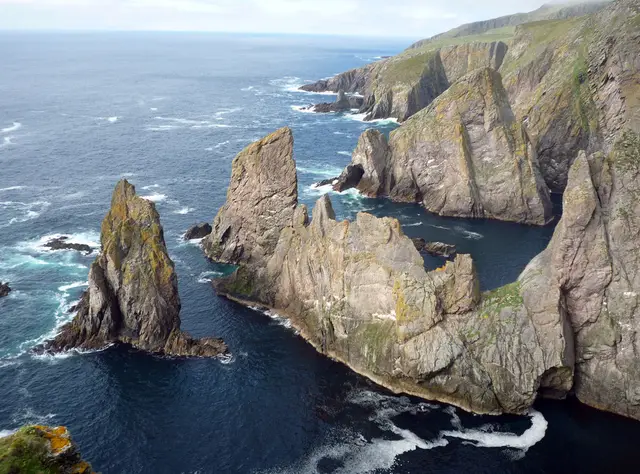
Photo: Julian Paren · CC BY-SA 2.0 · Wikimedia Commons
Scotland (Shetland Islands)
★★★★★crowding: Very low
The isolated island midway between Orkney and Shetland, historic mecca for migratory vagrant birds and traditional knitwear.
Wild coastMarineSteppe and grassland
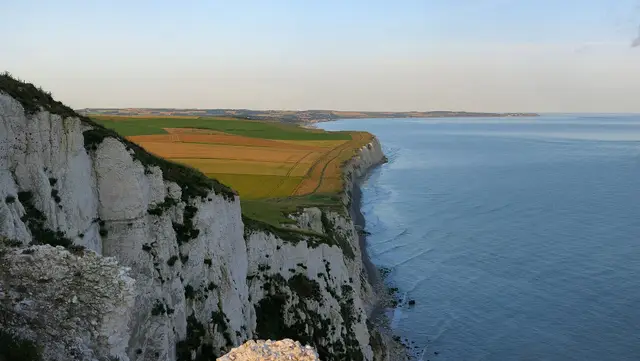
Photo: Jörg Braukmann · CC BY-SA 4.0 · Wikimedia Commons
Pas-de-Calais (Wissant / Audresselles / Escalles)
★★★★★crowding: Moderate
Monumental white chalk cliffs (134 m) looking directly across the Strait of Dover towards the English cliffs.
Wild coastSteppe and grassland
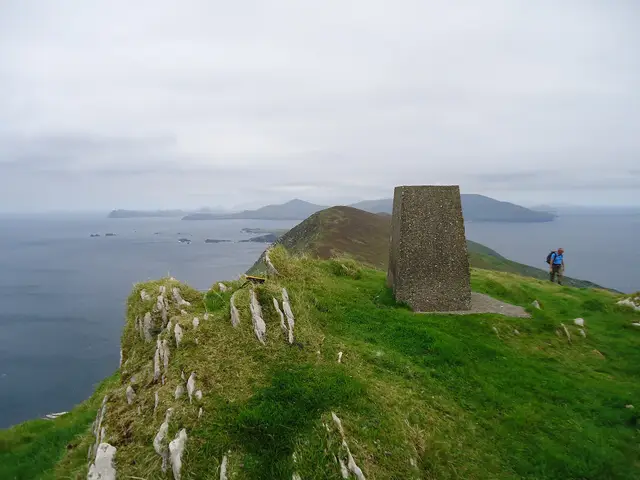
Photo: Michael Earnshaw · CC BY-SA 2.0 · Wikimedia Commons
Ireland (County Kerry / Dingle Peninsula / Dunquin)
★★★★★crowding: Low
The largest of the Blasket archipelago islands (evacuated in 1953), famed for rich Gaelic literature, wild sea cliffs, and beaches with hundreds of grey seals.
Wild coastMarine
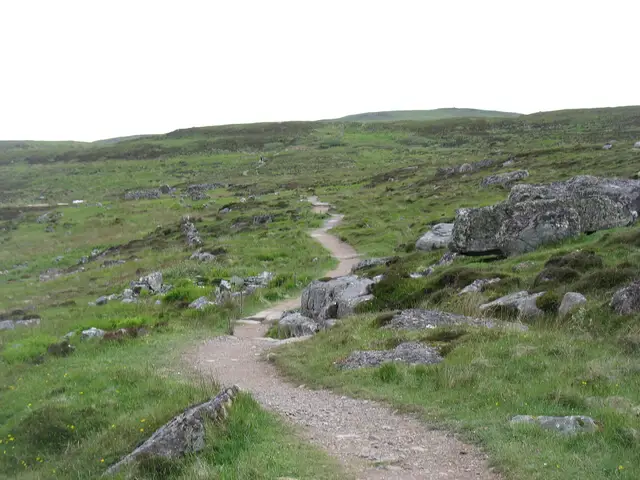
Photo: David Purchase · CC BY-SA 2.0 · Wikimedia Commons
Scotland (Sutherland / Scourie / Tarbet)
★★★★★crowding: Low
Torridonian sandstone Scottish Wildlife Trust island sanctuary with the sheer ramparts of The Stack of Handa sheltering 100,000 seabirds.
Wild coastMarine
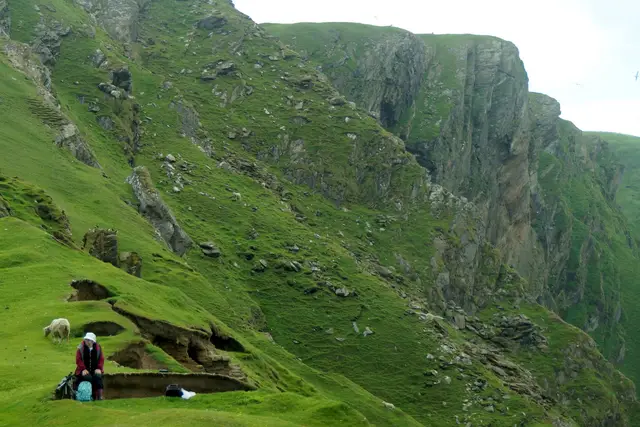
Photo: Mike Pennington · CC BY-SA 2.0 · Wikimedia Commons
Scotland (Shetland Islands / Isle of Unst)
★★★★★crowding: Very low
The northernmost headland of the United Kingdom (facing the Muckle Flugga lighthouse), hosting the world's third largest great skua colony.
Wild coastMarineWetland
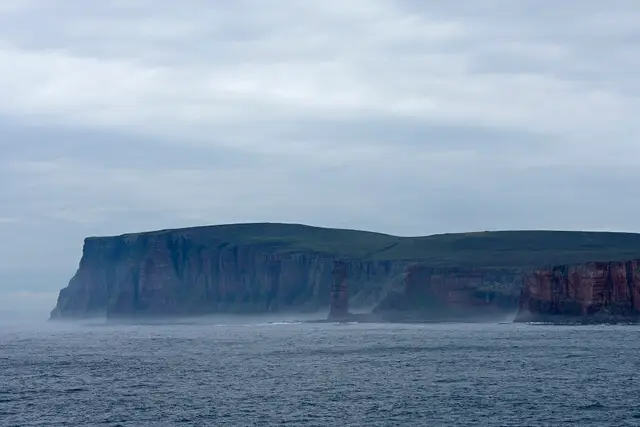
Photo: Ymblanter · CC BY-SA 4.0 · Wikimedia Commons
Scotland (Orkney Islands / Stromness)
★★★★★crowding: Low
The world's most famous sea stack (137 m of red sandstone standing isolated from the sea cliffs) on the wild and dramatic Isle of Hoy.
Wild coastHigh mountainMarine
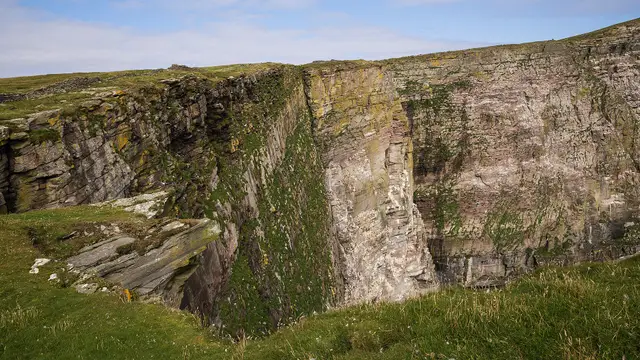
Photo: Unukorno · CC BY 4.0 · Wikimedia Commons
Scotland (Shetland Islands / Bressay)
★★★★★crowding: Very low
Red sandstone sea cliffs rising 180 m at the Noup of Noss, where over 150.000 seabirds nest.
Wild coastMarine
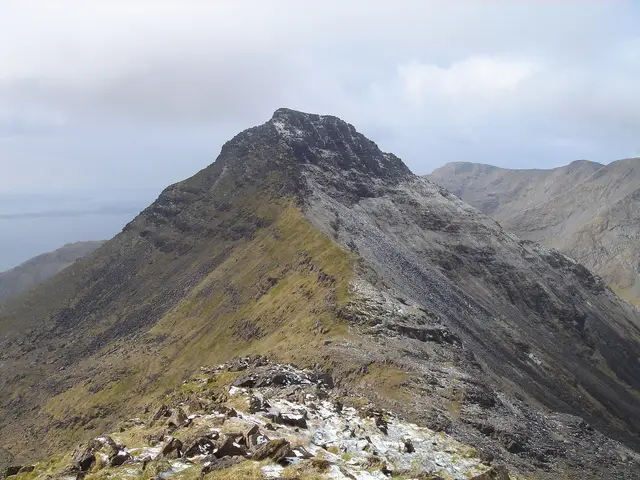
Photo: Michael Earnshaw · CC BY-SA 2.0 · Wikimedia Commons
Scotland (Inner Hebrides / Rum / Kinloch)
★★★★★crowding: Very low
The largest of the Small Isles, a volcanic island reserve where a third of the world's Manx shearwater (Puffinus puffinus) population nests.
High mountainWild coastMarine
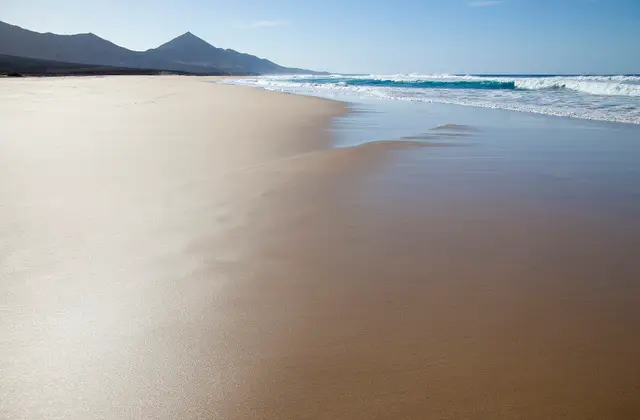
Photo: Tamara k · CC BY-SA 4.0 · Wikimedia Commons
Canary Islands (Fuerteventura / Pájara / Morro Jable / Cofete)
★★★★★crowding: Low
The desert peninsula of southern Fuerteventura where the Pico de la Zarza massif (807 m) plunges toward the 12 km wild volcanic beach of Cofete.
Wild coastSteppe and grasslandHigh mountain
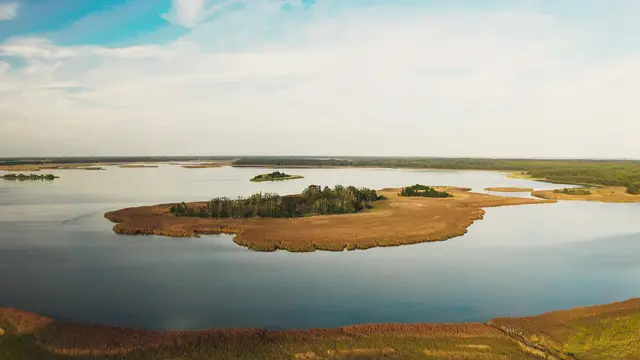
Photo: Esthonos · CC BY-SA 4.0 · Wikimedia Commons
Hiiu — Käina and Vaemla bays and Kassari Island
★★★★★crowding: No data
Brackish coastal bays and semi-natural alvar meadows with observation platforms at Orjaku.
WetlandWild coastSteppe and grassland
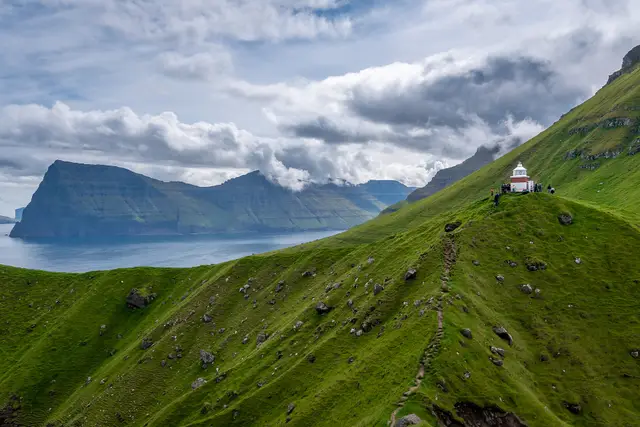
Photo: Ekrem Canli · CC BY-SA 4.0 · Wikimedia Commons
Faroe Islands (Trøllanes / Mikladalur)
★★★★★crowding: Low
Narrow flute-shaped island 18 km long with 13 mountain peaks and the iconic Kallur Lighthouse perched above 200 m sea cliffs.
Wild coastMarineHigh mountain
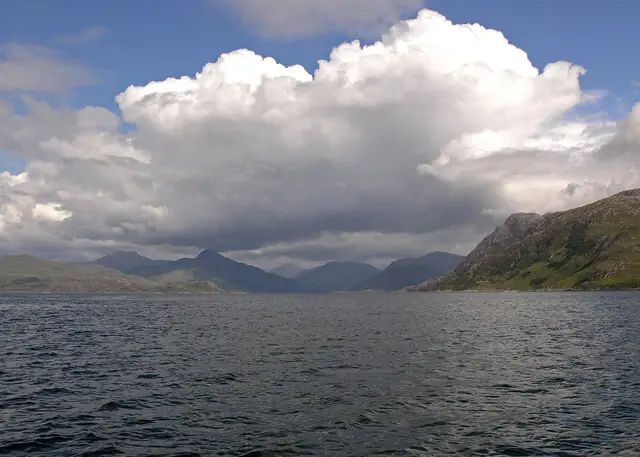
Photo: paddy patterson from glasgow, scotland · CC BY 2.0 · Wikimedia Commons
Scotland (Highlands / Mallaig / Inverie)
★★★★★crowding: Very low
Known as "Britain's last wilderness", a roadless peninsula dominated by Munro peaks and home to the UK's most remote pub, The Old Forge.
High mountainWild coastOld-growth forest
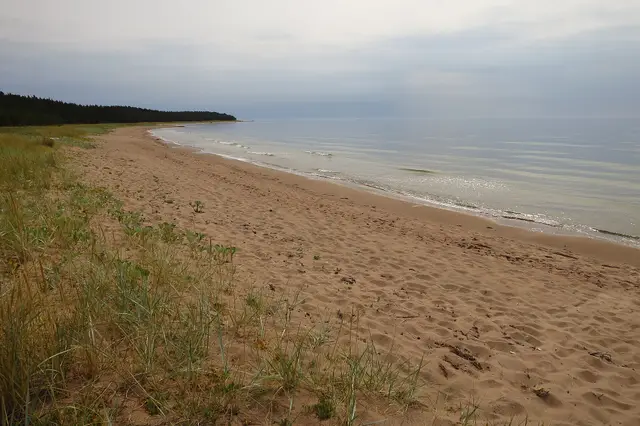
Photo: Marko Vainu · CC BY-SA 4.0 · Wikimedia Commons
Hiiu — Kõpu Peninsula, Hiiumaa
★★★★★crowding: No data
Coastal dune forests, ancient fossil bluffs, and calcareous spring fens on Western Estonia's oldest landmass.
Old-growth forestWild coastWetland
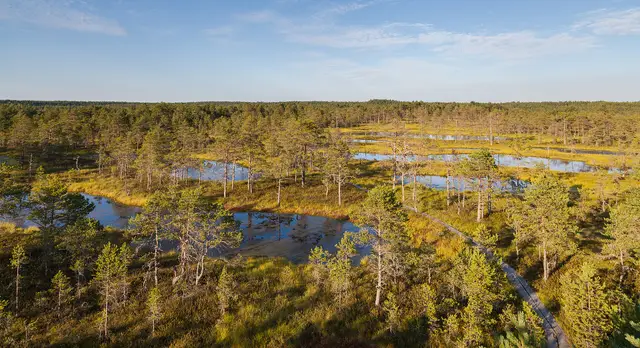
Photo: Diego Delso · CC BY-SA 3.0 · Wikimedia Commons
Lääne-Virumaa / Harjumaa (Palmse / Käsmu)
★★★★★crowding: Low
Estonia's oldest National Park (1971), protecting 4 Baltic peninsulas, boreal pine taiga, and the Viru bog.
Old-growth forestWild coastWetland
Nouvelle-Aquitaine / Pays de la Loire (Vendée / Charente-Maritime)
★★★★★crowding: Low
The "Green Venice", France's second-largest wetland expanse criss-crossed by an intricate network of tree-lined canals.
WetlandWild coast
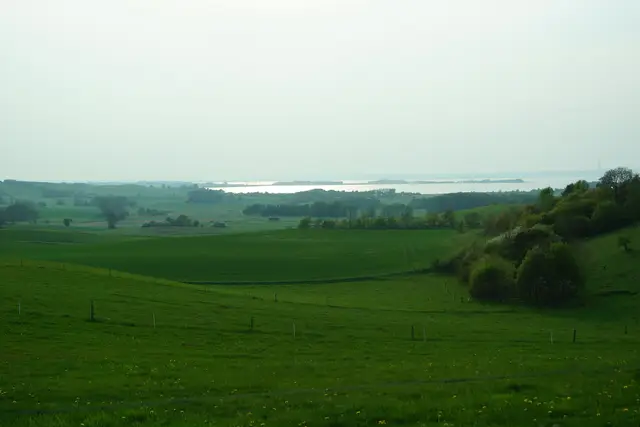
Photo: Sebastian Nils · CC BY-SA 3.0 · Wikimedia Commons
Central Jutland (Syddjurs / Ebeltoft)
★★★★★crowding: Low
Hummocky glacial moraines and dry ice-age heathland sloping down towards the fjords of the Djursland peninsula.
Steppe and grasslandWild coastOld-growth forest
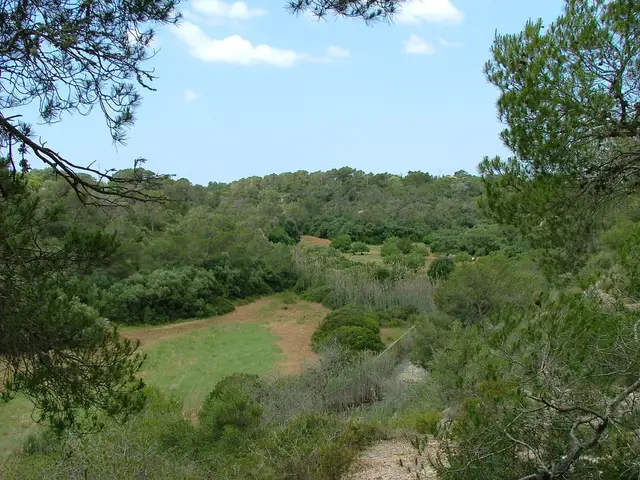
Photo: diba · CC BY-SA 2.0 de · Wikimedia Commons
Balearic Islands (Mallorca / Santanyí)
★★★★★crowding: Moderate
White-sand coves nestled between coastal juniper groves, wild olive ravines and the freshwater wetlands of Ses Fonts de n’Alis.
Wild coastWetlandOld-growth forest
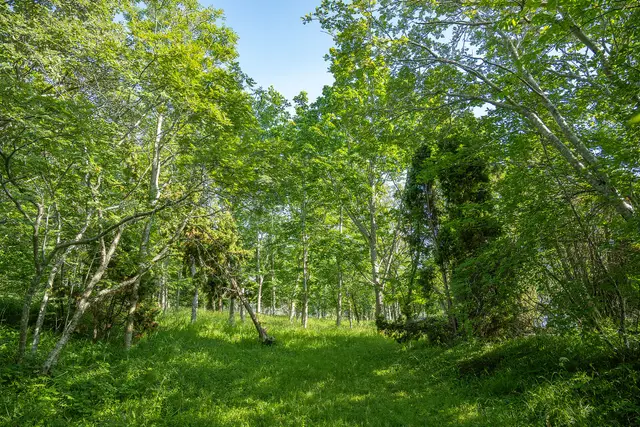
Photo: Håkan Skogsjö · CC BY-SA 4.0 · Wikimedia Commons
Åland — Nåtö and protected islets of Lemland and Mariehamn
★★★★★crowding: No data
Wooded meadows maintained through traditional management, ancient woodlands of Korsö and an old-growth yew forest on Jungfruskär.
Old-growth forestWetlandWild coastMarine
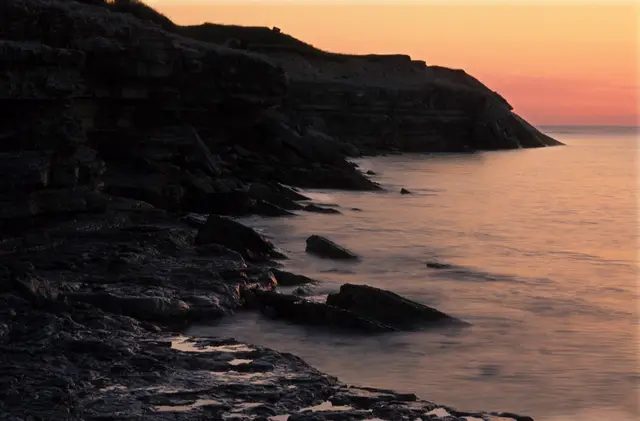
Photo: Tõnis Saadre · CC BY-SA 3.0 · Wikimedia Commons
Läänemaa — Lääne-Nigula, island of Osmussaar
★★★★★crowding: No data
Alvar grasslands and limestone coast shaped by the sea in a Baltic island reserve.
Wild coastSteppe and grasslandWetland
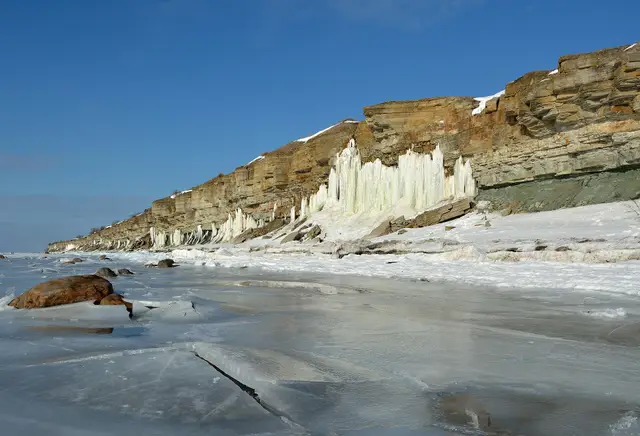
Photo: Ivar Leidus · CC BY-SA 3.0 · Wikimedia Commons
Harjumaa — Lääne-Harju, Pakri peninsula and islands
★★★★★crowding: No data
Sea cliffs and limestone formations in the reserve of the Pakri peninsula and islands.
Wild coastSteppe and grassland
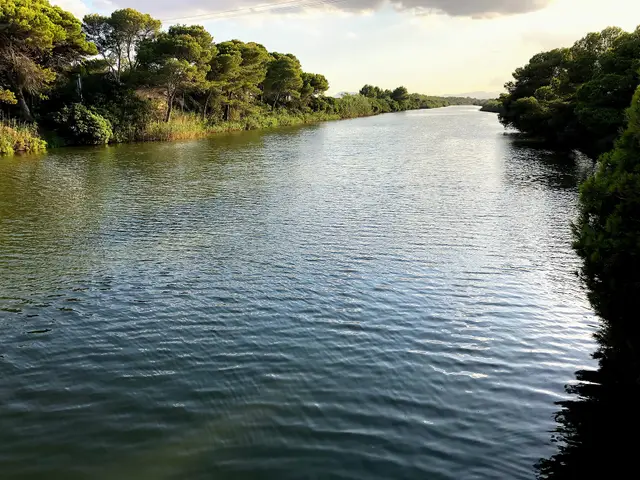
Photo: Wasquewhat · CC BY-SA 4.0 · Wikimedia Commons
Balearic Islands (Mallorca / Muro / Alcúdia / Sa Pobla)
★★★★★crowding: Low
The largest wetland in the Balearic Islands (1,700 ha), a lagoon of brackish reedbeds with outstanding bird observation hides in the Bay of Alcúdia.
WetlandWild coast
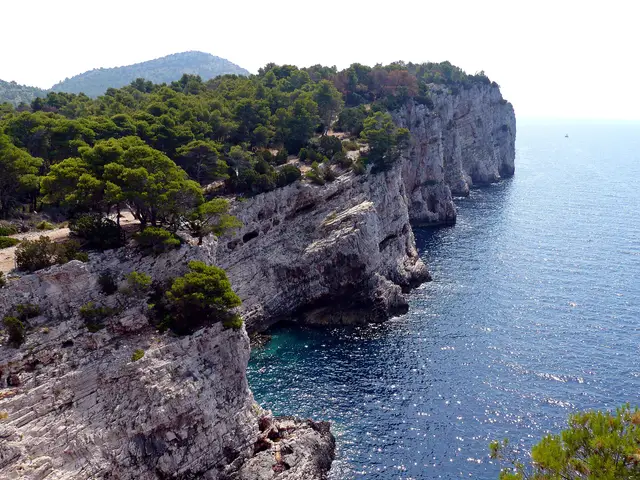
Photo: qwesy qwesy · CC BY 3.0 · Wikimedia Commons
Zadar (Dugi Otok Island)
★★★★★crowding: Moderate
Sea cliffs rising over 150 metres above the open Adriatic and the saltwater Lake Mir, at the southern tip of Dugi Otok.
Wild coastMarineLake
West Flanders (BE) / Zeeland (NL)
★★★★★crowding: Low
The 'International Bird Airport', a dynamic tidal maritime inlet straddling Belgium and the Netherlands.
Wild coastWetland