Białowieża National Park - Strict Reserve
Podlaskie Voivodeship (Białowieża)
★★★★★crowding: Moderate
The last lowland primeval forest of Central Europe, historic refuge of the European bison.
Primary forest
Virgin beech woods, fir forests and other ancient woodland where human hands have barely intervened.
70 places, with the highest reviewed ratings firstSee on the map →
Podlaskie Voivodeship (Białowieża)
★★★★★crowding: Moderate
The last lowland primeval forest of Central Europe, historic refuge of the European bison.
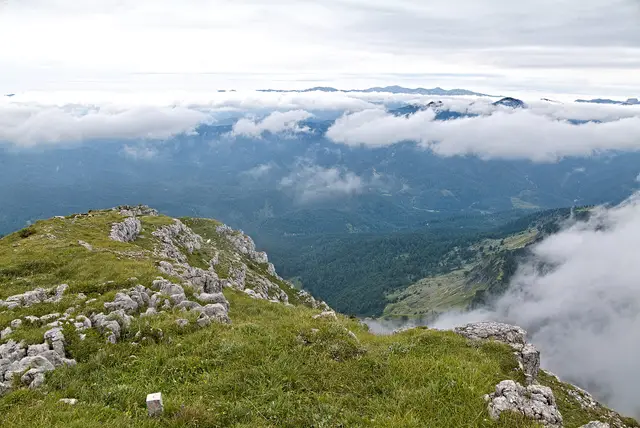
Photo: Leonhard Lenz · CC0 · Wikimedia Commons
Lower Austria (Ybbstal Alps)
★★★★★crowding: Very low
The largest unmanaged primeval forest in the Central Alps (Rothwald), UNESCO World Heritage site.
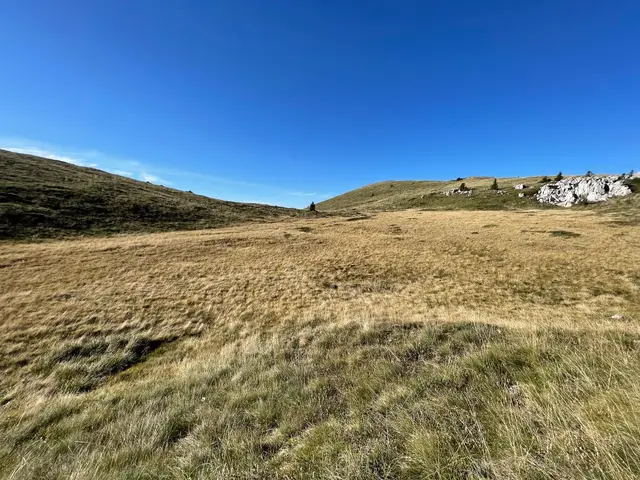
Photo: StarDroid 5000 · CC BY-SA 4.0 · Wikimedia Commons
Lika-Senj County (Sjeverni Velebit)
★★★★★crowding: Very low
Dantesque labyrinth of limestone monoliths and abyssal karst pits such as Lukina Jama (1,431 m deep).
Prešov Region (Poloniny National Park)
★★★★★crowding: Very low
Virgin beech forest with record-breaking trees exceeding 50 metres in height in the Eastern Carpathians.
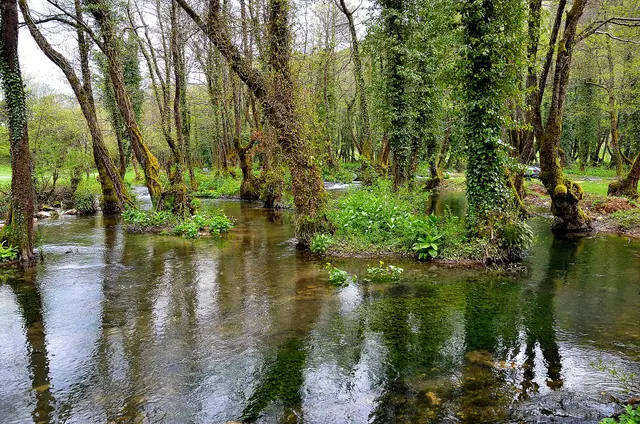
Photo: Dusan2015 · CC BY-SA 4.0 · Wikimedia Commons
Republika Srpska (Šipovo)
★★★★★crowding: Very low
Strict karst reserve of fir, beech, and spruce inscribed as a UNESCO World Heritage site.
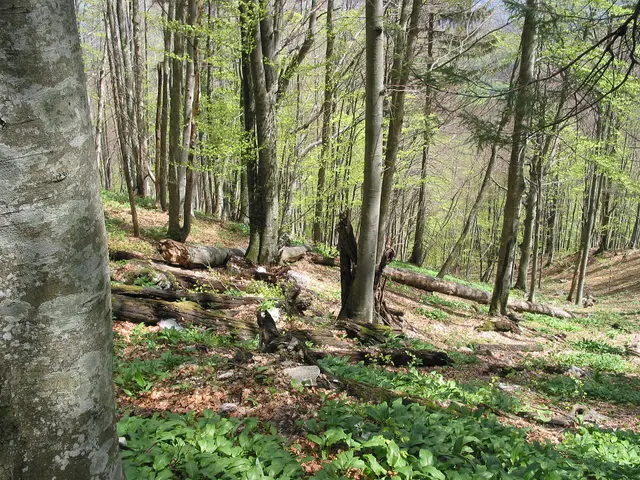
Photo: Ljuba brank · CC BY-SA 3.0 · Wikimedia Commons
Southeast Slovenia (Borovška Gora Mountains / Kočevje Municipality / Kolpa River Basin)
★★★★★crowding: Very low
Primeval beech forest of Kočevsko, inscribed on the UNESCO World Heritage list, observed from the perimeter trail.
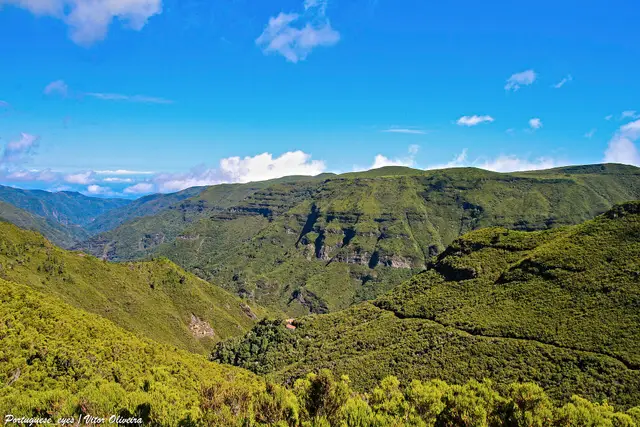
Photo: Vitor Oliveira from Torres Vedras, PORTUGAL · CC BY-SA 2.0 · Wikimedia Commons
Autonomous Region of Madeira (Madeira Island / Ribeiro Frio / Fanal / Porto Moniz)
★★★★★crowding: Low
The largest surviving tract of relict Tertiary subtropical laurel forest in the world (UNESCO World Heritage).
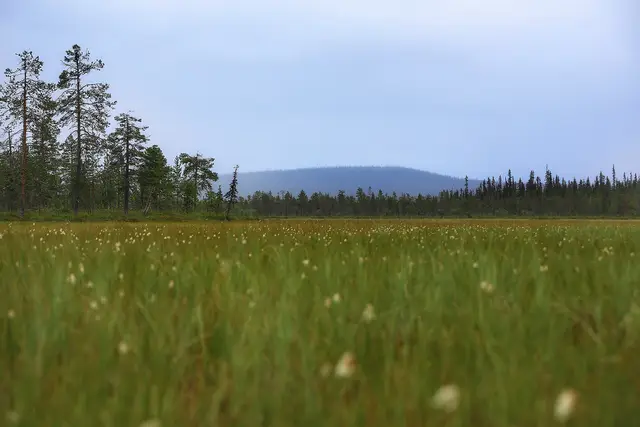
Photo: Jojoo64 · CC BY-SA 4.0 · Wikimedia Commons
Swedish Lapland / Norrbotten (Gällivare / Jokkmokk)
★★★★★crowding: Very low
The pristine realm of boreal taiga and untouched peatlands in Laponia (UNESCO World Heritage), famous for pines over 700 years old that survived historical forest fires.
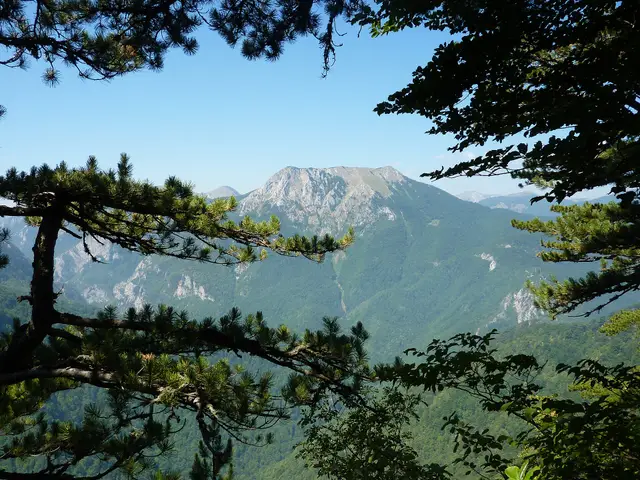
Photo: Erwan Martin from Plouzané, France · CC BY 2.0 · Wikimedia Commons
Republika Srpska (Foča / Maglić)
★★★★★crowding: Very low
The best-preserved beech and fir primeval forest in Southeastern Europe, with trees over 300 years old and the Skakavac waterfall.
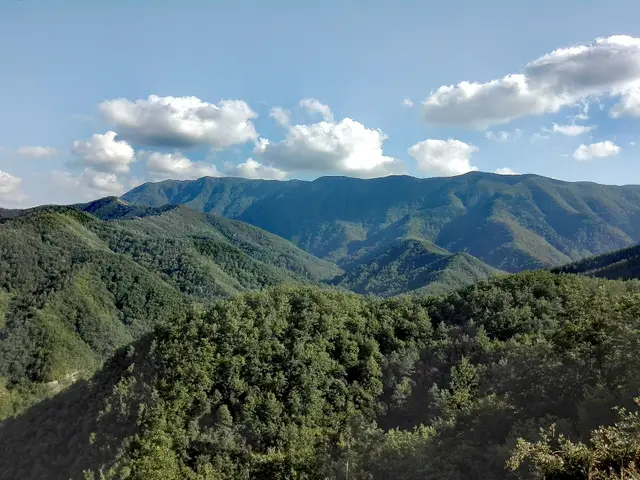
Photo: Nicola Andrucci · CC BY-SA 4.0 · Wikimedia Commons
Emilia-Romagna / Tuscany (Forlì-Cesena / Bagno di Romagna)
★★★★★crowding: None
The first Strict Nature Reserve established in Italy (1959), an intact primary beech forest over 500 years old untouched by logging.
Suceava County (Rarău Mountains)
★★★★★crowding: Very low
The 'Cathedral of the Firs', one of Romania's oldest mixed primeval forests of silver fir and European beech.
Maramureș County
★★★★★crowding: Very low
Continuous virgin beech forest of the Northern Carpathians designated as a UNESCO World Heritage site.
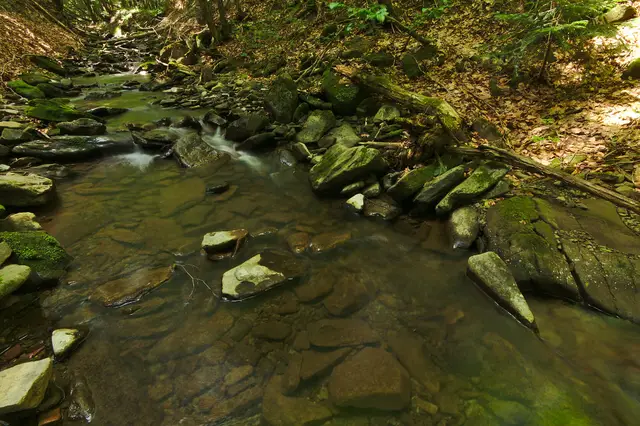
Photo: Jiří Komárek · CC BY-SA 4.0 · Wikimedia Commons
Prešov Region (Slovakia-Poland-Ukraine tripoint)
★★★★★crowding: Very low
Virgin mountain fir and beech forest at the meeting point of three Carpathian frontiers.
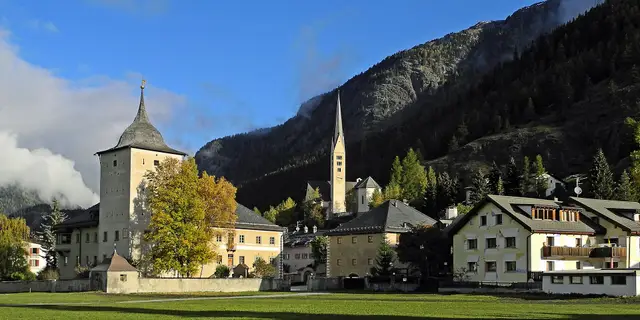
Photo: WillYs Fotowerkstatt · CC BY-SA 3.0 · Wikimedia Commons
Grisons (Zernez / Engadin)
★★★★★crowding: Low
The oldest National Park in the Alps (founded in 1914), a Strict Nature Reserve where all human intervention is forbidden.
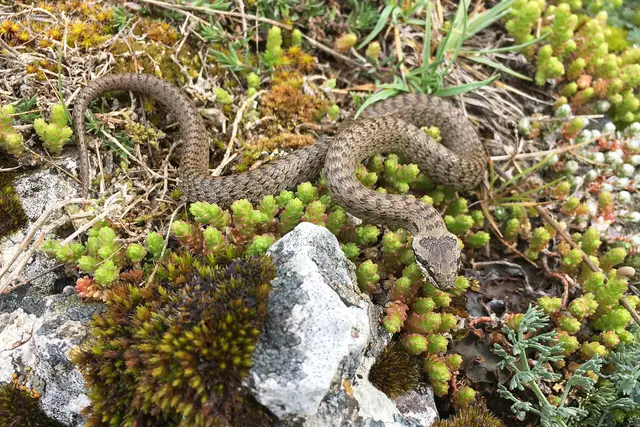
Photo: Bouke ten Cate · CC BY 4.0 · Wikimedia Commons
Abruzzo, Lazio and Molise regions (L'Aquila, Frosinone and Isernia provinces)
★★★★★crowding: Moderate
Sanctuary of the Marsican brown bear and Apennine wolf in primeval beechwoods and high alpine valleys of central Italy.
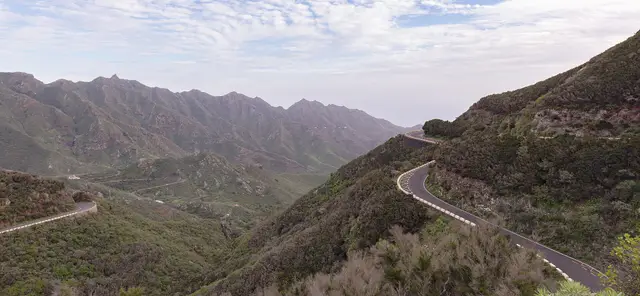
Photo: Diego Delso · CC BY-SA 4.0 · Wikimedia Commons
Canary Islands (Tenerife / Santa Cruz de Tenerife / La Laguna / Taganana)
★★★★★crowding: Low
Volcanic massif anchored 7 to 9 million years ago in north-eastern Tenerife, draped in laurel rainforest, razor-sharp ridges and isolated hamlets.
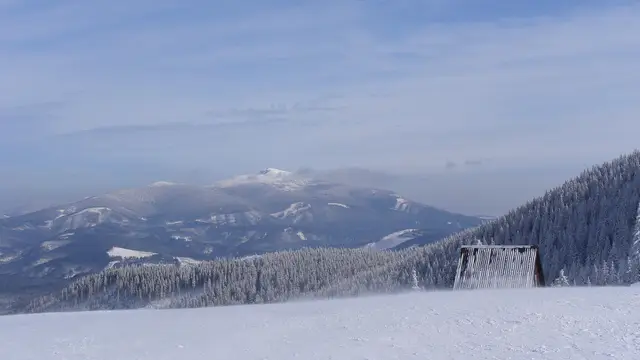
Photo: Pudelek · CC BY-SA 4.0 · Wikimedia Commons
Lesser Poland (Zawoja) (PL) / Žilina (SK)
★★★★★crowding: Low
The 'Queen of the Beskids' (Diablak 1,725 m), an isolated windswept massif exhibiting a complete Carpathian altitudinal vegetation gradient.
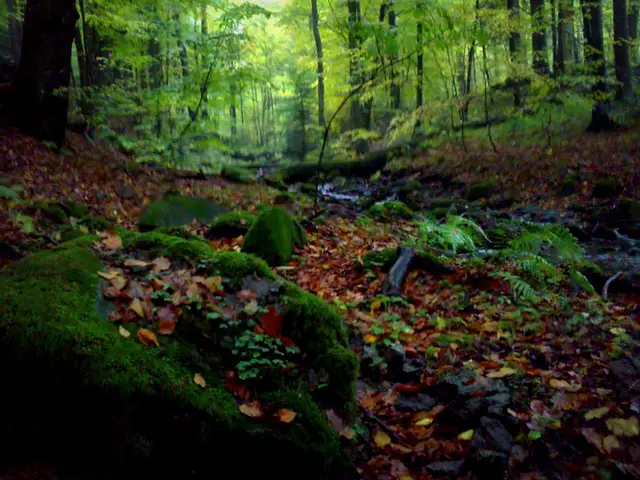
Photo: Gasparct · CC BY-SA 3.0 · Wikimedia Commons
Banská Bystrica (Badín / Banská Bystrica)
★★★★★crowding: None
Virgin fir and beech forest over 400 years old protected since 1913, famous for receiving an official visit by Charles III of the United Kingdom for its ecological value.
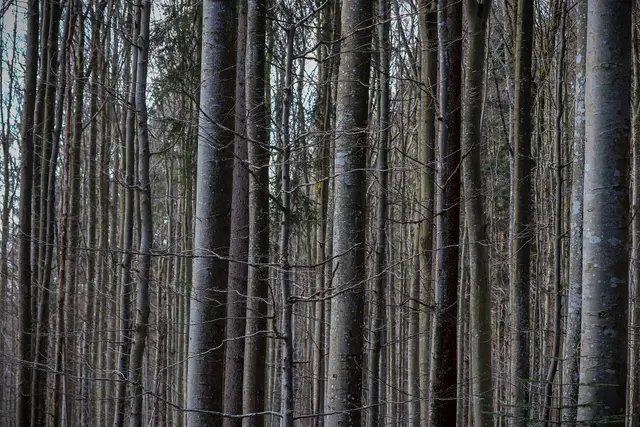
Photo: JakobRei · CC BY-SA 4.0 · Wikimedia Commons
Bavaria (Lower Bavaria / Grafenau)
★★★★★crowding: Low
Germany's first National Park (1970), forming alongside Šumava the largest unbroken forest tract in Central Europe.
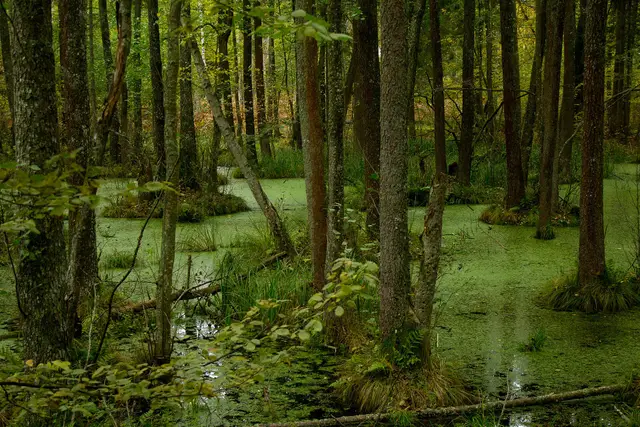
Photo: Hanna Lushchyk · CC BY-SA 4.0 · Wikimedia Commons
Brest and Grodno Voblasts
★★★★★crowding: Low
The largest portion of the primeval Białowieża Forest on Belarusian territory, sheltering Europe's largest free-roaming herd of bison.
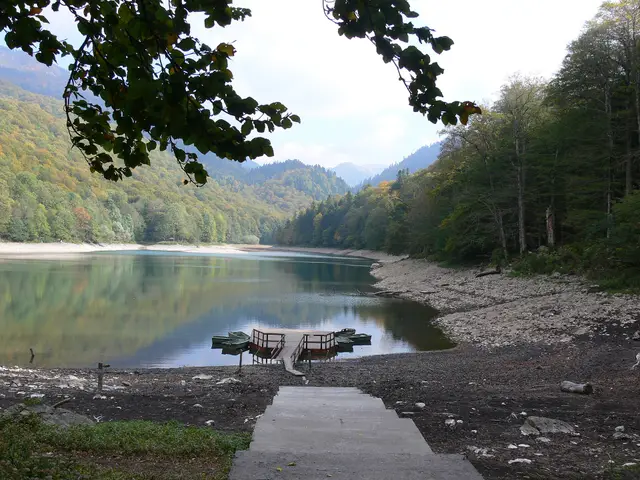
Photo: Wiki surfer bcr · Public domain · Wikimedia Commons
Municipalities of Kolašin, Mojkovac, and Berane
★★★★★crowding: Low
One of the last three primeval temperate rainforests in montane Europe wrapping around a pristine glacial lake.
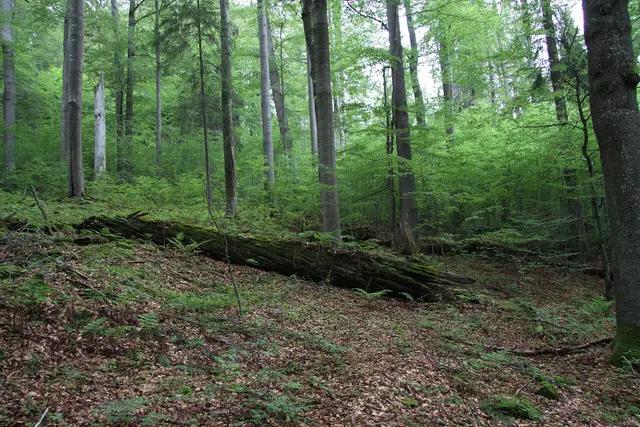
Photo: Chmee2 · CC BY 3.0 · Wikimedia Commons
South Bohemia (Vimperk / Šumava)
★★★★★crowding: Low
A virgin forest reserve designated in 1858 to rescue its 400-year-old firs and beeches from commercial exploitation.
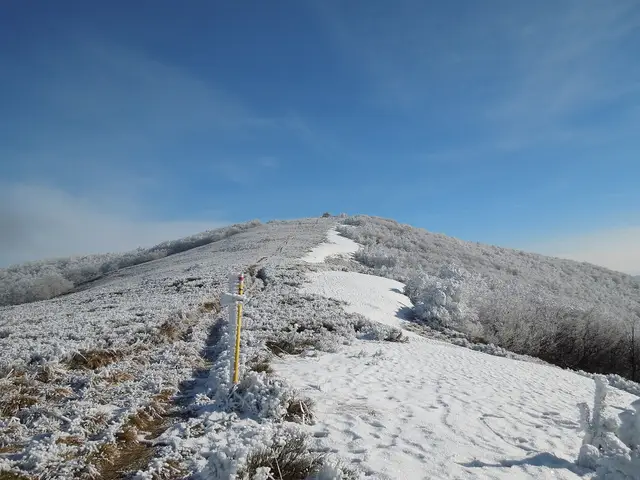
Photo: Milan Bališin · CC BY-SA 4.0 · Wikimedia Commons
Prešov Region (Snina District)
★★★★★crowding: Very low
Slovakia’s largest tract of virgin primeval beech forests contiguous with subalpine ridge meadows (poloniny).
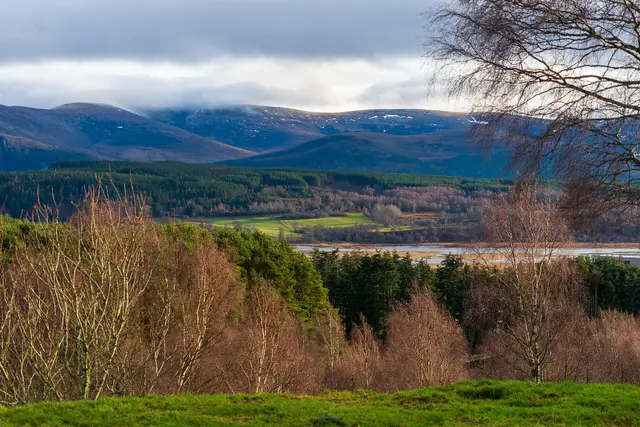
Photo: TXGemGem · CC BY-SA 4.0 · Wikimedia Commons
Scotland (Aviemore / Braemar / Speyside)
★★★★★crowding: Low
Britain's largest national park: subarctic plateau, remnants of the ancient Caledonian pine forest, and capercaillie.
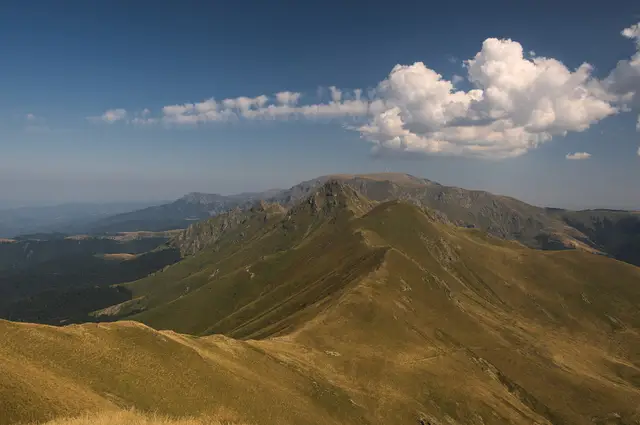
Photo: Derbeth · CC BY 4.0 · Wikimedia Commons
Lovech, Plovdiv, Stara Zagora and Gabrovo Provinces
★★★★★crowding: Very low
Nine strict nature reserves protecting the largest contiguous tract of unmanaged ancient beech forest in the Balkans.
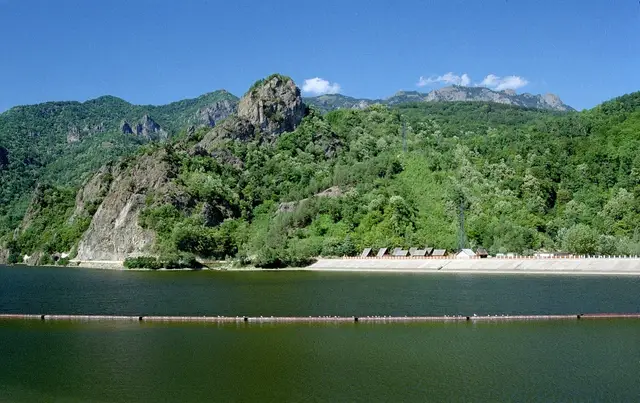
Photo: Petr Vodička · CC BY-SA 4.0 · Wikimedia Commons
Vâlcea County
★★★★★crowding: Low
Limestone crags and the Olt River gorge cloaked in virgin beech forests and high-altitude oak groves.
Banská Bystrica (Čierny Balog / Brezno)
★★★★★crowding: None
Strict Nature Reserve designated in 1913, one of Slovakia's oldest and best-protected mixed fir-beech primeval forests.
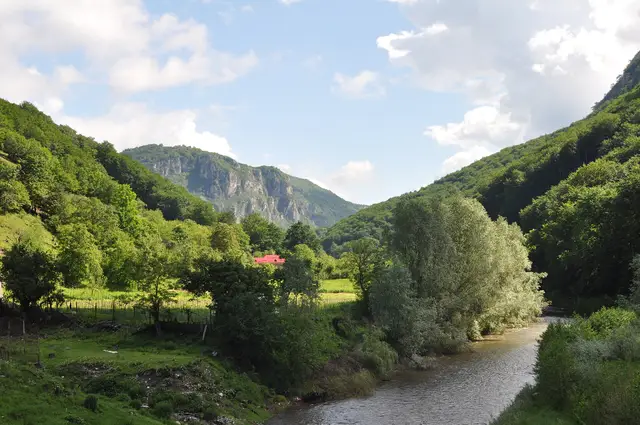
Photo: Flori & Nicu Farcaș · CC BY-SA 4.0 · Wikimedia Commons
Caraș-Severin, Mehedinți, and Gorj Counties
★★★★★crowding: Very low
Deep tectonic canyon flanked by Banat black pine and catchments with virgin montane beech woods.
Autonomous Region of the Azores (Flores Island / Santa Cruz / Lajes das Flores)
★★★★★crowding: Very low
The 'Island of Water and Flowers', a UNESCO Biosphere Reserve on the North American tectonic plate with 7 crater lakes (Sete Lagoas) and the Poço da Ribeira do Ferreiro waterfall.
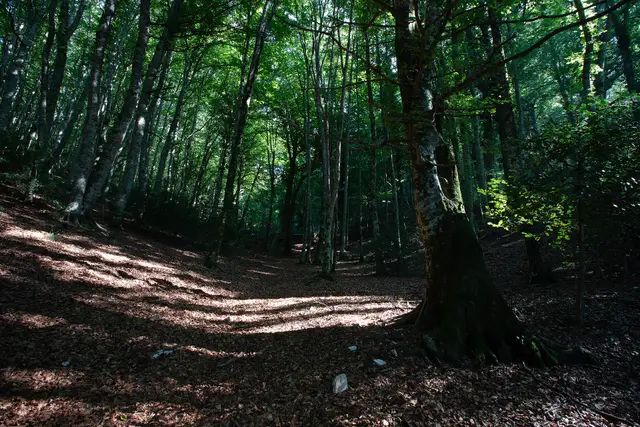
Photo: Pakycassano · CC BY-SA 4.0 · Wikimedia Commons
Puglia (Foggia / Vieste / Monte Sant'Angelo / Vico del Gargano)
★★★★★crowding: Low
Europe's most dazzling low-altitude primeval beech forest in Italy's 'spur of the boot' (UNESCO World Heritage).
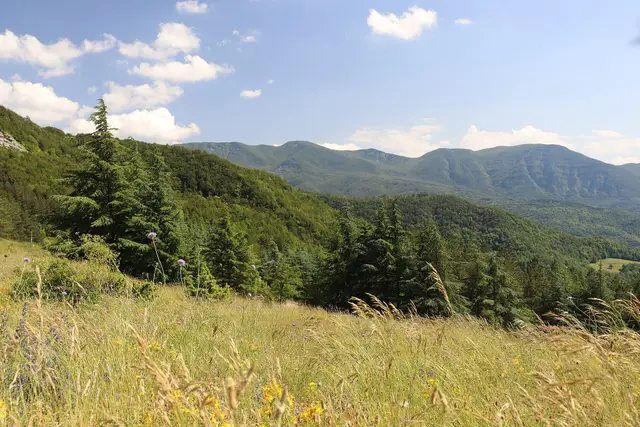
Photo: Vimy19 · CC BY-SA 4.0 · Wikimedia Commons
Tuscany / Emilia-Romagna (Arezzo / Florence / Forlì-Cesena / Pratovecchio)
★★★★★crowding: Low
One of the oldest and best-preserved forest tracts in Europe, cradling the source of the Arno River on Monte Falterona.
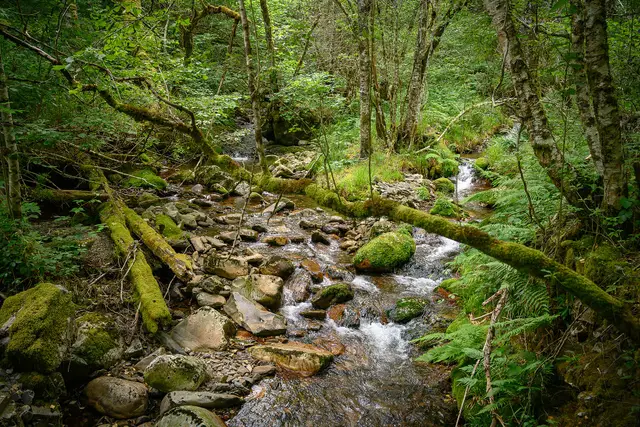
Photo: Teseum · CC BY-SA 4.0 · Wikimedia Commons
Asturias (Cangas del Narcea / Degaña / San Antolín de Ibias)
★★★★★crowding: Very low
The largest sessile oak (Quercus petraea) forest in Spain and one of the best preserved in Europe (Muniellos).
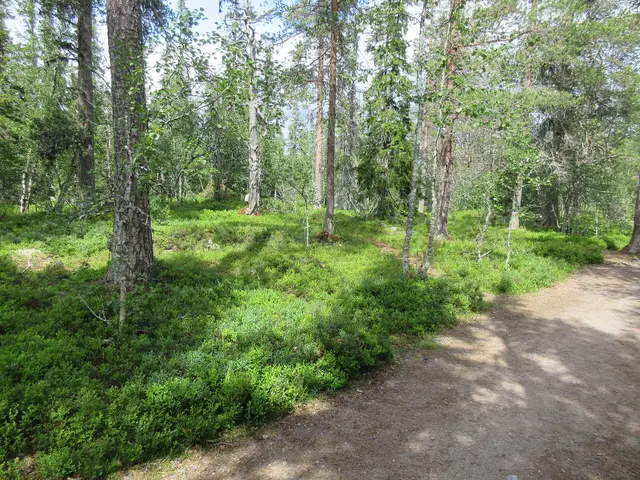
Photo: Bysmon · CC BY-SA 4.0 · Wikimedia Commons
Dalarna (Särna / Älvdalen)
★★★★★crowding: Low
Home to Old Tjikko (the planet's oldest known clonal tree at nearly 9,550 years old) and the Njupeskär waterfall (93 m).
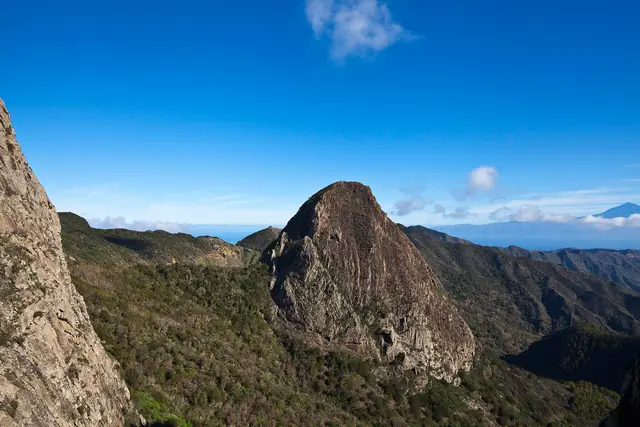
Photo: Diego Delso · CC BY-SA 3.0 · Wikimedia Commons
Canary Islands (La Gomera / Vallehermoso / Agulo / Hermigua)
★★★★★crowding: Low
The best-preserved relic of subtropical fossil laurisilva in Europe (UNESCO World Heritage), a forest continually kept humid by the mist of the trade winds.
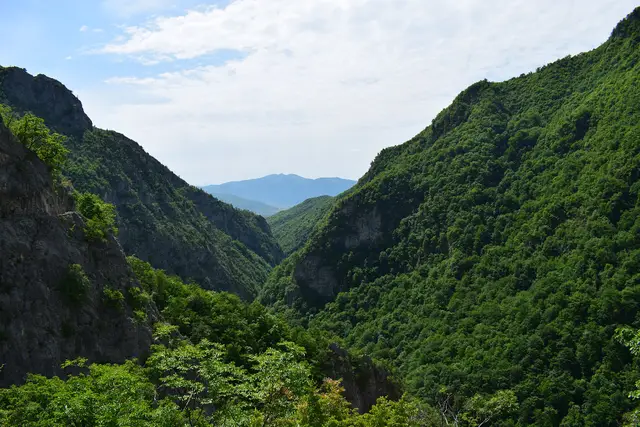
Photo: Mensur Gashi · CC BY-SA 4.0 · Wikimedia Commons
Tropojë District (Albanian Alps / Tropojë)
★★★★★crowding: Very low
Pristine glacial valley and undisturbed primeval beech forest designated a UNESCO World Heritage site in Albania.
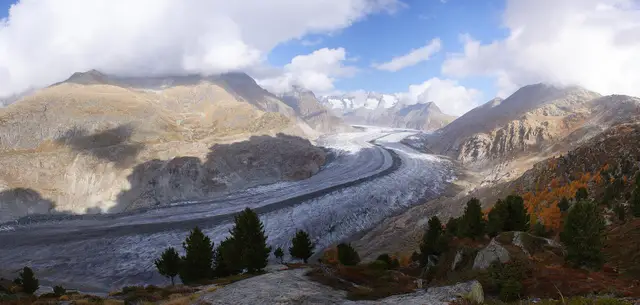
Photo: Gab01 · Public domain · Wikimedia Commons
Valais (Fiesch / Riederalp)
★★★★★crowding: Moderate
The largest glacier in the Alps (20 km long) bordered by ancient stone pine and larch stands in the Aletschwald.
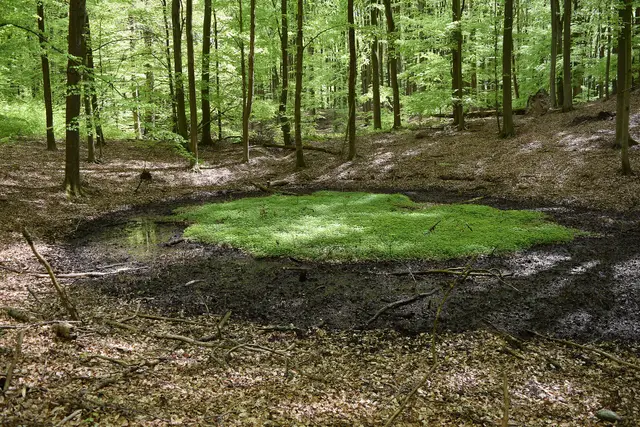
Photo: Fabian Wilske · CC BY-SA 3.0 · Wikimedia Commons
Brandenburg (Angermünde)
★★★★★crowding: Very low
Lowland glacial beech forest with moraine relief and interior mires protected by UNESCO.
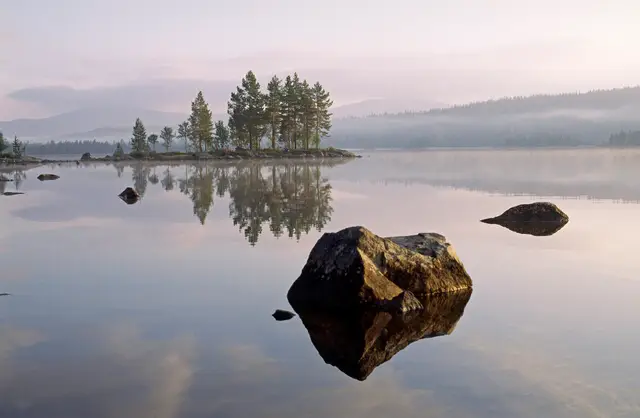
Photo: Peter Möllenkamp · CC BY-SA 3.0 · Wikimedia Commons
Innlandet (Engerdal / Femundsmarka)
★★★★★crowding: Very low
Norway's smallest National Park (23 km²), protecting an untouched primeval forest of Scots pine and centuries-old spruces.
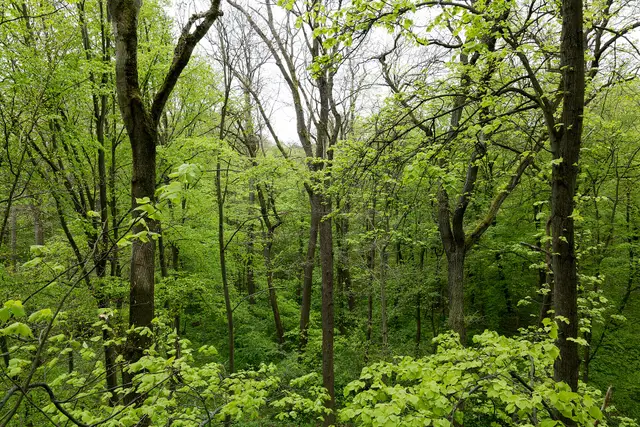
Photo: Dietmar Rabich · CC BY-SA 4.0 · Wikimedia Commons
Thuringia (Unstrut-Hainich-Kreis)
★★★★★crowding: Low
Ancient beechwoods rich in deadwood and former military training grounds where woodland regenerates, in Thuringia.
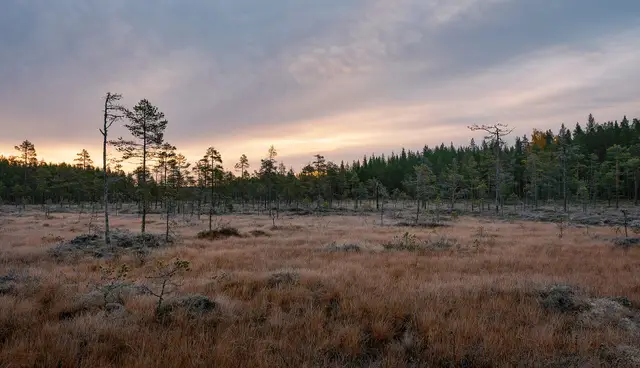
Photo: Kateryna Baiduzha · CC BY 4.0 · Wikimedia Commons
Gävleborg (Ljusdal / Fågelsjö)
★★★★★crowding: Very low
An island of 400-year-old primeval coniferous forest with untouched bogs in the Orsa Finnmark region.
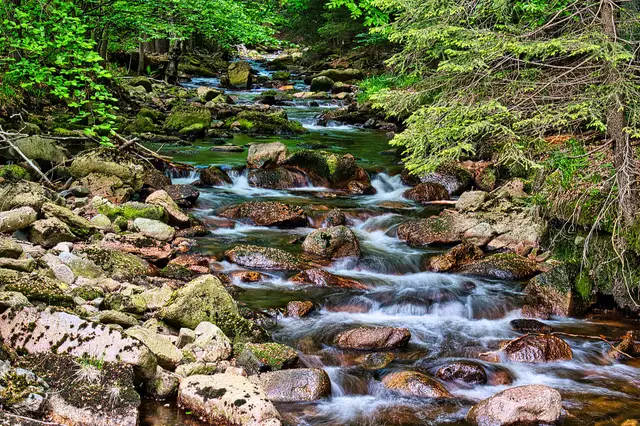
Photo: Matthias Trusheim · CC BY-SA 4.0 · Wikimedia Commons
Lower Saxony / Saxony-Anhalt (Wernigerode / Bad Harzburg)
★★★★★crowding: Moderate
Germany's northernmost mountain range, culminating in the legendary mist-shrouded summit of the Brocken.
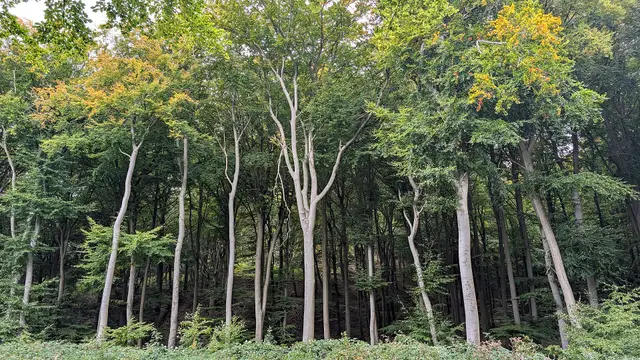
Photo: Siarhei Besarab · CC BY-SA 4.0 · Wikimedia Commons
Mecklenburg-Western Pomerania (Rügen Island)
★★★★★crowding: Moderate
Germany's smallest National Park, famed for gleaming white chalk cliffs plunging into the Baltic beneath ancient beechwoods.
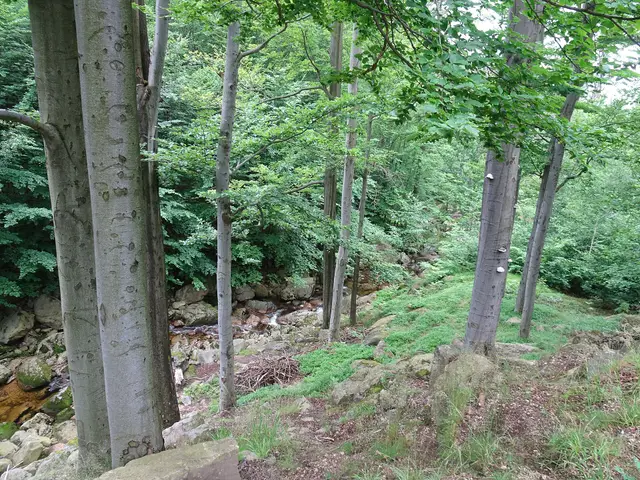
Photo: Palickap · CC BY-SA 4.0 · Wikimedia Commons
Liberec Region (Jizera Mountains)
★★★★★crowding: Low
Spectacular mountain slope clothed in ancient beechwoods with granite outcrops, inscribed by UNESCO.
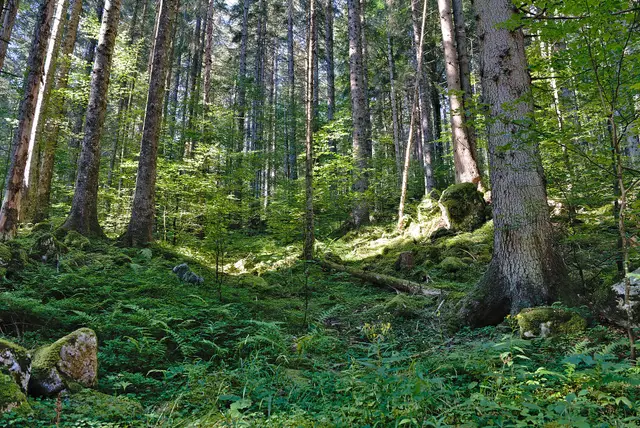
Photo: Leonhard Lenz · CC0 · Wikimedia Commons
Upper Austria (Steyr-Land / Kirchdorf)
★★★★★crowding: Low
Austria's largest contiguous tract of broadleaf forest and the grandest wilderness recovery area in the Northern Limestone Alps.
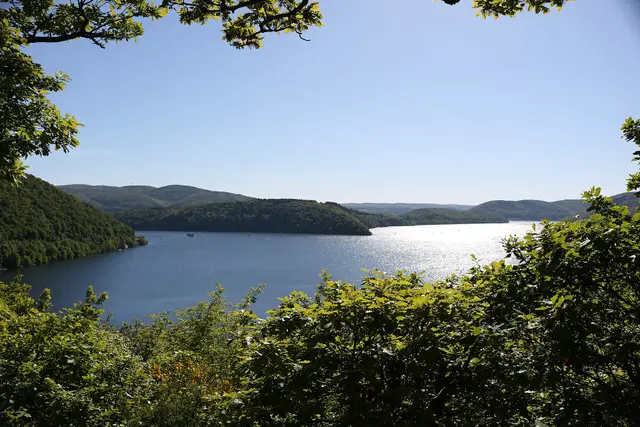
Photo: David Kalhöfer · CC BY-SA 4.0 · Wikimedia Commons
Hesse (Waldeck-Frankenberg)
★★★★★crowding: Low
One of Central Europe's last unfragmented montane beech forests on schist soils.
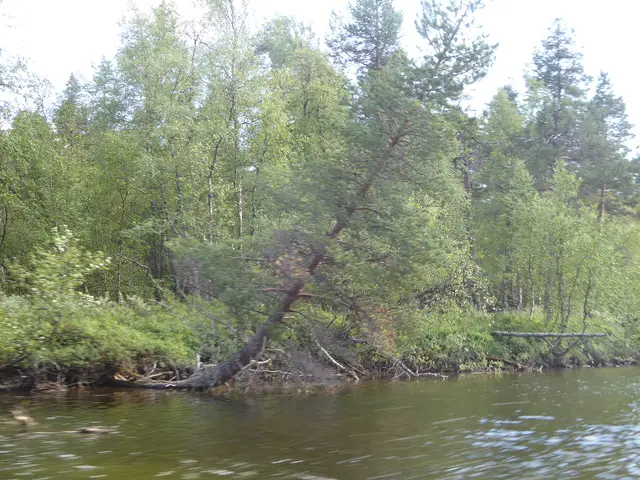
Photo: Nemo bis · CC BY-SA 4.0 · Wikimedia Commons
Finnish Lapland (Inari / Kittilä)
★★★★★crowding: Very low
The largest national park in Finland (2,860 km²), wild river valleys of primeval taiga and the legendary gold-bearing Lemmenjoki river.
Republika Srpska (Petrovac / Klekovača)
★★★★★crowding: Very low
Beech and fir reserve set upon the deep karstic terrain of Mount Klekovača.
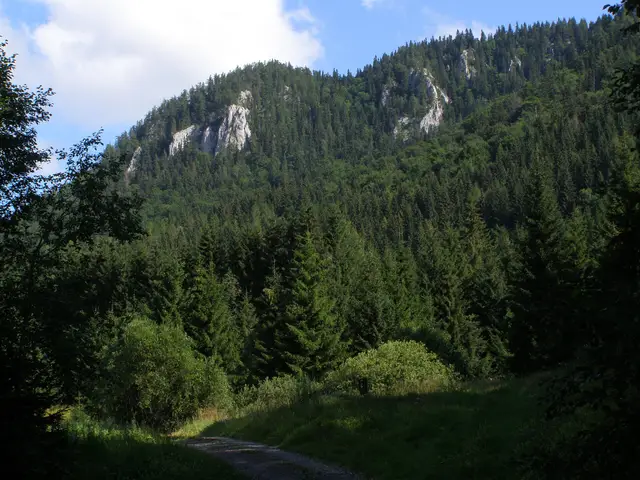
Photo: Daniel Baránek · CC BY-SA 3.0 · Wikimedia Commons
Banská Bystrica Region
★★★★★crowding: Very low
Karst plateau with limestone chasms, primeval beech woods, and meadows grazed by semi-feral mountain horses.
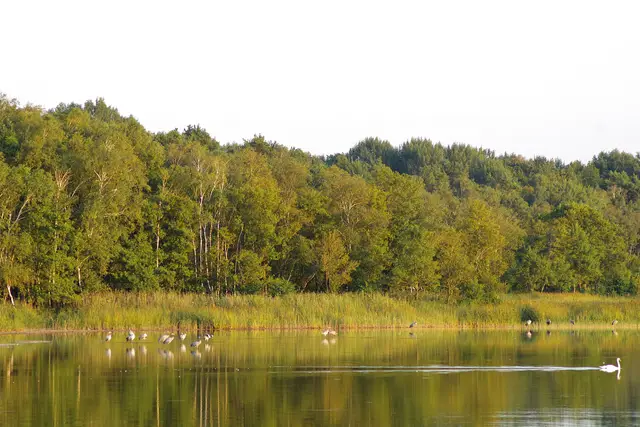
Photo: Lotte76 · CC BY-SA 4.0 · Wikimedia Commons
Mecklenburg-Western Pomerania (Neustrelitz)
★★★★★crowding: Low
Sector of Müritz National Park protected as a World Heritage site for its lowland primeval beech forests.
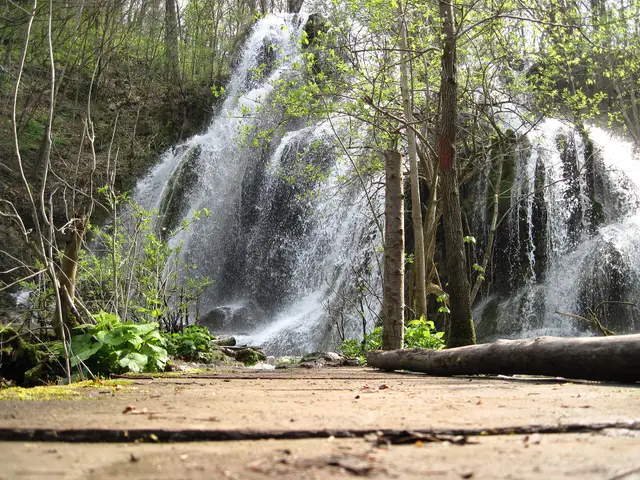
Photo: Mary03101983 · CC BY-SA 3.0 · Wikimedia Commons
Caraș-Severin County
★★★★★crowding: Low
Romania's longest limestone gorges with turquoise karst lakes and virgin sub-Mediterranean woodlands.
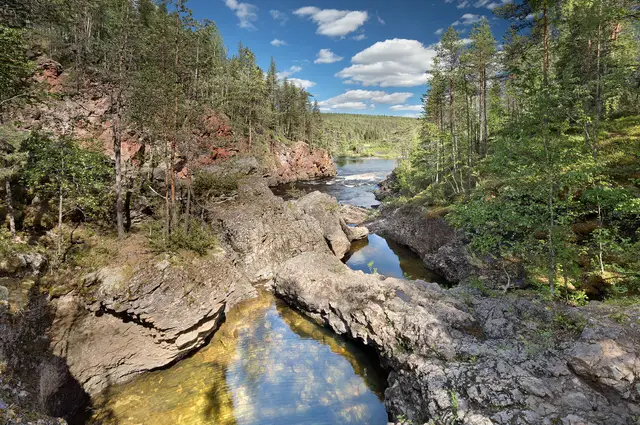
Photo: Ximonic (Simo Räsänen) · CC BY-SA 3.0 · Wikimedia Commons
Finnish Lapland / North Ostrobothnia (Kuusamo / Salla)
★★★★★crowding: Low
Torrential rivers carved into sandstone gorges and pristine boreal pine forests, crossed by suspension bridges along the Karhunkierros trail.
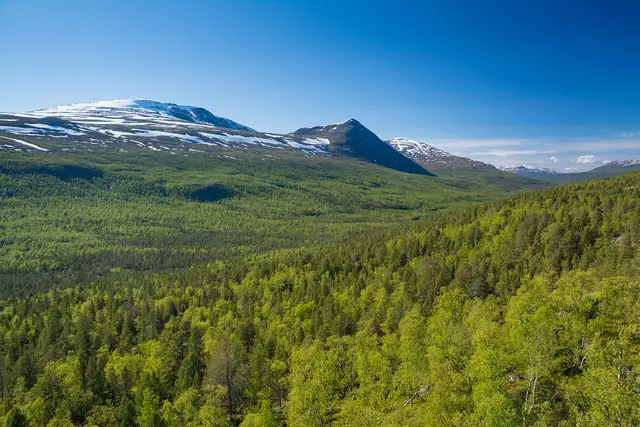
Photo: Kim Grønbæk Skytte · CC BY-SA 3.0 · Wikimedia Commons
Troms (Målselv / Øverbygd)
★★★★★crowding: Very low
One of the few European national parks where all four large Arctic predators stably coexist: brown bear, wolf, lynx, and wolverine.
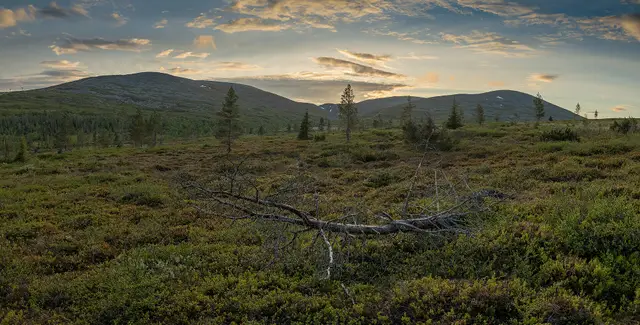
Photo: Ximonic (Simo Räsänen) · CC BY-SA 3.0 · Wikimedia Commons
Finnish Lapland (Enontekiö / Kittilä / Kolari / Muonio)
★★★★★crowding: Moderate
Finland's most visited national park (1.020 km²), a chain of tundra fell hills (tunturi) hosting the cleanest air measuring station on Earth (Sammaltunturi).
Finnmark (Sør-Varanger / Kirkenes / Svanvik)
★★★★★crowding: Very low
The westernmost edge of the primeval Siberian Scots pine taiga (Pinus sylvestris), harbouring Norway's highest brown bear density along the Russian border.
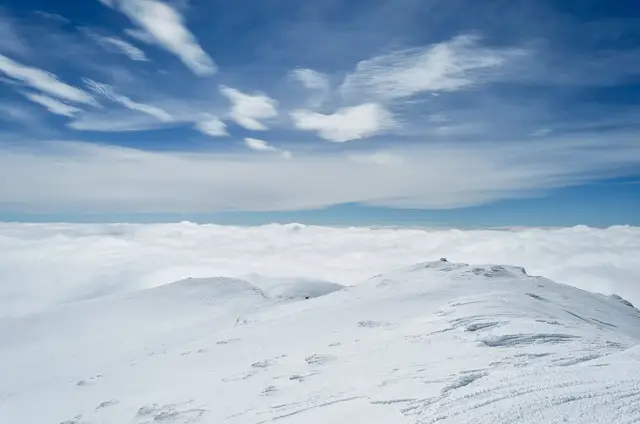
Photo: Шпиц · CC BY-SA 4.0 · Wikimedia Commons
Pelagonia (Bitola / Resen)
★★★★★crowding: Very low
The oldest national park in North Macedonia (1948), established to preserve primeval Macedonian pine (molika) forests.
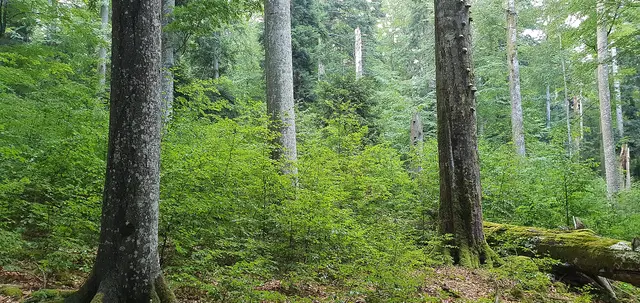
Photo: DuschanR · CC BY-SA 4.0 · Wikimedia Commons
Lower Carniola / Kočevsko (Kočevje / Semič)
★★★★★crowding: None
The strict forest reserve of Kočevsko set aside in 1892 by the Counts of Auersperg, featuring monumental silver firs soaring 50 m high (Queen of Rog).
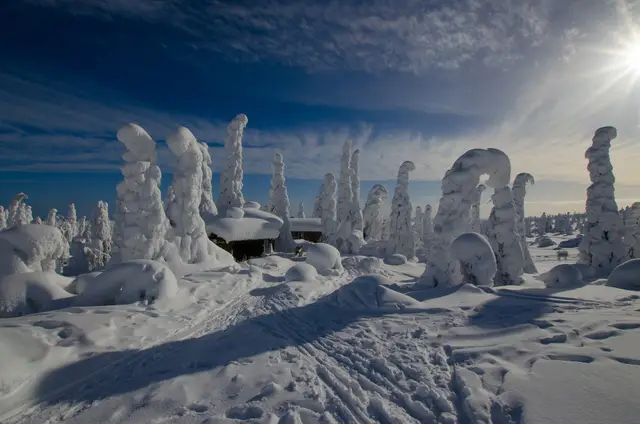
Photo: Tero Laakso from Hyvinkää, Finland · CC BY-SA 2.0 · Wikimedia Commons
Finnish Lapland (Posio / Kuusamo)
★★★★★crowding: Low
World-famous for heavy snow and hard frost formations on boreal spruce trees (tykky) across upland fells.
Prešov Region (Uličské Krivé)
★★★★★crowding: Very low
Dense montane primeval beech forest on steep karst slopes protected by UNESCO.
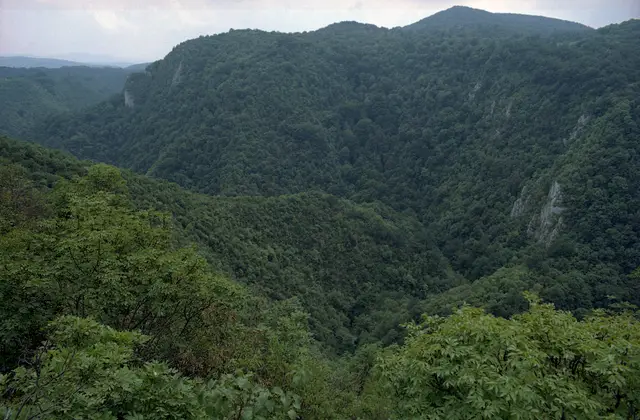
Photo: Petr Vodička · CC BY-SA 4.0 · Wikimedia Commons
Caraș-Severin County (Anina / Carașova)
★★★★★crowding: Very low
One of Romania's longest and wildest limestone gorges alongside relict virgin beech forests (Izvoarele Nerei).
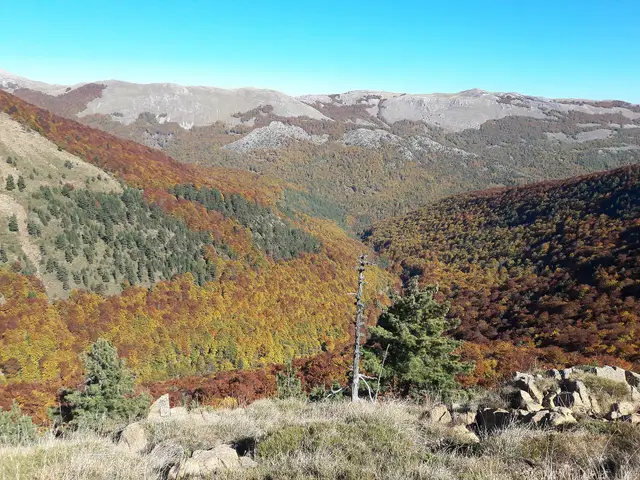
Photo: Albertkaleci · CC BY-SA 4.0 · Wikimedia Commons
Elbasan County (Librazhd)
★★★★★crowding: Very low
Primeval mountain beech forest on the border between Albania and North Macedonia, a UNESCO site.
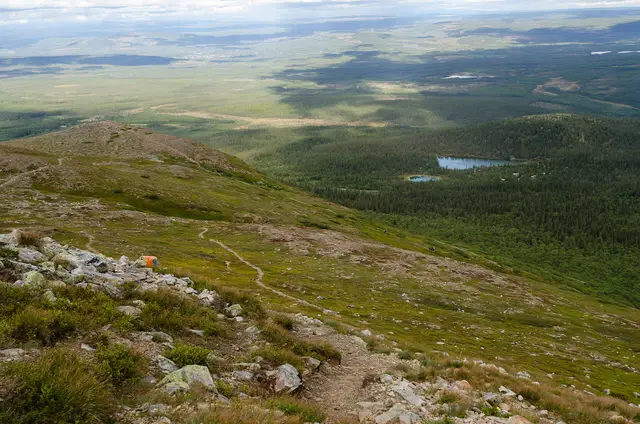
Photo: Arild Vågen · CC BY-SA 4.0 · Wikimedia Commons
Jämtland (Härjedalen / Hede)
★★★★★crowding: Very low
A solitary, isolated mountain in the heart of Sweden, an iconic historic sanctuary with one of the highest densities of brown bear (Ursus arctos) in the country.
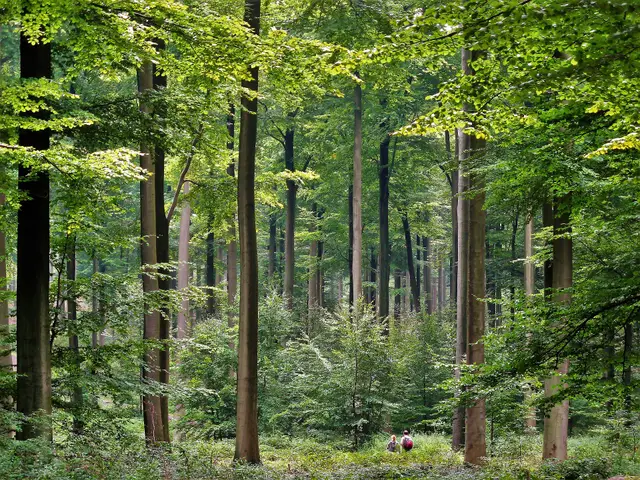
Photo: Donarreiskoffer · CC BY 3.0 · Wikimedia Commons
Brussels / Flanders / Wallonia
★★★★★crowding: Moderate
The 'Beech Cathedral', an ancient peri-urban forest at the gates of Brussels inscribed on the UNESCO list.
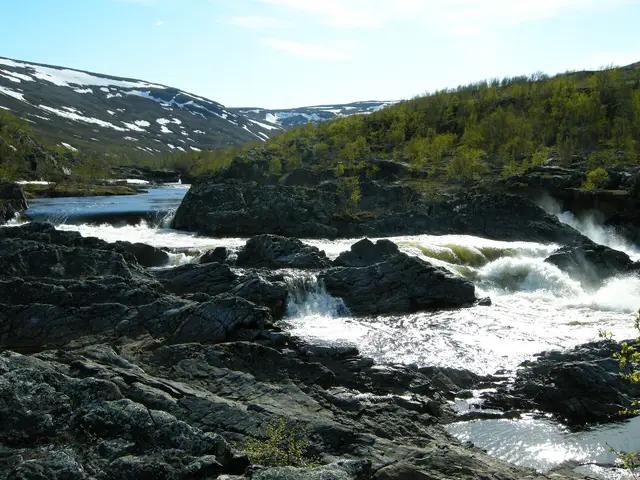
Photo: Arnstein Rønning · CC BY-SA 3.0 · Wikimedia Commons
Finnmark (Porsanger / Lakselv)
★★★★★crowding: Very low
Shelters the northernmost Scots pine forest (Pinus sylvestris) on Earth (Stabbursnes), tucked at 70° N along the shores of Porsangerfjorden.
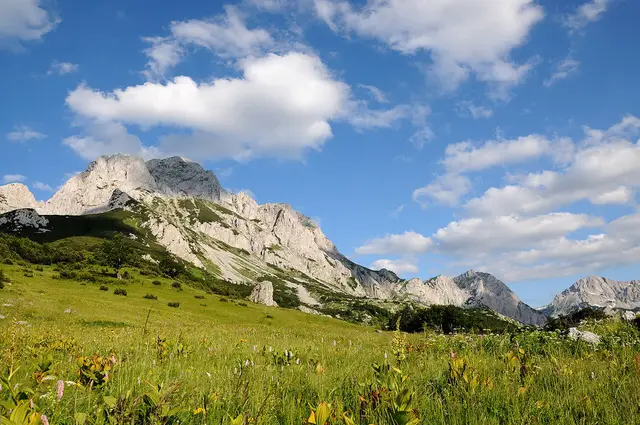
Photo: Darko Gavric · CC BY-SA 3.0 · Wikimedia Commons
Foča (BA) / Plužine (ME)
★★★★★crowding: Low
The highest summit in Bosnia and Herzegovina (Maglić 2.386 m) and the primeval forest reserve of Perućica.
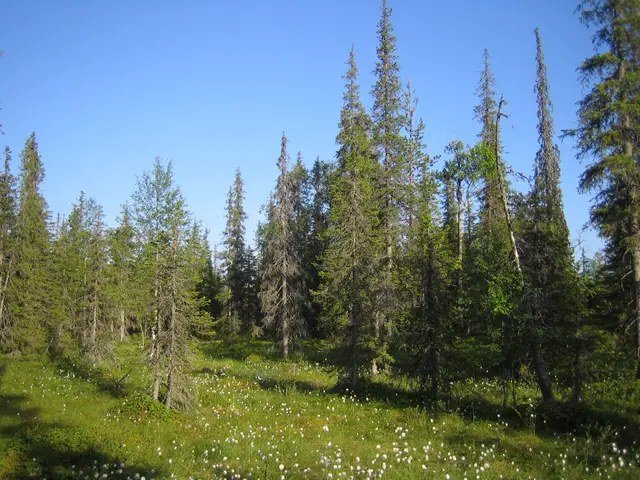
Photo: Original uploader was Hujane at fi.wikipedia · CC BY-SA 3.0 · Wikimedia Commons
Northern Ostrobothnia / Lapland (Pudasjärvi / Taivalkoski)
★★★★★crowding: Low
Old-growth mountain taiga and hanging hillside bogs (aapa bogs), refuge for the Siberian flying squirrel (Pteromys volans).
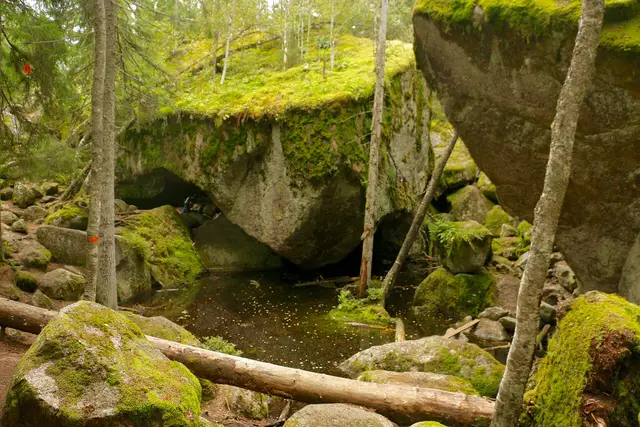
Photo: Silverkey (Mickaël Delcey) · CC BY-SA 4.0 · Wikimedia Commons
Västra Götaland / Örebro (Laxå / Karlsborg)
★★★★★crowding: Low
A chaotic wild maze of moss-cloaked granite boulder fields and centuries-old pines between lakes Vänern and Vättern.
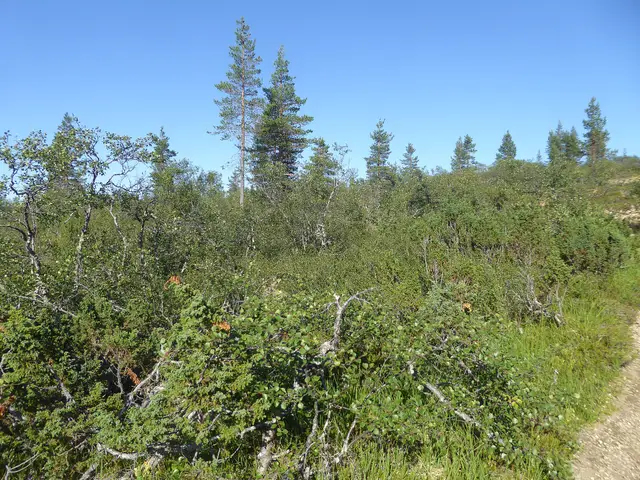
Photo: Nemo bis · CC BY-SA 4.0 · Wikimedia Commons
Finnish Lapland (Saariselkä / Inari / Sodankylä)
★★★★★crowding: Low
Finland’s second largest national park (2.550 km²), rounded arctic tundra fell-tops (tunturi), and wild trekking under the shadow of Sokosti (718 m).
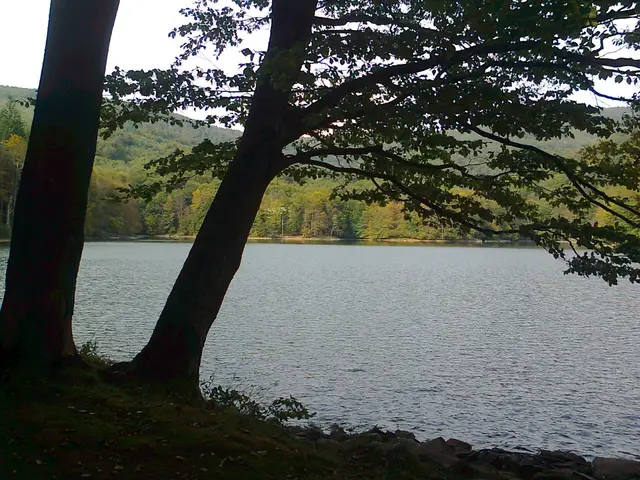
Photo: ZemplinTemplar · CC BY-SA 4.0 · Wikimedia Commons
Košice Region (Vihorlat Mountains)
★★★★★crowding: Low
Ancient virgin beech forest surrounding a naturally dammed volcanic caldera lake in the Carpathians.
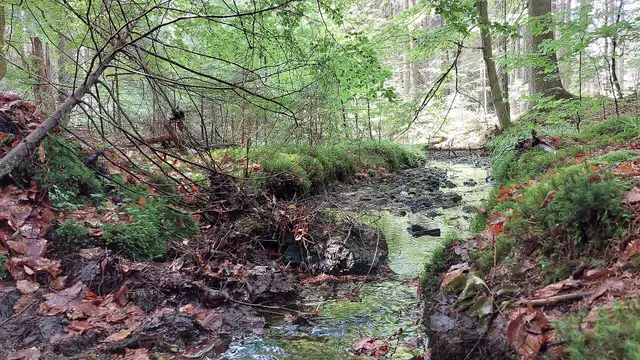
Photo: Chmee2 · CC BY-SA 4.0 · Wikimedia Commons
South Bohemia (Novohradské hory)
★★★★★crowding: None
The oldest strict forest reserve in continental Europe (declared protected in 1838 by Count Buquoy).
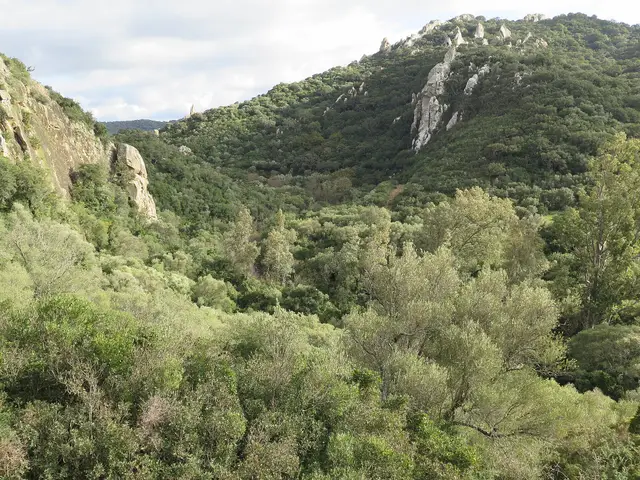
Photo: Jesús Pinilla · CC BY-SA 4.0 · Wikimedia Commons
Andalusia (Cádiz / Málaga / Alcalá de los Gazules / Jimena de la Frontera)
★★★★★crowding: Very low
The largest continuous cork oak forest on the Iberian Peninsula (170,000 ha) and humid ravines (canutos) preserving relict Tertiary laurel forest flora.
Habitats and crowding are the atlas's own assessments of each place; check access and conditions on each place's official website. How ratings work