Lakes and their shores.
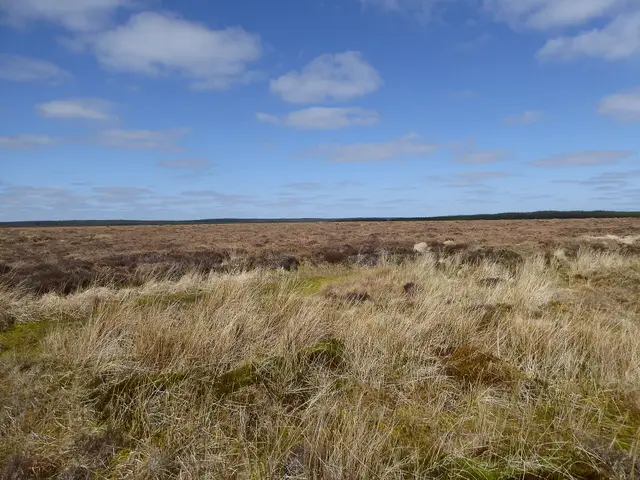
Photo: Mick Crawley · CC BY-SA 2.0 · Wikimedia Commons
Scotland (Caithness and Sutherland — Forsinard)
★★★★★crowding: None
Europe's largest blanket bog expanse, World Heritage site since 2024: an intricate expanse of pool complexes and sphagnum moss locking up carbon since the last Ice Age.
WetlandLake
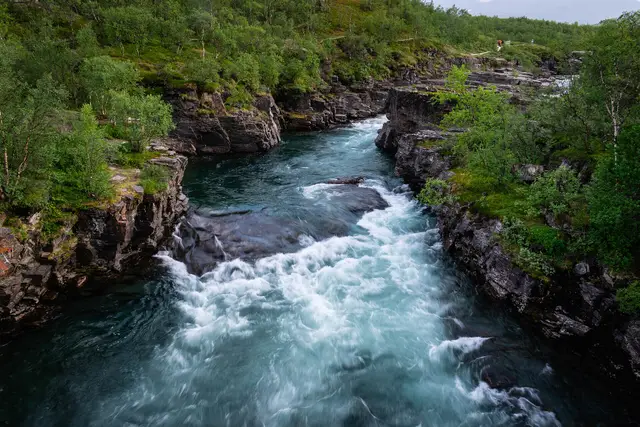
Photo: Ulfnilss · CC BY-SA 4.0 · Wikimedia Commons
Swedish Lapland / Norrbotten (Kiruna / Abisko)
★★★★★crowding: Moderate
The grand canyon of the Abiskojåkka emptying into Lake Torneträsk and the iconic mountain pass of Lapporten (The Gate of Lapland).
High mountainGorge and canyonLakeOld-growth forest
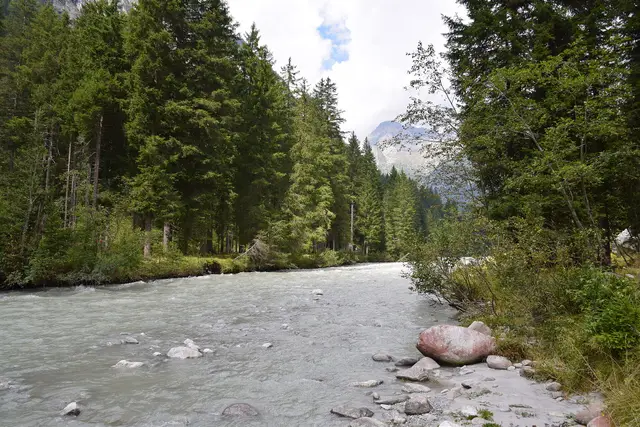
Photo: Elena749 · CC BY-SA 4.0 · Wikimedia Commons
Trentino (Pinzolo / Madonna di Campiglio / Tovel)
★★★★★crowding: Moderate
Two opposing geological worlds facing each other: the limestone spires of the Brenta Dolomites and the glaciated granite massif of the Adamello (home to Trentino's historic brown bear).
High mountainKarst and cavesGlacial landscapeLakeOld-growth forest
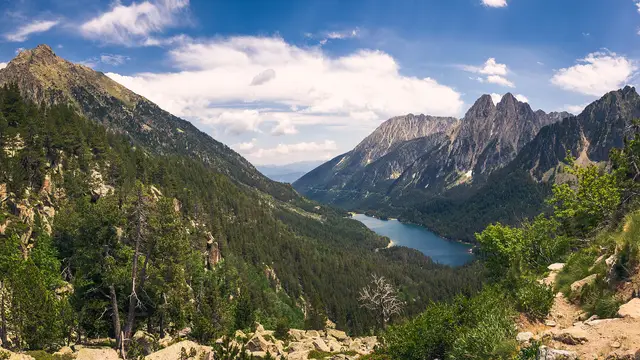
Photo: Jolaus · CC0 · Wikimedia Commons
Catalonia (Lleida)
★★★★★crowding: Moderate
The only National Park in Catalonia, a glacial circus wonderland harboring over 200 tarns (estanys) beneath the iconic twin summits of Els Encantats.
High mountainGlacial landscapeLakeOld-growth forest
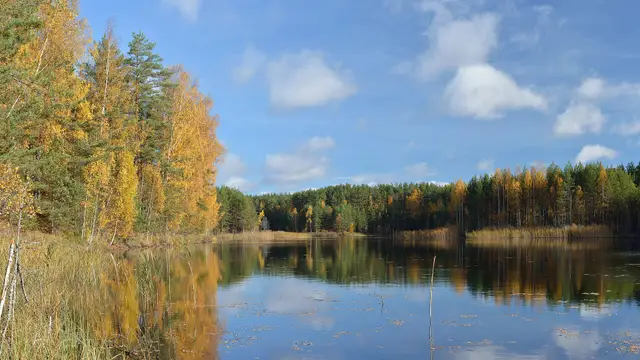
Photo: Ivar Leidus · CC BY-SA 3.0 · Wikimedia Commons
Ida-Virumaa (Iisaku / Alajõe)
★★★★★crowding: Very low
Estonia's youngest National Park (designated in 2018), an immense boreal wilderness of deep taiga and expansive mire complexes bordering Lake Peipus.
Old-growth forestWetlandLake
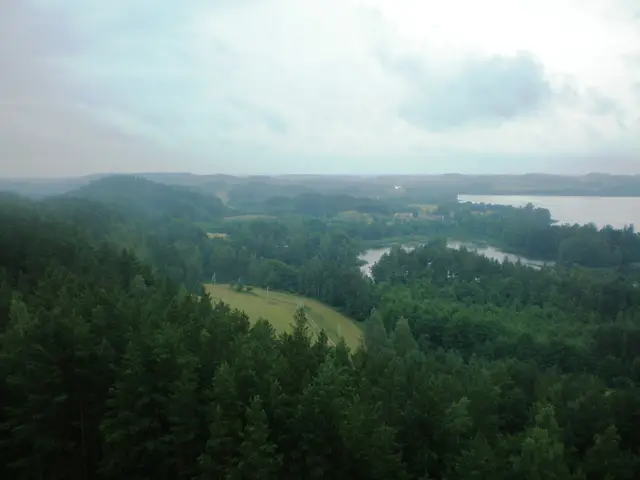
Photo: Hugo.arg · CC BY-SA 3.0 · Wikimedia Commons
Utena County (Ignalina / Palūšė)
★★★★★crowding: Low
Lithuania's oldest National Park (1974), an intricate maze of 126 glacial lakes interconnected by clear streams through boreal pine woods.
Old-growth forestLakeRiver corridor
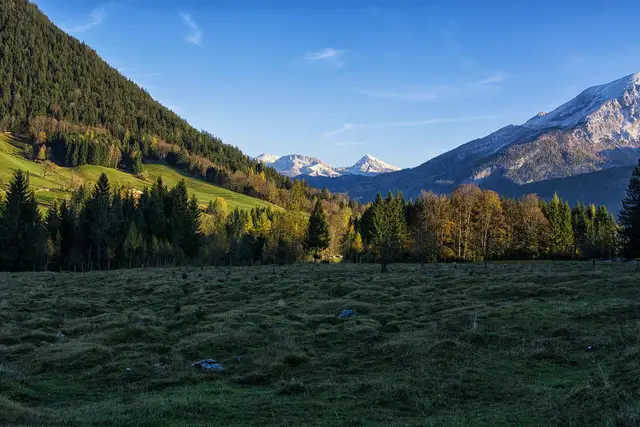
Photo: Andreas Gräwe · CC BY-SA 4.0 · Wikimedia Commons
Bavaria (Berchtesgaden) (DE) / Salzburg (AT)
★★★★★crowding: Moderate
Germany's only high-alpine National Park, dominated by mount Watzmann (2.713 m) and the fjord-like Königssee.
High mountainKarst and cavesLakeGlacial landscape
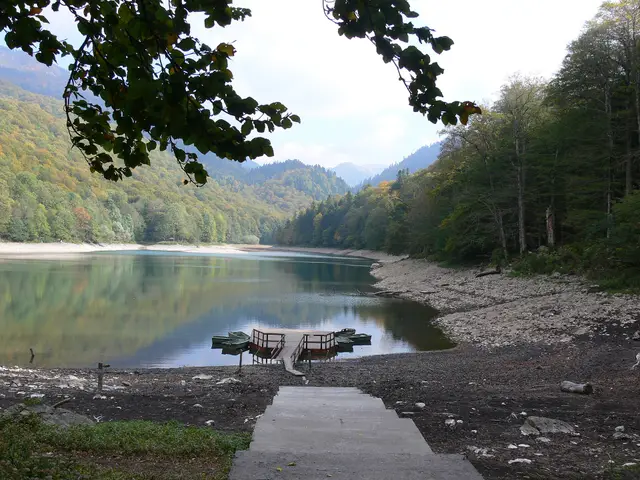
Photo: Wiki surfer bcr · Public domain · Wikimedia Commons
Municipalities of Kolašin, Mojkovac, and Berane
★★★★★crowding: Low
One of the last three primeval temperate rainforests in montane Europe wrapping around a pristine glacial lake.
Primary forestHigh mountainLake
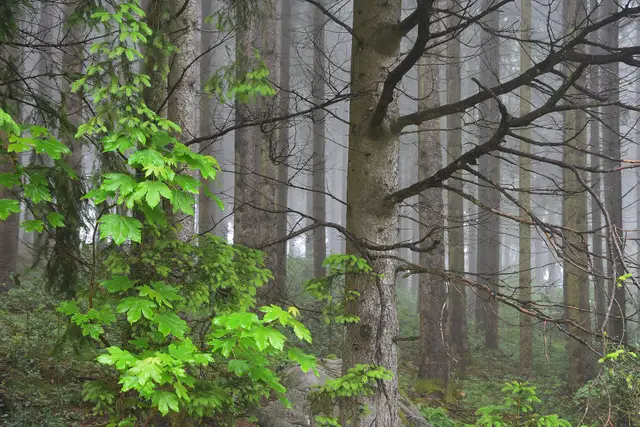
Photo: Josef A. Baumann · CC BY-SA 4.0 · Wikimedia Commons
Baden-Württemberg (Freudenstadt / Baden-Baden)
★★★★★crowding: Low
Baden-Württemberg's first National Park (created in 2014), protecting wild spruce and fir woodlands along red sandstone ridges.
Old-growth forestHigh mountainLake
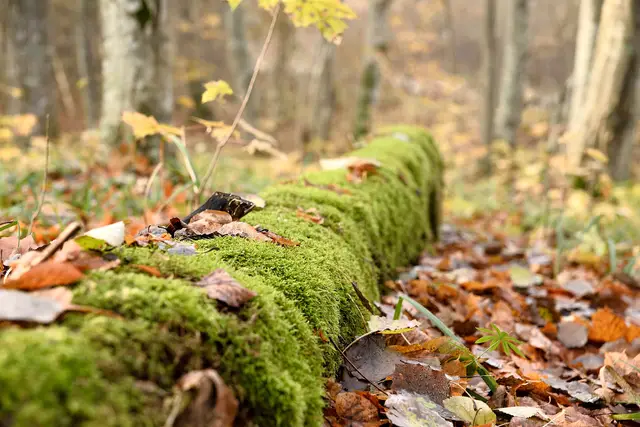
Photo: Bartosz Dworski · CC BY-SA 3.0 pl · Wikimedia Commons
Warmian-Masurian Voivodeship (Kruklanki)
★★★★★crowding: Very low
Diverse Masurian old-growth woodland harbouring a significant reintroduced free-ranging European bison population.
Old-growth forestLake
Trøndelag / Nordland (Hattfjelldal / Røyrvik)
★★★★★crowding: None
One of Scandinavia's purest trail-less wilderness sanctuaries, a core breeding haven for the Arctic fox (Vulpes lagopus).
High mountainWetlandOld-growth forestLake
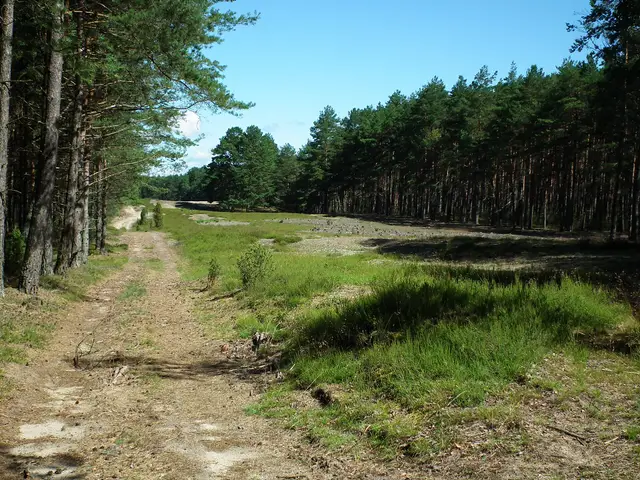
Photo: MOs810 · CC BY-SA 4.0 · Wikimedia Commons
Pomeranian Voivodeship (Charzykowy)
★★★★★crowding: Low
A vast expanse of Scots pine forests on outwash sands with lobed lakes of crystal-clear water.
Old-growth forestLake
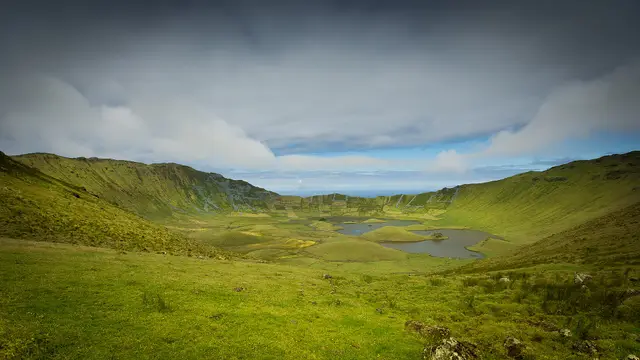
Photo: Paulo Valdivieso from Lisboa, Portugal · CC BY-SA 2.0 · Wikimedia Commons
Autonomous Region of the Azores (Corvo Island / Vila do Corvo)
★★★★★crowding: Very low
The smallest and most remote island of the Azorean archipelago (17 km²), dominated by the Caldeirão (volcanic collapse caldera holding two interior lagoons).
Wild coastMarineLake
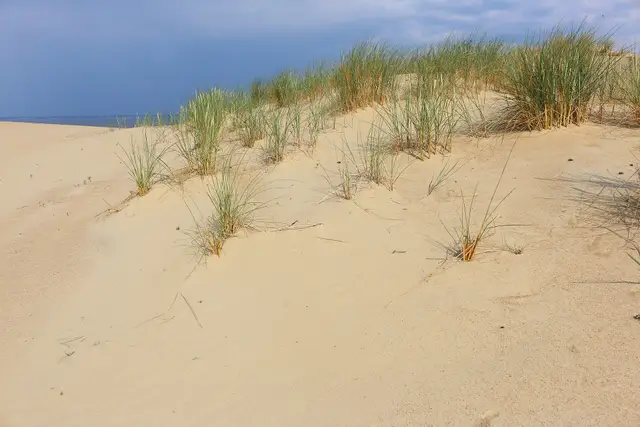
Photo: FrDr · CC BY-SA 4.0 · Wikimedia Commons
Klaipėda (Neringa — Nida / Juodkrantė)
★★★★★crowding: Moderate
A sandy spit nearly a hundred kilometres long between the Baltic and the Curonian Lagoon, boasting some of Europe's highest dunes.
Wild coastOld-growth forestLake
West Pomeranian, Lubusz, and Greater Poland Voivodeships
★★★★★crowding: Low
Deep oak and beech forests protecting the pristine canyon of the Drawa River.
Old-growth forestRiver corridorLake
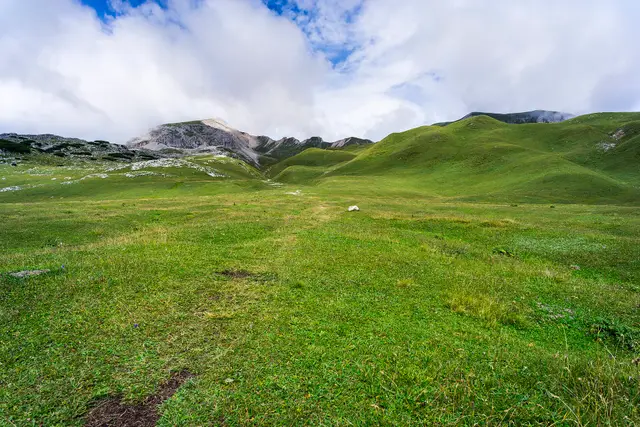
Photo: Alberto Restifo albertorestifo · CC0 · Wikimedia Commons
South Tyrol / Alto Adige (San Vigilio di Marebbe / Val Badia / Lago di Braies)
★★★★★crowding: Moderate
The idyllic turquoise waters of Lago di Braies and the desolate karst plateaus of Fanes and Sennes encircled by dolomitic amphitheatres.
High mountainKarst and cavesLakeOld-growth forest
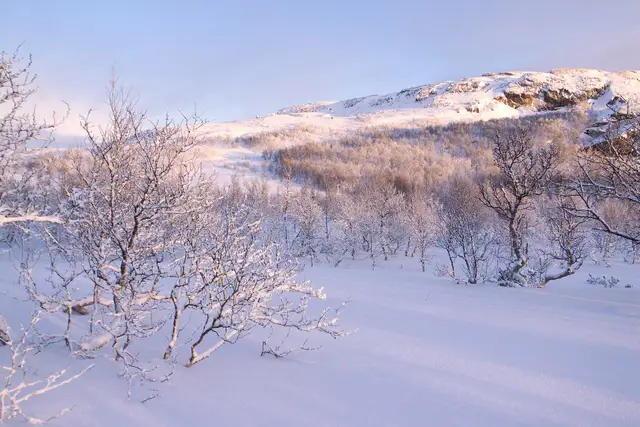
Photo: Aslak Raanes · CC BY 2.0 · Wikimedia Commons
Trøndelag and Innlandet Counties (Border with Sweden)
★★★★★crowding: Very low
A vast Arctic-alpine wilderness of boulder fields, ancient Scots pine forest, and an intricate labyrinth of canoeing lakes.
Old-growth forestLakeGlacial landscape
Autonomous Region of the Azores (Flores Island / Santa Cruz / Lajes das Flores)
★★★★★crowding: Very low
The 'Island of Water and Flowers', a UNESCO Biosphere Reserve on the North American tectonic plate with 7 crater lakes (Sete Lagoas) and the Poço da Ribeira do Ferreiro waterfall.
High mountainLakeWild coastPrimary forest
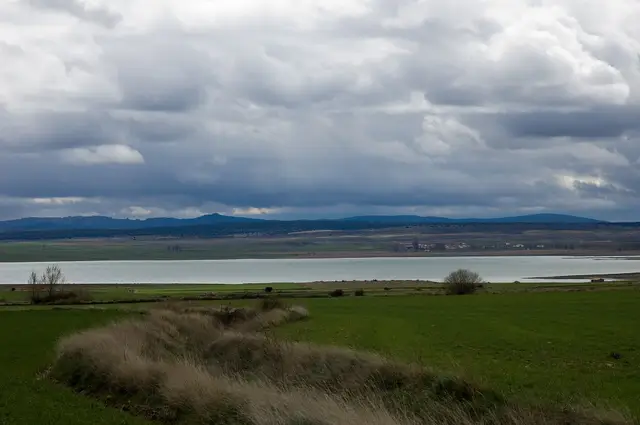
Photo: Jose Manuel Mota · CC BY 2.0 · Wikimedia Commons
Aragon / Castilla-La Mancha (Zaragoza / Teruel — Gallocanta / Bello)
★★★★★crowding: Low
Western Europe's largest saline lagoon and the Iberian Peninsula's foremost stopover for the common crane.
WetlandSteppe and grasslandLake
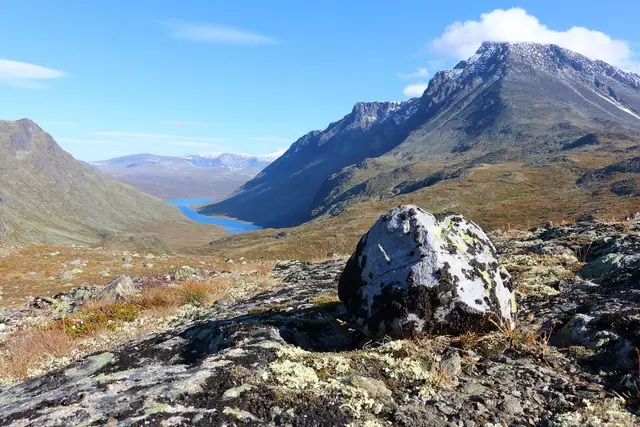
Photo: FrDr · CC BY-SA 4.0 · Wikimedia Commons
Innlandet / Vestland (Lom / Gjendesheim / Øvre Årdal)
★★★★★crowding: Moderate
The 'Home of the Giants' in Norse mythology, harboring Scandinavia's two highest peaks (Galdhøpiggen 2 469 m and Glittertind) and the legendary Besseggen ridge.
High mountainGlacial landscapeLake
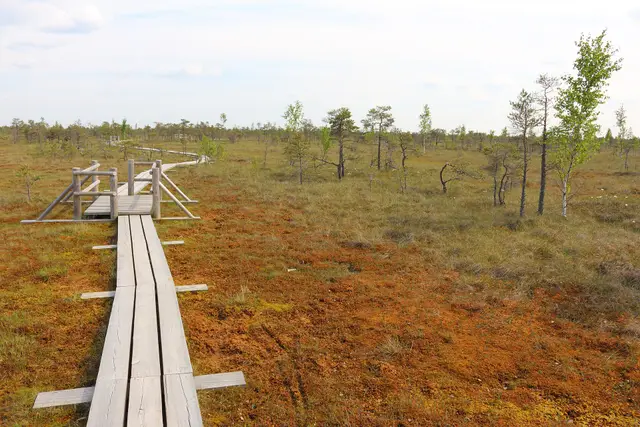
Photo: FrDr · CC BY-SA 4.0 · Wikimedia Commons
Latvia (Jūrmala / Tukums)
★★★★★crowding: Low
Raised bogs, swamp forests and coastal lagoons half an hour from Riga, featuring the Great Ķemeri Bog boardwalk.
WetlandWild coastOld-growth forestLake
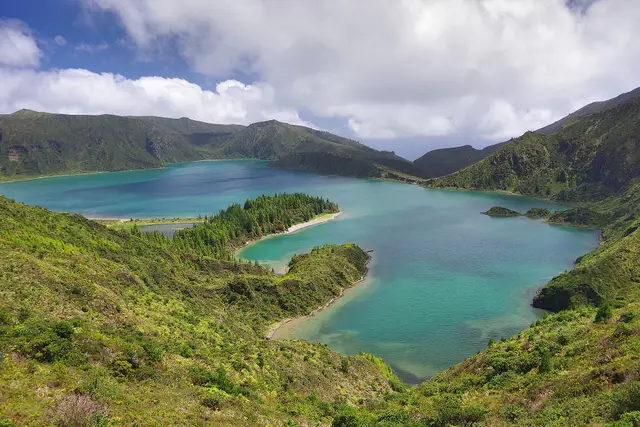
Photo: Jan Helebrant · CC0 · Wikimedia Commons
Autonomous Region of the Azores (São Miguel Island / Ribeira Grande / Lagoa)
★★★★★crowding: Moderate
Collapsed volcanic caldera cradling a turquoise lake ringed by endemic Azorean flora, free from buildings or roads along its shores.
LakeHigh mountainOld-growth forest
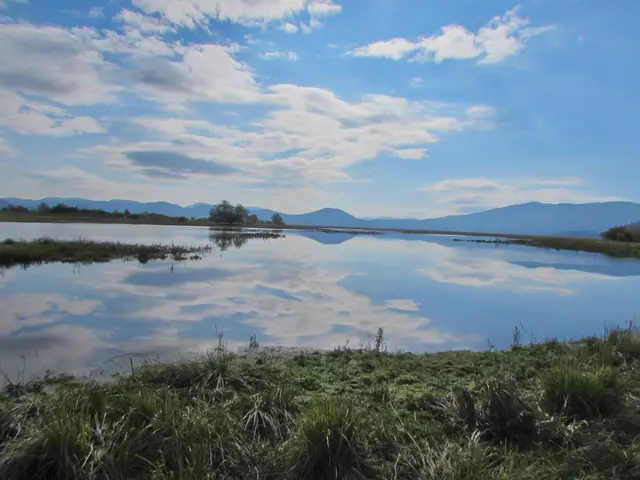
Photo: Ajznponar · CC0 · Wikimedia Commons
Inner Carniola (Cerknica)
★★★★★crowding: Low
Europe's largest intermittent lake, which fills and empties completely through underground karst sinkholes.
LakeKarst and cavesWetland
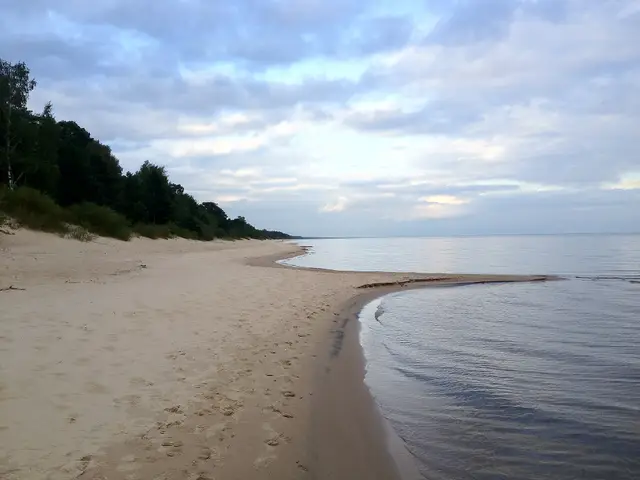
Photo: Ainar Riigov · CC BY 3.0 · Wikimedia Commons
Tartumaa (Kallaste / Varnja / Luunja)
★★★★★crowding: Very low
Europe's fifth-largest lake (3,500 km²) and the vast uninhabited wilderness wetland of the Emajõgi delta.
LakeWetlandWild coast
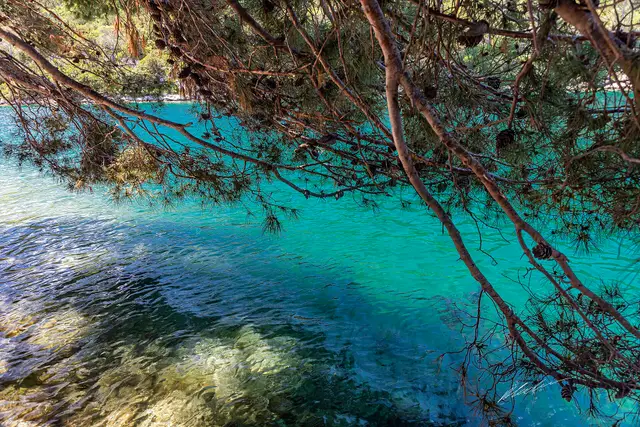
Photo: Andvladimir · CC BY-SA 4.0 · Wikimedia Commons
Dubrovnik-Neretva (Island of Mljet — Pomena / Polače)
★★★★★crowding: Moderate
The western end of the island of Mljet: Mediterranean forests of Aleppo pine and holm oak embracing two saltwater lakes with an island monastery.
Mediterranean forestLakeWild coast
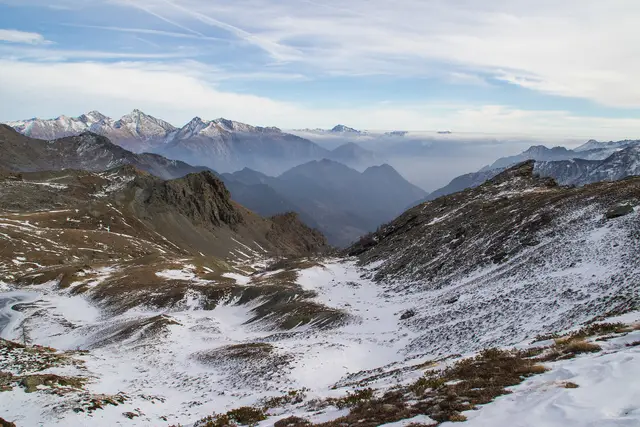
Photo: Marco Soggetto · CC BY-SA 4.0 · Wikimedia Commons
Aosta Valley (Champdepraz / Champorcher)
★★★★★crowding: Very low
The first Natural Park in the Aosta Valley, featuring the region's largest continuous stand of mountain pine (Pinus uncinata) and over 30 glacial cirque tarns.
High mountainLakeOld-growth forest
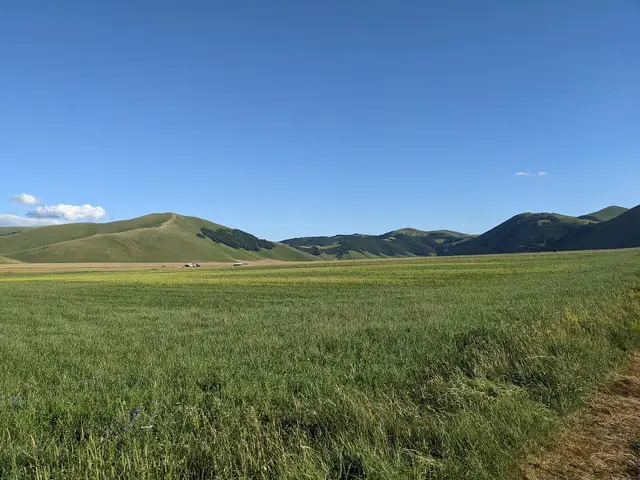
Photo: ValeJappo · CC BY-SA 4.0 · Wikimedia Commons
Marche / Umbria (Visso / Norcia / Castelluccio di Norcia)
★★★★★crowding: Moderate
The legendary Apennine range of Monte Vettore (2.476 m), the Infernaccio Gorge, and the highland plateaus of Castelluccio.
High mountainKarst and cavesGorge and canyonLake
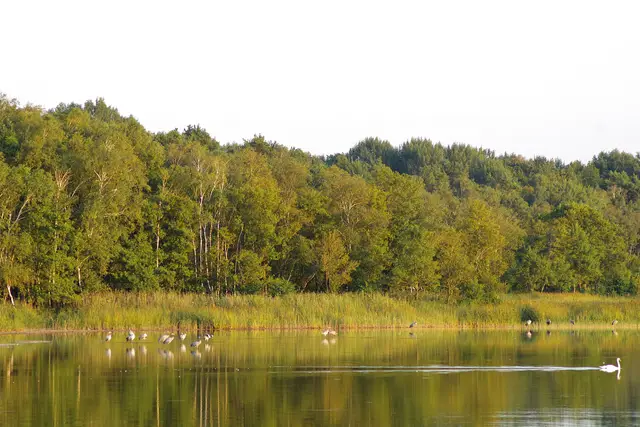
Photo: Lotte76 · CC BY-SA 4.0 · Wikimedia Commons
Mecklenburg-Western Pomerania (Neustrelitz)
★★★★★crowding: Low
Sector of Müritz National Park protected as a World Heritage site for its lowland primeval beech forests.
Primary forestOld-growth forestLake
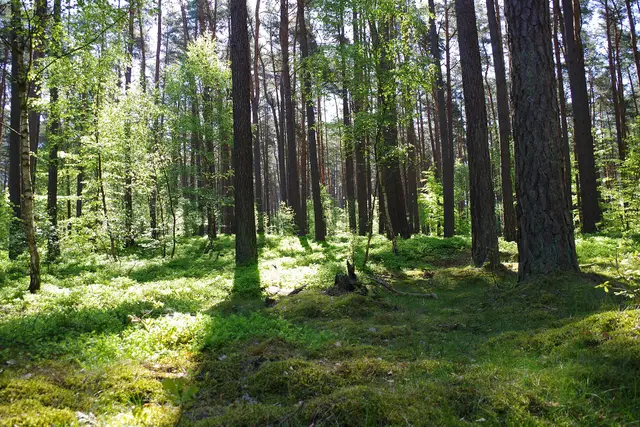
Photo: Lotte76 · CC BY-SA 4.0 · Wikimedia Commons
Mecklenburg-Western Pomerania
★★★★★crowding: Low
Extensive continental forests and glacial lakes where the white-tailed eagle and osprey nest.
Old-growth forestLake
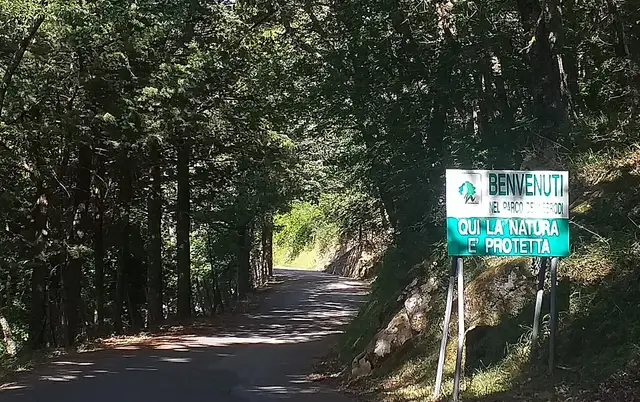
Photo: Cavalloselvatico · CC BY-SA 4.0 · Wikimedia Commons
Sicily (Messina / Enna / Catania / Cesarò / Caronia)
★★★★★crowding: Very low
The largest continuous forest tract in Sicily (86.000 ha), featuring the island's most densely wooded peaks and the spectacular limestone crags of the Rocche del Crasto.
Old-growth forestLakeHigh mountain
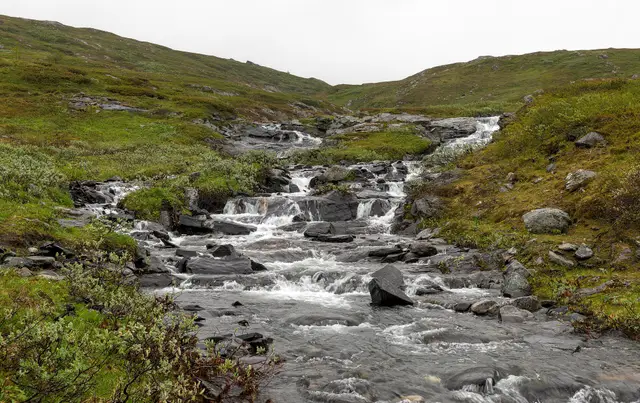
Photo: Trougnouf (Benoit Brummer) · CC BY 4.0 · Wikimedia Commons
Swedish Lapland / Norrbotten (Jokkmokk / Kvikkjokk)
★★★★★crowding: Very low
Sweden's largest national park (198.000 ha), featuring vast alpine lakes Vastenjaure and Virihaure and ancestral Sami grazing lands.
High mountainLakeAlpine meadow
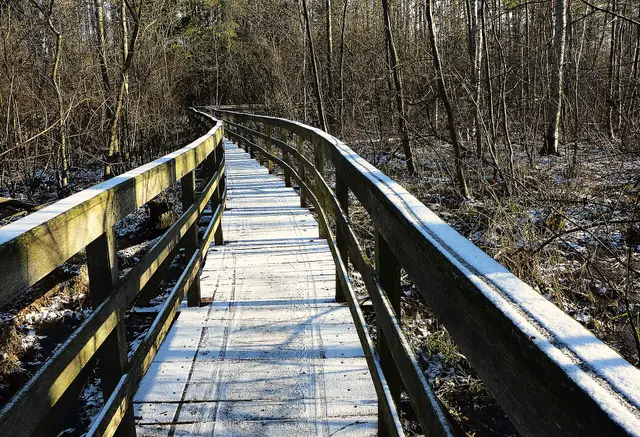
Photo: Tarasna0922 · CC BY-SA 4.0 · Wikimedia Commons
Lublin Voivodeship (Urszulin)
★★★★★crowding: Very low
A mosaic of boreal tundra-like peatlands and freshwater lakes in the Polesie Plain.
WetlandLake
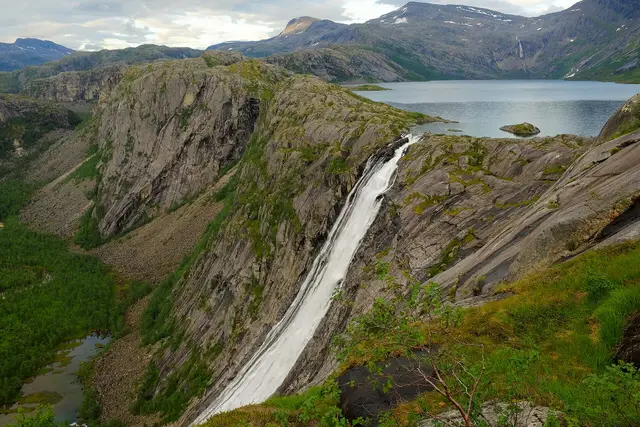
Photo: Frankemann · CC BY-SA 4.0 · Wikimedia Commons
Nordland (Sørfold / Nordfold)
★★★★★crowding: Very low
An extremely dramatic bare-granite alpine canyon adjoining Padjelanta and Sarek in Sweden, forming a wild transboundary complex of 7,400 km².
High mountainGorge and canyonGlacial landscapeLake
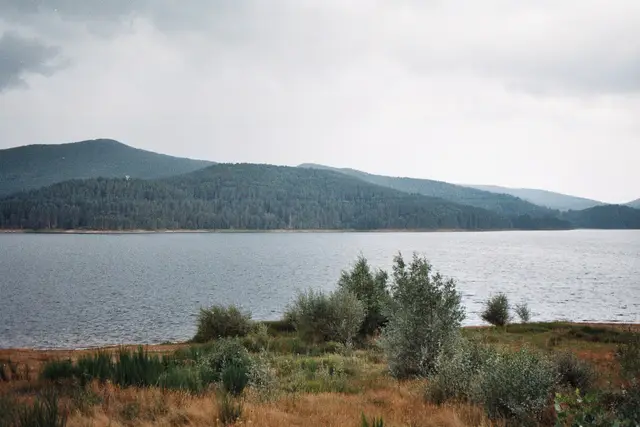
Photo: Ugo Leonetti · CC BY-SA 4.0 · Wikimedia Commons
Calabria (Cosenza / Catanzaro / Crotone / Camigliatello Silano / Lorica)
★★★★★crowding: Low
The 'Great Forest of Italy', a colossal highland plateau of centuries-old Corsican pine (Pinus nigra laricio) and giant inland lakes Cecita and Arvo.
Old-growth forestLakeHigh mountain
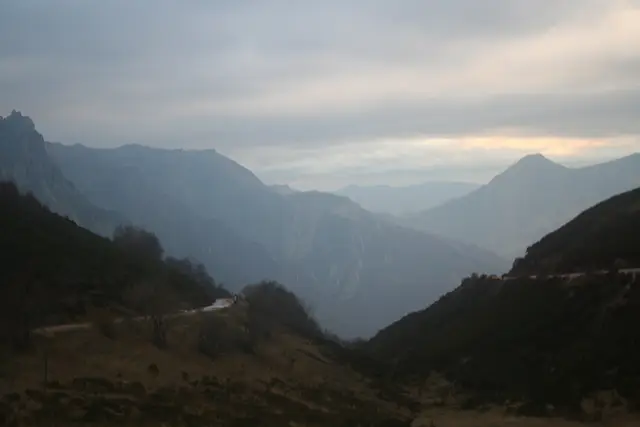
Photo: Ramón from Llanera, España · CC BY-SA 2.0 · Wikimedia Commons
Asturias (Pola de Somiedo / Valle de Lago / Saliencia)
★★★★★crowding: Low
The iconic sanctuary of the Cantabrian brown bear, with deep glacial troughs, the lakes of Saliencia, and traditional thatched teito cabins.
High mountainGlacial landscapeOld-growth forestLake
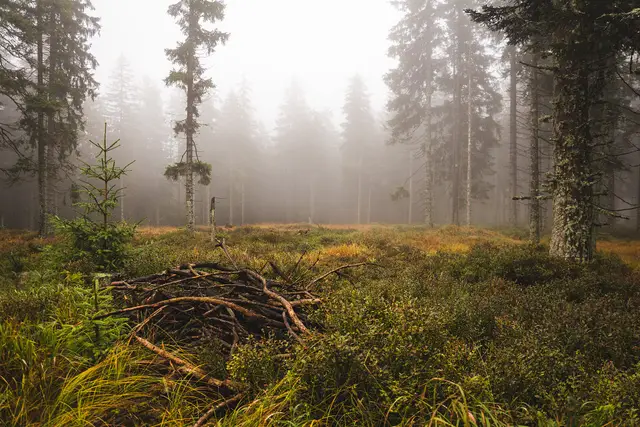
Photo: Martin Vorel · CC0 · Wikimedia Commons
South Bohemian and Plzeň Regions
★★★★★crowding: Low
The "Green Roof of Europe", an immense mountain massif of raised peat bogs, glacial tarns, and montane beechwoods.
Old-growth forestHigh mountainWetlandLake
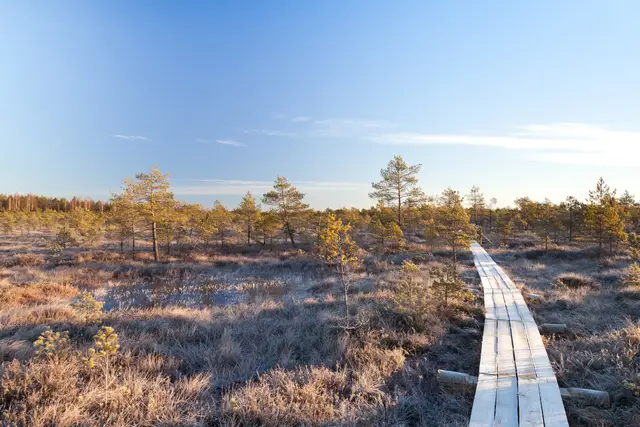
Photo: Jevgenijs Nikitins · CC BY-SA 3.0 · Wikimedia Commons
Latvia (Madona / Krustpils)
★★★★★crowding: None
One of the largest pristine raised bogs in the Baltic region, a strict nature reserve dotted with forested mineral islands rising from the peat.
WetlandLake
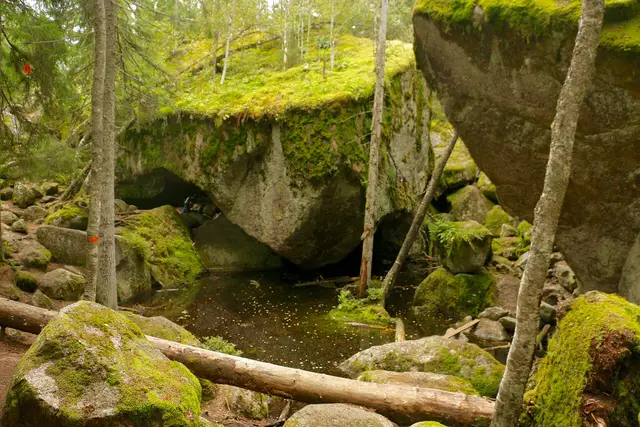
Photo: Silverkey (Mickaël Delcey) · CC BY-SA 4.0 · Wikimedia Commons
Västra Götaland / Örebro (Laxå / Karlsborg)
★★★★★crowding: Low
A chaotic wild maze of moss-cloaked granite boulder fields and centuries-old pines between lakes Vänern and Vättern.
Primary forestOld-growth forestLake
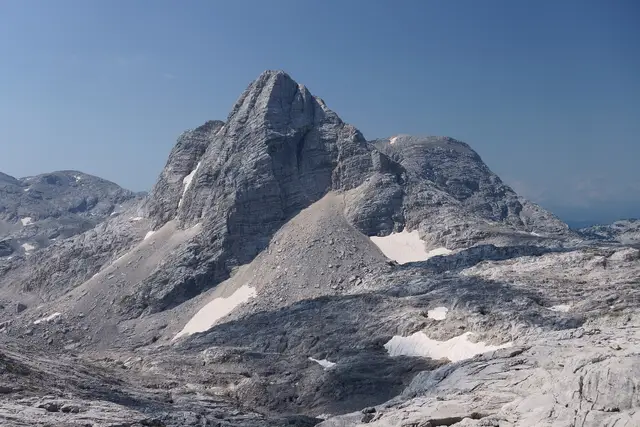
Photo: Tigerente · CC BY-SA 4.0 · Wikimedia Commons
Upper Austria / Styria (Hinterstoder / Bad Aussee)
★★★★★crowding: Low
The 'Dead Mountains', Central Europe's largest high-alpine karst desert plateau (over 200 km² of exposed barren limestone void of surface water).
Karst and cavesHigh mountainLake
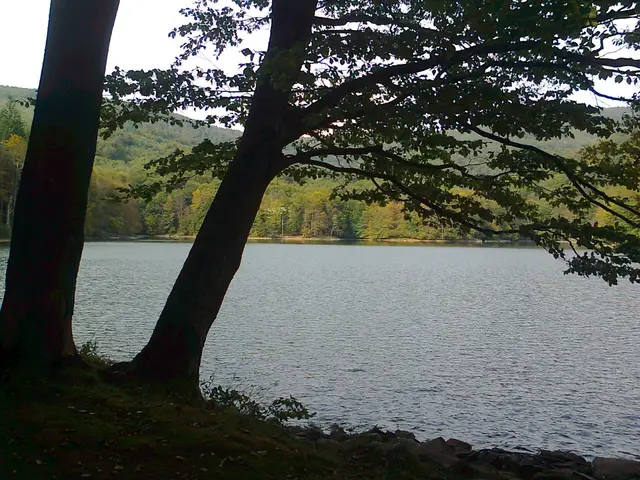
Photo: ZemplinTemplar · CC BY-SA 4.0 · Wikimedia Commons
Košice Region (Vihorlat Mountains)
★★★★★crowding: Low
Ancient virgin beech forest surrounding a naturally dammed volcanic caldera lake in the Carpathians.
Primary forestLake
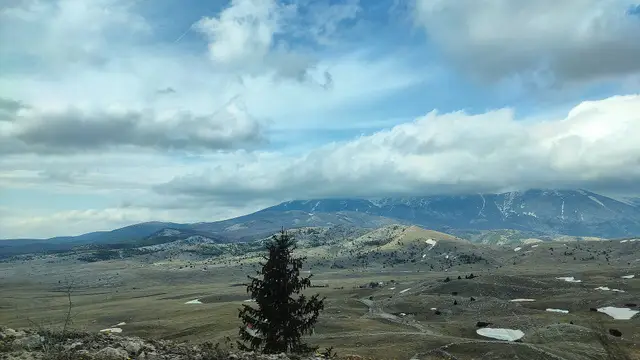
Photo: Irrmam · CC BY-SA 4.0 · Wikimedia Commons
West Herzegovina and Herzegovina-Neretva Cantons (Posušje / Jablanica)
★★★★★crowding: Very low
High karst mountains around the glacial Lake Blidinje featuring the iconic natural rock arch of Hajdučka Vrata.
High mountainKarst and cavesLake
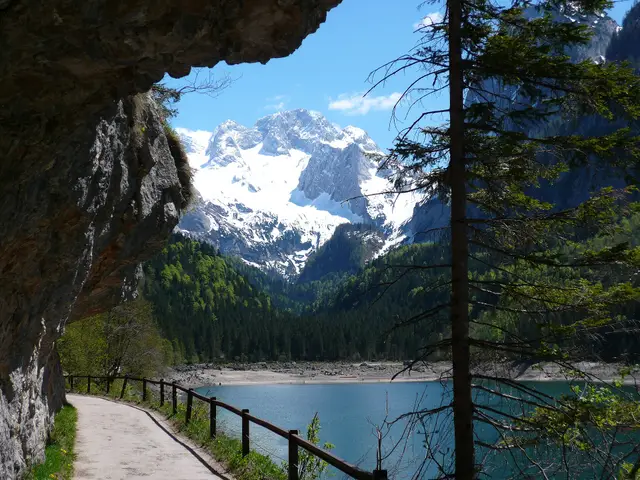
Photo: Pauljaeg · CC BY-SA 4.0 · Wikimedia Commons
Upper Austria — Gmunden; Gosau, Hallstatt and Obertraun
★★★★★crowding: No data
Karst topography, glaciers, alpine meadows and old-growth mountain forests above the Gosau lakes.
High mountainOld-growth forestLake
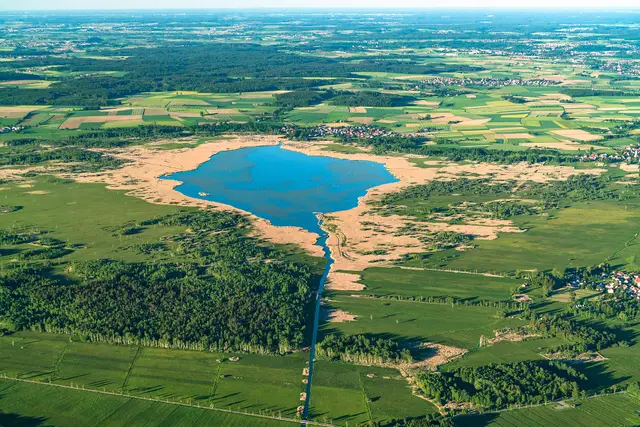
Photo: Armin Appel · CC BY-SA 4.0 · Wikimedia Commons
Baden-Württemberg (Bad Buchau)
★★★★★crowding: Low
The largest contiguous mire wetland in south-western Germany, with a 1.6 km wooden boardwalk traversing the extensive reedbed.
WetlandLake
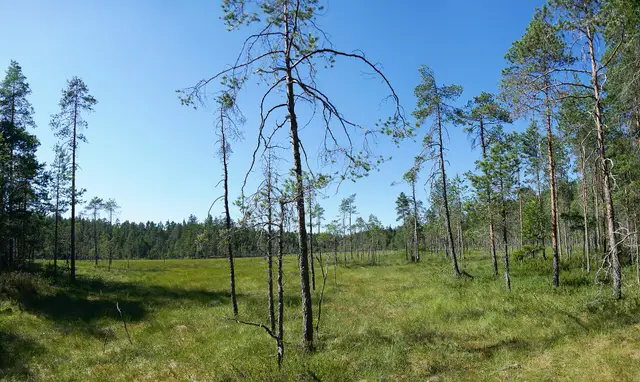
Photo: Tiia Monto · CC BY-SA 3.0 · Wikimedia Commons
Pirkanmaa (Ruovesi / Kuru)
★★★★★crowding: Low
Tectonic fault and vertical-walled canyon on Lake Helvetinjärvi (Helvetinkolu, Hell's Gate) framed by boreal pine forests.
Old-growth forestGorge and canyonLake
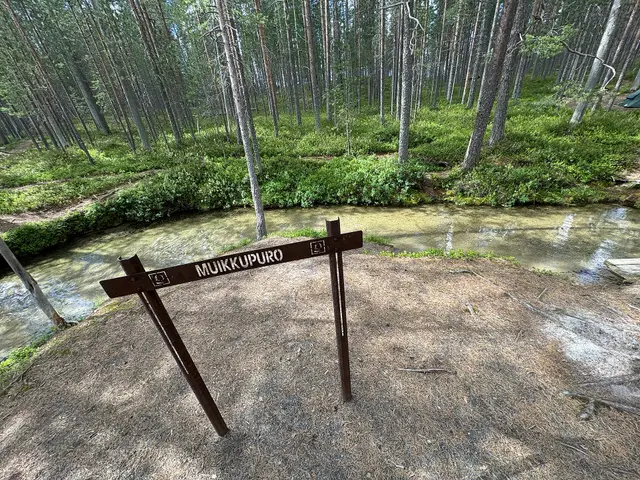
Photo: Skoolari · CC0 · Wikimedia Commons
Finland (Suomussalmi — Kainuu)
★★★★★crowding: Very low
Clear lakes and rivers woven between glacial esker ridges and taiga pine forests, featuring rock art on the shores of Lake Somerjärvi.
Old-growth forestLakeRiver corridorWetland
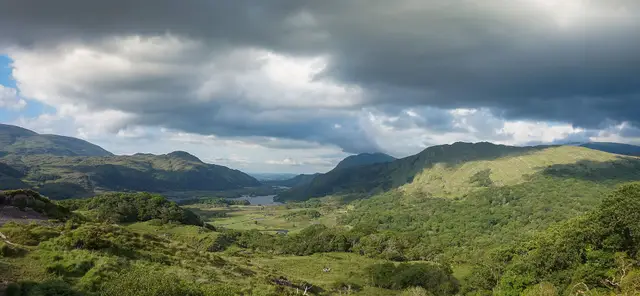
Photo: Marco Ober · CC BY-SA 4.0 · Wikimedia Commons
Kerry (Killarney / Muckross)
★★★★★crowding: Moderate
Ireland's first national park: moss-draped ancient Atlantic oakwoods, lakes, and the island's sole native red deer herd.
Old-growth forestLakeHigh mountain
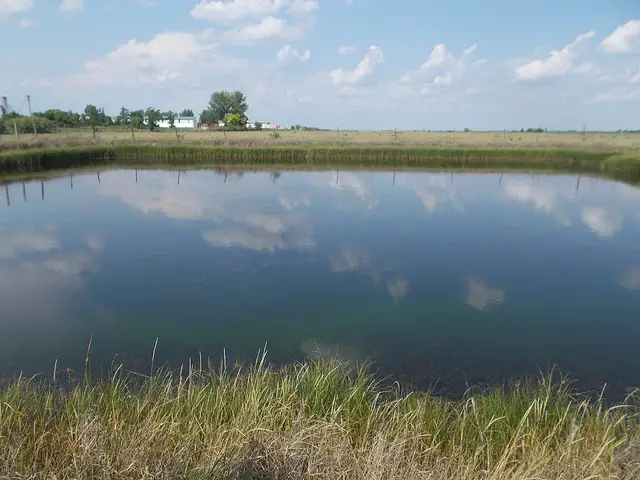
Photo: Globetrotter19 · CC BY-SA 3.0 · Wikimedia Commons
Bács-Kiskun (Kecskemét)
★★★★★crowding: Very low
Saline steppe mosaic between the Danube and Tisza rivers with continental shifting sand dunes and alkaline lakes.
Steppe and grasslandWetlandLake
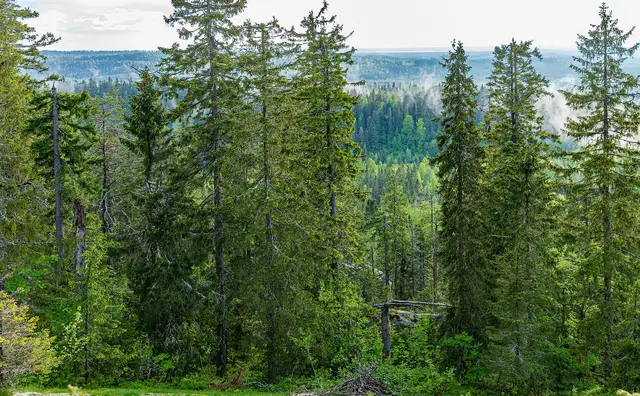
Photo: Ninara · CC BY 2.0 · Wikimedia Commons
North Karelia (Lieksa / Joensuu)
★★★★★crowding: Low
Quartzite ridges overlooking Lake Pielinen: Finland's iconic national landscape, blending heritage meadows with old-growth boreal forest.
Old-growth forestLake
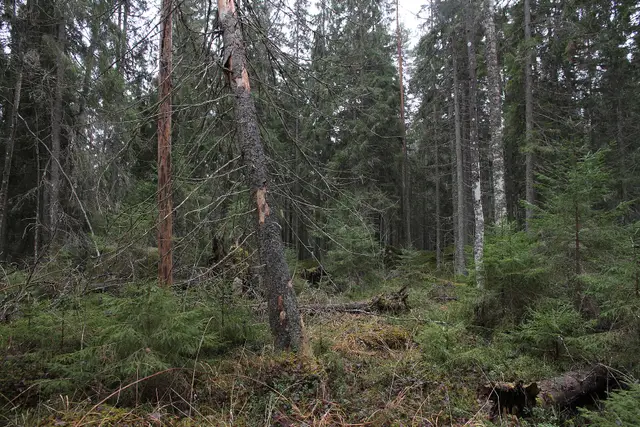
Photo: Markus Rantala ( Makele-90 ) · CC BY-SA 3.0 · Wikimedia Commons
Kanta-Häme (Tammela / Somero)
★★★★★crowding: Very low
Century-old boreal taiga featuring the narrow Kyynäränharju esker ridge meandering like a natural causeway between two lakes.
Old-growth forestLakeWetland
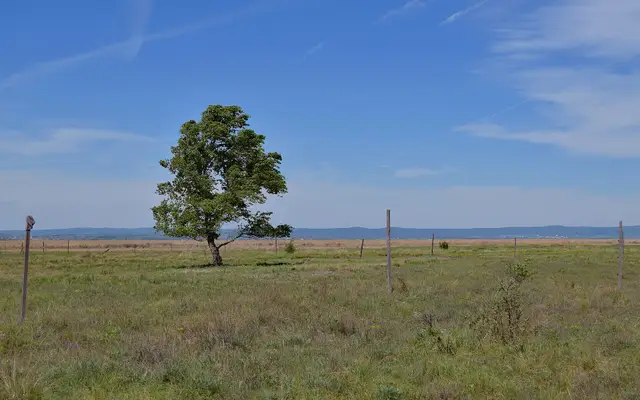
Photo: Haeferl · CC BY-SA 4.0 · Wikimedia Commons
Burgenland (Neusiedl am See / Illmitz)
★★★★★crowding: Low
Central Europe’s only endorheic steppe lake and its belt of saline shallow soda pans in Seewinkel.
LakeSteppe and grasslandWetland
Grand Est (Aube / Troyes)
★★★★★crowding: Low
Lush deciduous forests encircling artificial reservoir lakes that have become a crucial migration stopover for waterfowl.
Old-growth forestLakeWetland
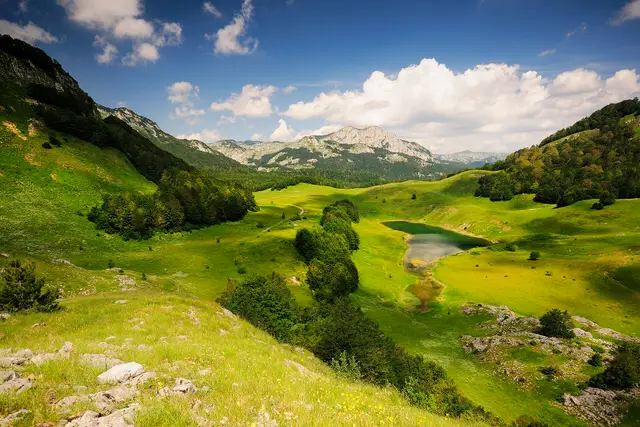
Photo: Petkovic Boris · CC BY-SA 4.0 · Wikimedia Commons
Republika Srpska (Foča / Tjentište)
★★★★★crowding: Very low
The "Green Mountain", a range of forests and alpine meadows dotted by 8 glacial lakes of striking beauty.
High mountainGlacial landscapeOld-growth forestLake
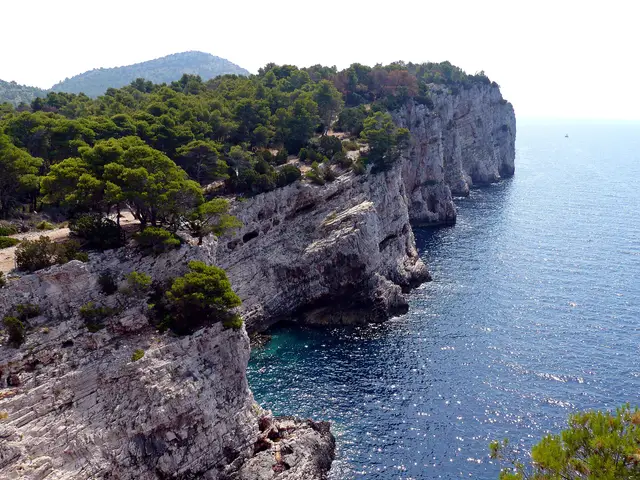
Photo: qwesy qwesy · CC BY 3.0 · Wikimedia Commons
Zadar (Dugi Otok Island)
★★★★★crowding: Moderate
Sea cliffs rising over 150 metres above the open Adriatic and the saltwater Lake Mir, at the southern tip of Dugi Otok.
Wild coastMarineLake