Ravines and gorges carved by rivers.
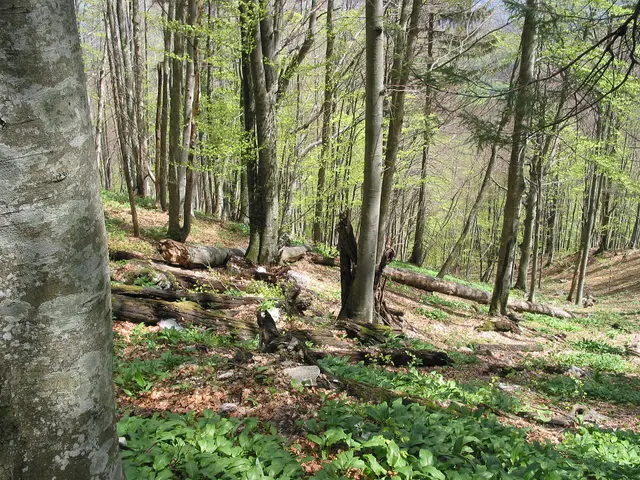
Photo: Ljuba brank · CC BY-SA 3.0 · Wikimedia Commons
Southeast Slovenia (Borovška Gora Mountains / Kočevje Municipality / Kolpa River Basin)
★★★★★crowding: Very low
Primeval beech forest of Kočevsko, inscribed on the UNESCO World Heritage list, observed from the perimeter trail.
Primary forestKarst and cavesGorge and canyon
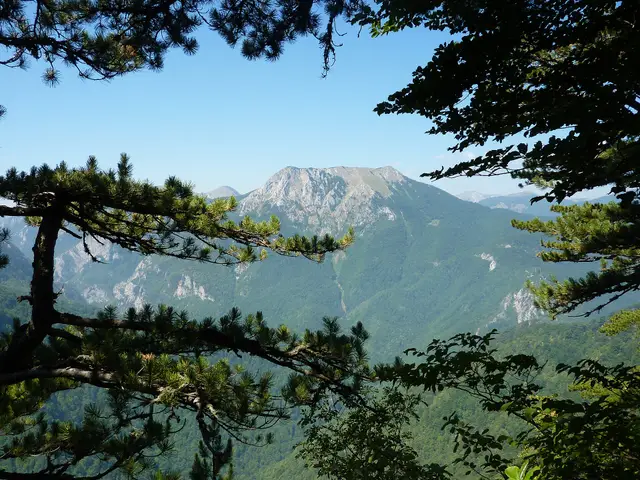
Photo: Erwan Martin from Plouzané, France · CC BY 2.0 · Wikimedia Commons
Republika Srpska (Foča / Maglić)
★★★★★crowding: Very low
The best-preserved beech and fir primeval forest in Southeastern Europe, with trees over 300 years old and the Skakavac waterfall.
Primary forestHigh mountainGorge and canyon
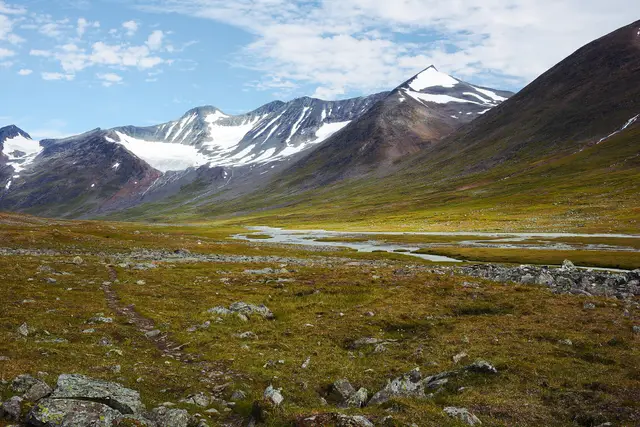
Photo: Bjornvaktaren · CC BY-SA 4.0 · Wikimedia Commons
Swedish Lapland / Norrbotten (Jokkmokk / Kvikkjokk / Ritsem)
★★★★★crowding: Very low
Peaks, glaciers, and the Ráhpavuobme valley in Sarek National Park, part of the Laponia World Heritage site.
High mountainGlacial landscapeRiver corridorGorge and canyon
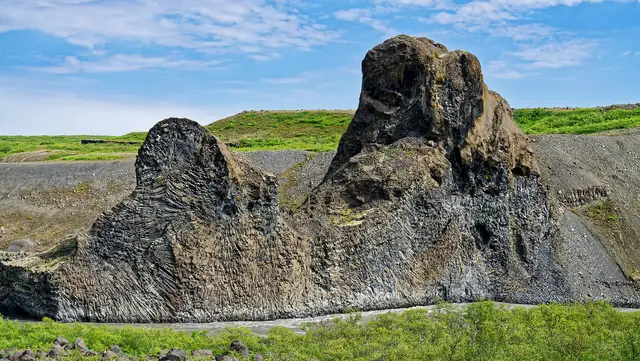
Photo: Holger Uwe Schmitt · CC BY-SA 4.0 · Wikimedia Commons
East and South Iceland (Skaftafell / Jökulsárgljúfur / Askja)
★★★★★crowding: Moderate
Europe's largest ice cap outside the Arctic and the volcanoes smouldering beneath it: fire and ice on a continental scale.
Glacial landscapeHigh mountainGorge and canyonRiver corridor
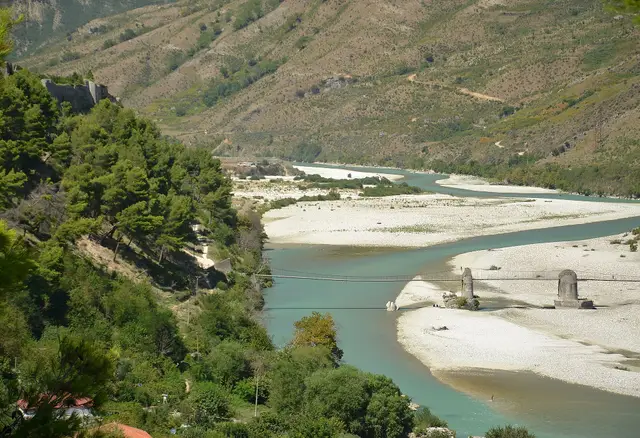
Photo: Pudelek · CC BY-SA 4.0 · Wikimedia Commons
Southern Albania (Përmet / Tepelenë / Memaliaj)
★★★★★crowding: Very low
Europe's first wild river national park: the Vjosa flows entirely undammed from Greece to the Adriatic Sea.
River corridorGorge and canyonRewilding area
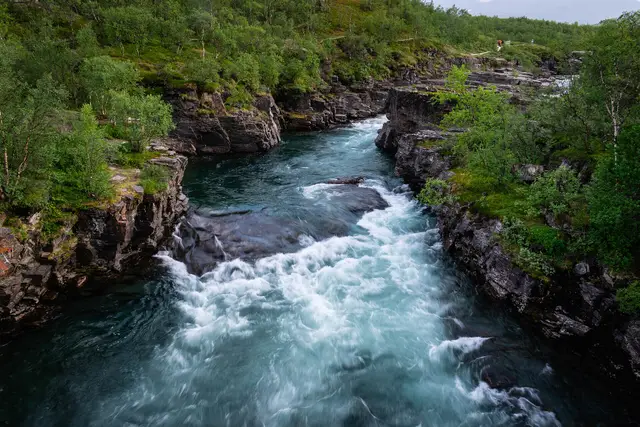
Photo: Ulfnilss · CC BY-SA 4.0 · Wikimedia Commons
Swedish Lapland / Norrbotten (Kiruna / Abisko)
★★★★★crowding: Moderate
The grand canyon of the Abiskojåkka emptying into Lake Torneträsk and the iconic mountain pass of Lapporten (The Gate of Lapland).
High mountainGorge and canyonLakeOld-growth forest
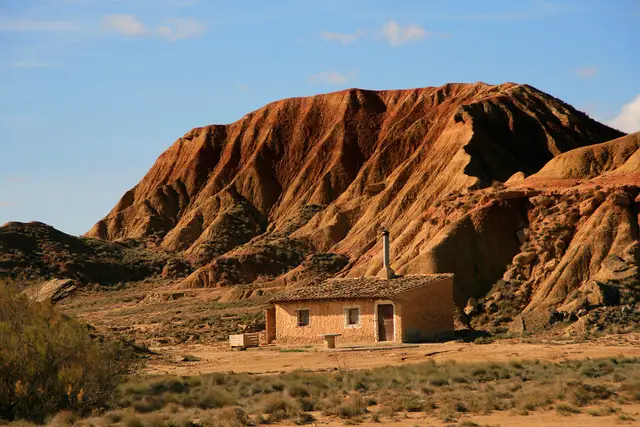
Photo: Miguel Ángel García. from Ólvega., España · CC BY 2.0 · Wikimedia Commons
Navarra (Tudela / Arguedas / Valtierra)
★★★★★crowding: Moderate
Desert and badlands landscape of 42,000 ha carved into clays, gypsum, and sandstones, crowned by iconic isolated buttes like Castildetierra.
Steppe and grasslandKarst and cavesGorge and canyon
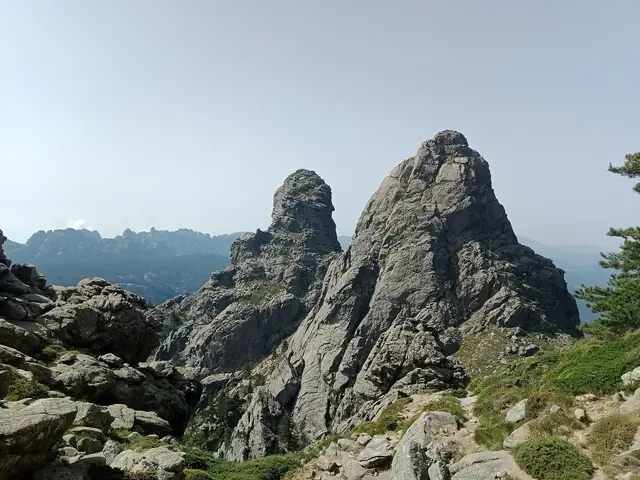
Photo: Rémih · CC BY-SA 4.0 · Wikimedia Commons
Corsica (Zonza / Quenza / Solenzara)
★★★★★crowding: Moderate
A wall of red granite towers and pinnacles weathered into surreal hollow forms (taffoni), framed by Corsican black pine.
High mountainOld-growth forestGorge and canyon
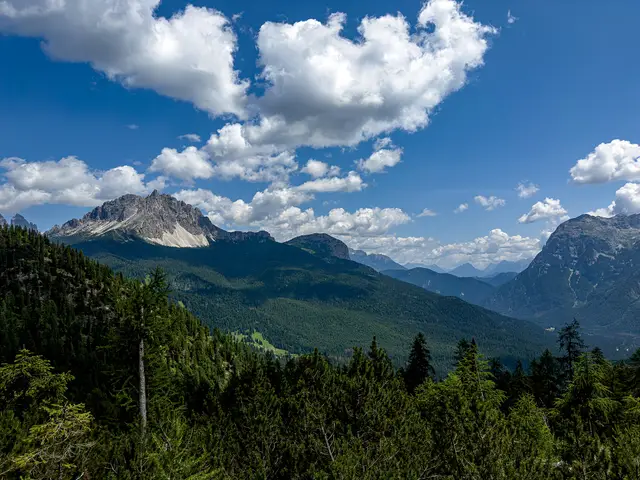
Photo: Turcito11 · CC BY-SA 4.0 · Wikimedia Commons
Veneto (Belluno / Feltre / Agordo)
★★★★★crowding: Very low
The wildest and southernmost sector of the Dolomites (UNESCO World Heritage), carved by deep karst ravines such as the Cadini del Brenton.
High mountainKarst and cavesGorge and canyonOld-growth forest
Tuzi Municipality / Podgorica
★★★★★crowding: Low
Narrow miniature canyon carved into pure limestone on the way to Lake Skadar.
Gorge and canyonKarst and caves
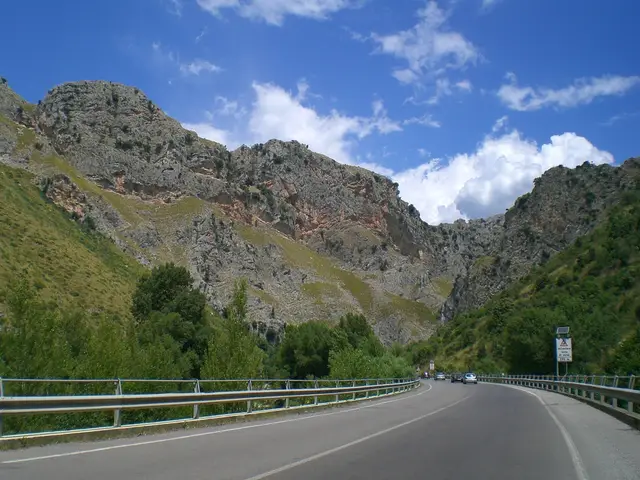
Photo: Geofix · CC BY-SA 3.0 · Wikimedia Commons
Campania (Salerno / Vallo della Lucania / Palinuro / Castellabate)
★★★★★crowding: Low
UNESCO Biosphere Reserve and Global Geopark uniting the karst gorges of the Calore River with the dramatic sea cliffs of Cape Palinuro.
Old-growth forestKarst and cavesWild coastGorge and canyon
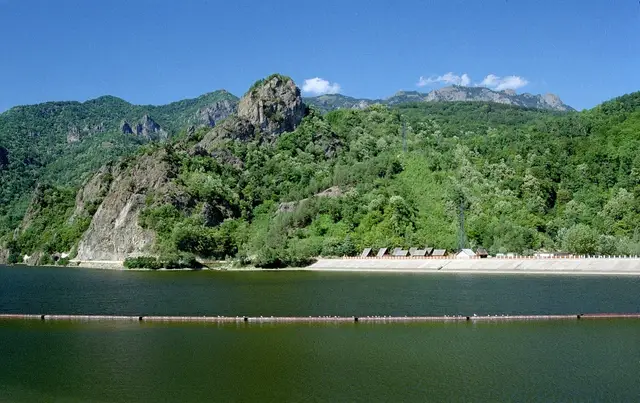
Photo: Petr Vodička · CC BY-SA 4.0 · Wikimedia Commons
Vâlcea County
★★★★★crowding: Low
Limestone crags and the Olt River gorge cloaked in virgin beech forests and high-altitude oak groves.
Primary forestHigh mountainGorge and canyon
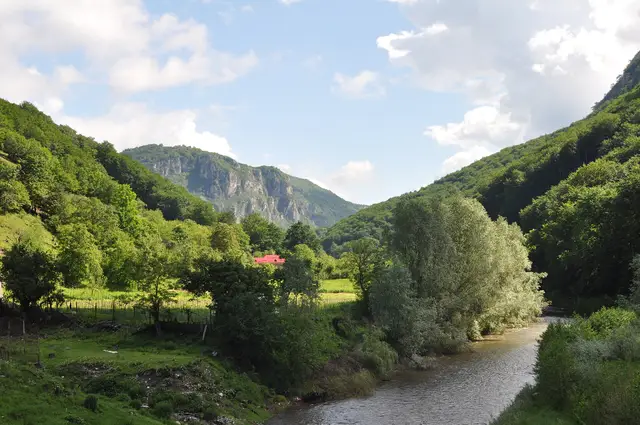
Photo: Flori & Nicu Farcaș · CC BY-SA 4.0 · Wikimedia Commons
Caraș-Severin, Mehedinți, and Gorj Counties
★★★★★crowding: Very low
Deep tectonic canyon flanked by Banat black pine and catchments with virgin montane beech woods.
Primary forestGorge and canyonKarst and cavesHigh mountain
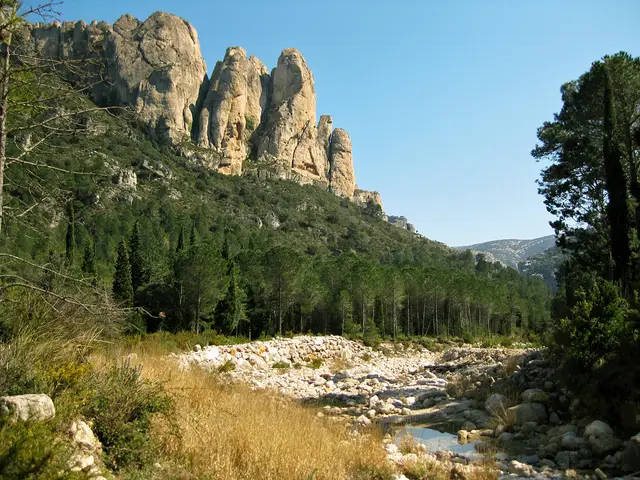
Photo: Espencat · Public domain · Wikimedia Commons
Catalonia / Aragon / Valencian Community (Tarragona / Teruel / Castellón / Roquetes / Tortosa)
★★★★★crowding: Low
A rugged karst massif between Catalonia, Aragon, and the Valencian Community featuring limestone cliffs, southern beech groves, and the Iberian ibex.
High mountainKarst and cavesGorge and canyonOld-growth forest
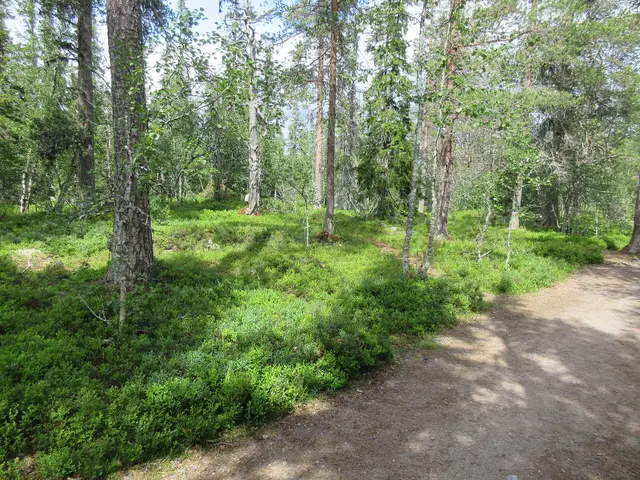
Photo: Bysmon · CC BY-SA 4.0 · Wikimedia Commons
Dalarna (Särna / Älvdalen)
★★★★★crowding: Low
Home to Old Tjikko (the planet's oldest known clonal tree at nearly 9,550 years old) and the Njupeskär waterfall (93 m).
High mountainPrimary forestOld-growth forestGorge and canyon
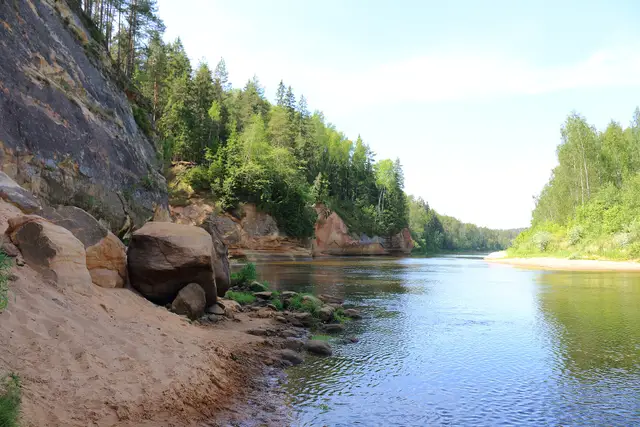
Photo: FrDr · CC BY-SA 4.0 · Wikimedia Commons
Vidzeme (Sigulda / Cēsis / Līgatne)
★★★★★crowding: Low
Latvia's oldest and largest National Park, famous for its red Devonian sandstone cliffs rising above forested valleys.
River corridorOld-growth forestGorge and canyon
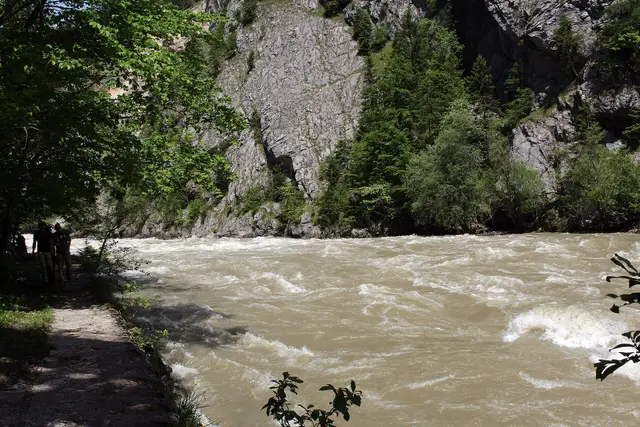
Photo: Haeferl · CC BY-SA 3.0 at · Wikimedia Commons
Styria (Admont / Hieflau)
★★★★★crowding: Low
Vertical limestone precipices towering over 1.000 m above the thundering whitewater of the Enns river.
High mountainGorge and canyonRiver corridorOld-growth forest
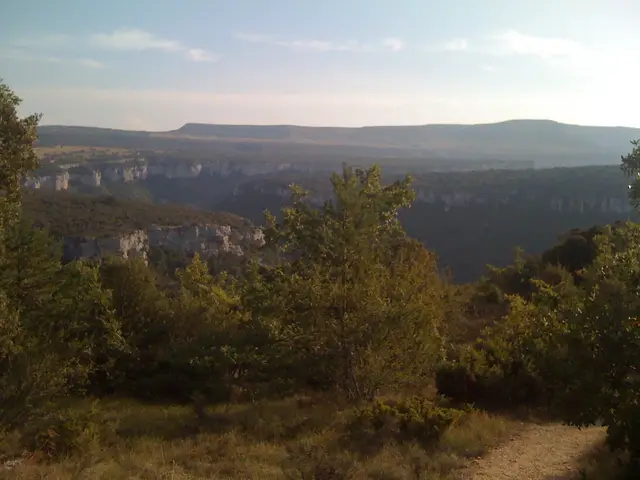
Photo: HolzaugeEN · CC BY-SA 4.0 · Wikimedia Commons
Castile and León (Burgos / Sedano / Orbaneja del Castillo / Valdelateja)
★★★★★crowding: Low
Karst gorges of 200 m carved by the Ebro and Rudrón rivers, featuring the picturesque village of Orbaneja del Castillo and Pozo Azul.
Gorge and canyonKarst and cavesRiver corridorOld-growth forest
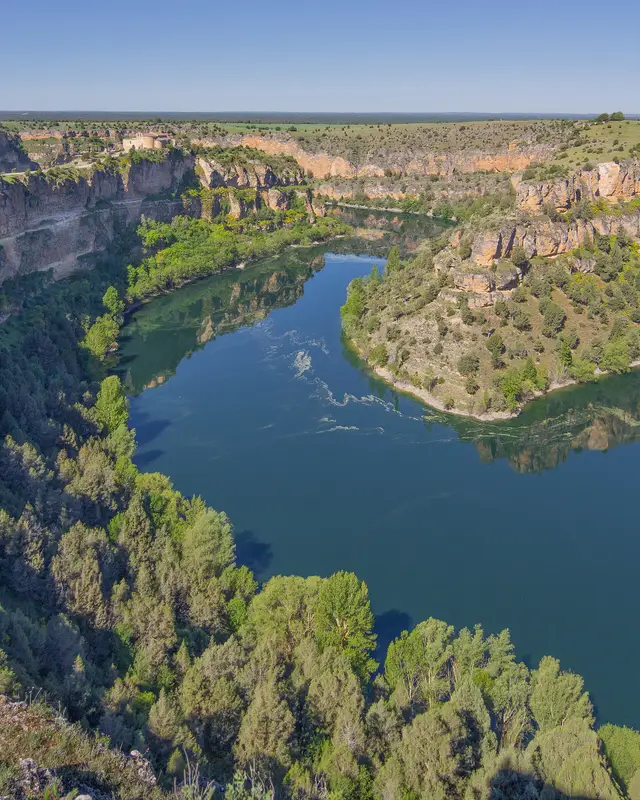
Photo: Carlos Delgado · CC BY-SA 3.0 · Wikimedia Commons
Castile and León (Segovia / Sepúlveda / Sebastopol / San Frutos)
★★★★★crowding: Moderate
Incised meanders 100 m deep carved into red limestone by the Duratón River, featuring the renowned cliffside hermitage of San Frutos.
Gorge and canyonKarst and cavesRiver corridor
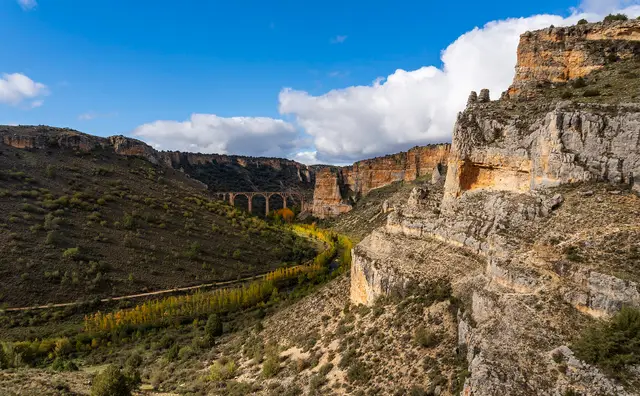
Photo: Pedro José Ponce Asensio · CC BY-SA 4.0 · Wikimedia Commons
Castile and León (Segovia / Maderuelo / Montejo de la Vega)
★★★★★crowding: Very low
Limestone gorge hosting the historic Montejo de la Vega Raptor Refuge founded by Félix Rodríguez de la Fuente in 1975.
Gorge and canyonKarst and cavesRiver corridor
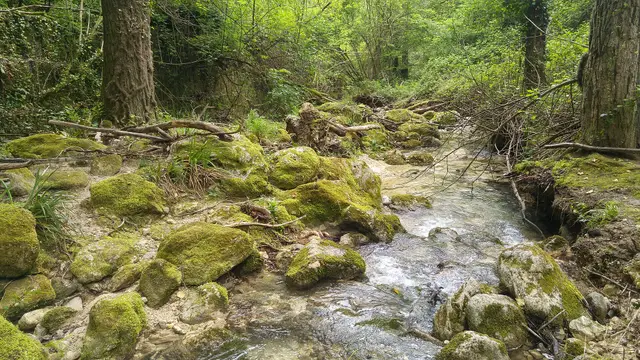
Photo: Diego.vala · CC BY-SA 4.0 · Wikimedia Commons
Abruzzo (Sulmona / Chieti / Pescara)
★★★★★crowding: Low
The 'Mother Mountain' of Abruzzo (Monte Amaro 2.793 m), a UNESCO Global Geopark of colossal karst canyons, wild plateaus, and hanging rock hermitages.
High mountainKarst and cavesGorge and canyonOld-growth forest
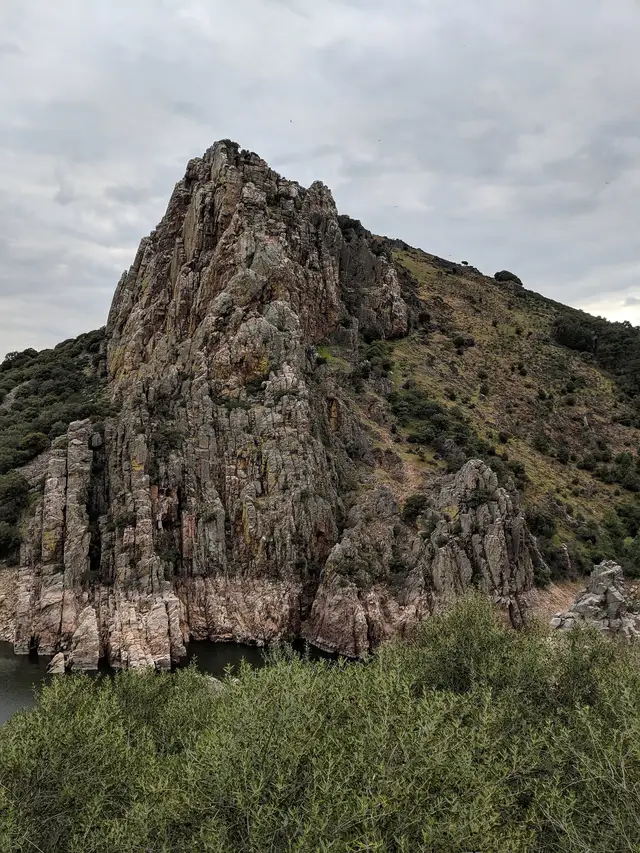
Photo: Frida F.Stolpa · CC BY-SA 4.0 · Wikimedia Commons
Extremadura (Cáceres / Villarreal de San Carlos / Torrejón el Rubio)
★★★★★crowding: Low
The European mecca for raptor watching, holding the largest cinereous vulture (Aegypius monachus) colony in the world and the dramatic Tagus breach at Salto del Gitano.
Old-growth forestRiver corridorGorge and canyon
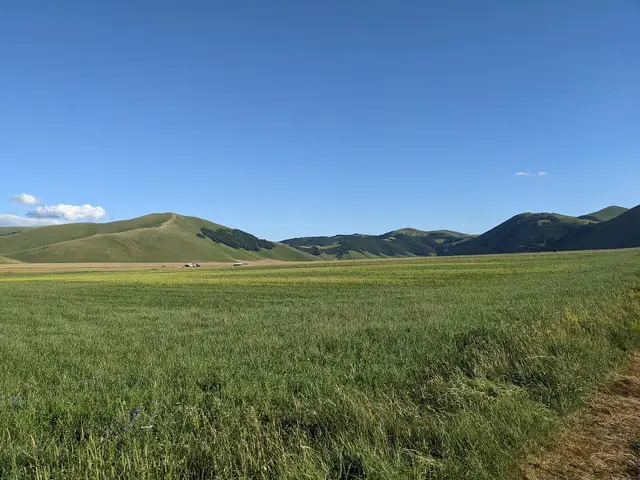
Photo: ValeJappo · CC BY-SA 4.0 · Wikimedia Commons
Marche / Umbria (Visso / Norcia / Castelluccio di Norcia)
★★★★★crowding: Moderate
The legendary Apennine range of Monte Vettore (2.476 m), the Infernaccio Gorge, and the highland plateaus of Castelluccio.
High mountainKarst and cavesGorge and canyonLake
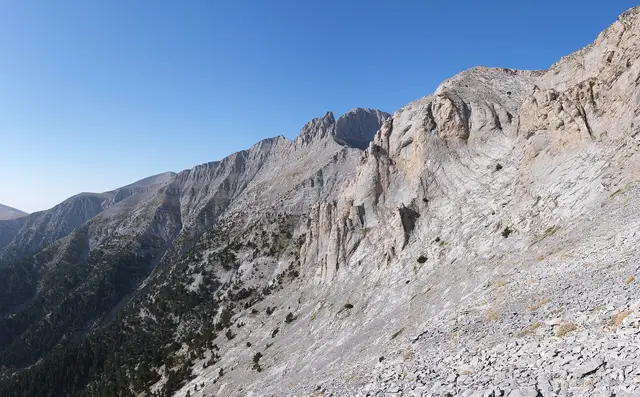
Photo: kallerna · CC BY-SA 4.0 · Wikimedia Commons
Pieria / Larissa (Litochoro)
★★★★★crowding: Moderate
Greece's inaugural national park (1938): the country's highest peak, incised by the Enipeas Gorge and renowned for endemic flora.
High mountainGorge and canyonOld-growth forest
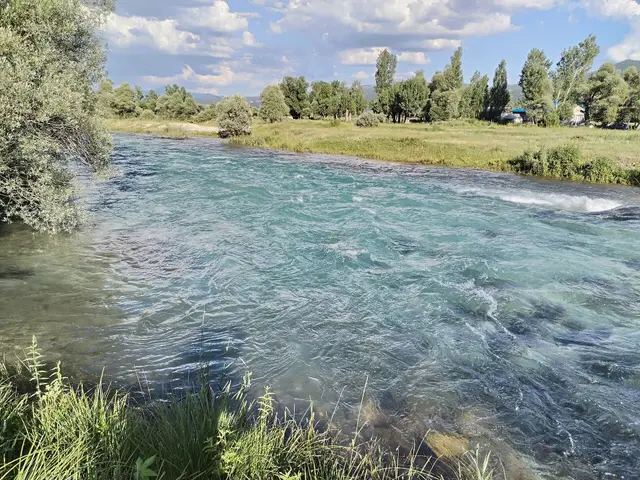
Photo: Zgcnkygsz · CC BY-SA 4.0 · Wikimedia Commons
Eastern Anatolia (Tunceli / Ovacık)
★★★★★crowding: Very low
Turkey's most extensive and biodiverse national park (42,000 ha), featuring deep karst canyons, sacred springs, and herds of wild bezoar ibex.
High mountainRiver corridorGorge and canyon
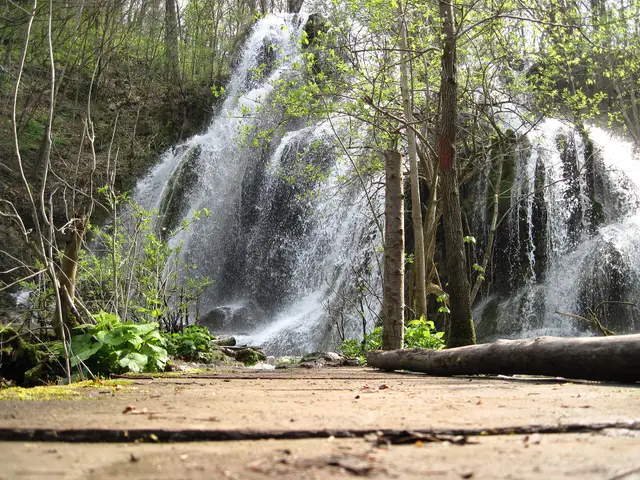
Photo: Mary03101983 · CC BY-SA 3.0 · Wikimedia Commons
Caraș-Severin County
★★★★★crowding: Low
Romania's longest limestone gorges with turquoise karst lakes and virgin sub-Mediterranean woodlands.
Primary forestGorge and canyonKarst and caves
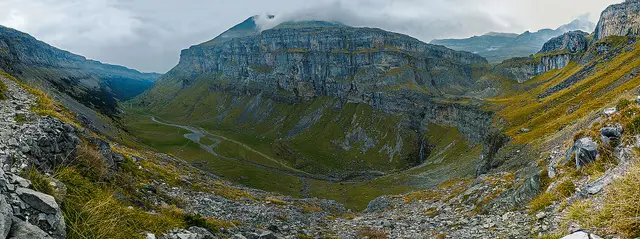
Photo: Nata Mostova · CC BY-SA 4.0 · Wikimedia Commons
Aragon (Huesca / Torla / Broto / Fanlo / Bielsa / Escalona)
★★★★★crowding: Moderate
The 'Grand Canyon of Europe', UNESCO World Heritage Pyrénées-Mont Perdu, crowned by Monte Perdido (3,355 m) with four grand canyons: Ordesa, Añisclo, Escuaín, and Pineta.
High mountainGorge and canyonKarst and cavesGlacial landscapeOld-growth forest
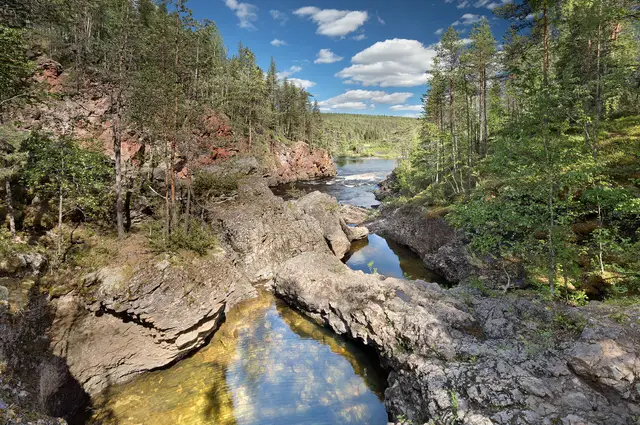
Photo: Ximonic (Simo Räsänen) · CC BY-SA 3.0 · Wikimedia Commons
Finnish Lapland / North Ostrobothnia (Kuusamo / Salla)
★★★★★crowding: Low
Torrential rivers carved into sandstone gorges and pristine boreal pine forests, crossed by suspension bridges along the Karhunkierros trail.
River corridorPrimary forestGorge and canyonWetland
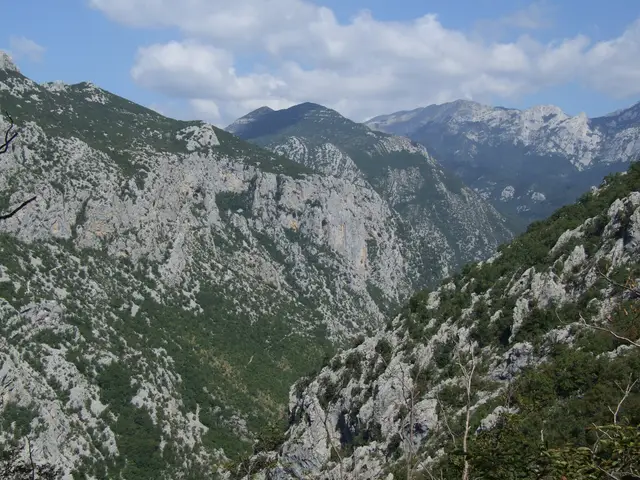
Photo: Pudelek (Marcin Szala) · CC BY-SA 3.0 · Wikimedia Commons
Zadar County (Starigrad-Paklenica)
★★★★★crowding: Low
Vertical incised canyons (Velika and Mala Paklenica) plunging straight towards the Adriatic Sea from the crests of Velebit.
Gorge and canyonKarst and cavesHigh mountainOld-growth forest
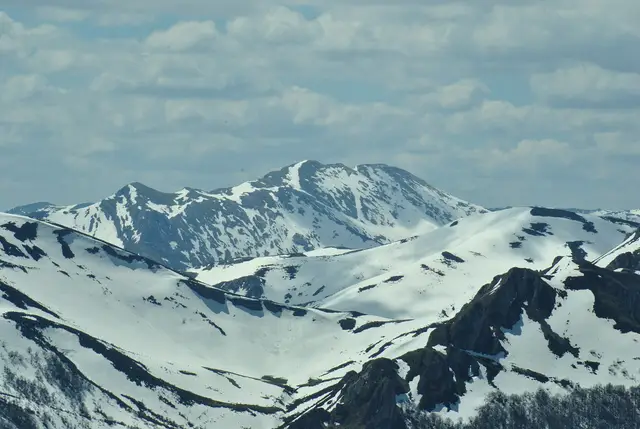
Photo: Jorgeboco · CC BY-SA 3.0 es · Wikimedia Commons
Asturias / Cantabria / León (Cangas de Onís / Arenas de Cabrales / Potes / Posada de Valdeón)
★★★★★crowding: Moderate
Spain's first National Park (1918), three alpine limestone massifs rising to 2,600 m just 15 km from the Cantabrian Sea.
High mountainKarst and cavesGlacial landscapeGorge and canyonOld-growth forest
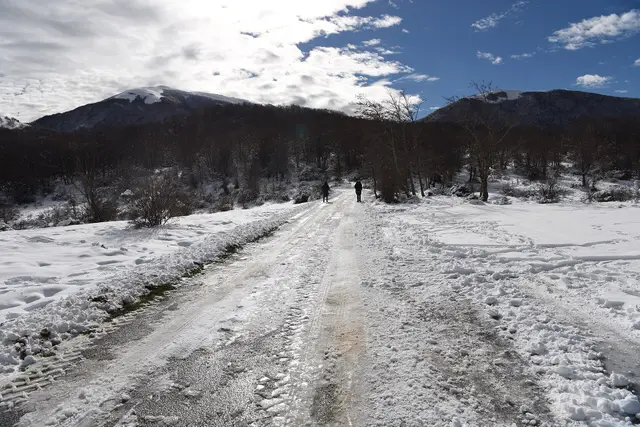
Photo: Diana Cimino Cocco · CC BY-SA 4.0 · Wikimedia Commons
Calabria / Basilicata (Castrovillari / Rotonda / Morano Calabro)
★★★★★crowding: Very low
Italy's largest national park (192.000 ha), exclusive sanctuary of the Bosnian pine (Pinus heldreichii) and a UNESCO Global Geopark.
High mountainKarst and cavesOld-growth forestGorge and canyon
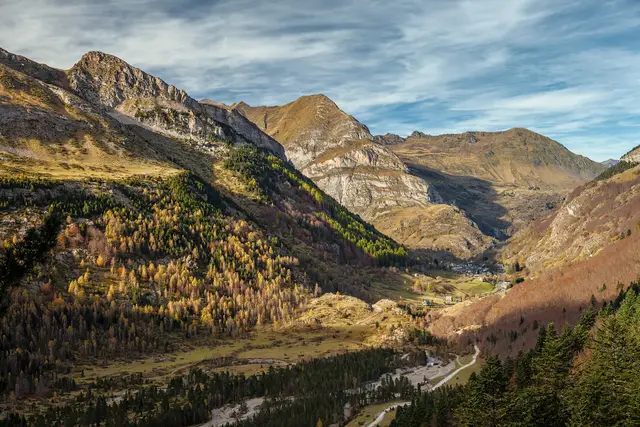
Photo: Moahim · CC BY-SA 4.0 · Wikimedia Commons
Occitanie / Nouvelle-Aquitaine (Hautes-Pyrénées / Pyrénées-Atlantiques)
★★★★★crowding: Moderate
The French slope of the central Pyrenees, twin to Ordesa: glacial cirques, bearded vultures, isards, and Pyrenean desmans.
High mountainGlacial landscapeAlpine meadowOld-growth forestGorge and canyon
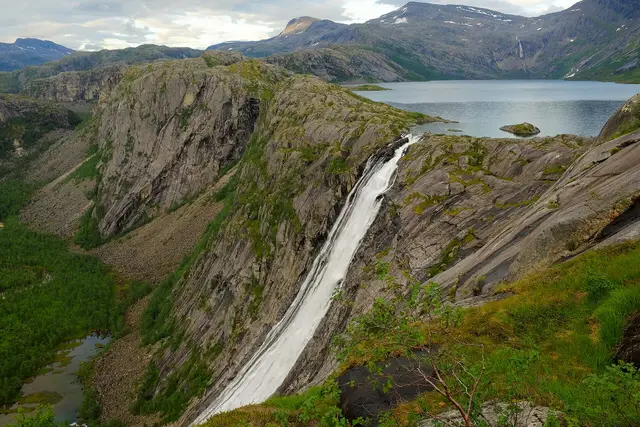
Photo: Frankemann · CC BY-SA 4.0 · Wikimedia Commons
Nordland (Sørfold / Nordfold)
★★★★★crowding: Very low
An extremely dramatic bare-granite alpine canyon adjoining Padjelanta and Sarek in Sweden, forming a wild transboundary complex of 7,400 km².
High mountainGorge and canyonGlacial landscapeLake
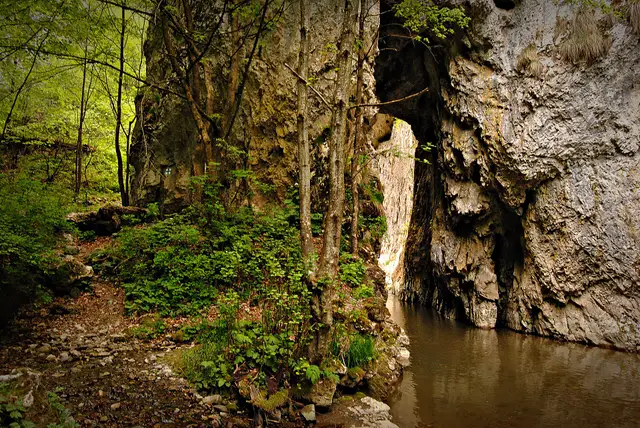
Photo: Rheaxnaidoo · CC BY-SA 3.0 · Wikimedia Commons
Alba County (Trascău Mountains / Teiuș)
★★★★★crowding: Low
Extremely narrow limestone gorge in the Trascău Mountains where the trail runs squeezed between rock walls, crossing the river on foot.
Gorge and canyonKarst and cavesRiver corridor
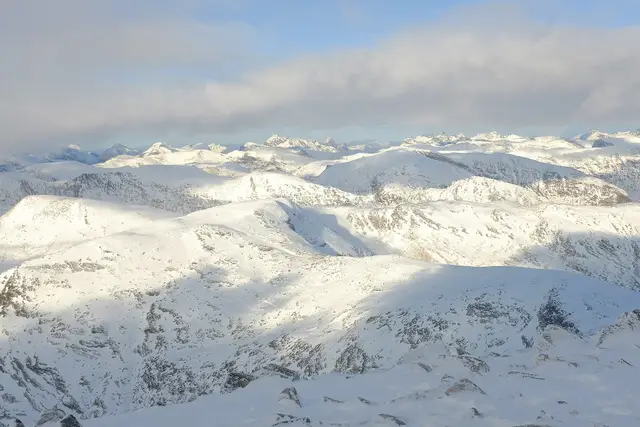
Photo: Frankemann · CC BY-SA 4.0 · Wikimedia Commons
Innlandet / Møre og Romsdal (Åndalsnes / Skjåk / Lesja)
★★★★★crowding: Very low
One of Norway's largest roadless, unelectrified contiguous protected areas, safeguarding the mountains' most ancestral wild reindeer herds.
High mountainGlacial landscapeGorge and canyon
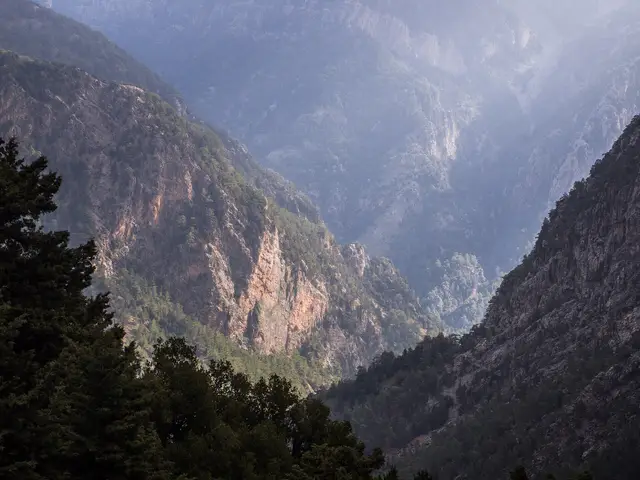
Photo: C messier · CC BY-SA 4.0 · Wikimedia Commons
Crete Island (Chania / White Mountains - Lefka Ori)
★★★★★crowding: Moderate
The queen of Mediterranean gorges (16 km of sheer precipices), exclusive sanctuary of the Cretan wild goat (Kri-Kri).
Gorge and canyonKarst and cavesHigh mountainWild coast
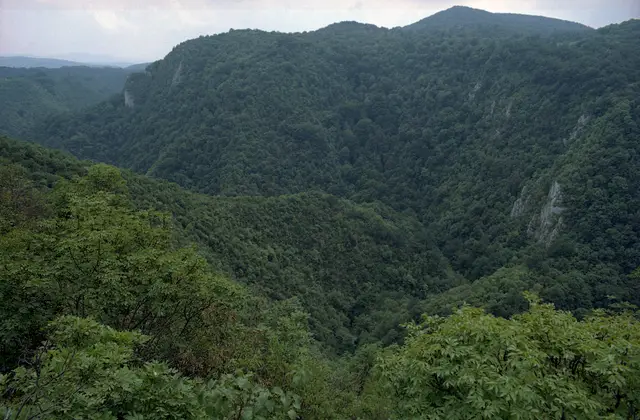
Photo: Petr Vodička · CC BY-SA 4.0 · Wikimedia Commons
Caraș-Severin County (Anina / Carașova)
★★★★★crowding: Very low
One of Romania's longest and wildest limestone gorges alongside relict virgin beech forests (Izvoarele Nerei).
Gorge and canyonKarst and cavesPrimary forest
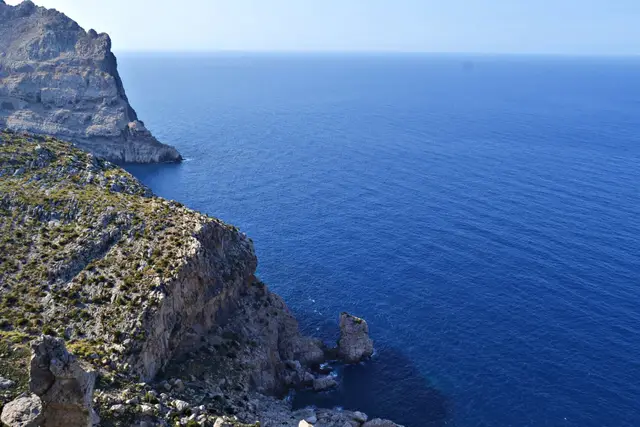
Photo: Lolagt · CC BY-SA 4.0 · Wikimedia Commons
Balearic Islands (Mallorca / Sóller / Valldemossa / Pollença / Deià)
★★★★★crowding: Moderate
Mallorca's limestone backbone (Puig Major 1.445 m), deep gorges like Torrent de Pareis, and the world's only island redoubt for black vultures and the Majorcan midwife toad (Alytes muletensis).
High mountainKarst and cavesGorge and canyonOld-growth forestWild coast
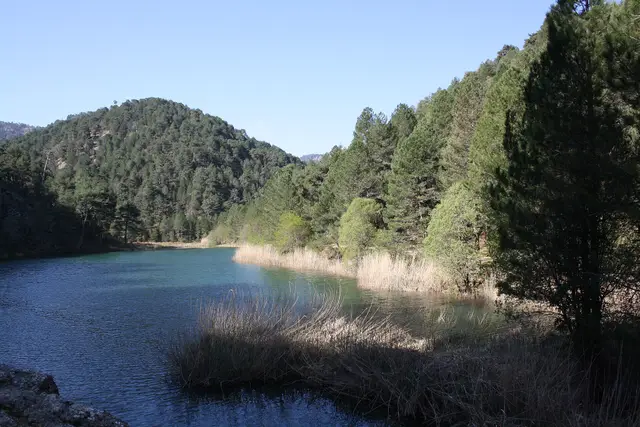
Photo: FrDr · CC BY-SA 4.0 · Wikimedia Commons
Andalusia (Jaén — Cazorla / Segura de la Sierra / Villacarrillo)
★★★★★crowding: Low
Spain's largest protected area: black pine forests, headwaters of the Guadalquivir and the reintroduction of the bearded vulture in Andalusia.
Mediterranean forestOld-growth forestKarst and cavesRiver corridorGorge and canyon
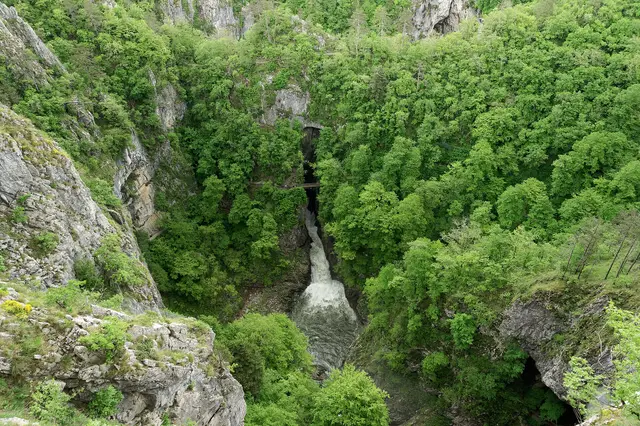
Photo: Jakub Hałun · CC BY 4.0 · Wikimedia Commons
Littoral-Karst (Divača / Matavun)
★★★★★crowding: Moderate
The Reka River vanishes underground into a subterranean canyon over a hundred metres high, among the grandest on Earth.
Karst and cavesGorge and canyonRiver corridor
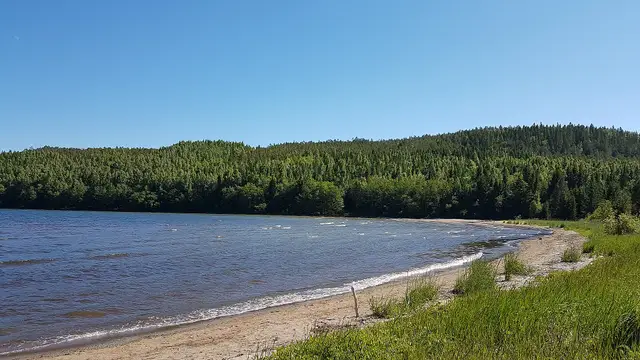
Photo: Jan Ainali · CC BY-SA 4.0 · Wikimedia Commons
Västernorrland (Höga Kusten / Örnsköldsvik / Kramfors)
★★★★★crowding: Low
The heart of Sweden's High Coast (Höga Kusten), the site of the world's greatest post-glacial isostatic rebound (286 m of land uplift after the ice), featuring the Slåttdalssvackan canyon.
Wild coastOld-growth forestGorge and canyon
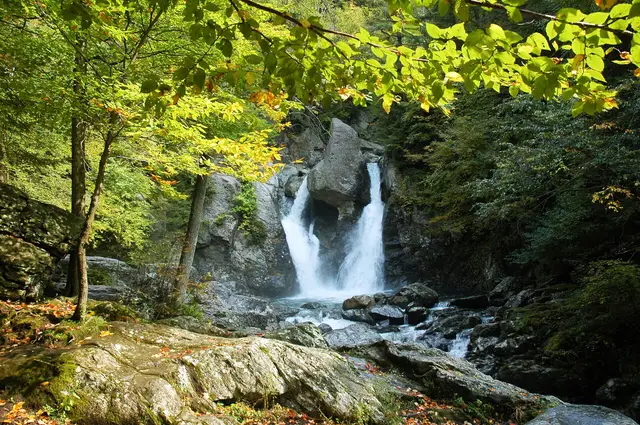
Photo: Zdenek Svoboda from Prague, Czech Republic · CC BY 2.0 · Wikimedia Commons
Eastern Slovakia (Spišská Nová Ves / Hrabušice / Dedinky)
★★★★★crowding: Moderate
Limestone plateaus cut by narrow gorges climbed via ladders and footbridges over waterfalls.
Gorge and canyonKarst and cavesOld-growth forest
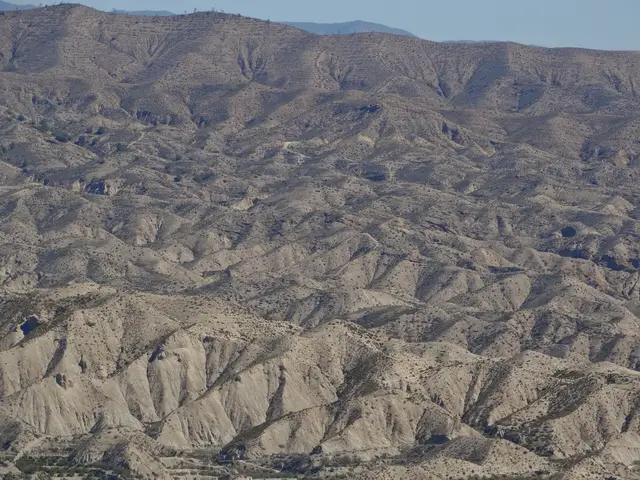
Photo: Fährtenleser · CC BY-SA 4.0 · Wikimedia Commons
Andalusia (Almería)
★★★★★crowding: Low
The only proper desert on the European continent, an extreme badlands landscape where torrential downpours have sculpted canyons and ravines, celebrated as the backdrop for legendary spaghetti westerns.
Steppe and grasslandGorge and canyon
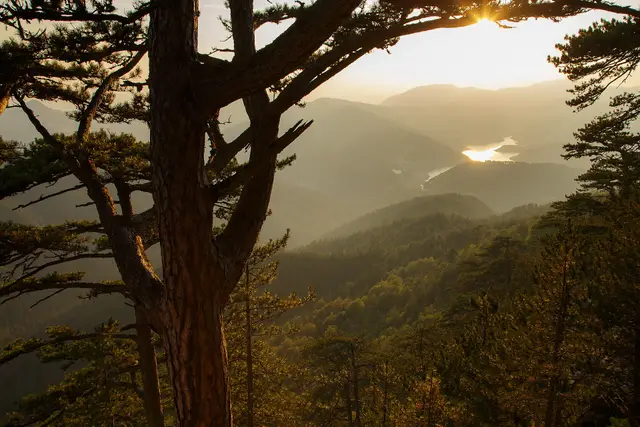
Photo: Thruserbia · CC BY-SA 4.0 · Wikimedia Commons
Zlatibor District (Bajina Bašta)
★★★★★crowding: Low
Mountainous plateau plunging vertically towards the Drina Canyon, harbouring relict Serbian spruce (Picea omorika) forests.
Old-growth forestHigh mountainGorge and canyon
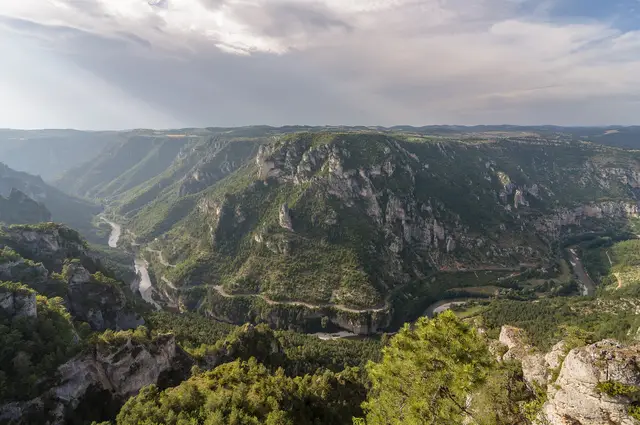
Photo: Myrabella · CC BY-SA 3.0 · Wikimedia Commons
Occitania (Lozère / Aveyron)
★★★★★crowding: Moderate
Spectacular limestone canyon 500 m deep carved by the Tarn between the karstic plateaus of the Causses.
Gorge and canyonKarst and cavesRiver corridor
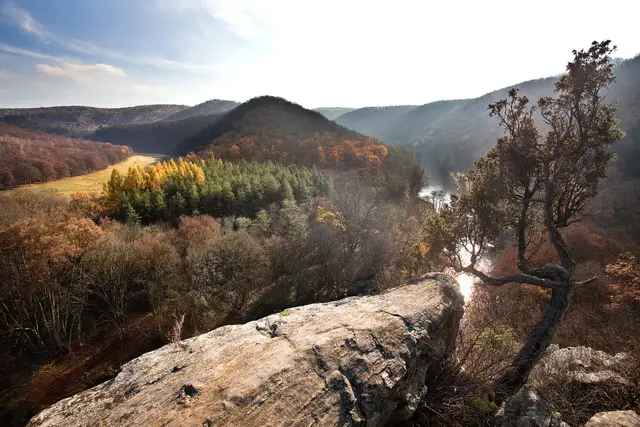
Photo: Byliusrx · CC BY-SA 3.0 at · Wikimedia Commons
Lower Austria (Hardegg) / South Moravia (Znojmo)
★★★★★crowding: Very low
Incised meanders of the Thaya/Dyje River flanked by hillside beechwoods and thermophilous rocky crags.
River corridorGorge and canyonOld-growth forest
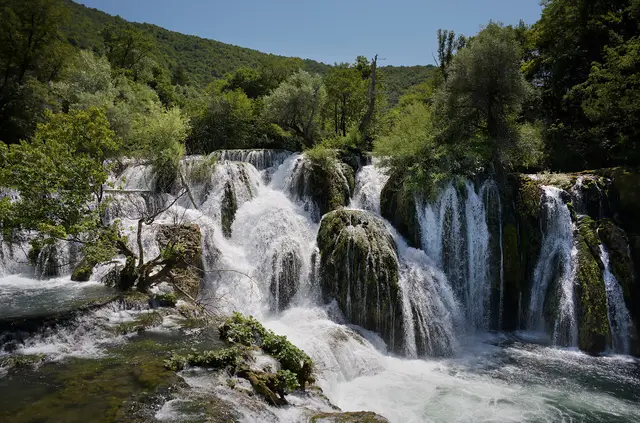
Photo: Miha Peče · CC BY-SA 4.0 · Wikimedia Commons
Una-Sana Canton (Martin Brod / Štrbački buk)
★★★★★crowding: Low
Breathtaking tufa waterfall cascades like Štrbački buk (24 m) incised through rugged karst mountain woodlands.
River corridorGorge and canyonKarst and caves
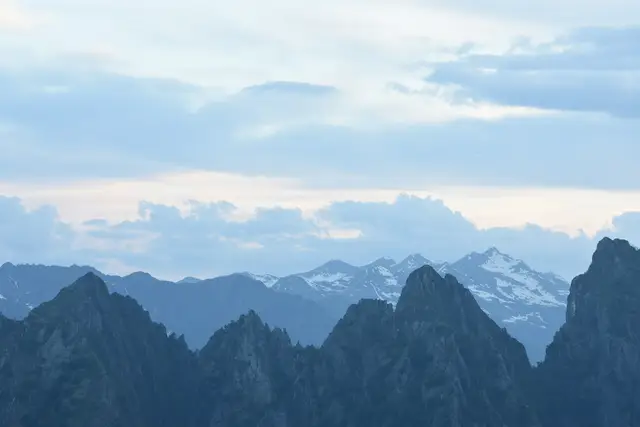
Photo: Mazzaloris95 · CC BY-SA 4.0 · Wikimedia Commons
Piedmont (Verbania / Lake Maggiore / Malesco / Santa Maria Maggiore)
★★★★★crowding: Very low
The largest wilderness area in the Alps and Italy, an impenetrable canyon valley fully reclaimed by wild nature.
Old-growth forestHigh mountainGorge and canyon
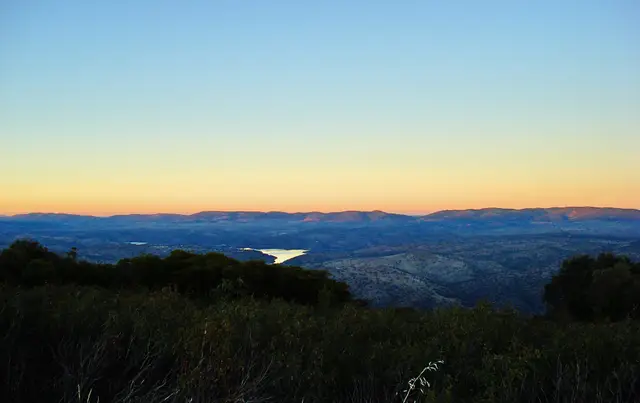
Photo: Ameliacsj · CC BY-SA 3.0 es · Wikimedia Commons
Castilla-La Mancha (Ciudad Real / Fuencaliente / Mestanza / Almodóvar del Campo)
★★★★★crowding: Very low
The largest protected space in Castilla-La Mancha (150,000 ha), featuring vast historic transhumance wood-pastures and intact oak forests.
Old-growth forestRiver corridorGorge and canyon
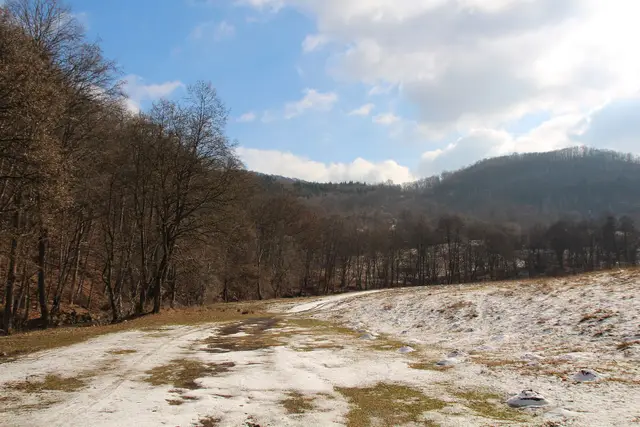
Photo: MARIUS PASCU · CC BY 3.0 · Wikimedia Commons
Harghita and Covasna Counties (Baraolt / Vârghiș)
★★★★★crowding: Low
Limestone gorge reserve with over 120 caves of major chiropterological importance (Peștera Merești).
Gorge and canyonKarst and caves
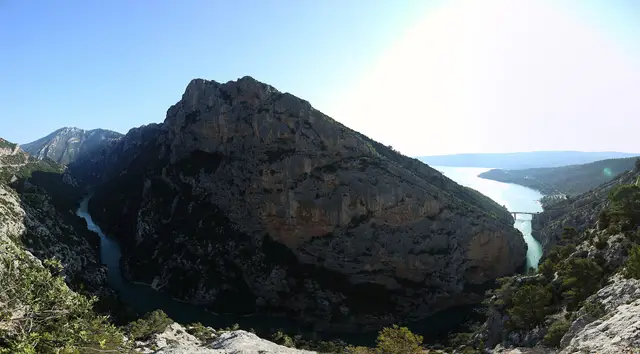
Photo: Tom Chirossel · CC BY-SA 4.0 · Wikimedia Commons
Alpes-de-Haute-Provence / Var (Castellane / Moustiers-Sainte-Marie)
★★★★★crowding: Moderate
The 'Grand Canyon of Europe', sheer limestone cliffs plunging 700 m carved out by the turquoise waters of the Verdon River.
Gorge and canyonKarst and cavesRiver corridor
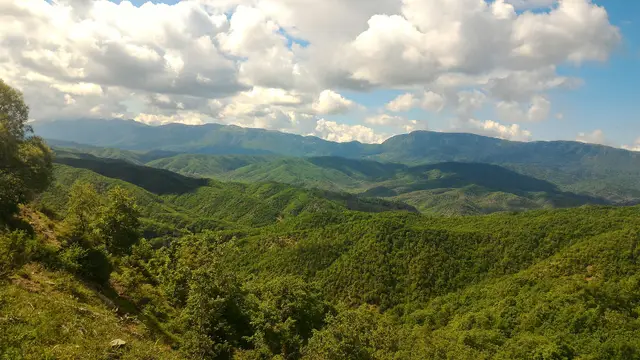
Photo: Johnny1337R · CC BY-SA 4.0 · Wikimedia Commons
Epirus (Ioannina / Zagori / Konitsa)
★★★★★crowding: Low
The Vikos Gorge, recorded by the Guinness Book of Records as the world’s deepest gorge relative to its width (almost 1.000 m of sheer drop).
Gorge and canyonKarst and cavesHigh mountainRiver corridor
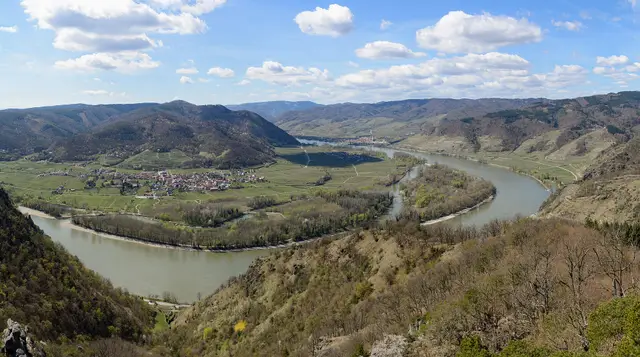
Photo: Uoaei1 · CC BY-SA 4.0 · Wikimedia Commons
Lower Austria (Melk / Krems)
★★★★★crowding: Moderate
Danube gorge flanked by terraced slopes, thermophilic oak woods, and crags.
River corridorGorge and canyon
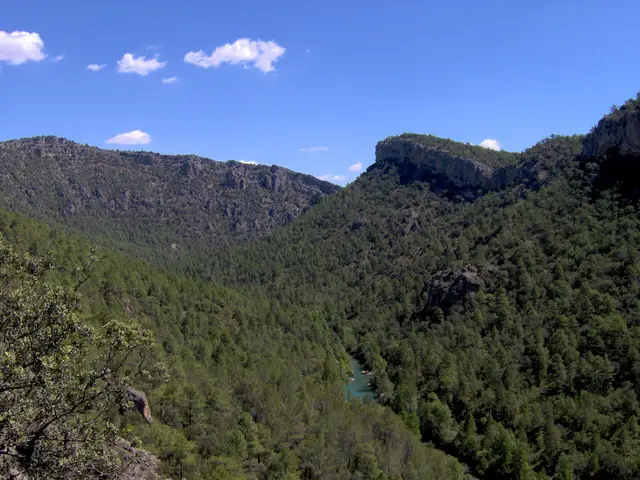
Photo: Pequeño Santi · CC BY-SA 4.0 · Wikimedia Commons
Guadalajara and Cuenca (Castilla-La Mancha, Spain)
★★★★★crowding: No data
Canyons of the Tagus and Hoz Seca rivers among pine forests, riparian woodlands, and highland juniper groves.
Karst and cavesGorge and canyonMediterranean forest
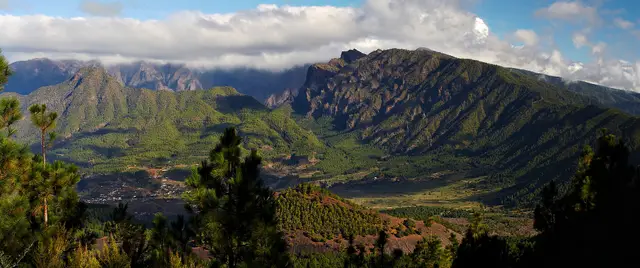
Photo: Michael Apel · CC BY-SA 3.0 · Wikimedia Commons
Canary Islands (La Palma / El Paso / Los Llanos de Aridane)
★★★★★crowding: Low
A colossal volcanic erosion cirque 8 km in diameter and 1,500 m deep, rimmed by precipitous Canary Island pine forests (Pinus canariensis).
High mountainGorge and canyonOld-growth forest
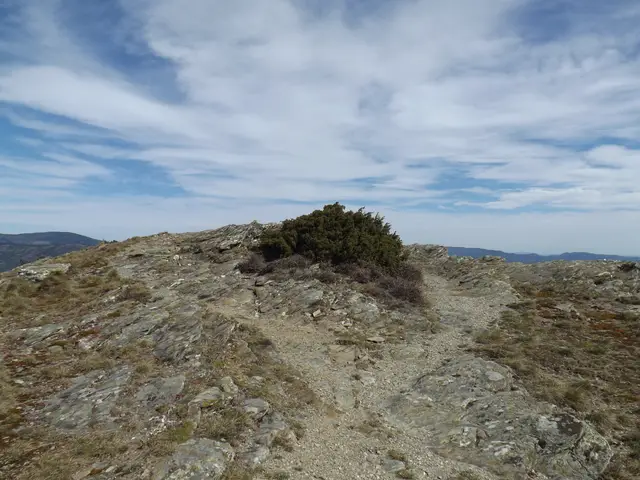
Photo: Fotelise22 · CC BY-SA 4.0 · Wikimedia Commons
Occitania (Lozère / Gard — Florac / Mont Lozère / Mont Aigoual)
★★★★★crowding: Low
Limestone plateaus (causses), granite uplands and chestnut valleys with reintroduced vultures: a pastoral landscape protected as an inhabited national park.
Old-growth forestSteppe and grasslandGorge and canyonKarst and caves
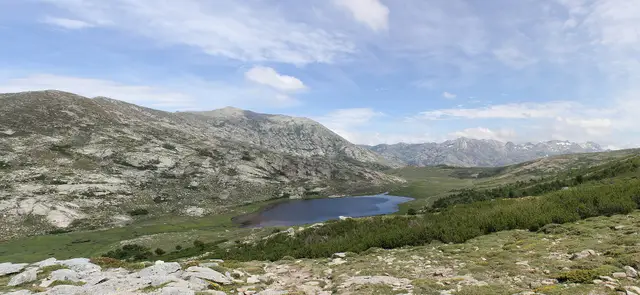
Photo: Arnaud Abadie · CC BY-SA 4.0 · Wikimedia Commons
Corsica (Corte / Ajaccio / Bastia / Porto)
★★★★★crowding: Moderate
Covers more than 40 % of the island of Corsica (375,000 ha), encompassing the backbone of Monte Cinto (2,706 m) and the canyons of the Restonica and Tavignano.
High mountainGorge and canyonOld-growth forestKarst and caves
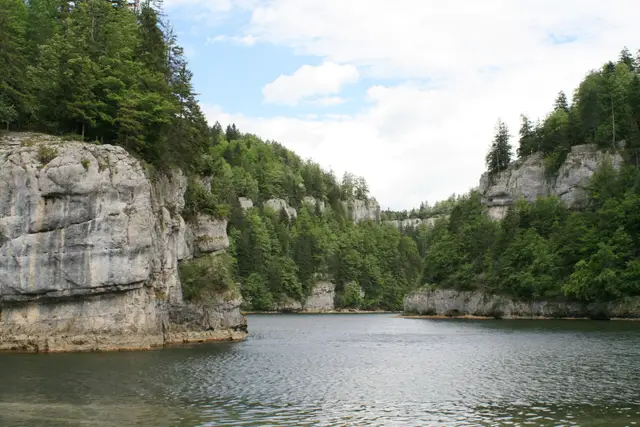
Photo: Wernain Samuel at French Wikipedia · CC BY-SA 3.0 · Wikimedia Commons
Doubs (FR) / Canton of Jura (CH)
★★★★★crowding: Low
A meandering river canyon marking the natural frontier between France and Switzerland with limestone cliffs and cascading falls.
Gorge and canyonRiver corridorKarst and caves
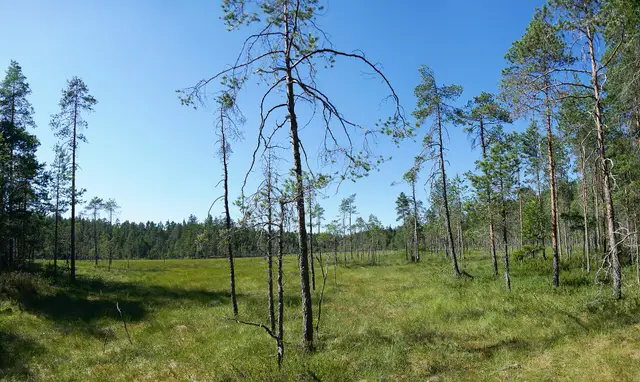
Photo: Tiia Monto · CC BY-SA 3.0 · Wikimedia Commons
Pirkanmaa (Ruovesi / Kuru)
★★★★★crowding: Low
Tectonic fault and vertical-walled canyon on Lake Helvetinjärvi (Helvetinkolu, Hell's Gate) framed by boreal pine forests.
Old-growth forestGorge and canyonLake
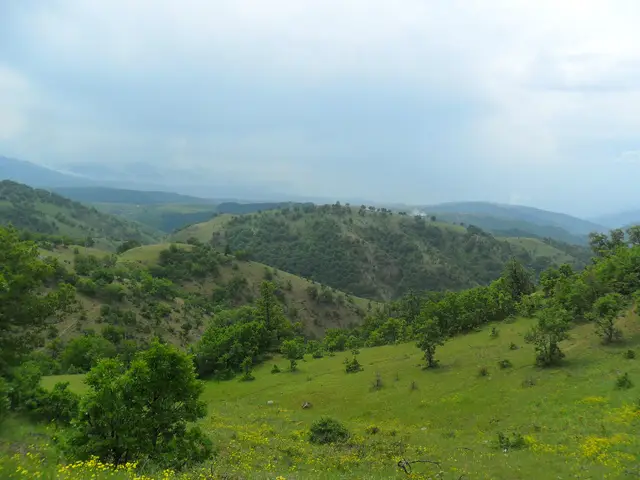
Photo: DLBankov · CC BY-SA 4.0 · Wikimedia Commons
Blagoevgrad Province (Kresna / Simitli)
★★★★★crowding: Low
Sub-Mediterranean granite gorge stretching 18 km that represents Bulgaria's foremost hotspot for reptile and amphibian diversity.
Gorge and canyonRiver corridorOld-growth forest
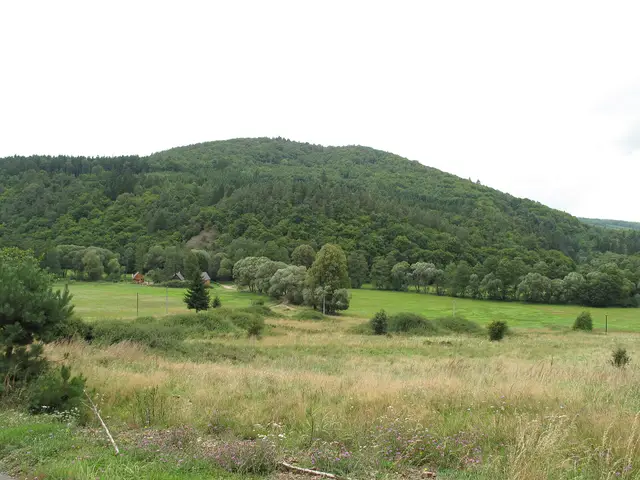
Photo: Juandev · CC BY-SA 3.0 · Wikimedia Commons
Central Bohemia (Beroun / Rakovník)
★★★★★crowding: Low
Exceptional mosaic of oak and beech forests draping the winding canyon gorges of the Berounka River.
Old-growth forestRiver corridorGorge and canyon
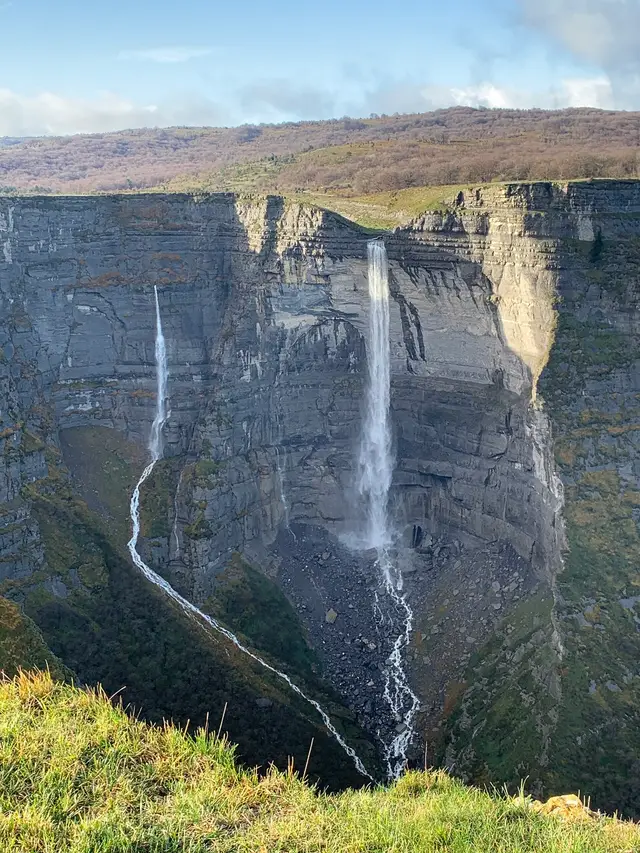
Photo: Centenoyespelta · CC BY-SA 4.0 · Wikimedia Commons
Castile and León / Basque Country (Burgos / Álava / Berberana)
★★★★★crowding: Low
The dramatic karst precipice of the Salto del Nervión (Spain's highest waterfall with a 222 m freefall) and the dense beech forest of Monte Santiago.
Gorge and canyonKarst and cavesOld-growth forest
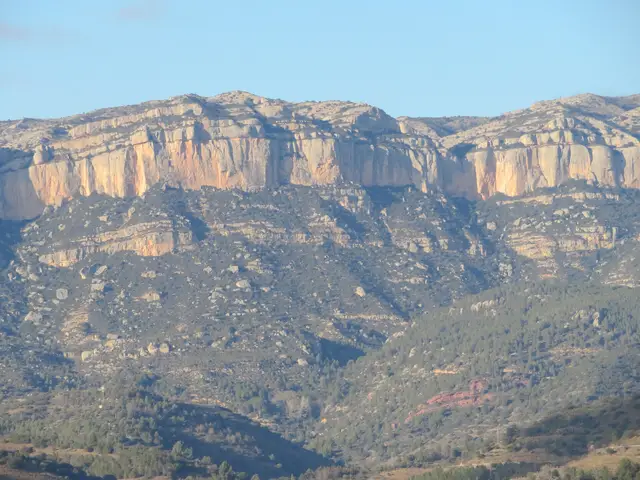
Photo: Juan Emilio Prades Bel · CC BY 4.0 · Wikimedia Commons
Catalonia (Province of Tarragona / Priorat comarca)
★★★★★crowding: Low
A range of limestone-conglomerate ramparts, gorges and Mediterranean forest inhabited by Bonelli's eagle and Iberian ibex.
Karst and cavesGorge and canyonOld-growth forest
Republika Srpska / Sarajevo Canton (Pale / Rogatica)
★★★★★crowding: Very low
Deep karst gorge following an abandoned narrow-gauge railway trace sheltering Pećina Govještica (Bosnia's longest cave, nearly 10 km).
Gorge and canyonKarst and cavesRiver corridor
Abruzzo (Anversa degli Abruzzi / Scanno)
★★★★★crowding: Very low
An awe-inspiring karst canyon carved by the Sagittario River between vertical limestone cliffs hundreds of metres high.
Gorge and canyonKarst and cavesRiver corridor
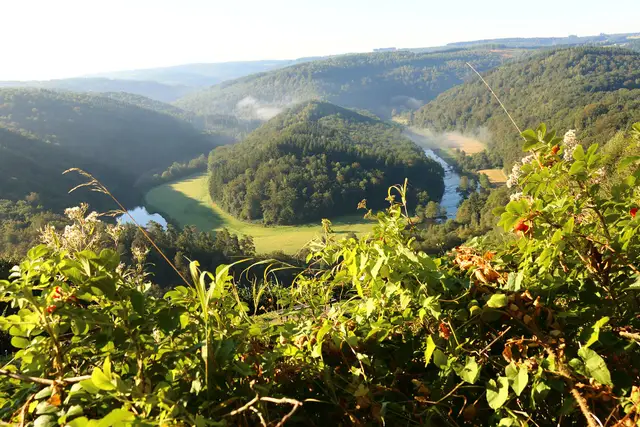
Photo: FrDr · CC BY-SA 4.0 · Wikimedia Commons
Province of Luxembourg (Bouillon / Vresse-sur-Semois)
★★★★★crowding: Low
Incised meanders cut into Ardennes schists, including the giant meander of the "Tomb of the Giant".
River corridorOld-growth forestGorge and canyon
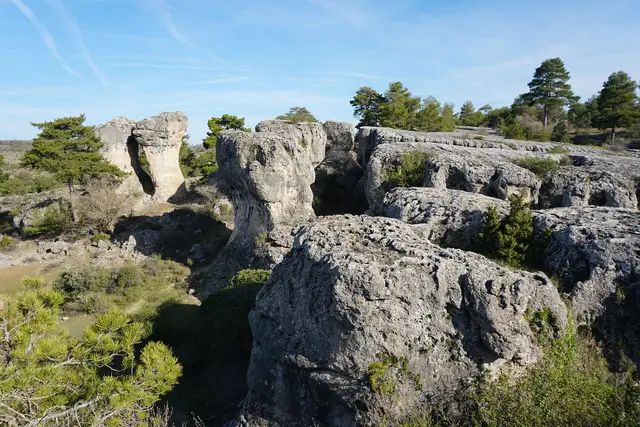
Photo: Tanja Freibott · CC BY-SA 4.0 · Wikimedia Commons
Cuenca (Castilla-La Mancha, Spain)
★★★★★crowding: No data
Pine forests and deep river gorges sculpted through limestone plateaus across the Serranía de Cuenca.
Karst and cavesGorge and canyonMediterranean forest
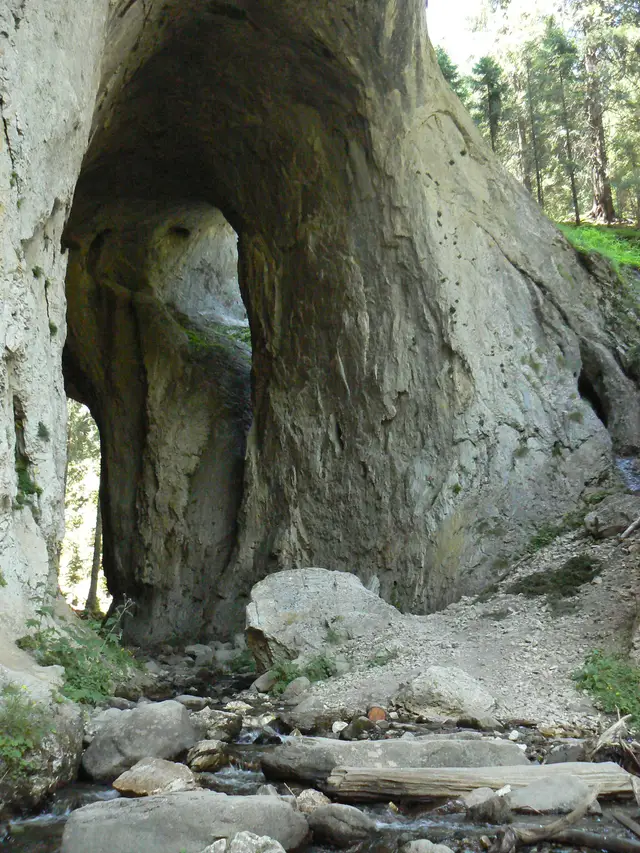
Photo: Vassia Atanassova - Spiritia · Public domain · Wikimedia Commons
Smolyan Province (Zabardo / Chepelare)
★★★★★crowding: Low
Giant karst stone arches over 45 m high created by the collapse of an ancient cave above the Erkyupriya River.
Karst and cavesGorge and canyonOld-growth forest