Places with no or very low crowding according to the atlas's rating: nature you can enjoy without the crowds. It's a general estimate; bank holidays, high season and the best-known access points can change it.
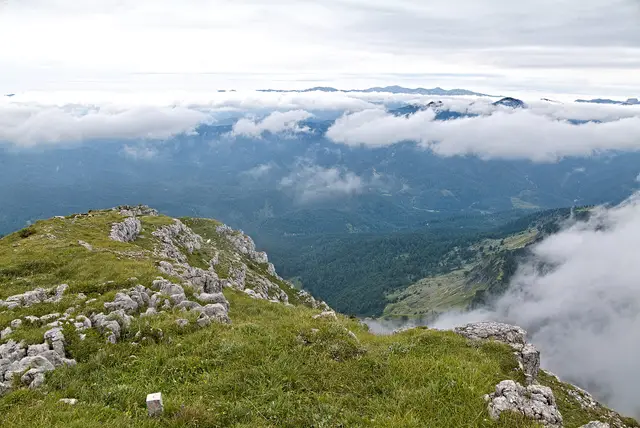
Photo: Leonhard Lenz · CC0 · Wikimedia Commons
Lower Austria (Ybbstal Alps)
★★★★★crowding: Very low
The largest unmanaged primeval forest in the Central Alps (Rothwald), UNESCO World Heritage site.
Primary forestHigh mountain
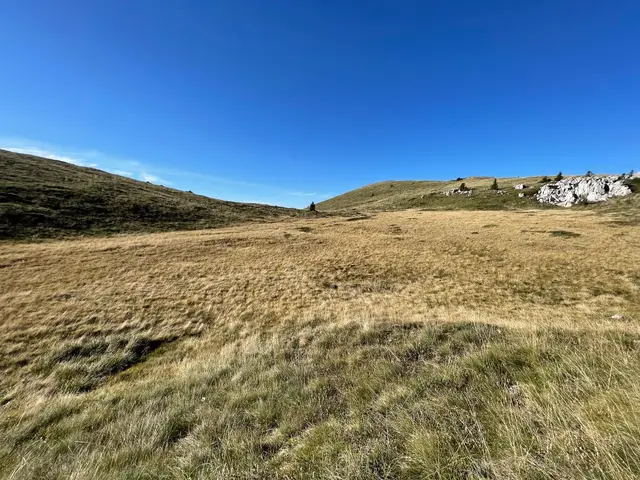
Photo: StarDroid 5000 · CC BY-SA 4.0 · Wikimedia Commons
Lika-Senj County (Sjeverni Velebit)
★★★★★crowding: Very low
Dantesque labyrinth of limestone monoliths and abyssal karst pits such as Lukina Jama (1,431 m deep).
Karst and cavesHigh mountainPrimary forest
Prešov Region (Poloniny National Park)
★★★★★crowding: Very low
Virgin beech forest with record-breaking trees exceeding 50 metres in height in the Eastern Carpathians.
Primary forest
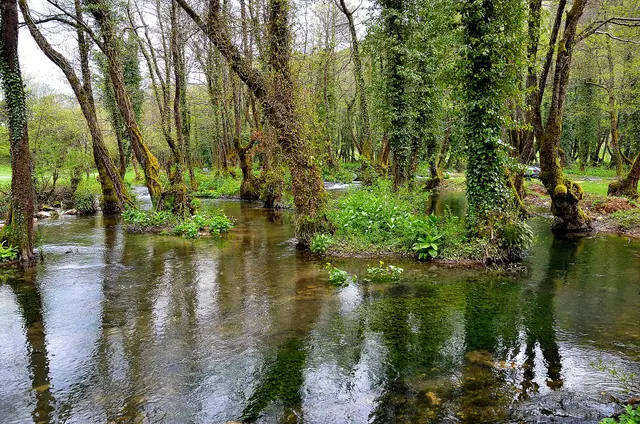
Photo: Dusan2015 · CC BY-SA 4.0 · Wikimedia Commons
Republika Srpska (Šipovo)
★★★★★crowding: Very low
Strict karst reserve of fir, beech, and spruce inscribed as a UNESCO World Heritage site.
Primary forest
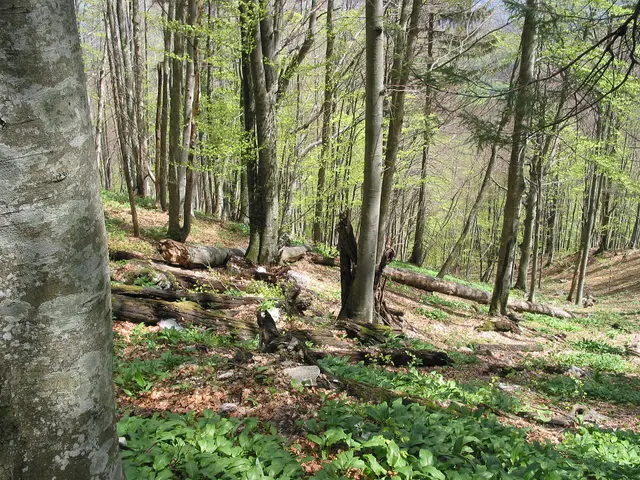
Photo: Ljuba brank · CC BY-SA 3.0 · Wikimedia Commons
Southeast Slovenia (Borovška Gora Mountains / Kočevje Municipality / Kolpa River Basin)
★★★★★crowding: Very low
Primeval beech forest of Kočevsko, inscribed on the UNESCO World Heritage list, observed from the perimeter trail.
Primary forestKarst and cavesGorge and canyon
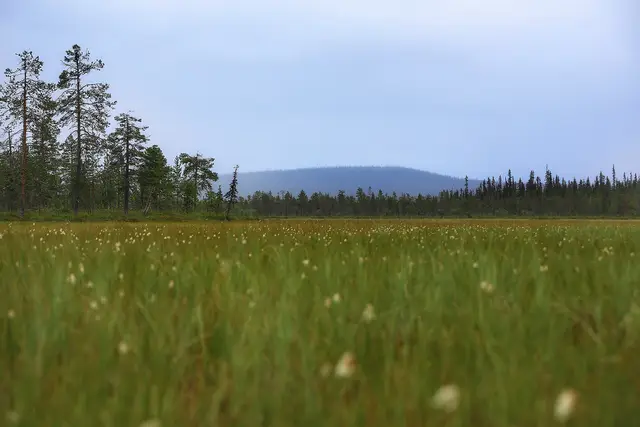
Photo: Jojoo64 · CC BY-SA 4.0 · Wikimedia Commons
Swedish Lapland / Norrbotten (Gällivare / Jokkmokk)
★★★★★crowding: Very low
The pristine realm of boreal taiga and untouched peatlands in Laponia (UNESCO World Heritage), famous for pines over 700 years old that survived historical forest fires.
Primary forestWetlandOld-growth forest
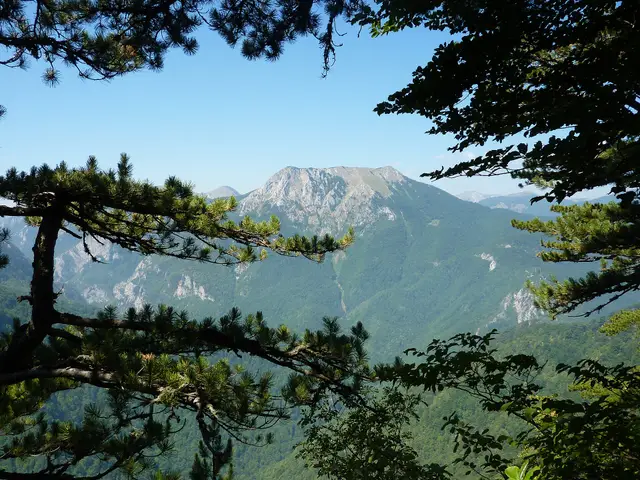
Photo: Erwan Martin from Plouzané, France · CC BY 2.0 · Wikimedia Commons
Republika Srpska (Foča / Maglić)
★★★★★crowding: Very low
The best-preserved beech and fir primeval forest in Southeastern Europe, with trees over 300 years old and the Skakavac waterfall.
Primary forestHigh mountainGorge and canyon
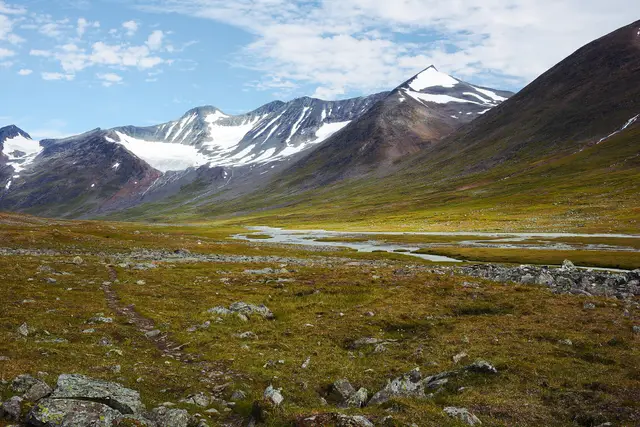
Photo: Bjornvaktaren · CC BY-SA 4.0 · Wikimedia Commons
Swedish Lapland / Norrbotten (Jokkmokk / Kvikkjokk / Ritsem)
★★★★★crowding: Very low
Peaks, glaciers, and the Ráhpavuobme valley in Sarek National Park, part of the Laponia World Heritage site.
High mountainGlacial landscapeRiver corridorGorge and canyon
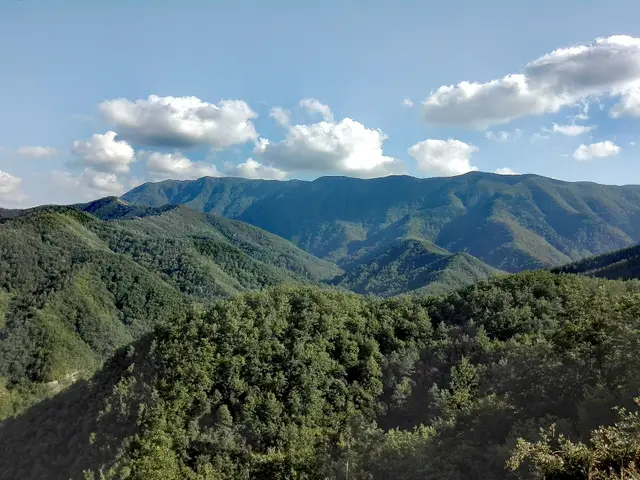
Photo: Nicola Andrucci · CC BY-SA 4.0 · Wikimedia Commons
Emilia-Romagna / Tuscany (Forlì-Cesena / Bagno di Romagna)
★★★★★crowding: None
The first Strict Nature Reserve established in Italy (1959), an intact primary beech forest over 500 years old untouched by logging.
Primary forestOld-growth forest
Suceava County (Rarău Mountains)
★★★★★crowding: Very low
The 'Cathedral of the Firs', one of Romania's oldest mixed primeval forests of silver fir and European beech.
Primary forestHigh mountain
Maramureș County
★★★★★crowding: Very low
Continuous virgin beech forest of the Northern Carpathians designated as a UNESCO World Heritage site.
Primary forest
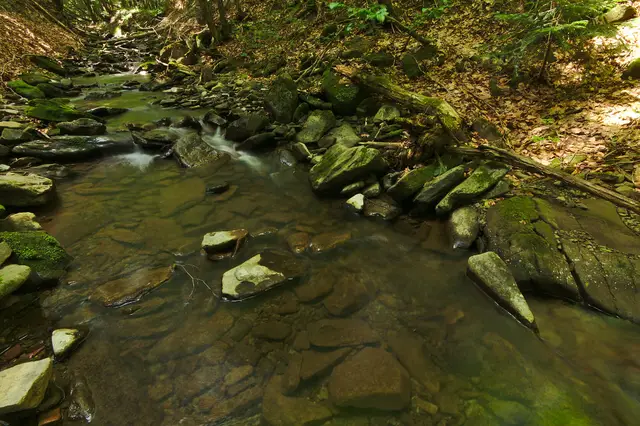
Photo: Jiří Komárek · CC BY-SA 4.0 · Wikimedia Commons
Prešov Region (Slovakia-Poland-Ukraine tripoint)
★★★★★crowding: Very low
Virgin mountain fir and beech forest at the meeting point of three Carpathian frontiers.
Primary forestHigh mountain
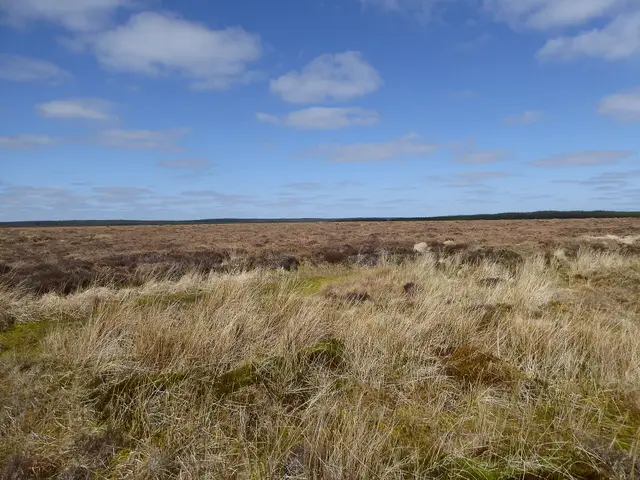
Photo: Mick Crawley · CC BY-SA 2.0 · Wikimedia Commons
Scotland (Caithness and Sutherland — Forsinard)
★★★★★crowding: None
Europe's largest blanket bog expanse, World Heritage site since 2024: an intricate expanse of pool complexes and sphagnum moss locking up carbon since the last Ice Age.
WetlandLake
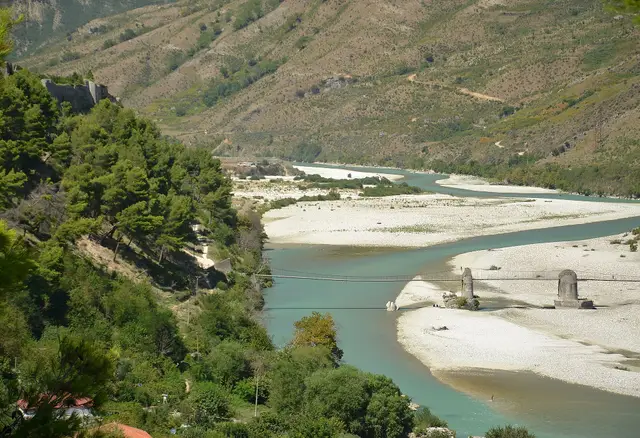
Photo: Pudelek · CC BY-SA 4.0 · Wikimedia Commons
Southern Albania (Përmet / Tepelenë / Memaliaj)
★★★★★crowding: Very low
Europe's first wild river national park: the Vjosa flows entirely undammed from Greece to the Adriatic Sea.
River corridorGorge and canyonRewilding area
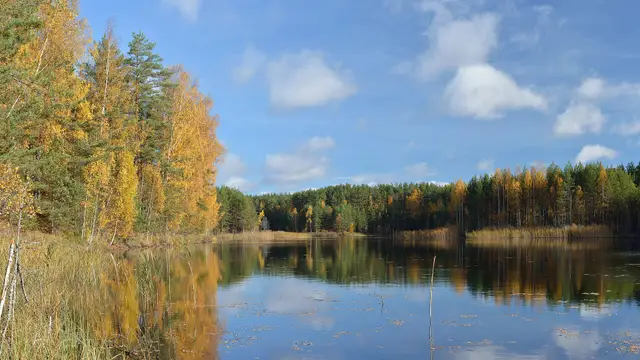
Photo: Ivar Leidus · CC BY-SA 3.0 · Wikimedia Commons
Ida-Virumaa (Iisaku / Alajõe)
★★★★★crowding: Very low
Estonia's youngest National Park (designated in 2018), an immense boreal wilderness of deep taiga and expansive mire complexes bordering Lake Peipus.
Old-growth forestWetlandLake
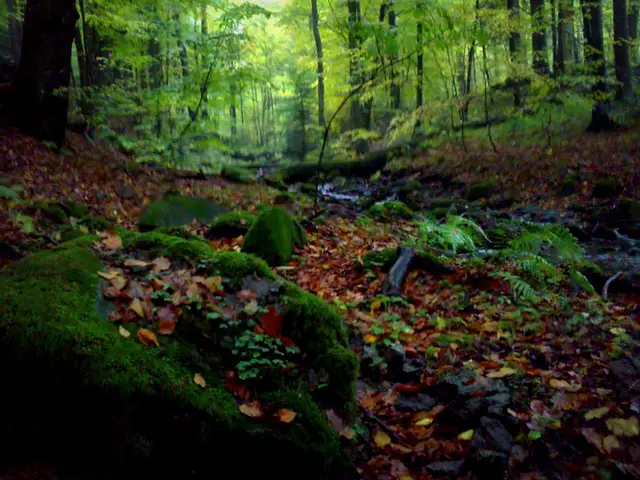
Photo: Gasparct · CC BY-SA 3.0 · Wikimedia Commons
Banská Bystrica (Badín / Banská Bystrica)
★★★★★crowding: None
Virgin fir and beech forest over 400 years old protected since 1913, famous for receiving an official visit by Charles III of the United Kingdom for its ecological value.
Primary forestOld-growth forest
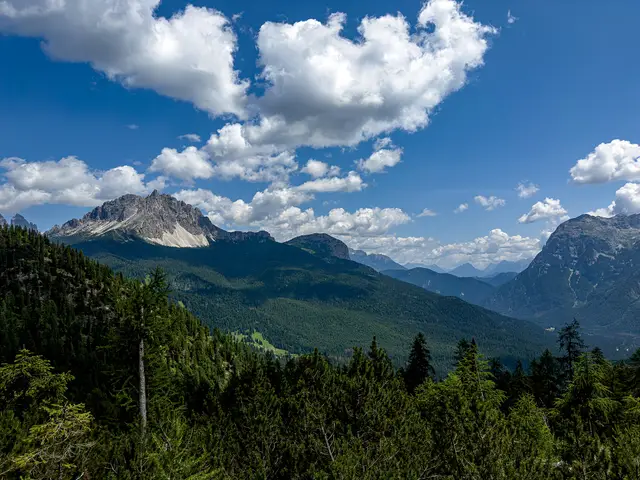
Photo: Turcito11 · CC BY-SA 4.0 · Wikimedia Commons
Veneto (Belluno / Feltre / Agordo)
★★★★★crowding: Very low
The wildest and southernmost sector of the Dolomites (UNESCO World Heritage), carved by deep karst ravines such as the Cadini del Brenton.
High mountainKarst and cavesGorge and canyonOld-growth forest
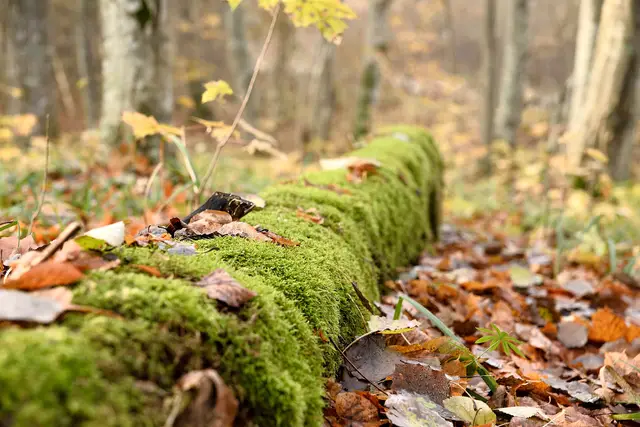
Photo: Bartosz Dworski · CC BY-SA 3.0 pl · Wikimedia Commons
Warmian-Masurian Voivodeship (Kruklanki)
★★★★★crowding: Very low
Diverse Masurian old-growth woodland harbouring a significant reintroduced free-ranging European bison population.
Old-growth forestLake
Trøndelag / Nordland (Hattfjelldal / Røyrvik)
★★★★★crowding: None
One of Scandinavia's purest trail-less wilderness sanctuaries, a core breeding haven for the Arctic fox (Vulpes lagopus).
High mountainWetlandOld-growth forestLake
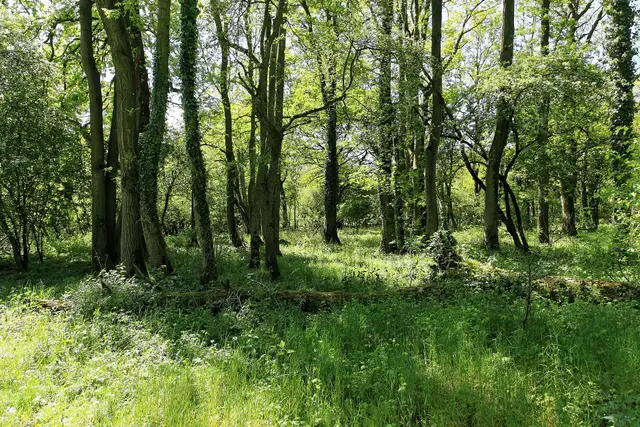
Photo: Frank Vincentz · CC BY-SA 3.0 · Wikimedia Commons
Lower Saxony (Meppen / Emsland)
★★★★★crowding: Very low
Historical relict of wood-pasture (Hutewald) in an abandoned oxbow of the Ems River, grazed since the Middle Ages.
Old-growth forestRiver corridor
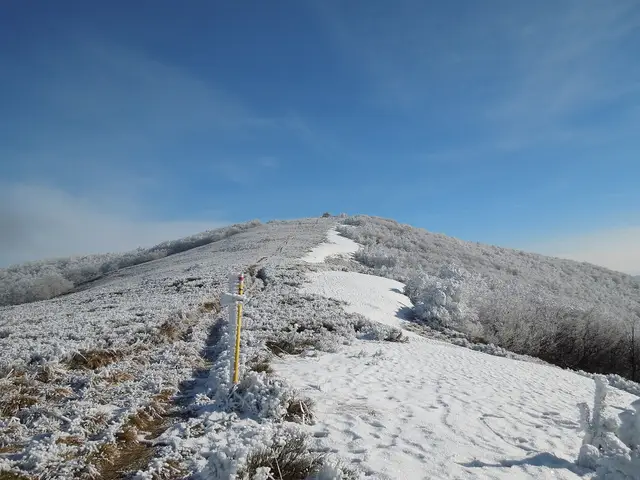
Photo: Milan Bališin · CC BY-SA 4.0 · Wikimedia Commons
Prešov Region (Snina District)
★★★★★crowding: Very low
Slovakia’s largest tract of virgin primeval beech forests contiguous with subalpine ridge meadows (poloniny).
Primary forestHigh mountain
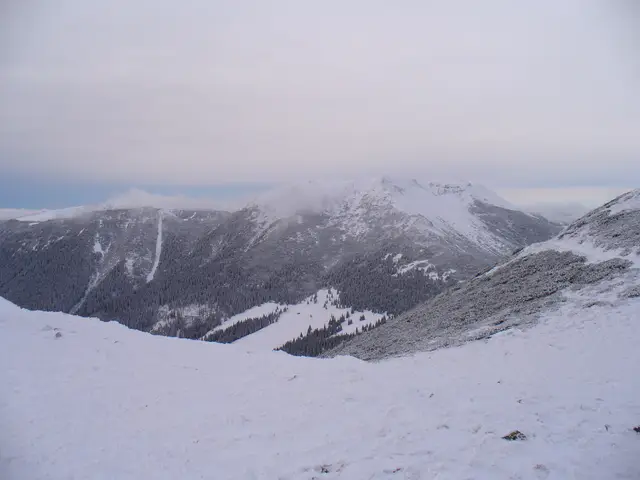
Photo: Original uploader was Utilizator:Kluand at ro.wikipedia · Public domain · Wikimedia Commons
Suceava, Mureș, Bistrița-Năsăud, and Harghita Counties
★★★★★crowding: Very low
The largest extinct volcanic crater in Europe (10 km in diameter) covered with high-mountain fir and spruce forests.
Old-growth forestHigh mountain
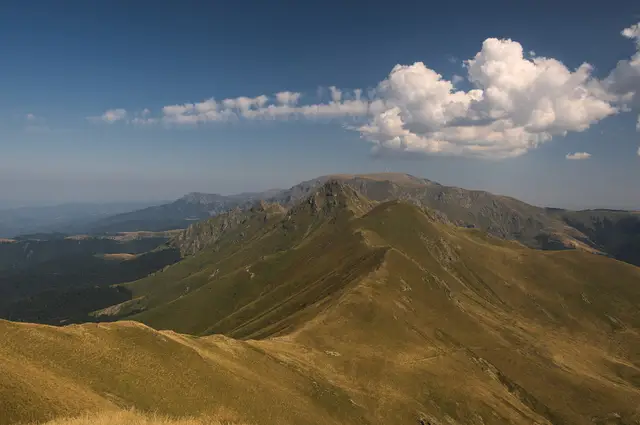
Photo: Derbeth · CC BY 4.0 · Wikimedia Commons
Lovech, Plovdiv, Stara Zagora and Gabrovo Provinces
★★★★★crowding: Very low
Nine strict nature reserves protecting the largest contiguous tract of unmanaged ancient beech forest in the Balkans.
Primary forestHigh mountain
Cluj County (Cluj-Napoca)
★★★★★crowding: Very low
Relict steppe grasslands on the outskirts of Cluj-Napoca renowned for fabulous biodiversity of wild orchids and irises.
Steppe and grassland
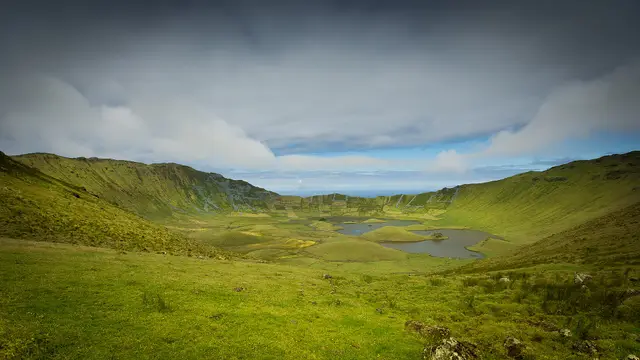
Photo: Paulo Valdivieso from Lisboa, Portugal · CC BY-SA 2.0 · Wikimedia Commons
Autonomous Region of the Azores (Corvo Island / Vila do Corvo)
★★★★★crowding: Very low
The smallest and most remote island of the Azorean archipelago (17 km²), dominated by the Caldeirão (volcanic collapse caldera holding two interior lagoons).
Wild coastMarineLake
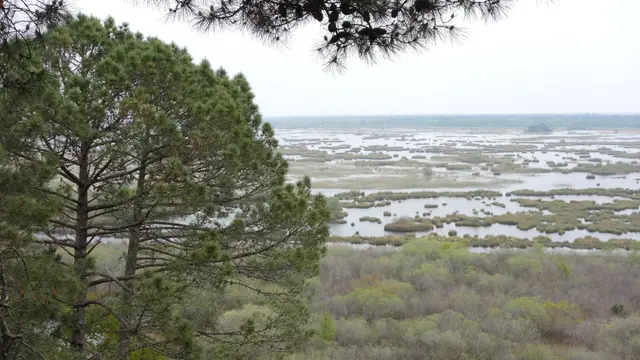
Photo: Zlice · CC BY-SA 4.0 · Wikimedia Commons
Nouvelle-Aquitaine (Gironde / Lacanau)
★★★★★crowding: Very low
Pristine dune pond and protected wooded marshes between the great Médoc lakes and the Atlantic Ocean.
WetlandWild coastOld-growth forest
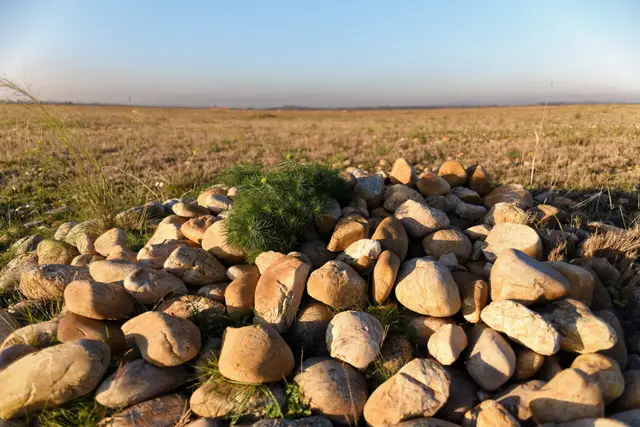
Photo: Gemarin · CC BY-SA 4.0 · Wikimedia Commons
Bouches-du-Rhône (Arles / Saint-Martin-de-Crau)
★★★★★crowding: Very low
The only genuine pebble steppe in Northern and Central Europe (Coussoul), an ancient fossil delta of the Durance river.
Steppe and grassland
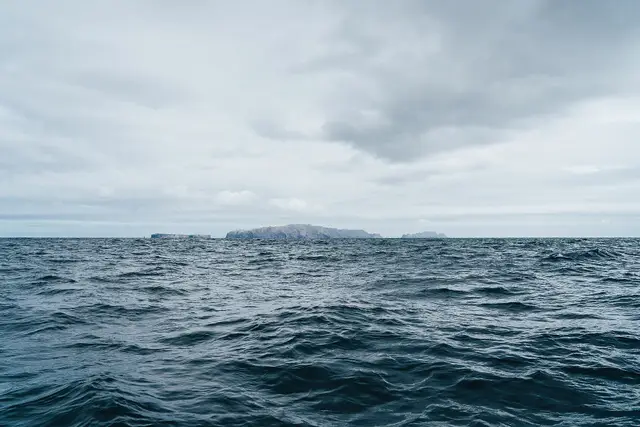
Photo: André Moniz Vieira · CC BY-SA 4.0 · Wikimedia Commons
Autonomous Region of Madeira (Deserta Grande / Bugio / Ilhéu Chão)
★★★★★crowding: None
Uninhabited archipelago of three narrow volcanic islands (Deserta Grande, Bugio, and Chão), a strict sanctuary for the Mediterranean monk seal (Monachus monachus).
Wild coastMarineSteppe and grassland
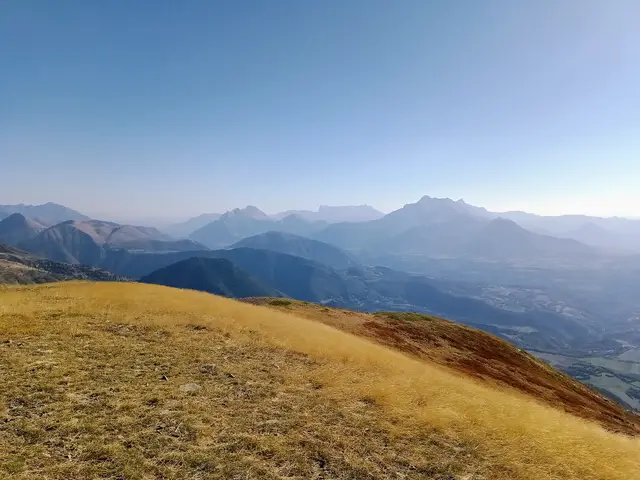
Photo: Rémih · CC BY-SA 4.0 · Wikimedia Commons
Hautes-Alpes (Saint-Étienne-en-Dévoluy)
★★★★★crowding: Very low
Mineral karst fortress rimmed by limestone cliffs and riddled with deep subterranean chasms (chourums).
High mountainKarst and caves
Banská Bystrica (Čierny Balog / Brezno)
★★★★★crowding: None
Strict Nature Reserve designated in 1913, one of Slovakia's oldest and best-protected mixed fir-beech primeval forests.
Primary forestOld-growth forest
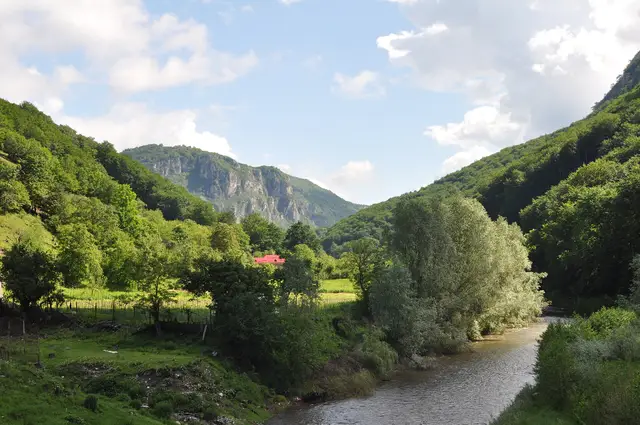
Photo: Flori & Nicu Farcaș · CC BY-SA 4.0 · Wikimedia Commons
Caraș-Severin, Mehedinți, and Gorj Counties
★★★★★crowding: Very low
Deep tectonic canyon flanked by Banat black pine and catchments with virgin montane beech woods.
Primary forestGorge and canyonKarst and cavesHigh mountain
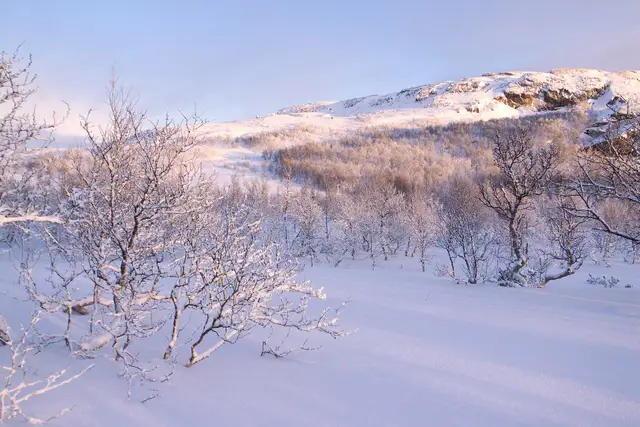
Photo: Aslak Raanes · CC BY 2.0 · Wikimedia Commons
Trøndelag and Innlandet Counties (Border with Sweden)
★★★★★crowding: Very low
A vast Arctic-alpine wilderness of boulder fields, ancient Scots pine forest, and an intricate labyrinth of canoeing lakes.
Old-growth forestLakeGlacial landscape
Autonomous Region of the Azores (Flores Island / Santa Cruz / Lajes das Flores)
★★★★★crowding: Very low
The 'Island of Water and Flowers', a UNESCO Biosphere Reserve on the North American tectonic plate with 7 crater lakes (Sete Lagoas) and the Poço da Ribeira do Ferreiro waterfall.
High mountainLakeWild coastPrimary forest
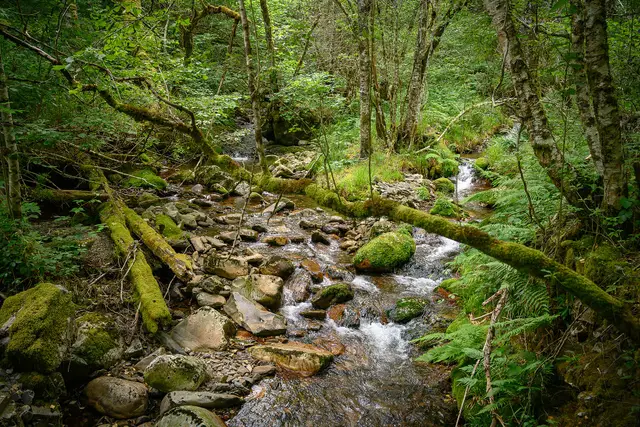
Photo: Teseum · CC BY-SA 4.0 · Wikimedia Commons
Asturias (Cangas del Narcea / Degaña / San Antolín de Ibias)
★★★★★crowding: Very low
The largest sessile oak (Quercus petraea) forest in Spain and one of the best preserved in Europe (Muniellos).
Primary forestOld-growth forestHigh mountain
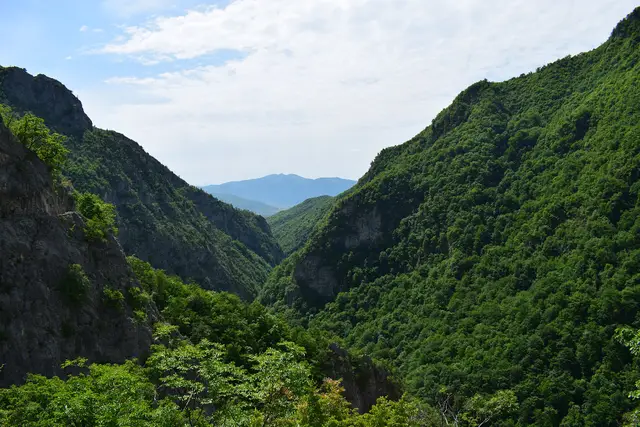
Photo: Mensur Gashi · CC BY-SA 4.0 · Wikimedia Commons
Tropojë District (Albanian Alps / Tropojë)
★★★★★crowding: Very low
Pristine glacial valley and undisturbed primeval beech forest designated a UNESCO World Heritage site in Albania.
Primary forestHigh mountainRiver corridor
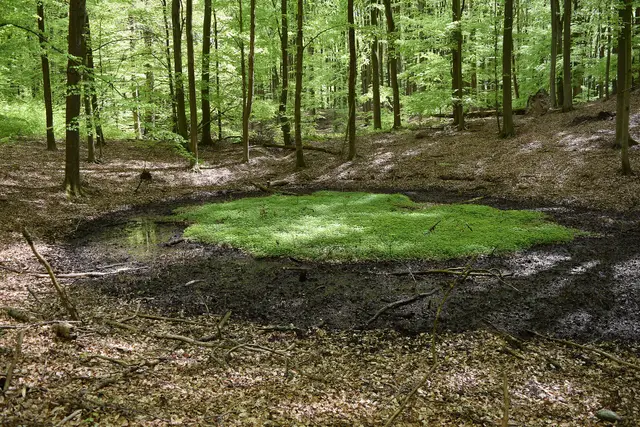
Photo: Fabian Wilske · CC BY-SA 3.0 · Wikimedia Commons
Brandenburg (Angermünde)
★★★★★crowding: Very low
Lowland glacial beech forest with moraine relief and interior mires protected by UNESCO.
Primary forestOld-growth forest
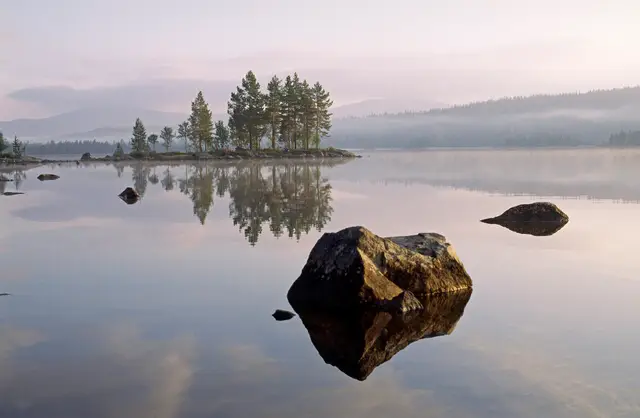
Photo: Peter Möllenkamp · CC BY-SA 3.0 · Wikimedia Commons
Innlandet (Engerdal / Femundsmarka)
★★★★★crowding: Very low
Norway's smallest National Park (23 km²), protecting an untouched primeval forest of Scots pine and centuries-old spruces.
Primary forestOld-growth forestWetland
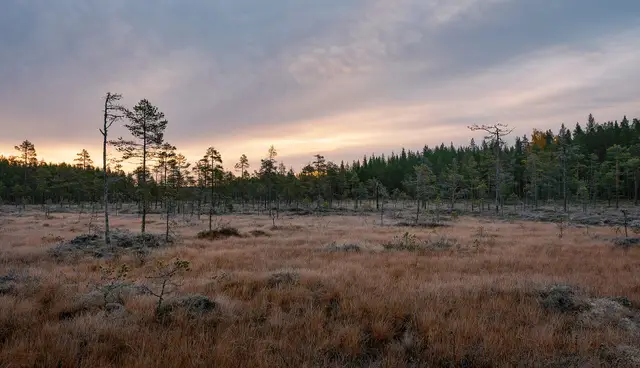
Photo: Kateryna Baiduzha · CC BY 4.0 · Wikimedia Commons
Gävleborg (Ljusdal / Fågelsjö)
★★★★★crowding: Very low
An island of 400-year-old primeval coniferous forest with untouched bogs in the Orsa Finnmark region.
Primary forestWetlandOld-growth forest
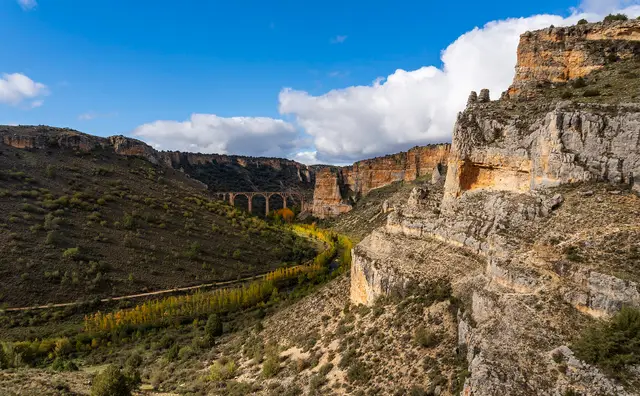
Photo: Pedro José Ponce Asensio · CC BY-SA 4.0 · Wikimedia Commons
Castile and León (Segovia / Maderuelo / Montejo de la Vega)
★★★★★crowding: Very low
Limestone gorge hosting the historic Montejo de la Vega Raptor Refuge founded by Félix Rodríguez de la Fuente in 1975.
Gorge and canyonKarst and cavesRiver corridor
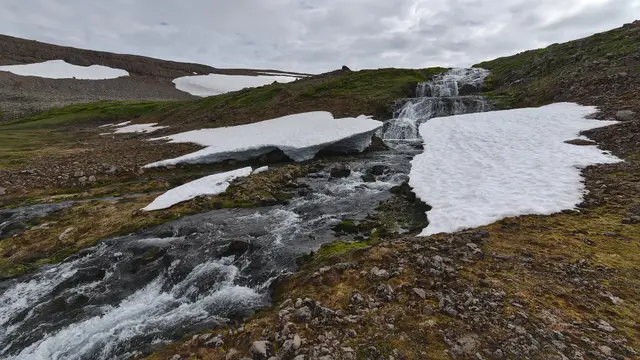
Photo: Rob Oo from NL · CC BY 2.0 · Wikimedia Commons
Westfjords (Ísafjörður)
★★★★★crowding: None
An arctic peninsula abandoned in the fifties, without roads, where the arctic fox lives without hunting and without fear.
Wild coastHigh mountain
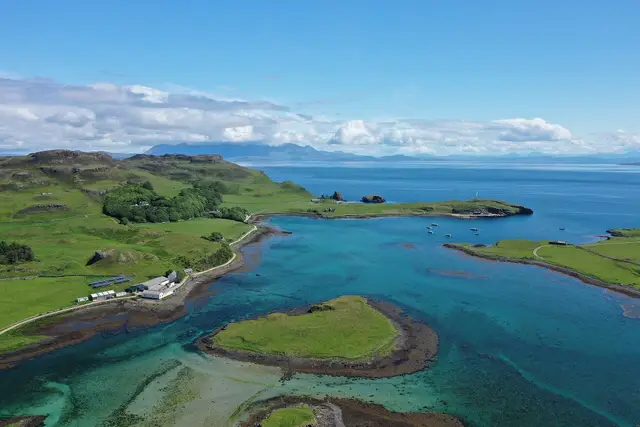
Photo: PaulT (Gunther Tschuch) · CC BY-SA 4.0 · Wikimedia Commons
Scotland (Inner Hebrides / Small Isles)
★★★★★crowding: Very low
Owned by the National Trust for Scotland, famed for Compass Hill, a basalt hill containing magnetite that distorts passing ship compasses.
Wild coastMarine
Inner Carniola (Postojna / Cerknica)
★★★★★crowding: Very low
Forested karst plateau without continuous human settlements adjoining the intermittent lake of Cerknica.
Old-growth forestKarst and caves
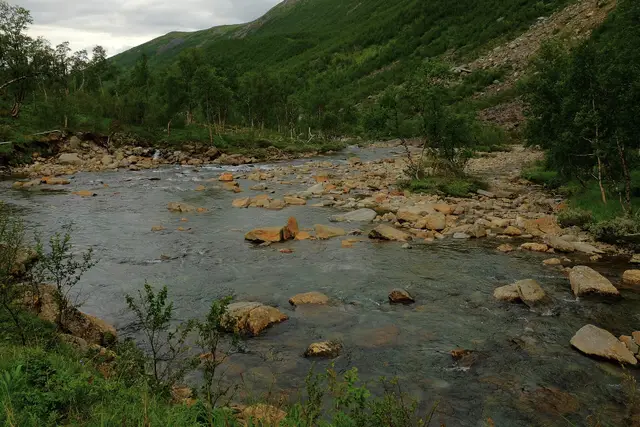
Photo: Frankemann · CC BY-SA 4.0 · Wikimedia Commons
Nordland (Saltdal / Fauske / Junkerdal)
★★★★★crowding: Very low
Renowned internationally for harboring one of the richest arctic-alpine and karst floras in the entire Arctic, thanks to its soft limestone bedrock.
High mountainKarst and cavesAlpine meadow
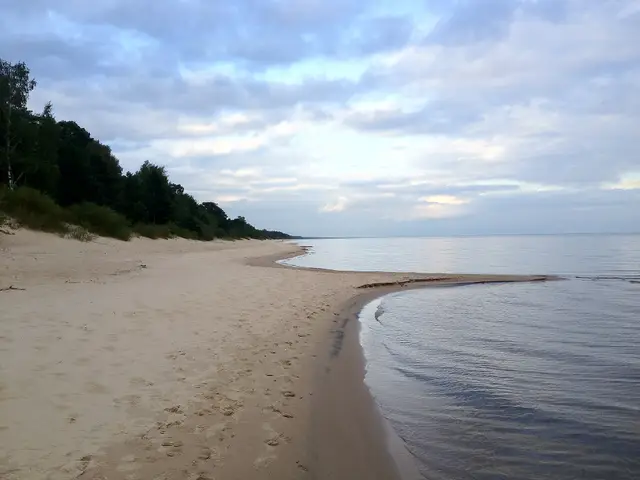
Photo: Ainar Riigov · CC BY 3.0 · Wikimedia Commons
Tartumaa (Kallaste / Varnja / Luunja)
★★★★★crowding: Very low
Europe's fifth-largest lake (3,500 km²) and the vast uninhabited wilderness wetland of the Emajõgi delta.
LakeWetlandWild coast
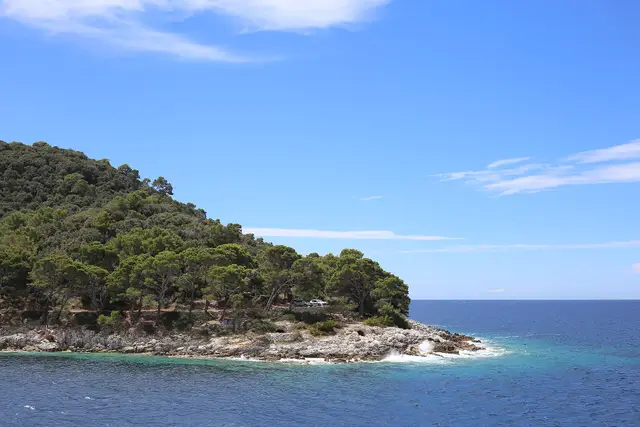
Photo: Adzelalija · CC BY-SA 4.0 · Wikimedia Commons
Dubrovnik-Neretva (Lastovo Island)
★★★★★crowding: Very low
One of Croatia's most remote inhabited islands and dozens of islets, with pristine night skies and largely undisturbed seabed ecosystems.
Wild coastMarineMediterranean forest
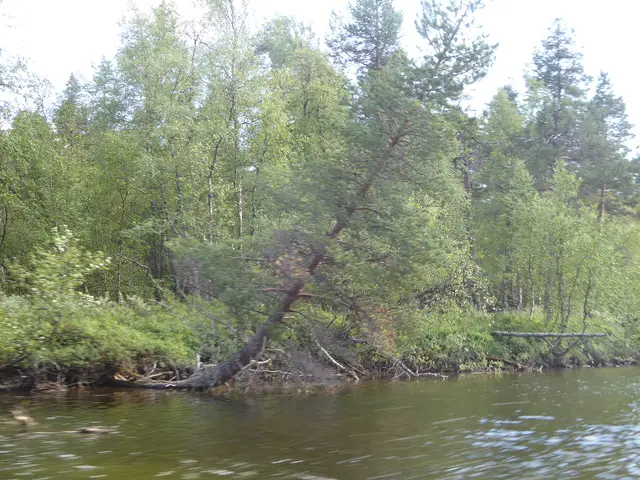
Photo: Nemo bis · CC BY-SA 4.0 · Wikimedia Commons
Finnish Lapland (Inari / Kittilä)
★★★★★crowding: Very low
The largest national park in Finland (2,860 km²), wild river valleys of primeval taiga and the legendary gold-bearing Lemmenjoki river.
Primary forestHigh mountainRiver corridorWetland
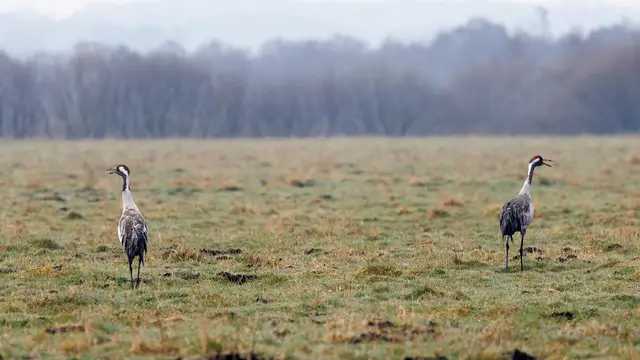
Photo: Stig Nygaard · CC BY 2.0 · Wikimedia Commons
North Jutland (Aalborg / Dokkedal)
★★★★★crowding: Very low
The largest active raised bog in lowland Western Europe (76 km²), hosting the reintroduction of the moose to Denmark.
WetlandOld-growth forest
Republika Srpska (Petrovac / Klekovača)
★★★★★crowding: Very low
Beech and fir reserve set upon the deep karstic terrain of Mount Klekovača.
Primary forestHigh mountain
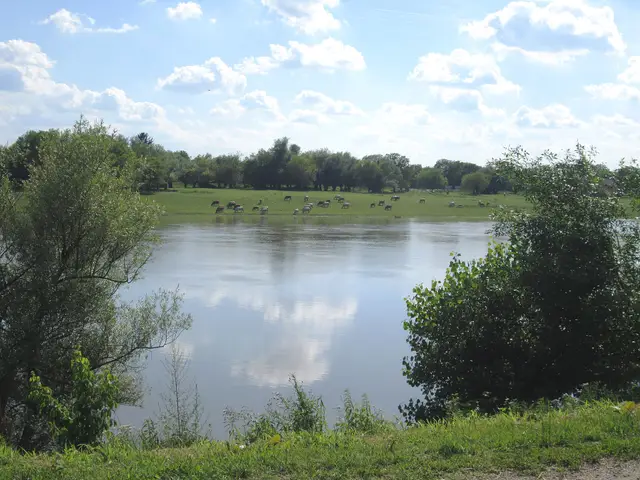
Photo: Fraxinus · CC BY-SA 4.0 · Wikimedia Commons
Sisak-Moslavina County (Sava River Basin)
★★★★★crowding: Very low
Vast flood-retention wetland along the Sava River preserved through traditional livestock grazing.
WetlandRiver corridorOld-growth forest
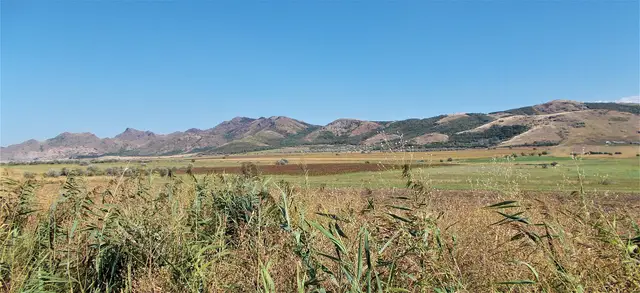
Photo: Nicu Farcaș · CC BY-SA 4.0 · Wikimedia Commons
Tulcea County (Greci / Măcin)
★★★★★crowding: Very low
Europe's oldest mountains (over 300 million years old), with Pontic-Sarmatic steppe, sub-Mediterranean forests, and raptor migration flyways.
Steppe and grasslandHigh mountainOld-growth forest
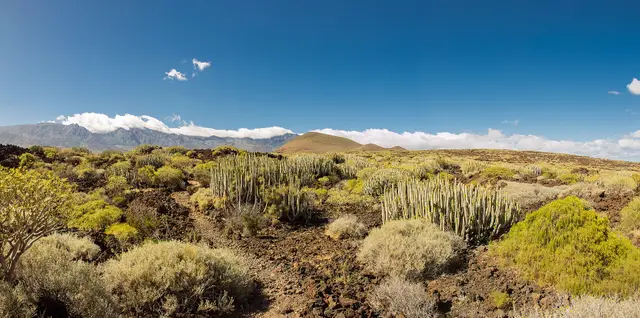
Photo: Yerie2017 · CC BY-SA 4.0 · Wikimedia Commons
Canary Islands (Tenerife / Güímar / Puertito de Güímar)
★★★★★crowding: Very low
Recent volcanic landscape of pahoehoe and aa lavas dominated by the Montaña Grande cone, colonized by endemic spurge communities.
Wild coastSteppe and grassland
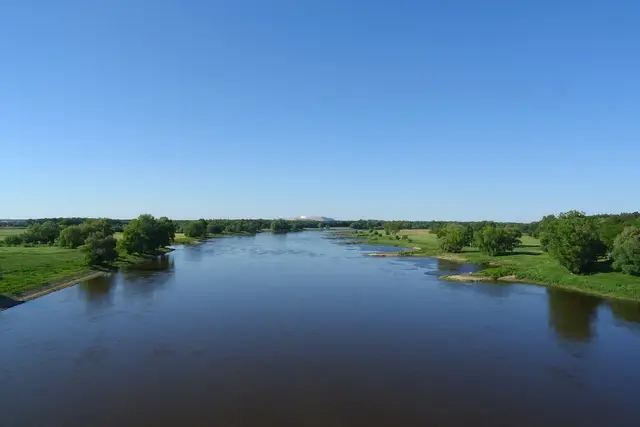
Photo: Emillam · CC BY-SA 4.0 · Wikimedia Commons
Saxony-Anhalt (Dessau-Roßlau / Wittenberg)
★★★★★crowding: Very low
The largest contiguous complex of alluvial hardwood oak floodplain forests in Central Europe.
River corridorWetlandOld-growth forest
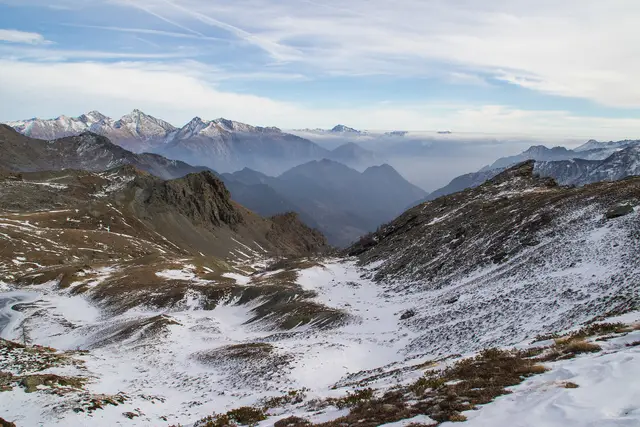
Photo: Marco Soggetto · CC BY-SA 4.0 · Wikimedia Commons
Aosta Valley (Champdepraz / Champorcher)
★★★★★crowding: Very low
The first Natural Park in the Aosta Valley, featuring the region's largest continuous stand of mountain pine (Pinus uncinata) and over 30 glacial cirque tarns.
High mountainLakeOld-growth forest
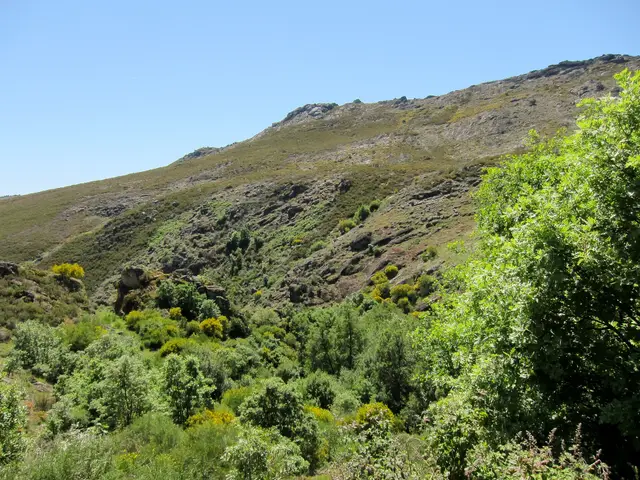
Photo: Miguel Vieira from Redwood City, CA, USA · CC BY 2.0 · Wikimedia Commons
Northern Portugal (Trás-os-Montes / Bragança / Vinhais)
★★★★★crowding: Very low
The Iberian stronghold of the Iberian wolf in Portugal (75,000 ha in Trás-os-Montes), with extensive Pyrenean oakwoods and traditional schist slate architecture.
Old-growth forestHigh mountainRiver corridor
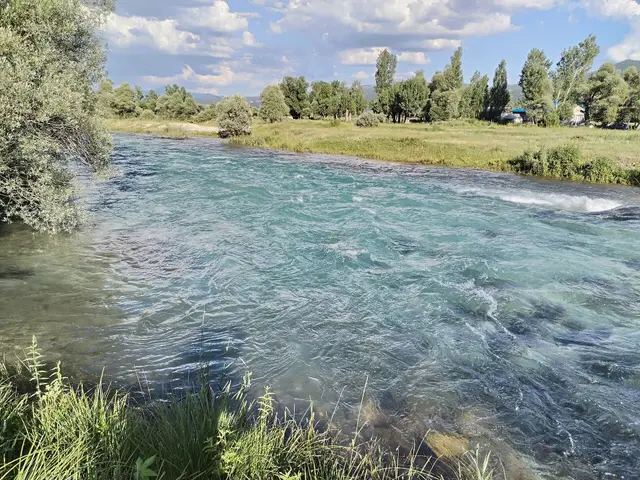
Photo: Zgcnkygsz · CC BY-SA 4.0 · Wikimedia Commons
Eastern Anatolia (Tunceli / Ovacık)
★★★★★crowding: Very low
Turkey's most extensive and biodiverse national park (42,000 ha), featuring deep karst canyons, sacred springs, and herds of wild bezoar ibex.
High mountainRiver corridorGorge and canyon
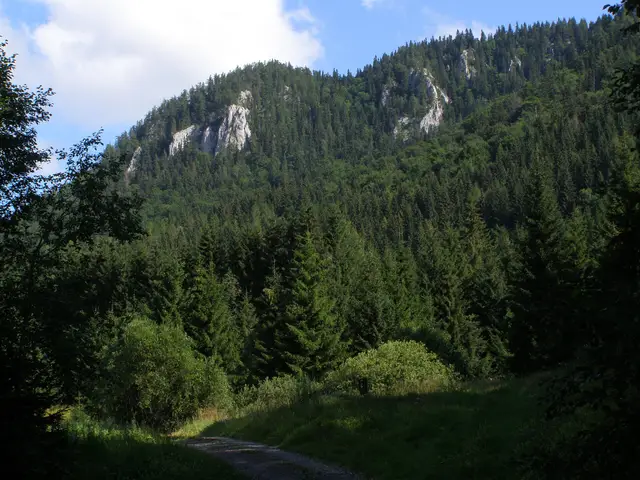
Photo: Daniel Baránek · CC BY-SA 3.0 · Wikimedia Commons
Banská Bystrica Region
★★★★★crowding: Very low
Karst plateau with limestone chasms, primeval beech woods, and meadows grazed by semi-feral mountain horses.
Primary forestKarst and cavesHigh mountain
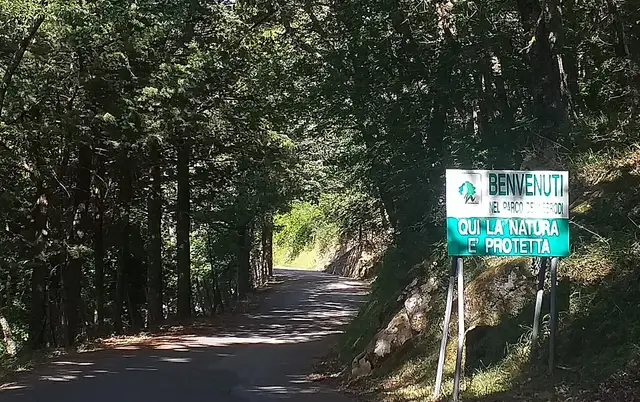
Photo: Cavalloselvatico · CC BY-SA 4.0 · Wikimedia Commons
Sicily (Messina / Enna / Catania / Cesarò / Caronia)
★★★★★crowding: Very low
The largest continuous forest tract in Sicily (86.000 ha), featuring the island's most densely wooded peaks and the spectacular limestone crags of the Rocche del Crasto.
Old-growth forestLakeHigh mountain
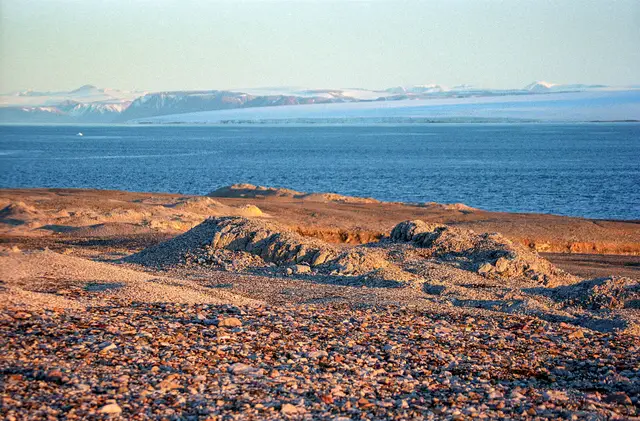
Photo: Jerzy Strzelecki · CC BY-SA 3.0 · Wikimedia Commons
Svalbard Archipelago (Nordaustlandet Island / Kvitøya)
★★★★★crowding: None
Norway's largest strict nature reserve (55.000 km²), dominated by the Austfonna ice cap (Europe's largest ice cap outside Greenland).
Glacial landscapeMarineWild coast
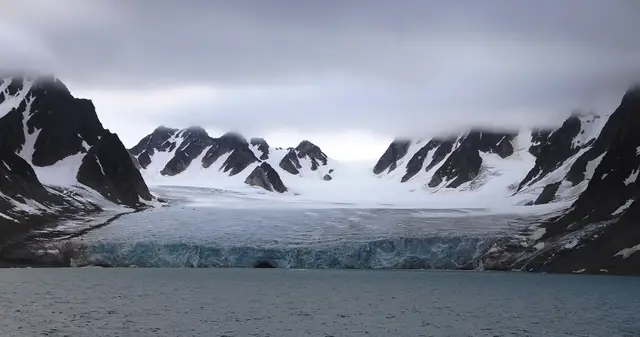
Photo: Bjoertvedt · CC BY-SA 3.0 · Wikimedia Commons
Svalbard Archipelago (Spitsbergen Island / Albert I Land / Haakon VII Land)
★★★★★crowding: Very low
The ultimate spectacle of the European High Arctic (79° N), with colossal tidewater glacier fronts in Magdalena and Kongsfjorden and geothermal springs at Bockfjorden.
Glacial landscapeWild coastMarineHigh mountain
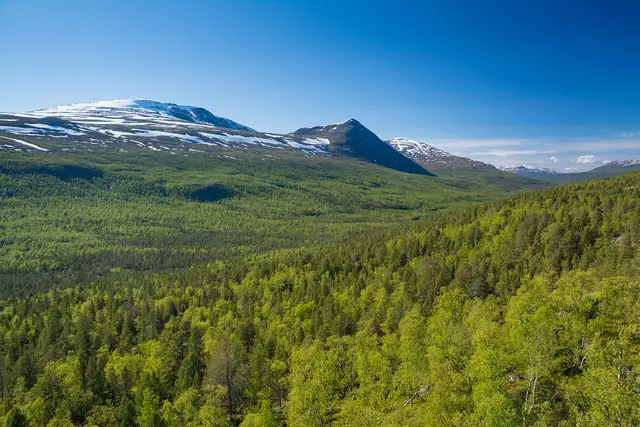
Photo: Kim Grønbæk Skytte · CC BY-SA 3.0 · Wikimedia Commons
Troms (Målselv / Øverbygd)
★★★★★crowding: Very low
One of the few European national parks where all four large Arctic predators stably coexist: brown bear, wolf, lynx, and wolverine.
Primary forestHigh mountainWetland
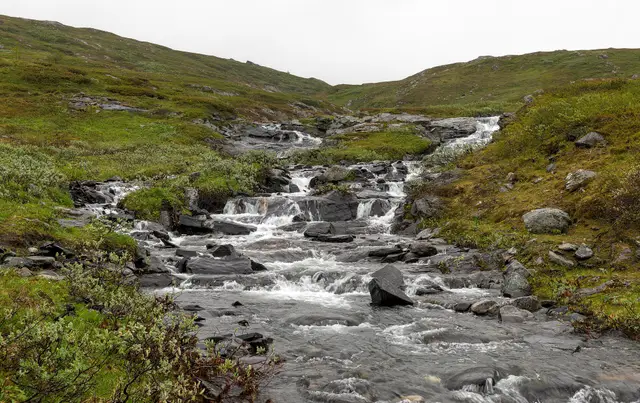
Photo: Trougnouf (Benoit Brummer) · CC BY 4.0 · Wikimedia Commons
Swedish Lapland / Norrbotten (Jokkmokk / Kvikkjokk)
★★★★★crowding: Very low
Sweden's largest national park (198.000 ha), featuring vast alpine lakes Vastenjaure and Virihaure and ancestral Sami grazing lands.
High mountainLakeAlpine meadow
Finnmark (Sør-Varanger / Kirkenes / Svanvik)
★★★★★crowding: Very low
The westernmost edge of the primeval Siberian Scots pine taiga (Pinus sylvestris), harbouring Norway's highest brown bear density along the Russian border.
Primary forestOld-growth forestWetlandRiver corridor
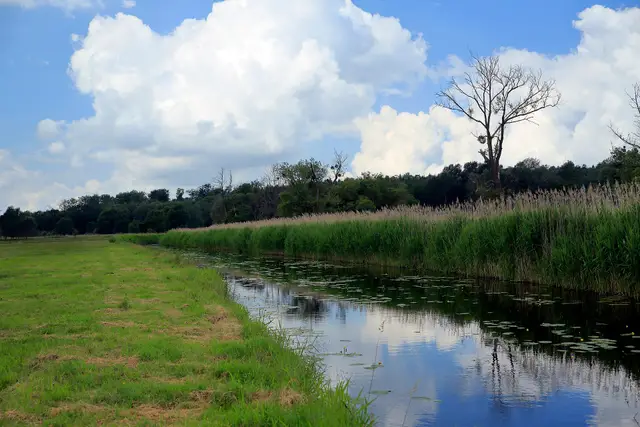
Photo: Falk2 · CC BY-SA 4.0 · Wikimedia Commons
Mecklenburg-Western Pomerania
★★★★★crowding: Very low
The 'Amazon of the North', one of Central Europe's last unchannelized peatland river valleys.
River corridorWetland
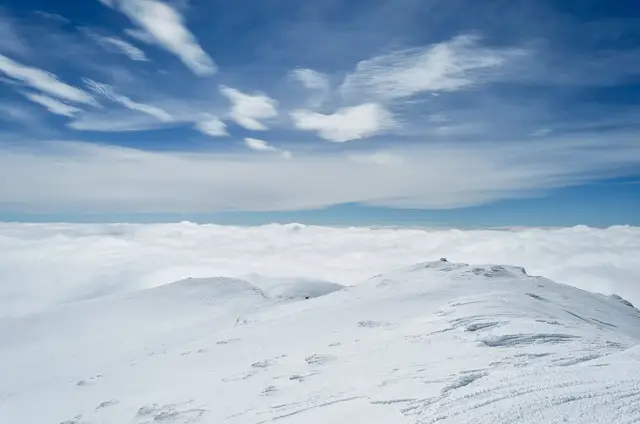
Photo: Шпиц · CC BY-SA 4.0 · Wikimedia Commons
Pelagonia (Bitola / Resen)
★★★★★crowding: Very low
The oldest national park in North Macedonia (1948), established to preserve primeval Macedonian pine (molika) forests.
High mountainPrimary forestGlacial landscape
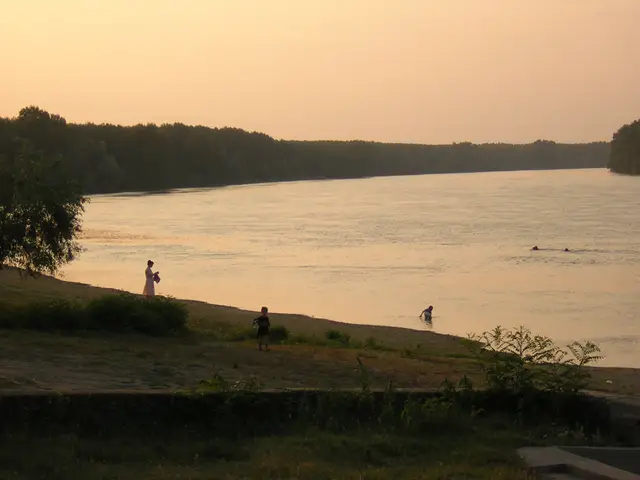
Photo: en:User:Preslav · CC BY-SA 3.0 · Wikimedia Commons
Pleven Province (Belene)
★★★★★crowding: Very low
Nature park embracing the Danube river islands of northern Bulgaria and their dynamic floodplain wetlands.
WetlandRiver corridor
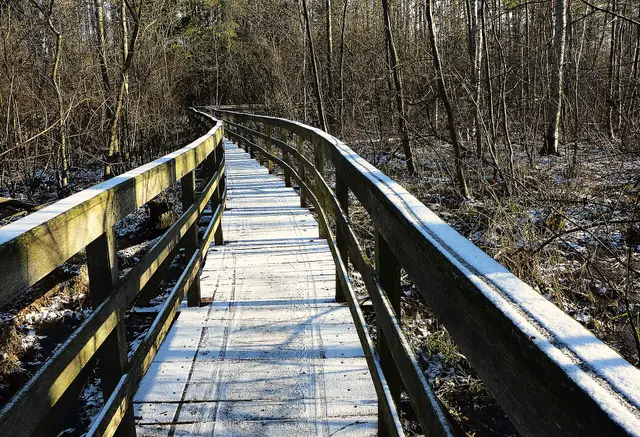
Photo: Tarasna0922 · CC BY-SA 4.0 · Wikimedia Commons
Lublin Voivodeship (Urszulin)
★★★★★crowding: Very low
A mosaic of boreal tundra-like peatlands and freshwater lakes in the Polesie Plain.
WetlandLake
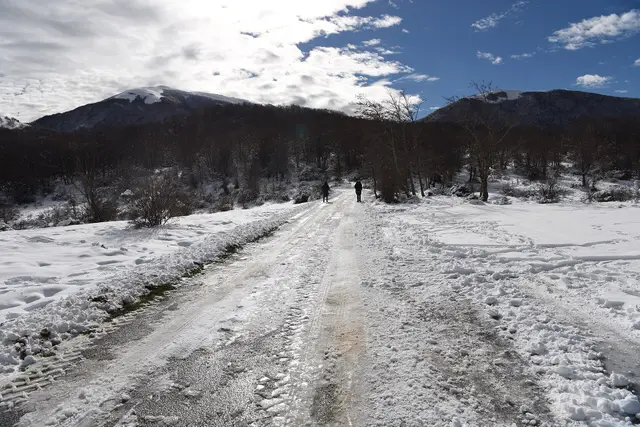
Photo: Diana Cimino Cocco · CC BY-SA 4.0 · Wikimedia Commons
Calabria / Basilicata (Castrovillari / Rotonda / Morano Calabro)
★★★★★crowding: Very low
Italy's largest national park (192.000 ha), exclusive sanctuary of the Bosnian pine (Pinus heldreichii) and a UNESCO Global Geopark.
High mountainKarst and cavesOld-growth forestGorge and canyon
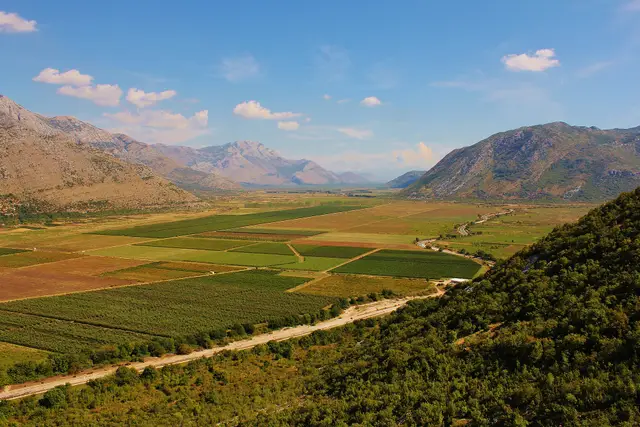
Photo: Igor Trklja · CC BY-SA 3.0 · Wikimedia Commons
Herzegovina (Ravno / Trebinje)
★★★★★crowding: Very low
The cave with the highest subterranean biodiversity in the world (Vjetrenica, UNESCO World Heritage in 2024) and one of the largest floodable poljes in the Balkans.
Karst and cavesSteppe and grasslandWetland
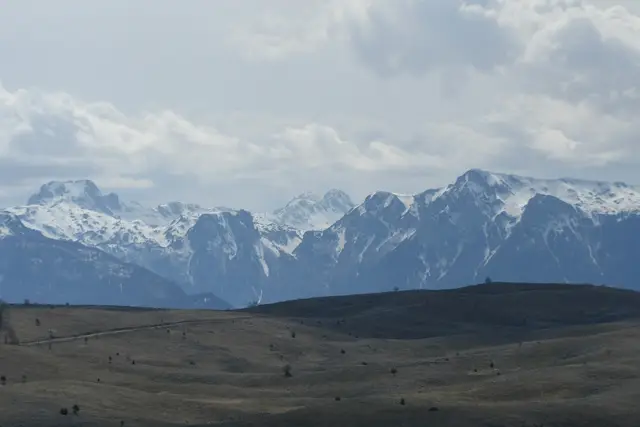
Photo: A81t · CC BY-SA 4.0 · Wikimedia Commons
Herzegovina-Neretva Canton (Konjic / Jablanica)
★★★★★crowding: Very low
The 'Bosnian Himalayas', an ultra-rugged alpine massif of white limestone ridges and glacial cirques.
High mountainKarst and cavesGlacial landscape
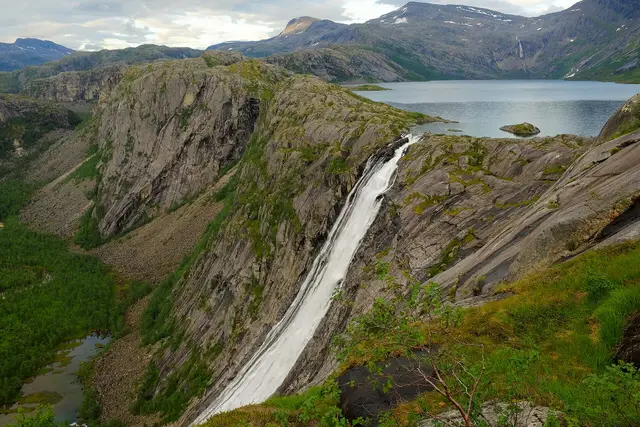
Photo: Frankemann · CC BY-SA 4.0 · Wikimedia Commons
Nordland (Sørfold / Nordfold)
★★★★★crowding: Very low
An extremely dramatic bare-granite alpine canyon adjoining Padjelanta and Sarek in Sweden, forming a wild transboundary complex of 7,400 km².
High mountainGorge and canyonGlacial landscapeLake
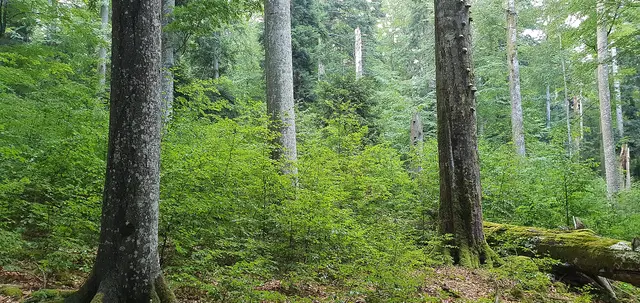
Photo: DuschanR · CC BY-SA 4.0 · Wikimedia Commons
Lower Carniola / Kočevsko (Kočevje / Semič)
★★★★★crowding: None
The strict forest reserve of Kočevsko set aside in 1892 by the Counts of Auersperg, featuring monumental silver firs soaring 50 m high (Queen of Rog).
Primary forestOld-growth forestKarst and caves
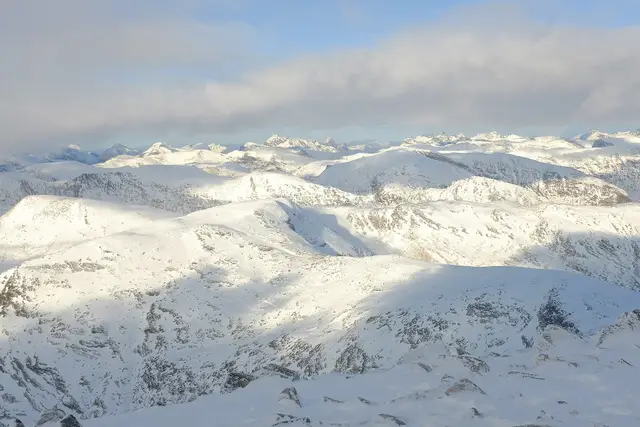
Photo: Frankemann · CC BY-SA 4.0 · Wikimedia Commons
Innlandet / Møre og Romsdal (Åndalsnes / Skjåk / Lesja)
★★★★★crowding: Very low
One of Norway's largest roadless, unelectrified contiguous protected areas, safeguarding the mountains' most ancestral wild reindeer herds.
High mountainGlacial landscapeGorge and canyon
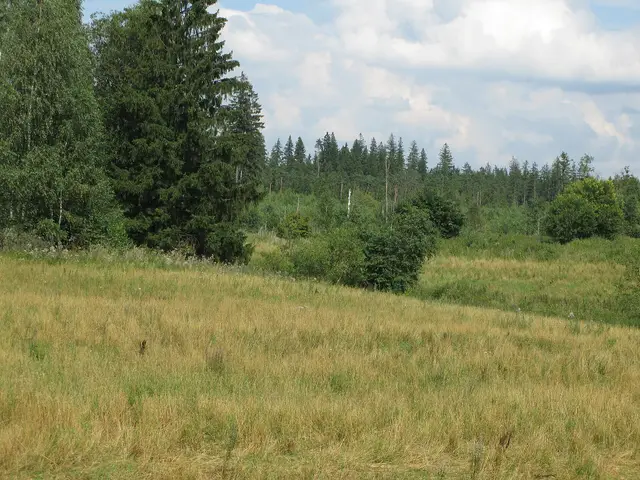
Photo: Wulfstan · CC BY-SA 3.0 · Wikimedia Commons
Warmian-Masurian Voivodeship (Gołdap)
★★★★★crowding: Very low
The 'Polish Taiga', a boreal spruce forest across steep moraine ridges famed for the Stańczyki viaducts.
Old-growth forest
Prešov Region (Uličské Krivé)
★★★★★crowding: Very low
Dense montane primeval beech forest on steep karst slopes protected by UNESCO.
Primary forest
Nordland (Rana / Saltdal / Beiarn / Meløy)
★★★★★crowding: Very low
Gigantic coastal glaciers cascading from the Svartisen ice cap nearly to fjord level, across Saltfjellet alpine plateaus on the Arctic Circle.
Glacial landscapeHigh mountainKarst and cavesRiver corridor
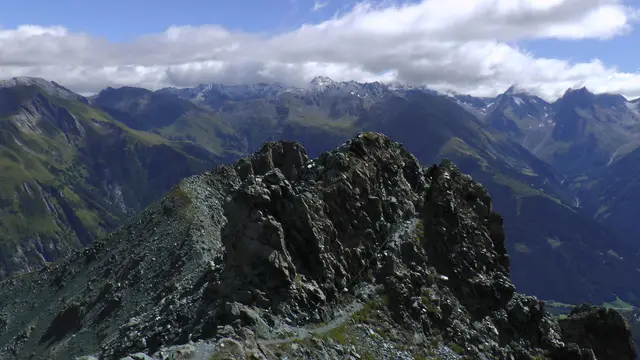
Photo: FkMohr · CC BY-SA 3.0 de · Wikimedia Commons
East Tyrol / Carinthia (Lienz / Debanttal)
★★★★★crowding: Very low
Heart of high alpine rock and silence with 30 summits above 3.000 m and no cable cars in the Eastern Alps.
High mountainGlacial landscape
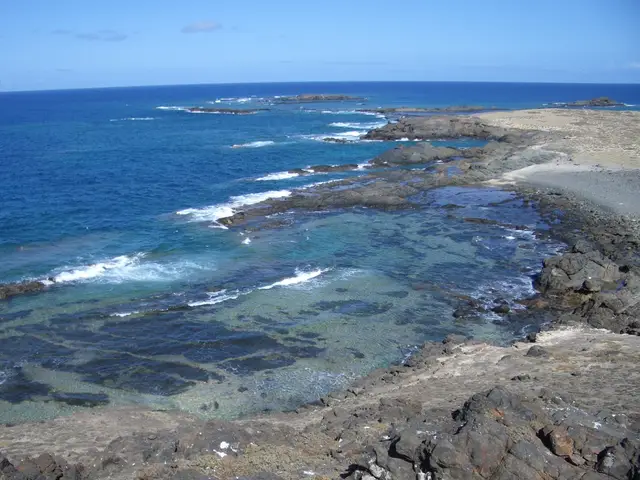
Photo: Coimbra68 · CC BY-SA 3.0 · Wikimedia Commons
Autonomous Region of Madeira (Selvagem Grande / Selvagem Pequena)
★★★★★crowding: None
Portugal's southernmost territory and one of Europe's oldest strict marine reserves (1971), harbouring the world's densest colony of Cory's shearwater (Calonectris diomedea).
Wild coastMarineSteppe and grassland
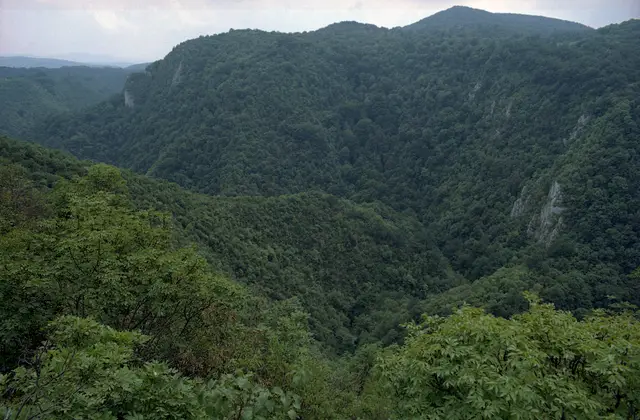
Photo: Petr Vodička · CC BY-SA 4.0 · Wikimedia Commons
Caraș-Severin County (Anina / Carașova)
★★★★★crowding: Very low
One of Romania's longest and wildest limestone gorges alongside relict virgin beech forests (Izvoarele Nerei).
Gorge and canyonKarst and cavesPrimary forest
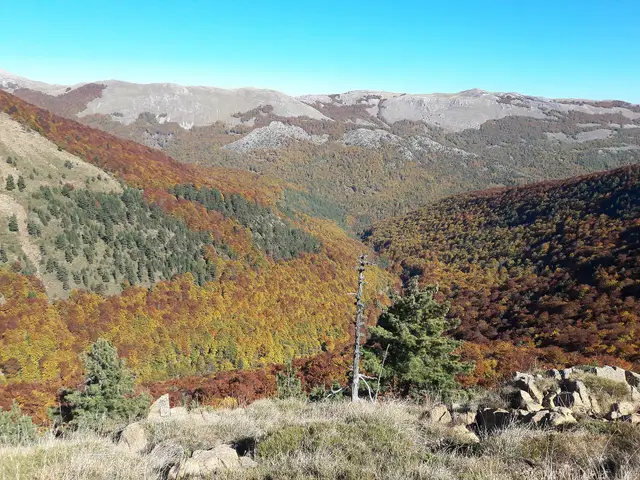
Photo: Albertkaleci · CC BY-SA 4.0 · Wikimedia Commons
Elbasan County (Librazhd)
★★★★★crowding: Very low
Primeval mountain beech forest on the border between Albania and North Macedonia, a UNESCO site.
Primary forestHigh mountain
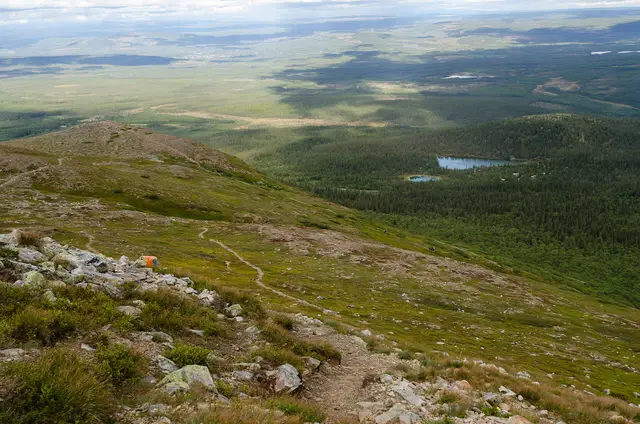
Photo: Arild Vågen · CC BY-SA 4.0 · Wikimedia Commons
Jämtland (Härjedalen / Hede)
★★★★★crowding: Very low
A solitary, isolated mountain in the heart of Sweden, an iconic historic sanctuary with one of the highest densities of brown bear (Ursus arctos) in the country.
High mountainPrimary forestOld-growth forest
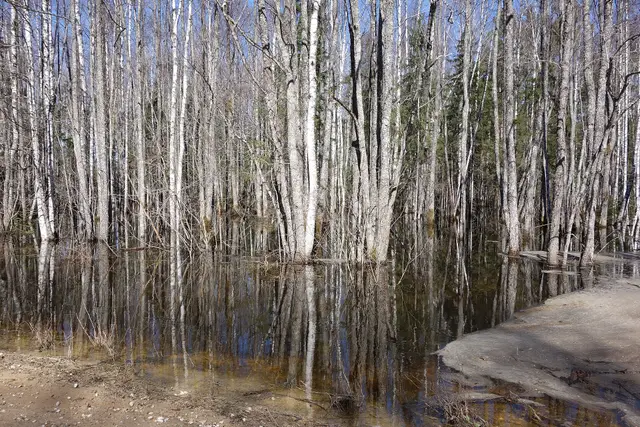
Photo: Juta.lopp · CC BY-SA 3.0 · Wikimedia Commons
Estonia (Pärnumaa / Viljandimaa)
★★★★★crowding: Very low
Expansive raised bogs severed by meandering rivers that overflow each spring: the «fifth season», when canoeists paddle between submerged trees.
WetlandRiver corridorOld-growth forest
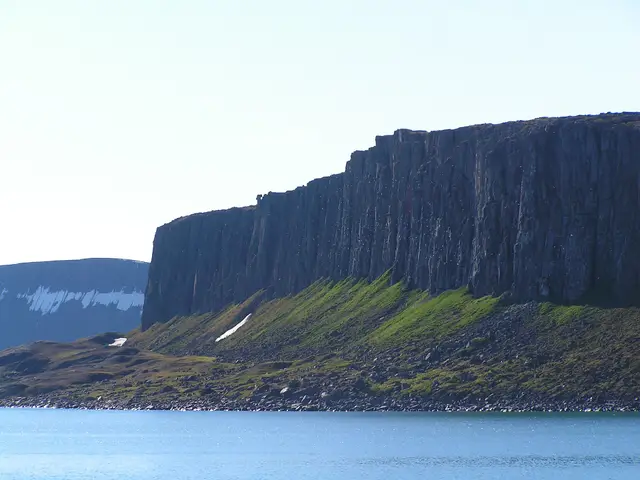
Photo: Hermanhi · CC BY-SA 3.0 · Wikimedia Commons
Svalbard Archipelago (Edgeøya and Barentsøya Islands)
★★★★★crowding: None
The vast desert tundra islands of Edgeøya and Barentsøya (21.800 km²), a premier denning sanctuary for polar bears and massive walrus haul-outs.
Steppe and grasslandWild coastMarineGlacial landscape
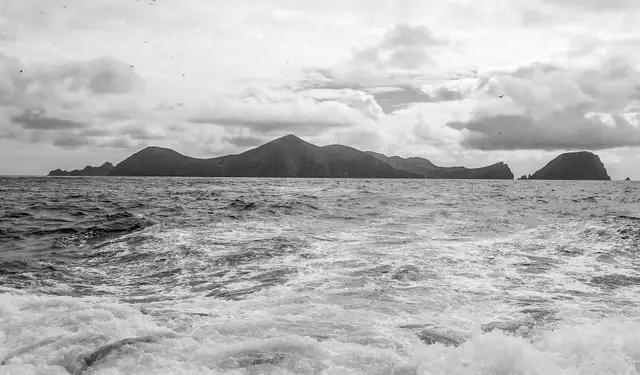
Photo: Kingy64 · CC BY-SA 4.0 · Wikimedia Commons
Scotland (Outer Hebrides / Hirta)
★★★★★crowding: Very low
The only Dual (Cultural and Natural) UNESCO World Heritage Site in the UK, with sheer sea cliffs and sea stacks hosting the world's largest gannet colony (Stac an Armin 196 m).
Wild coastMarineHigh mountain
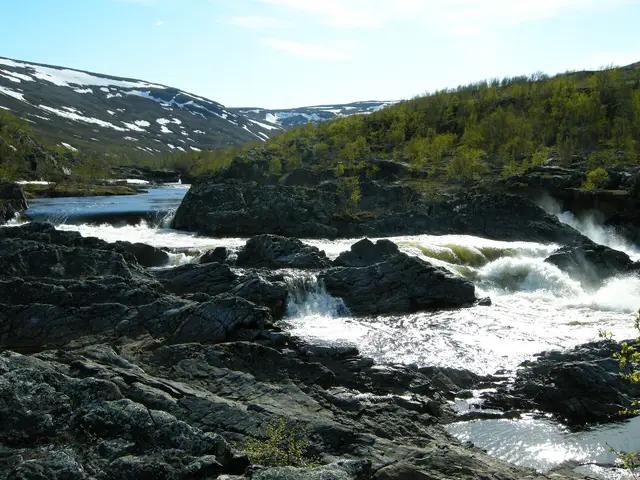
Photo: Arnstein Rønning · CC BY-SA 3.0 · Wikimedia Commons
Finnmark (Porsanger / Lakselv)
★★★★★crowding: Very low
Shelters the northernmost Scots pine forest (Pinus sylvestris) on Earth (Stabbursnes), tucked at 70° N along the shores of Porsangerfjorden.
Primary forestHigh mountainRiver corridor
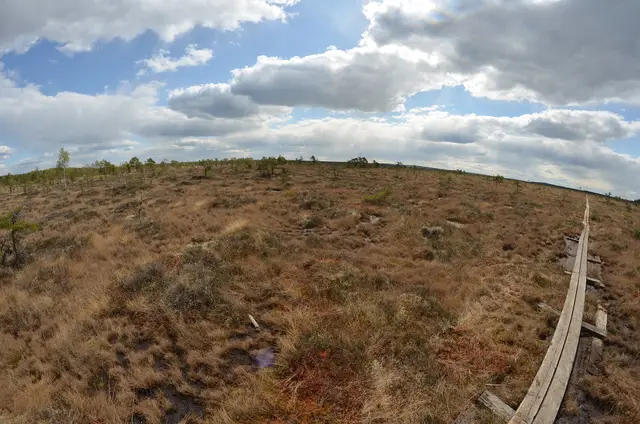
Photo: Wikimalte · CC BY-SA 3.0 · Wikimedia Commons
Jönköping (Värnamo / Gnosjö / Hillerstorp)
★★★★★crowding: Very low
The largest ombrotrophic bog complex south of Lapland (100 km² of mires and tarns traversed by wooden boardwalks).
WetlandOld-growth forest
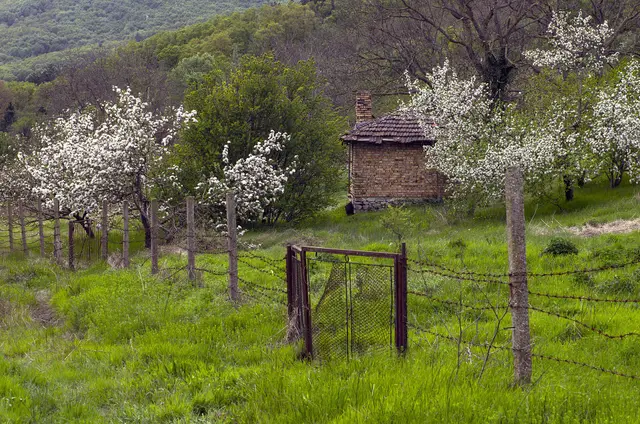
Photo: Denka marinova · CC BY-SA 4.0 · Wikimedia Commons
Burgas (Malko Tarnovo / Sinemorets / Tsarevo)
★★★★★crowding: Very low
The largest protected area in Bulgaria: Pontic-type deciduous forests with an understorey of rhododendron and laurel, unique within the EU.
Old-growth forestWild coastRiver corridor
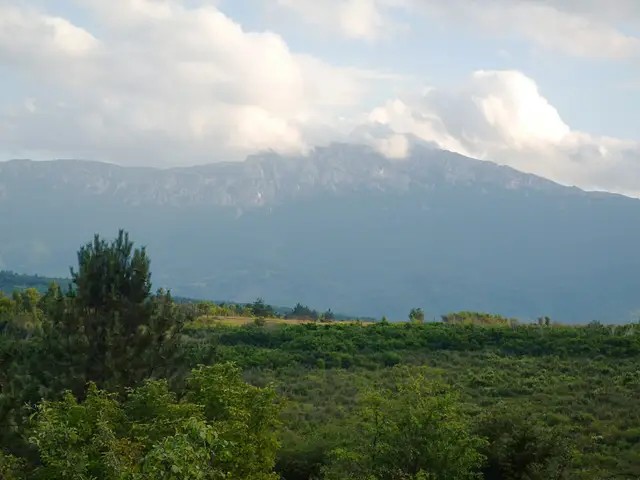
Photo: Dusziv · CC BY-SA 3.0 · Wikimedia Commons
Nišava District (Niška Banja / Bela Palanka)
★★★★★crowding: Very low
The "Dry Mountain", a monumental, razor-sharp limestone ridge extending for 45 km rising dramatically above the Niš basin.
High mountainKarst and caves
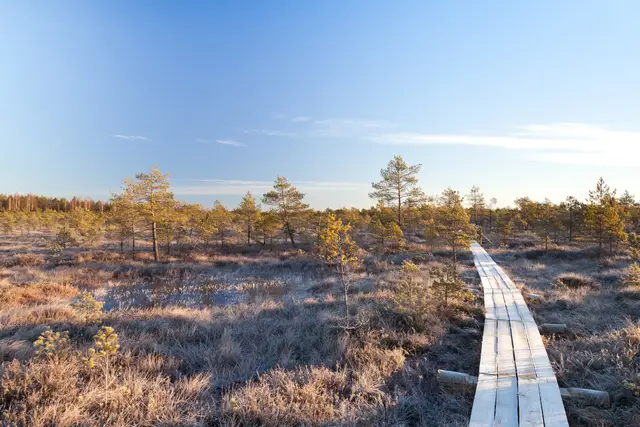
Photo: Jevgenijs Nikitins · CC BY-SA 3.0 · Wikimedia Commons
Latvia (Madona / Krustpils)
★★★★★crowding: None
One of the largest pristine raised bogs in the Baltic region, a strict nature reserve dotted with forested mineral islands rising from the peat.
WetlandLake
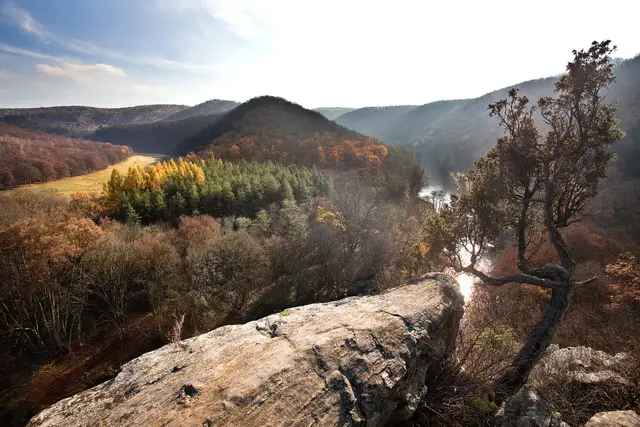
Photo: Byliusrx · CC BY-SA 3.0 at · Wikimedia Commons
Lower Austria (Hardegg) / South Moravia (Znojmo)
★★★★★crowding: Very low
Incised meanders of the Thaya/Dyje River flanked by hillside beechwoods and thermophilous rocky crags.
River corridorGorge and canyonOld-growth forest
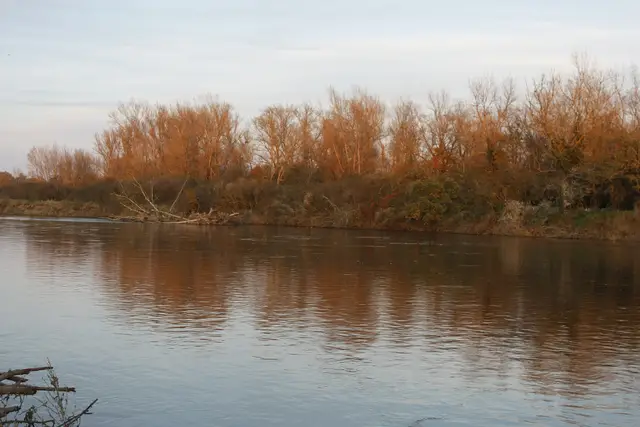
Photo: Amaya13 · CC BY-SA 4.0 · Wikimedia Commons
Auvergne-Rhône-Alpes (Allier / Moulins)
★★★★★crowding: Very low
One of Western Europe’s last truly wild, free-flowing lowland rivers without artificial embankments.
River corridorWetlandOld-growth forest
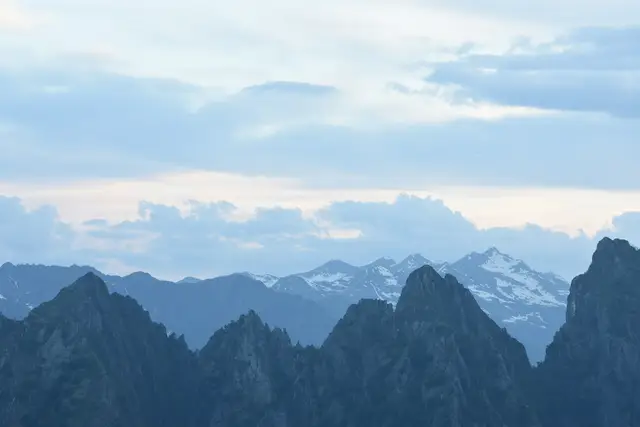
Photo: Mazzaloris95 · CC BY-SA 4.0 · Wikimedia Commons
Piedmont (Verbania / Lake Maggiore / Malesco / Santa Maria Maggiore)
★★★★★crowding: Very low
The largest wilderness area in the Alps and Italy, an impenetrable canyon valley fully reclaimed by wild nature.
Old-growth forestHigh mountainGorge and canyon
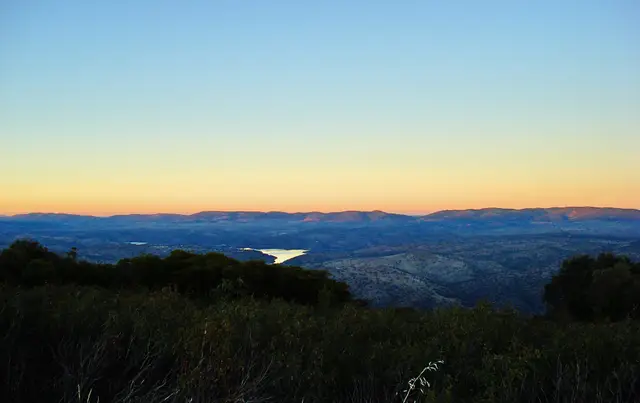
Photo: Ameliacsj · CC BY-SA 3.0 es · Wikimedia Commons
Castilla-La Mancha (Ciudad Real / Fuencaliente / Mestanza / Almodóvar del Campo)
★★★★★crowding: Very low
The largest protected space in Castilla-La Mancha (150,000 ha), featuring vast historic transhumance wood-pastures and intact oak forests.
Old-growth forestRiver corridorGorge and canyon
Finnmark (Vadsø / Vardø / Berlevåg / Båtsfjord)
★★★★★crowding: Very low
Low-elevation Arctic tundra fronting the Barents Sea on Europe’s far northeastern edge, renowned for winter sea-duck roosts of Steller’s and king eiders.
Steppe and grasslandWild coastWetland
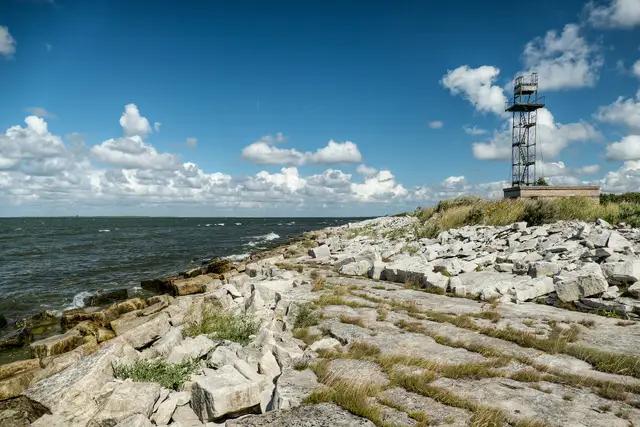
Photo: Amadvr · CC BY-SA 4.0 · Wikimedia Commons
Saare County (Saaremaa Island / Kihelkonna / Tagamõisa)
★★★★★crowding: Very low
The oldest marine bird sanctuary in the Baltic (1910), encompassing some 160 limestone islets and reefs off Saaremaa.
Wild coastMarineWetland
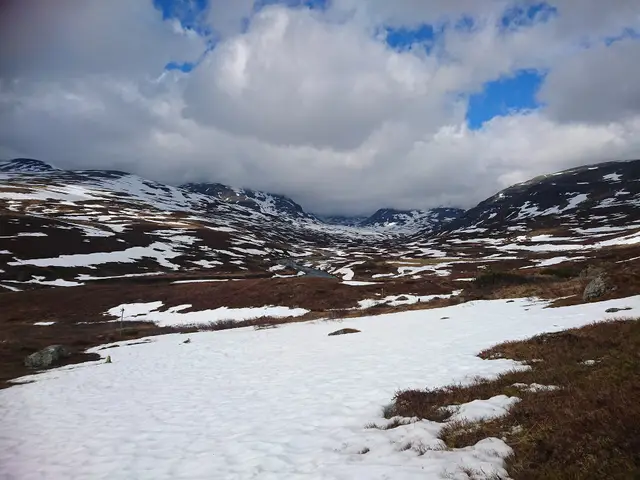
Photo: Emilia · CC BY-SA 4.0 · Wikimedia Commons
Västerbotten (Ammarnäs / Tärnaby)
★★★★★crowding: Very low
One of the largest nature reserves in Europe: high-alpine massifs, birch valleys, and the free-flowing Vindel River running wild to the Baltic.
High mountainRiver corridorWetlandOld-growth forest
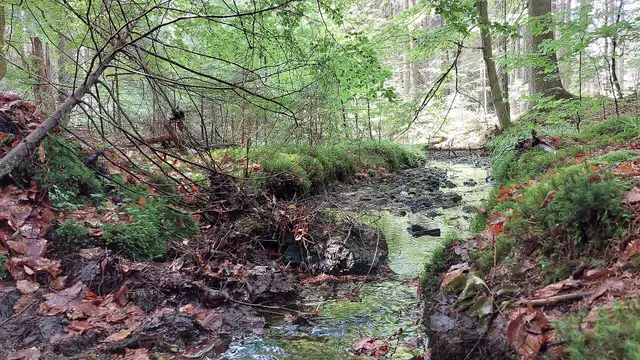
Photo: Chmee2 · CC BY-SA 4.0 · Wikimedia Commons
South Bohemia (Novohradské hory)
★★★★★crowding: None
The oldest strict forest reserve in continental Europe (declared protected in 1838 by Count Buquoy).
Primary forestHigh mountain
Belgian Luxembourg (Habay / Habay-la-Neuve)
★★★★★crowding: Very low
One of the most extensive contiguous beech forests in Belgium, safeguarding the headwater rivers of the Ardennes massif.
Old-growth forest
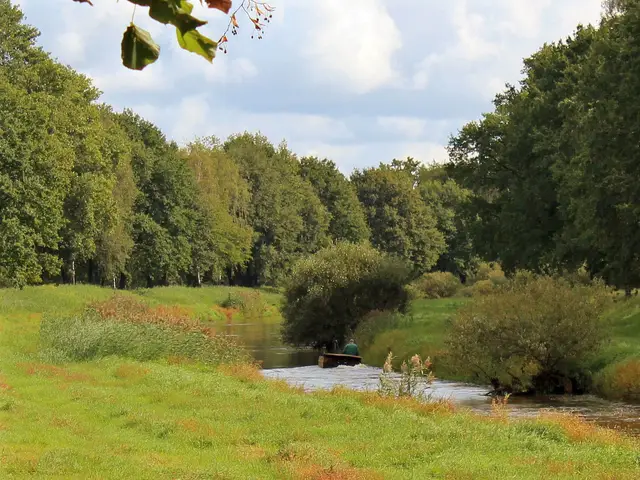
Photo: Silvio John, Elsterwerda · CC BY-SA 3.0 · Wikimedia Commons
Saxony-Anhalt / Brandenburg (Elsterwerda / Jessen)
★★★★★crowding: Very low
Elbe tributary subject to ambitious dyke-relocation projects and retention-basin reconnections.
River corridorWetland
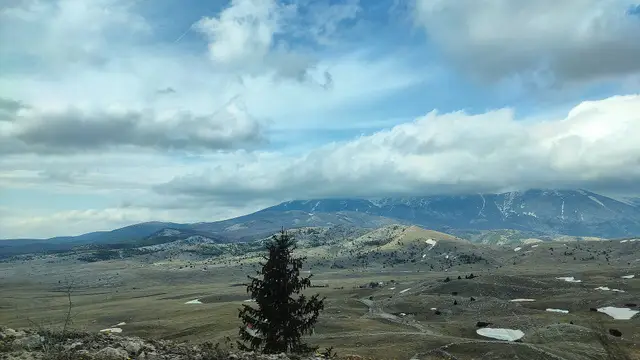
Photo: Irrmam · CC BY-SA 4.0 · Wikimedia Commons
West Herzegovina and Herzegovina-Neretva Cantons (Posušje / Jablanica)
★★★★★crowding: Very low
High karst mountains around the glacial Lake Blidinje featuring the iconic natural rock arch of Hajdučka Vrata.
High mountainKarst and cavesLake
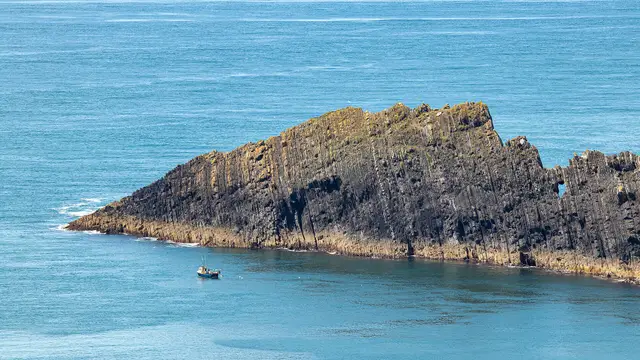
Photo: Superbass · CC BY-SA 4.0 · Wikimedia Commons
County Cork (Southernmost point / Wild Atlantic Way)
★★★★★crowding: Very low
Ireland's southernmost inhabited Atlantic island, home to a legendary bird observatory tracking pelagic migration, cetaceans, and basking sharks.
Wild coastMarine
Bourgogne-Franche-Comté (Jura / Dole)
★★★★★crowding: Very low
A vast lowland plain forest spanning the ancient course of the Aar-Doubs, featuring wet alder valleys and an integral biological reserve.
Old-growth forest
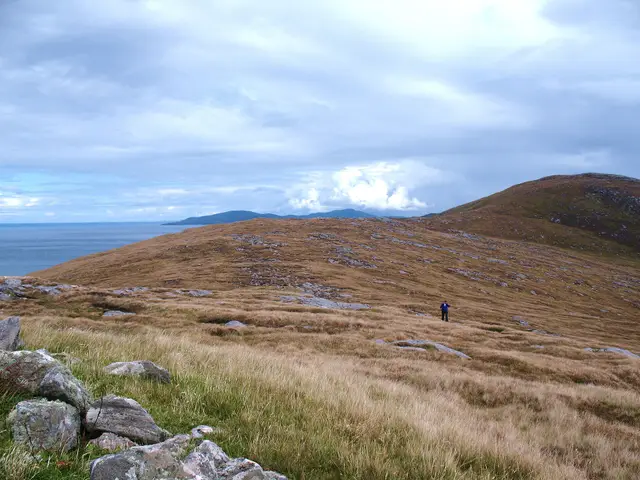
Photo: Gordon Hatton · CC BY-SA 2.0 · Wikimedia Commons
Scotland (Outer Hebrides / Barra)
★★★★★crowding: None
Deserted Outer Hebrides island abandoned in 1912, featuring 200 m sheer granite sea cliffs crowded with thousands of razorbills and guillemots.
Wild coastMarine
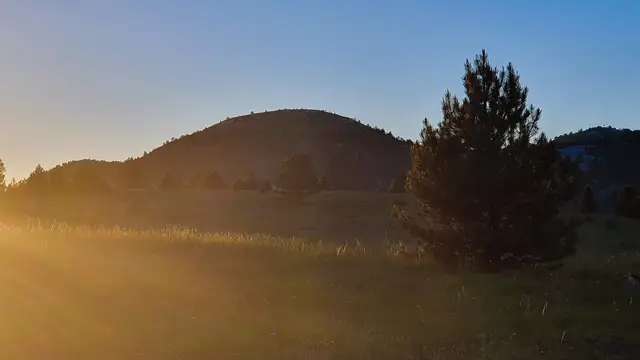
Photo: Ivan Vid · CC BY-SA 4.0 · Wikimedia Commons
Šibenik-Knin and Split-Dalmatia Counties (Knin / Sinj)
★★★★★crowding: Very low
The massif that gives its name to the entire Dinaric Alps and hosts Croatia’s highest peak (Dinara 1,831 m).
High mountainKarst and cavesSteppe and grassland
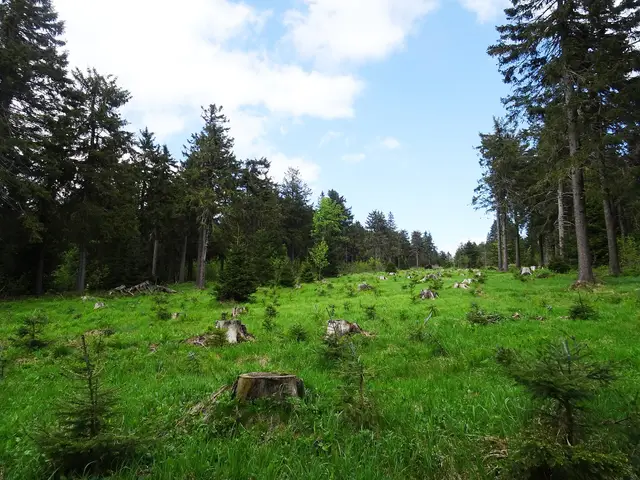
Photo: Palickap · CC BY-SA 4.0 · Wikimedia Commons
East Bohemia (CZ) / Silesia (PL) (Deštné / Zieleniec)
★★★★★crowding: Very low
Gentle forested Sudetes ridge protecting raised bogs on the Czech-Polish border.
High mountainOld-growth forestWetland
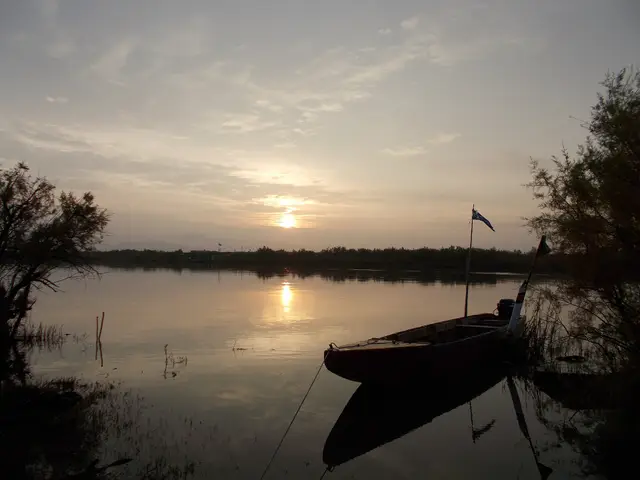
Photo: Evrodelta · CC BY-SA 4.0 · Wikimedia Commons
Thrace (Alexandroupoli / Feres)
★★★★★crowding: None
The great delta on the Greek-Turkish border, one of Greece's foremost wetlands for wintering and migratory birds.
WetlandRiver corridorWild coast
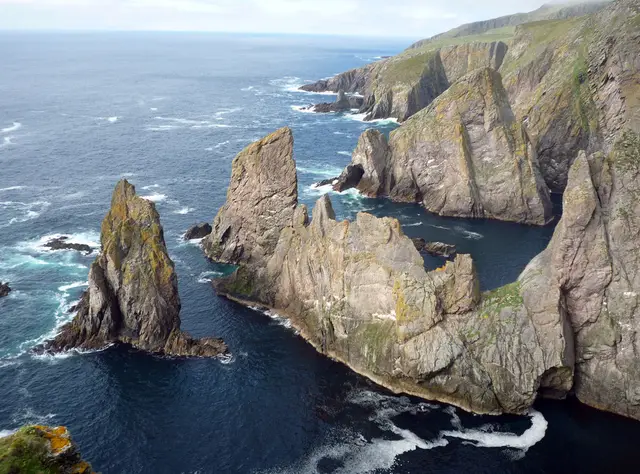
Photo: Julian Paren · CC BY-SA 2.0 · Wikimedia Commons
Scotland (Shetland Islands)
★★★★★crowding: Very low
The isolated island midway between Orkney and Shetland, historic mecca for migratory vagrant birds and traditional knitwear.
Wild coastMarineSteppe and grassland
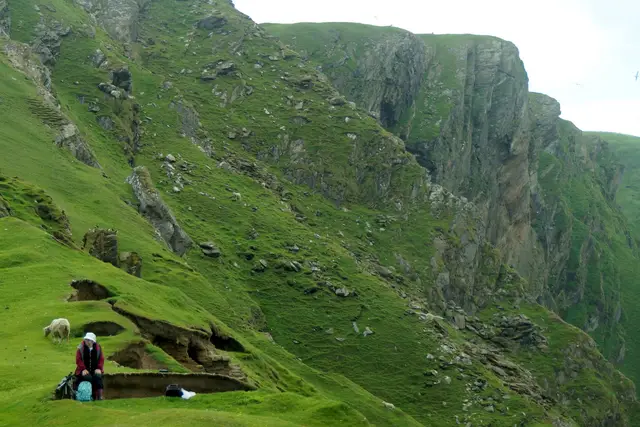
Photo: Mike Pennington · CC BY-SA 2.0 · Wikimedia Commons
Scotland (Shetland Islands / Isle of Unst)
★★★★★crowding: Very low
The northernmost headland of the United Kingdom (facing the Muckle Flugga lighthouse), hosting the world's third largest great skua colony.
Wild coastMarineWetland
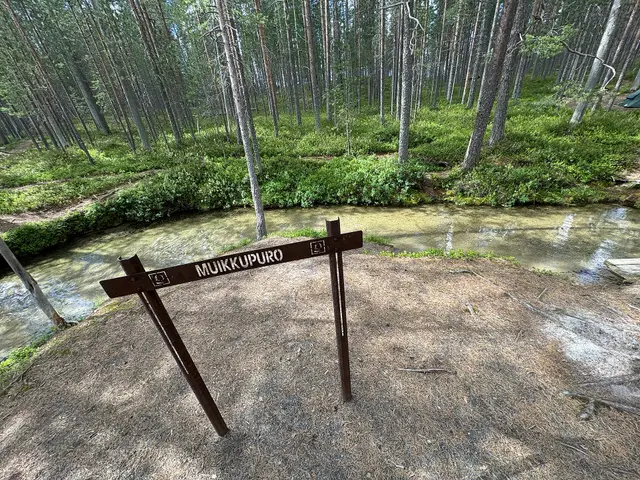
Photo: Skoolari · CC0 · Wikimedia Commons
Finland (Suomussalmi — Kainuu)
★★★★★crowding: Very low
Clear lakes and rivers woven between glacial esker ridges and taiga pine forests, featuring rock art on the shores of Lake Somerjärvi.
Old-growth forestLakeRiver corridorWetland
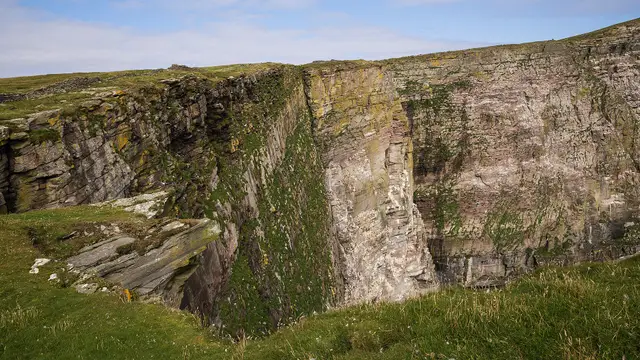
Photo: Unukorno · CC BY 4.0 · Wikimedia Commons
Scotland (Shetland Islands / Bressay)
★★★★★crowding: Very low
Red sandstone sea cliffs rising 180 m at the Noup of Noss, where over 150.000 seabirds nest.
Wild coastMarine
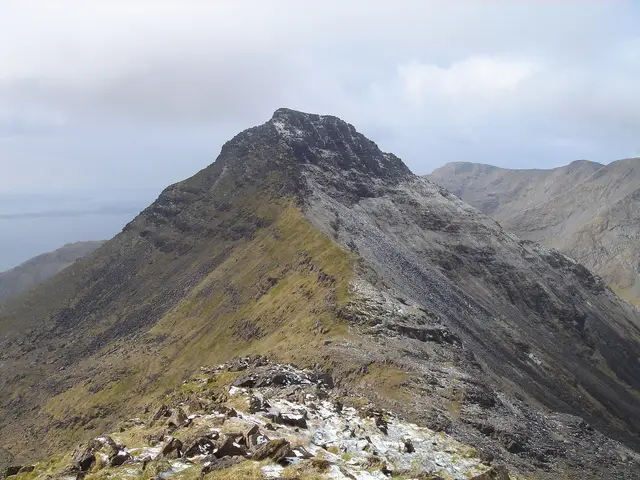
Photo: Michael Earnshaw · CC BY-SA 2.0 · Wikimedia Commons
Scotland (Inner Hebrides / Rum / Kinloch)
★★★★★crowding: Very low
The largest of the Small Isles, a volcanic island reserve where a third of the world's Manx shearwater (Puffinus puffinus) population nests.
High mountainWild coastMarine
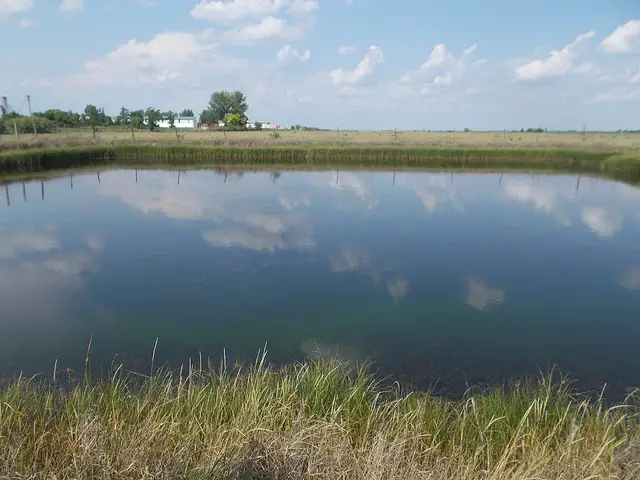
Photo: Globetrotter19 · CC BY-SA 3.0 · Wikimedia Commons
Bács-Kiskun (Kecskemét)
★★★★★crowding: Very low
Saline steppe mosaic between the Danube and Tisza rivers with continental shifting sand dunes and alkaline lakes.
Steppe and grasslandWetlandLake
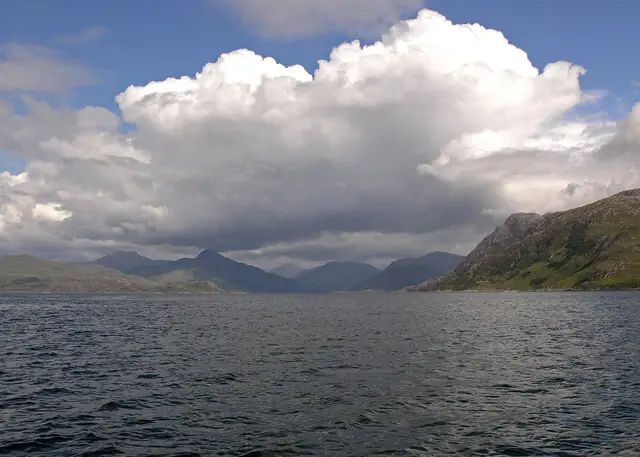
Photo: paddy patterson from glasgow, scotland · CC BY 2.0 · Wikimedia Commons
Scotland (Highlands / Mallaig / Inverie)
★★★★★crowding: Very low
Known as "Britain's last wilderness", a roadless peninsula dominated by Munro peaks and home to the UK's most remote pub, The Old Forge.
High mountainWild coastOld-growth forest
Southeastern Great Hungarian Plain (Békés / Csongrád-Csanád)
★★★★★crowding: Very low
Mosaic of saline puszta grasslands, loess steppes, and riparian gallery forests harbouring Central Europe's premier great bustard stronghold.
Steppe and grasslandRiver corridor
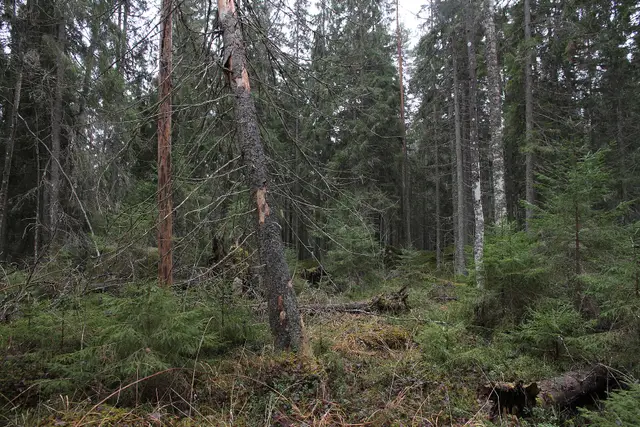
Photo: Markus Rantala ( Makele-90 ) · CC BY-SA 3.0 · Wikimedia Commons
Kanta-Häme (Tammela / Somero)
★★★★★crowding: Very low
Century-old boreal taiga featuring the narrow Kyynäränharju esker ridge meandering like a natural causeway between two lakes.
Old-growth forestLakeWetland
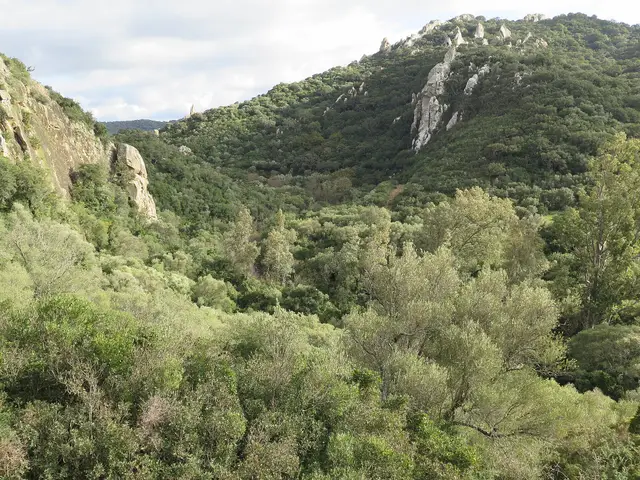
Photo: Jesús Pinilla · CC BY-SA 4.0 · Wikimedia Commons
Andalusia (Cádiz / Málaga / Alcalá de los Gazules / Jimena de la Frontera)
★★★★★crowding: Very low
The largest continuous cork oak forest on the Iberian Peninsula (170,000 ha) and humid ravines (canutos) preserving relict Tertiary laurel forest flora.
Primary forestOld-growth forestRiver corridor
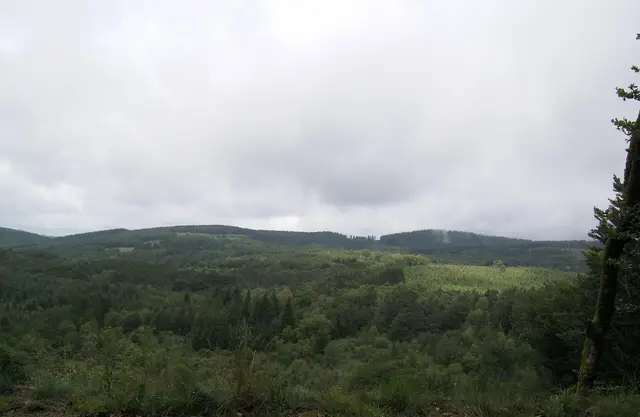
Photo: Sjwells53 · CC BY-SA 3.0 · Wikimedia Commons
Nouvelle-Aquitaine (Corrèze / Creuse / Haute-Vienne)
★★★★★crowding: Very low
The "Plateau of a Thousand Springs", a granite water tower of south-west France teeming with sphagnum bogs and river headwaters.
WetlandOld-growth forest
Styria (AT), Prekmurje (SI), Međimurje (HR)
★★★★★crowding: Very low
Fast-flowing meandering river flanked by preserved alluvial gallery forests and historic floating boat mills.
River corridorWetlandOld-growth forest
Republika Srpska / Sarajevo Canton (Pale / Rogatica)
★★★★★crowding: Very low
Deep karst gorge following an abandoned narrow-gauge railway trace sheltering Pećina Govještica (Bosnia's longest cave, nearly 10 km).
Gorge and canyonKarst and cavesRiver corridor
Abruzzo (Anversa degli Abruzzi / Scanno)
★★★★★crowding: Very low
An awe-inspiring karst canyon carved by the Sagittario River between vertical limestone cliffs hundreds of metres high.
Gorge and canyonKarst and cavesRiver corridor
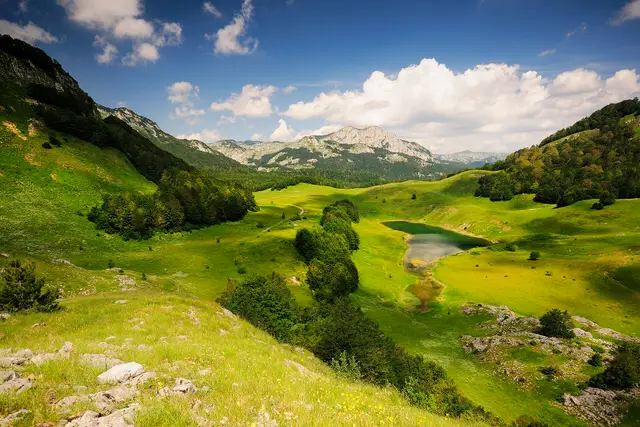
Photo: Petkovic Boris · CC BY-SA 4.0 · Wikimedia Commons
Republika Srpska (Foča / Tjentište)
★★★★★crowding: Very low
The "Green Mountain", a range of forests and alpine meadows dotted by 8 glacial lakes of striking beauty.
High mountainGlacial landscapeOld-growth forestLake
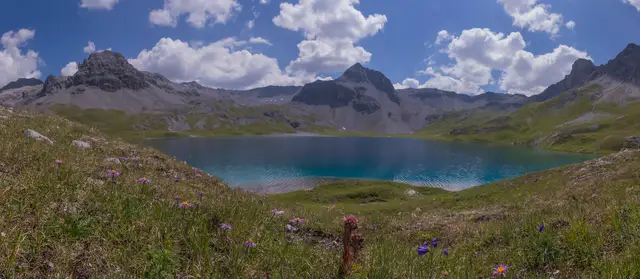
Photo: Ariocarpusandroides · CC BY-SA 4.0 · Wikimedia Commons
Graubünden (Santa Maria Val Müstair)
★★★★★crowding: Very low
Pristine alpine valley bordering the Swiss National Park preserved from heavy transit routes.
High mountainOld-growth forest