Marshes, deltas, peat bogs and lagoons.
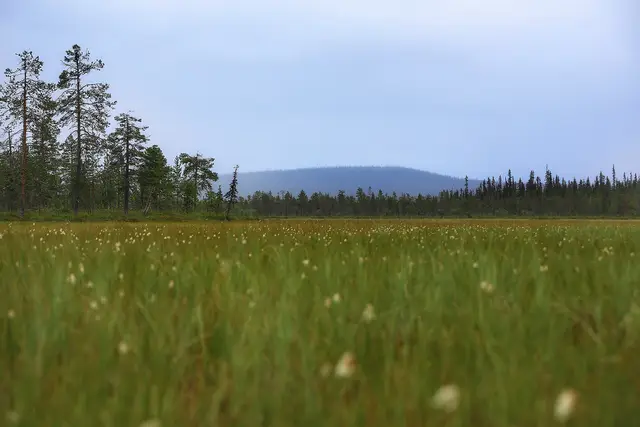
Photo: Jojoo64 · CC BY-SA 4.0 · Wikimedia Commons
Swedish Lapland / Norrbotten (Gällivare / Jokkmokk)
★★★★★crowding: Very low
The pristine realm of boreal taiga and untouched peatlands in Laponia (UNESCO World Heritage), famous for pines over 700 years old that survived historical forest fires.
Primary forestWetlandOld-growth forest
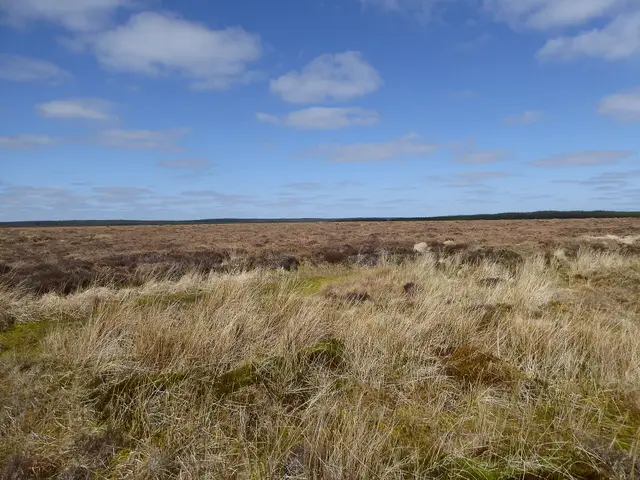
Photo: Mick Crawley · CC BY-SA 2.0 · Wikimedia Commons
Scotland (Caithness and Sutherland — Forsinard)
★★★★★crowding: None
Europe's largest blanket bog expanse, World Heritage site since 2024: an intricate expanse of pool complexes and sphagnum moss locking up carbon since the last Ice Age.
WetlandLake
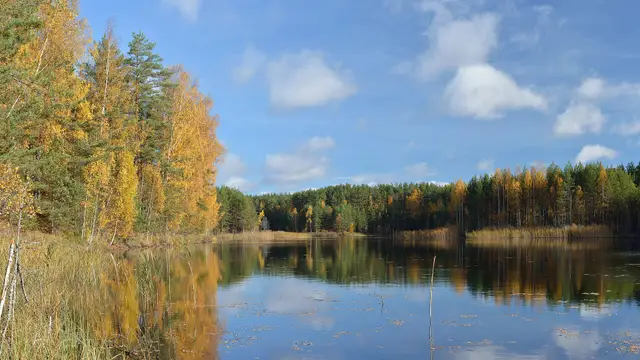
Photo: Ivar Leidus · CC BY-SA 3.0 · Wikimedia Commons
Ida-Virumaa (Iisaku / Alajõe)
★★★★★crowding: Very low
Estonia's youngest National Park (designated in 2018), an immense boreal wilderness of deep taiga and expansive mire complexes bordering Lake Peipus.
Old-growth forestWetlandLake
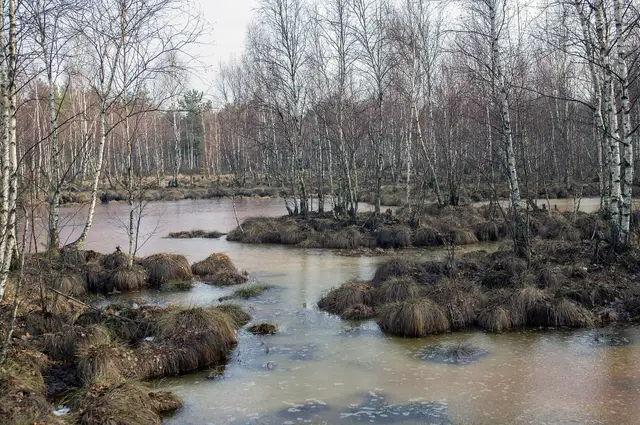
Photo: Jerzy Strzelecki · CC BY-SA 3.0 · Wikimedia Commons
Podlaskie Voivodeship (Osowiec-Twierdza)
★★★★★crowding: Low
Poland’s largest national park and Central Europe’s greatest valley mire and wetland wilderness complex.
WetlandRiver corridor
Trøndelag / Nordland (Hattfjelldal / Røyrvik)
★★★★★crowding: None
One of Scandinavia's purest trail-less wilderness sanctuaries, a core breeding haven for the Arctic fox (Vulpes lagopus).
High mountainWetlandOld-growth forestLake
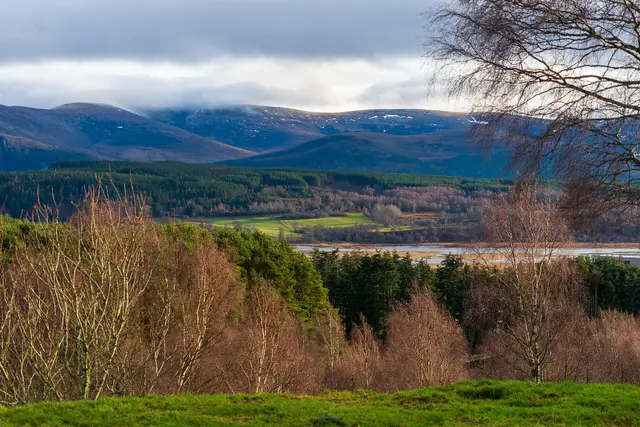
Photo: TXGemGem · CC BY-SA 4.0 · Wikimedia Commons
Scotland (Aviemore / Braemar / Speyside)
★★★★★crowding: Low
Britain's largest national park: subarctic plateau, remnants of the ancient Caledonian pine forest, and capercaillie.
High mountainPrimary forestOld-growth forestWetlandRiver corridor
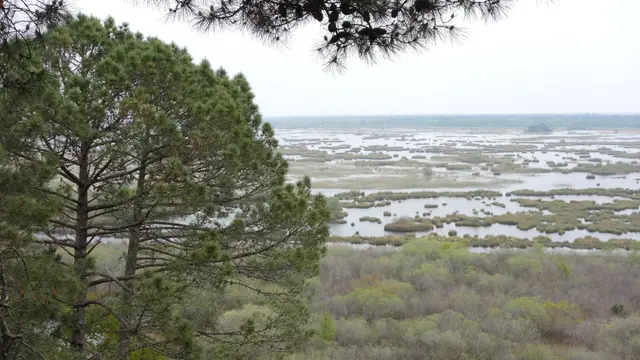
Photo: Zlice · CC BY-SA 4.0 · Wikimedia Commons
Nouvelle-Aquitaine (Gironde / Lacanau)
★★★★★crowding: Very low
Pristine dune pond and protected wooded marshes between the great Médoc lakes and the Atlantic Ocean.
WetlandWild coastOld-growth forest
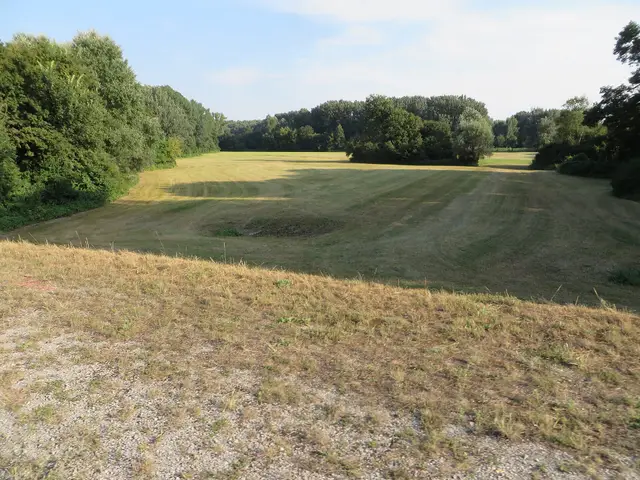
Photo: Brent Hugh · CC BY-SA 4.0 · Wikimedia Commons
Vienna / Lower Austria (Orth an der Donau)
★★★★★crowding: Low
Central Europe's last major free-flowing lowland river landscape between Vienna and Bratislava.
River corridorOld-growth forestWetland
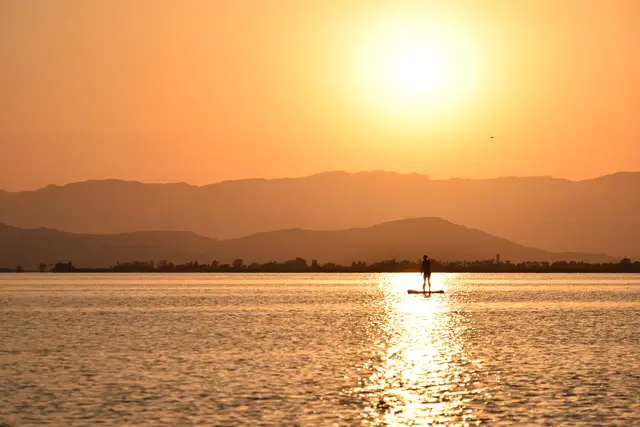
Photo: L. Vadillo - MaLéPhotoSpain · CC BY-SA 4.0 · Wikimedia Commons
Catalonia (Tarragona / Deltebre / Sant Jaume d'Enveitja / Amposta)
★★★★★crowding: Low
The most important wetland in the Iberian Mediterranean after Doñana (320 km²), featuring reed-fringed lagoons, the Trabucador sandbar, and thousands of flamingos.
WetlandWild coastRiver corridor
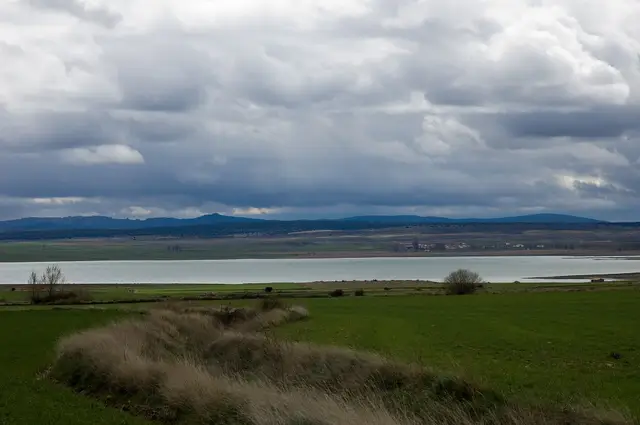
Photo: Jose Manuel Mota · CC BY 2.0 · Wikimedia Commons
Aragon / Castilla-La Mancha (Zaragoza / Teruel — Gallocanta / Bello)
★★★★★crowding: Low
Western Europe's largest saline lagoon and the Iberian Peninsula's foremost stopover for the common crane.
WetlandSteppe and grasslandLake
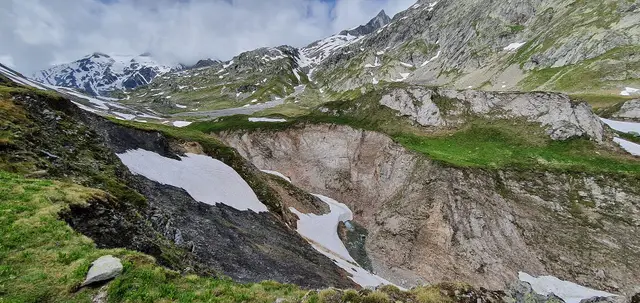
Photo: Oliylkaeng · CC BY-SA 4.0 · Wikimedia Commons
Grisons / Ticino (Vrin / Olivone)
★★★★★crowding: Low
An alpine tundra plateau at 2,200 m without a single building, saved from a reservoir project in 1996.
High mountainWetland
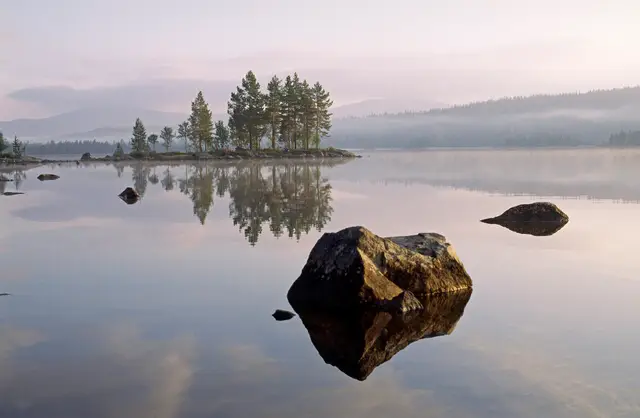
Photo: Peter Möllenkamp · CC BY-SA 3.0 · Wikimedia Commons
Innlandet (Engerdal / Femundsmarka)
★★★★★crowding: Very low
Norway's smallest National Park (23 km²), protecting an untouched primeval forest of Scots pine and centuries-old spruces.
Primary forestOld-growth forestWetland
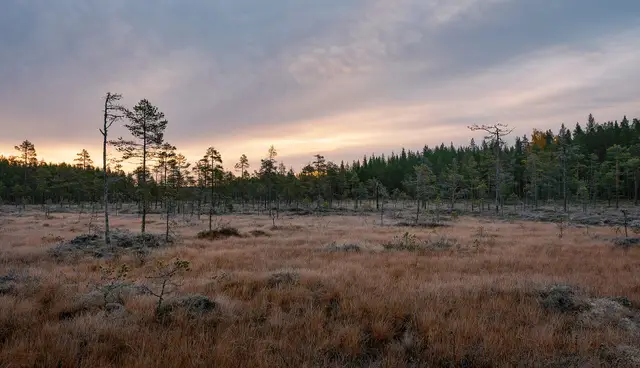
Photo: Kateryna Baiduzha · CC BY 4.0 · Wikimedia Commons
Gävleborg (Ljusdal / Fågelsjö)
★★★★★crowding: Very low
An island of 400-year-old primeval coniferous forest with untouched bogs in the Orsa Finnmark region.
Primary forestWetlandOld-growth forest
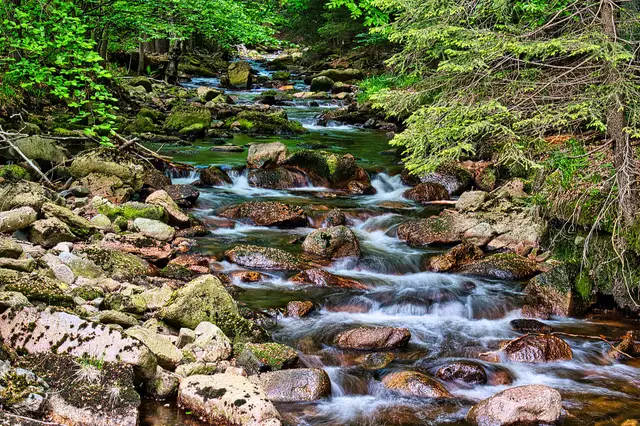
Photo: Matthias Trusheim · CC BY-SA 4.0 · Wikimedia Commons
Lower Saxony / Saxony-Anhalt (Wernigerode / Bad Harzburg)
★★★★★crowding: Moderate
Germany's northernmost mountain range, culminating in the legendary mist-shrouded summit of the Brocken.
High mountainOld-growth forestPrimary forestWetland
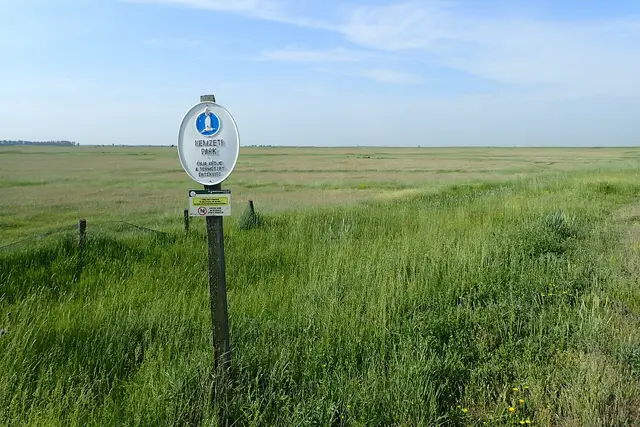
Photo: Krzysztof Ziarnek, Kenraiz · CC BY-SA 4.0 · Wikimedia Commons
Hajdú-Bihar / Jász-Nagykun-Szolnok
★★★★★crowding: Low
Central Europe's largest steppe grassland (80.000 ha) featuring traditional pastoralists and massive crane migrations.
Steppe and grasslandWetland
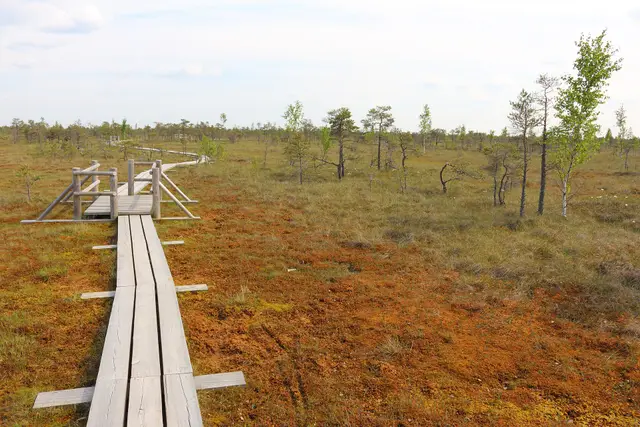
Photo: FrDr · CC BY-SA 4.0 · Wikimedia Commons
Latvia (Jūrmala / Tukums)
★★★★★crowding: Low
Raised bogs, swamp forests and coastal lagoons half an hour from Riga, featuring the Great Ķemeri Bog boardwalk.
WetlandWild coastOld-growth forestLake
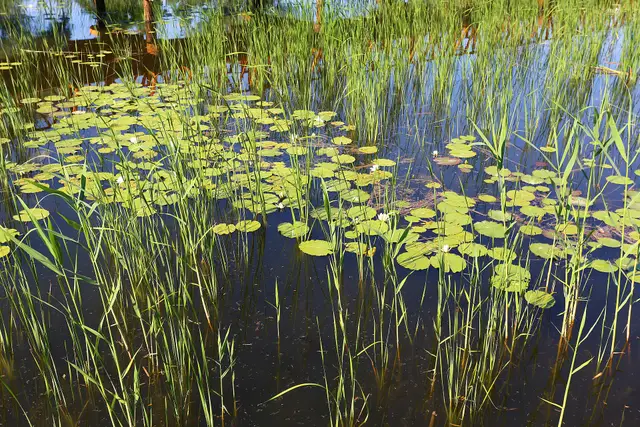
Photo: Misalalic · CC BY-SA 4.0 · Wikimedia Commons
Osijek-Baranja County (Confluence of the Drava and Danube)
★★★★★crowding: Low
The 'Amazon of Central Europe', the largest intact river floodplain in the Danube and Drava basin.
WetlandRiver corridorOld-growth forest
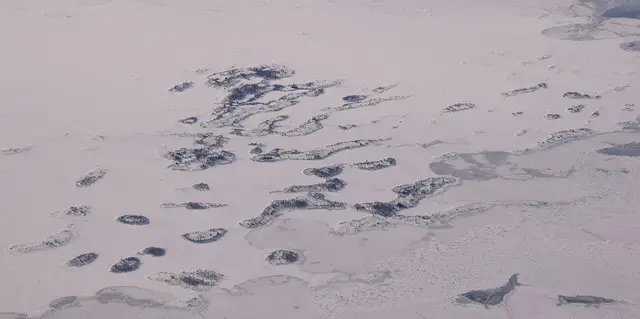
Photo: kallerna · CC BY-SA 4.0 · Wikimedia Commons
Ostrobothnia (Vaasa / Mustasaari / Korsnäs)
★★★★★crowding: Low
The world's premier natural laboratory for post-glacial isostatic rebound (transboundary UNESCO World Heritage site with Sweden's High Coast), where land rises from the Baltic Sea at 1 cm annually.
Wild coastMarineWetland
Tuscany Region (Grosseto Province / Capalbio Municipality / Tuscan Maremma)
★★★★★crowding: Low
Brackish coastal lagoon and Mediterranean dunes preserved by WWF Italy, a key winter refuge for thousands of waterbirds.
Wild coastWetlandOld-growth forest
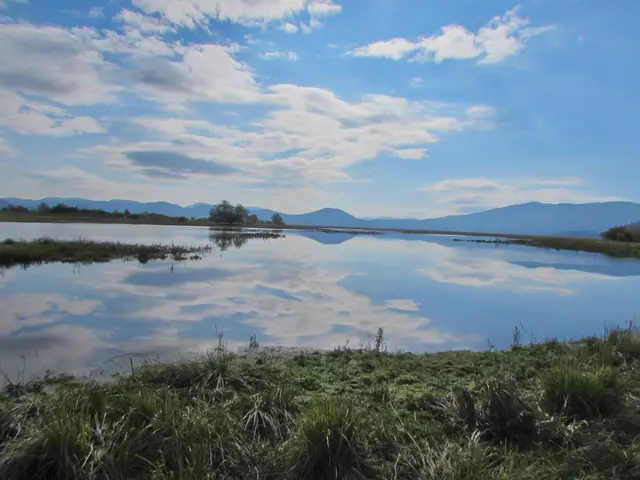
Photo: Ajznponar · CC0 · Wikimedia Commons
Inner Carniola (Cerknica)
★★★★★crowding: Low
Europe's largest intermittent lake, which fills and empties completely through underground karst sinkholes.
LakeKarst and cavesWetland
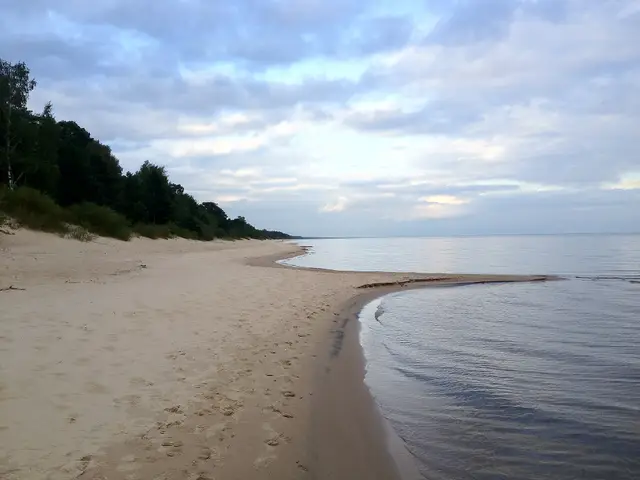
Photo: Ainar Riigov · CC BY 3.0 · Wikimedia Commons
Tartumaa (Kallaste / Varnja / Luunja)
★★★★★crowding: Very low
Europe's fifth-largest lake (3,500 km²) and the vast uninhabited wilderness wetland of the Emajõgi delta.
LakeWetlandWild coast
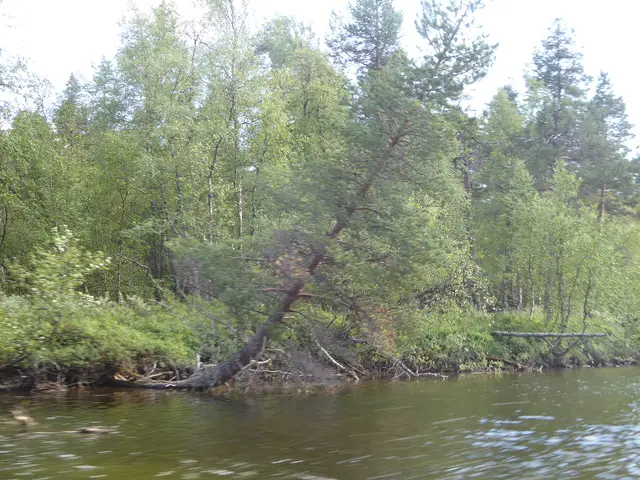
Photo: Nemo bis · CC BY-SA 4.0 · Wikimedia Commons
Finnish Lapland (Inari / Kittilä)
★★★★★crowding: Very low
The largest national park in Finland (2,860 km²), wild river valleys of primeval taiga and the legendary gold-bearing Lemmenjoki river.
Primary forestHigh mountainRiver corridorWetland
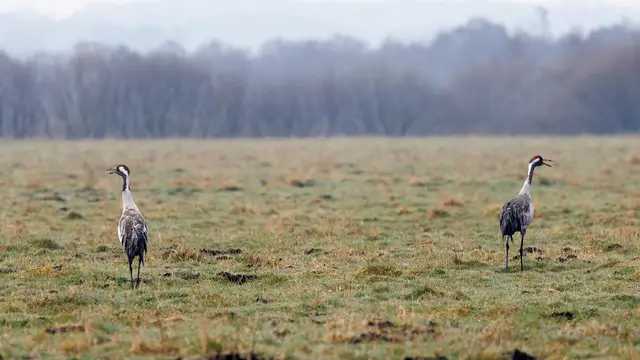
Photo: Stig Nygaard · CC BY 2.0 · Wikimedia Commons
North Jutland (Aalborg / Dokkedal)
★★★★★crowding: Very low
The largest active raised bog in lowland Western Europe (76 km²), hosting the reintroduction of the moose to Denmark.
WetlandOld-growth forest
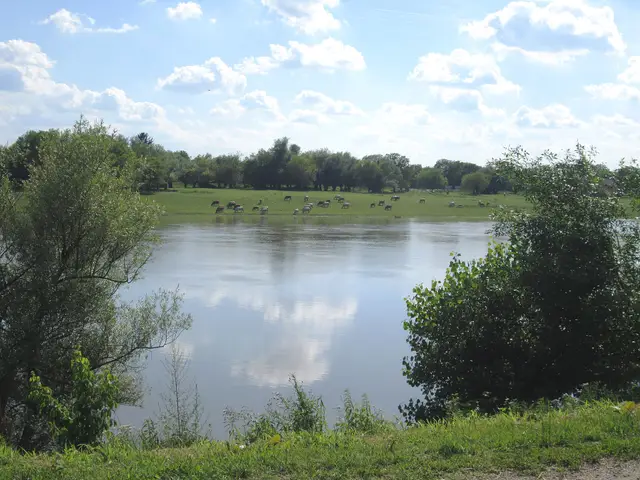
Photo: Fraxinus · CC BY-SA 4.0 · Wikimedia Commons
Sisak-Moslavina County (Sava River Basin)
★★★★★crowding: Very low
Vast flood-retention wetland along the Sava River preserved through traditional livestock grazing.
WetlandRiver corridorOld-growth forest
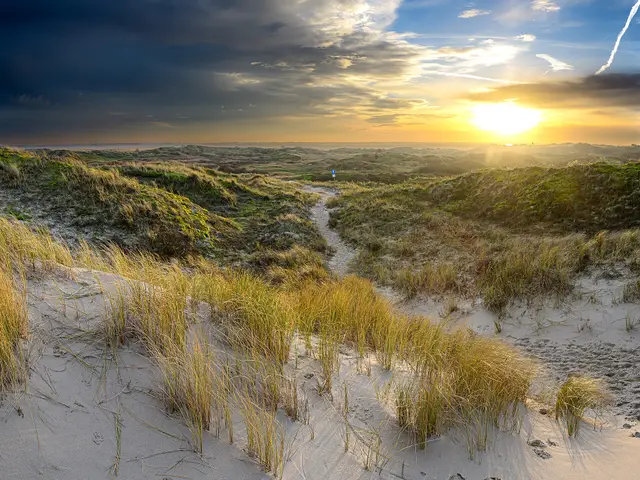
Photo: Stephan Sprinz · CC BY 4.0 · Wikimedia Commons
Lower Saxony (East Frisian Islands / Cuxhaven / Wilhelmshaven)
★★★★★crowding: Moderate
Barrier islands, salt marshes and intertidal mudflats between the Ems and the Elbe, part of the Wadden Sea World Heritage site.
Wild coastMarineWetland
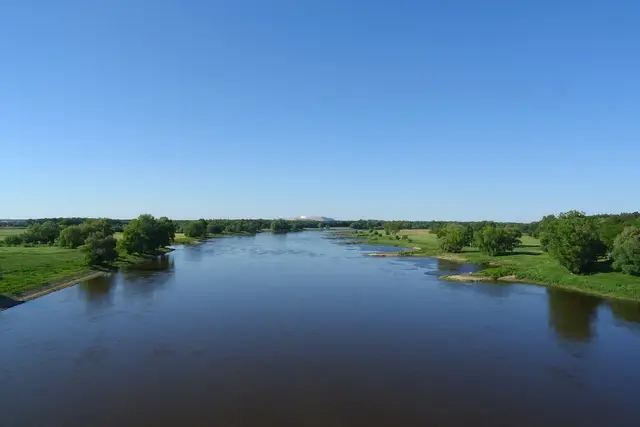
Photo: Emillam · CC BY-SA 4.0 · Wikimedia Commons
Saxony-Anhalt (Dessau-Roßlau / Wittenberg)
★★★★★crowding: Very low
The largest contiguous complex of alluvial hardwood oak floodplain forests in Central Europe.
River corridorWetlandOld-growth forest
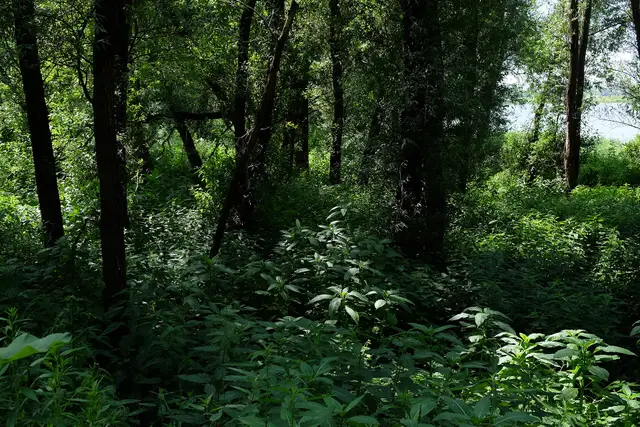
Photo: Lendskaip · CC0 · Wikimedia Commons
Gelderland (Berg en Dal / Rhine Valley)
★★★★★crowding: Low
Iconic core of the rewilded Rhine river where beavers and free-roaming herds shape dynamic floodplain forests.
River corridorWetland
Klaipėda County (Šilutė / Rusnė / Ventė)
★★★★★crowding: Low
Inland delta and floodplain estuary on the Curonian Lagoon, the primary ringing hotspot for migratory birds along the Baltic.
WetlandRiver corridorWild coast
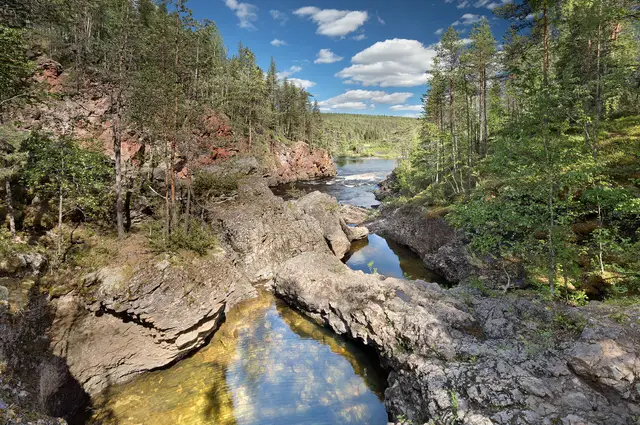
Photo: Ximonic (Simo Räsänen) · CC BY-SA 3.0 · Wikimedia Commons
Finnish Lapland / North Ostrobothnia (Kuusamo / Salla)
★★★★★crowding: Low
Torrential rivers carved into sandstone gorges and pristine boreal pine forests, crossed by suspension bridges along the Karhunkierros trail.
River corridorPrimary forestGorge and canyonWetland
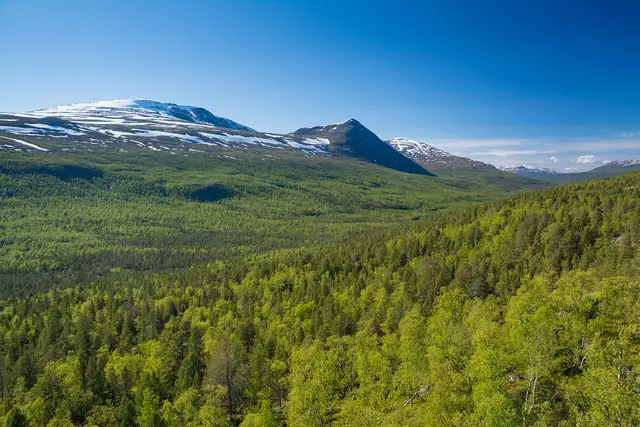
Photo: Kim Grønbæk Skytte · CC BY-SA 3.0 · Wikimedia Commons
Troms (Målselv / Øverbygd)
★★★★★crowding: Very low
One of the few European national parks where all four large Arctic predators stably coexist: brown bear, wolf, lynx, and wolverine.
Primary forestHigh mountainWetland
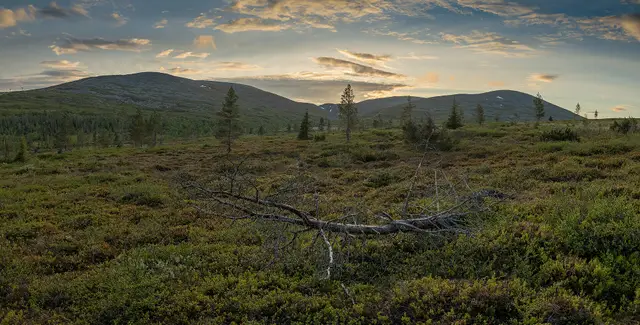
Photo: Ximonic (Simo Räsänen) · CC BY-SA 3.0 · Wikimedia Commons
Finnish Lapland (Enontekiö / Kittilä / Kolari / Muonio)
★★★★★crowding: Moderate
Finland's most visited national park (1.020 km²), a chain of tundra fell hills (tunturi) hosting the cleanest air measuring station on Earth (Sammaltunturi).
High mountainPrimary forestWetland
Finnmark (Sør-Varanger / Kirkenes / Svanvik)
★★★★★crowding: Very low
The westernmost edge of the primeval Siberian Scots pine taiga (Pinus sylvestris), harbouring Norway's highest brown bear density along the Russian border.
Primary forestOld-growth forestWetlandRiver corridor
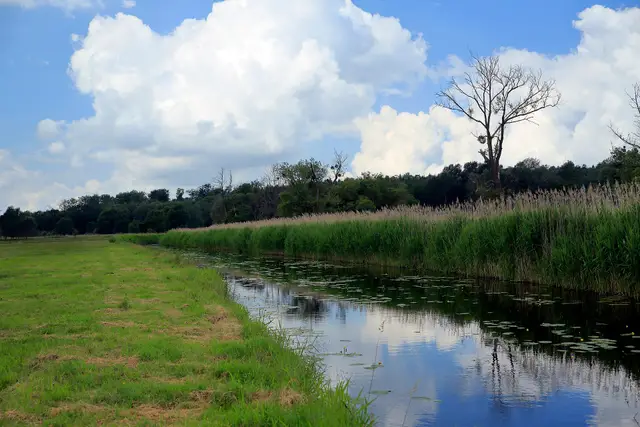
Photo: Falk2 · CC BY-SA 4.0 · Wikimedia Commons
Mecklenburg-Western Pomerania
★★★★★crowding: Very low
The 'Amazon of the North', one of Central Europe's last unchannelized peatland river valleys.
River corridorWetland
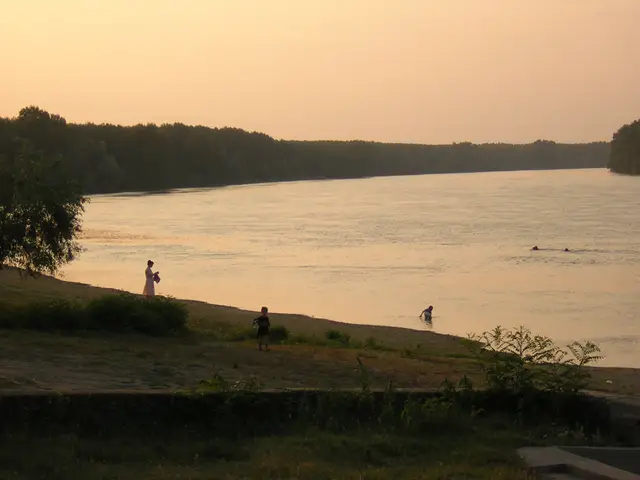
Photo: en:User:Preslav · CC BY-SA 3.0 · Wikimedia Commons
Pleven Province (Belene)
★★★★★crowding: Very low
Nature park embracing the Danube river islands of northern Bulgaria and their dynamic floodplain wetlands.
WetlandRiver corridor
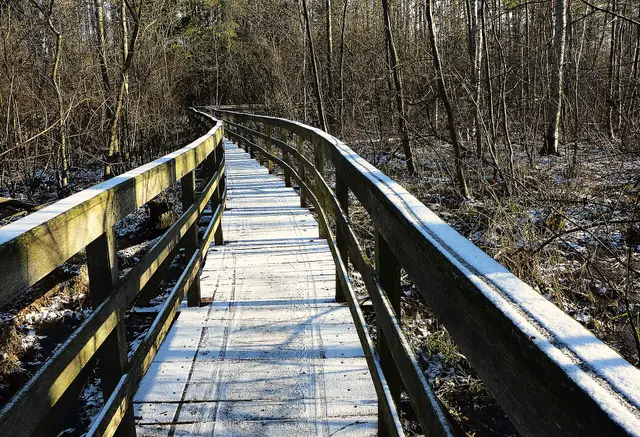
Photo: Tarasna0922 · CC BY-SA 4.0 · Wikimedia Commons
Lublin Voivodeship (Urszulin)
★★★★★crowding: Very low
A mosaic of boreal tundra-like peatlands and freshwater lakes in the Polesie Plain.
WetlandLake
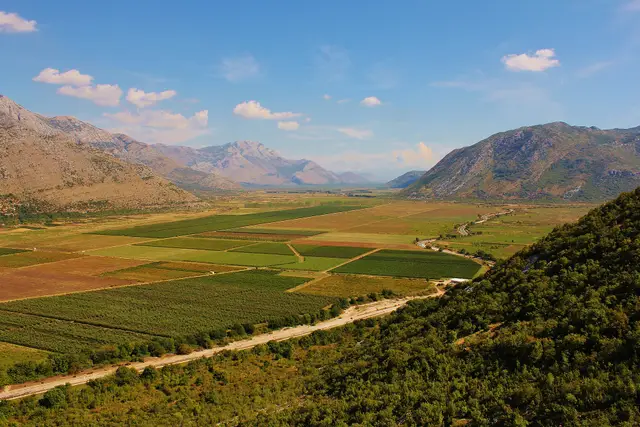
Photo: Igor Trklja · CC BY-SA 3.0 · Wikimedia Commons
Herzegovina (Ravno / Trebinje)
★★★★★crowding: Very low
The cave with the highest subterranean biodiversity in the world (Vjetrenica, UNESCO World Heritage in 2024) and one of the largest floodable poljes in the Balkans.
Karst and cavesSteppe and grasslandWetland
Algarve (Faro / Olhão / Tavira / Vila Real de Santo António)
★★★★★crowding: Moderate
A 60 km coastal lagoon protected by 5 sandy barrier islands (Barreta, Culatra, Armona, Tavira, and Cacela), harbouring Portugal's largest common chameleon colony.
WetlandWild coastMarine
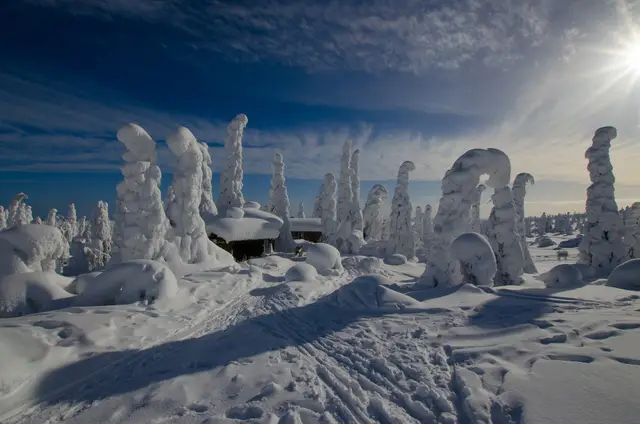
Photo: Tero Laakso from Hyvinkää, Finland · CC BY-SA 2.0 · Wikimedia Commons
Finnish Lapland (Posio / Kuusamo)
★★★★★crowding: Low
World-famous for heavy snow and hard frost formations on boreal spruce trees (tykky) across upland fells.
High mountainPrimary forestWetland
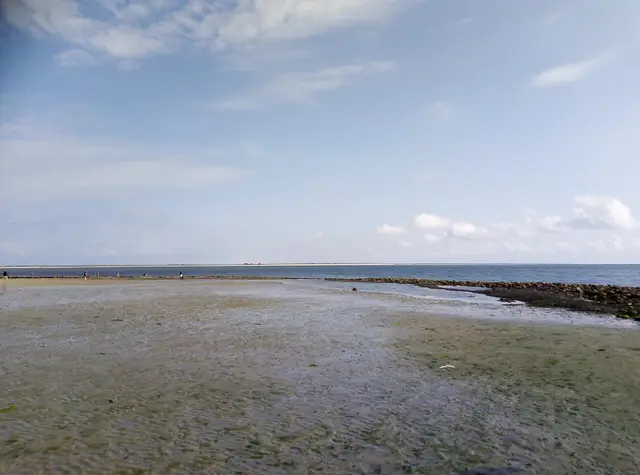
Photo: Wilhelm II. Hohenzollern · CC BY-SA 4.0 · Wikimedia Commons
Schleswig-Holstein (Sylt / Halligen / Husum / Tönning)
★★★★★crowding: Moderate
Central Europe's largest national park: intertidal mudflats, dyked islets (Halligen) and millions of migratory waders on passage.
Wild coastMarineWetland
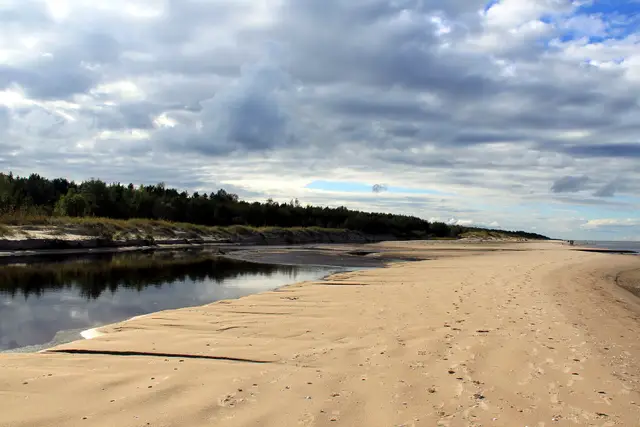
Photo: Sirujs Enobs · CC BY-SA 3.0 · Wikimedia Commons
Courland / Kurzeme (Dundaga / Cape Kolka)
★★★★★crowding: Low
Cape Kolka where the currents of the Baltic Sea and the Gulf of Riga collide, ancient Livonian wooded dunes (Kangari), and clay coastal bluffs.
Wild coastOld-growth forestWetland
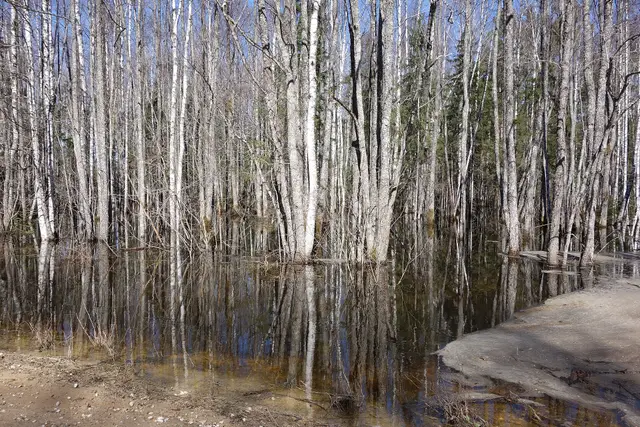
Photo: Juta.lopp · CC BY-SA 3.0 · Wikimedia Commons
Estonia (Pärnumaa / Viljandimaa)
★★★★★crowding: Very low
Expansive raised bogs severed by meandering rivers that overflow each spring: the «fifth season», when canoeists paddle between submerged trees.
WetlandRiver corridorOld-growth forest
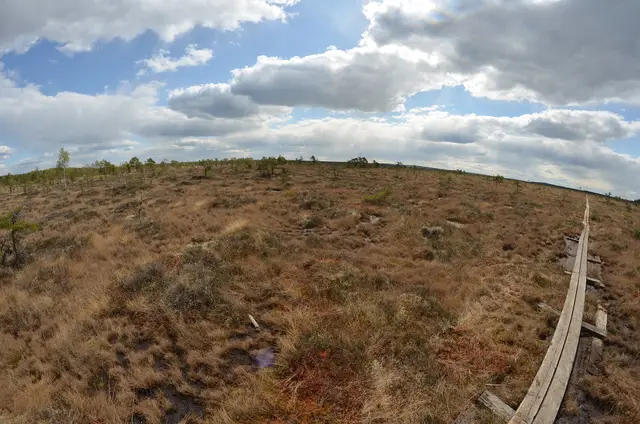
Photo: Wikimalte · CC BY-SA 3.0 · Wikimedia Commons
Jönköping (Värnamo / Gnosjö / Hillerstorp)
★★★★★crowding: Very low
The largest ombrotrophic bog complex south of Lapland (100 km² of mires and tarns traversed by wooden boardwalks).
WetlandOld-growth forest
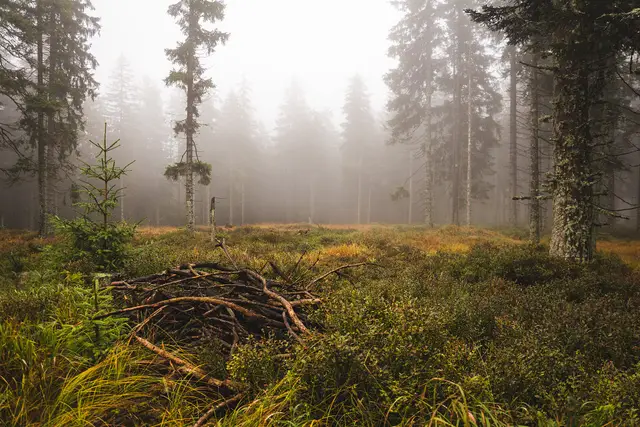
Photo: Martin Vorel · CC0 · Wikimedia Commons
South Bohemian and Plzeň Regions
★★★★★crowding: Low
The "Green Roof of Europe", an immense mountain massif of raised peat bogs, glacial tarns, and montane beechwoods.
Old-growth forestHigh mountainWetlandLake
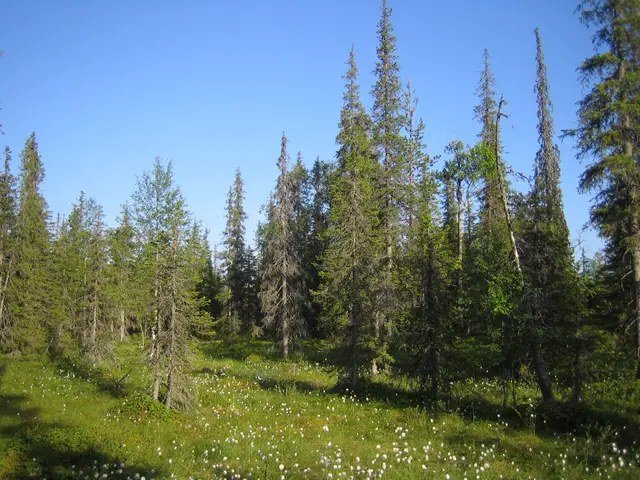
Photo: Original uploader was Hujane at fi.wikipedia · CC BY-SA 3.0 · Wikimedia Commons
Northern Ostrobothnia / Lapland (Pudasjärvi / Taivalkoski)
★★★★★crowding: Low
Old-growth mountain taiga and hanging hillside bogs (aapa bogs), refuge for the Siberian flying squirrel (Pteromys volans).
Primary forestOld-growth forestWetland
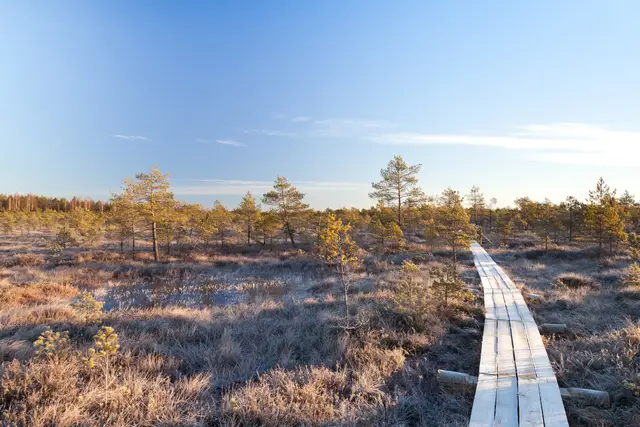
Photo: Jevgenijs Nikitins · CC BY-SA 3.0 · Wikimedia Commons
Latvia (Madona / Krustpils)
★★★★★crowding: None
One of the largest pristine raised bogs in the Baltic region, a strict nature reserve dotted with forested mineral islands rising from the peat.
WetlandLake
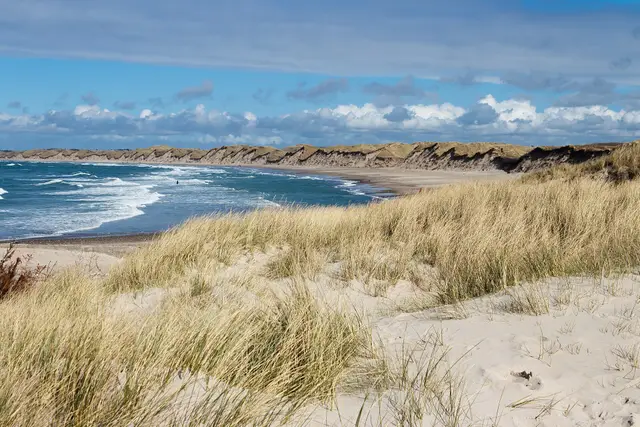
Photo: Kim Hansen · CC BY-SA 4.0 · Wikimedia Commons
North Jutland (Thisted / Hanstholm / Vorupør)
★★★★★crowding: Low
Denmark's first National Park (244 km²), a coastal wilderness of shifting dunes, littoral heathlands, and dune forests lashed by the North Sea.
Wild coastSteppe and grasslandWetland
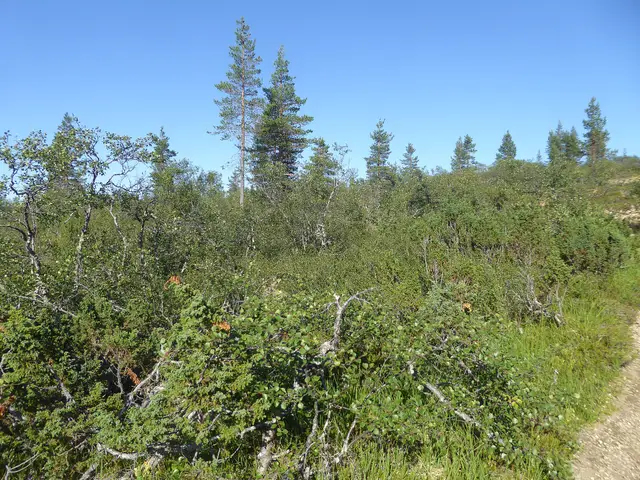
Photo: Nemo bis · CC BY-SA 4.0 · Wikimedia Commons
Finnish Lapland (Saariselkä / Inari / Sodankylä)
★★★★★crowding: Low
Finland’s second largest national park (2.550 km²), rounded arctic tundra fell-tops (tunturi), and wild trekking under the shadow of Sokosti (718 m).
High mountainPrimary forestWetland
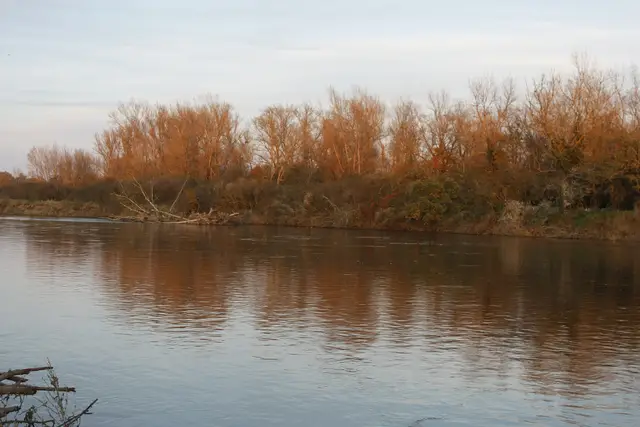
Photo: Amaya13 · CC BY-SA 4.0 · Wikimedia Commons
Auvergne-Rhône-Alpes (Allier / Moulins)
★★★★★crowding: Very low
One of Western Europe’s last truly wild, free-flowing lowland rivers without artificial embankments.
River corridorWetlandOld-growth forest
Finnmark (Vadsø / Vardø / Berlevåg / Båtsfjord)
★★★★★crowding: Very low
Low-elevation Arctic tundra fronting the Barents Sea on Europe’s far northeastern edge, renowned for winter sea-duck roosts of Steller’s and king eiders.
Steppe and grasslandWild coastWetland
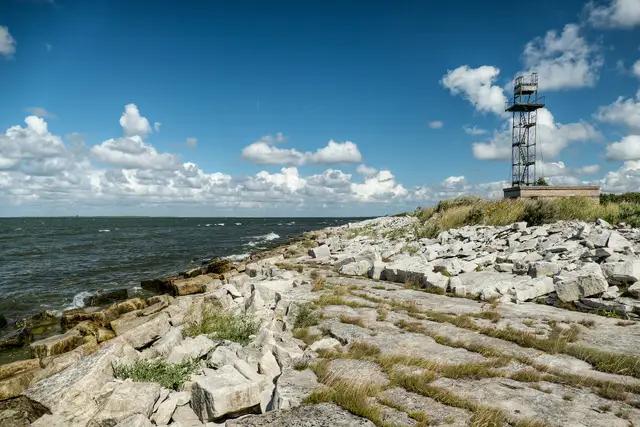
Photo: Amadvr · CC BY-SA 4.0 · Wikimedia Commons
Saare County (Saaremaa Island / Kihelkonna / Tagamõisa)
★★★★★crowding: Very low
The oldest marine bird sanctuary in the Baltic (1910), encompassing some 160 limestone islets and reefs off Saaremaa.
Wild coastMarineWetland
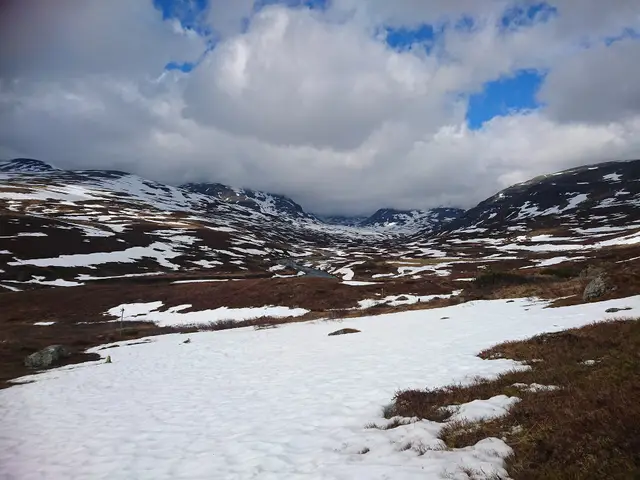
Photo: Emilia · CC BY-SA 4.0 · Wikimedia Commons
Västerbotten (Ammarnäs / Tärnaby)
★★★★★crowding: Very low
One of the largest nature reserves in Europe: high-alpine massifs, birch valleys, and the free-flowing Vindel River running wild to the Baltic.
High mountainRiver corridorWetlandOld-growth forest
South Jutland (Esbjerg / Fanø / Rømø / Ribe)
★★★★★crowding: Low
The world's largest unbroken system of intertidal sand and mud flats (UNESCO World Heritage), renowned for massive starling murmurations (Sort Sol).
Wild coastWetlandMarine
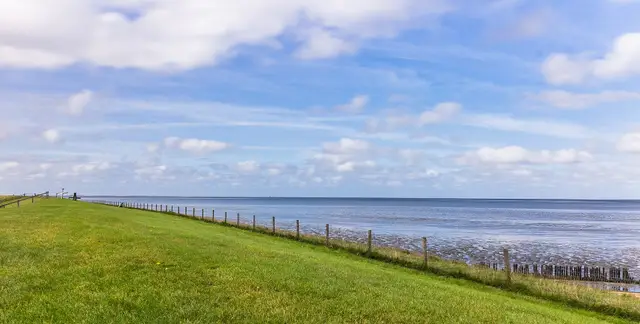
Photo: Famberhorst · CC BY-SA 4.0 · Wikimedia Commons
Provinces of Friesland and Groningen (Islands of Texel, Vlieland, Terschelling, Ameland, Schiermonnikoog, and mainland coast)
★★★★★crowding: Low
Vast intertidal system of mudflats and salt marshes, a vital lifeline for millions of migratory birds along the Atlantic flyway.
WetlandWild coast
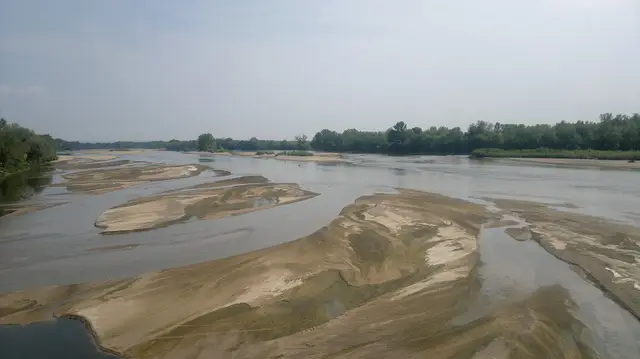
Photo: Magallanes · CC BY-SA 3.0 · Wikimedia Commons
Burgundy-Franche-Comté / Centre-Val de Loire (Nevers / Cosne)
★★★★★crowding: Low
The longest and wildest lowland river in France, featuring dynamic sandbars and islands of spontaneous riparian vegetation.
River corridorWetland
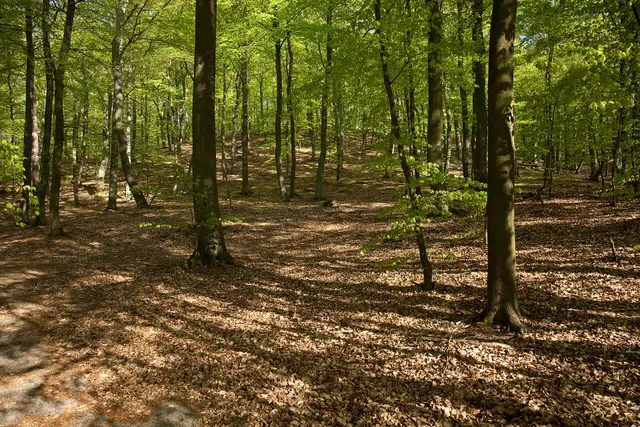
Photo: Wieckowicz · CC BY-SA 3.0 pl · Wikimedia Commons
West Pomerania (Wolin Island / Międzyzdroje / Świnoujście)
★★★★★crowding: Low
Glacial moraine cliffs rising 95 m above the Baltic Sea, coastal beech forests, and Poland's foremost coastal European bison reserve.
Wild coastOld-growth forestWetland
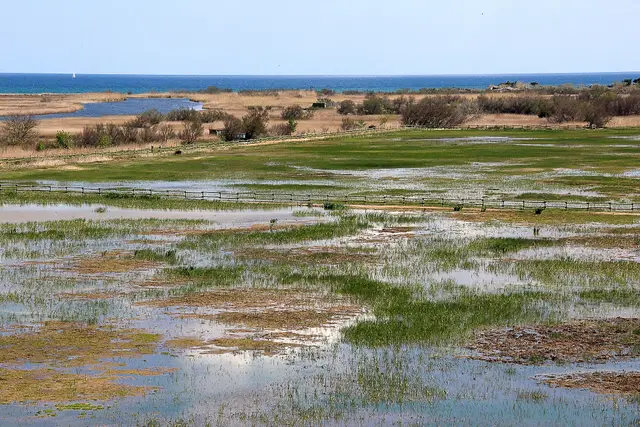
Photo: Maria planas aulet · CC BY-SA 4.0 · Wikimedia Commons
Catalonia (Girona / Castelló d'Empúries / Sant Pere Pescador)
★★★★★crowding: Low
Coastal wetland and fluvial marsh reserve at the mouths of the Muga and Fluvià rivers on the Costa Brava.
WetlandWild coastRiver corridor
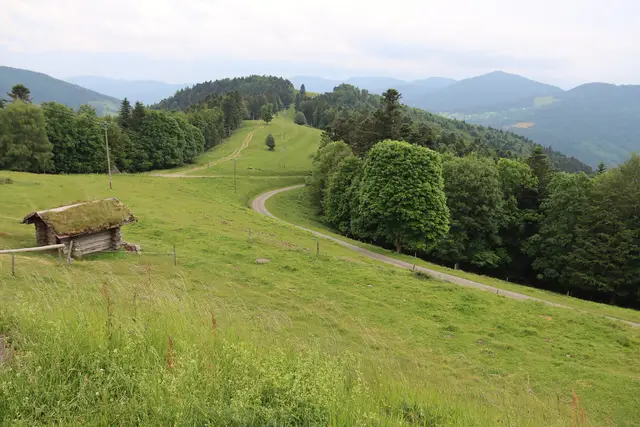
Photo: FrDr · CC BY-SA 4.0 · Wikimedia Commons
Grand Est (Haut-Rhin / Vosges / Belfort)
★★★★★crowding: Low
The high rounded domes (Ballons) of the Vosges with glacial high meadows (chaumes) and beech-fir forests.
High mountainOld-growth forestWetland
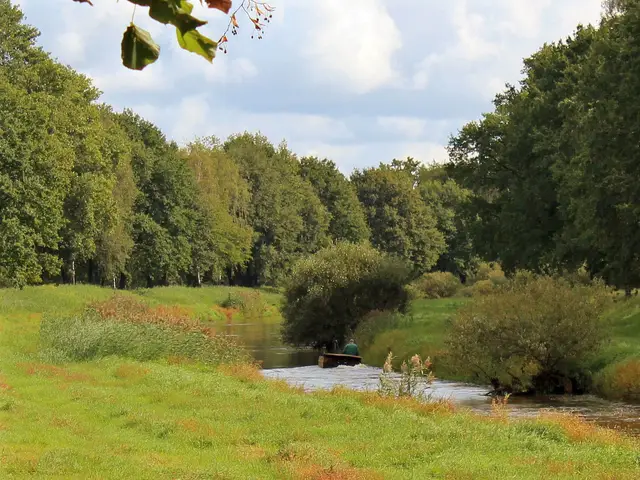
Photo: Silvio John, Elsterwerda · CC BY-SA 3.0 · Wikimedia Commons
Saxony-Anhalt / Brandenburg (Elsterwerda / Jessen)
★★★★★crowding: Very low
Elbe tributary subject to ambitious dyke-relocation projects and retention-basin reconnections.
River corridorWetland
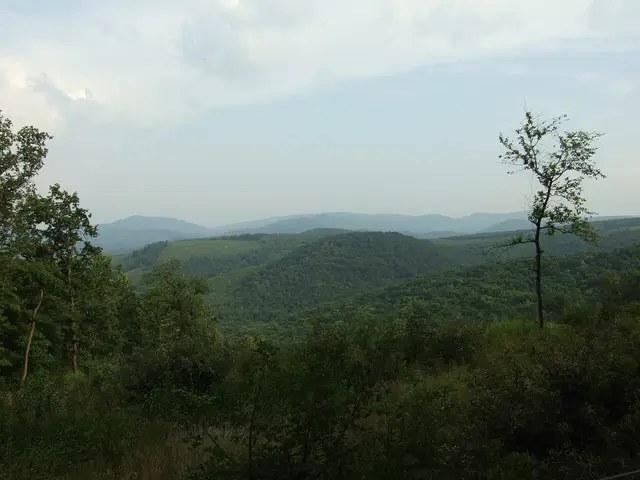
Photo: Aktron · CC BY-SA 3.0 · Wikimedia Commons
Pilis, Visegrád, Börzsöny and Ipoly Valley (Hungary)
★★★★★crowding: Low
Mountain woodlands and the Ipoly river valley in the Hungarian national park.
River corridorWetlandOld-growth forest
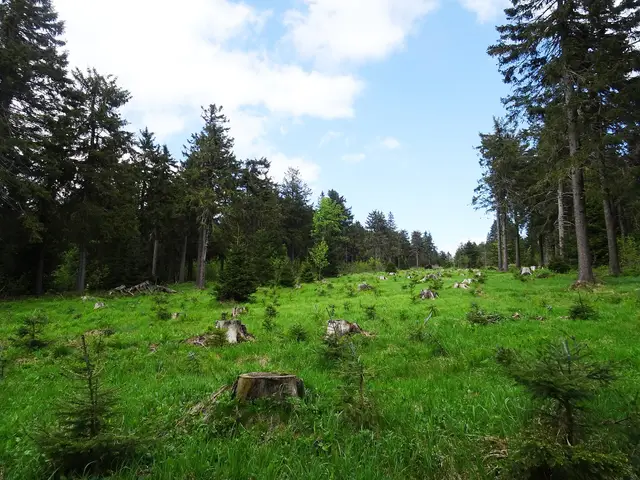
Photo: Palickap · CC BY-SA 4.0 · Wikimedia Commons
East Bohemia (CZ) / Silesia (PL) (Deštné / Zieleniec)
★★★★★crowding: Very low
Gentle forested Sudetes ridge protecting raised bogs on the Czech-Polish border.
High mountainOld-growth forestWetland
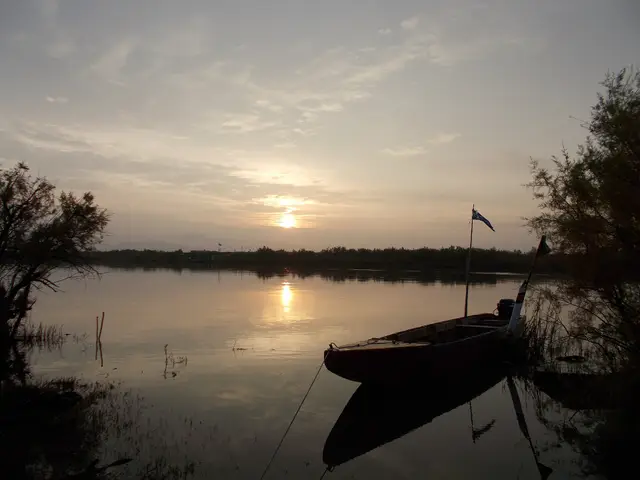
Photo: Evrodelta · CC BY-SA 4.0 · Wikimedia Commons
Thrace (Alexandroupoli / Feres)
★★★★★crowding: None
The great delta on the Greek-Turkish border, one of Greece's foremost wetlands for wintering and migratory birds.
WetlandRiver corridorWild coast
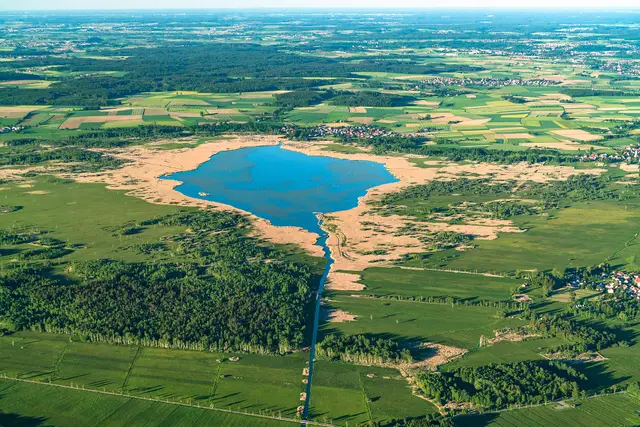
Photo: Armin Appel · CC BY-SA 4.0 · Wikimedia Commons
Baden-Württemberg (Bad Buchau)
★★★★★crowding: Low
The largest contiguous mire wetland in south-western Germany, with a 1.6 km wooden boardwalk traversing the extensive reedbed.
WetlandLake
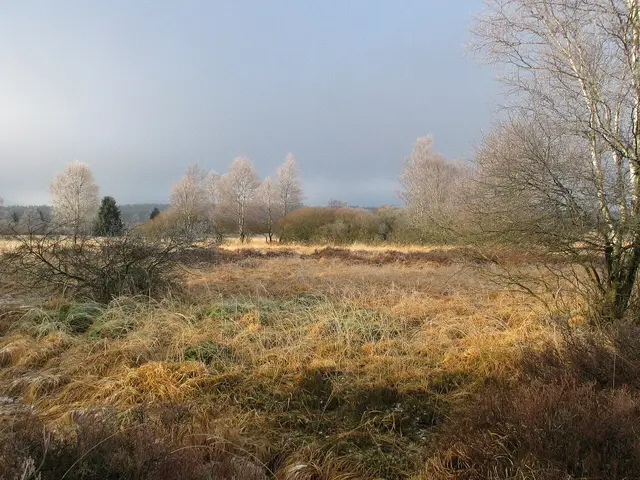
Photo: Aline · CC BY-SA 3.0 · Wikimedia Commons
Province of Liège / German-speaking Community (Eupen / Malmedy / Sankt Vith)
★★★★★crowding: Low
The largest raised bog plateau in Western Europe (600 km²), home to the highest point in Belgium.
WetlandOld-growth forest
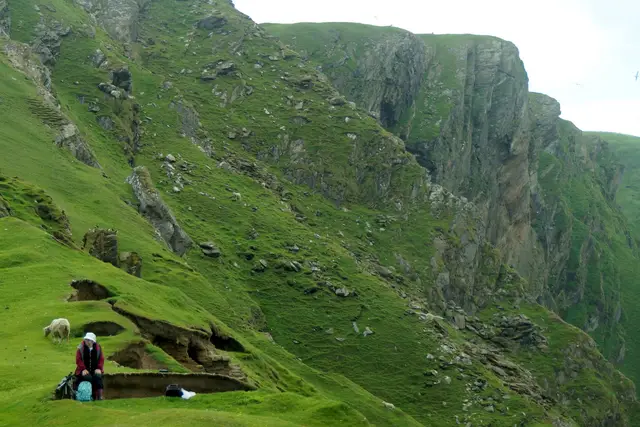
Photo: Mike Pennington · CC BY-SA 2.0 · Wikimedia Commons
Scotland (Shetland Islands / Isle of Unst)
★★★★★crowding: Very low
The northernmost headland of the United Kingdom (facing the Muckle Flugga lighthouse), hosting the world's third largest great skua colony.
Wild coastMarineWetland
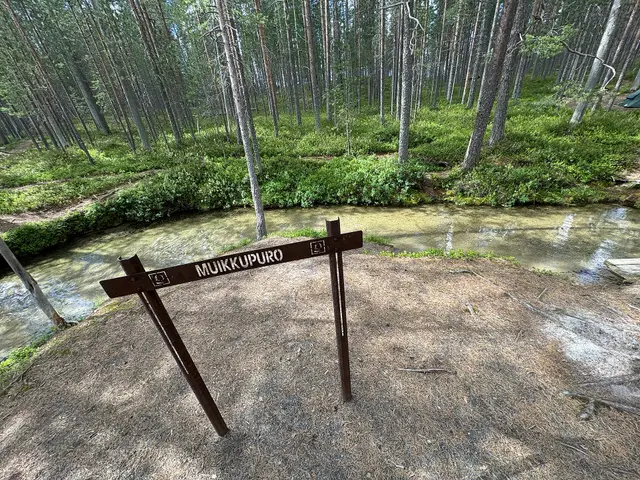
Photo: Skoolari · CC0 · Wikimedia Commons
Finland (Suomussalmi — Kainuu)
★★★★★crowding: Very low
Clear lakes and rivers woven between glacial esker ridges and taiga pine forests, featuring rock art on the shores of Lake Somerjärvi.
Old-growth forestLakeRiver corridorWetland
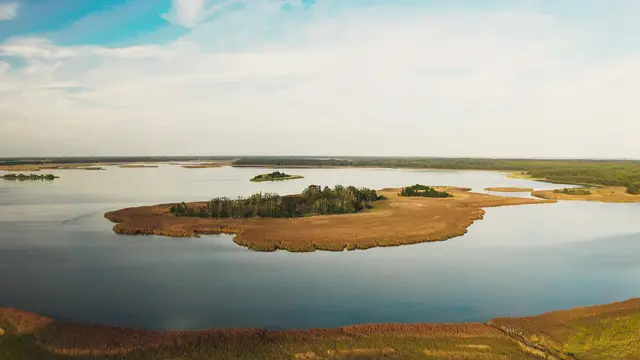
Photo: Esthonos · CC BY-SA 4.0 · Wikimedia Commons
Hiiu — Käina and Vaemla bays and Kassari Island
★★★★★crowding: No data
Brackish coastal bays and semi-natural alvar meadows with observation platforms at Orjaku.
WetlandWild coastSteppe and grassland
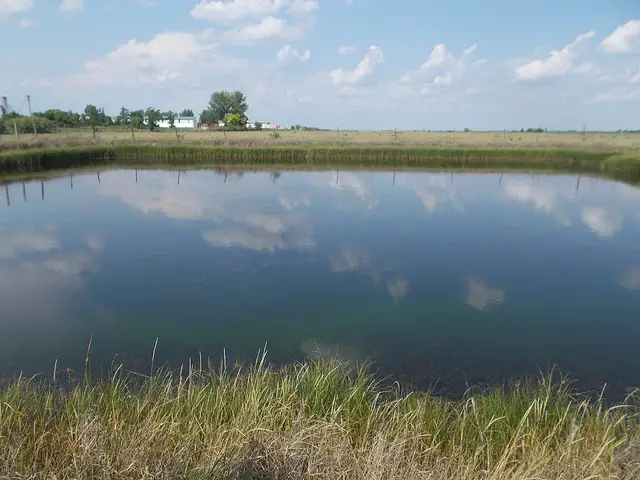
Photo: Globetrotter19 · CC BY-SA 3.0 · Wikimedia Commons
Bács-Kiskun (Kecskemét)
★★★★★crowding: Very low
Saline steppe mosaic between the Danube and Tisza rivers with continental shifting sand dunes and alkaline lakes.
Steppe and grasslandWetlandLake
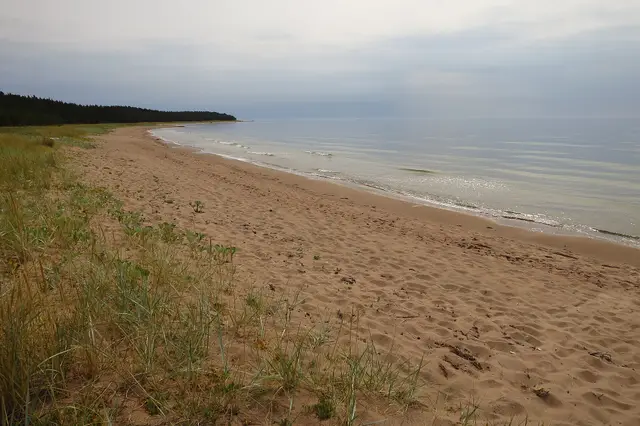
Photo: Marko Vainu · CC BY-SA 4.0 · Wikimedia Commons
Hiiu — Kõpu Peninsula, Hiiumaa
★★★★★crowding: No data
Coastal dune forests, ancient fossil bluffs, and calcareous spring fens on Western Estonia's oldest landmass.
Old-growth forestWild coastWetland
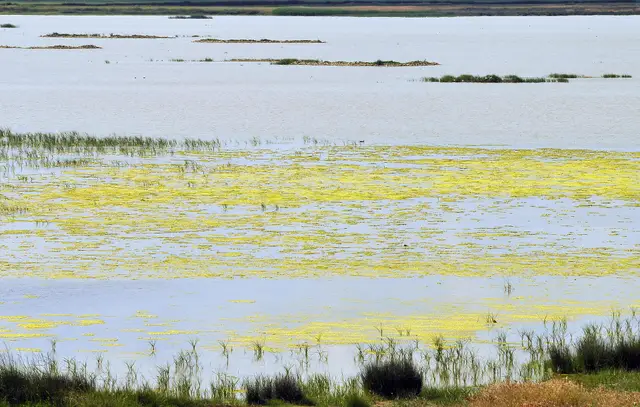
Photo: LBM1948 · CC BY-SA 4.0 · Wikimedia Commons
Castile and León (Zamora / Villafáfila / Villarrín de Campos)
★★★★★crowding: Low
Seasonal salt lagoons and dry cereal farmland in Tierra de Campos, with waterbirds and steppe birds.
WetlandSteppe and grassland
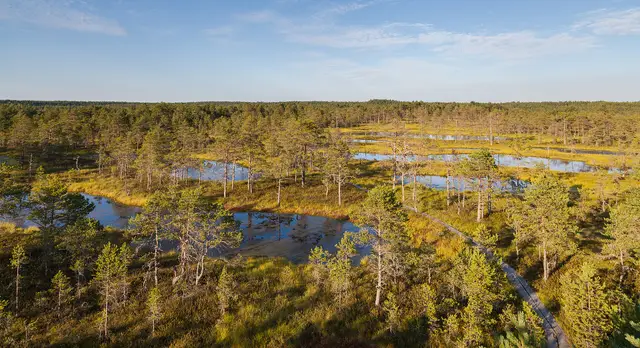
Photo: Diego Delso · CC BY-SA 3.0 · Wikimedia Commons
Lääne-Virumaa / Harjumaa (Palmse / Käsmu)
★★★★★crowding: Low
Estonia's oldest National Park (1971), protecting 4 Baltic peninsulas, boreal pine taiga, and the Viru bog.
Old-growth forestWild coastWetland
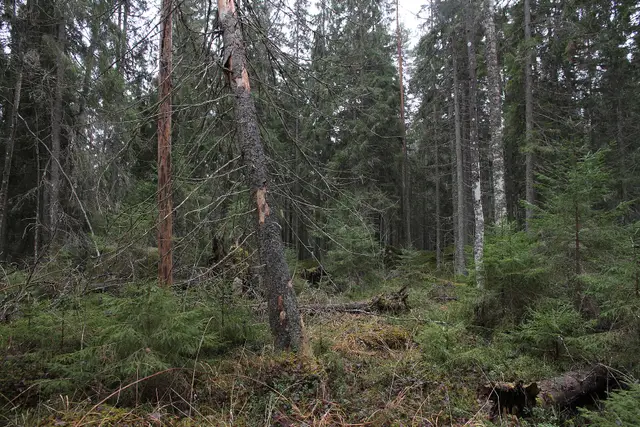
Photo: Markus Rantala ( Makele-90 ) · CC BY-SA 3.0 · Wikimedia Commons
Kanta-Häme (Tammela / Somero)
★★★★★crowding: Very low
Century-old boreal taiga featuring the narrow Kyynäränharju esker ridge meandering like a natural causeway between two lakes.
Old-growth forestLakeWetland
Nouvelle-Aquitaine / Pays de la Loire (Vendée / Charente-Maritime)
★★★★★crowding: Low
The "Green Venice", France's second-largest wetland expanse criss-crossed by an intricate network of tree-lined canals.
WetlandWild coast
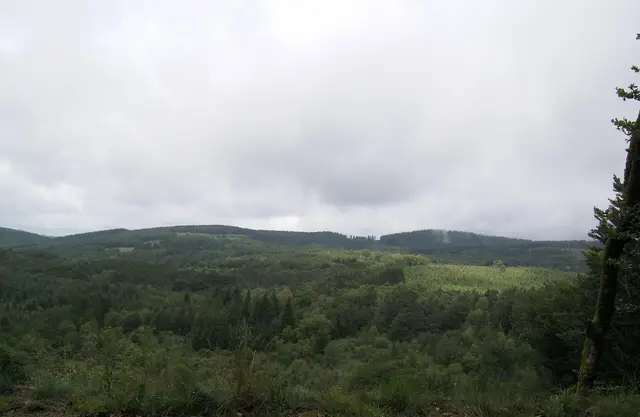
Photo: Sjwells53 · CC BY-SA 3.0 · Wikimedia Commons
Nouvelle-Aquitaine (Corrèze / Creuse / Haute-Vienne)
★★★★★crowding: Very low
The "Plateau of a Thousand Springs", a granite water tower of south-west France teeming with sphagnum bogs and river headwaters.
WetlandOld-growth forest
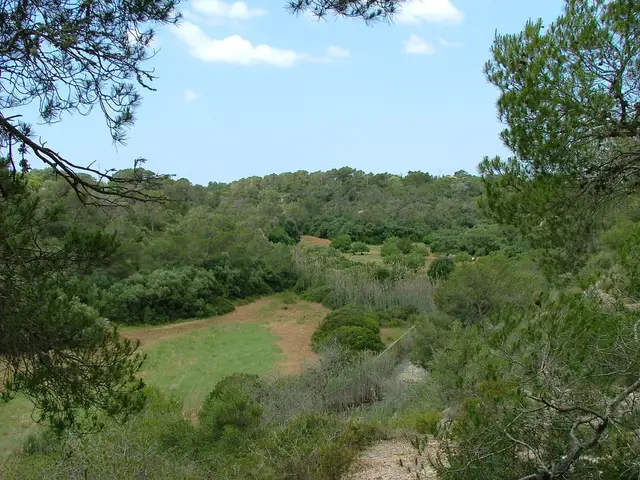
Photo: diba · CC BY-SA 2.0 de · Wikimedia Commons
Balearic Islands (Mallorca / Santanyí)
★★★★★crowding: Moderate
White-sand coves nestled between coastal juniper groves, wild olive ravines and the freshwater wetlands of Ses Fonts de n’Alis.
Wild coastWetlandOld-growth forest
Styria (AT), Prekmurje (SI), Međimurje (HR)
★★★★★crowding: Very low
Fast-flowing meandering river flanked by preserved alluvial gallery forests and historic floating boat mills.
River corridorWetlandOld-growth forest
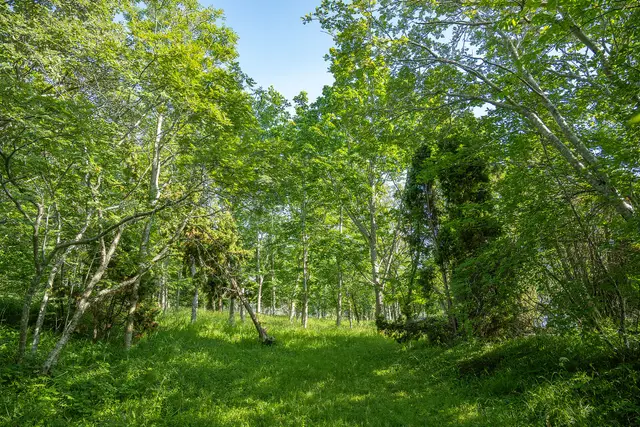
Photo: Håkan Skogsjö · CC BY-SA 4.0 · Wikimedia Commons
Åland — Nåtö and protected islets of Lemland and Mariehamn
★★★★★crowding: No data
Wooded meadows maintained through traditional management, ancient woodlands of Korsö and an old-growth yew forest on Jungfruskär.
Old-growth forestWetlandWild coastMarine
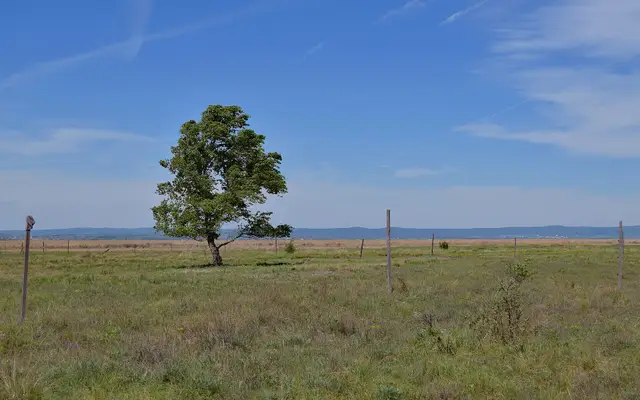
Photo: Haeferl · CC BY-SA 4.0 · Wikimedia Commons
Burgenland (Neusiedl am See / Illmitz)
★★★★★crowding: Low
Central Europe’s only endorheic steppe lake and its belt of saline shallow soda pans in Seewinkel.
LakeSteppe and grasslandWetland
Grand Est (Aube / Troyes)
★★★★★crowding: Low
Lush deciduous forests encircling artificial reservoir lakes that have become a crucial migration stopover for waterfowl.
Old-growth forestLakeWetland
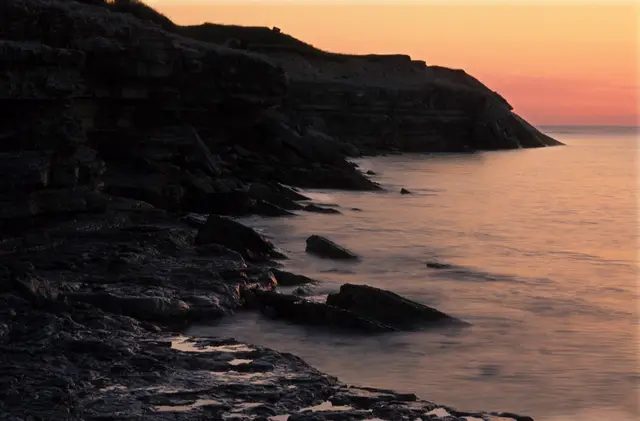
Photo: Tõnis Saadre · CC BY-SA 3.0 · Wikimedia Commons
Läänemaa — Lääne-Nigula, island of Osmussaar
★★★★★crowding: No data
Alvar grasslands and limestone coast shaped by the sea in a Baltic island reserve.
Wild coastSteppe and grasslandWetland
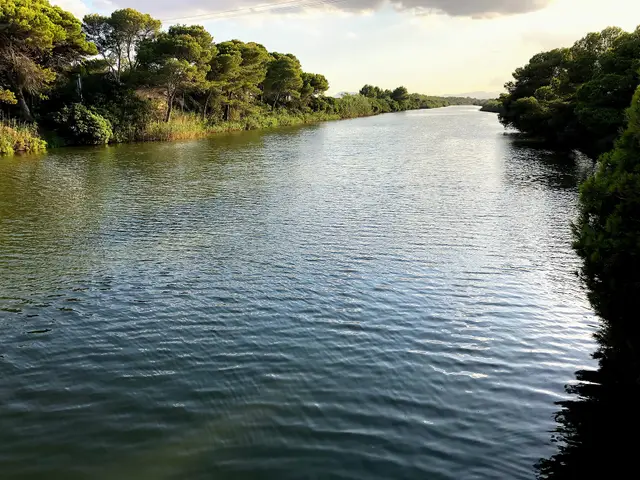
Photo: Wasquewhat · CC BY-SA 4.0 · Wikimedia Commons
Balearic Islands (Mallorca / Muro / Alcúdia / Sa Pobla)
★★★★★crowding: Low
The largest wetland in the Balearic Islands (1,700 ha), a lagoon of brackish reedbeds with outstanding bird observation hides in the Bay of Alcúdia.
WetlandWild coast
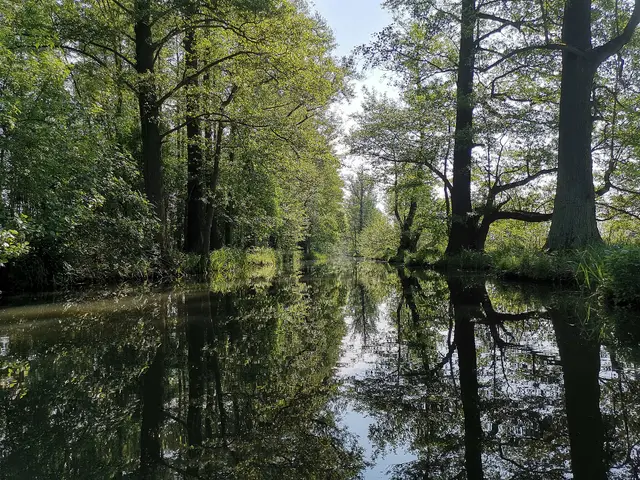
Photo: Anne-Karen Voigt · CC BY-SA 4.0 · Wikimedia Commons
Brandenburg (Lübbenau / Burg)
★★★★★crowding: Moderate
Inland river delta of 200 interwoven channels (Fließe) meandering among black alder carrs and traditional Sorbian wet meadows.
WetlandRiver corridorOld-growth forest
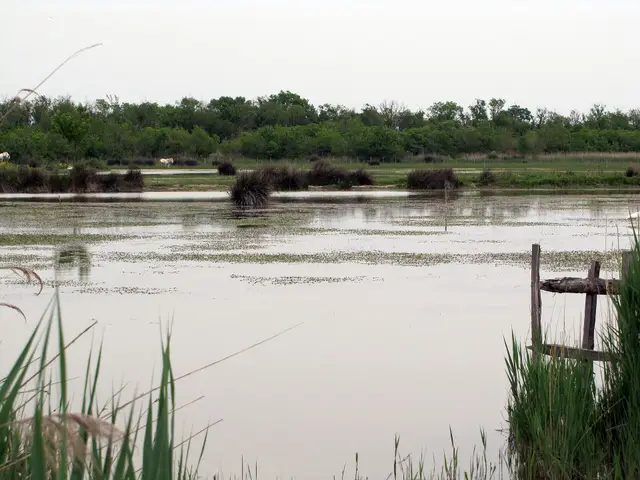
Photo: Hyppolyte de Saint-Rambert · CC BY-SA 4.0 · Wikimedia Commons
Provence-Alpes-Côte d'Azur (Bouches-du-Rhône / Mas-Thibert)
★★★★★crowding: Low
A 1.200 ha nature reserve on the threshold of the Camargue hosting all 9 European heron and egret species.
Wetland
West Flanders (BE) / Zeeland (NL)
★★★★★crowding: Low
The 'International Bird Airport', a dynamic tidal maritime inlet straddling Belgium and the Netherlands.
Wild coastWetland