Old forests with big trees and deadwood, though not always free from logging.
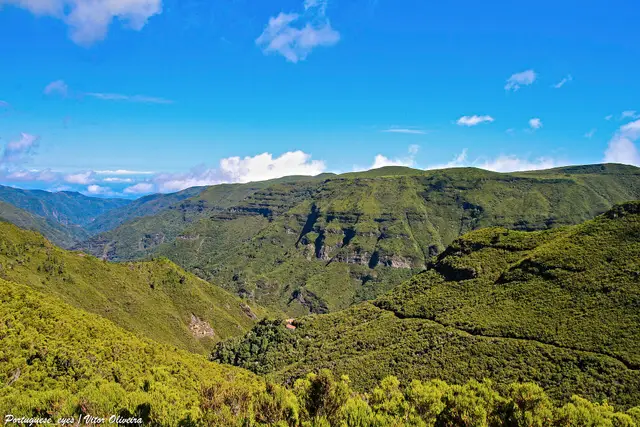
Photo: Vitor Oliveira from Torres Vedras, PORTUGAL · CC BY-SA 2.0 · Wikimedia Commons
Autonomous Region of Madeira (Madeira Island / Ribeiro Frio / Fanal / Porto Moniz)
★★★★★crowding: Low
The largest surviving tract of relict Tertiary subtropical laurel forest in the world (UNESCO World Heritage).
Primary forestOld-growth forestHigh mountain
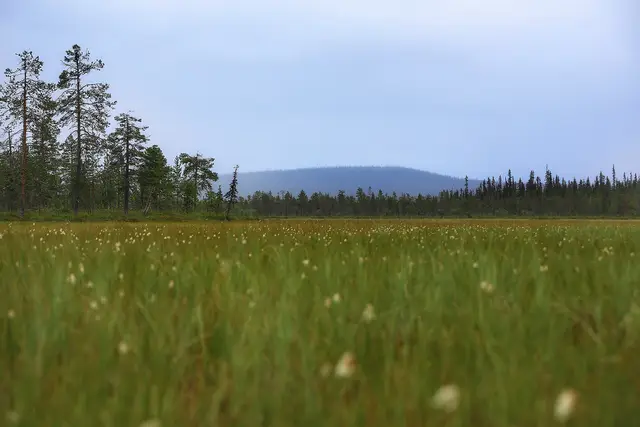
Photo: Jojoo64 · CC BY-SA 4.0 · Wikimedia Commons
Swedish Lapland / Norrbotten (Gällivare / Jokkmokk)
★★★★★crowding: Very low
The pristine realm of boreal taiga and untouched peatlands in Laponia (UNESCO World Heritage), famous for pines over 700 years old that survived historical forest fires.
Primary forestWetlandOld-growth forest
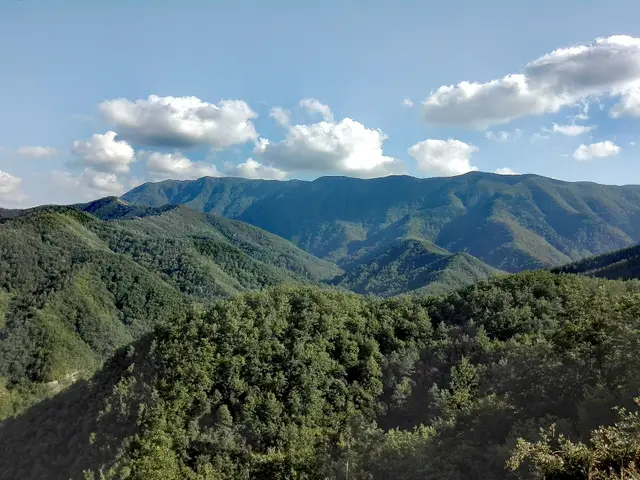
Photo: Nicola Andrucci · CC BY-SA 4.0 · Wikimedia Commons
Emilia-Romagna / Tuscany (Forlì-Cesena / Bagno di Romagna)
★★★★★crowding: None
The first Strict Nature Reserve established in Italy (1959), an intact primary beech forest over 500 years old untouched by logging.
Primary forestOld-growth forest
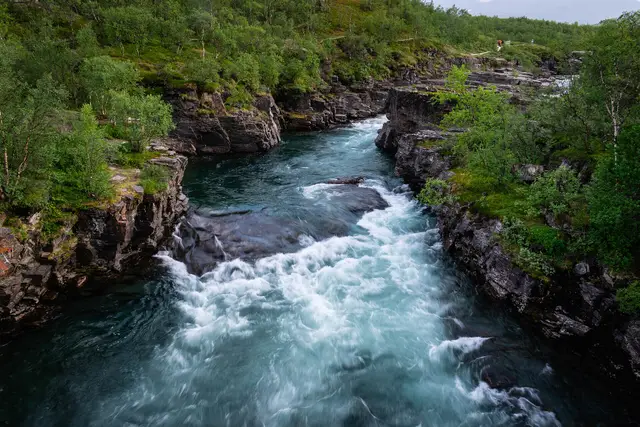
Photo: Ulfnilss · CC BY-SA 4.0 · Wikimedia Commons
Swedish Lapland / Norrbotten (Kiruna / Abisko)
★★★★★crowding: Moderate
The grand canyon of the Abiskojåkka emptying into Lake Torneträsk and the iconic mountain pass of Lapporten (The Gate of Lapland).
High mountainGorge and canyonLakeOld-growth forest
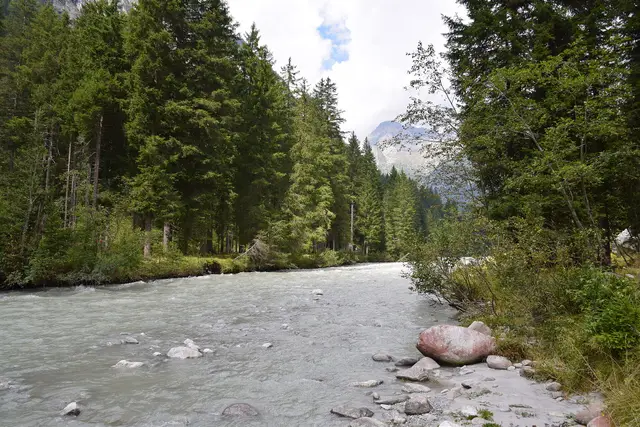
Photo: Elena749 · CC BY-SA 4.0 · Wikimedia Commons
Trentino (Pinzolo / Madonna di Campiglio / Tovel)
★★★★★crowding: Moderate
Two opposing geological worlds facing each other: the limestone spires of the Brenta Dolomites and the glaciated granite massif of the Adamello (home to Trentino's historic brown bear).
High mountainKarst and cavesGlacial landscapeLakeOld-growth forest
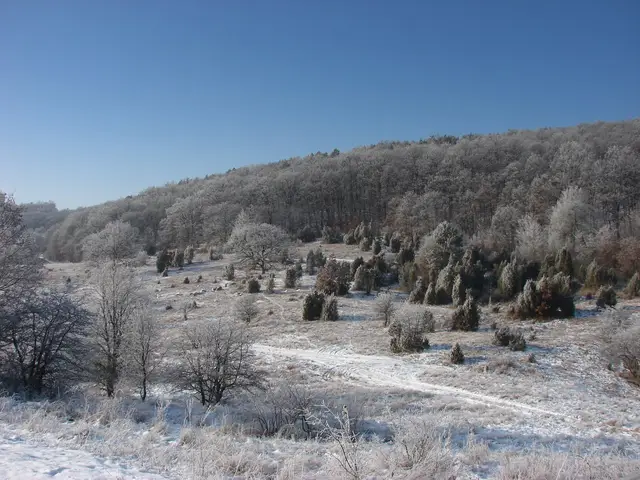
Photo: Kalyob · CC BY-SA 3.0 · Wikimedia Commons
Borsod-Abaúj-Zemplén (Aggtelek / Jósvafő)
★★★★★crowding: Low
Northern Hungary's karst plateau and cave systems, shared with Slovakia, including the Baradla-Domica network.
Karst and cavesOld-growth forestSteppe and grassland
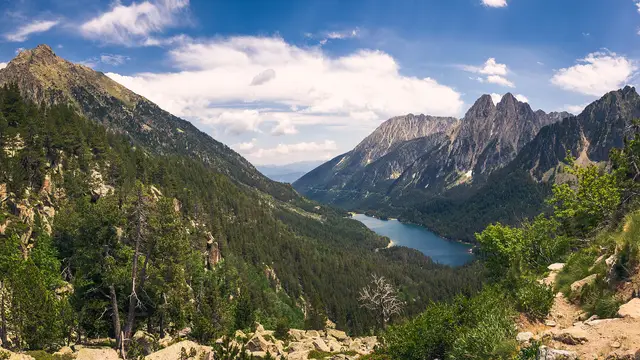
Photo: Jolaus · CC0 · Wikimedia Commons
Catalonia (Lleida)
★★★★★crowding: Moderate
The only National Park in Catalonia, a glacial circus wonderland harboring over 200 tarns (estanys) beneath the iconic twin summits of Els Encantats.
High mountainGlacial landscapeLakeOld-growth forest
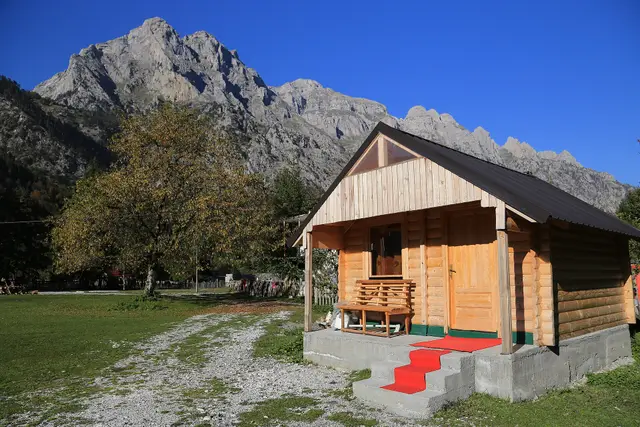
Photo: Tobias Klenze · CC BY 3.0 · Wikimedia Commons
Shkodër / Kukës County (Theth / Valbonë / Tropojë District)
★★★★★crowding: Low
The heart of the Albanian Alps (Prokletije), featuring deep glacial canyons, isolated valleys, and the historic lock-in tower of Theth.
High mountainKarst and cavesGlacial landscapeOld-growth forest
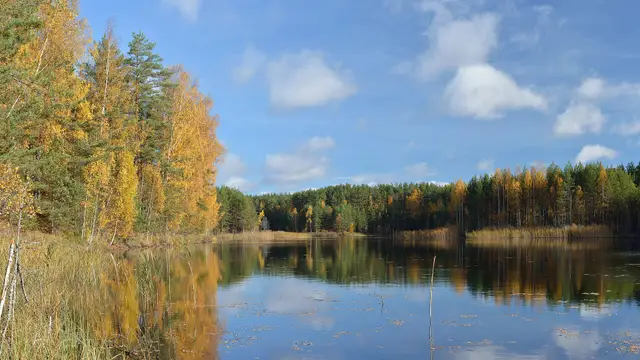
Photo: Ivar Leidus · CC BY-SA 3.0 · Wikimedia Commons
Ida-Virumaa (Iisaku / Alajõe)
★★★★★crowding: Very low
Estonia's youngest National Park (designated in 2018), an immense boreal wilderness of deep taiga and expansive mire complexes bordering Lake Peipus.
Old-growth forestWetlandLake
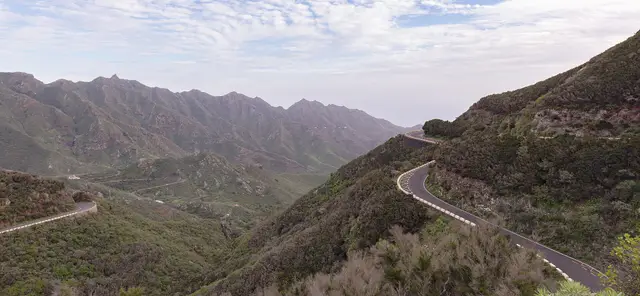
Photo: Diego Delso · CC BY-SA 4.0 · Wikimedia Commons
Canary Islands (Tenerife / Santa Cruz de Tenerife / La Laguna / Taganana)
★★★★★crowding: Low
Volcanic massif anchored 7 to 9 million years ago in north-eastern Tenerife, draped in laurel rainforest, razor-sharp ridges and isolated hamlets.
Primary forestOld-growth forestWild coastHigh mountain
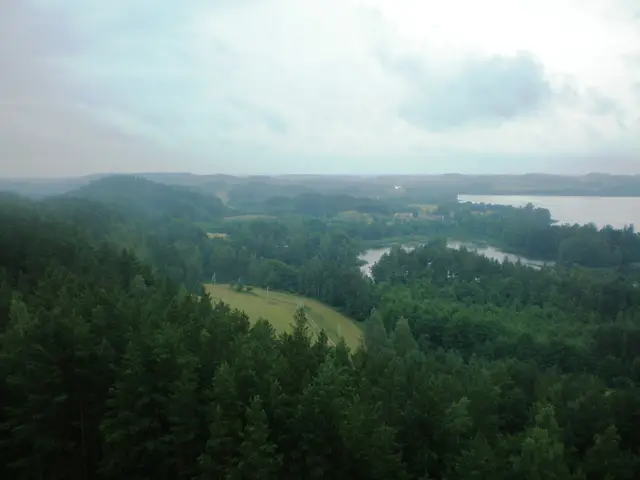
Photo: Hugo.arg · CC BY-SA 3.0 · Wikimedia Commons
Utena County (Ignalina / Palūšė)
★★★★★crowding: Low
Lithuania's oldest National Park (1974), an intricate maze of 126 glacial lakes interconnected by clear streams through boreal pine woods.
Old-growth forestLakeRiver corridor
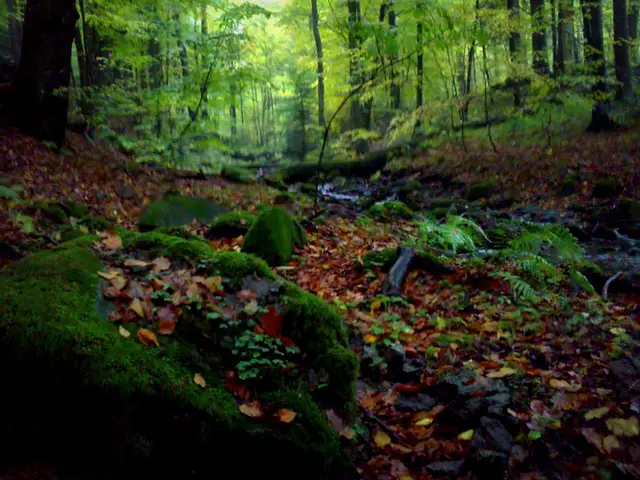
Photo: Gasparct · CC BY-SA 3.0 · Wikimedia Commons
Banská Bystrica (Badín / Banská Bystrica)
★★★★★crowding: None
Virgin fir and beech forest over 400 years old protected since 1913, famous for receiving an official visit by Charles III of the United Kingdom for its ecological value.
Primary forestOld-growth forest
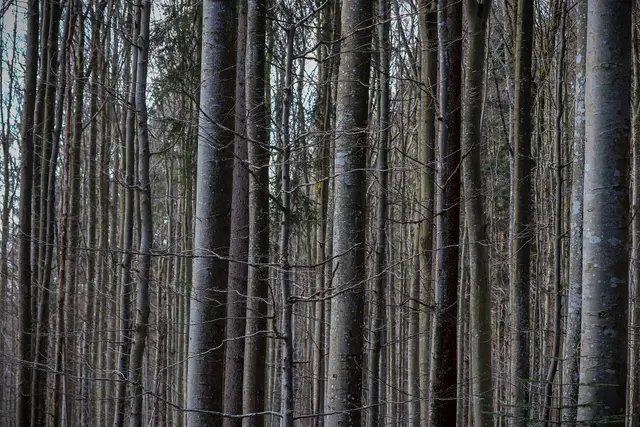
Photo: JakobRei · CC BY-SA 4.0 · Wikimedia Commons
Bavaria (Lower Bavaria / Grafenau)
★★★★★crowding: Low
Germany's first National Park (1970), forming alongside Šumava the largest unbroken forest tract in Central Europe.
Old-growth forestHigh mountainPrimary forest
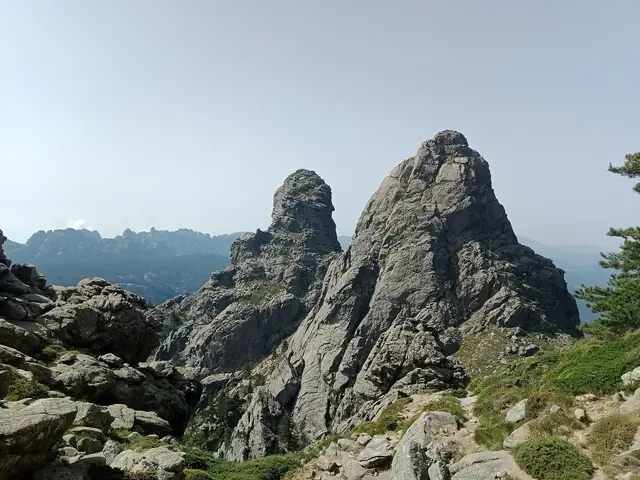
Photo: Rémih · CC BY-SA 4.0 · Wikimedia Commons
Corsica (Zonza / Quenza / Solenzara)
★★★★★crowding: Moderate
A wall of red granite towers and pinnacles weathered into surreal hollow forms (taffoni), framed by Corsican black pine.
High mountainOld-growth forestGorge and canyon
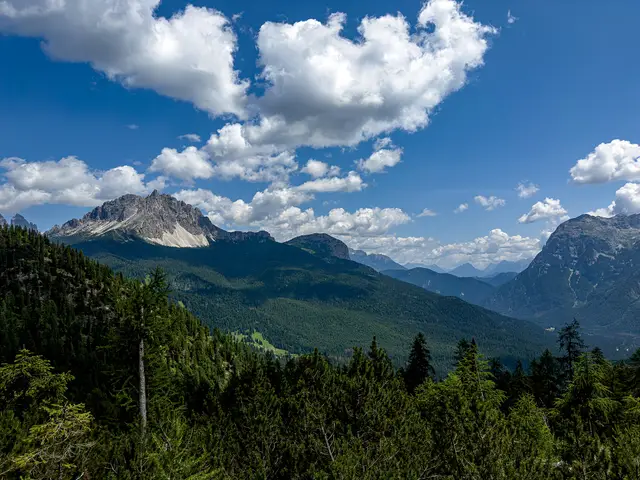
Photo: Turcito11 · CC BY-SA 4.0 · Wikimedia Commons
Veneto (Belluno / Feltre / Agordo)
★★★★★crowding: Very low
The wildest and southernmost sector of the Dolomites (UNESCO World Heritage), carved by deep karst ravines such as the Cadini del Brenton.
High mountainKarst and cavesGorge and canyonOld-growth forest
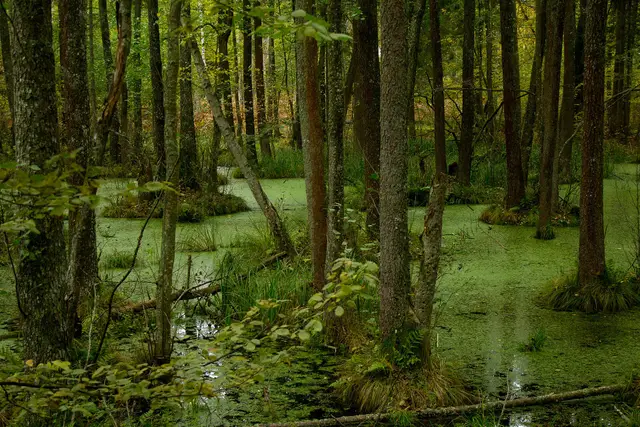
Photo: Hanna Lushchyk · CC BY-SA 4.0 · Wikimedia Commons
Brest and Grodno Voblasts
★★★★★crowding: Low
The largest portion of the primeval Białowieża Forest on Belarusian territory, sheltering Europe's largest free-roaming herd of bison.
Primary forestOld-growth forest
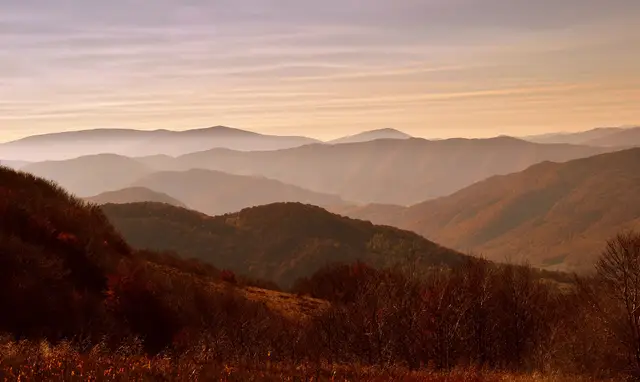
Photo: Stap22 · CC BY 3.0 · Wikimedia Commons
Subcarpathian Voivodeship (Ustrzyki Górne)
★★★★★crowding: Low
Poland’s wildest realm in the Eastern Carpathians, famed for sweeping alpine summit meadows (połoniny) and free-ranging European bison.
Old-growth forestHigh mountain
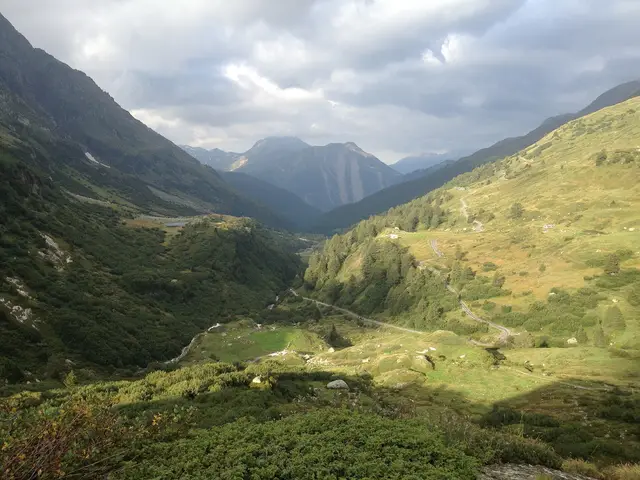
Photo: Tnt66 · CC BY-SA 3.0 · Wikimedia Commons
Valais (Binn / Ernen)
★★★★★crowding: Low
Alpine valley in Valais world-renowned for its extraordinary diversity of rare minerals.
High mountainOld-growth forest
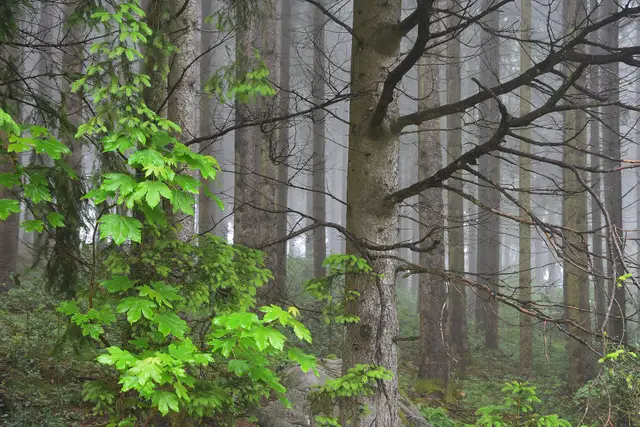
Photo: Josef A. Baumann · CC BY-SA 4.0 · Wikimedia Commons
Baden-Württemberg (Freudenstadt / Baden-Baden)
★★★★★crowding: Low
Baden-Württemberg's first National Park (created in 2014), protecting wild spruce and fir woodlands along red sandstone ridges.
Old-growth forestHigh mountainLake
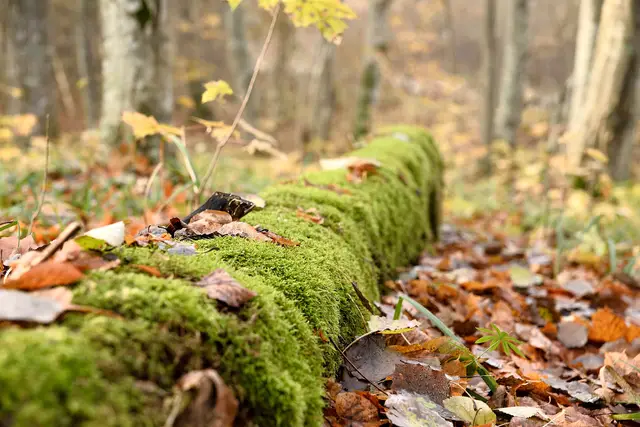
Photo: Bartosz Dworski · CC BY-SA 3.0 pl · Wikimedia Commons
Warmian-Masurian Voivodeship (Kruklanki)
★★★★★crowding: Very low
Diverse Masurian old-growth woodland harbouring a significant reintroduced free-ranging European bison population.
Old-growth forestLake
Trøndelag / Nordland (Hattfjelldal / Røyrvik)
★★★★★crowding: None
One of Scandinavia's purest trail-less wilderness sanctuaries, a core breeding haven for the Arctic fox (Vulpes lagopus).
High mountainWetlandOld-growth forestLake
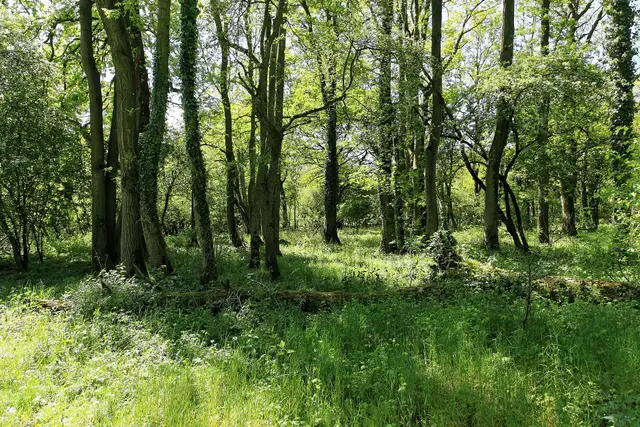
Photo: Frank Vincentz · CC BY-SA 3.0 · Wikimedia Commons
Lower Saxony (Meppen / Emsland)
★★★★★crowding: Very low
Historical relict of wood-pasture (Hutewald) in an abandoned oxbow of the Ems River, grazed since the Middle Ages.
Old-growth forestRiver corridor
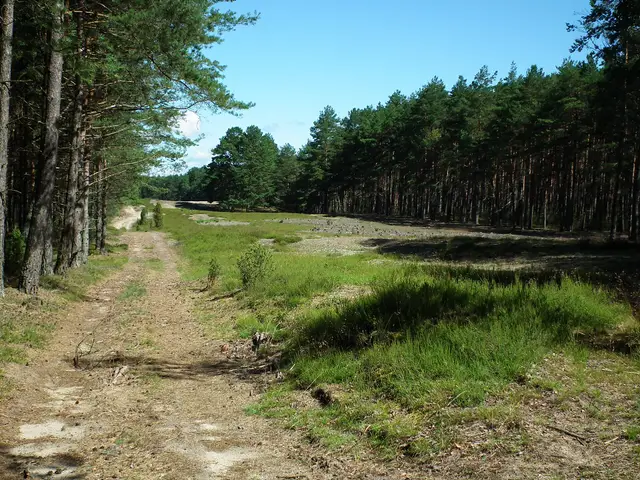
Photo: MOs810 · CC BY-SA 4.0 · Wikimedia Commons
Pomeranian Voivodeship (Charzykowy)
★★★★★crowding: Low
A vast expanse of Scots pine forests on outwash sands with lobed lakes of crystal-clear water.
Old-growth forestLake
Dâmbovița, Argeș, and Prahova Counties
★★★★★crowding: Low
Dramatic conglomerate cliffs rising toward the plateau of the Babele and Sphinx wind-sculpted rock formations.
High mountainOld-growth forestKarst and caves
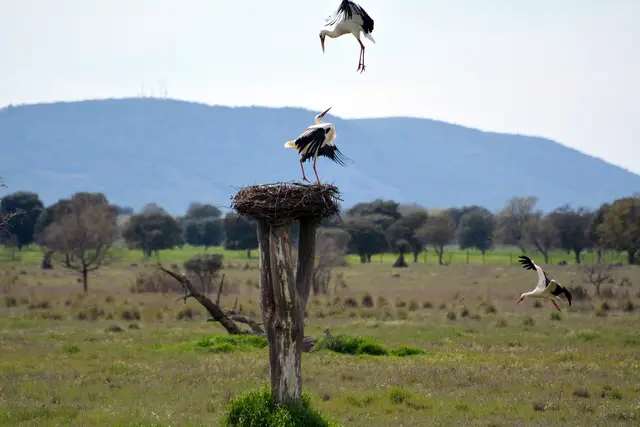
Photo: FrDr · CC BY-SA 4.0 · Wikimedia Commons
Castilla-La Mancha (Ciudad Real / Toledo / Navas de Estena / Retuerta del Bullaque)
★★★★★crowding: Low
Open rañas, Mediterranean forested mountain ranges, and riverbanks where you can discover the habitats of the red deer, cinereous vulture, and Spanish imperial eagle.
Old-growth forestRiver corridor
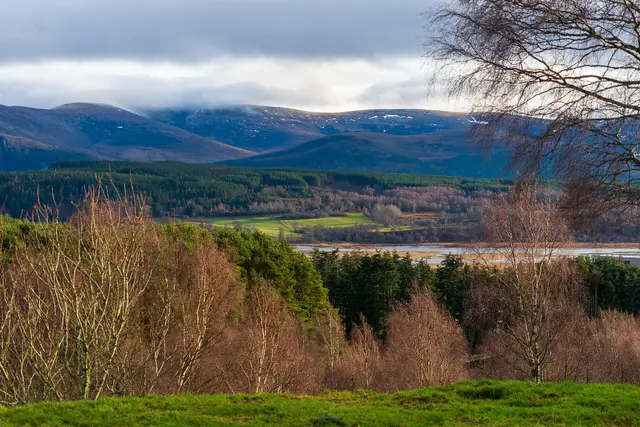
Photo: TXGemGem · CC BY-SA 4.0 · Wikimedia Commons
Scotland (Aviemore / Braemar / Speyside)
★★★★★crowding: Low
Britain's largest national park: subarctic plateau, remnants of the ancient Caledonian pine forest, and capercaillie.
High mountainPrimary forestOld-growth forestWetlandRiver corridor
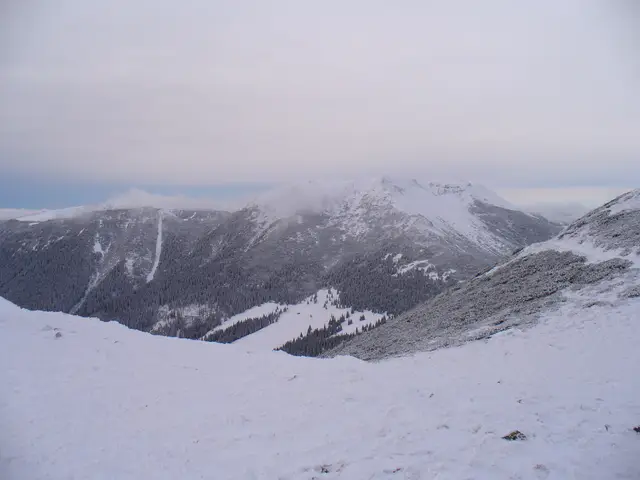
Photo: Original uploader was Utilizator:Kluand at ro.wikipedia · Public domain · Wikimedia Commons
Suceava, Mureș, Bistrița-Năsăud, and Harghita Counties
★★★★★crowding: Very low
The largest extinct volcanic crater in Europe (10 km in diameter) covered with high-mountain fir and spruce forests.
Old-growth forestHigh mountain
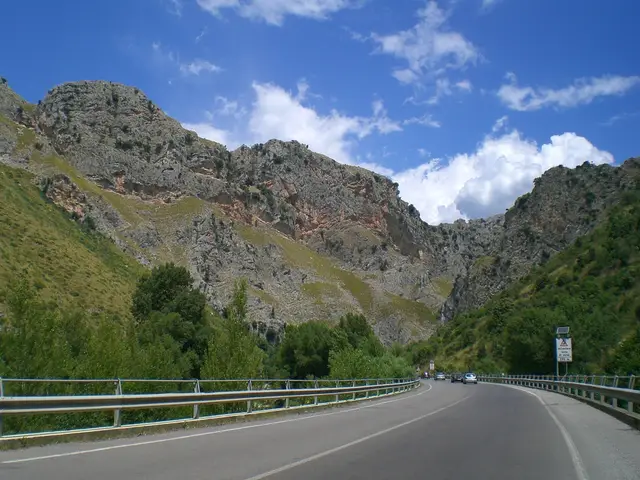
Photo: Geofix · CC BY-SA 3.0 · Wikimedia Commons
Campania (Salerno / Vallo della Lucania / Palinuro / Castellabate)
★★★★★crowding: Low
UNESCO Biosphere Reserve and Global Geopark uniting the karst gorges of the Calore River with the dramatic sea cliffs of Cape Palinuro.
Old-growth forestKarst and cavesWild coastGorge and canyon
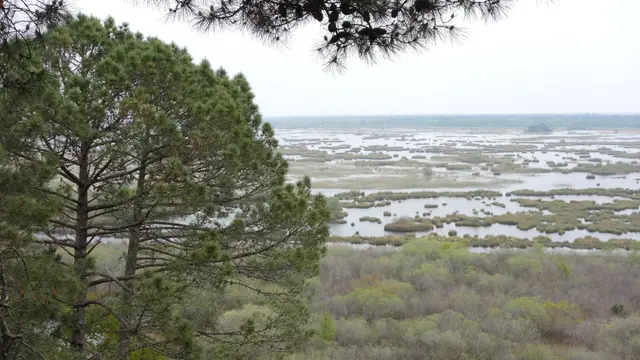
Photo: Zlice · CC BY-SA 4.0 · Wikimedia Commons
Nouvelle-Aquitaine (Gironde / Lacanau)
★★★★★crowding: Very low
Pristine dune pond and protected wooded marshes between the great Médoc lakes and the Atlantic Ocean.
WetlandWild coastOld-growth forest
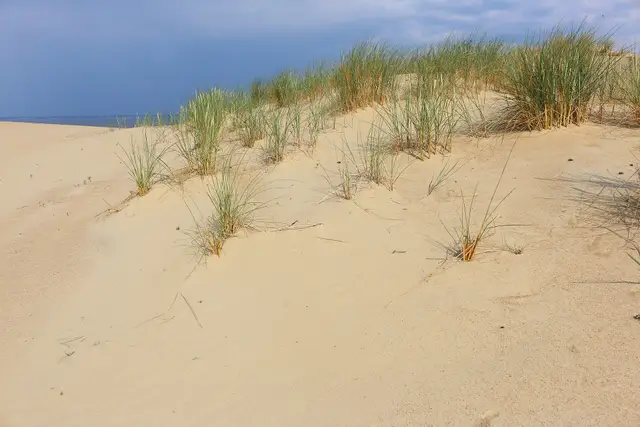
Photo: FrDr · CC BY-SA 4.0 · Wikimedia Commons
Klaipėda (Neringa — Nida / Juodkrantė)
★★★★★crowding: Moderate
A sandy spit nearly a hundred kilometres long between the Baltic and the Curonian Lagoon, boasting some of Europe's highest dunes.
Wild coastOld-growth forestLake
Banská Bystrica (Čierny Balog / Brezno)
★★★★★crowding: None
Strict Nature Reserve designated in 1913, one of Slovakia's oldest and best-protected mixed fir-beech primeval forests.
Primary forestOld-growth forest
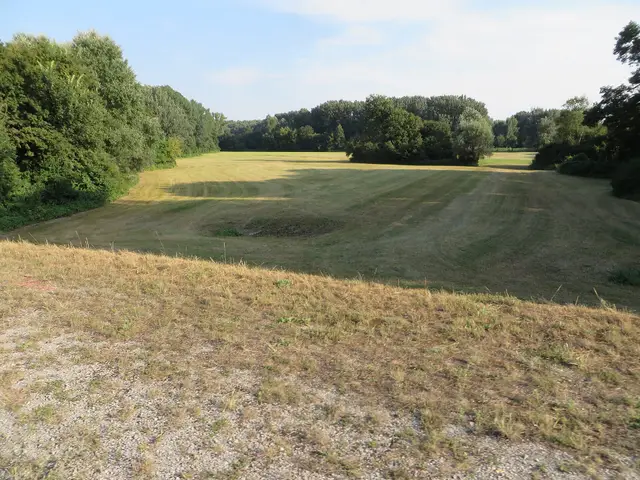
Photo: Brent Hugh · CC BY-SA 4.0 · Wikimedia Commons
Vienna / Lower Austria (Orth an der Donau)
★★★★★crowding: Low
Central Europe's last major free-flowing lowland river landscape between Vienna and Bratislava.
River corridorOld-growth forestWetland
West Pomeranian, Lubusz, and Greater Poland Voivodeships
★★★★★crowding: Low
Deep oak and beech forests protecting the pristine canyon of the Drawa River.
Old-growth forestRiver corridorLake
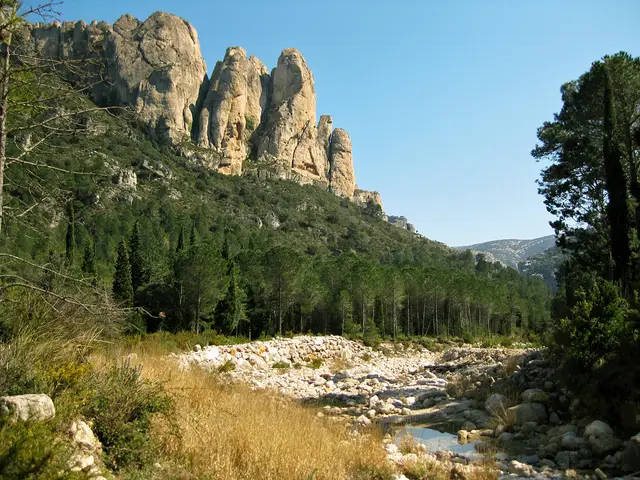
Photo: Espencat · Public domain · Wikimedia Commons
Catalonia / Aragon / Valencian Community (Tarragona / Teruel / Castellón / Roquetes / Tortosa)
★★★★★crowding: Low
A rugged karst massif between Catalonia, Aragon, and the Valencian Community featuring limestone cliffs, southern beech groves, and the Iberian ibex.
High mountainKarst and cavesGorge and canyonOld-growth forest
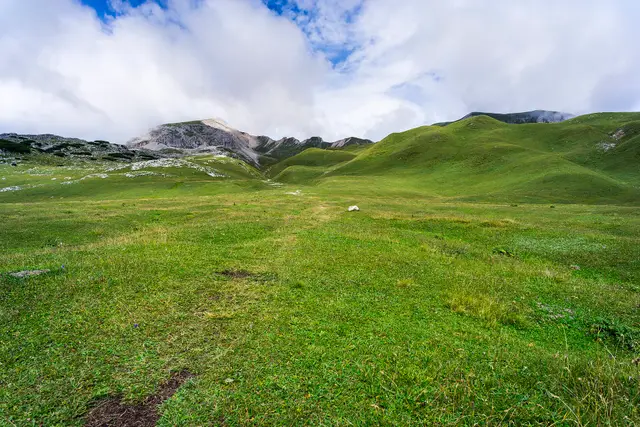
Photo: Alberto Restifo albertorestifo · CC0 · Wikimedia Commons
South Tyrol / Alto Adige (San Vigilio di Marebbe / Val Badia / Lago di Braies)
★★★★★crowding: Moderate
The idyllic turquoise waters of Lago di Braies and the desolate karst plateaus of Fanes and Sennes encircled by dolomitic amphitheatres.
High mountainKarst and cavesLakeOld-growth forest
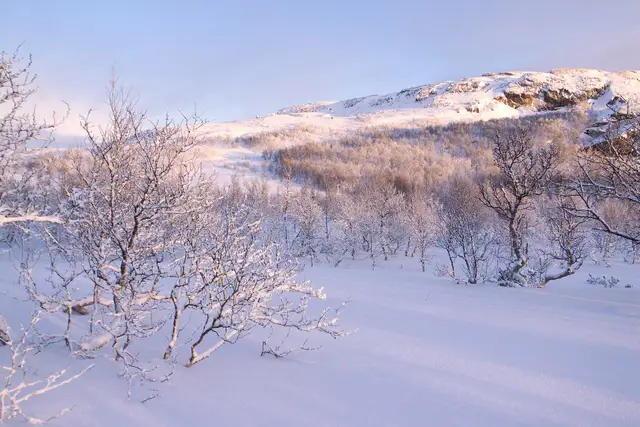
Photo: Aslak Raanes · CC BY 2.0 · Wikimedia Commons
Trøndelag and Innlandet Counties (Border with Sweden)
★★★★★crowding: Very low
A vast Arctic-alpine wilderness of boulder fields, ancient Scots pine forest, and an intricate labyrinth of canoeing lakes.
Old-growth forestLakeGlacial landscape
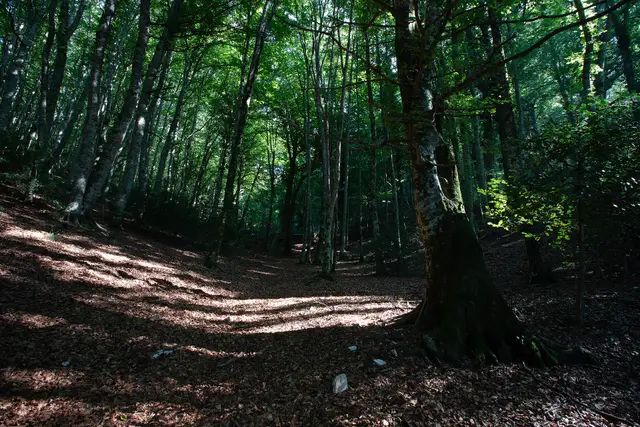
Photo: Pakycassano · CC BY-SA 4.0 · Wikimedia Commons
Puglia (Foggia / Vieste / Monte Sant'Angelo / Vico del Gargano)
★★★★★crowding: Low
Europe's most dazzling low-altitude primeval beech forest in Italy's 'spur of the boot' (UNESCO World Heritage).
Primary forestOld-growth forestKarst and caves
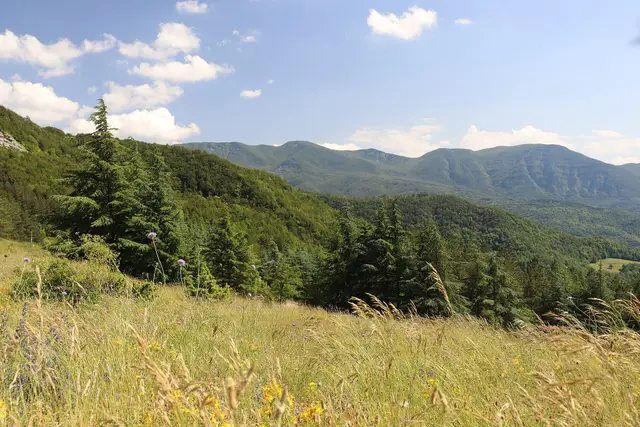
Photo: Vimy19 · CC BY-SA 4.0 · Wikimedia Commons
Tuscany / Emilia-Romagna (Arezzo / Florence / Forlì-Cesena / Pratovecchio)
★★★★★crowding: Low
One of the oldest and best-preserved forest tracts in Europe, cradling the source of the Arno River on Monte Falterona.
Primary forestOld-growth forestHigh mountain
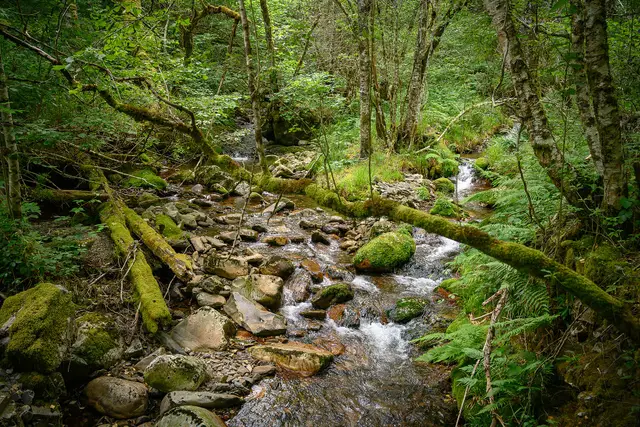
Photo: Teseum · CC BY-SA 4.0 · Wikimedia Commons
Asturias (Cangas del Narcea / Degaña / San Antolín de Ibias)
★★★★★crowding: Very low
The largest sessile oak (Quercus petraea) forest in Spain and one of the best preserved in Europe (Muniellos).
Primary forestOld-growth forestHigh mountain
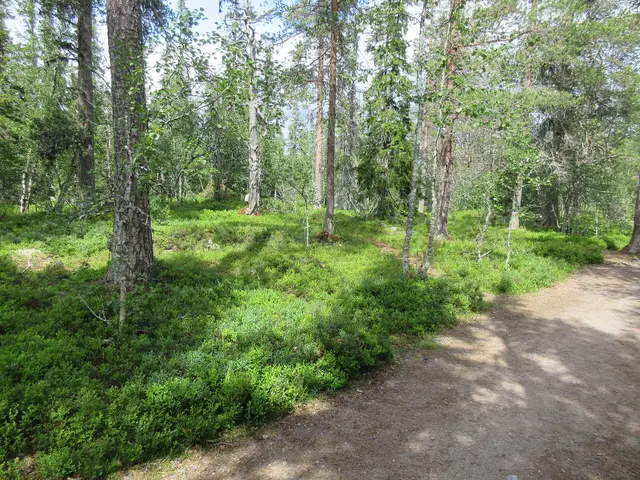
Photo: Bysmon · CC BY-SA 4.0 · Wikimedia Commons
Dalarna (Särna / Älvdalen)
★★★★★crowding: Low
Home to Old Tjikko (the planet's oldest known clonal tree at nearly 9,550 years old) and the Njupeskär waterfall (93 m).
High mountainPrimary forestOld-growth forestGorge and canyon
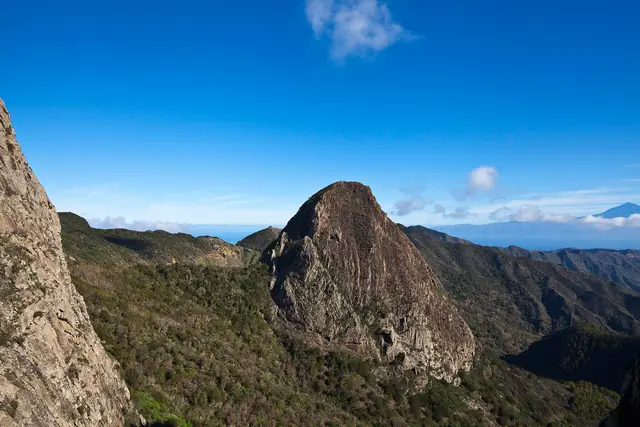
Photo: Diego Delso · CC BY-SA 3.0 · Wikimedia Commons
Canary Islands (La Gomera / Vallehermoso / Agulo / Hermigua)
★★★★★crowding: Low
The best-preserved relic of subtropical fossil laurisilva in Europe (UNESCO World Heritage), a forest continually kept humid by the mist of the trade winds.
Primary forestOld-growth forestHigh mountain
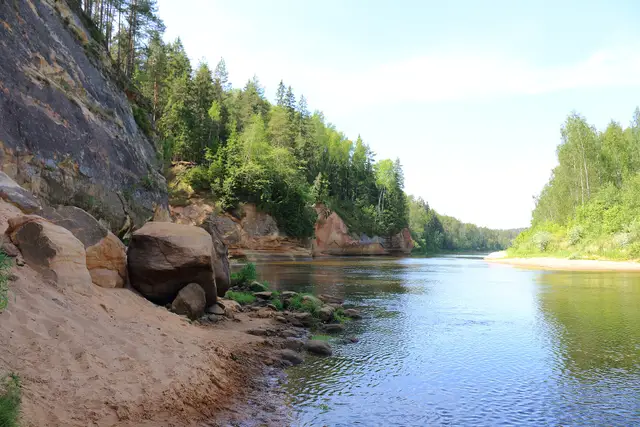
Photo: FrDr · CC BY-SA 4.0 · Wikimedia Commons
Vidzeme (Sigulda / Cēsis / Līgatne)
★★★★★crowding: Low
Latvia's oldest and largest National Park, famous for its red Devonian sandstone cliffs rising above forested valleys.
River corridorOld-growth forestGorge and canyon
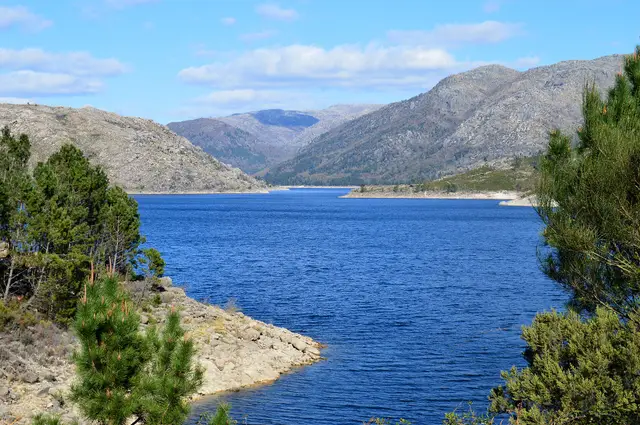
Photo: Beatriznog10 · CC BY-SA 3.0 · Wikimedia Commons
Northern Portugal (Viana do Castelo / Braga / Vila Real) (PT) / Galicia (Ourense / Lobios) (ES)
★★★★★crowding: Low
Portugal's sole National Park joined with Galicia's Serra do Xurés Natural Park, forming a transboundary reserve of granite monoliths and herds of free-roaming Garrano horses.
High mountainOld-growth forestRiver corridorKarst and caves
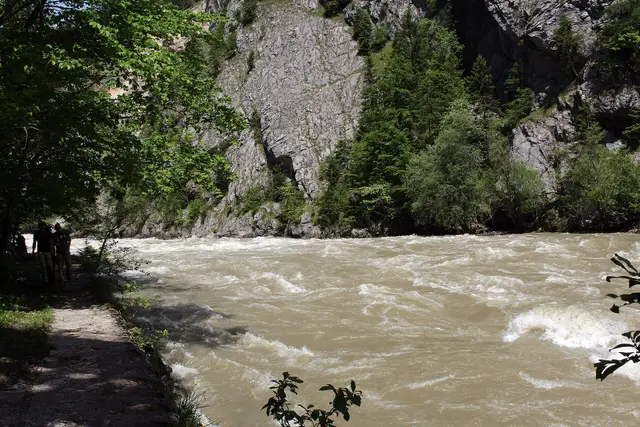
Photo: Haeferl · CC BY-SA 3.0 at · Wikimedia Commons
Styria (Admont / Hieflau)
★★★★★crowding: Low
Vertical limestone precipices towering over 1.000 m above the thundering whitewater of the Enns river.
High mountainGorge and canyonRiver corridorOld-growth forest
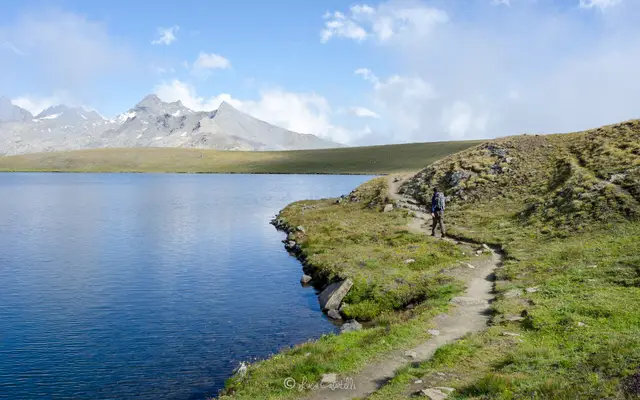
Photo: Luca Casartelli · CC BY-SA 3.0 · Wikimedia Commons
Aosta Valley / Piedmont (Cogne / Valsavarenche / Ceresole Reale)
★★★★★crowding: Moderate
Italy's oldest national park (1922): the last surviving Alpine ibex population held out here and repopulated the entire range.
High mountainGlacial landscapeAlpine meadowOld-growth forest
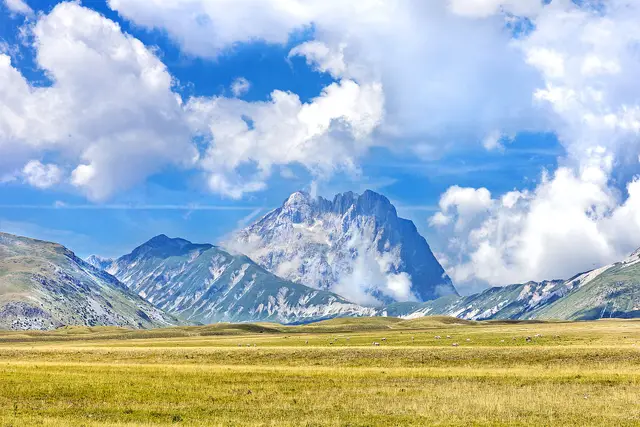
Photo: Alessandro Mangione · CC BY-SA 4.0 · Wikimedia Commons
Abruzzo / Lazio / Marche (L'Aquila / Teramo / Rieti)
★★★★★crowding: Moderate
The Italian 'Little Tibet' (Campo Imperatore) crowned by Corno Grande (2.912 m, the highest peak in the Apennines) and the Calderone glacier.
High mountainKarst and cavesGlacial landscapeOld-growth forest
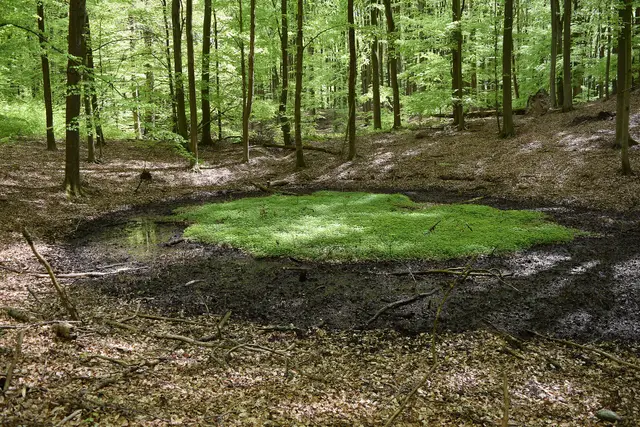
Photo: Fabian Wilske · CC BY-SA 3.0 · Wikimedia Commons
Brandenburg (Angermünde)
★★★★★crowding: Very low
Lowland glacial beech forest with moraine relief and interior mires protected by UNESCO.
Primary forestOld-growth forest
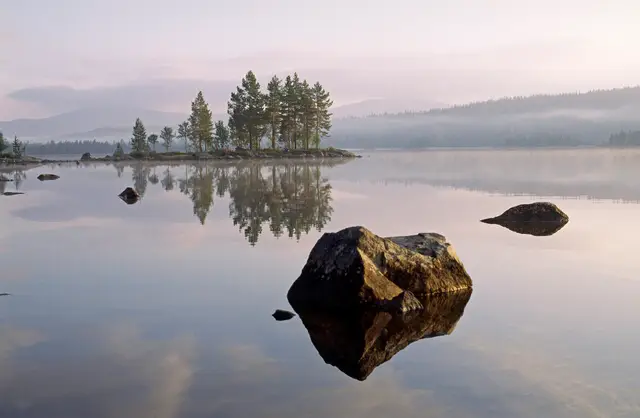
Photo: Peter Möllenkamp · CC BY-SA 3.0 · Wikimedia Commons
Innlandet (Engerdal / Femundsmarka)
★★★★★crowding: Very low
Norway's smallest National Park (23 km²), protecting an untouched primeval forest of Scots pine and centuries-old spruces.
Primary forestOld-growth forestWetland
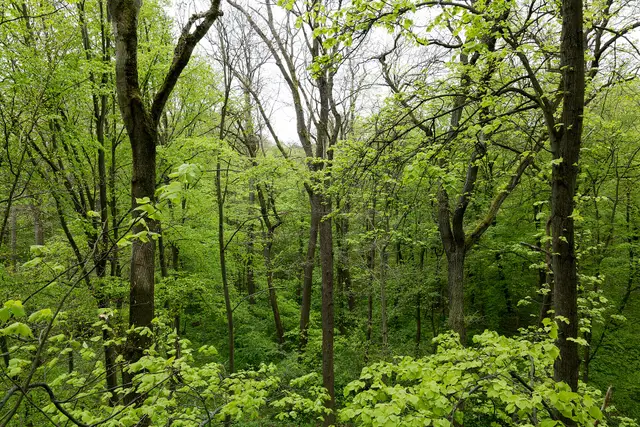
Photo: Dietmar Rabich · CC BY-SA 4.0 · Wikimedia Commons
Thuringia (Unstrut-Hainich-Kreis)
★★★★★crowding: Low
Ancient beechwoods rich in deadwood and former military training grounds where woodland regenerates, in Thuringia.
Primary forestOld-growth forest
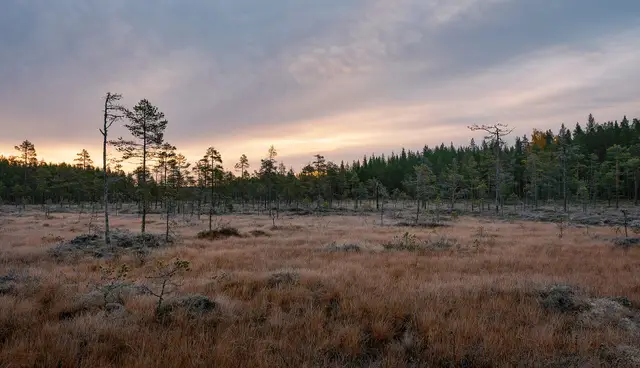
Photo: Kateryna Baiduzha · CC BY 4.0 · Wikimedia Commons
Gävleborg (Ljusdal / Fågelsjö)
★★★★★crowding: Very low
An island of 400-year-old primeval coniferous forest with untouched bogs in the Orsa Finnmark region.
Primary forestWetlandOld-growth forest
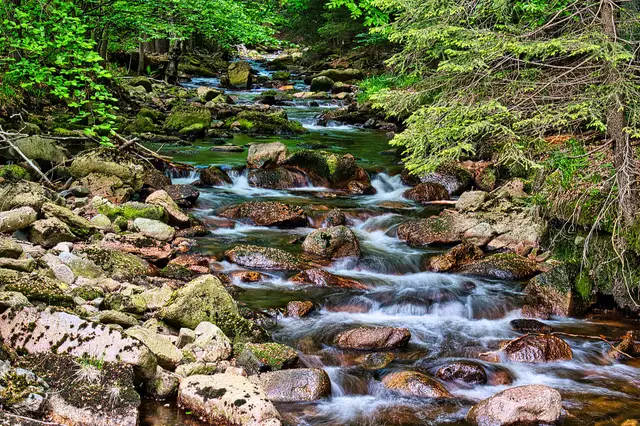
Photo: Matthias Trusheim · CC BY-SA 4.0 · Wikimedia Commons
Lower Saxony / Saxony-Anhalt (Wernigerode / Bad Harzburg)
★★★★★crowding: Moderate
Germany's northernmost mountain range, culminating in the legendary mist-shrouded summit of the Brocken.
High mountainOld-growth forestPrimary forestWetland
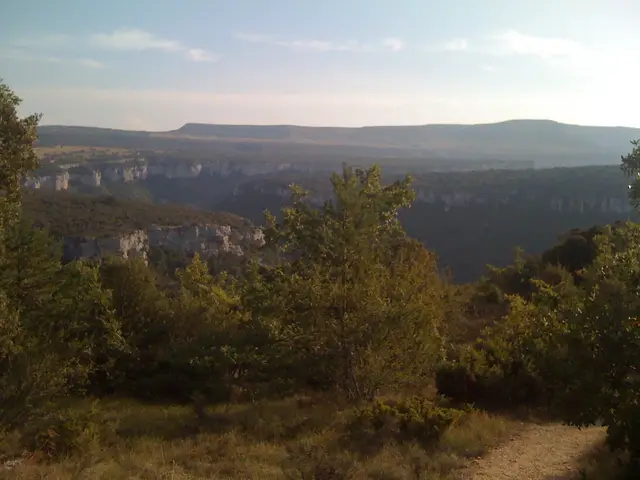
Photo: HolzaugeEN · CC BY-SA 4.0 · Wikimedia Commons
Castile and León (Burgos / Sedano / Orbaneja del Castillo / Valdelateja)
★★★★★crowding: Low
Karst gorges of 200 m carved by the Ebro and Rudrón rivers, featuring the picturesque village of Orbaneja del Castillo and Pozo Azul.
Gorge and canyonKarst and cavesRiver corridorOld-growth forest
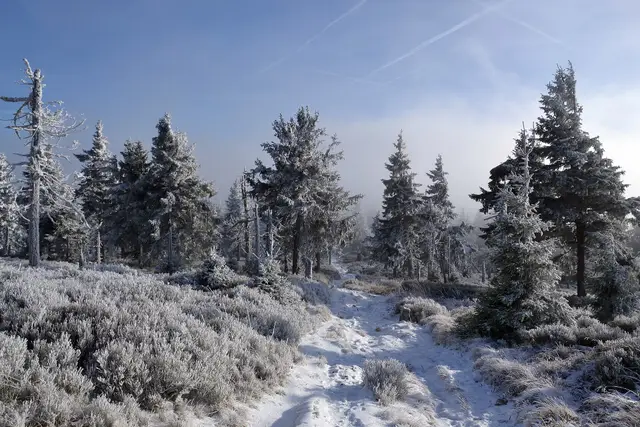
Photo: Pudelek · CC BY-SA 4.0 · Wikimedia Commons
Moravia-Silesia (Praděd / Karlova Studánka)
★★★★★crowding: Low
Moravia's highest mountains, crowned by Praděd and encircled by subalpine meadows and cascading gorge waterfalls.
High mountainOld-growth forestGlacial landscape
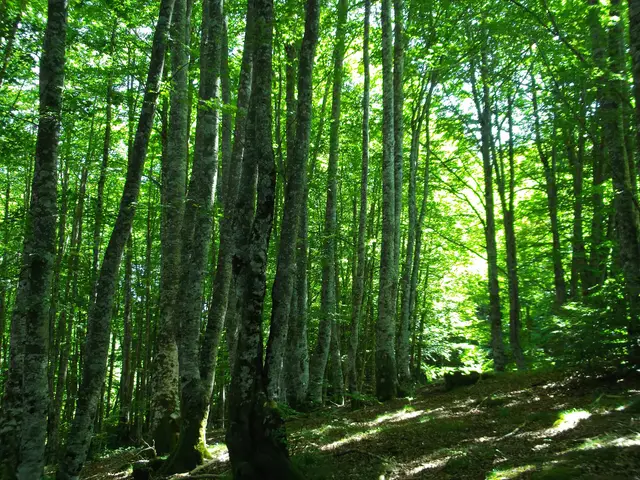
Photo: Thaishs · CC BY-SA 4.0 · Wikimedia Commons
Pyrénées-Atlantiques (FR) / Chartered Community of Navarre (ES)
★★★★★crowding: Moderate
Pyrenean beech and silver fir forests, mountain torrents, and communal summer pastures spanning the Navarrese and French valleys of Irati.
Old-growth forestHigh mountain
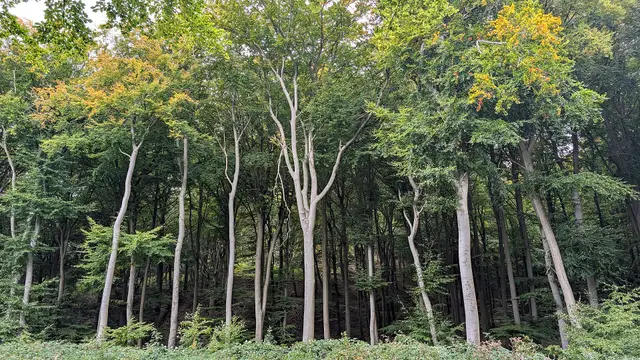
Photo: Siarhei Besarab · CC BY-SA 4.0 · Wikimedia Commons
Mecklenburg-Western Pomerania (Rügen Island)
★★★★★crowding: Moderate
Germany's smallest National Park, famed for gleaming white chalk cliffs plunging into the Baltic beneath ancient beechwoods.
Primary forestWild coastOld-growth forest
Inner Carniola (Postojna / Cerknica)
★★★★★crowding: Very low
Forested karst plateau without continuous human settlements adjoining the intermittent lake of Cerknica.
Old-growth forestKarst and caves
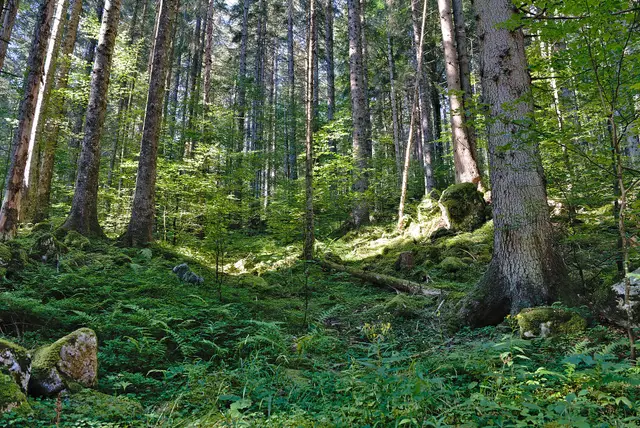
Photo: Leonhard Lenz · CC0 · Wikimedia Commons
Upper Austria (Steyr-Land / Kirchdorf)
★★★★★crowding: Low
Austria's largest contiguous tract of broadleaf forest and the grandest wilderness recovery area in the Northern Limestone Alps.
Old-growth forestHigh mountainPrimary forestKarst and caves
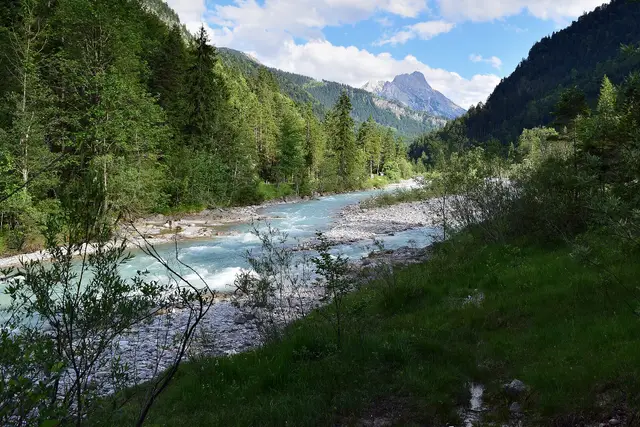
Photo: Haeferl · CC BY-SA 3.0 at · Wikimedia Commons
Tyrol (Innsbruck / Scharnitz) (AT) / Bavaria (Mittenwald) (DE)
★★★★★crowding: Low
Tyrol's largest Nature Park, with 4 parallel limestone ranges plunging sheer into gorges and the famous ancient sycamore-maple wood-pasture Großer Ahornboden.
High mountainKarst and cavesOld-growth forest
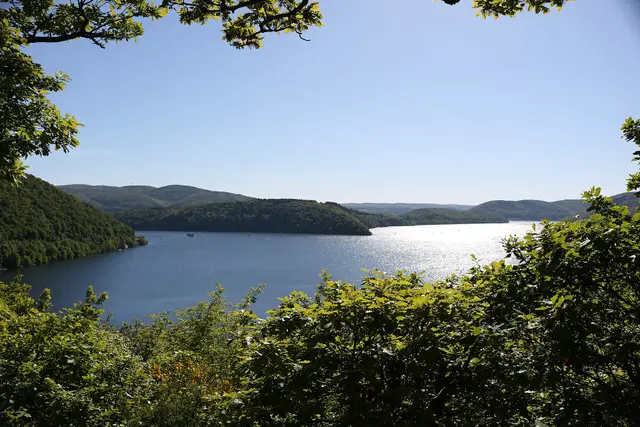
Photo: David Kalhöfer · CC BY-SA 4.0 · Wikimedia Commons
Hesse (Waldeck-Frankenberg)
★★★★★crowding: Low
One of Central Europe's last unfragmented montane beech forests on schist soils.
Old-growth forestPrimary forest
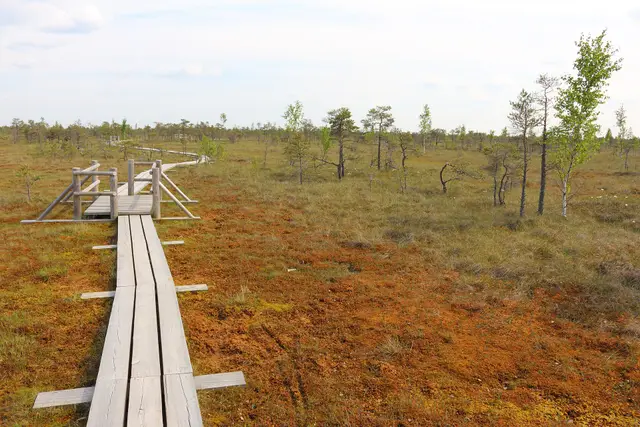
Photo: FrDr · CC BY-SA 4.0 · Wikimedia Commons
Latvia (Jūrmala / Tukums)
★★★★★crowding: Low
Raised bogs, swamp forests and coastal lagoons half an hour from Riga, featuring the Great Ķemeri Bog boardwalk.
WetlandWild coastOld-growth forestLake
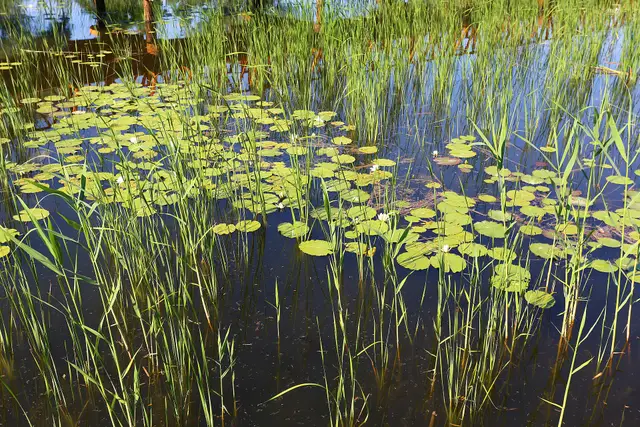
Photo: Misalalic · CC BY-SA 4.0 · Wikimedia Commons
Osijek-Baranja County (Confluence of the Drava and Danube)
★★★★★crowding: Low
The 'Amazon of Central Europe', the largest intact river floodplain in the Danube and Drava basin.
WetlandRiver corridorOld-growth forest
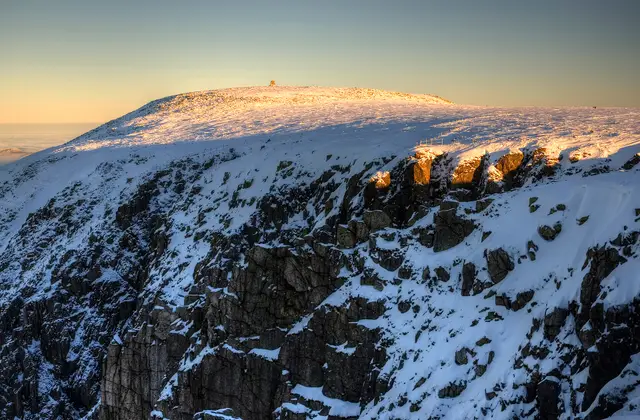
Photo: Petr Vodička · CC BY-SA 4.0 · Wikimedia Commons
Northern Bohemia (CZ) / Silesia (PL) (Sněžka / Špindlerův Mlýn)
★★★★★crowding: Moderate
The 'Giant Mountains', Central Europe's highest range north of the Alps with alpine tundra relict from the Ice Age.
High mountainGlacial landscapeOld-growth forest
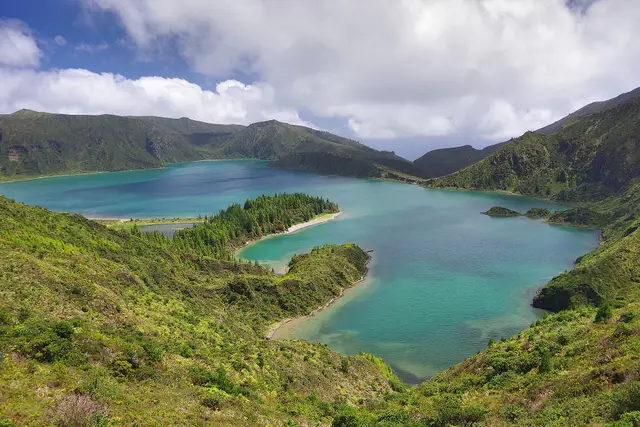
Photo: Jan Helebrant · CC0 · Wikimedia Commons
Autonomous Region of the Azores (São Miguel Island / Ribeira Grande / Lagoa)
★★★★★crowding: Moderate
Collapsed volcanic caldera cradling a turquoise lake ringed by endemic Azorean flora, free from buildings or roads along its shores.
LakeHigh mountainOld-growth forest
Tuscany Region (Grosseto Province / Capalbio Municipality / Tuscan Maremma)
★★★★★crowding: Low
Brackish coastal lagoon and Mediterranean dunes preserved by WWF Italy, a key winter refuge for thousands of waterbirds.
Wild coastWetlandOld-growth forest
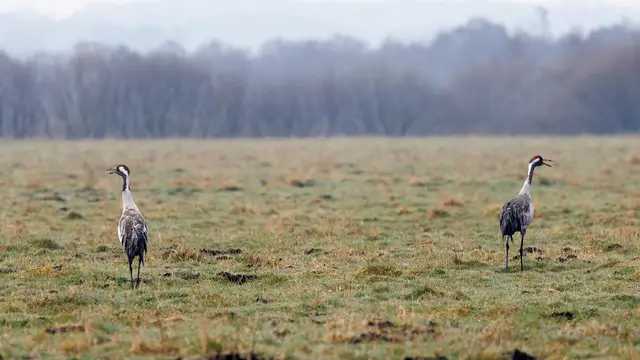
Photo: Stig Nygaard · CC BY 2.0 · Wikimedia Commons
North Jutland (Aalborg / Dokkedal)
★★★★★crowding: Very low
The largest active raised bog in lowland Western Europe (76 km²), hosting the reintroduction of the moose to Denmark.
WetlandOld-growth forest
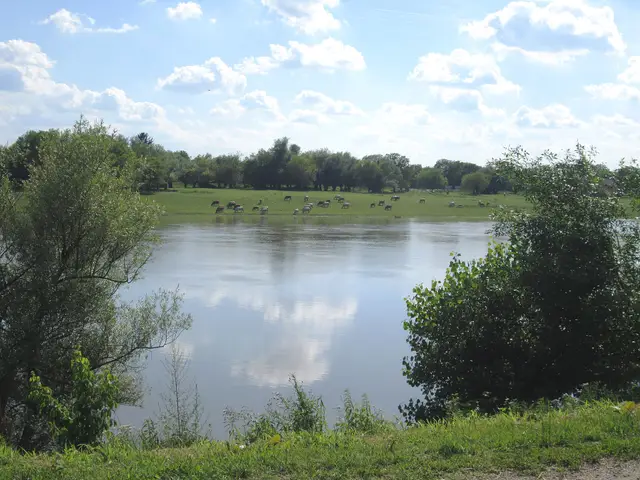
Photo: Fraxinus · CC BY-SA 4.0 · Wikimedia Commons
Sisak-Moslavina County (Sava River Basin)
★★★★★crowding: Very low
Vast flood-retention wetland along the Sava River preserved through traditional livestock grazing.
WetlandRiver corridorOld-growth forest
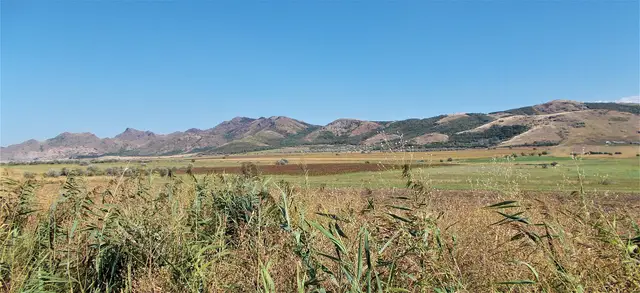
Photo: Nicu Farcaș · CC BY-SA 4.0 · Wikimedia Commons
Tulcea County (Greci / Măcin)
★★★★★crowding: Very low
Europe's oldest mountains (over 300 million years old), with Pontic-Sarmatic steppe, sub-Mediterranean forests, and raptor migration flyways.
Steppe and grasslandHigh mountainOld-growth forest
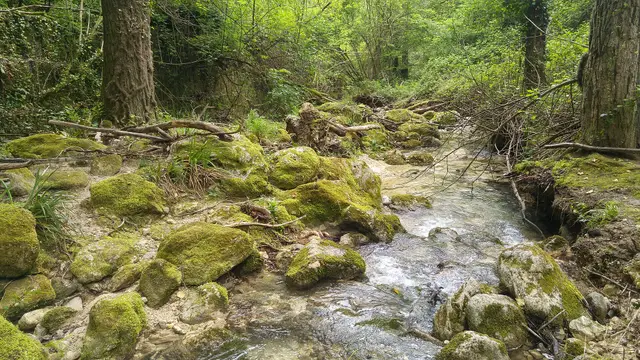
Photo: Diego.vala · CC BY-SA 4.0 · Wikimedia Commons
Abruzzo (Sulmona / Chieti / Pescara)
★★★★★crowding: Low
The 'Mother Mountain' of Abruzzo (Monte Amaro 2.793 m), a UNESCO Global Geopark of colossal karst canyons, wild plateaus, and hanging rock hermitages.
High mountainKarst and cavesGorge and canyonOld-growth forest
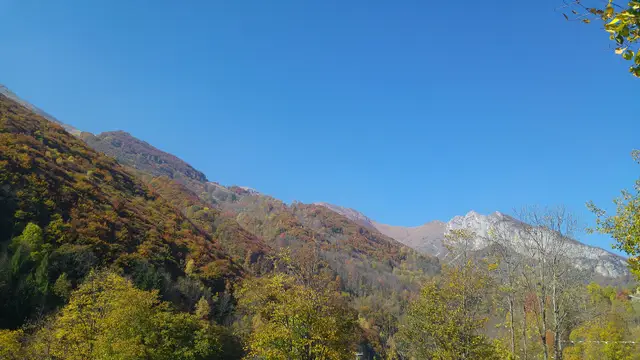
Photo: IlariaBarison · CC BY-SA 4.0 · Wikimedia Commons
Piedmont (Cuneo / Valdieri / Entracque)
★★★★★crowding: Low
United with France's Mercantour National Park, it forms a massive cross-border Alpine-Mediterranean wilderness crowned by Mount Argentera (3.297 m).
High mountainGlacial landscapeOld-growth forest
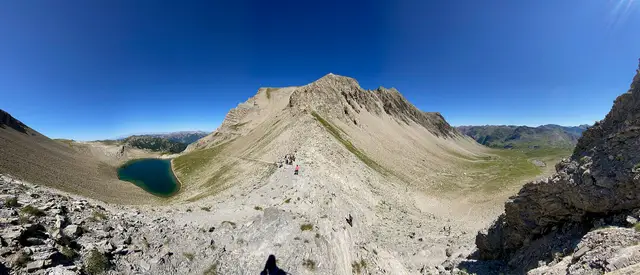
Photo: Lulucmy · CC BY-SA 4.0 · Wikimedia Commons
Alpes-Maritimes / Alpes-de-Haute-Provence (Saint-Martin-Vésubie / Barcelonnette)
★★★★★crowding: Low
Historic site of the natural return of the wolf to France from Italy (1992), spanning from the Alps to the Mediterranean.
High mountainOld-growth forestGlacial landscape
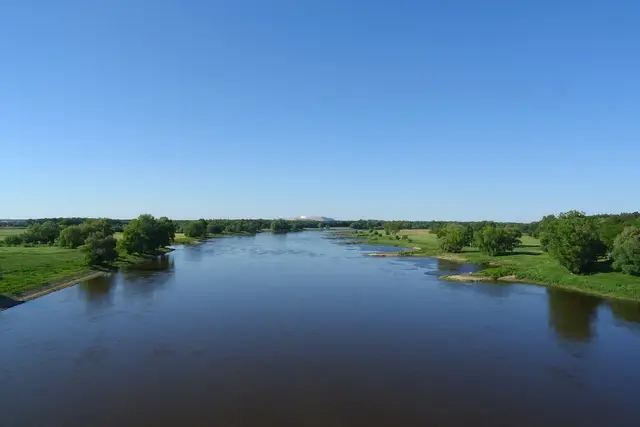
Photo: Emillam · CC BY-SA 4.0 · Wikimedia Commons
Saxony-Anhalt (Dessau-Roßlau / Wittenberg)
★★★★★crowding: Very low
The largest contiguous complex of alluvial hardwood oak floodplain forests in Central Europe.
River corridorWetlandOld-growth forest
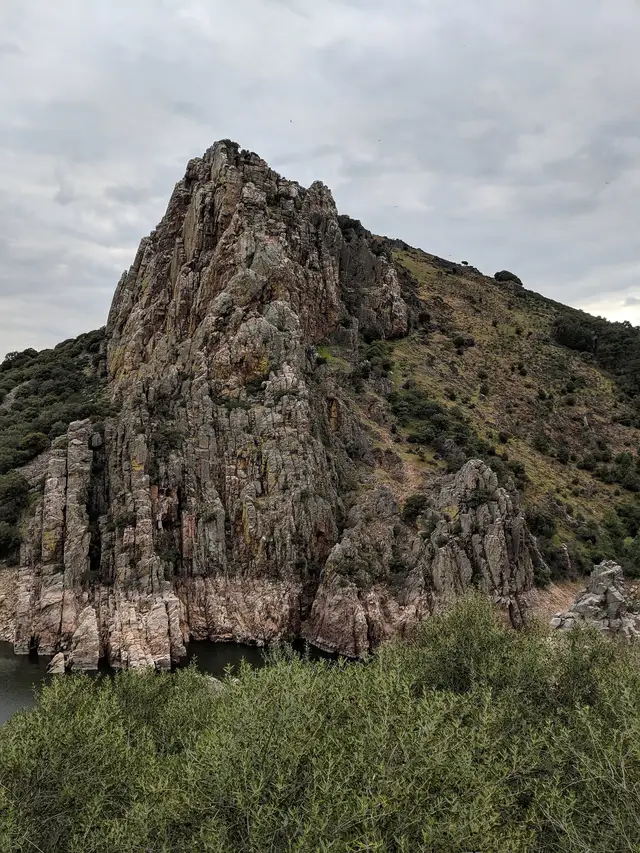
Photo: Frida F.Stolpa · CC BY-SA 4.0 · Wikimedia Commons
Extremadura (Cáceres / Villarreal de San Carlos / Torrejón el Rubio)
★★★★★crowding: Low
The European mecca for raptor watching, holding the largest cinereous vulture (Aegypius monachus) colony in the world and the dramatic Tagus breach at Salto del Gitano.
Old-growth forestRiver corridorGorge and canyon
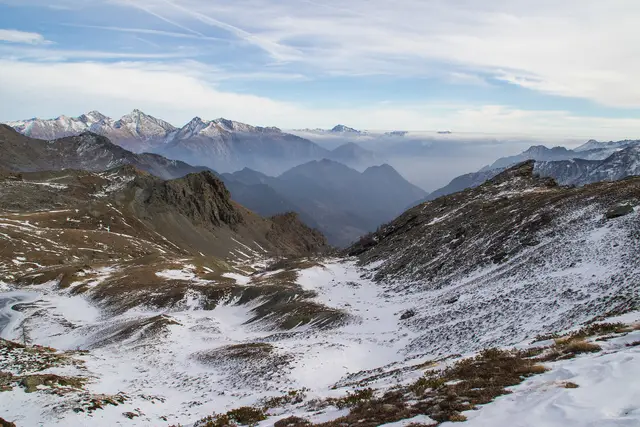
Photo: Marco Soggetto · CC BY-SA 4.0 · Wikimedia Commons
Aosta Valley (Champdepraz / Champorcher)
★★★★★crowding: Very low
The first Natural Park in the Aosta Valley, featuring the region's largest continuous stand of mountain pine (Pinus uncinata) and over 30 glacial cirque tarns.
High mountainLakeOld-growth forest
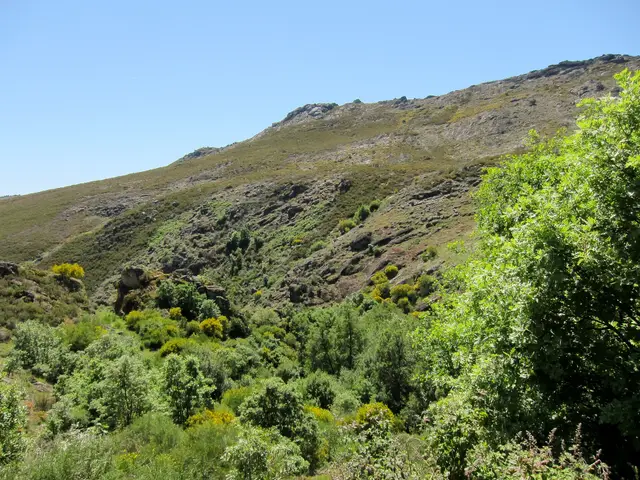
Photo: Miguel Vieira from Redwood City, CA, USA · CC BY 2.0 · Wikimedia Commons
Northern Portugal (Trás-os-Montes / Bragança / Vinhais)
★★★★★crowding: Very low
The Iberian stronghold of the Iberian wolf in Portugal (75,000 ha in Trás-os-Montes), with extensive Pyrenean oakwoods and traditional schist slate architecture.
Old-growth forestHigh mountainRiver corridor
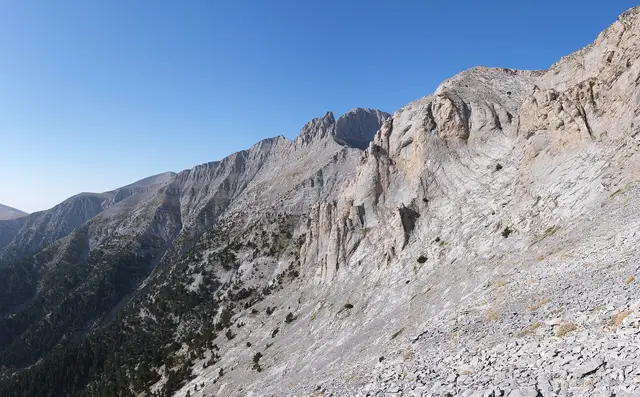
Photo: kallerna · CC BY-SA 4.0 · Wikimedia Commons
Pieria / Larissa (Litochoro)
★★★★★crowding: Moderate
Greece's inaugural national park (1938): the country's highest peak, incised by the Enipeas Gorge and renowned for endemic flora.
High mountainGorge and canyonOld-growth forest
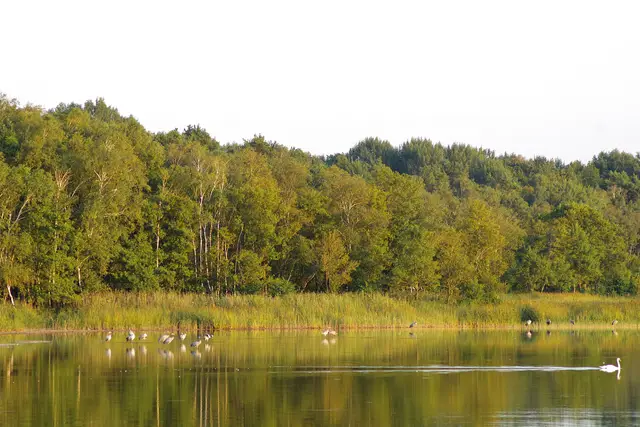
Photo: Lotte76 · CC BY-SA 4.0 · Wikimedia Commons
Mecklenburg-Western Pomerania (Neustrelitz)
★★★★★crowding: Low
Sector of Müritz National Park protected as a World Heritage site for its lowland primeval beech forests.
Primary forestOld-growth forestLake
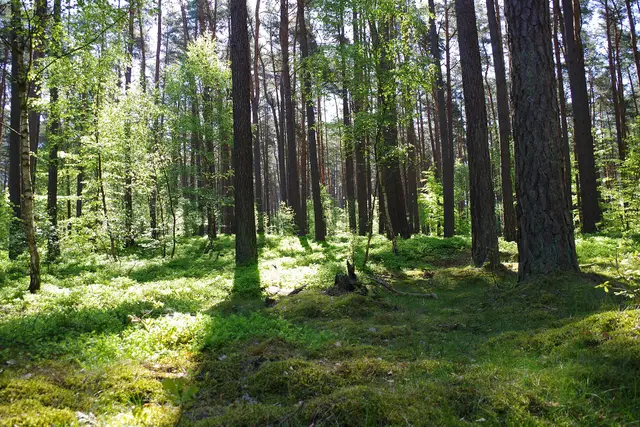
Photo: Lotte76 · CC BY-SA 4.0 · Wikimedia Commons
Mecklenburg-Western Pomerania
★★★★★crowding: Low
Extensive continental forests and glacial lakes where the white-tailed eagle and osprey nest.
Old-growth forestLake
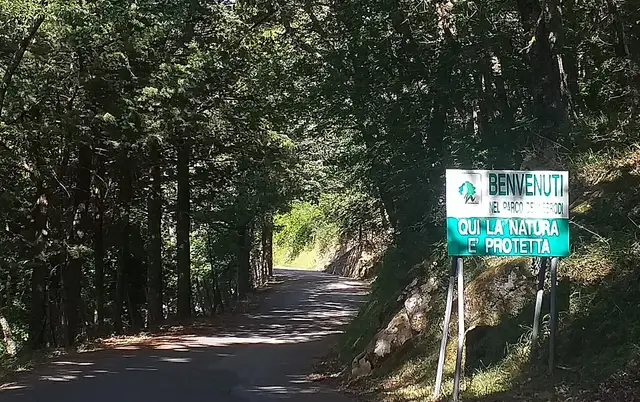
Photo: Cavalloselvatico · CC BY-SA 4.0 · Wikimedia Commons
Sicily (Messina / Enna / Catania / Cesarò / Caronia)
★★★★★crowding: Very low
The largest continuous forest tract in Sicily (86.000 ha), featuring the island's most densely wooded peaks and the spectacular limestone crags of the Rocche del Crasto.
Old-growth forestLakeHigh mountain
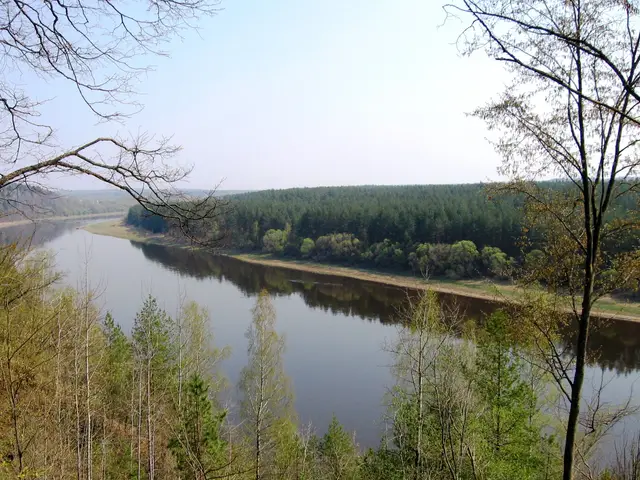
Photo: SUJIRENas · CC BY-SA 4.0 · Wikimedia Commons
Kaunas County (Birštonas / Prienai)
★★★★★crowding: Low
Gigantic incised meanders of the Nemunas River carving through wooded morainic ridges.
River corridorOld-growth forest
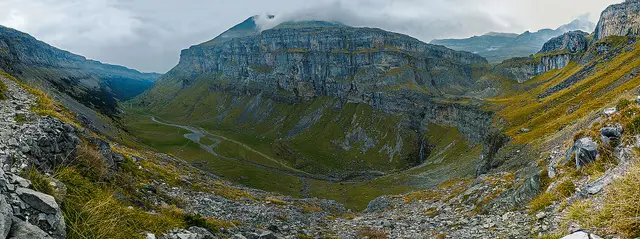
Photo: Nata Mostova · CC BY-SA 4.0 · Wikimedia Commons
Aragon (Huesca / Torla / Broto / Fanlo / Bielsa / Escalona)
★★★★★crowding: Moderate
The 'Grand Canyon of Europe', UNESCO World Heritage Pyrénées-Mont Perdu, crowned by Monte Perdido (3,355 m) with four grand canyons: Ordesa, Añisclo, Escuaín, and Pineta.
High mountainGorge and canyonKarst and cavesGlacial landscapeOld-growth forest
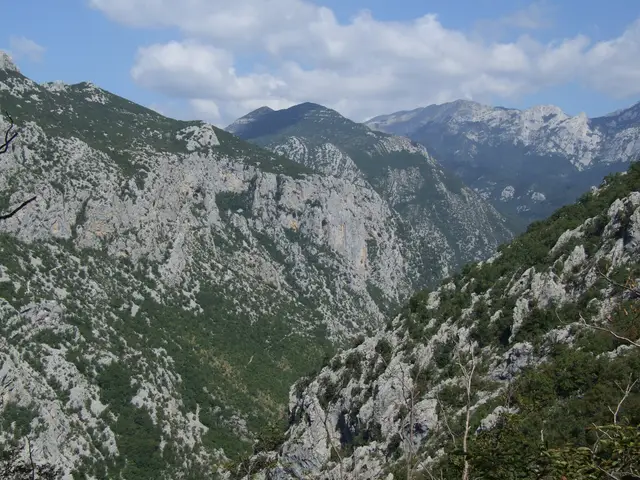
Photo: Pudelek (Marcin Szala) · CC BY-SA 3.0 · Wikimedia Commons
Zadar County (Starigrad-Paklenica)
★★★★★crowding: Low
Vertical incised canyons (Velika and Mala Paklenica) plunging straight towards the Adriatic Sea from the crests of Velebit.
Gorge and canyonKarst and cavesHigh mountainOld-growth forest
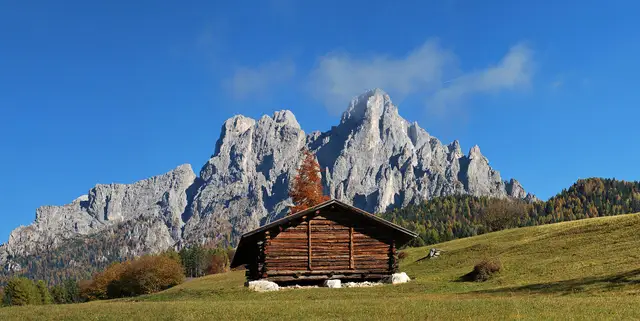
Photo: Carlo Albino Turra · CC BY-SA 4.0 · Wikimedia Commons
Trentino (San Martino di Castrozza / Predazzo / Tonadico)
★★★★★crowding: Low
The 'Forest of the Violins' (resonance spruce harvested by Stradivarius) beneath the spectacular dolomitic spires of the Pale di San Martino.
High mountainKarst and cavesOld-growth forest
Finnmark (Sør-Varanger / Kirkenes / Svanvik)
★★★★★crowding: Very low
The westernmost edge of the primeval Siberian Scots pine taiga (Pinus sylvestris), harbouring Norway's highest brown bear density along the Russian border.
Primary forestOld-growth forestWetlandRiver corridor
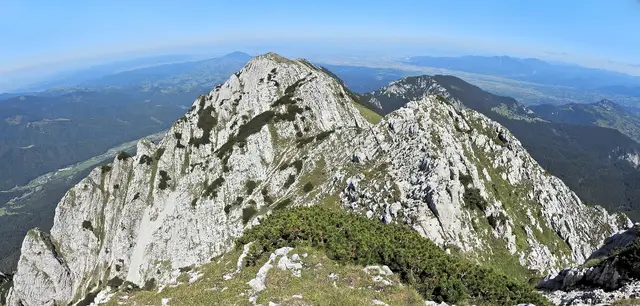
Photo: xulescu_g · CC BY-SA 2.0 · Wikimedia Commons
Brașov and Argeș Counties (Zărnești)
★★★★★crowding: Low
The "Royal Ridge", the sharpest and most spectacular alpine limestone blade in the Carpathians (25 km of unbroken crest).
High mountainKarst and cavesOld-growth forest
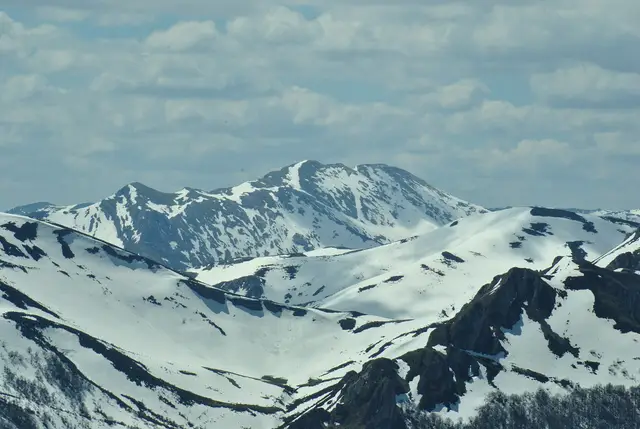
Photo: Jorgeboco · CC BY-SA 3.0 es · Wikimedia Commons
Asturias / Cantabria / León (Cangas de Onís / Arenas de Cabrales / Potes / Posada de Valdeón)
★★★★★crowding: Moderate
Spain's first National Park (1918), three alpine limestone massifs rising to 2,600 m just 15 km from the Cantabrian Sea.
High mountainKarst and cavesGlacial landscapeGorge and canyonOld-growth forest
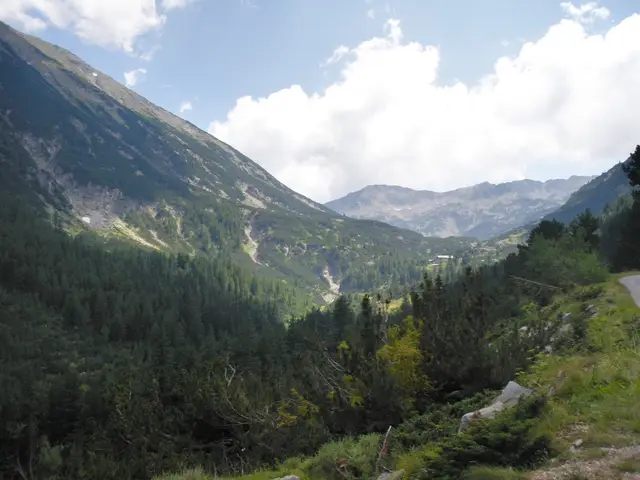
Photo: Mianikolov · CC0 · Wikimedia Commons
Blagoevgrad Province (Bansko / Sandanski)
★★★★★crowding: Low
Dramatic granite and karst peaks sheltering the ancient Baykushev pine (over 1,300 years old).
Old-growth forestHigh mountainKarst and cavesGlacial landscape
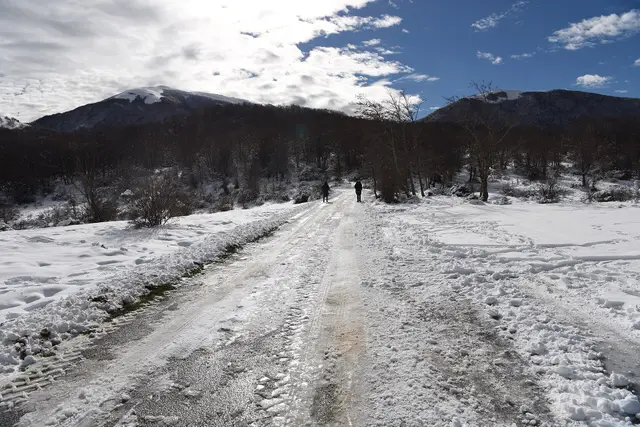
Photo: Diana Cimino Cocco · CC BY-SA 4.0 · Wikimedia Commons
Calabria / Basilicata (Castrovillari / Rotonda / Morano Calabro)
★★★★★crowding: Very low
Italy's largest national park (192.000 ha), exclusive sanctuary of the Bosnian pine (Pinus heldreichii) and a UNESCO Global Geopark.
High mountainKarst and cavesOld-growth forestGorge and canyon
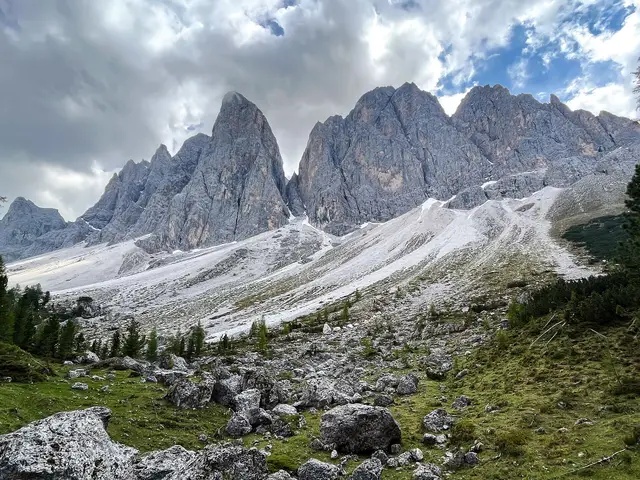
Photo: Bops92 · CC BY-SA 4.0 · Wikimedia Commons
South Tyrol (Val Gardena / Val di Funes / Santa Cristina)
★★★★★crowding: Moderate
The razor-sharp dolomitic spires of the Odle/Geisler towering above the alpine pastures of Val di Funes.
High mountainKarst and cavesOld-growth forest
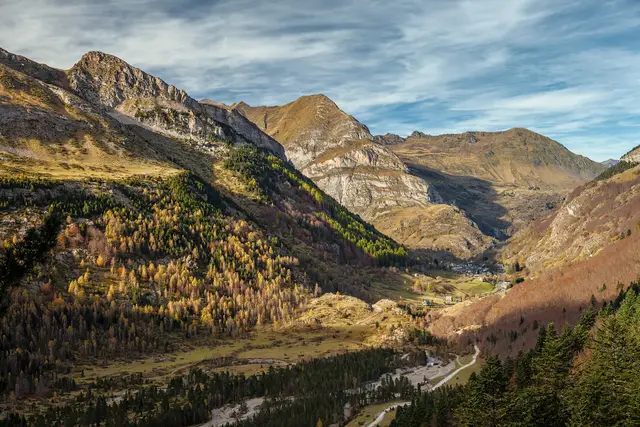
Photo: Moahim · CC BY-SA 4.0 · Wikimedia Commons
Occitanie / Nouvelle-Aquitaine (Hautes-Pyrénées / Pyrénées-Atlantiques)
★★★★★crowding: Moderate
The French slope of the central Pyrenees, twin to Ordesa: glacial cirques, bearded vultures, isards, and Pyrenean desmans.
High mountainGlacial landscapeAlpine meadowOld-growth forestGorge and canyon
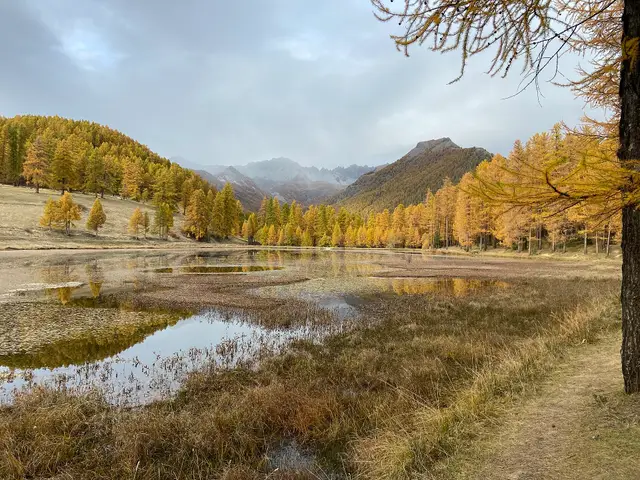
Photo: TouN · CC BY-SA 4.0 · Wikimedia Commons
Hautes-Alpes (Guillestre / Saint-Véran)
★★★★★crowding: Low
A high alpine larch valley dominated by Mount Viso and punctuated by Saint-Véran, the highest inhabited village in Europe.
High mountainOld-growth forest
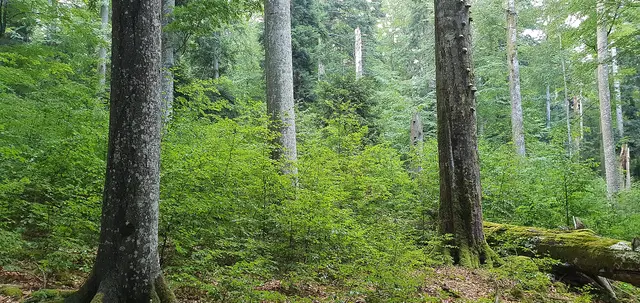
Photo: DuschanR · CC BY-SA 4.0 · Wikimedia Commons
Lower Carniola / Kočevsko (Kočevje / Semič)
★★★★★crowding: None
The strict forest reserve of Kočevsko set aside in 1892 by the Counts of Auersperg, featuring monumental silver firs soaring 50 m high (Queen of Rog).
Primary forestOld-growth forestKarst and caves
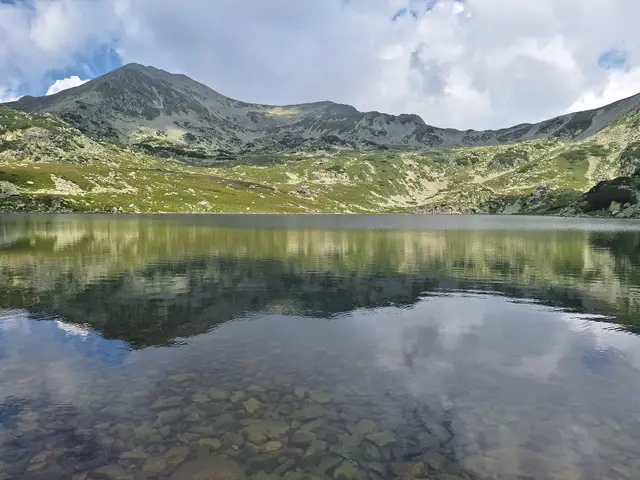
Photo: Gugalcrom123 · CC BY 4.0 · Wikimedia Commons
Hunedoara County (Hațeg)
★★★★★crowding: Low
The realm of the granitic and glacial Retezat, with over 80 crystal tarns and the Gemenele scientific reserve.
High mountainGlacial landscapeOld-growth forest
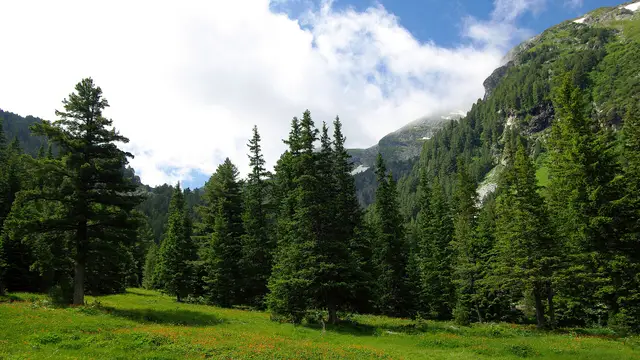
Photo: Martin Danovski · CC0 · Wikimedia Commons
Sofia, Blagoevgrad, Kyustendil and Smolyan Provinces
★★★★★crowding: Moderate
The highest massif in the Balkans (Musala 2.925 m) with relict Macedonian pine forests and glacial lakes.
Old-growth forestHigh mountainGlacial landscape
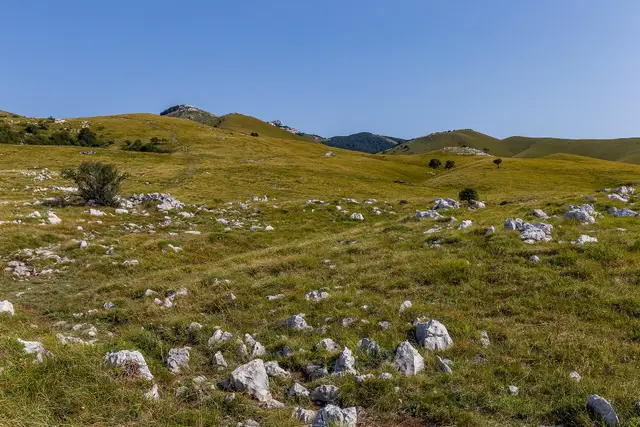
Photo: Michal Klajban · CC BY-SA 4.0 · Wikimedia Commons
Gorski Kotar (Primorje-Gorski Kotar County)
★★★★★crowding: Low
Karst mountain massif blanketed by dense beech and silver fir forests, serving as a prime refuge for the Eurasian lynx.
Old-growth forestHigh mountainKarst and caves
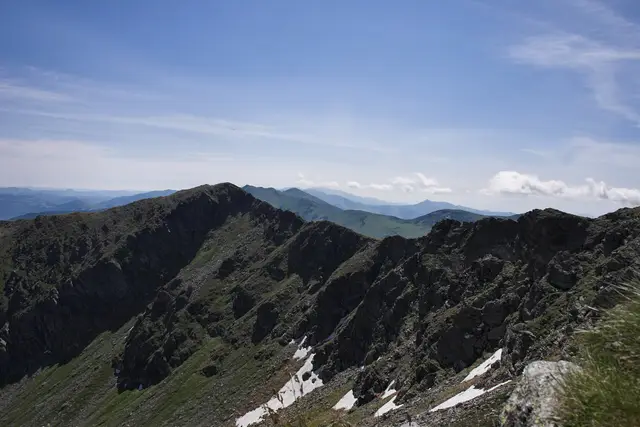
Photo: Martin Kozák · Public domain · Wikimedia Commons
Bistrița-Năsăud and Maramureș Counties (Pietrosu Rodnei)
★★★★★crowding: Low
The highest glacial mountains in the Eastern Carpathians hosting the Pietrosu Rodnei scientific reserve.
High mountainGlacial landscapeOld-growth forest
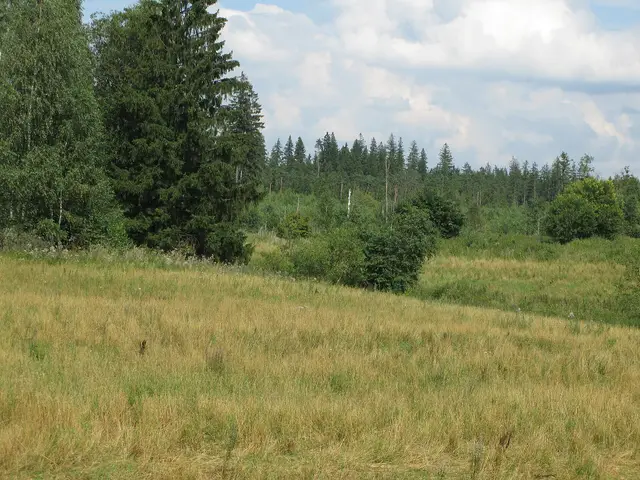
Photo: Wulfstan · CC BY-SA 3.0 · Wikimedia Commons
Warmian-Masurian Voivodeship (Gołdap)
★★★★★crowding: Very low
The 'Polish Taiga', a boreal spruce forest across steep moraine ridges famed for the Stańczyki viaducts.
Old-growth forest
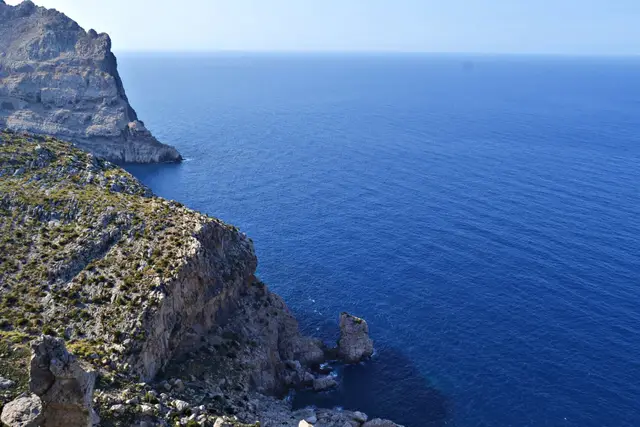
Photo: Lolagt · CC BY-SA 4.0 · Wikimedia Commons
Balearic Islands (Mallorca / Sóller / Valldemossa / Pollença / Deià)
★★★★★crowding: Moderate
Mallorca's limestone backbone (Puig Major 1.445 m), deep gorges like Torrent de Pareis, and the world's only island redoubt for black vultures and the Majorcan midwife toad (Alytes muletensis).
High mountainKarst and cavesGorge and canyonOld-growth forestWild coast
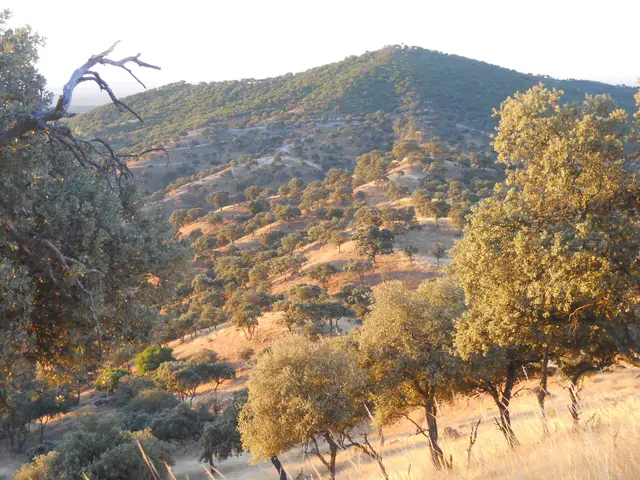
Photo: Lichinga · CC BY-SA 4.0 · Wikimedia Commons
Andalusia (Jaén / Andújar / Baños de la Encina)
★★★★★crowding: Low
The historical stronghold and ultimate sanctuary of the Iberian lynx (Lynx pardinus), home to centuries-old dehesas of holm and cork oaks.
Old-growth forestRiver corridor
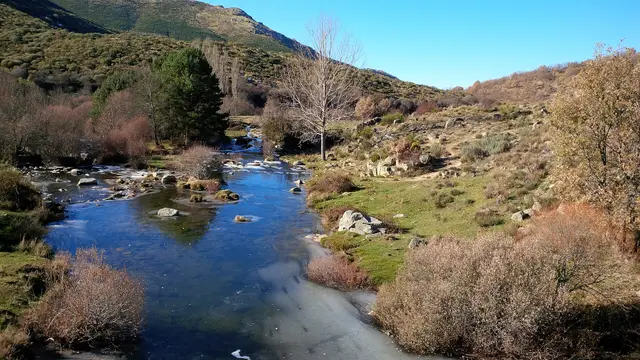
Photo: Lolalatorre · CC BY-SA 4.0 · Wikimedia Commons
Castile and León (Ávila / Hoyos del Espino / El Hornillo / Candeleda)
★★★★★crowding: Moderate
The granite spine of the Central System (Almanzor 2,592 m) featuring glacial cirques, Laguna Grande and the Gredos ibex.
High mountainGlacial landscapeOld-growth forest
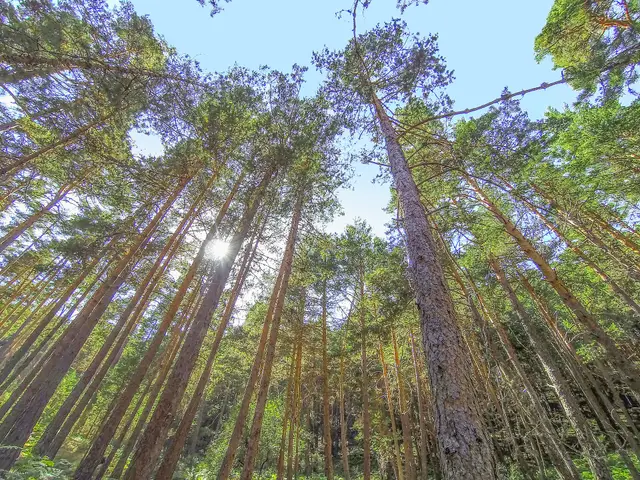
Photo: Alejandro Vallejo Ortega · CC BY-SA 4.0 · Wikimedia Commons
Community of Madrid / Castilla y León (Segovia / Cercedilla / Manzanares el Real / Valsaín)
★★★★★crowding: Moderate
The granitic high mountain crowning the Central System (Peñalara 2,428 m), La Pedriza, and the historic Pine Forest of Valsaín.
High mountainOld-growth forestGlacial landscape
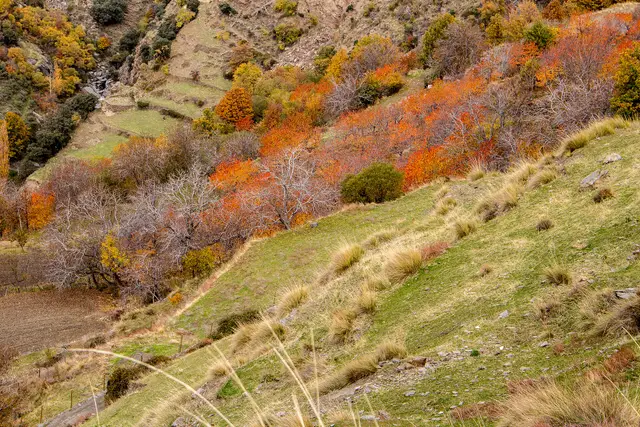
Photo: Jerryviaja.com · CC BY-SA 4.0 · Wikimedia Commons
Andalusia (Granada / Almería / Capileira / Trevélez / Monachil)
★★★★★crowding: Moderate
The roof of the Iberian Peninsula (Mulhacén 3,479 m and Veleta 3,396 m), a Biosphere Reserve with over 80 exclusive endemic plant species.
High mountainGlacial landscapeKarst and cavesOld-growth forest
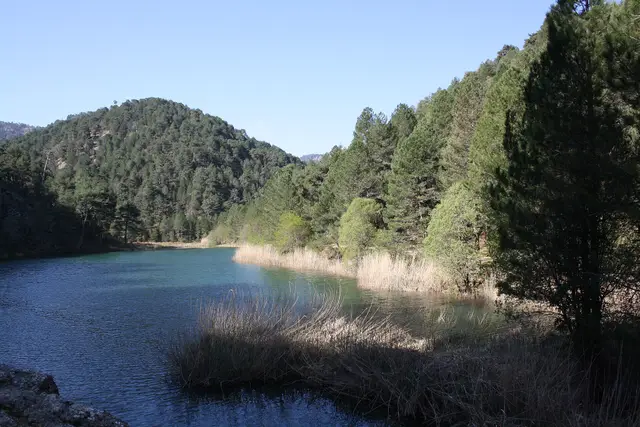
Photo: FrDr · CC BY-SA 4.0 · Wikimedia Commons
Andalusia (Jaén — Cazorla / Segura de la Sierra / Villacarrillo)
★★★★★crowding: Low
Spain's largest protected area: black pine forests, headwaters of the Guadalquivir and the reintroduction of the bearded vulture in Andalusia.
Mediterranean forestOld-growth forestKarst and cavesRiver corridorGorge and canyon
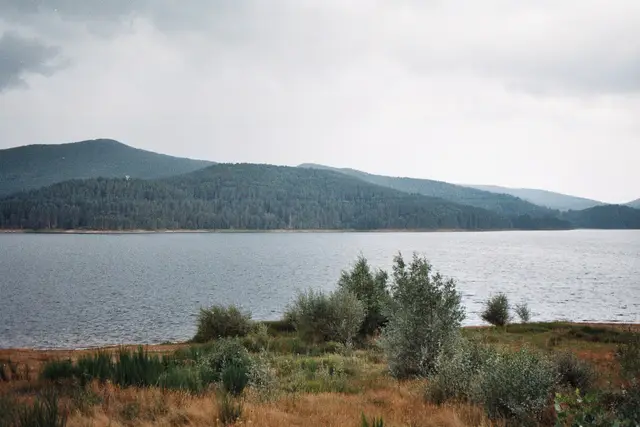
Photo: Ugo Leonetti · CC BY-SA 4.0 · Wikimedia Commons
Calabria (Cosenza / Catanzaro / Crotone / Camigliatello Silano / Lorica)
★★★★★crowding: Low
The 'Great Forest of Italy', a colossal highland plateau of centuries-old Corsican pine (Pinus nigra laricio) and giant inland lakes Cecita and Arvo.
Old-growth forestLakeHigh mountain
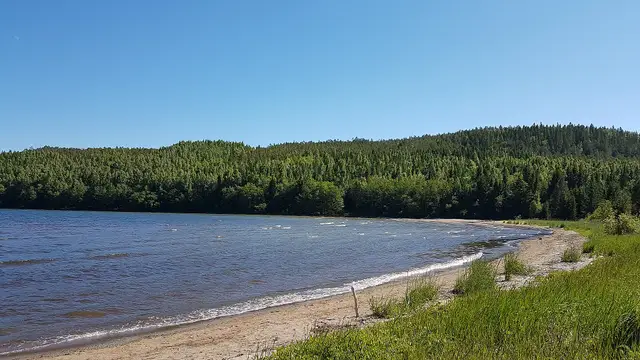
Photo: Jan Ainali · CC BY-SA 4.0 · Wikimedia Commons
Västernorrland (Höga Kusten / Örnsköldsvik / Kramfors)
★★★★★crowding: Low
The heart of Sweden's High Coast (Höga Kusten), the site of the world's greatest post-glacial isostatic rebound (286 m of land uplift after the ice), featuring the Slåttdalssvackan canyon.
Wild coastOld-growth forestGorge and canyon
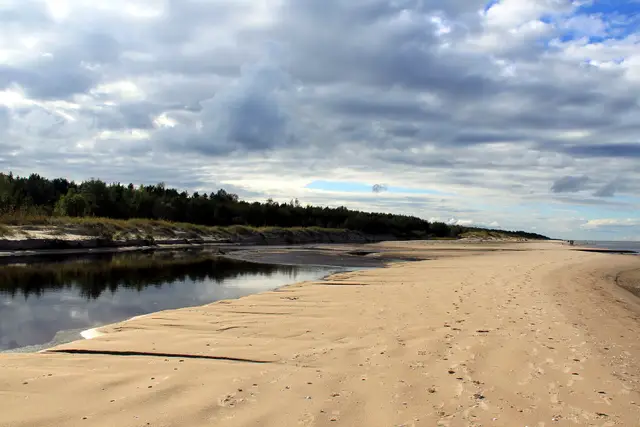
Photo: Sirujs Enobs · CC BY-SA 3.0 · Wikimedia Commons
Courland / Kurzeme (Dundaga / Cape Kolka)
★★★★★crowding: Low
Cape Kolka where the currents of the Baltic Sea and the Gulf of Riga collide, ancient Livonian wooded dunes (Kangari), and clay coastal bluffs.
Wild coastOld-growth forestWetland
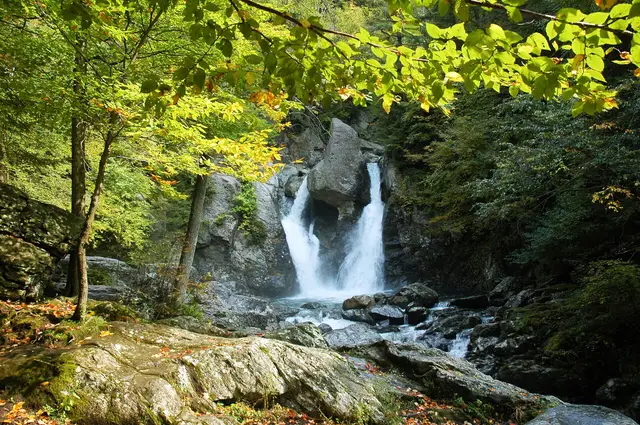
Photo: Zdenek Svoboda from Prague, Czech Republic · CC BY 2.0 · Wikimedia Commons
Eastern Slovakia (Spišská Nová Ves / Hrabušice / Dedinky)
★★★★★crowding: Moderate
Limestone plateaus cut by narrow gorges climbed via ladders and footbridges over waterfalls.
Gorge and canyonKarst and cavesOld-growth forest
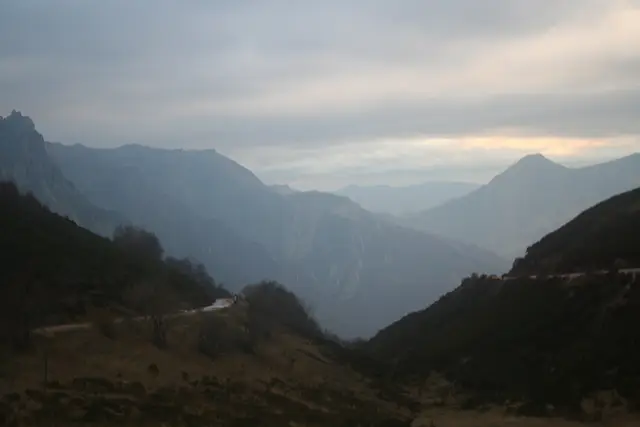
Photo: Ramón from Llanera, España · CC BY-SA 2.0 · Wikimedia Commons
Asturias (Pola de Somiedo / Valle de Lago / Saliencia)
★★★★★crowding: Low
The iconic sanctuary of the Cantabrian brown bear, with deep glacial troughs, the lakes of Saliencia, and traditional thatched teito cabins.
High mountainGlacial landscapeOld-growth forestLake
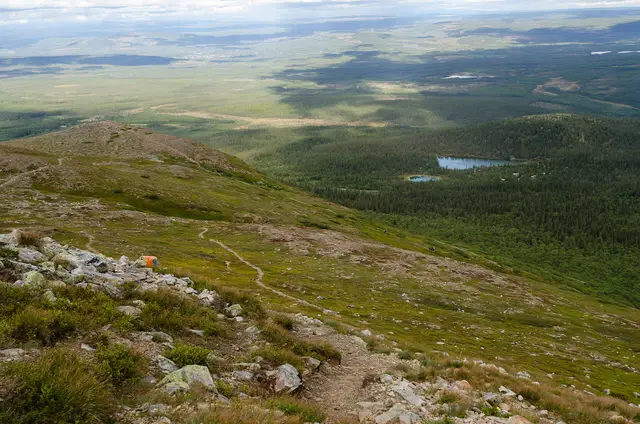
Photo: Arild Vågen · CC BY-SA 4.0 · Wikimedia Commons
Jämtland (Härjedalen / Hede)
★★★★★crowding: Very low
A solitary, isolated mountain in the heart of Sweden, an iconic historic sanctuary with one of the highest densities of brown bear (Ursus arctos) in the country.
High mountainPrimary forestOld-growth forest
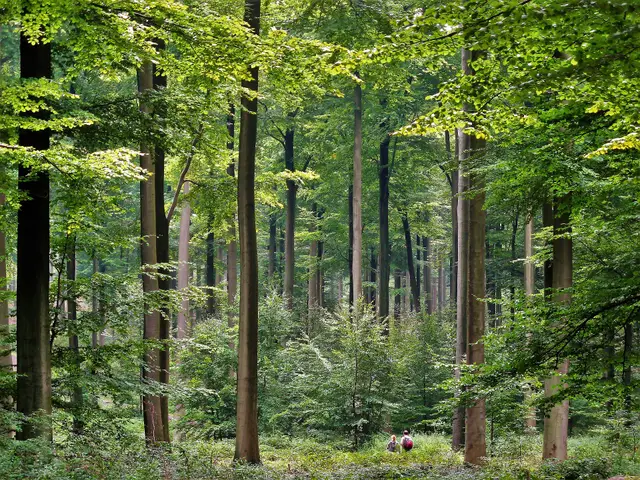
Photo: Donarreiskoffer · CC BY 3.0 · Wikimedia Commons
Brussels / Flanders / Wallonia
★★★★★crowding: Moderate
The 'Beech Cathedral', an ancient peri-urban forest at the gates of Brussels inscribed on the UNESCO list.
Old-growth forestPrimary forest
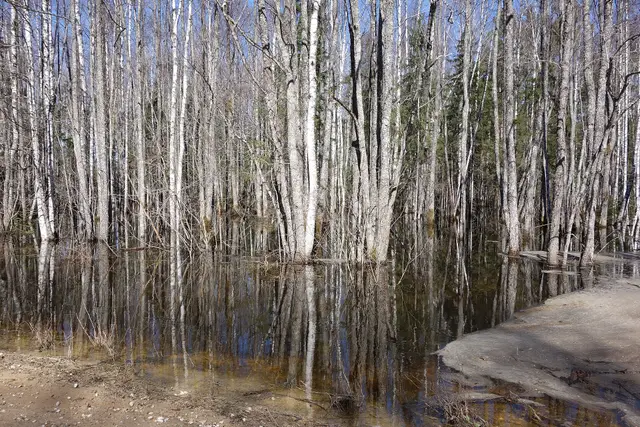
Photo: Juta.lopp · CC BY-SA 3.0 · Wikimedia Commons
Estonia (Pärnumaa / Viljandimaa)
★★★★★crowding: Very low
Expansive raised bogs severed by meandering rivers that overflow each spring: the «fifth season», when canoeists paddle between submerged trees.
WetlandRiver corridorOld-growth forest
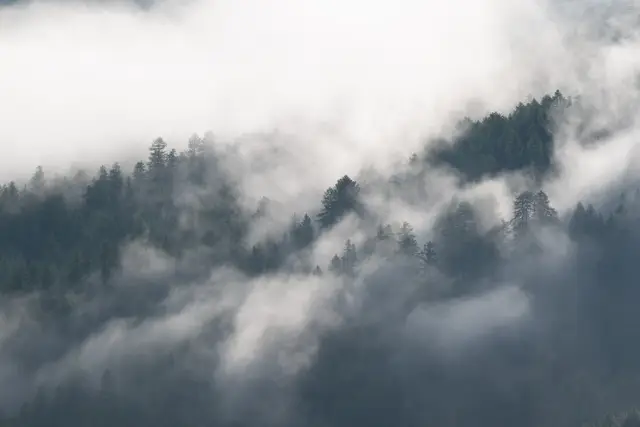
Photo: Cristina.Paveri · CC BY-SA 4.0 · Wikimedia Commons
Lombardy / Trentino-Alto Adige (Bormio / Ortler / Sulden / Val Martello)
★★★★★crowding: Moderate
One of Europe's oldest and most majestic Alpine national parks (Ortles 3,905 m), featuring vast valley glaciers and massive herds of red deer and chamois.
High mountainGlacial landscapeOld-growth forest
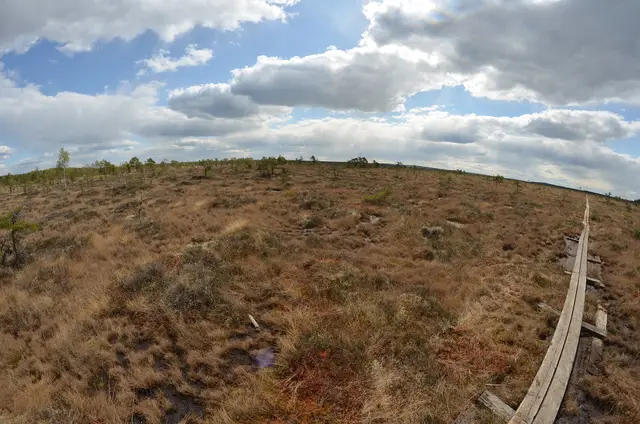
Photo: Wikimalte · CC BY-SA 3.0 · Wikimedia Commons
Jönköping (Värnamo / Gnosjö / Hillerstorp)
★★★★★crowding: Very low
The largest ombrotrophic bog complex south of Lapland (100 km² of mires and tarns traversed by wooden boardwalks).
WetlandOld-growth forest
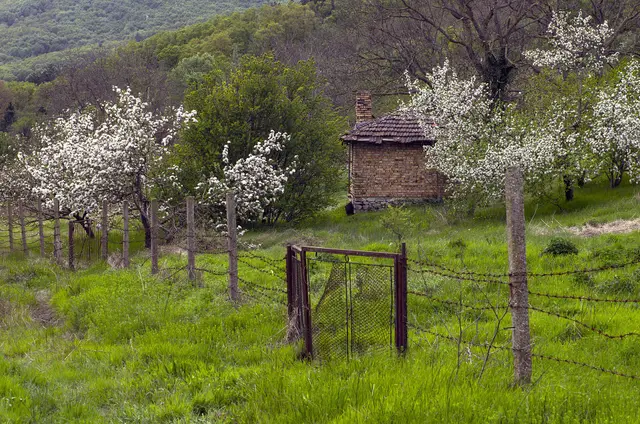
Photo: Denka marinova · CC BY-SA 4.0 · Wikimedia Commons
Burgas (Malko Tarnovo / Sinemorets / Tsarevo)
★★★★★crowding: Very low
The largest protected area in Bulgaria: Pontic-type deciduous forests with an understorey of rhododendron and laurel, unique within the EU.
Old-growth forestWild coastRiver corridor
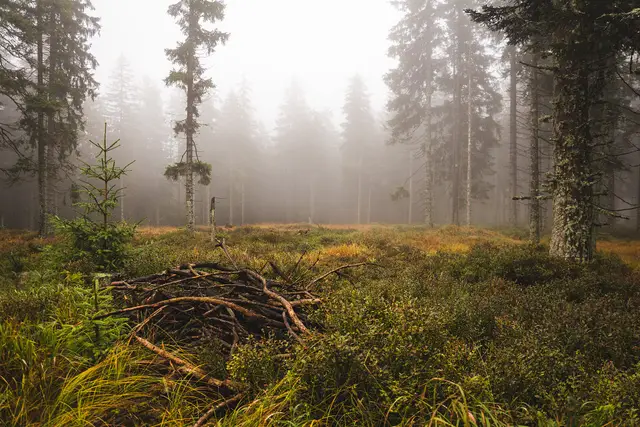
Photo: Martin Vorel · CC0 · Wikimedia Commons
South Bohemian and Plzeň Regions
★★★★★crowding: Low
The "Green Roof of Europe", an immense mountain massif of raised peat bogs, glacial tarns, and montane beechwoods.
Old-growth forestHigh mountainWetlandLake
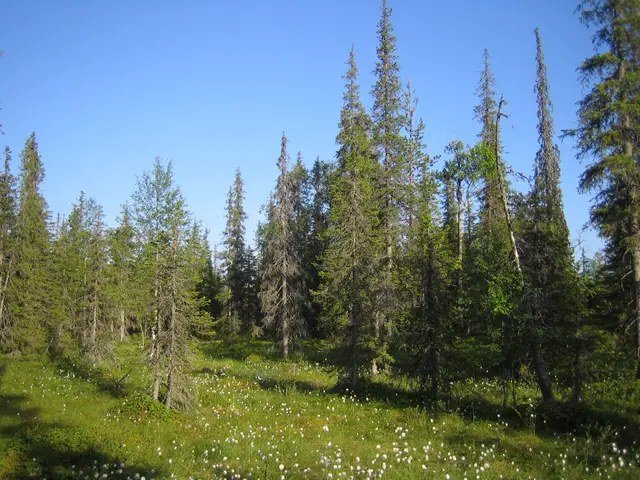
Photo: Original uploader was Hujane at fi.wikipedia · CC BY-SA 3.0 · Wikimedia Commons
Northern Ostrobothnia / Lapland (Pudasjärvi / Taivalkoski)
★★★★★crowding: Low
Old-growth mountain taiga and hanging hillside bogs (aapa bogs), refuge for the Siberian flying squirrel (Pteromys volans).
Primary forestOld-growth forestWetland
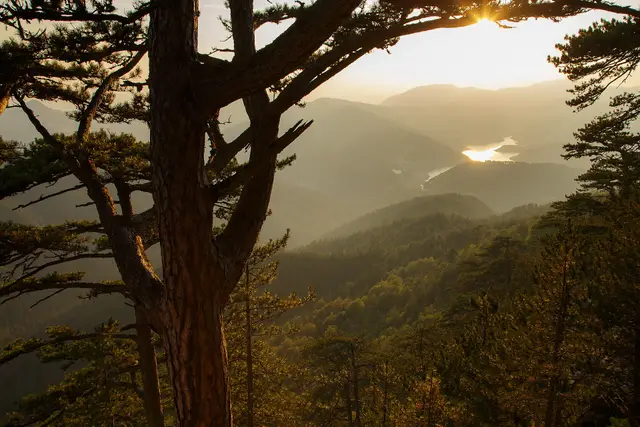
Photo: Thruserbia · CC BY-SA 4.0 · Wikimedia Commons
Zlatibor District (Bajina Bašta)
★★★★★crowding: Low
Mountainous plateau plunging vertically towards the Drina Canyon, harbouring relict Serbian spruce (Picea omorika) forests.
Old-growth forestHigh mountainGorge and canyon
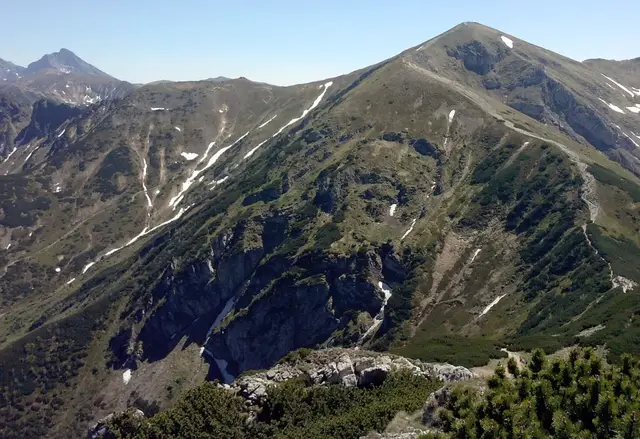
Photo: August kazimierz · CC BY 3.0 · Wikimedia Commons
Lesser Poland (Zakopane)
★★★★★crowding: High
The only alpine-type high-mountain massif in the Carpathians: sharp granite ridges, glacial tarns, Tatra chamois, and brown bear.
High mountainAlpine meadowOld-growth forestGlacial landscapeKarst and caves
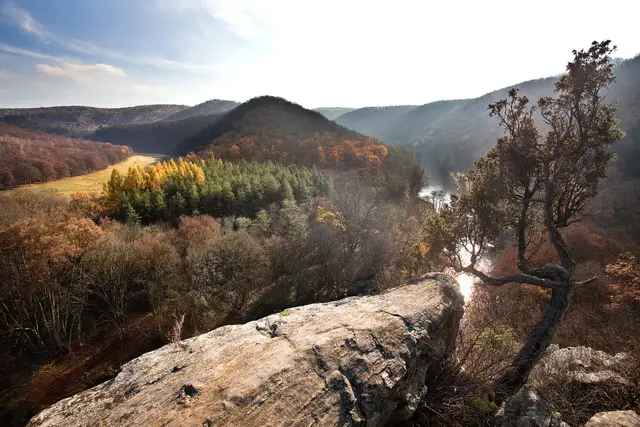
Photo: Byliusrx · CC BY-SA 3.0 at · Wikimedia Commons
Lower Austria (Hardegg) / South Moravia (Znojmo)
★★★★★crowding: Very low
Incised meanders of the Thaya/Dyje River flanked by hillside beechwoods and thermophilous rocky crags.
River corridorGorge and canyonOld-growth forest
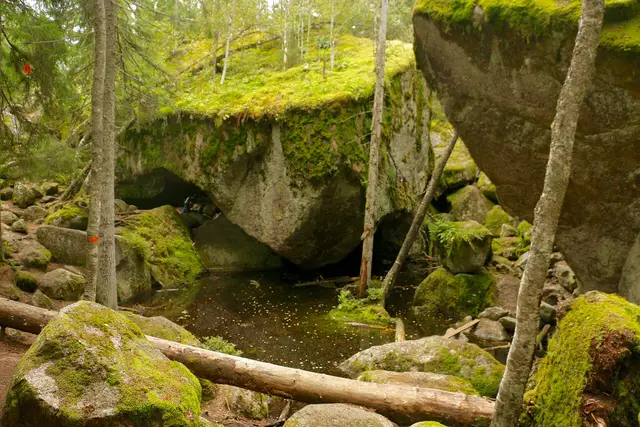
Photo: Silverkey (Mickaël Delcey) · CC BY-SA 4.0 · Wikimedia Commons
Västra Götaland / Örebro (Laxå / Karlsborg)
★★★★★crowding: Low
A chaotic wild maze of moss-cloaked granite boulder fields and centuries-old pines between lakes Vänern and Vättern.
Primary forestOld-growth forestLake
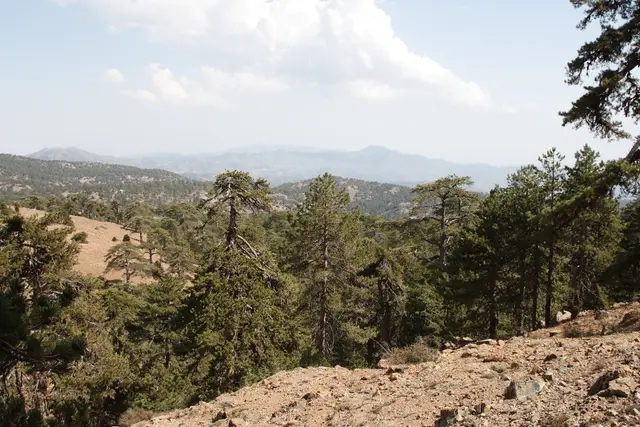
Photo: Dmitry Panov · CC BY 3.0 · Wikimedia Commons
Cyprus (Troodos / Platres)
★★★★★crowding: Low
The pine-cloaked peaks of Cyprus, towering above a complete section of ancient oceanic crust lifted from the Tethys seabed.
Old-growth forestHigh mountain
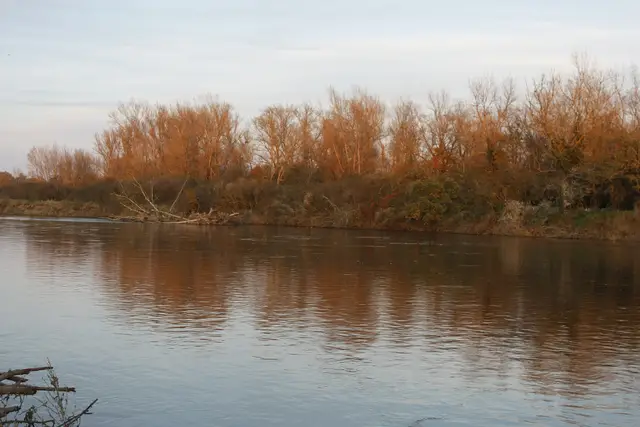
Photo: Amaya13 · CC BY-SA 4.0 · Wikimedia Commons
Auvergne-Rhône-Alpes (Allier / Moulins)
★★★★★crowding: Very low
One of Western Europe’s last truly wild, free-flowing lowland rivers without artificial embankments.
River corridorWetlandOld-growth forest
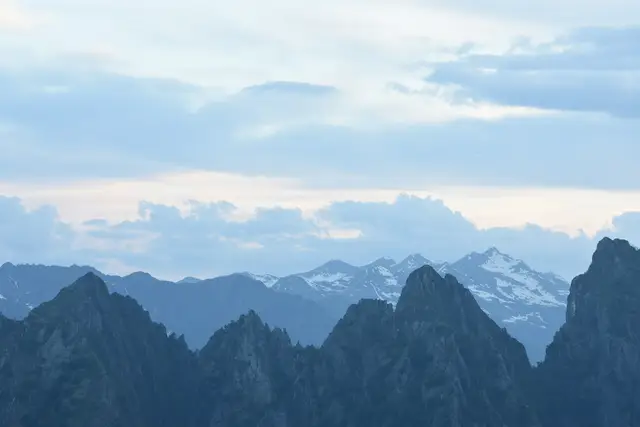
Photo: Mazzaloris95 · CC BY-SA 4.0 · Wikimedia Commons
Piedmont (Verbania / Lake Maggiore / Malesco / Santa Maria Maggiore)
★★★★★crowding: Very low
The largest wilderness area in the Alps and Italy, an impenetrable canyon valley fully reclaimed by wild nature.
Old-growth forestHigh mountainGorge and canyon
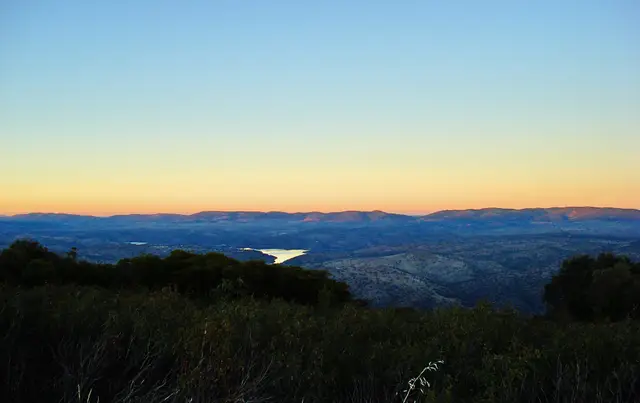
Photo: Ameliacsj · CC BY-SA 3.0 es · Wikimedia Commons
Castilla-La Mancha (Ciudad Real / Fuencaliente / Mestanza / Almodóvar del Campo)
★★★★★crowding: Very low
The largest protected space in Castilla-La Mancha (150,000 ha), featuring vast historic transhumance wood-pastures and intact oak forests.
Old-growth forestRiver corridorGorge and canyon
Lower Austria / Vienna
★★★★★crowding: Low
Protected mature beech and oak forests across the wooded hills flanking the Austrian capital.
Old-growth forest
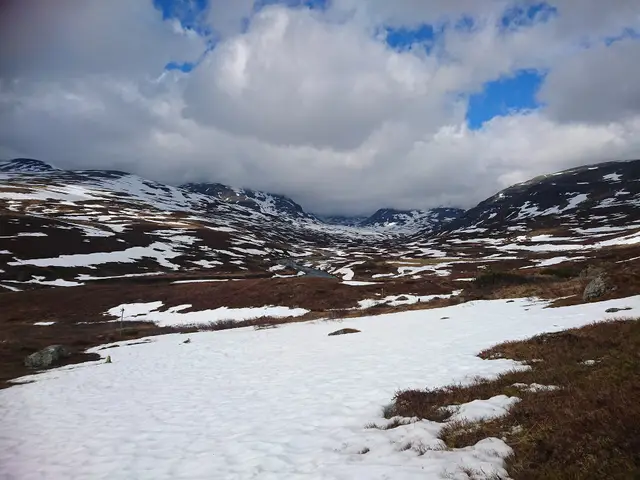
Photo: Emilia · CC BY-SA 4.0 · Wikimedia Commons
Västerbotten (Ammarnäs / Tärnaby)
★★★★★crowding: Very low
One of the largest nature reserves in Europe: high-alpine massifs, birch valleys, and the free-flowing Vindel River running wild to the Baltic.
High mountainRiver corridorWetlandOld-growth forest
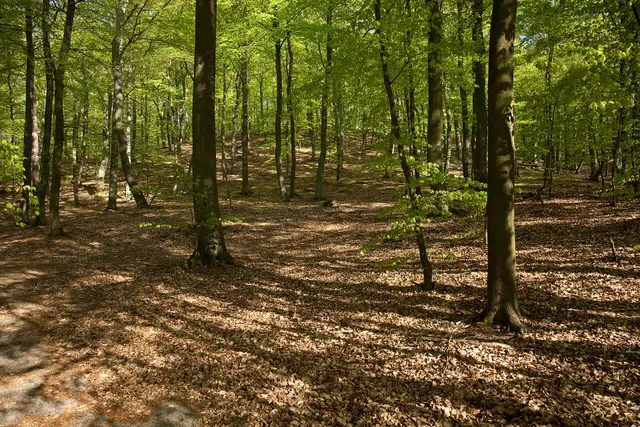
Photo: Wieckowicz · CC BY-SA 3.0 pl · Wikimedia Commons
West Pomerania (Wolin Island / Międzyzdroje / Świnoujście)
★★★★★crowding: Low
Glacial moraine cliffs rising 95 m above the Baltic Sea, coastal beech forests, and Poland's foremost coastal European bison reserve.
Wild coastOld-growth forestWetland
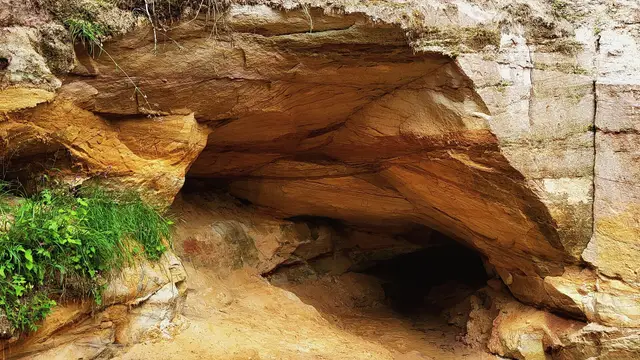
Photo: Hei1972 · CC BY-SA 4.0 · Wikimedia Commons
Põlvamaa (Põlva / Taevaskoja)
★★★★★crowding: Low
Ancient river canyon gouged into Devonian red sandstone featuring sacred cliff walls like Suur Taevaskoda (The Great Heavenly Hall).
River corridorOld-growth forest
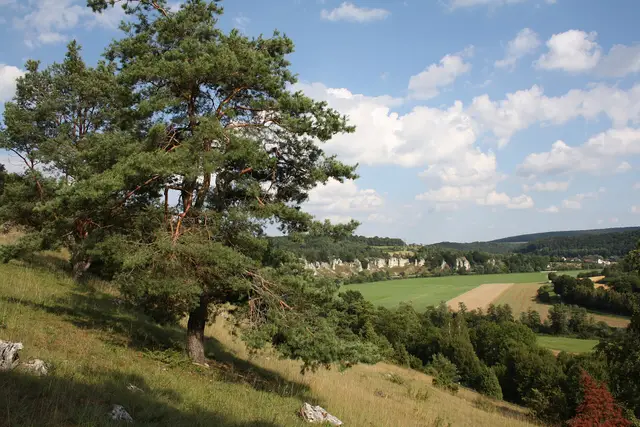
Photo: Cku · CC BY-SA 3.0 · Wikimedia Commons
Bavaria (Eichstätt / Kelheim / Solnhofen)
★★★★★crowding: Low
Meandering limestone valley of the Franconian Jura with the "Zwölf Apostel" (Twelve Apostles) pinnacles and Archaeopteryx fossil quarries.
River corridorKarst and cavesOld-growth forest
Belgian Luxembourg (Habay / Habay-la-Neuve)
★★★★★crowding: Very low
One of the most extensive contiguous beech forests in Belgium, safeguarding the headwater rivers of the Ardennes massif.
Old-growth forest
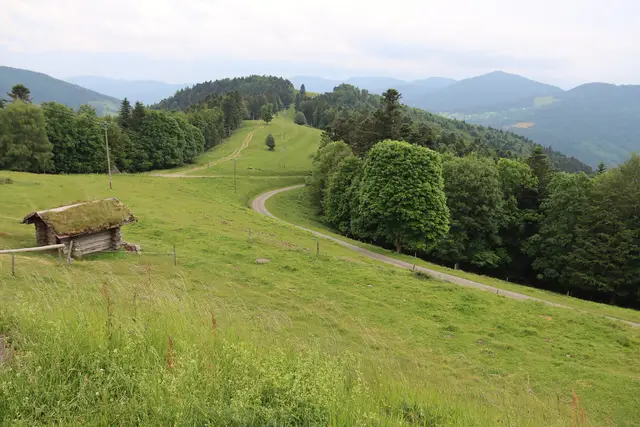
Photo: FrDr · CC BY-SA 4.0 · Wikimedia Commons
Grand Est (Haut-Rhin / Vosges / Belfort)
★★★★★crowding: Low
The high rounded domes (Ballons) of the Vosges with glacial high meadows (chaumes) and beech-fir forests.
High mountainOld-growth forestWetland
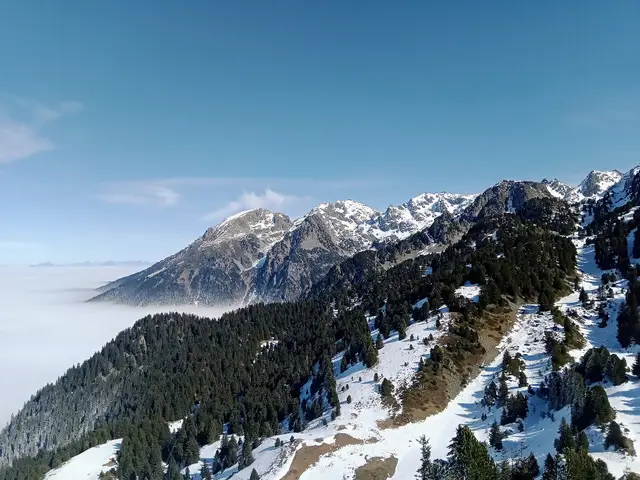
Photo: Rémih · CC BY-SA 4.0 · Wikimedia Commons
Isère / Savoie (Grenoble / Chamrousse)
★★★★★crowding: Low
Imposing crystalline rocky rampart without road passes soaring directly opposite the city of Grenoble.
High mountainGlacial landscapeOld-growth forest
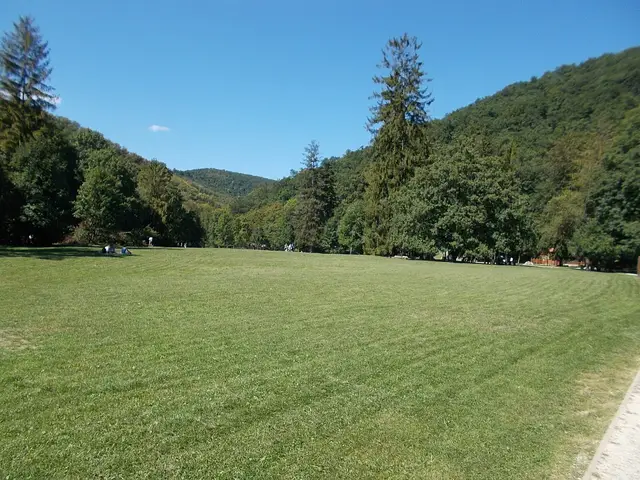
Photo: Globetrotter19 · CC BY-SA 3.0 · Wikimedia Commons
Heves / Borsod-Abaúj-Zemplén (Eger / Miskolc / Szilvásvárad)
★★★★★crowding: Low
Hungary's most extensive karst plateau, clothed in beech forests, featuring prehistoric caves and imperial eagles soaring along its cliff edges.
Old-growth forestKarst and cavesSteppe and grassland
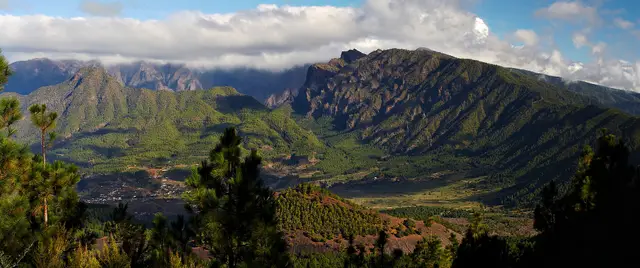
Photo: Michael Apel · CC BY-SA 3.0 · Wikimedia Commons
Canary Islands (La Palma / El Paso / Los Llanos de Aridane)
★★★★★crowding: Low
A colossal volcanic erosion cirque 8 km in diameter and 1,500 m deep, rimmed by precipitous Canary Island pine forests (Pinus canariensis).
High mountainGorge and canyonOld-growth forest
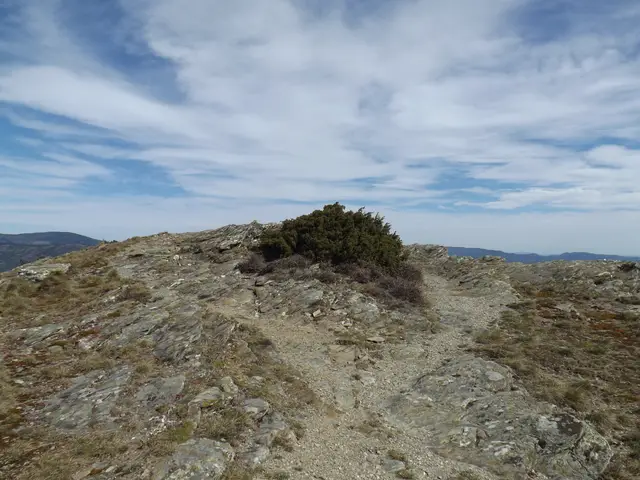
Photo: Fotelise22 · CC BY-SA 4.0 · Wikimedia Commons
Occitania (Lozère / Gard — Florac / Mont Lozère / Mont Aigoual)
★★★★★crowding: Low
Limestone plateaus (causses), granite uplands and chestnut valleys with reintroduced vultures: a pastoral landscape protected as an inhabited national park.
Old-growth forestSteppe and grasslandGorge and canyonKarst and caves
Bourgogne-Franche-Comté (Jura / Dole)
★★★★★crowding: Very low
A vast lowland plain forest spanning the ancient course of the Aar-Doubs, featuring wet alder valleys and an integral biological reserve.
Old-growth forest
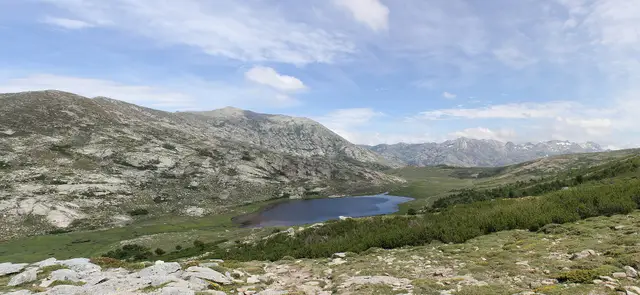
Photo: Arnaud Abadie · CC BY-SA 4.0 · Wikimedia Commons
Corsica (Corte / Ajaccio / Bastia / Porto)
★★★★★crowding: Moderate
Covers more than 40 % of the island of Corsica (375,000 ha), encompassing the backbone of Monte Cinto (2,706 m) and the canyons of the Restonica and Tavignano.
High mountainGorge and canyonOld-growth forestKarst and caves
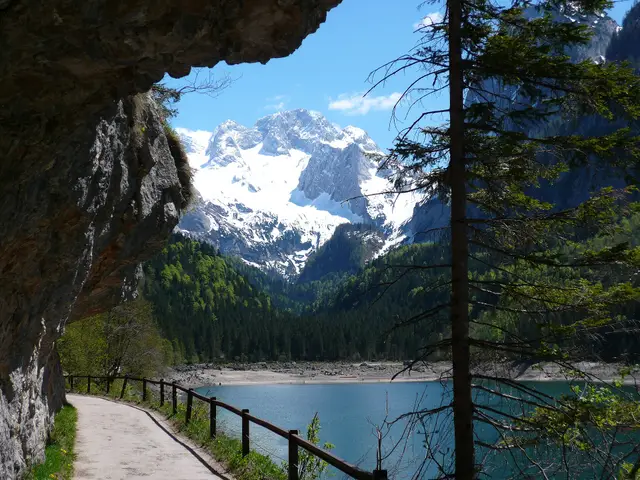
Photo: Pauljaeg · CC BY-SA 4.0 · Wikimedia Commons
Upper Austria — Gmunden; Gosau, Hallstatt and Obertraun
★★★★★crowding: No data
Karst topography, glaciers, alpine meadows and old-growth mountain forests above the Gosau lakes.
High mountainOld-growth forestLake
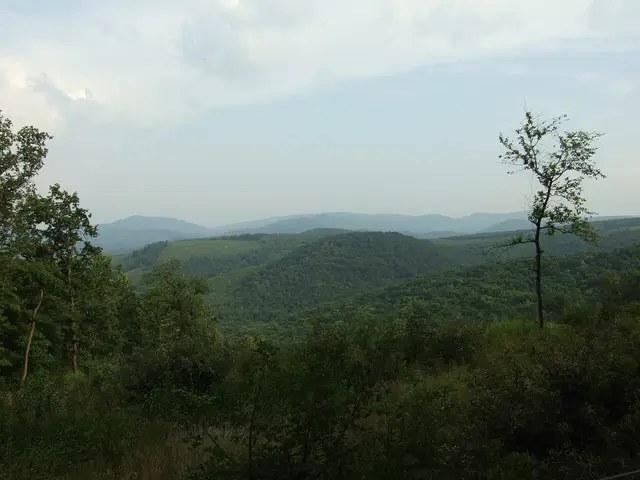
Photo: Aktron · CC BY-SA 3.0 · Wikimedia Commons
Pilis, Visegrád, Börzsöny and Ipoly Valley (Hungary)
★★★★★crowding: Low
Mountain woodlands and the Ipoly river valley in the Hungarian national park.
River corridorWetlandOld-growth forest
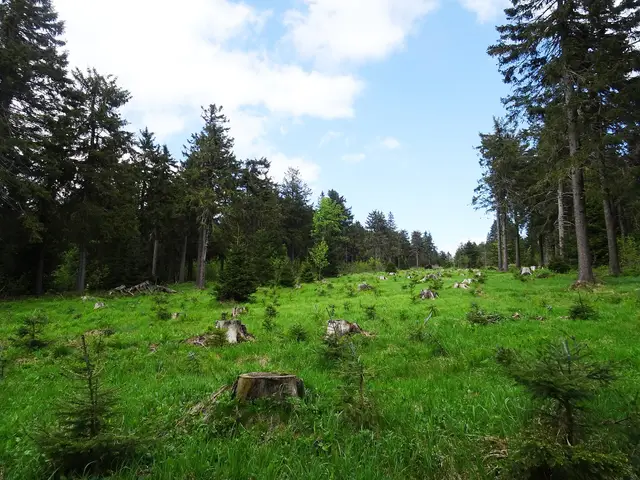
Photo: Palickap · CC BY-SA 4.0 · Wikimedia Commons
East Bohemia (CZ) / Silesia (PL) (Deštné / Zieleniec)
★★★★★crowding: Very low
Gentle forested Sudetes ridge protecting raised bogs on the Czech-Polish border.
High mountainOld-growth forestWetland
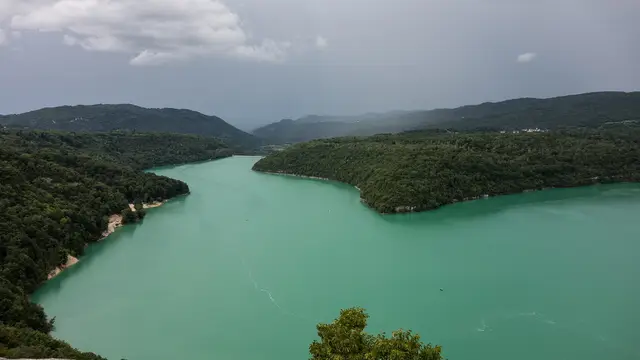
Photo: Annick Monnier · CC BY-SA 4.0 · Wikimedia Commons
Jura / Ain / Doubs (Saint-Claude / Les Rousses)
★★★★★crowding: Low
The highest crests of the Jura Range (Crêt de la Neige 1,720 m) with ancient spruce forests and peat bogs.
High mountainOld-growth forestKarst and caves
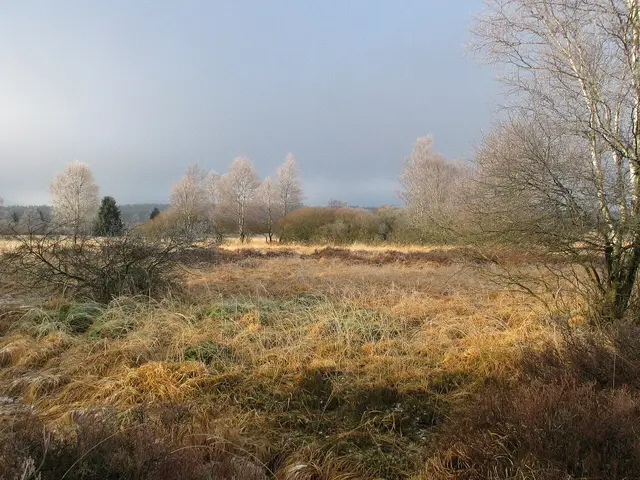
Photo: Aline · CC BY-SA 3.0 · Wikimedia Commons
Province of Liège / German-speaking Community (Eupen / Malmedy / Sankt Vith)
★★★★★crowding: Low
The largest raised bog plateau in Western Europe (600 km²), home to the highest point in Belgium.
WetlandOld-growth forest
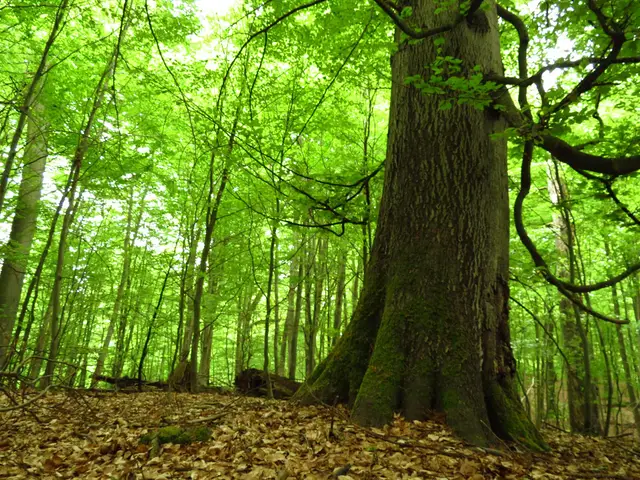
Photo: Michael Fiegle · CC BY-SA 3.0 · Wikimedia Commons
Mecklenburg-Western Pomerania — Lüttenhagen, Feldberger Seenlandschaft
★★★★★crowding: No data
Naturally regenerating old-growth beech forest rich in coarse woody debris and structural diversity in Lüttenhagen reserve.
Old-growth forest
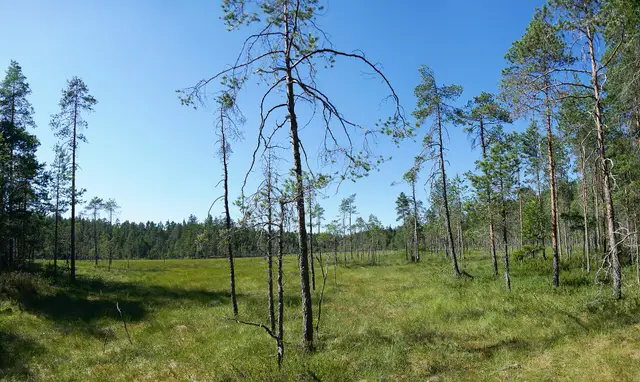
Photo: Tiia Monto · CC BY-SA 3.0 · Wikimedia Commons
Pirkanmaa (Ruovesi / Kuru)
★★★★★crowding: Low
Tectonic fault and vertical-walled canyon on Lake Helvetinjärvi (Helvetinkolu, Hell's Gate) framed by boreal pine forests.
Old-growth forestGorge and canyonLake
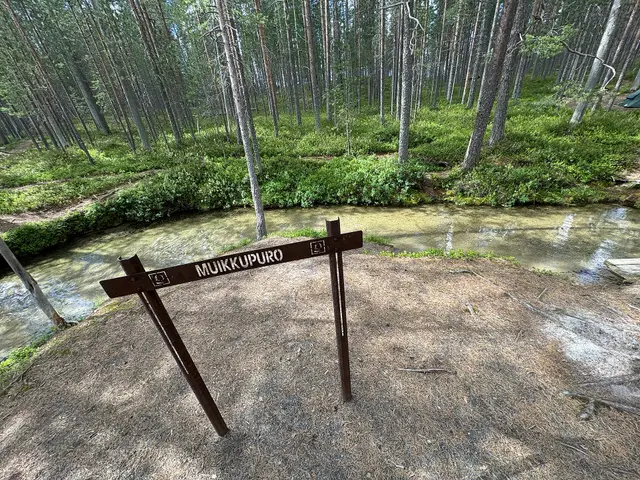
Photo: Skoolari · CC0 · Wikimedia Commons
Finland (Suomussalmi — Kainuu)
★★★★★crowding: Very low
Clear lakes and rivers woven between glacial esker ridges and taiga pine forests, featuring rock art on the shores of Lake Somerjärvi.
Old-growth forestLakeRiver corridorWetland
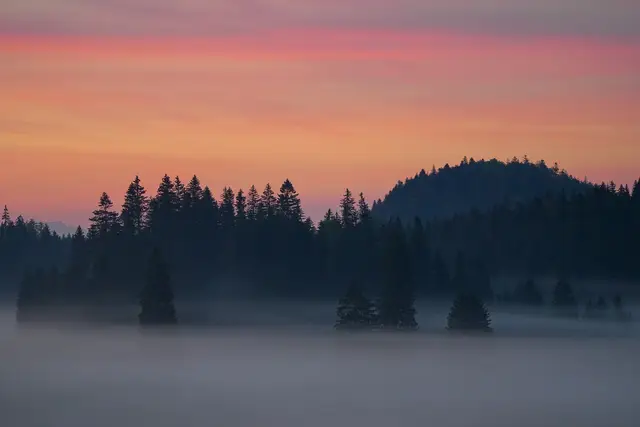
Photo: Giles Laurent · CC BY-SA 4.0 · Wikimedia Commons
Canton of Vaud (Saint-Cergue / Le Marchairuz)
★★★★★crowding: Low
Beech and pine-clad hills across morainic karst terrain overlooking Lake Geneva and the Mont Blanc massif.
High mountainOld-growth forestKarst and caves
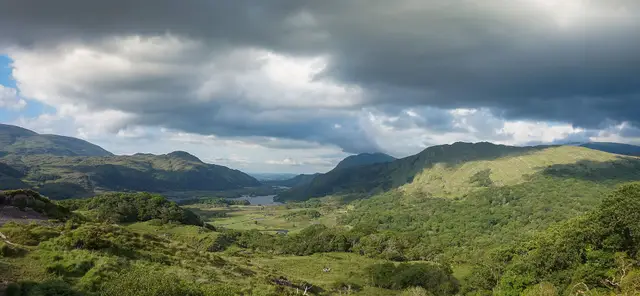
Photo: Marco Ober · CC BY-SA 4.0 · Wikimedia Commons
Kerry (Killarney / Muckross)
★★★★★crowding: Moderate
Ireland's first national park: moss-draped ancient Atlantic oakwoods, lakes, and the island's sole native red deer herd.
Old-growth forestLakeHigh mountain
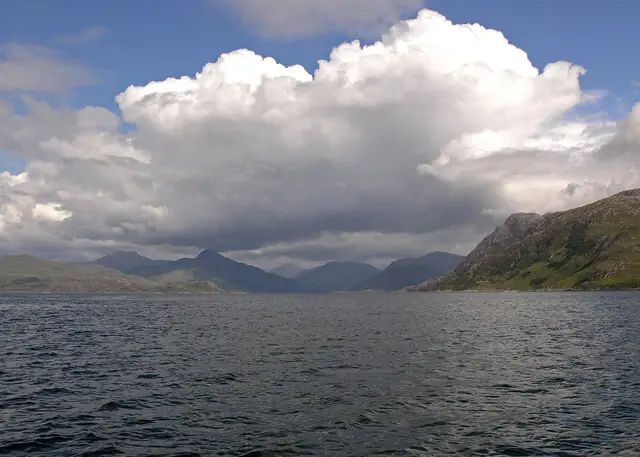
Photo: paddy patterson from glasgow, scotland · CC BY 2.0 · Wikimedia Commons
Scotland (Highlands / Mallaig / Inverie)
★★★★★crowding: Very low
Known as "Britain's last wilderness", a roadless peninsula dominated by Munro peaks and home to the UK's most remote pub, The Old Forge.
High mountainWild coastOld-growth forest
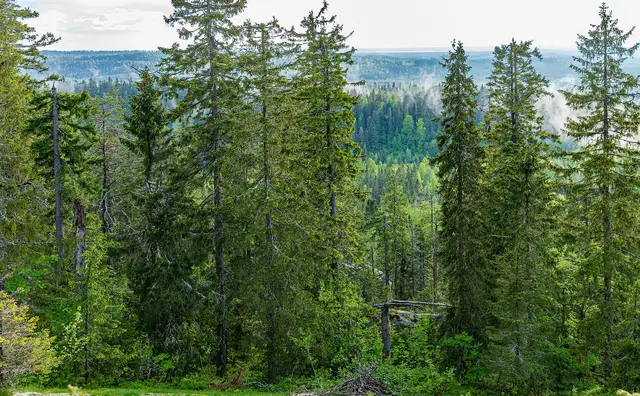
Photo: Ninara · CC BY 2.0 · Wikimedia Commons
North Karelia (Lieksa / Joensuu)
★★★★★crowding: Low
Quartzite ridges overlooking Lake Pielinen: Finland's iconic national landscape, blending heritage meadows with old-growth boreal forest.
Old-growth forestLake
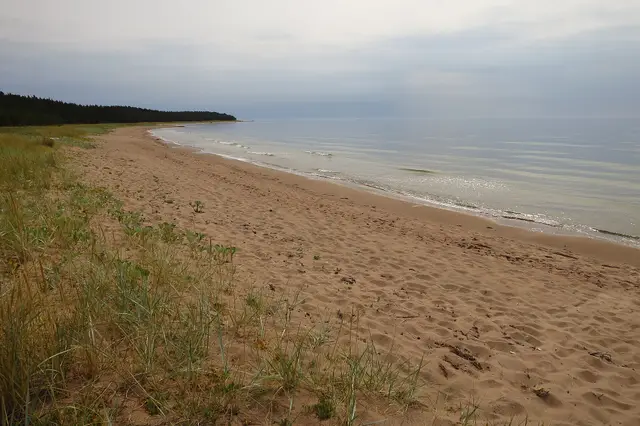
Photo: Marko Vainu · CC BY-SA 4.0 · Wikimedia Commons
Hiiu — Kõpu Peninsula, Hiiumaa
★★★★★crowding: No data
Coastal dune forests, ancient fossil bluffs, and calcareous spring fens on Western Estonia's oldest landmass.
Old-growth forestWild coastWetland
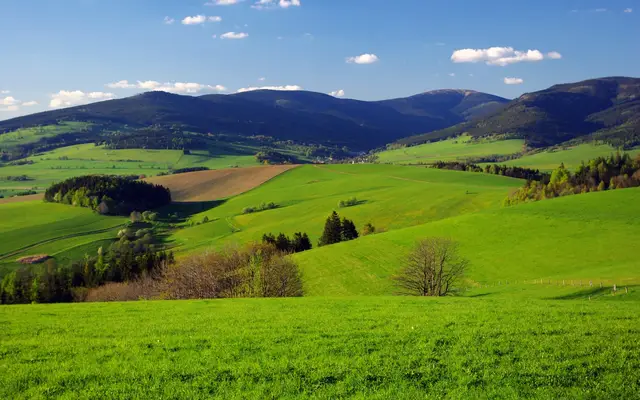
Photo: Marek Stránský · CC BY 3.0 · Wikimedia Commons
Pardubice / Olomouc (CZ) / Lower Silesia (PL) (Dolní Morava / Międzygórze)
★★★★★crowding: Low
Summit of the "Royal Snow" (1.424 m) straddling the triple European hydrological divide of the North, Baltic, and Black Seas.
High mountainRiver corridorOld-growth forest
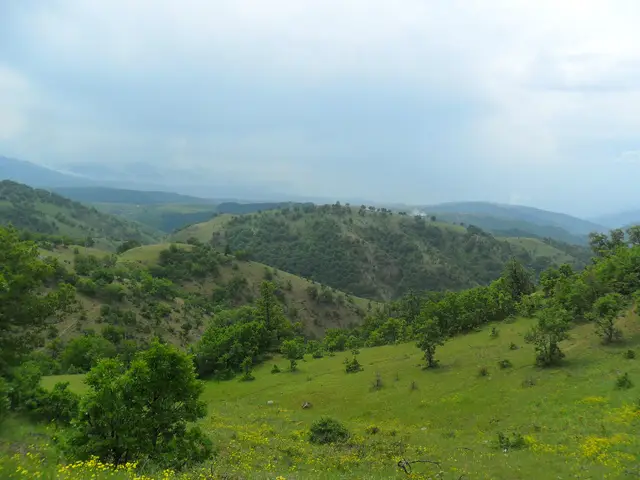
Photo: DLBankov · CC BY-SA 4.0 · Wikimedia Commons
Blagoevgrad Province (Kresna / Simitli)
★★★★★crowding: Low
Sub-Mediterranean granite gorge stretching 18 km that represents Bulgaria's foremost hotspot for reptile and amphibian diversity.
Gorge and canyonRiver corridorOld-growth forest
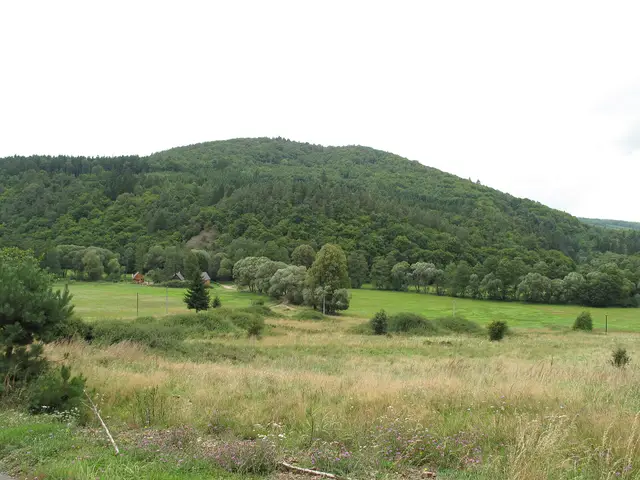
Photo: Juandev · CC BY-SA 3.0 · Wikimedia Commons
Central Bohemia (Beroun / Rakovník)
★★★★★crowding: Low
Exceptional mosaic of oak and beech forests draping the winding canyon gorges of the Berounka River.
Old-growth forestRiver corridorGorge and canyon
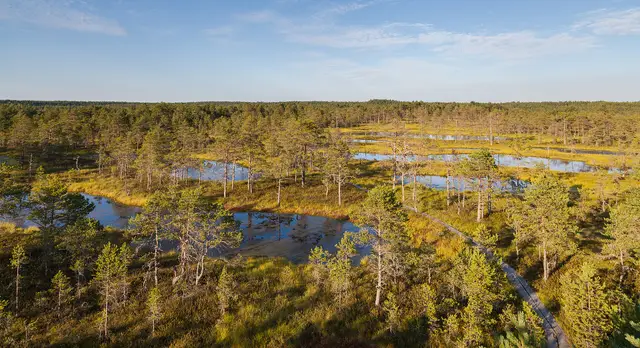
Photo: Diego Delso · CC BY-SA 3.0 · Wikimedia Commons
Lääne-Virumaa / Harjumaa (Palmse / Käsmu)
★★★★★crowding: Low
Estonia's oldest National Park (1971), protecting 4 Baltic peninsulas, boreal pine taiga, and the Viru bog.
Old-growth forestWild coastWetland
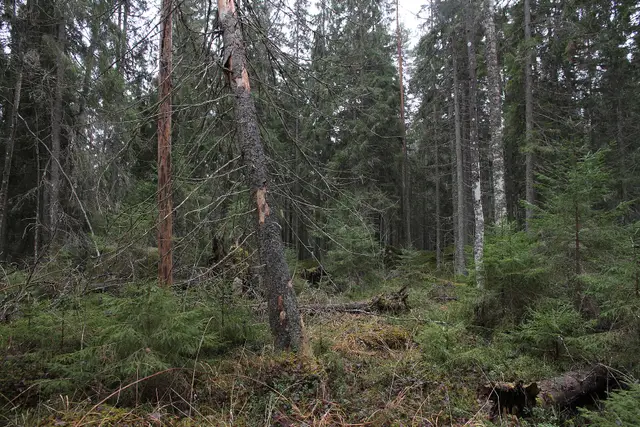
Photo: Markus Rantala ( Makele-90 ) · CC BY-SA 3.0 · Wikimedia Commons
Kanta-Häme (Tammela / Somero)
★★★★★crowding: Very low
Century-old boreal taiga featuring the narrow Kyynäränharju esker ridge meandering like a natural causeway between two lakes.
Old-growth forestLakeWetland
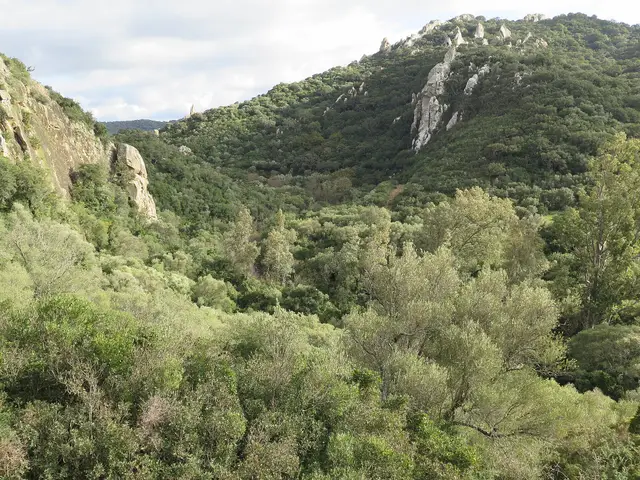
Photo: Jesús Pinilla · CC BY-SA 4.0 · Wikimedia Commons
Andalusia (Cádiz / Málaga / Alcalá de los Gazules / Jimena de la Frontera)
★★★★★crowding: Very low
The largest continuous cork oak forest on the Iberian Peninsula (170,000 ha) and humid ravines (canutos) preserving relict Tertiary laurel forest flora.
Primary forestOld-growth forestRiver corridor
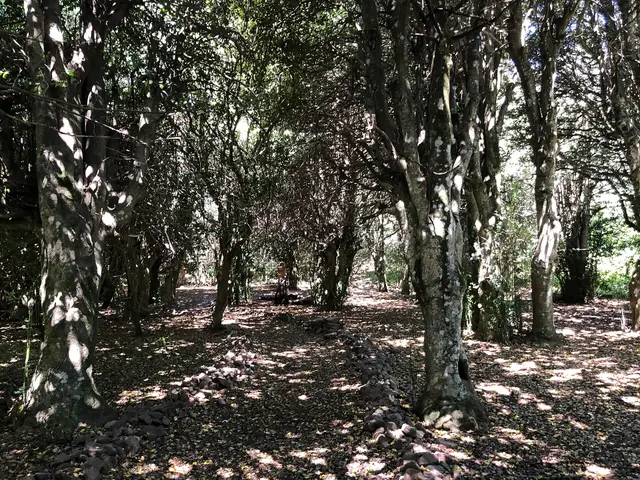
Photo: Davide Mauro · CC BY-SA 4.0 · Wikimedia Commons
Sicily (Palermo / Cefalù / Petralia Sottana / Castelbuono)
★★★★★crowding: Low
A karst massif rising nearly 2,000 m above the Tyrrhenian Sea in Sicily, home to the critically endangered Sicilian fir (Abies nebrodensis).
High mountainKarst and cavesOld-growth forest
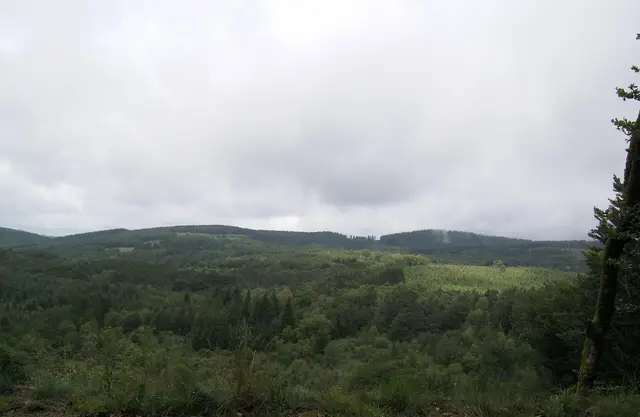
Photo: Sjwells53 · CC BY-SA 3.0 · Wikimedia Commons
Nouvelle-Aquitaine (Corrèze / Creuse / Haute-Vienne)
★★★★★crowding: Very low
The "Plateau of a Thousand Springs", a granite water tower of south-west France teeming with sphagnum bogs and river headwaters.
WetlandOld-growth forest
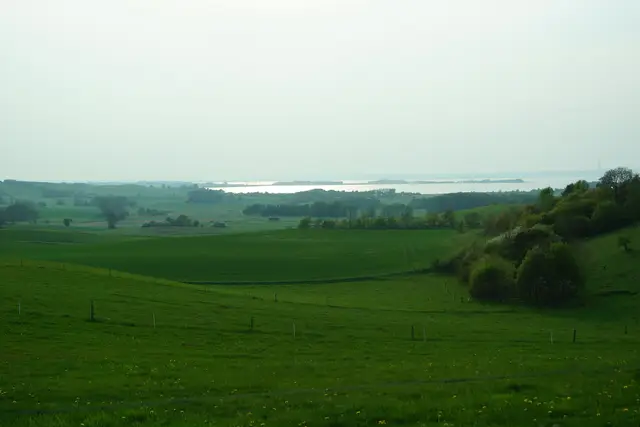
Photo: Sebastian Nils · CC BY-SA 3.0 · Wikimedia Commons
Central Jutland (Syddjurs / Ebeltoft)
★★★★★crowding: Low
Hummocky glacial moraines and dry ice-age heathland sloping down towards the fjords of the Djursland peninsula.
Steppe and grasslandWild coastOld-growth forest
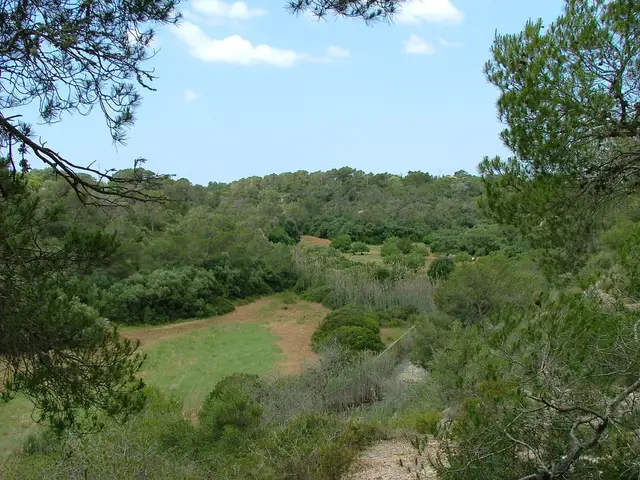
Photo: diba · CC BY-SA 2.0 de · Wikimedia Commons
Balearic Islands (Mallorca / Santanyí)
★★★★★crowding: Moderate
White-sand coves nestled between coastal juniper groves, wild olive ravines and the freshwater wetlands of Ses Fonts de n’Alis.
Wild coastWetlandOld-growth forest
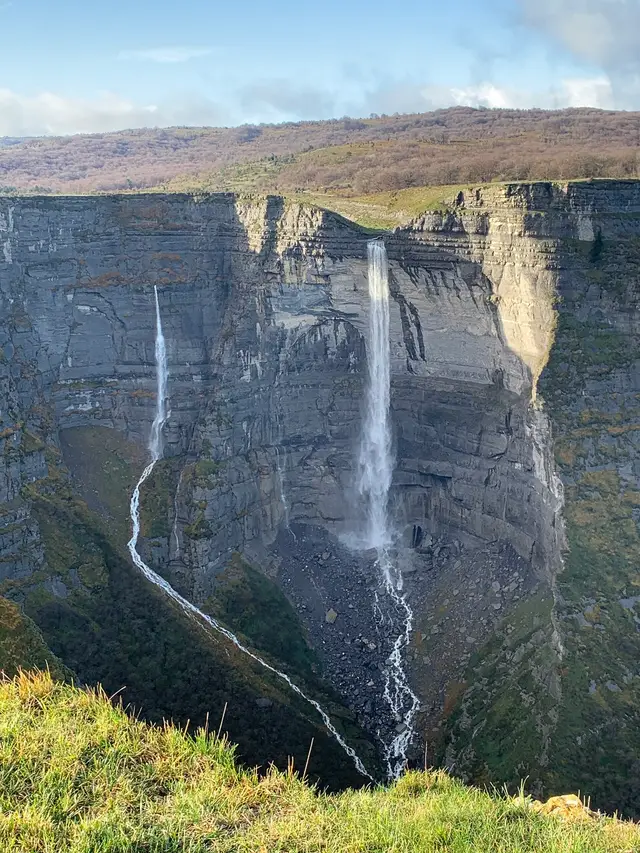
Photo: Centenoyespelta · CC BY-SA 4.0 · Wikimedia Commons
Castile and León / Basque Country (Burgos / Álava / Berberana)
★★★★★crowding: Low
The dramatic karst precipice of the Salto del Nervión (Spain's highest waterfall with a 222 m freefall) and the dense beech forest of Monte Santiago.
Gorge and canyonKarst and cavesOld-growth forest
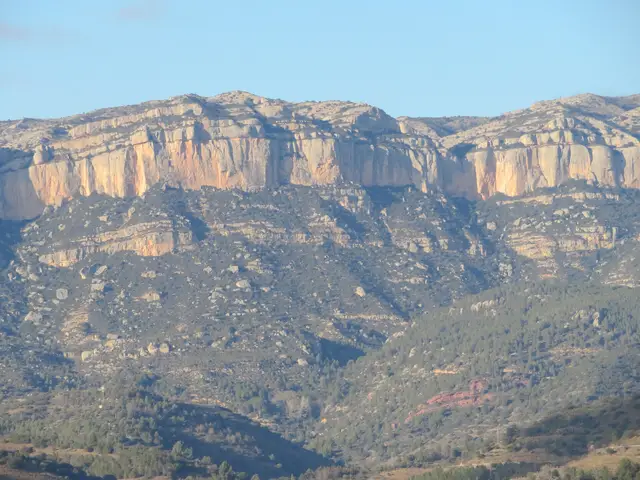
Photo: Juan Emilio Prades Bel · CC BY 4.0 · Wikimedia Commons
Catalonia (Province of Tarragona / Priorat comarca)
★★★★★crowding: Low
A range of limestone-conglomerate ramparts, gorges and Mediterranean forest inhabited by Bonelli's eagle and Iberian ibex.
Karst and cavesGorge and canyonOld-growth forest
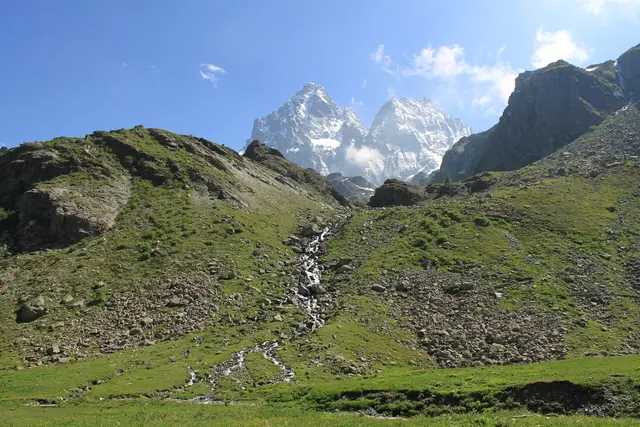
Photo: Yreen · CC BY-SA 4.0 · Wikimedia Commons
Piedmont — Po and Varaita Valleys (Province of Cuneo)
★★★★★crowding: High
Alpine pastures and rocky crags between the Po and Varaita valleys, harbouring the ancient stone pine forest of Alevè.
High mountainOld-growth forestGlacial landscape
Styria (AT), Prekmurje (SI), Međimurje (HR)
★★★★★crowding: Very low
Fast-flowing meandering river flanked by preserved alluvial gallery forests and historic floating boat mills.
River corridorWetlandOld-growth forest
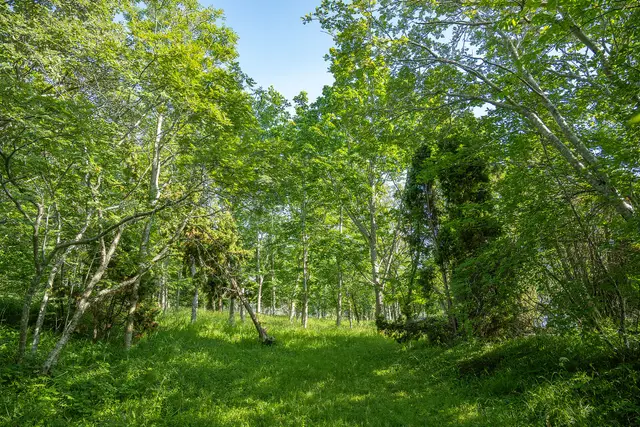
Photo: Håkan Skogsjö · CC BY-SA 4.0 · Wikimedia Commons
Åland — Nåtö and protected islets of Lemland and Mariehamn
★★★★★crowding: No data
Wooded meadows maintained through traditional management, ancient woodlands of Korsö and an old-growth yew forest on Jungfruskär.
Old-growth forestWetlandWild coastMarine
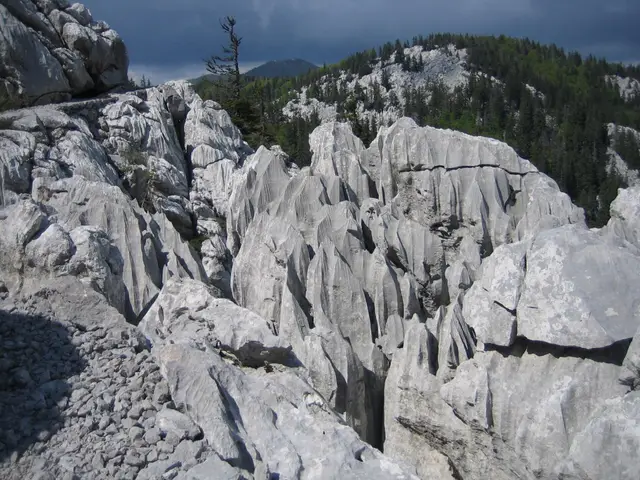
Photo: Rootmaker · CC BY-SA 3.0 · Wikimedia Commons
Lika-Senj (Croatia)
★★★★★crowding: Low
Karst relief, ancient beech forests and mountain pastures in Northern Velebit.
High mountainKarst and cavesOld-growth forest
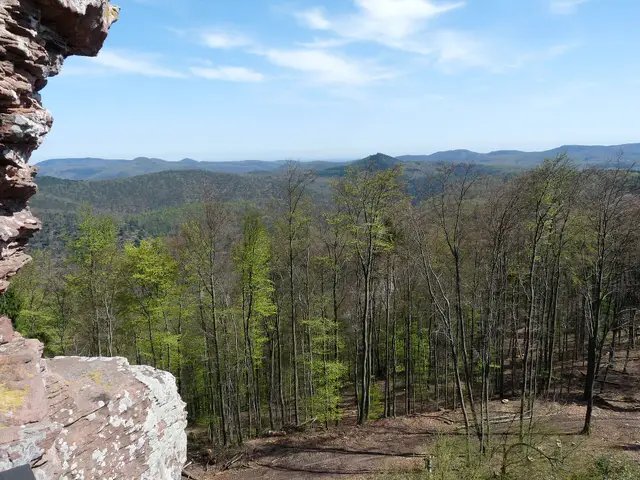
Photo: Ji-Elle · CC BY-SA 3.0 · Wikimedia Commons
Bas-Rhin / Moselle (FR) / Rhineland-Palatinate (DE)
★★★★★crowding: Low
A cross-border Biosphere Reserve shared with Germany, characterised by dense woodlands over pink sandstone cliffs and ruined medieval castles.
Old-growth forest
Grand Est (Aube / Troyes)
★★★★★crowding: Low
Lush deciduous forests encircling artificial reservoir lakes that have become a crucial migration stopover for waterfowl.
Old-growth forestLakeWetland
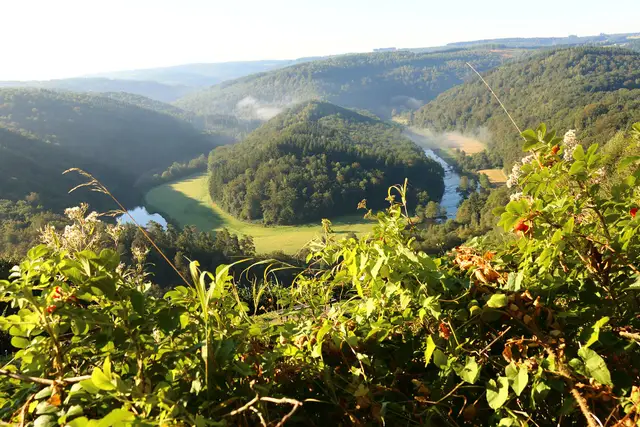
Photo: FrDr · CC BY-SA 4.0 · Wikimedia Commons
Province of Luxembourg (Bouillon / Vresse-sur-Semois)
★★★★★crowding: Low
Incised meanders cut into Ardennes schists, including the giant meander of the "Tomb of the Giant".
River corridorOld-growth forestGorge and canyon
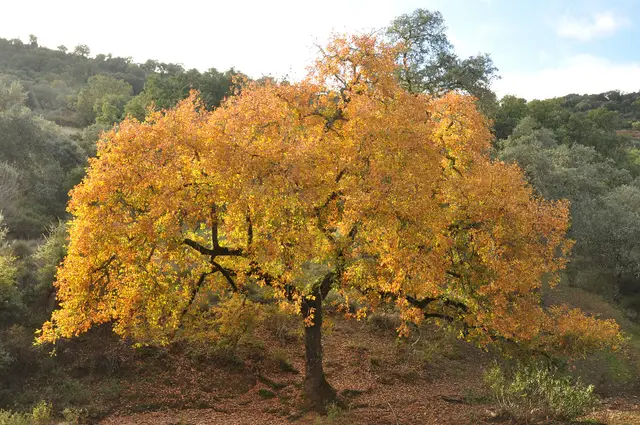
Photo: Ricoleta · CC BY-SA 4.0 · Wikimedia Commons
Andalusia (Huelva / Aracena / Aroche / Cortegana)
★★★★★crowding: Low
Sprawling holm and cork oak dehesas interspersed with centennial chestnut groves in the western reaches of Sierra Morena.
Old-growth forestKarst and caves
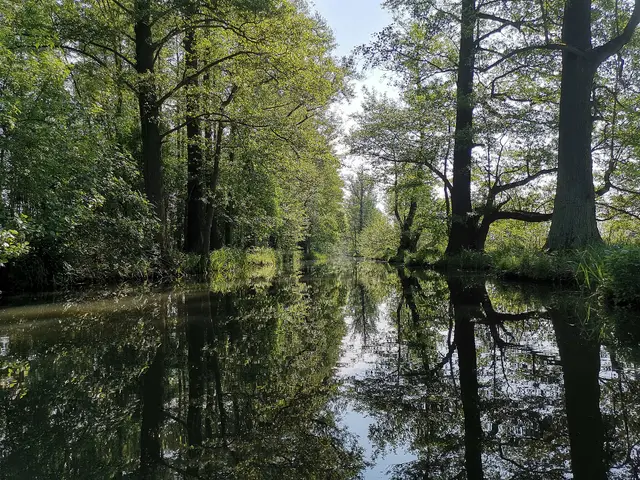
Photo: Anne-Karen Voigt · CC BY-SA 4.0 · Wikimedia Commons
Brandenburg (Lübbenau / Burg)
★★★★★crowding: Moderate
Inland river delta of 200 interwoven channels (Fließe) meandering among black alder carrs and traditional Sorbian wet meadows.
WetlandRiver corridorOld-growth forest
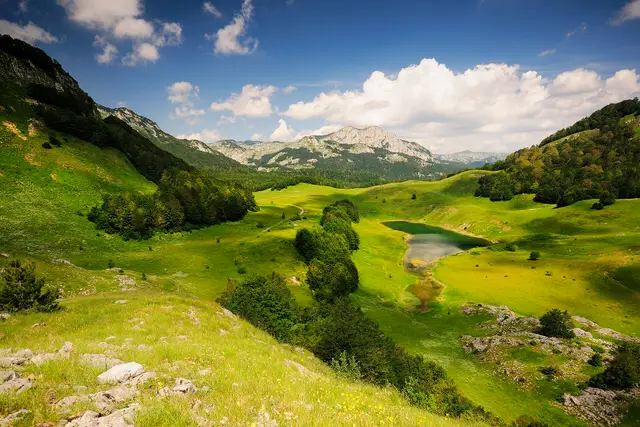
Photo: Petkovic Boris · CC BY-SA 4.0 · Wikimedia Commons
Republika Srpska (Foča / Tjentište)
★★★★★crowding: Very low
The "Green Mountain", a range of forests and alpine meadows dotted by 8 glacial lakes of striking beauty.
High mountainGlacial landscapeOld-growth forestLake
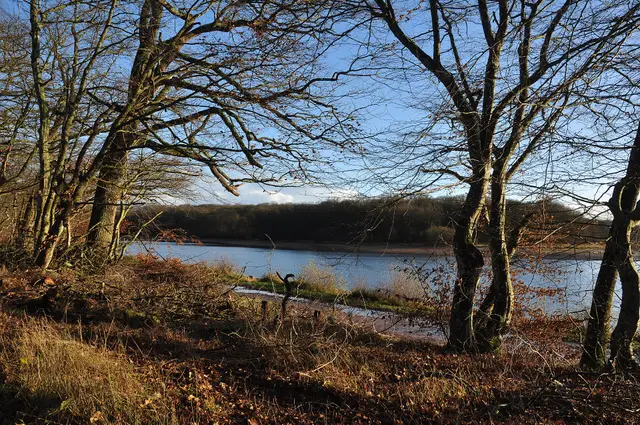
Photo: Gérard JOYON · CC BY 3.0 · Wikimedia Commons
Auvergne-Rhône-Alpes (Allier / Cérilly)
★★★★★crowding: Low
The most celebrated sessile oak forest in Europe, planted in the era of Colbert and preserving veteran trees over 400 years old.
Old-growth forest
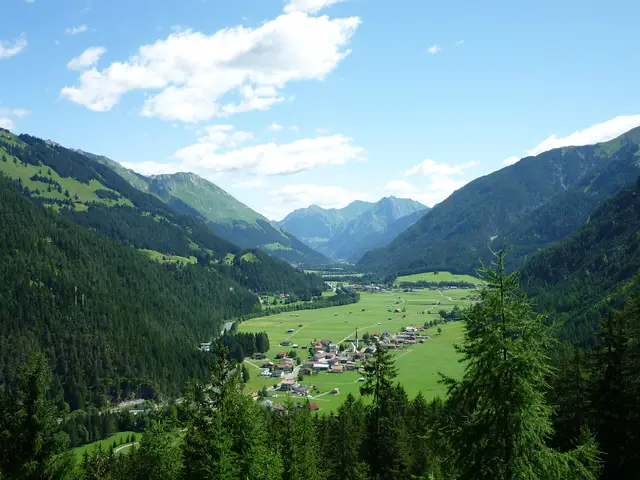
Photo: StevRush · CC BY-SA 3.0 · Wikimedia Commons
Tyrol (Elbigenalp / Reutte)
★★★★★crowding: Low
The last unconstrained, wide braided wild river system of the Northern Limestone Alps.
River corridorHigh mountainOld-growth forest
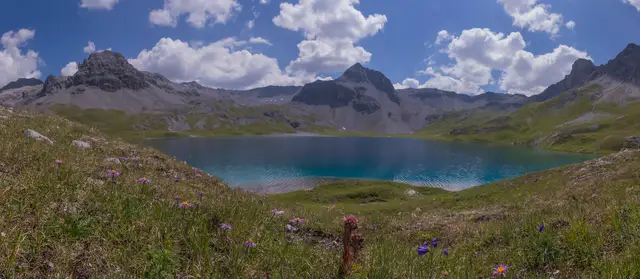
Photo: Ariocarpusandroides · CC BY-SA 4.0 · Wikimedia Commons
Graubünden (Santa Maria Val Müstair)
★★★★★crowding: Very low
Pristine alpine valley bordering the Swiss National Park preserved from heavy transit routes.
High mountainOld-growth forest
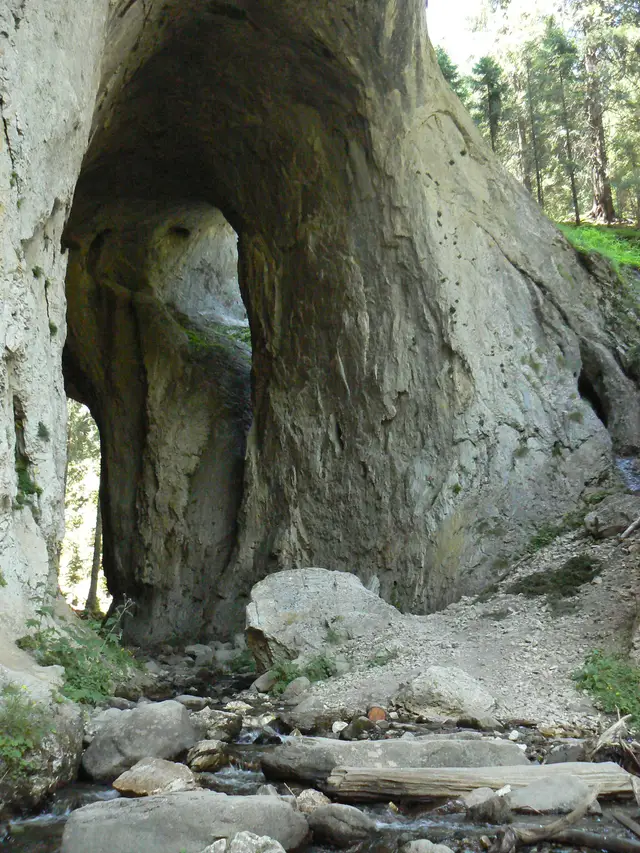
Photo: Vassia Atanassova - Spiritia · Public domain · Wikimedia Commons
Smolyan Province (Zabardo / Chepelare)
★★★★★crowding: Low
Giant karst stone arches over 45 m high created by the collapse of an ancient cave above the Erkyupriya River.
Karst and cavesGorge and canyonOld-growth forest